


Cannabis Withdrawal Symptoms: What to Expect Day by Day
Cutting down or stopping cannabis after regular use often brings on changes that catch people off guard, from restless nights to a short fuse over small things. Cannabis withdrawal symptoms are rarely discussed openly, yet they affect a large share of people who use cannabis daily or most days, leaving many wondering if what they’re feeling is normal. The truth is, this reaction is a well recognised process, not a rare occurrence or a sign that something has gone wrong.
This guide walks through cannabis withdrawal symptoms day by day, starting with the first mood dip within 24 hours and running through to the point where sleep and appetite settle back to normal. You’ll find a realistic timeline, the reasons behind each symptom, and practical steps for managing the toughest days. Whether you’re taking a short tolerance break or stepping away from cannabis for longer, BudBuddies is here to help you understand what’s coming so the whole process feels far less daunting.
Read on for the full day by day breakdown, along with answers to the questions people ask most about stopping cannabis.
Key Takeaways
Here’s a quick summary before the full breakdown below.
Symptoms usually start within 1 to 2 days of stopping and peak around day 4.
Most symptoms fade within 10 days, though sleep and mood changes can linger up to 4 weeks.
These reactions are a sign your body is recalibrating, not a sign of harm.
How often you used cannabis before, and whether you stop suddenly or taper, both affect severity.
Practical coping strategies exist for sleep, mood, physical discomfort, and appetite.
Why Does Cannabis Withdrawal Happen?
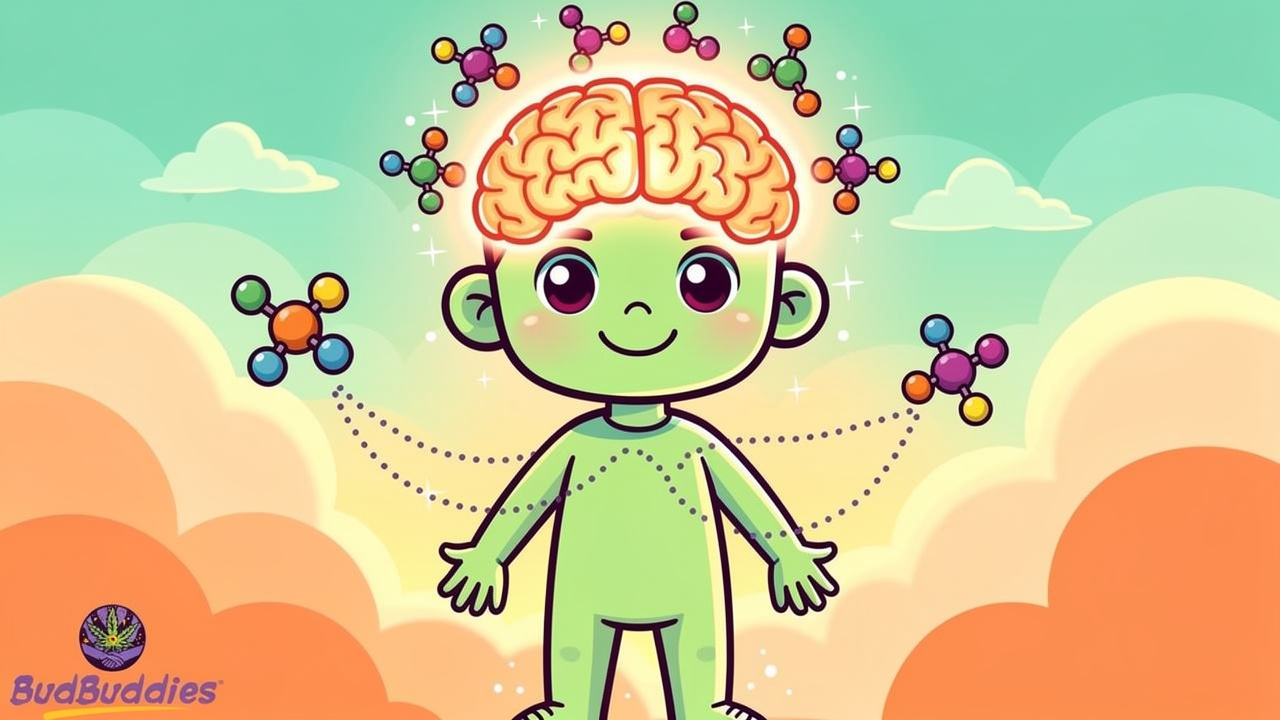
Cannabis withdrawal symptoms happen because your body adjusts to regular THC exposure and then has to readjust once that supply stops. THC, the main psychoactive compound in cannabis, binds to receptors in the endocannabinoid system, the network that helps regulate mood, sleep, and appetite. With frequent use, this system recalibrates around a steady cannabinoid supply, so once you cut down or stop, it needs time to find its own balance again.
THC is also fat-soluble, meaning it gets stored in fat cells rather than clearing the body quickly like water-soluble substances do. These stored compounds release gradually, a process that can take up to four weeks. This is exactly why some symptoms, particularly around sleep and mood, linger far longer than the initial flu-like discomfort.
Cannabis Withdrawal Symptoms Day by Day
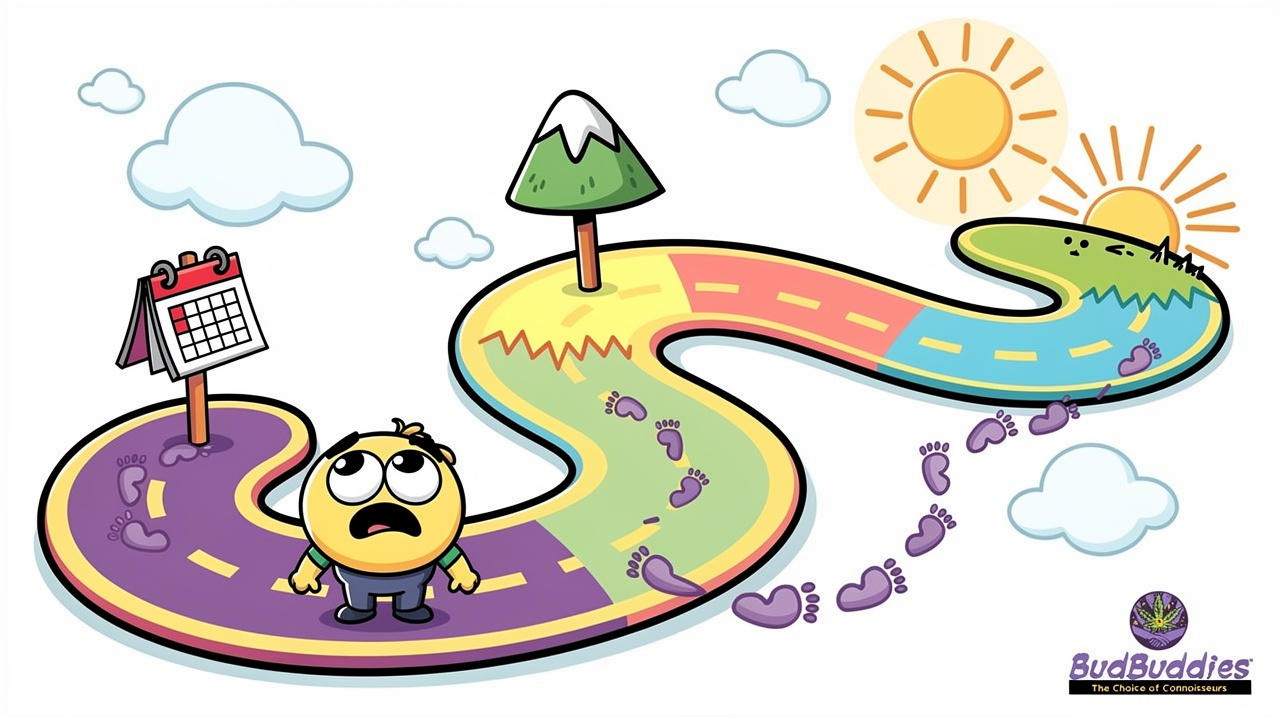
Cannabis withdrawal symptoms tend to follow a fairly predictable pattern once regular use stops, moving through three broad phases rather than hitting all at once. Knowing roughly what day you’re on, and what’s normal for that stage, makes the whole process feel far less unpredictable. BudBuddies’ own detox timeline framework breaks this down into early, peak, and resolution phases, which map closely to what most people experience.
Days 1 to 3 Early Symptoms
The first three days after stopping usually bring the mildest but most noticeable early signs. Mood swings, a low-level restlessness, and difficulty settling at night often appear within the first 24 to 48 hours. Mild irritability can creep in too, even over small things that wouldn’t normally bother you.
Appetite often dips slightly during this window as well. THC is well known for stimulating hunger, so its absence can leave meals feeling less appealing than usual. This is generally mild and short-lived, and it tends to settle before the peak phase arrives around day four.
Days 4 to 10 Peak Symptoms
Day four is typically the toughest point in the entire process. Cravings intensify, anxiety and irritability sharpen, and insomnia can make nights feel especially long. Vivid or strange dreams often show up here too, as the brain experiences a rebound in the dream-heavy REM sleep stage that cannabis had been suppressing.
Flu-like physical symptoms frequently join in during this window, consistent with the symptoms and treatment guidance on marijuana withdrawal published by a leading medical center. Sweats, chills, headaches, and general muscle aches are common, mirroring how a cold or mild flu might feel. Knowing that day four marks the peak, rather than a sign things are getting worse, can make it far easier to push through.
Days 10 to 28 Gradual Resolution
Most of the sharper symptoms ease off by around day 10, leaving milder background effects rather than the intensity of the previous week. Sleep disturbances and low mood can still linger a while longer, sometimes stretching to four weeks in total, reflecting how stored THC keeps releasing gradually from fat cells long after the acute phase has passed.
Recovery speed also depends heavily on your usage pattern beforehand:
Occasional users, consuming once or twice a week, often notice sensitivity return within three to seven days.
Regular users at three to four times weekly may need one to two weeks for a fuller reset.
Daily users can expect closer to four weeks for complete recovery.
How to Manage the Most Common Symptoms
Getting through cannabis withdrawal symptoms is far easier with a plan for each specific symptom rather than one generic approach. Different symptoms respond to different strategies, so grouping sleep, mood, physical discomfort, and appetite separately gives you steps you can use as soon as they appear. Some people also explore non-intoxicating options, such as CBD oils, capsules, and hemp teas from BudBuddies, to take the edge off restlessness or discomfort during a break, though these aren’t a medical treatment and won’t remove withdrawal outright.
Sleep, Dreams, and Mood
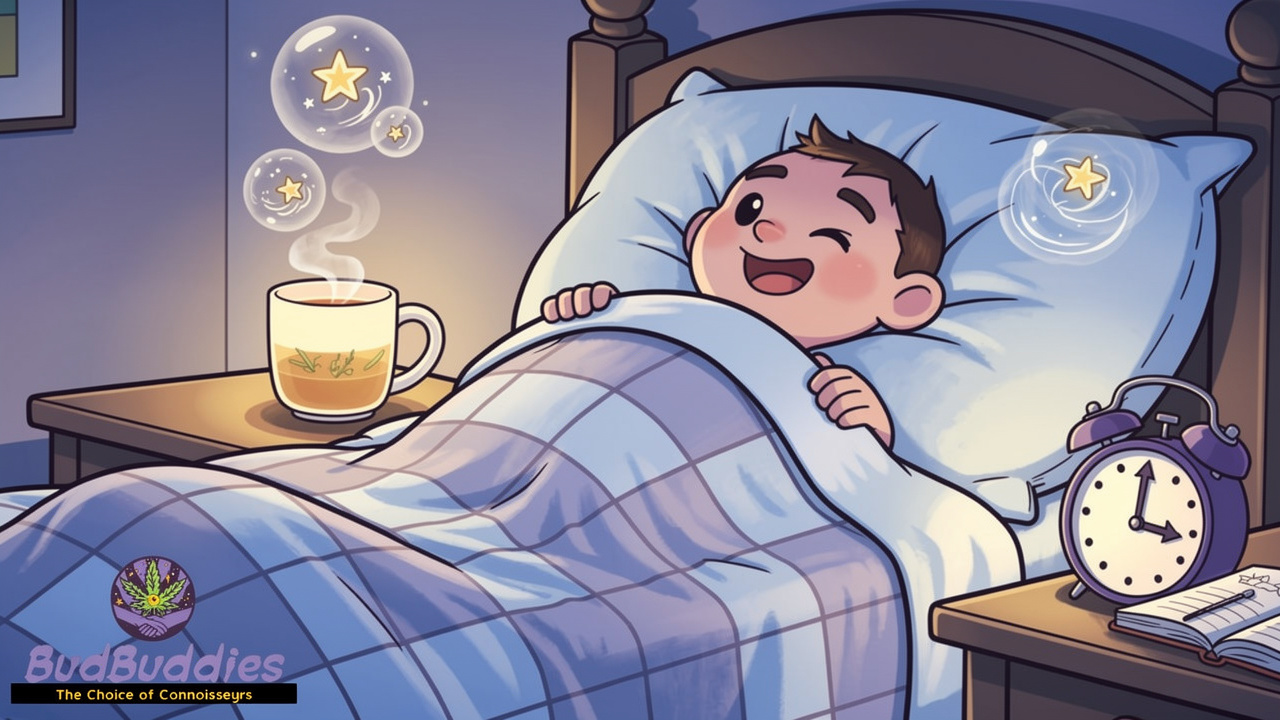
Keep a consistent sleep schedule and a calming bedtime routine to train your body to expect rest at the same time each night.
Avoid screens for an hour before bed to make it easier to switch off.
Remember vivid or strange dreams usually fade within about a week, so treat them as a normal, temporary phase rather than a cause for concern.
Write down worries and try simple breathing exercises to ease anxiety and short temper alike.
Physical Discomfort and Appetite
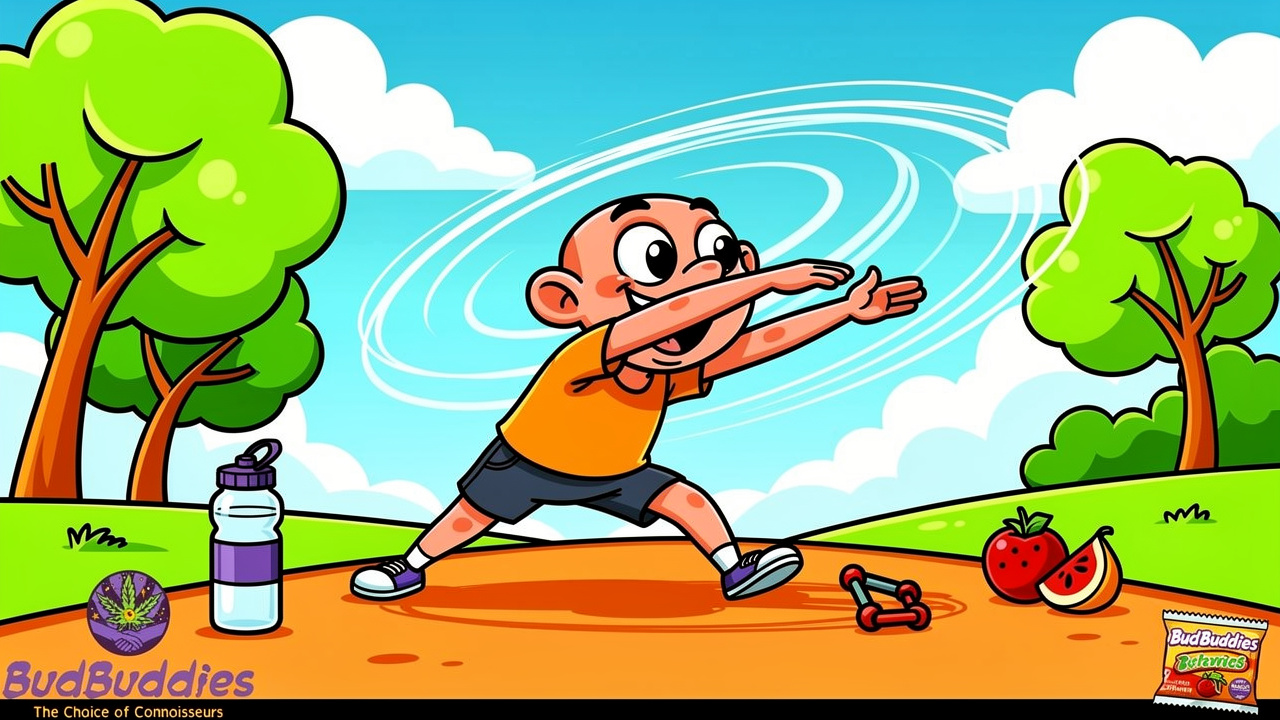
Flu-like aches, sweats, and chills respond well to rest, warmth, and plenty of fluids, alongside over-the-counter pain relief such as paracetamol or ibuprofen where suitable. Treat these days much like a mild cold rather than pushing through as normal. If appetite dips, eating little and often, or trying a smoothie instead of a full meal, can help. Light exercise and fresh air often bring appetite back to normal faster, and a randomised controlled trial on aerobic cycling and cannabis withdrawal found that regular movement can also ease broader withdrawal severity.
What Affects How Severe Withdrawal Feels?
How intense cannabis withdrawal symptoms feel depends heavily on your usage history before stopping. Long-term daily users typically notice sharper symptoms than someone who used cannabis only occasionally, since the endocannabinoid system has adapted more deeply to a constant supply. Mixing cannabis with tobacco adds another layer too, since stopping both at once means dealing with nicotine withdrawal, including its own cravings, alongside the cannabis-specific symptoms already in play, a pattern confirmed by a multi-site study on tobacco and cannabis co-use.
The method you choose to stop also shapes the experience. Stopping abruptly tends to produce a sharper, more concentrated withdrawal than gradually tapering down over several weeks. If the peak days sound daunting, a slower reduction in frequency or strength may ease the transition considerably.
How BudBuddies Supports a Confident Tolerance Break
BudBuddies supports anyone planning a tolerance break by keeping the basics, quality and clarity, beyond question. Every product comes with a clear cannabinoid and terpene profile, backed by lab testing, so you know exactly what you’re working with when you decide to ease back in after a break. That transparency helps you control potency deliberately, rather than guessing, which makes returning to use after withdrawal far more predictable.
Privacy matters throughout this process too, so orders arrive in plain, unbranded packaging with tracked delivery, keeping a personal decision exactly that. For more detail on what to expect, the brand’s own tolerance break and detox timeline guides on budbuddies.cc cover the full picture, from occasional to daily use patterns.
The Bottom Line
Cannabis withdrawal symptoms are uncomfortable, but they are also proof that your body is recovering and finding its own balance again, rather than a sign of lasting harm.
Onset within 1 to 2 days of stopping.
Peak intensity around day 4.
Most symptoms settled by day 10.
Full resolution within roughly 4 weeks.
Patience and a bit of self-compassion go a long way during the toughest days, alongside the practical steps covered earlier for sleep, mood, and physical discomfort.
If you’re planning a break or simply want to understand your own patterns better, BudBuddies’ product range and guides on budbuddies.cc are a useful next stop for anyone approaching cannabis use a little more deliberately.
Frequently Asked Questions
Here are quick answers to the questions people ask most often about stopping cannabis.
Can You Get Withdrawal Symptoms From Cannabis If You Only Use It Occasionally?
Occasional use, around once or twice a week, rarely causes noticeable withdrawal. Your endocannabinoid system hasn’t adapted as deeply to constant THC, so any symptoms tend to be mild, such as slightly disrupted sleep for a night or two, and settle quickly without much difficulty.
Is It Better To Quit Cannabis Gradually Or Stop Suddenly?
Gradually tapering down tends to produce milder cannabis withdrawal symptoms than stopping suddenly. Reducing frequency or strength over several weeks gives your endocannabinoid system more time to adjust, whereas cutting off completely often triggers a sharper withdrawal period around day four.
How Long Does It Take For THC To Fully Leave Your System?
THC is fat-soluble, so it’s stored in fat cells and released gradually rather than clearing quickly. This process can take up to four weeks in total, which explains why some symptoms, particularly around sleep and mood, linger longer than the initial physical discomfort.
Why Do I Get Such Vivid Dreams After Stopping Cannabis?
Cannabis, particularly THC, suppresses REM sleep, the stage most associated with dreaming. Once you stop, your brain experiences a rebound in REM activity, producing more frequent and vivid dreams. This is temporary and usually fades within about a week as your sleep pattern settles.
Does Smoking Cannabis With Tobacco Make Withdrawal Harder?
Yes, mixing cannabis with tobacco means dealing with nicotine withdrawal alongside cannabis withdrawal symptoms. Cravings, irritability, and difficulty concentrating from nicotine can stack on top of cannabis-specific effects, making the overall experience feel more intense than stopping cannabis alone.
When Should I Consider Getting Extra Support During Withdrawal?
If symptoms feel overwhelming, last well beyond four weeks, or come with broader low mood or anxiety, it’s worth reaching out to a GP or a local support service. Extra support is especially useful if cannabis had become a main way of managing stress or sleep.

