


Does Weed Affect Sperm Count? Here’s What to Know
If you and your partner are trying for a baby, you’ve probably asked yourself a fair question. Does weed affect sperm count, and should that change how often you use it? It’s a sensible thing to wonder, given how common cannabis use has become across the UK.
The short answer is that regular cannabis use does appear linked to lower sperm concentration, weaker motility, and more oddly shaped sperm cells, though scientists haven’t reached full agreement. This guide walks through what the research actually shows, how THC interacts with your reproductive system, and whether the effects are temporary. We’ll also look at frequency, method of use, and practical steps if fertility is on your mind right now. BudBuddies exists to help UK cannabis consumers make informed choices, so consider this your plain-English breakdown of the science before you read on.
Key Takeaways
Regular, heavy cannabis use has been linked in several studies to lower sperm concentration, reduced motility, and a higher share of abnormally shaped sperm.
The relationship looks dose-dependent, meaning occasional use carries far less apparent risk than daily or near-daily consumption.
Sperm regenerates roughly every 64 to 72 days, so any negative effects may improve within a few months of cutting back.
Choosing lab-tested products with clear THC and CBD levels helps you know exactly what you’re consuming and in what amount.
Does Weed Affect Sperm Count?
Current research suggests that cannabis use, particularly regular or heavy use, can lower sperm count alongside motility and normal shape, though the evidence base still has gaps. The male reproductive system carries cannabinoid receptors, mainly CB1 receptors, as part of the body’s endocannabinoid system, which naturally helps regulate sperm production, maturation, and the process sperm use to fertilise an egg. When THC, the main psychoactive compound in cannabis, enters your bloodstream, it can bind to these same receptors in the testes. This interferes with the finely balanced signalling the body relies on for healthy sperm development. The result, according to several studies, is a measurable shift in sperm quality among frequent users compared with those who don’t use cannabis at all.
How THC Affects Sperm Production
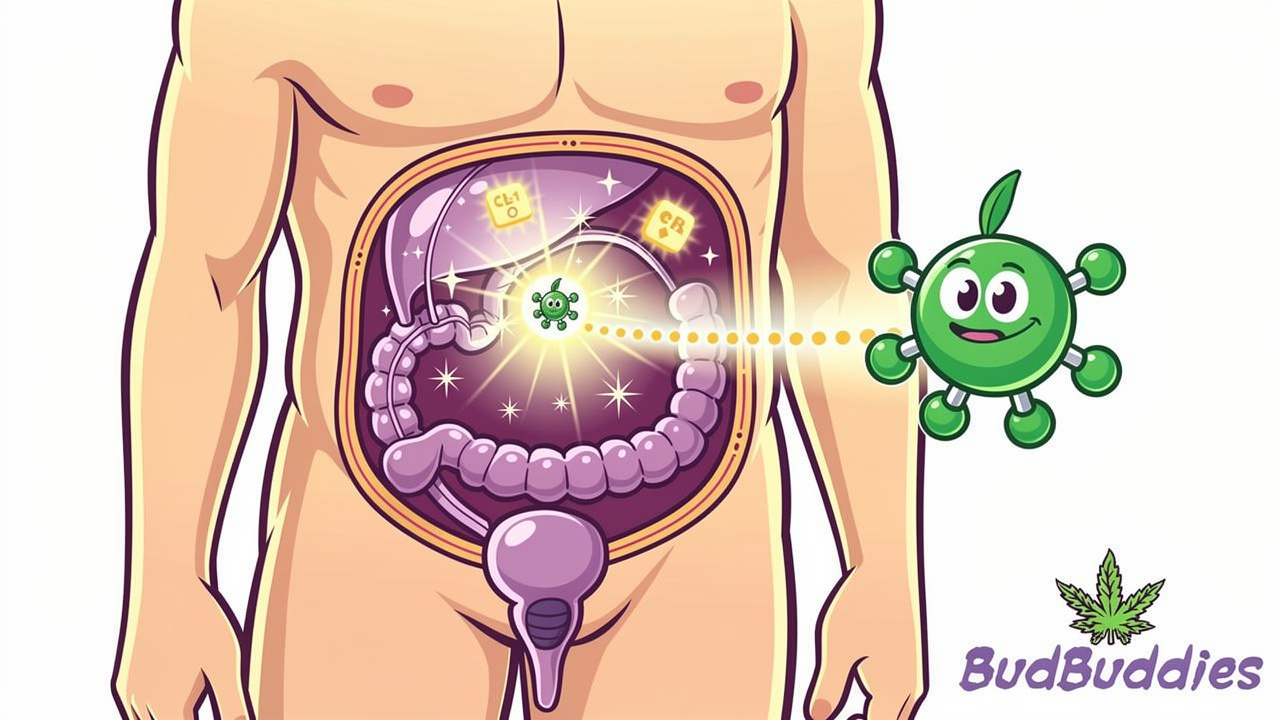
THC’s main route of interference sits inside your reproductive tract itself, not just your brain. Cannabinoid receptors in the testes and along the sperm’s path help control spermatogenesis, the technical term for sperm production, and the acrosome reaction, the step sperm need to break through an egg’s outer layer. Introducing external THC on top of the body’s own natural cannabinoids can throw this process off balance. Some research even suggests THC can trigger that reaction too early, leaving sperm that look healthy under a microscope but function poorly.
What Does the Research Actually Show?
The research on cannabis and sperm health covers four main areas, count, motility, shape, and hormones, with findings that range from clear to genuinely mixed. Several studies point towards lower sperm concentration among regular users, while others have found no meaningful difference, or even the opposite result in lighter users. Motility and morphology studies tend to show more consistent patterns of harm with heavier use. Hormonal research remains the least settled, with testosterone changes appearing in some studies but not others, largely due to differences in study size, self-reported habits, and how “regular use” gets defined.
Sperm Concentration and Count
Several studies looking at men who use cannabis more than once a week have found notably lower sperm concentrations, with research on marijuana and tobacco effects on male fertility reporting reductions of around 28% compared with non-users. That said, not every study agrees, and at least one piece of research found a paradoxical increase in sperm concentration among light users. This inconsistency reflects how much frequency, dosage, and individual biology shape the outcome, rather than pointing to one universal effect.
Motility and Morphology
Motility describes how well sperm can swim towards an egg, and THC appears to interfere with the mitochondrial energy sperm cells rely on for that journey. Weaker motility means fewer sperm complete the trip needed for natural conception. Morphology, meanwhile, refers to sperm shape, and a prospective analysis of marijuana and semen quality links cannabis use to a higher share of abnormal heads, midpieces, or tails. Sperm with irregular shapes struggle to penetrate an egg, even when overall counts look normal.
Hormones and DNA Integrity
THC may also affect the hypothalamic-pituitary-gonadal axis, and research on the gonadotropin axis and semen quality in cannabis users shows the hormonal system that regulates testosterone and sperm development can be disrupted, though findings on testosterone itself remain genuinely mixed across studies. Separately, a smaller body of research, including a Danish National Birth Cohort study on cannabis and fecundity biomarkers, has explored whether cannabis use raises sperm DNA fragmentation, meaning damage to the genetic material sperm carry. Higher fragmentation has been linked elsewhere to lower fertilisation rates and poorer embryo quality, which makes this an area worth watching even though current study sizes remain limited.
Does Frequency or Method of Use Matter?
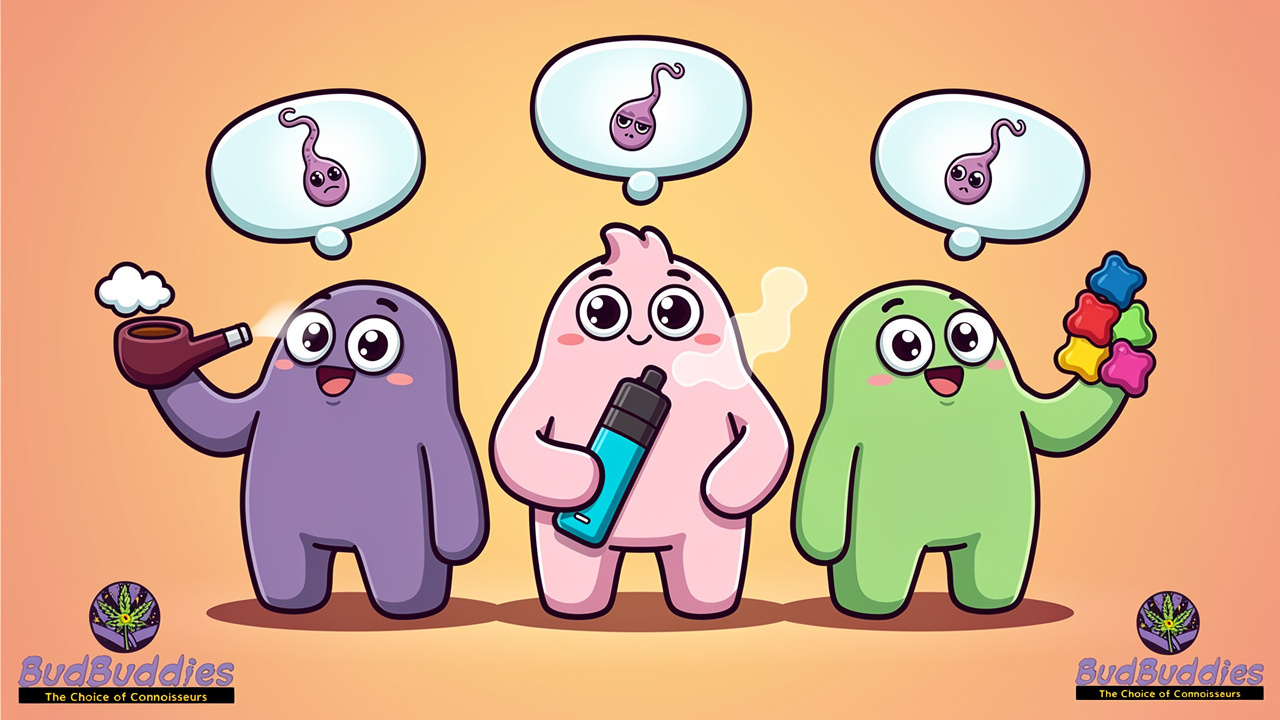
Yes, frequency appears to matter more than almost any other factor in how cannabis affects sperm health. Men who use cannabis daily or several times a week tend to show more pronounced changes in sperm parameters than those who use it occasionally or have stopped altogether. This dose-dependent pattern suggests moderation genuinely helps, even if complete abstinence remains the safest option while actively trying to conceive.
Method of consumption also plays a small supporting role:
Smoking exposes the body to combustion by-products similar to tobacco smoke, which may add oxidative stress on top of any cannabinoid effect.
Vaping reduces that extra combustion exposure but still delivers THC into the bloodstream just the same.
Edibles bypass smoke inhalation entirely, though THC still reaches the reproductive system through digestion.
Does CBD Affect Sperm Count Too?
CBD behaves quite differently from THC because it interacts more with CB2 receptors and other pathways, rather than strongly activating the CB1 receptors linked to reproductive effects. Research specifically on CBD and fertility remains far more limited than research on THC, so firm conclusions aren’t yet possible either way. For anyone wanting to reduce THC exposure without giving up cannabinoids entirely, BudBuddies stocks broad-spectrum and isolate-based CBD oils, capsules, and flower designed to minimise trace THC content.
Can Sperm Count Recover After Stopping Cannabis?
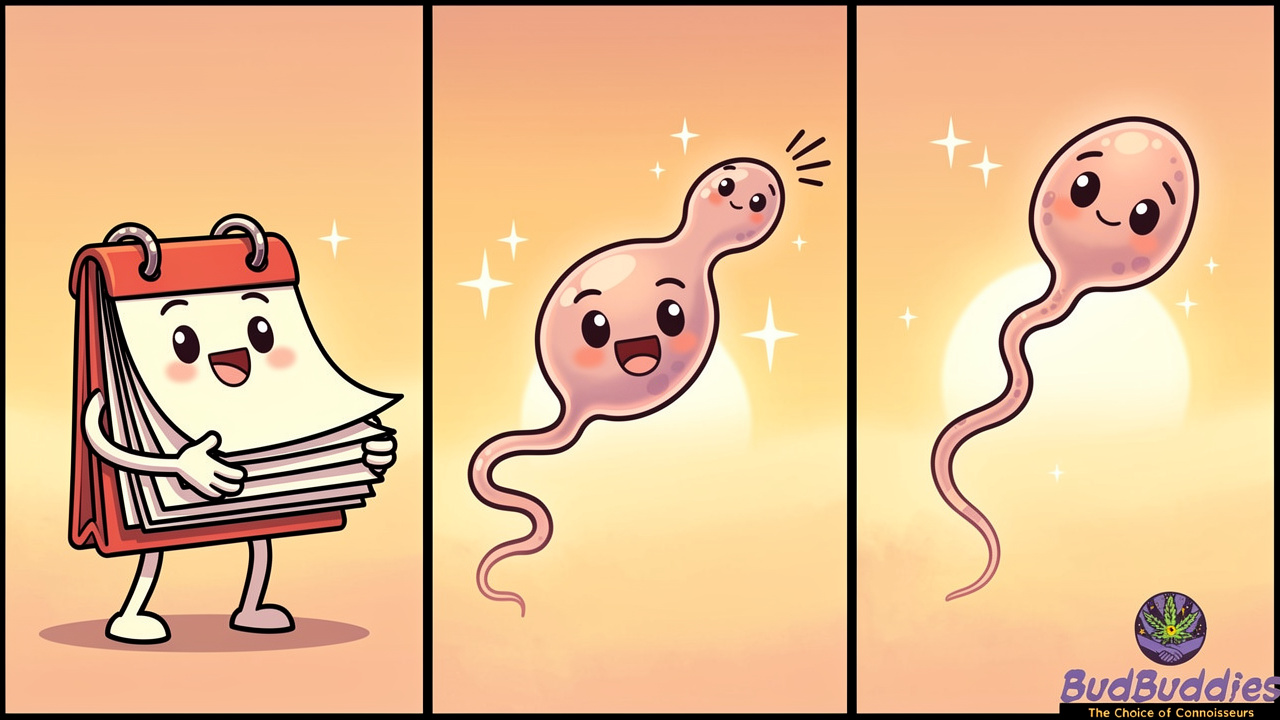
One genuinely reassuring part of this topic is that sperm production runs on a continuous cycle, regenerating fresh cells roughly every 64 to 72 days. This means any reduction in count, motility, or shape linked to cannabis use isn’t necessarily permanent, and quality may gradually return towards baseline once you stop or significantly cut back.
For men actively trying to conceive, allowing at least one full sperm cycle, around three months, before attempting conception gives the body time to produce cells that haven’t been exposed to THC. Pairing this with a semen analysis from your GP or a fertility specialist gives you concrete, personal data rather than relying on general population studies alone.
Practical tip: If fertility is a genuine priority, pair any lifestyle change with an actual semen analysis rather than guesswork. Numbers from a lab give you a far clearer picture than assumptions based on general studies.
Making Informed Choices With BudBuddies

Making genuinely informed choices about cannabis and fertility starts with knowing exactly what you’re consuming, and that’s precisely where this platform focuses its attention. Every product sold comes with a Certificate of Analysis confirming THC and CBD levels alongside screening for contaminants, so you’re never guessing at potency when trying to moderate or taper your use.
For those wanting more control over dosage, clear dosage guides for edibles and capsules help you consume predictably rather than by accident. If reducing THC exposure while still enjoying cannabinoids matters to you, the CBD range offers a lower-intensity alternative worth exploring alongside professional fertility advice.
The Takeaway
For most people who use cannabis occasionally and aren’t currently trying to conceive, the evidence doesn’t point towards significant lasting harm to fertility. If you’re actively planning a family, though, frequent or heavy use is worth reconsidering, given how consistently it shows up across studies on sperm concentration, motility, and shape.
Speaking with a GP or fertility specialist is always the sensible next step if conception has proven difficult. In the meantime, exploring the brand’s lab-tested flower, edibles, and CBD options can help you consume with more clarity and confidence, whatever stage you’re at.
Frequently Asked Questions
These quick answers cover the questions people most often ask alongside “does weed affect sperm count,” from testosterone to timing.
Does Smoking Weed Lower Testosterone?
Findings are mixed. Some studies link heavy, regular cannabis use to lower testosterone, while others show no significant change at all. The outcome seems to depend on how much and how often someone uses cannabis, plus exactly how testosterone gets measured in each study.
How Long Should You Stop Smoking Weed Before Trying to Conceive?
Around three months is a sensible benchmark, since that matches roughly one full sperm regeneration cycle. Combining this pause with a semen analysis gives you and your partner a clearer, more personal picture of sperm health before attempting conception.
Can Occasional Cannabis Use Still Affect Fertility?
Occasional or one-off use appears far less likely to cause lasting harm than regular, heavy consumption. Most research pointing towards reduced sperm quality involves men using cannabis multiple times a week or daily, rather than infrequent users.
Does Weed Affect Female Fertility Too?
Yes, THC can interact with the endocannabinoid system in the female reproductive tract, potentially affecting ovulation, egg quality, and hormone levels. Couples trying to conceive should consider that either partner’s cannabis use may play a role.
Is Vaping Better Than Smoking for Fertility Concerns?
Vaping reduces exposure to combustion by-products found in smoke, which may lower additional oxidative stress. However, it still delivers THC into the bloodstream, so the cannabinoid-related effects on sperm health are likely to remain broadly similar either way.
Conclusion
Cannabis and fertility is a topic where nuance matters more than blanket statements. The evidence leans towards caution for frequent, heavy users trying to conceive, while occasional consumption appears to carry far less risk, and any changes may improve once you stop or cut back.
Whatever stage you’re at, knowing exactly what’s in your product makes every decision easier. BudBuddies’ lab-tested range gives you that clarity, so you can enjoy cannabis on your own terms while staying mindful of what matters most to you.

