


Weed Withdrawal Insomnia: Why It Happens & How to Sleep
Lying awake at 3am after cutting down on weed is one of the most common complaints people report during a tolerance break or a full stop. Weed withdrawal insomnia catches many people off guard, especially if cannabis had quietly become part of their bedtime routine for months or years. The sudden absence of that familiar wind-down effect can leave nights feeling restless, fragmented, and far longer than they should be.
This article walks through why weed withdrawal insomnia happens, how long it typically lasts, and what actually helps you sleep again while your body readjusts. We’ll cover the vivid dreams that often show up in the first week, the wider cluster of withdrawal symptoms that can compound sleep trouble, and practical steps you can start using tonight. BudBuddies, a UK retailer known for lab-tested CBD and cannabis products with clear, plain-English guidance, also looks at how a gradual step-down approach can ease the whole process.
Key Takeaways
Weed withdrawal insomnia largely stems from REM rebound and an endocannabinoid system relearning how to regulate sleep without THC.
Symptoms tend to peak around day four and mostly ease by day 10, though some people notice disrupted sleep for up to four weeks.
Vivid or unsettling dreams are a normal, temporary part of the process rather than a cause for concern.
Consistent routines, daylight exposure, and cutting caffeine are among the most reliable tools for better sleep during withdrawal.
Gradually stepping down with CBD or lower-strength options, such as those from BudBuddies, can make the change feel less abrupt.
Why Does Weed Withdrawal Cause Insomnia?
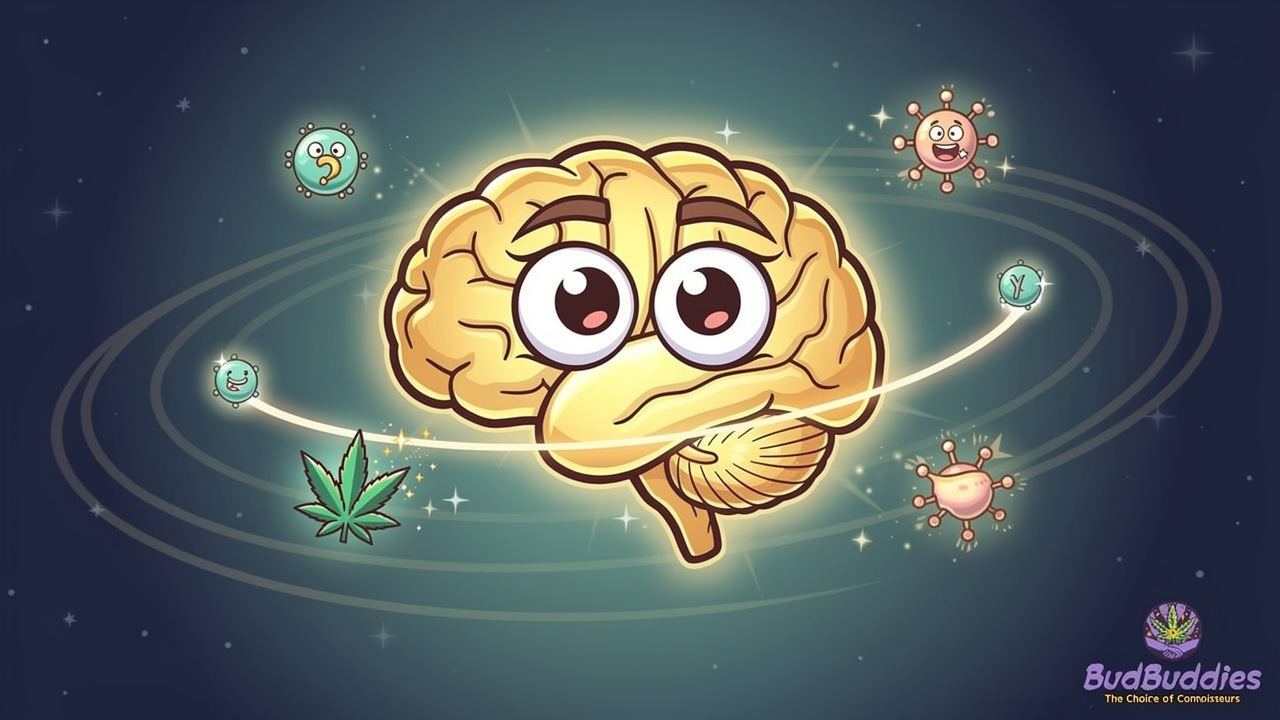
Weed withdrawal insomnia happens because your endocannabinoid system adapts to regular THC use. This system is a network of receptors that helps regulate sleep, mood and stress. THC, short for tetrahydrocannabinol, is the main compound behind cannabis’s calming effects, and daily use teaches your body to lean on it for sleep. Once you cut down or stop, your body has to relearn how to fall asleep without that outside help, which is what triggers insomnia and other withdrawal symptoms. Things are slowed further because THC is fat-soluble and stored in fat cells, so full release from your system can take up to four weeks. That gradual release is a major reason sleep problems often linger longer than symptoms like irritability or appetite changes.
“Cannabis withdrawal is real and can be quite distressing. The good news is that symptoms are temporary and manageable with proper support and coping strategies.” — Dr Ryan Vandrey, Johns Hopkins School of Medicine
What Is REM Rebound and Why Do You Get Vivid Dreams?
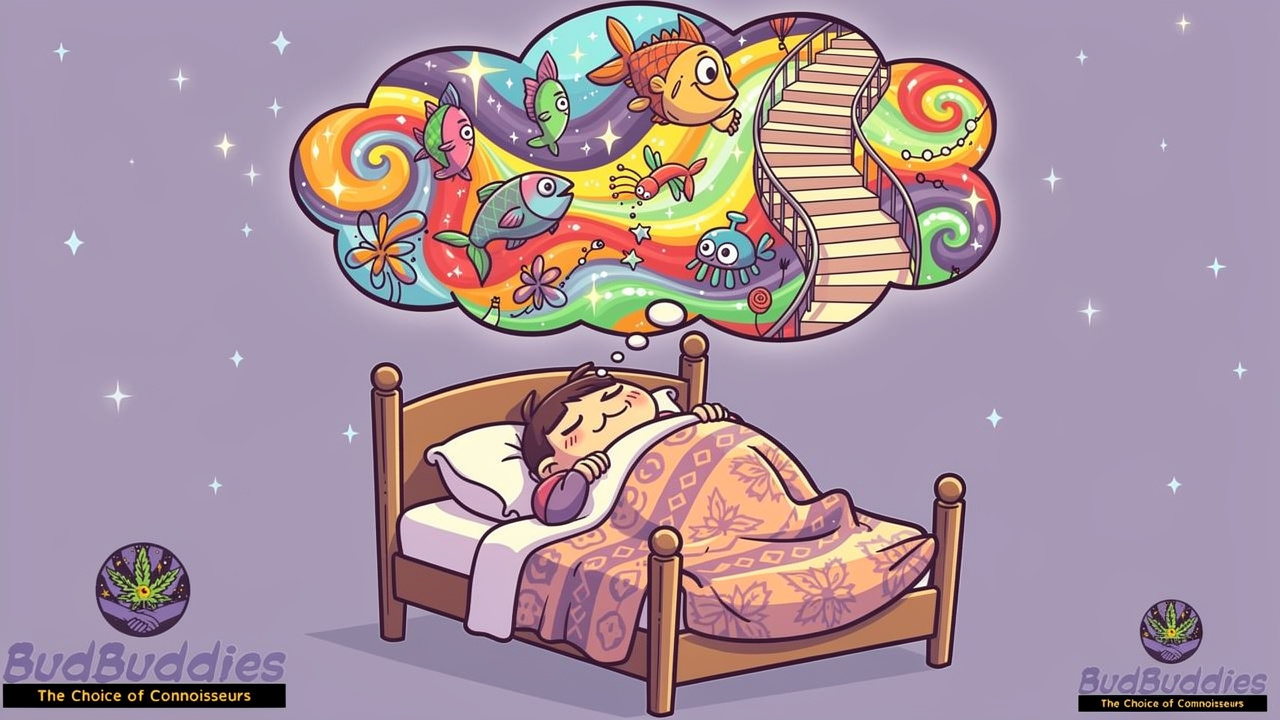
One of the strangest parts of weed withdrawal insomnia is how vivid, or downright unsettling, dreams can suddenly become. Regular cannabis use suppresses REM sleep, the dream-heavy stage of your sleep cycle, so when you stop, your brain effectively plays catch-up. This effect is known as REM rebound, and it’s the main reason behind the strange dream reports so many people mention when they cut down.
The good news is that REM rebound is temporary, typically fading within about a week as your sleep cycle settles back into its normal pattern. There’s no special treatment needed beyond sticking to good sleep habits, since time and consistency do most of the work here.
What Other Withdrawal Symptoms Come With Insomnia?
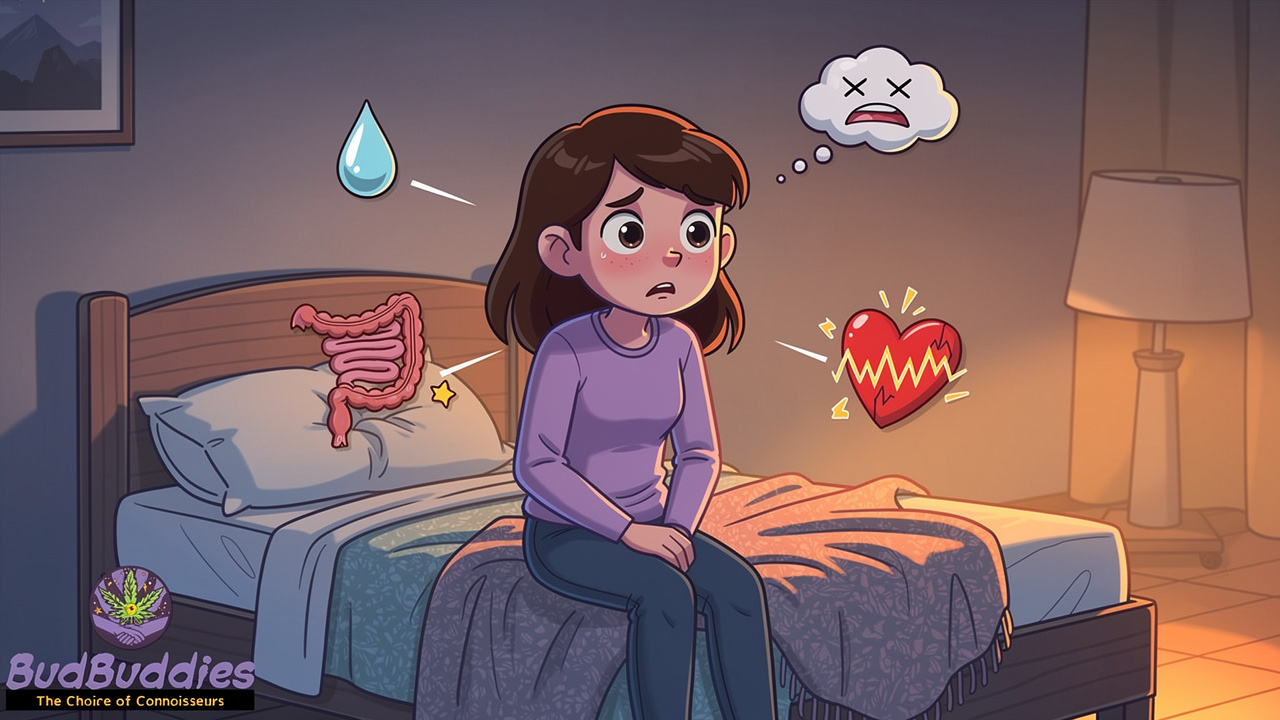
Weed withdrawal insomnia rarely shows up on its own. It’s usually one part of a wider set of symptoms that surface once regular cannabis use stops, and recognising the full picture makes the experience feel less alarming.
Anxiety and restlessness, often stronger in the evening
Irritability and mood swings that can feel out of character
Sweats, chills and other flu-like symptoms
Changes in appetite or how food tastes
Low mood and cravings, especially after long-term use
These symptoms often feed into each other rather than staying separate, and in rare, severe cases clinicians have documented psychosis symptom exacerbation linked to cannabis withdrawal, which is part of what makes the early days of withdrawal feel so difficult. Poor sleep tends to worsen anxiety and irritability, and that heightened stress then makes falling asleep even harder the following night. Tackling one symptom, such as anxiety, often eases several of the others too.
How Long Does Weed Withdrawal Insomnia Last?
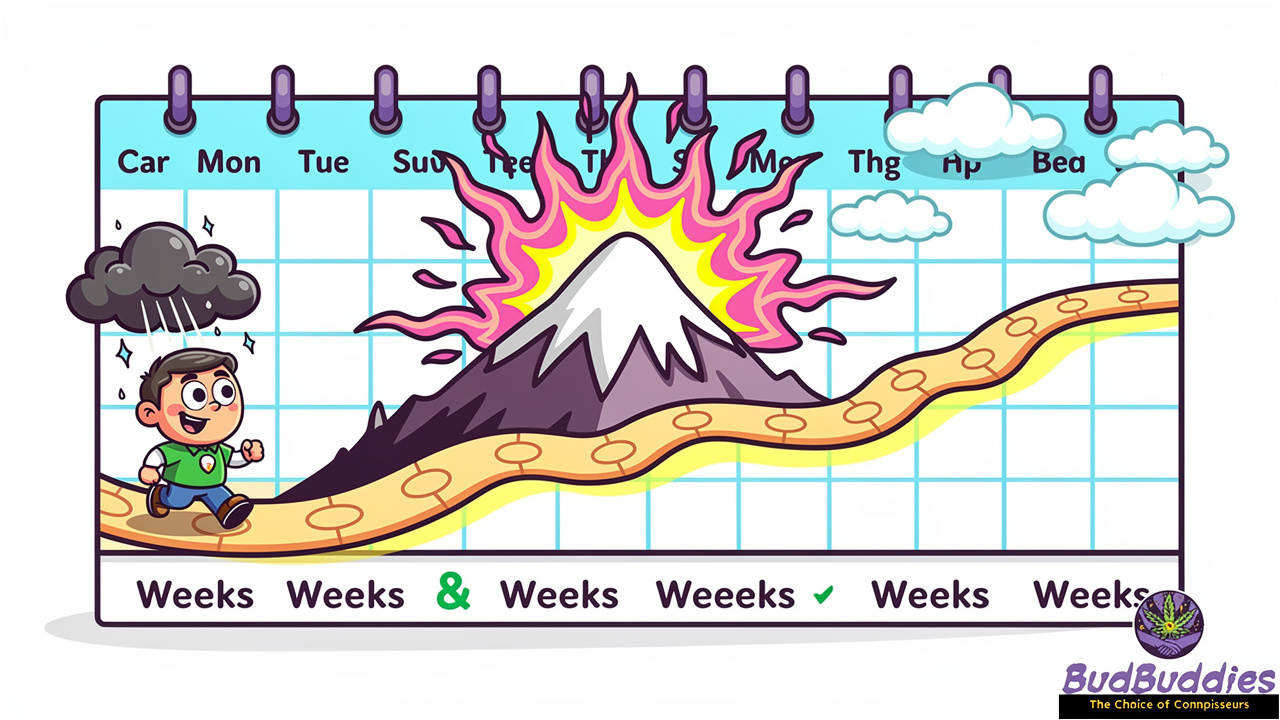
Weed withdrawal insomnia typically follows a fairly predictable pattern, which makes it easier to push through the harder early days. Symptoms usually peak around day four after stopping or significantly cutting down, and this is often when sleep feels most disrupted. For most people, the bulk of symptoms ease considerably within about 10 days, though research shows withdrawal insomnia peaks within two weeks and can persist as long as 30 to 45 days as stored THC gradually clears the body.
How long insomnia lasts, and how intense it feels, depends on a few personal factors:
People who used cannabis daily or specifically to help them sleep tend to notice a stronger rebound effect
Stopping abruptly usually produces sharper symptoms than tapering down gradually
Individual biology, including body fat percentage and metabolism, also plays a part in how quickly THC clears your system
How Can You Sleep Better During Weed Withdrawal?
Getting good sleep back during weed withdrawal comes down to giving your body clear, consistent signals that it’s time to rest. There’s no single fix that works overnight, but a combination of routine, daylight exposure, and smart choices around screens and caffeine makes a genuine difference, and evidence suggests CBT-I outperforms sleep medication for lasting results during recovery. For some people, easing off cannabis gradually rather than stopping cold turkey also softens how disruptive withdrawal insomnia feels. The steps below are worth building into your evenings from the very first night.
Build a Consistent Sleep and Wind-Down Routine
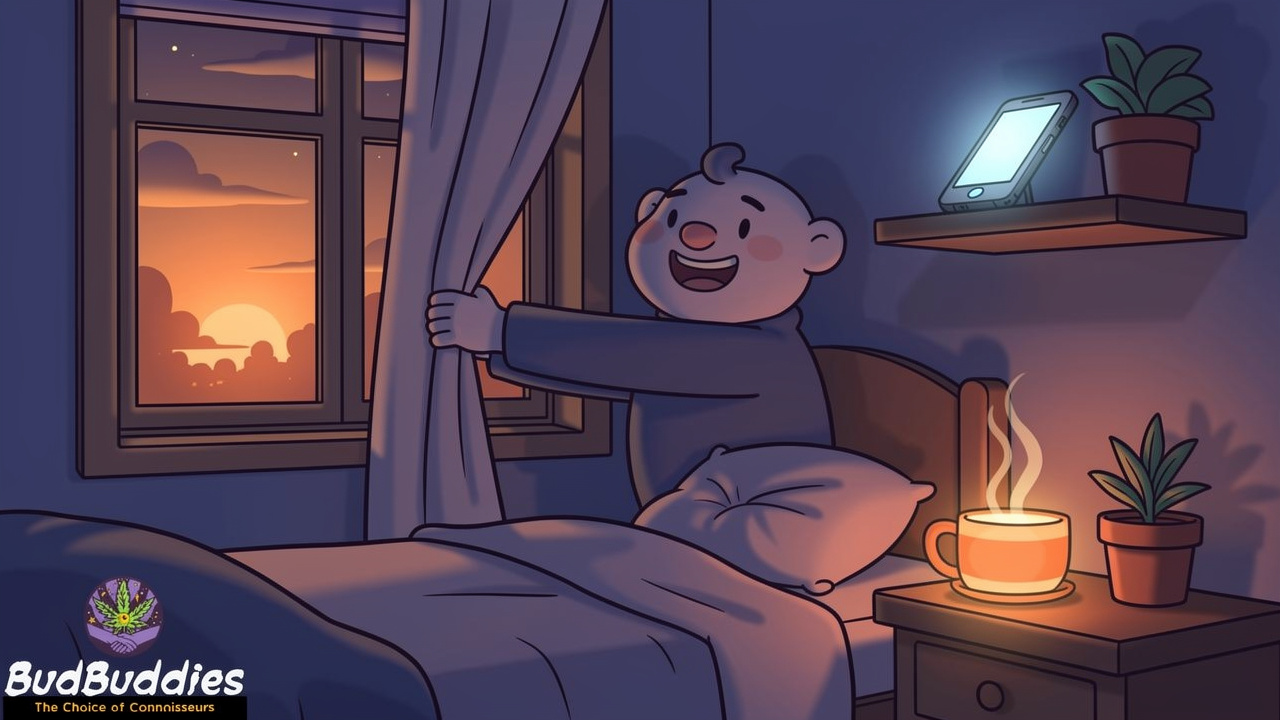
Going to bed and waking up at the same time every day, weekends included, helps train your internal clock to expect sleep on schedule. This matters even more during withdrawal, when natural sleep signals are already disrupted. Pair it with a calming pre-bed routine, such as a warm shower, a few pages of a book, or gentle stretching, repeated nightly so your body learns to link these cues with sleep.
Cut Screens and Caffeine, Get Daylight
Blue light from phones and screens delays melatonin production, the hormone that signals bedtime, so it’s worth avoiding devices in the hour before sleep. Caffeine can also feel far stronger than usual once cannabis’s sedating effect is gone, so cutting back, especially in the afternoon, is worth considering. A short walk outdoors during daylight hours helps reset your circadian rhythm and can noticeably improve both mood and sleep quality.
Ease the Transition With CBD or Lower-THC Options
Stopping cannabis abruptly tends to feel harder on sleep than easing off gradually, which is why many people prefer a step-down approach instead of an all-or-nothing switch. BudBuddies stocks a curated CBD range, including oils, gummies and vapes, alongside lower-strength and balanced options, giving you room to taper rather than stop overnight. CBD offers a calming, non-intoxicating profile, while stronger THC strains rich in myrcene lean more towards heavy sedation, so understanding that difference helps you choose what genuinely suits your sleep needs during this period.
Every product page includes lab testing and a Certificate of Analysis, so you know exactly what you’re adjusting your use with rather than guessing at strength or consistency. Orders also arrive in discreet, unmarked packaging with next-day delivery available, which matters when you’d rather manage this change quietly and on your own terms.
How Do You Manage Anxiety and Other Symptoms That Disrupt Sleep?
Anxiety often shows up alongside weed withdrawal insomnia, especially for anyone who used cannabis to manage stress in the first place, and calming it down tends to improve sleep too. Writing down worries before bed helps get racing thoughts out of your head rather than letting them circle at 2am. Simple breathing exercises can also slow a racing heart rate, and cutting back on caffeine matters here too, since it can make jitteriness feel far more intense without cannabis’s usual calming effect.
Irritability and physical discomfort, such as sweats, chills or headaches, are worth addressing too, since feeling more comfortable removes one more barrier to falling asleep. Staying warm, keeping hydrated, and using over-the-counter pain relief like paracetamol can ease flu-like symptoms, while talking to someone you trust about how you’re feeling often takes the edge off irritability.
The Takeaway
Weed withdrawal insomnia feels genuinely difficult in the moment, but it follows a predictable pattern and almost always resolves as your body recalibrates without THC. Peaking around day four, easing within 10 days, and settling fully by around four weeks for most people, it’s a temporary phase rather than a lasting sleep problem. Vivid dreams, restlessness and the odd rough night are signs your system is readjusting, not signs that something has gone wrong.
Patience and consistency with your sleep routine will do most of the heavy lifting here. If you’d rather ease into reduced use than stop abruptly, BudBuddies’ CBD and lower-strength range offers a calmer, better-informed way to make that change on your own schedule.
Frequently Asked Questions
Can You Take Melatonin During Weed Withdrawal?
Melatonin is commonly used as a short-term sleep aid and many people find it helpful during weed withdrawal insomnia. That said, it’s worth checking with a GP or pharmacist first, especially if symptoms feel severe. Sleep hygiene steps, like consistent bedtimes, remain the first line of support.
Why Do You Feel More Anxious at Night During Withdrawal?
Anxiety often peaks in the evening because there are fewer distractions and your body is trying to settle without cannabis’s usual calming effect. This makes bedtime feel harder than the rest of the day. Breathing exercises and a calming wind-down routine can help take the edge off.
Does Everyone Get Insomnia When They Stop Smoking Weed?
Not everyone experiences insomnia when they stop, though it’s one of the most commonly reported withdrawal symptoms. Severity tends to depend on how often and how long someone used cannabis beforehand. Daily, long-term users generally notice a more pronounced effect on sleep.
How Is Weed Withdrawal Insomnia Different From Regular Insomnia?
Weed withdrawal insomnia usually comes with vivid or unsettling dreams caused by REM rebound, which isn’t typical of general insomnia. It also follows a predictable timeline, usually easing within days to weeks, rather than becoming a long-term, chronic sleep problem.
Can CBD Help You Sleep During a Tolerance Break?
CBD has a calming, non-intoxicating profile that many people find useful during a tolerance break, without the intoxicating effects of THC. The brand’s CBD range, including oils and gummies, is worth exploring if you want extra support while adjusting your sleep routine.

