


How Long Does Cannabis Withdrawal Last? Days, Weeks & Tips
Wondering how long does cannabis withdrawal last is one of the first questions people ask once they decide to cut back or stop. The answer matters because knowing what to expect turns an odd day, a restless night, or a short temper into something manageable rather than alarming. Cannabis withdrawal is real, but for most people it stays mild and clears within a few weeks.
This guide walks through the day by day timeline, from the first signs to when symptoms fully settle. It covers the common symptoms, what changes how long they stick around, and practical ways to make the process easier. We’ll also look at how BudBuddies supports readers who want to taper off in a considered, private way. By the end, you’ll know exactly what to expect and how to handle it.
Key Takeaways
Onset and peak – Symptoms usually start within 24 to 72 hours of stopping or cutting down, building to their sharpest point around day four.
Main relief by day ten – Most people find the bulk of their symptoms, including irritability and sweats, have settled by around the ten day mark.
A milder tail for up to four weeks – Sleep changes and subtle low mood can linger longer while stored cannabinoids finish clearing.
Personal factors matter – Frequency of use, how you stop, and body composition all shape the timeline.
Tapering helps – A gradual reduction with consistent, lab-tested products tends to feel steadier than stopping abruptly.
How Long Does Cannabis Withdrawal Last?
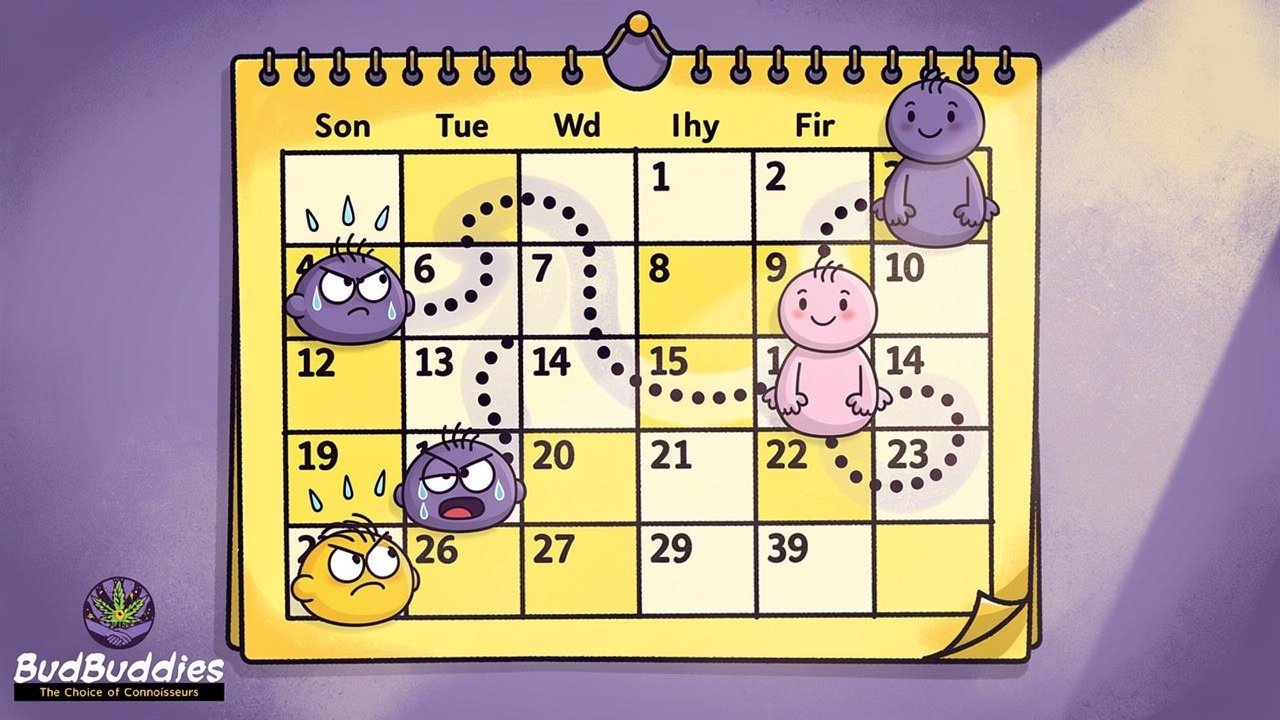
How long does cannabis withdrawal last? For most people, symptoms begin within a day or two of stopping, build to their sharpest point around day four, and settle within around ten days, though milder effects can continue for up to four weeks. This pattern lines up with formal clinical criteria, since a review of the validity and significance of cannabis withdrawal syndrome confirmed it as a recognised condition tied to how THC behaves in the body. THC is fat soluble, meaning it stores in fat cells rather than dissolving in water, so it releases slowly rather than clearing out within a day or two like some substances. That slow release is why the tail end of withdrawal can drag on even after the toughest days have passed.
“Most people experience very mild withdrawal symptoms during a cannabis tolerance break. Unlike other substances, cannabis withdrawal is typically limited to temporary sleep changes and mild irritability that resolve within days.” — Dr Ryan Vandrey, Johns Hopkins School of Medicine
When Symptoms Start and Peak
The first signs usually show up within 24 to 72 hours of stopping or cutting down significantly. Irritability, restlessness, and disrupted sleep tend to build steadily over these early days. Symptoms typically reach their sharpest point around day four, when mood changes, cravings, and physical discomfort feel most intense. Knowing this peak is coming can make it easier to push through rather than assume things are getting worse.
When Symptoms Ease and Fully Clear
Once day four passes, most people notice a fairly steady improvement from there. The bulk of symptoms, including irritability and sweats, usually resolve by around day ten. Some milder effects, particularly sleep disruption and subtle low mood, can linger for up to four weeks while the body finishes clearing stored cannabinoids. This longer tail is normal and doesn’t mean anything has gone wrong.
What Affects How Long Withdrawal Lasts?
Several factors decide how long cannabis withdrawal lasts for any one person:
Frequency of use – This matters most, since daily or near daily consumers tend to notice stronger, longer lasting symptoms than occasional users, because the body has adapted more fully to a steady supply of cannabinoids.
How someone stops – Stopping abruptly tends to produce sharper, more noticeable withdrawal than gradually cutting down over a week or two.
Body composition – THC is stored in fat cells and released slowly, which can shift the tail end of the timeline slightly from person to person.
Mixing with tobacco – Smoking cannabis mixed with tobacco adds another layer, since nicotine withdrawal can overlap and make the whole experience feel longer.
Product strength – Choosing lower strength flower or CBD options while tapering can make the reduction feel steadier and more predictable than an abrupt drop.
What Are the Common Symptoms of Cannabis Withdrawal?
Cannabis withdrawal shows up differently from person to person, but according to a detailed overview of marijuana withdrawal symptoms and treatment, most people notice a mix of mood, sleep, and physical changes in the first week or two. Low mood and cravings are common early on, alongside irritability and a general sense of restlessness. Sleep often takes a hit too, with vivid or unsettling dreams appearing as REM sleep rebounds after regular cannabis use stops.
Mood and sleep changes – Low mood, irritability, restlessness, and vivid or disturbing dreams as sleep patterns readjust.
Physical discomfort – Sweats, chills, headaches, and muscle aches that feel much like a mild flu.
Appetite shifts – Food may taste different, and appetite can rise, fall, or bring on mild nausea.
How these symptoms combine, and how strongly, varies quite a bit from one person to the next. Some notice only one or two mild effects, while others feel several together, which is completely normal and doesn’t signal anything more serious.
How to Manage Cannabis Withdrawal Symptoms
Managing cannabis withdrawal well comes down to a handful of practical habits, and research on daily aerobic cycling exercise and cannabis withdrawal found that structured physical activity can meaningfully ease symptoms. Small, steady steps for sleep, mood, and appetite make the toughest days far more bearable. Choosing consistent, lab-tested products while tapering also helps, since predictable strength makes it easier to plan a gradual reduction rather than guessing at dosage each time.
Easing Sleep Problems and Vivid Dreams
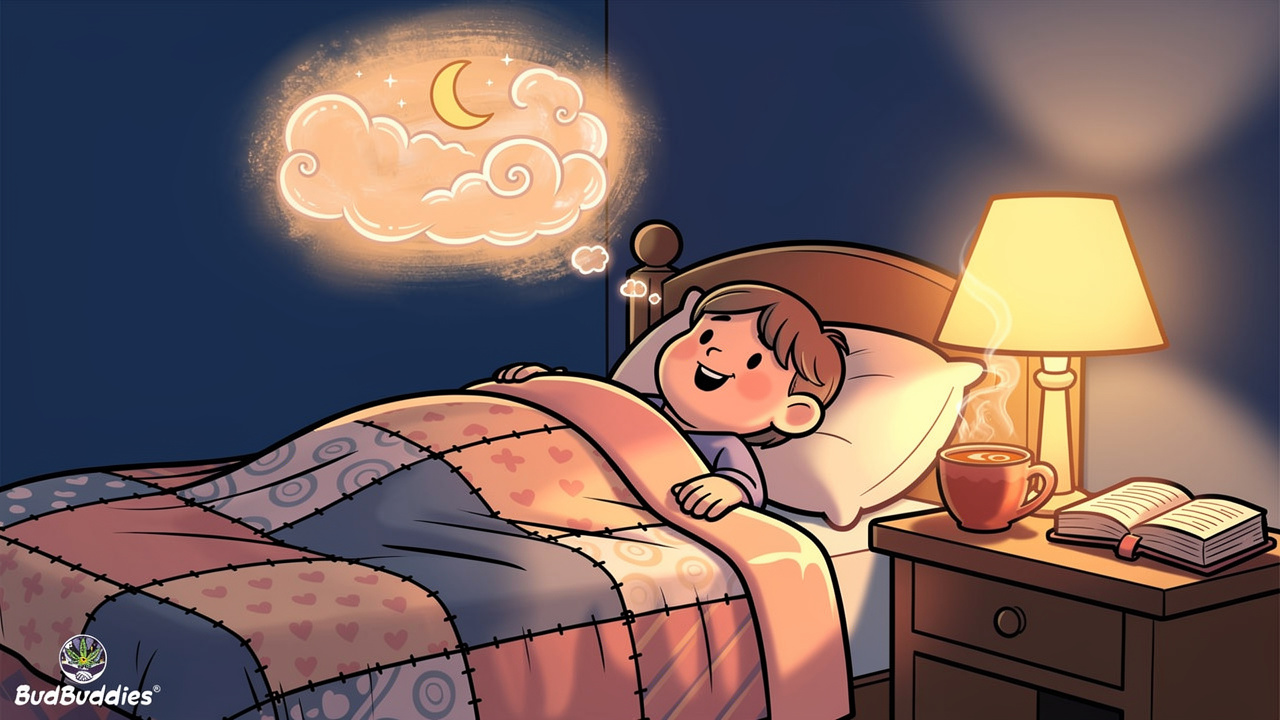
Sleep disruption is one of the most common complaints, especially for anyone who used cannabis to wind down at night. Keeping a consistent bedtime and wake time helps the body learn when to expect rest. A calming routine, such as a warm bath or a few pages of a book, signals it’s time to switch off, while putting screens away beforehand makes that switch easier. Getting outside for some daylight during the day also supports better sleep at night, and any vivid or unsettling dreams usually fade within about a week.
Handling Anxiety, Irritability, and Appetite Changes
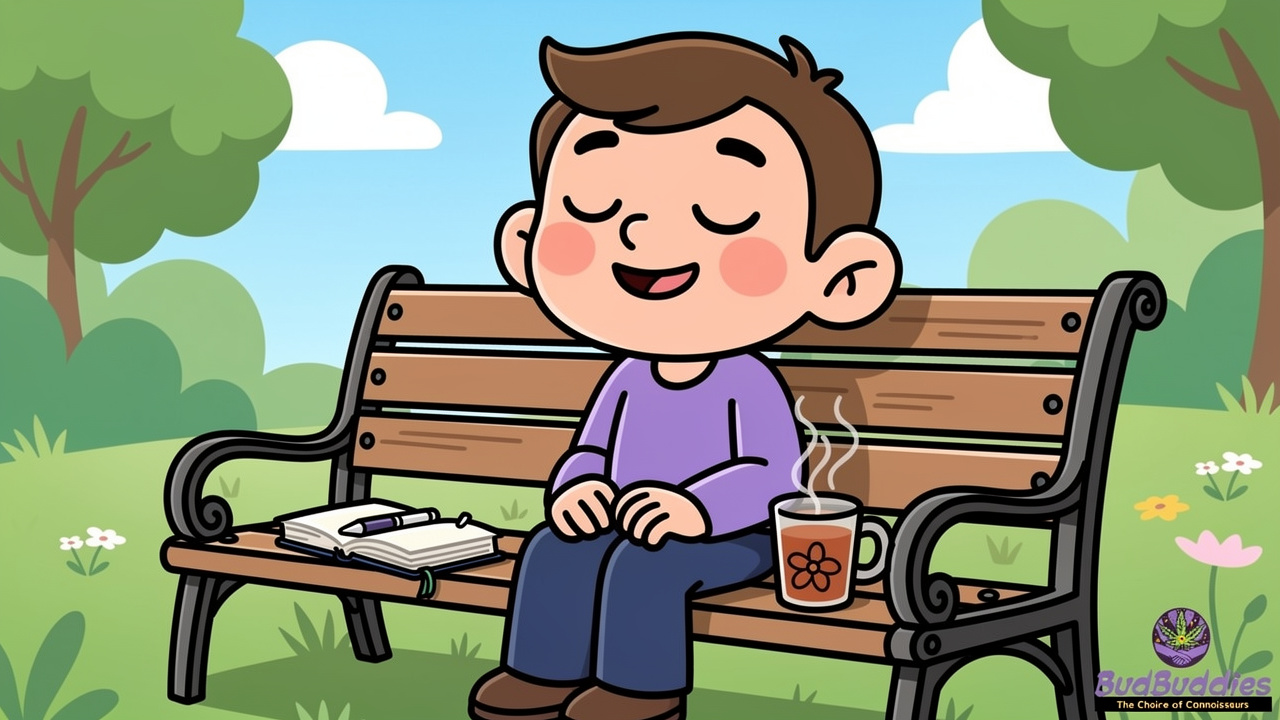
Anxiety and short tempers often surface once cannabis is no longer softening the edges of daily stress. Writing down worries or trying a simple breathing exercise can calm the nervous system in the moment, while cutting back on caffeine stops jitteriness from adding to the mix. Talking to someone you trust, even without going into detail, takes the pressure off carrying it alone. Appetite changes are common too, so eating little and often, or trying a smoothie when solid food feels unappealing, keeps energy steadier until things settle.
Taking a Tolerance Break the BudBuddies Way
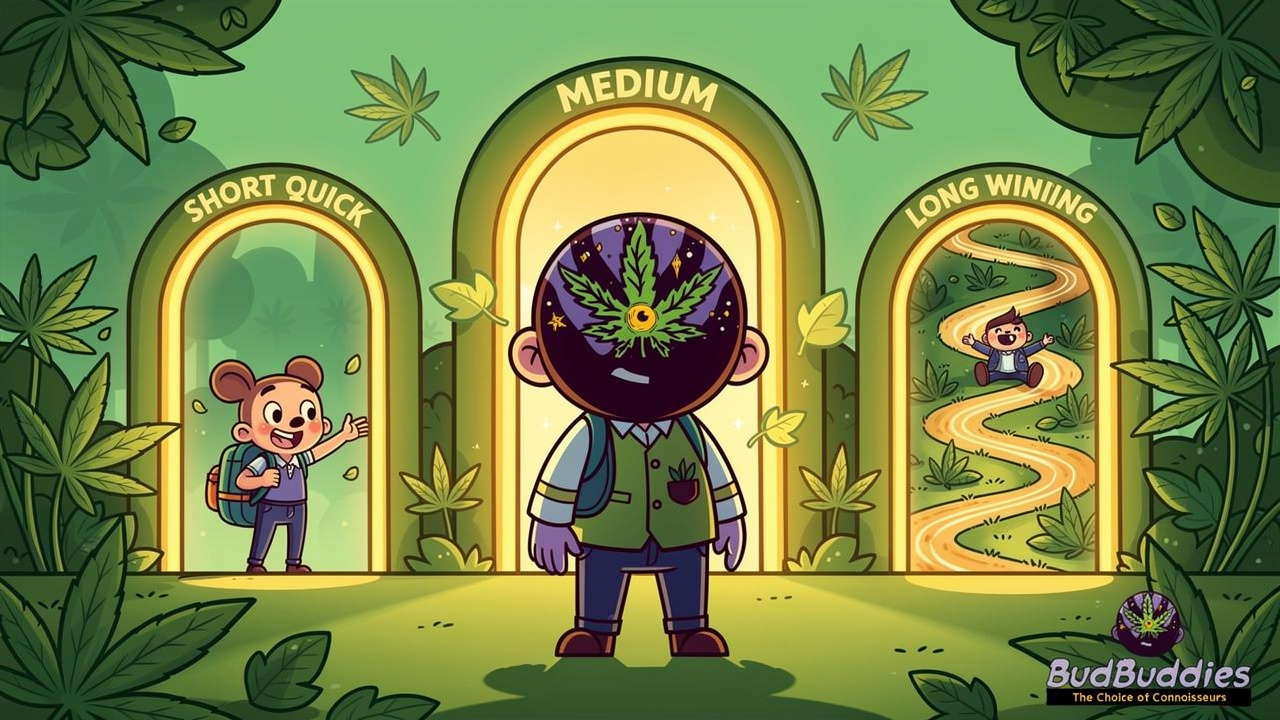
Taking a break from cannabis works best with a plan rather than guesswork. The right length of break depends on how often you use cannabis, so occasional users need far less time to reset sensitivity than daily consumers.
| Usage Frequency | Recommended Break | Expected Outcome |
|---|---|---|
| Occasional (1-2x per week) | 3-7 days | Noticeable sensitivity return |
| Regular (3-4x per week) | 7-14 days | Significant tolerance reset |
| Daily use | 14-28 days | Complete receptor recovery |
Lab-tested flower, dose-controlled edibles, and CBD alternatives from budbuddies.cc make it easier to taper down in a measured way rather than stopping cold, and discreet packaging keeps the whole process private. Whether easing off gradually or taking a full break, having consistent, verified products removes the guesswork of unpredictable strength.
The Bottom Line
The short answer to how long cannabis withdrawal lasts is that most of the discomfort clears within ten days, with the sharpest point around day four and a milder tail that can stretch to four weeks. That timeline holds steady for the majority of people, though frequency of use and how abruptly someone stops can shift things slightly in either direction.
Patience and a bit of self-compassion go a long way here, since these symptoms are simply a sign the body is recalibrating rather than anything to worry about. For anyone considering a more measured approach going forward, the BudBuddies range of lab-tested flower, edibles, and CBD options makes it easier to taper with confidence.
Frequently Asked Questions
Cannabis withdrawal raises plenty of practical questions once someone decides to cut back, from safety concerns to whether certain habits speed things along. The answers below cover the most common queries, giving straightforward, practical detail worth reading alongside the timeline and tips above.
Is Cannabis Withdrawal Dangerous?
Cannabis withdrawal is generally uncomfortable rather than dangerous, unlike withdrawal from alcohol or some prescription medicines. Most symptoms, such as irritability, sweats, and sleep trouble, resolve on their own within a couple of weeks. If anxiety or low mood feels severe, or an underlying mental health condition is involved, speaking with a GP is a sensible step.
Can You Shorten Cannabis Withdrawal By Drinking More Water?
Staying hydrated supports overall wellbeing during withdrawal, but it doesn’t meaningfully speed up how quickly THC releases from fat cells. That process happens gradually regardless of fluid intake. Tapering off slowly, rather than stopping abruptly, has far more impact on how comfortable the withdrawal period actually feels.
Does Everyone Experience Cannabis Withdrawal?
Not everyone notices withdrawal symptoms. Occasional users often experience little to nothing when they stop, while daily or near daily consumers are far more likely to feel the effects. Frequency and strength of use remain the biggest predictors of whether, and how strongly, withdrawal shows up for any given person.
What’s the Difference Between Withdrawal and a Tolerance Break?
Withdrawal is the body’s natural adjustment after stopping or cutting down, while a tolerance break is a deliberate pause taken specifically to reset sensitivity to THC. The two overlap in symptoms, since both involve the body adapting to less cannabis, but the intention behind them differs quite a bit.
How Long Until THC Is Fully Out of Your System?
Withdrawal symptoms typically settle within ten days to four weeks, but that’s different from THC fully clearing the body, which can take longer for regular users. Detection windows depend heavily on how often someone uses cannabis and their individual body fat percentage.
Can Switching to CBD Help During Withdrawal?
CBD alternatives can offer a calming effect without THC’s psychoactive impact, which some people find helpful while easing off. The brand’s CBD range, including oils and CBD flower, gives a non-intoxicating option to lean on during the transition without derailing progress.
Conclusion
Working through cannabis withdrawal comes down to knowing what’s coming and giving yourself permission to take it slowly. The timeline is fairly predictable, symptoms build over the first few days, peak around day four, ease by day ten, and any lingering effects fade within about a month.
Whether stopping completely or simply cutting back, having reliable, lab-tested products makes the whole process feel steadier and more within your control. From full-strength flower to gentler CBD options, BudBuddies offers a curated range that helps you taper at your own pace with a bit more confidence.

