


Medical Cannabis Eligibility in the UK: Clear Guide
Introduction
Medical cannabis eligibility in the UK can feel confusing, especially when people hear mixed messages from clinics, the NHS, and friends. That confusion often stops people from even taking the first step. The result is that many who might benefit never find out what actually applies to them.
This guide gives a clear, calm overview of medical cannabis eligibility in the UK. It explains what counts as medical cannabis, who might qualify through the NHS or private routes, how assessments work, and what formats doctors often use. It also shows where BudBuddies fits in for high quality, non prescription cannabis products with clear information and discreet delivery.
If you want straight answers, simple language, and practical next steps, keep reading for a grounded overview of your options.
What Counts As Medical Cannabis In The UK?
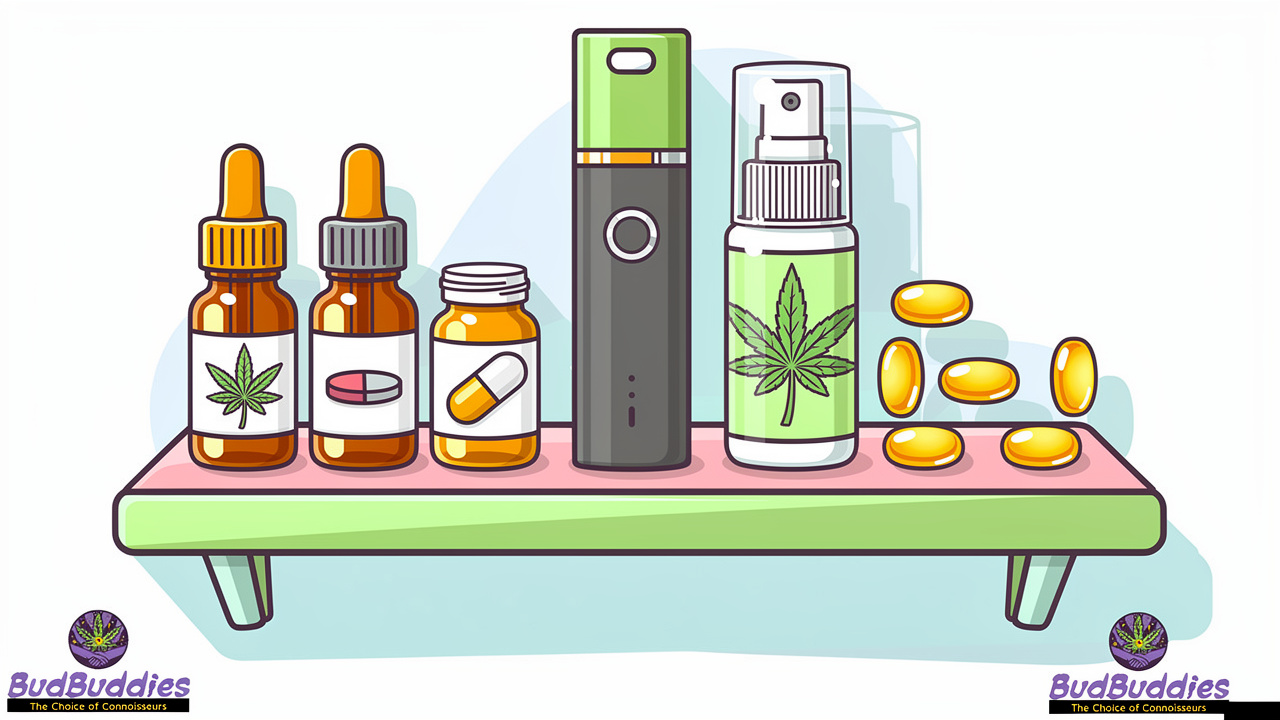
Medical cannabis in the UK refers to cannabis-based medicines prescribed by a specialist doctor for specific health conditions. These products are often called cannabis based products for medicinal use (sometimes shortened to CBPMs). They come with defined cannabinoid levels, dose guidance, and ongoing clinical review. According to NHS England, only a very small number of patients currently receive these medicines through standard NHS routes.
These prescription products can include:
Dried flower for vaporising
Oral oils and tinctures
Capsules or soft gels
Vape cartridges
Pastilles
Mouth sprays
Some are THC heavy, some are CBD focused, and some use a balanced mix of both. The exact mix, strength, and format are matched to the person, their symptoms, and how their body responds over time.
By contrast, CBD oils, hemp teas, and similar items sold in health shops or online sit in a different category. They are non prescription wellness products rather than formal medicines. Quality varies a lot across the market, from excellent to very poor. That is why lab reports, clear dosing, and honest descriptions matter so much.
BudBuddies steps in here with a curated range of CBD oils, CBD flower, and other non prescription products that aim to mirror the clarity people expect from medical-style treatment, without claiming to replace it. Every product on budbuddies.cc lists cannabinoids clearly, shows lab testing, and explains expected effects in plain English. That mix of transparency and careful selection helps both newcomers and experienced consumers choose with far more confidence.
“Cannabis-based medicines are not a cure-all, but they can be life-changing for some patients when standard treatments have failed.”
— Prof. Mike Barnes, UK neurologist and medical cannabis specialist
Who Is Actually Eligible For A Medical Cannabis Prescription?
Medical cannabis eligibility in the UK depends heavily on the route someone takes. On standard NHS pathways, access is very narrow and tied to specific conditions that specialist bodies such as NICE have reviewed in detail. Private clinics use the same types of medicines but have more room to look at a wider range of diagnoses when other treatments have not helped enough.
On NHS pathways, cannabis-based medicines are usually considered only for:
Certain rare forms of epilepsy
Muscle stiffness and spasms linked to multiple sclerosis
Sickness and nausea linked to chemotherapy
Even then, they are offered after other options have been tried correctly. GPs do not normally start these treatments on their own. Instead, consultant specialists review each patient and decide whether a cannabis-based medicine fits alongside the rest of their care.
Private clinics widen the picture. They focus on adults, usually 18 or older, who have a clear diagnosis and a history of trying standard treatments first. Research from Drug Science notes that thousands of UK patients now appear in the UK Medical Cannabis Registry through these specialist services. That gives a growing evidence base for doctors considering new patients.
Most private specialists tend to look for the same key points:
The person has a documented diagnosis, not just self reported symptoms
They have already tried at least one or two conventional medicines or therapies
Previous treatments either did not work well enough or caused side effects that were too hard to live with
Their overall health, mental health history, and current medicines suggest that a cannabis-based approach is reasonable to test
Here is the key point: medical cannabis is not handed out on demand. It is one more tool that some specialists use when other options have not done enough. When it is prescribed, private clinics still keep in touch with the person’s GP, rather than acting as a total replacement.
Conditions Commonly Assessed By Private Clinics
Private clinics look at a broad set of diagnoses when thinking about medical cannabis eligibility UK. Chronic pain is one of the most frequent, including nerve pain, joint problems, and long term back issues. NHS Digital reports that millions of adults in England live with ongoing pain, which explains why this group appears so often in clinic caseloads.
Mental health conditions such as anxiety disorders and PTSD are also common. Many people in this group have already tried talking therapies, antidepressants, or other medicines. According to Mind, around one in four people in England experiences a mental health problem each year, so it is no surprise that this is a major area of interest.
Other diagnoses often reviewed include:
ADHD
Autism spectrum conditions
Fibromyalgia
Inflammatory bowel conditions such as Crohn’s disease
Migraines and cluster headaches
Parkinson’s disease
Long term insomnia
Multiple sclerosis
Cancer-related symptoms such as pain or poor appetite
Having one of these conditions does not guarantee a prescription. The deciding factors are usually:
Have standard treatments been used properly and found lacking?
Does a specialist believe cannabis-based treatment is a suitable next step for this person?
Are there any clear medical reasons why cannabis might be unsafe or unwise?
How Does The Assessment And Prescription Process Work?
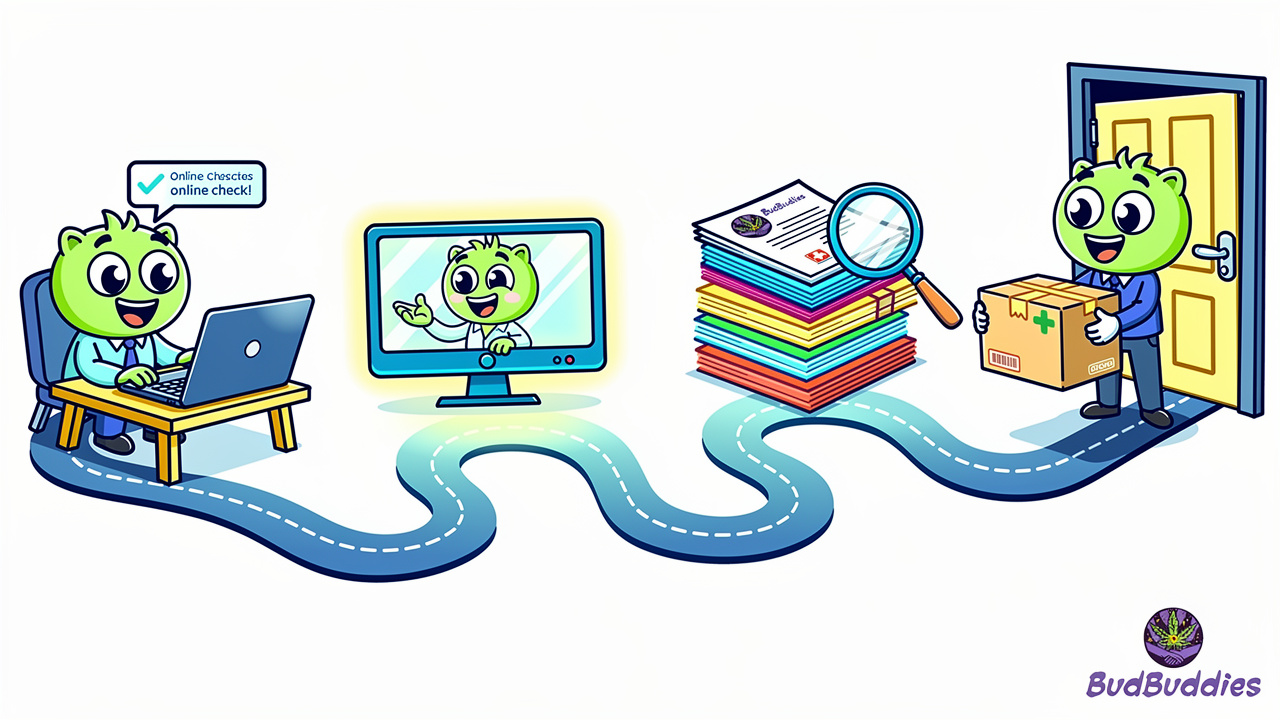
The assessment process for private medical cannabis in the UK follows a fairly consistent sequence. It starts with a light screening, moves into a detailed chat with a specialist doctor, and only then reaches a decision on whether to prescribe. Many clinics now run this process online, which helps people outside major cities take part without travel.
In simple terms, the process usually looks like this:
Quick Online Eligibility Check
A short form where someone describes their diagnosis, age, current medicines, and what they have already tried. The aim is to spot obvious mismatches early so people are not paying for long appointments when their situation clearly would not fit clinical criteria.Video Consultation With A Specialist Doctor
If the early check looks promising, the next stage is a video consultation. During this call, the doctor will explore:Current symptoms and how long they have been present
Which treatments have already been tested
Mental health history and family history
Lifestyle factors such as work pattern, substance use, and sleep
Being invited to this call is not a promise of a prescription. It is the point where proper clinical thinking starts.
Review Of Medical Records
The clinic then reviews medical records, which might include:Summary Care Record
Hospital letters
GP notes or discharge summaries
These documents confirm the diagnosis and show what has already been tried. Only when the specialist has this full picture do they decide whether to start a cannabis-based medicine and, if so, at what dose and in which format. According to BMJ Open, registry data from specialist clinics is now a key source of information on how different products perform in real life.
Prescription And Ongoing Follow Up
If a prescription is started, the medicine is usually delivered to the person’s home in secure packaging from a specialist pharmacy. Follow up appointments then:Check how things are going
Adjust dose or product type if needed
Look for any side effects or concerns
Private clinicians keep these reviews in place so that treatment stays measured, safe, and genuinely useful, rather than drifting into guesswork.
What Product Formats Are Available – And How Do You Choose?

Prescription-based medical cannabis in the UK comes in several different formats. Doctors choose between them based on the condition, how quickly relief is needed, and how steady the effect should feel during the day. They also pay attention to how sensitive someone is to THC and how confident they are with different ways of consuming cannabis.
Common prescription formats include:
Dried flower for use in a vaporiser
Oral oils and tinctures
Capsules or soft gels
Vape cartridges
Pastilles
Mouth sprays
THC-heavy options may suit severe pain where other medicines have fallen short. CBD-focused or balanced formulas can be more suitable for people who need to stay clear headed for work or family life, or who have a history of mood problems.
Choosing between these is always a joint decision between patient and specialist. Here are the most important questions doctors tend to weigh up:
How quickly does relief need to start, and how long should it last?
Inhaled flower and vape cartridges act fast, which many people with sudden symptom spikes value, though the effects may fade sooner.
Oils, capsules, and edibles take longer to start working yet can give a steadier feel across the day, which can suit pain, sleep, and anxiety patterns.
How comfortable is the person with each method?
Some people dislike inhalation in any form, even with a clean vaporiser, so they lean towards oils or capsules.
Others find oral formats fiddly and prefer a quick inhale that fits neatly into their routine.
Both approaches can sit within medical treatment when guided by a specialist and used thoughtfully.
What THC and CBD balance makes sense, given health history?
Those sensitive to feeling “high” often start with CBD-dominant products and then adjust slowly if needed.
People with heavy, long term pain may use higher THC levels but can still benefit from CBD in the mix — research on the effects of presentation formats on consumer preferences highlights how the way products are described and structured shapes how people engage with and respond to different formulations.
BudBuddies mirrors this range with a curated selection of flowers, edibles, vape cartridges, CBD oils, and concentrates for those exploring non prescription routes alongside or outside formal treatment, where lawful. Each product page on budbuddies.cc sets out clear cannabinoid and terpene profiles, flavour notes, and expected effects, backed by third party lab reports. For anyone applying the classic “start low, go slow” approach, BudBuddies pairs detailed product information with discreet packaging, tracked delivery, and the option of crypto payments with a built in 10 percent discount.
The Bottom Line

Medical cannabis eligibility in the UK is wider through private clinics than many people first think, yet it still depends on proper clinical assessment. A diagnosis, a history of trying standard medicines, and a thoughtful review with a specialist all sit at the heart of any prescription decision.
Knowing how eligibility works, what the assessment process looks like, and which product formats exist means you can approach the subject with far more confidence. From there, BudBuddies provides a calm, modern place to explore CBD products, flowers, vapes, and edibles in a non prescription setting, with full lab testing and discreet UK-wide delivery. When clear information meets consistent products, it becomes much easier to find what genuinely fits your needs.
Frequently Asked Questions
Question: Can a GP refer me for medical cannabis in the UK?
Answer: A GP usually cannot start a medical cannabis prescription on their own. They may refer you to a relevant specialist, or you can approach a private clinic directly for an eligibility check. Clinics still like to see GP letters or records so the picture is clear and your wider care remains joined up.
Question: How long does it take to get a medical cannabis prescription in the UK?
Answer: The first online check is often instant, and many clinics offer video appointments within a few days. If the specialist feels a prescription is suitable, it can be issued shortly after the consultation, with many pharmacies offering quick, tracked home delivery. Timescales vary between clinics, so it is worth checking their current waiting times.
Question: Is medical cannabis on the NHS free?
Answer: NHS cannabis-based medicines, where offered, follow the same charge rules as other NHS prescriptions. People who qualify for free prescriptions would usually be treated the same way. Most people accessing this type of treatment do so privately, where they pay both consultation fees and medicine costs. Prices, follow up structures, and delivery options differ between clinics.
Question: What is the difference between CBD products and prescribed medical cannabis?
Answer: Prescribed medical cannabis is a formal medicine chosen and monitored by a specialist doctor. It may contain THC, CBD, or both, and dosing is reviewed over time. CBD products such as oils, teas, and CBD flower are non prescription items sold for general wellness and can vary widely in quality. BudBuddies focuses on lab tested CBD and cannabis products with clear, honest information so you know exactly what you are buying, but these are not a replacement for prescribed medicines or medical advice.
Question: Do I need to stop my current medication to get a medical cannabis prescription?
Answer: In most cases you keep your current medicines while clinicians review your case. It is important to share a full, accurate list of everything you take, including over the counter products and supplements. The specialist then checks for possible interactions and plans any changes step by step. Never change or stop prescribed medicines without speaking to a healthcare professional first.

