


Weed and Essay Writing: A Realistic UK Guide
Introduction
Many people mix weed and essay writing hoping the words will flow faster. The idea can feel comforting when a blank page stares back, especially before a big deadline.
The truth is more mixed. Cannabis can loosen ideas and calm nerves, yet it can also scramble memory and focus. The way it affects essay writing depends on dose, product type, and personal tolerance, not on weed alone. Some students swear a tiny vape hit helps them start, while the same amount leaves a friend stuck in their head.
This guide explains what happens in the brain, when cannabis helps, when it gets in the way, and how BudBuddies products can sit inside a careful writing routine.
If weed and essay writing are on your mind, keep reading for a clear, no‑nonsense breakdown.
What Cannabis Actually Does To Your Brain When You Write
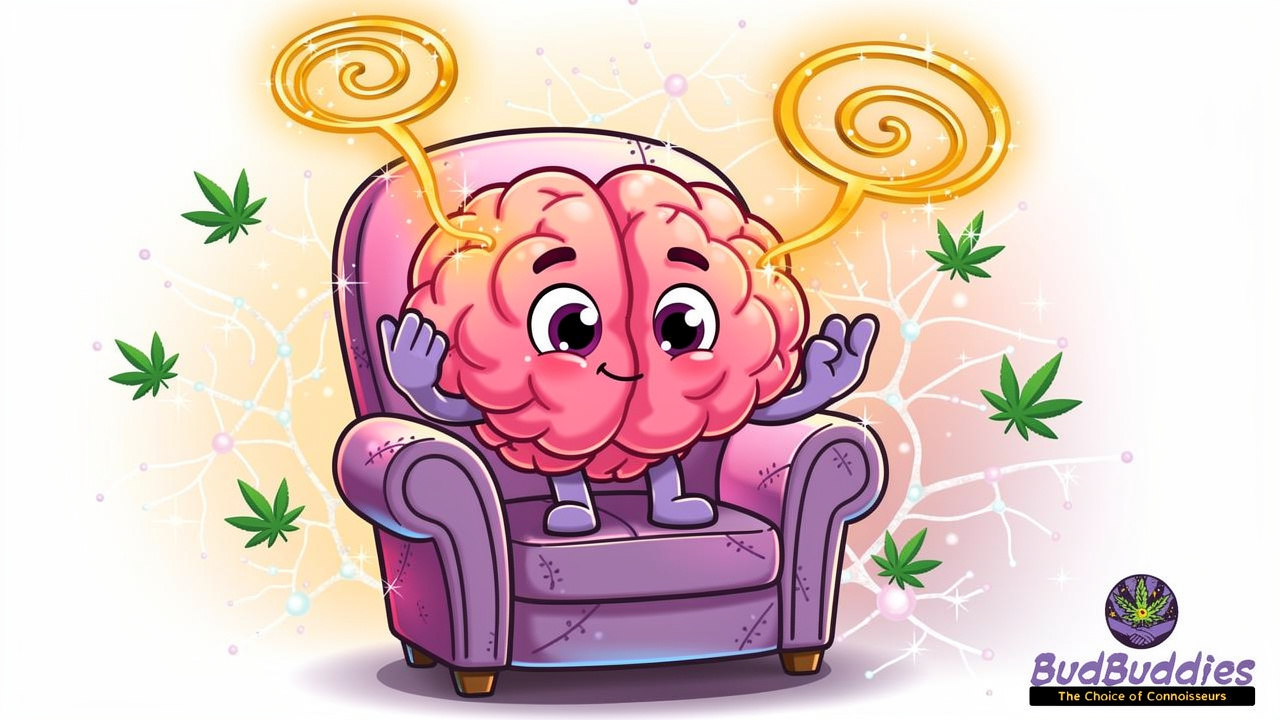
When cannabis meets a writing session, it shifts how key brain areas handle focus, memory, and motivation. That is why the same joint can feel inspiring one day and cloudy the next.
THC, the main intoxicating compound, attaches to CB1 receptors in the prefrontal cortex and hippocampus. Those regions handle planning, working memory, and organising ideas into a clear argument. Research from NIDA explains that THC temporarily disrupts signalling in these areas, which can make thoughts feel fresh while quietly weakening mental organisation. Sentences that feel profound in the moment can read muddled or repetitive the next morning.
CBD behaves very differently. It does not intoxicate in the same way and interacts more gently with the endocannabinoid system. Studies summarised by Harvard Medical School note that CBD can reduce anxiety and support a calmer mood without the same hit to memory. For someone who freezes at the thought of an essay or oral presentation, that calmer baseline can matter more than feeling high.
Dopamine also enters the picture. THC briefly raises dopamine in reward pathways, which can make starting a task feel exciting. According to a naturalistic examination of cannabis use on cognition, frequent heavy use can flatten that response over time, so motivation depends more on cannabis. For writing, that means small, occasional doses protect your long game far better than chasing a big rush every time you open a document.
Put simply, cannabis tends to:
Shift how well you hold a plan or argument in mind.
Change how anxious or relaxed you feel about the task.
Nudge how rewarding starting and finishing work feels.
Knowing which of those effects you are chasing makes it far easier to choose the right product, dose, and timing.
When Cannabis Helps And When It Gets In The Way
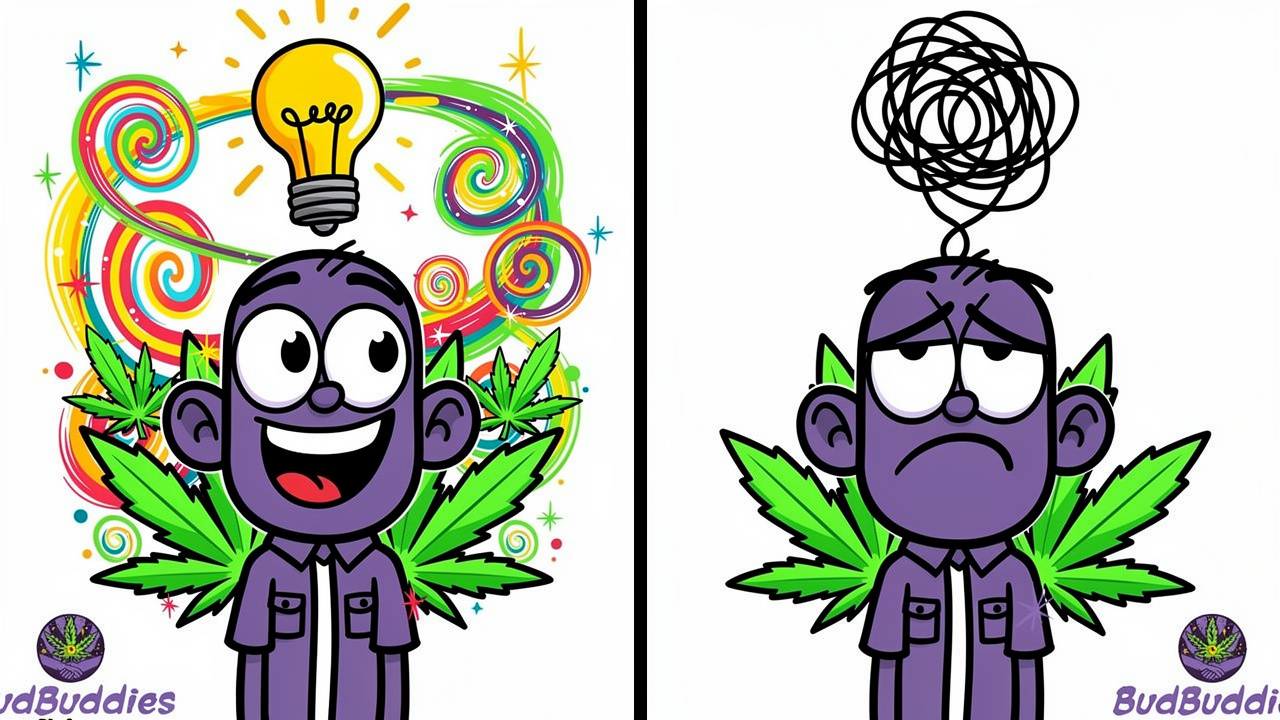
Cannabis can help certain stages of essay work while quietly harming others. For many people, weed and essay writing only mix well when cannabis is kept to early, low‑pressure stages.
Low doses can support what psychologists call divergent thinking, which means generating many different ideas from one prompt. A study in Consciousness and Cognition found that cannabis users felt more creative, and some did produce more varied ideas at modest doses. That loose, associative thinking can be handy for choosing angles, titles, or examples before serious drafting begins.
The problems start when the same high rolls into structuring and editing. Working memory is one of THC’s most consistent weak spots. Research on mental health and academic outcomes shows that verbal working memory drops under THC, which fits the familiar pattern of losing your point mid‑paragraph. On weed, paragraphs can feel deep while actually repeating or drifting away from the question.
For most writers, the safest pattern is simple: use a tiny amount, if at all, to sketch ideas or mind‑map. Save the main drafting, referencing, and editing for a sober state when you can judge arguments clearly and spot weak sentences.
Here is a quick way to think about cannabis around essays:
Brainstorming sessions can benefit from gentle cannabis use, because lowered inhibition makes unusual links feel easier to explore. You might free write, list topic ideas, or build a spider diagram without worrying whether every thought is perfect. The aim is raw material, not polished paragraphs, so looseness can help.
Drafting full essays tends to suffer once THC is noticeable, since you must hold a thesis, structure, and references in your head at once. Under the influence, you may feel sure the flow is strong while missing key points or failing to answer the question directly. Reading the work back sober often shows how much clarity went missing.
Editing while high is usually the worst match, because you need sharp judgement to cut weak arguments and tidy messy phrasing. Cannabis dulls that internal editor and some people simply admire their own sentences instead of improving them. For grades or professional work, sober revision almost always wins.
A saying often linked to Ernest Hemingway is, “Write drunk, edit sober.” The attribution is debated, but the idea still holds: if you choose to draft while altered, come back and edit with a clear head. Swapping “drunk” for “high” keeps the spirit of the advice.
The Strain Makes A Difference
The link between weed and essay writing also depends heavily on strain and terpene profile. Two equally strong products can feel completely different on the page.
Sativa‑leaning and balanced hybrid strains that are rich in pinene and limonene tend to suit mental tasks better. Pinene is associated with alertness and memory support in work discussed by Frontiers in Neuroscience, while limonene is linked with brighter mood. BudBuddies highlights these profiles in daytime flowers such as Jack Herer, Sour Diesel, Durban Poison, Green Crack, Amnesia Haze, Blue Dream, Strawberry Cough, and Blueberry Haze, all described in clear language on product pages.
Heavier indica‑dominant strains often carry more myrcene, which many people experience as deeply relaxing and sleepy. That can be pleasant after you finish an essay, yet it rarely helps during a focused session. Reading terpene and cannabinoid information before you order from BudBuddies makes it far easier to choose a strain that matches your writing plans instead of fighting against them. Keep in mind that names are only a guide: individual reaction and dose still matter more than labels.
Dosage Is Everything: A Practical Framework For Writers
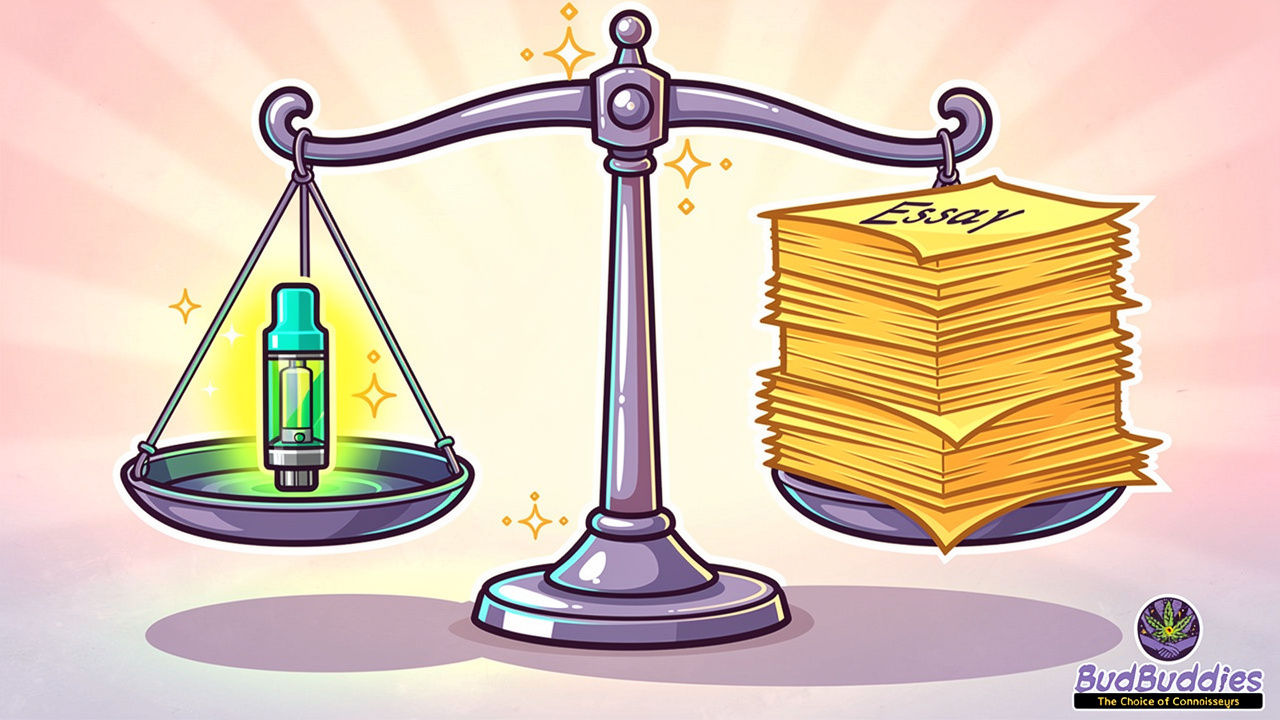
For weed and essay writing, how much you take matters far more than which headline strain you pick. Cannabis has a biphasic pattern, which means low and high doses can have almost opposite effects.
At tiny amounts, many people feel slightly lighter, less anxious, and more open to ideas. Push the dose higher and the same person may forget sentences halfway through, overestimate how good their work is, or wander off task. Research examining whether you will precrastinate — sensitivity to performance costs under cannabis — also highlights that stronger use is linked with more frequent memory and attention problems, which is the last thing a long essay needs.
A simple way to think about dose for writing is to split it into four bands:
Microdose levels sit around 1 to 2.5 milligrams of THC for many people, often from a single short vape puff or a tiny piece of a BudBuddies edible. At this point effects stay subtle, with a mild lift in mood and less fear of starting. For essay planning or light note making, this range is the safest place to experiment.
Low doses feel gently noticeable while still leaving you able to function, although small slips in memory may appear. You might enjoy music more and find side thoughts popping up more often. That can be fine for outlining, yet it already starts to strain serious reading and reference work.
Moderate doses bring the classic high, with clear changes in perception, time sense, and concentration. Most writers find structured tasks far harder here, even if the experience feels pleasant. If you feel strongly stoned, it is almost always too much for careful writing, however tempting the ideas sound.
Heavy doses push memory, coordination, and clear thought well past the point where focused work is realistic. At this stage people often struggle to follow complex sentences, never mind write them. BudBuddies does not suggest this range for any cognitive task, and precision‑dosed products on the site are designed to help you stay below it.
Harm‑reduction advice from health services is consistent: “Start low and go slow.” That applies just as much to study sessions as it does to weekends.
BudBuddies also recommends a cycling pattern for anyone using cannabis around focus, such as four or five days on with two or three days off each week. That rhythm helps prevent tolerance from rising so high that you start chasing bigger doses just to feel anything, which usually harms both essays and enjoyment.
Choosing The Right Format For A Writing Session
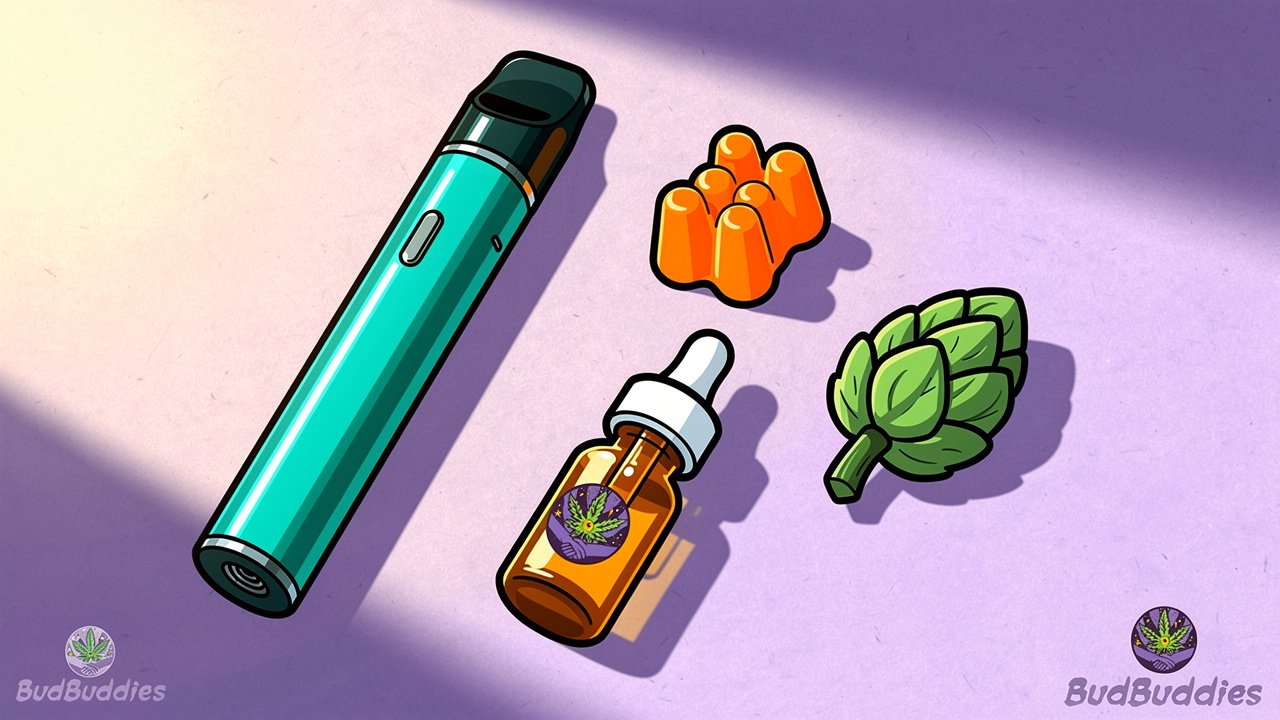
Format plays a major role in how weed and essay writing interact, because onset time and duration shape the whole session. The same strain in a vape, an edible, or a tincture can feel very different when you sit down at your laptop.
Inhaled formats act fast and wear off in a predictable window, which suits shorter, planned bursts of creative work. Oral formats build slowly and linger for hours, which can be pleasant for a relaxed day but risky if you still need tight focus later. Guidance from NIDA highlights how smoked and eaten cannabis follow different paths in the body, leading to different peaks and time courses.
Here is how the main options compare for writing:
Vapes give effects within minutes, which makes them ideal for careful, stepwise dosing. You can take a single draw, wait, and notice exactly how your thinking changes before you decide whether to take more. BudBuddies carries refined vape cartridges chosen for clear, daytime profiles, and their speed means less waiting around before you judge your headspace.
Flower, whether in a vape device or smoked, offers the full flavour and terpene experience many experienced users enjoy. The onset is still quick and the peak usually arrives within the first hour, then fades over the next couple of hours. If you already understand your own response patterns, BudBuddies flower lets you fine tune your writing state without guessing.
Edibles are slower and stronger for most people, because the body processes THC differently when eaten. The effects can take up to two hours to fully show and then can last much of the afternoon or evening. BudBuddies offers precision‑dosed edibles with clear per piece information, which makes them better suited to planned, relaxed study days rather than last minute essays.
Tinctures and oils sit between inhalation and edibles, especially when held under the tongue. They come on more steadily, last a few hours, and are easy to measure with a dropper. BudBuddies BudBuddies CBD tinctures work well for those who want calmer nerves and less physical tension while staying mentally clear.
CBD flowers and other CBD‑only products aim for mood support without a noticeable high. Many writers find that a CBD session from BudBuddies before work takes the edge off performance stress. Because CBD lacks the same short term memory impact as THC in current research from Harvard Medical School, it is a gentler companion for long reading or referencing sessions.
For most people testing cannabis and work together, inhaled products or CBD‑forward items give more predictable study sessions than a strong edible late at night.
The Bottom Line

Put simply, cannabis can support parts of the writing process, but it is not a magic upgrade for essays. Weed and essay writing work best together when cannabis is used lightly, at the right time, with the right product.
For most people, the smart pattern is to keep any THC use for idea generation or easing into a task, then draft and edit in a clear state. Strain choice, terpene profile, and especially dose — as explored in depth in THC 1.0 research — all shape whether that small lift becomes helpful looseness or full‑on fog. CBD‑forward options can calm nerves without sacrificing structure, which is often the better trade for serious work.
If you want to experiment carefully, BudBuddies makes that far easier through lab‑tested flowers, clearly labelled edibles, and CBD products with detailed terpene information. Discreet, tracked delivery across the UK and Northern Ireland means your test sessions stay private while you find the personal balance that keeps both your essays and your evenings enjoyable.
Frequently Asked Questions
Question: Does weed help with writer’s block?
Weed can sometimes ease writer’s block when the block comes from anxiety or perfectionism. A low dose may quiet the inner critic long enough to get words moving. It suits brainstorming, free writing, and idea lists much more than polished drafting. For many people, the best results come from revisiting that rough work sober.
Question: Is it better to write high or sober?
Most regular users find their best essays come from brainstorming high, if they choose to, and writing sober. THC tends to weaken working memory and structure, which are central to academic writing. Sober drafting and editing give tighter arguments, cleaner language, and fewer gaps. Cannabis is better kept for early ideas or post‑work relaxation.
Question: What is the best strain for focus and writing?
Sativa‑leaning and hybrid strains rich in pinene and limonene are usually favoured for focus and creative tasks. Names that come up often include Jack Herer, Durban Poison, and Amnesia Haze because they feel bright rather than sleepy. BudBuddies stocks these alongside other daytime flowers, with terpene profiles and effect notes shown clearly on each page.
Question: Can CBD help with essay writing without getting you high?
Yes, CBD can support essay work by calming nerves without the intoxication linked to THC. Many people use CBD oils, tinctures, or flower to take the edge off presentations or timed exams. BudBuddies offers CBD products with clear cannabinoid content and flavour notes, making it straightforward to pick an option that fits your routine and taste.
Question: How much cannabis is too much for writing?
For focused writing, anything that leaves you clearly stoned is already more than you need. Once memory and attention feel wobbly, structure usually collapses on the page. A microdose around 1 to 2.5 milligrams of THC is a sensible upper starting point. BudBuddies precision‑dosed edibles and clear vape descriptions help you stay in that lighter range.

