


How to eat when too high: calm snacks that help
Introduction
Feeling too high and suddenly unsure what to eat can feel scary, even for regular cannabis fans. Learning how to eat when too high means using simple food and drink to steady your body. The right snack slows racing thoughts and pulls you back towards normal.
As anxiety, dry mouth, and nausea creep in creep in, eating can start to feel impossible. Your heart pounds, and even opening the fridge feels like a challenge.
This guide explains how to eat when too high in calm, practical steps. You will see which foods help, what to drink, what to avoid, and how BudBuddies products support a more controlled session next time. Take a breath, sip some water, and read on for moves that genuinely help.
Why Eating Actually Helps When You’re Too High
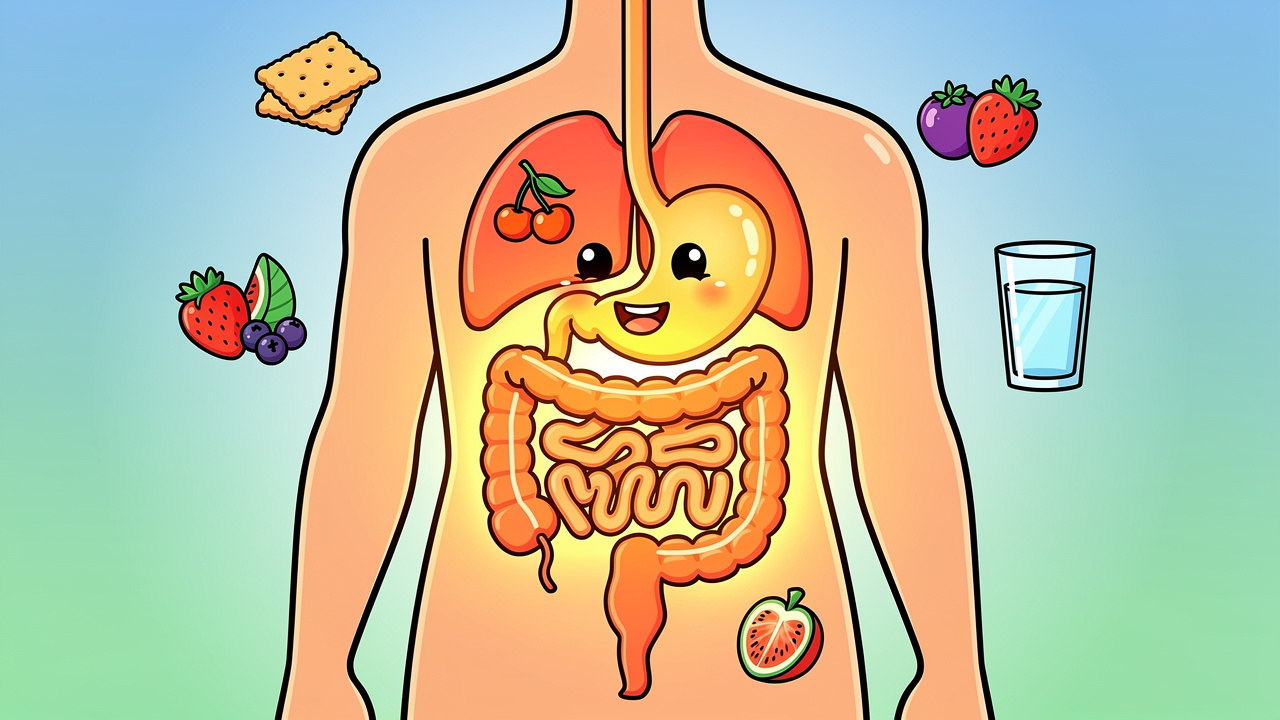
Eating when you feel too high helps your body steady itself and your mind calm down. Food does not remove THC, but it can soften the worst symptoms so the high feels less frightening. Think of eating as giving your system a gentler task to focus on while cannabinoids clear at their own pace.
Several useful things happen when you have a small snack:
Blood Sugar Stabilises
THC can make your blood sugar drop, which adds shakiness, dizziness, and that hollow anxious feeling. According to the National Institute on Drug Abuse, THC in smoked cannabis reaches peak levels in the blood within around ten minutes, while oral products peak much later, so your body can feel out of balance for quite a while. A small snack of carbohydrates gives your brain quick fuel and smooths out that wobbly sensation.
Your Body Shifts Into Digest Mode
Food moves your system towards rest and digest. As your stomach starts working, blood flow moves towards the gut, your breathing often slows, and you gradually move away from the wired fight or flight state. Researchers at Harvard Health Publishing note that slow, deep breathing activates this same calming system, which is why combining breathing with a snack works so well.
Familiar Actions Ground You
Eating is familiar and comforting. Chewing, tasting, and swallowing bring attention back to your body — and as covered in research on the munchies aren’t just a joke, appetite stimulation from cannabis can actually serve a therapeutic grounding function for some people. Many snacks also contain water and electrolytes, so they quietly support hydration while you focus on something ordinary and safe.
Harvard Health Publishing points out that slow, deep breathing helps switch the body away from a fight-or-flight state and into a more relaxed mode, which fits neatly with these grounding, snack-based steps.
It is worth remembering that food does not speed up how quickly your liver processes THC. According to the NHS, cannabis eaten in food can affect you for several hours, sometimes longer than inhaled use. The job of eating is to make that time softer and easier, not to flick a switch.
The Best Foods to Eat When You’re Too High
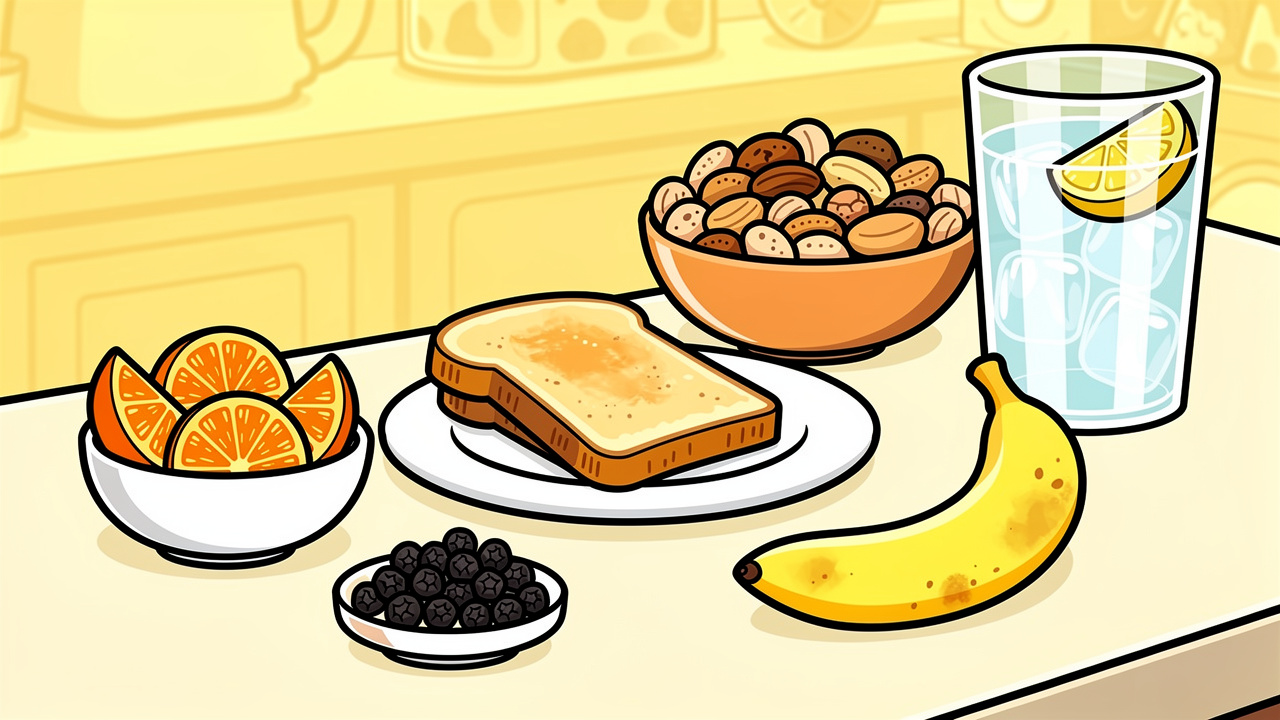
Choosing the right foods when you feel overwhelmed by cannabis helps your body rebalance and your mind relax. The best options are simple snacks that are easy on the stomach, steady your blood sugar, and give you something comforting to focus on. When you are working out what to eat when too high, keep things plain and familiar.
You do not need rare health foods for this. The most helpful choices are usually already in a typical British kitchen, such as bread, crackers, fruit, and a pepper grinder.
Plain carbohydrates, such as toast, crackers, or a simple sandwich, are gentle on the stomach and quick to prepare. They give your brain a steady flow of glucose, which can ease that shaky, empty feeling that comes with low blood sugar. Because these foods feel familiar, they also act as a small comfort when everything else feels strange.
Black pepper is a classic trick many cannabis fans swear by. It contains beta caryophyllene, a terpene that interacts with CB2 receptors in the endocannabinoid system, which many people find soothing. Chewing a couple of whole peppercorns or smelling freshly ground pepper can calm waves of panic surprisingly quickly.
Citrus fruit, especially lemon and orange, brings both flavour and gentle science to the mix. Lemon peel is rich in limonene, a terpene, a terpene linked with calmer mood in several small studies, and the sharp scent can cut through foggy thinking. Oranges, bananas, and mango add natural sugars, fibre, and hydration, which help you feel more stable.
Comfort food matters too. If a certain biscuit, cereal, or toast topping always feels safe, that familiarity can ease anxiety on its own. Light fats and protein, such as avocado, nuts, or yoghurt, help you feel satisfied so you are less likely to keep snacking without thinking. Research from the World Health Organization notes that even mild dehydration can intensify headaches and fatigue, so pairing these foods with water or herbal tea makes them work even better as part of your plan for how to eat when too high.
A common piece of harm-reduction advice is: “Keep simple snacks and water within reach before you get high, so you do not have to make big decisions while you feel overwhelmed.” — shared by many experienced cannabis users
Foods That Can Make Things Worse
Knowing what to avoid is as helpful as knowing what to snack on. Some foods and drinks push your heart rate higher or unsettle your stomach. When you are working out how to eat when too high, steer clear of a few common traps.
Caffeinated drinks and alcohol both pull your body in the wrong direction when you feel too high. Caffeine speeds up the nervous system and raises heart rate, which is the last thing you need during panic. The British Heart Foundation notes that caffeine can raise blood pressure for several hours, so swapping these drinks for water or herbal tea is a much safer move. Alcohol can also blur your sense of how high you are and worsen nausea.
Very sugary snacks, rich greasy meals, and spicy food all place extra strain on a body that already feels overwhelmed. They can cause quick blood sugar spikes followed by a sharp drop, which often mirrors the pattern of rising then crashing anxiety. Taking more edibles on top, hoping food will somehow cushion the high, almost always leads to a longer, harsher experience instead.
What to Drink and How to Actually Eat When You’re Overwhelmed
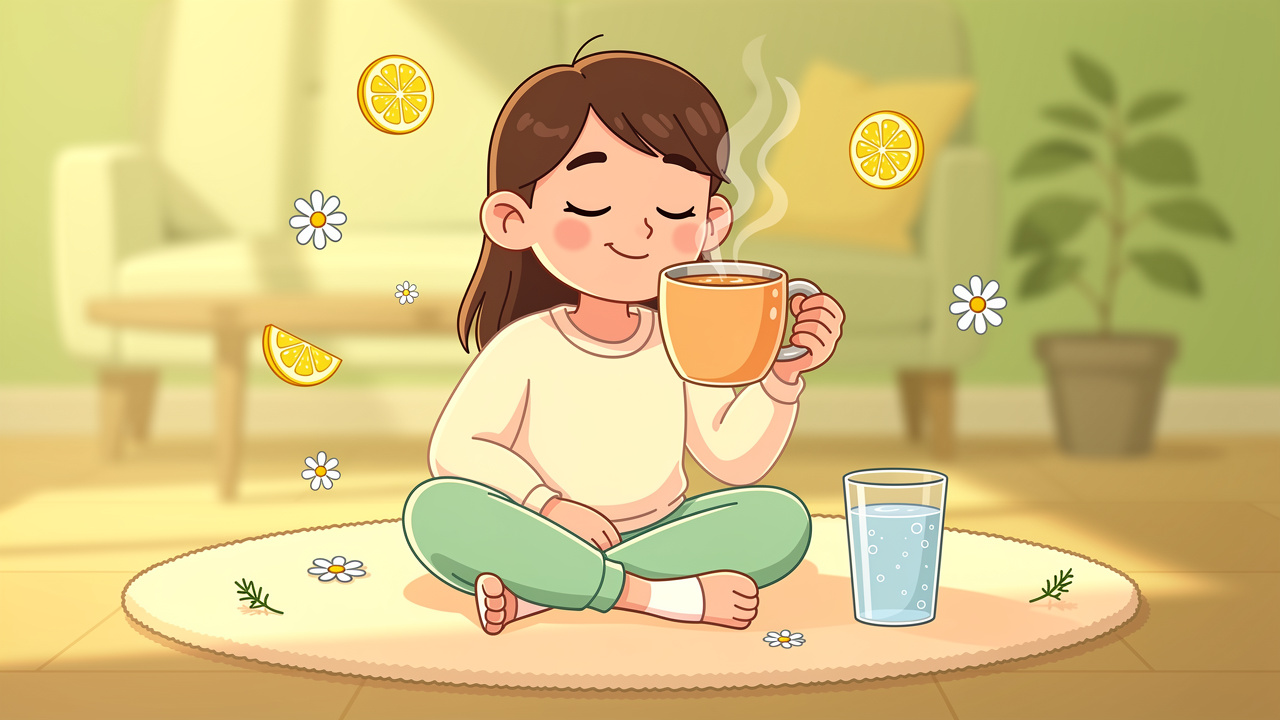
Drinks and simple eating habits are your quickest tools when you feel too high and overloaded. The focus is steady sipping, tiny bites, and calm, repeatable actions that bring your body back into a safer-feeling space.
Plain cool water is the starting point. Sip it slowly rather than downing a full glass at once, which can make nausea worse. According to the World Health Organization, even mild dehydration of around one to two per cent of body weight can worsen headaches and fatigue, so topping up fluids genuinely helps your system cope. Adding a squeeze of fresh lemon brings in limonene and a bright flavour that many people find reassuring.
Herbal teas are another gentle option. Chamomile and lavender are well known for their calming properties, and the warm mug encourages your body into rest and digest mode. Research discussed by Harvard Health Publishing shows that slow, deep breathing works with this process, so matching your sips with steady breaths can relax mind and muscles together. If you already use CBD oil or a CBD drink from BudBuddies, a measured dose here may take the sharp edge off a strong THC session.
Many people find it helpful to repeat a simple line: “Small sips, small bites, slow breaths.” It keeps your focus on manageable steps instead of on the intensity of the high.
When you feel frozen and unsure how to start, use this simple routine:
Sit down somewhere safe and comfortable, preferably near a loo and with your phone to hand. Place water, a light snack, and any CBD product from BudBuddies you want to use within easy reach. Sitting still gives your balance a chance to settle, which makes both eating and breathing easier.
Start with small sips of water. Notice how the cool liquid feels in your mouth and throat, which can distract you from racing thoughts. If your stomach feels settled after a minute or two, you can move on to the first bite of food.
Take tiny bites of something plain, such as a cracker or piece of toast. Chew each mouthful fully and swallow before picking up the next bite. Paying attention to the texture, crunch, or warmth of the food keeps your focus on something neutral rather than on worrying thoughts.
Pause regularly and check how your body feels. If your heart rate is slowing and your breathing feels easier, keep sipping and snacking at a relaxed pace. If you start to feel tired, lying down on your side and letting yourself drift towards sleep is a completely reasonable next step.
How to Prevent Being Too High in the First Place — and How BudBuddies Helps
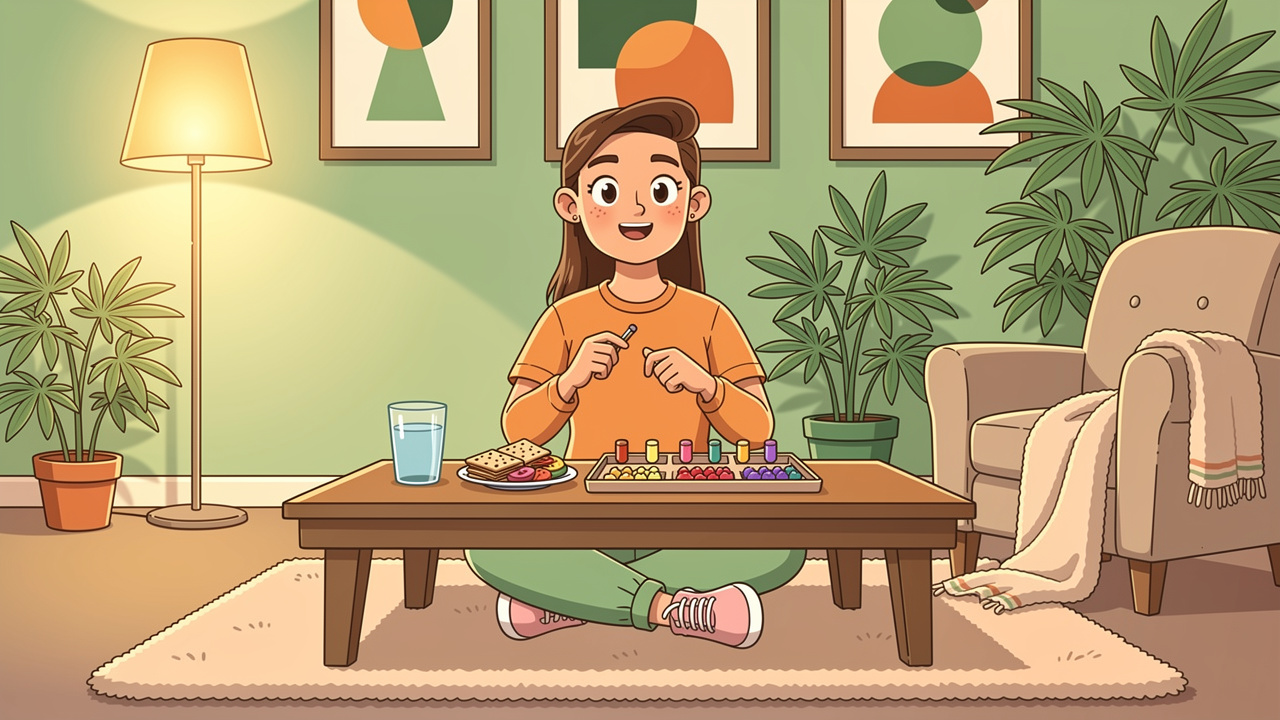
Preventing an overwhelming high is far easier than rescuing one after it starts. The key is respectful dosing, choosing formats that suit your tolerance, and using high quality, clearly labelled products such as the range on budbuddies.cc.
For THC edibles, a simple rule is start low and go slow. A practical first dose for many adults is 5 to 10 milligrams of THC, then wait at least two full hours before considering more. The NHS explains that cannabis eaten in food can take up to two hours to reach full effect, which is why impatient top ups cause so many uncomfortable nights. With BudBuddies gummies and capsules, each piece shows the exact milligram amount, making it straightforward to stick to that plan.
Many cannabis educators repeat the same rule: “Start low, go slow, and wait before you take more.” It is simple advice that prevents a lot of panicked evenings.
Flower and vapes feel quicker but still benefit from patience. According to the National Institute on Drug Abuse, smoked cannabis generally peaks within about ten minutes, so taking one or two modest puffs and waiting gives your brain time to catch up. BudBuddies premium flower, cartridges, and THC beverages all list their THC and CBD percentages clearly, which means you can choose strains and strengths that match your comfort level instead of guessing.
Food and hydration before a session really help. A light meal and a glass of water around forty minutes before you start smooths absorption and reduces the chance of a rollercoaster effect. Keeping CBD oil, capsules, or gummies from BudBuddies nearby gives you a balancing option if a THC product feels a bit strong. Every order arrives in discreet, smell proof packaging with tracked, fast UK delivery, so you can build a home stash that feels organised rather than messy or uncertain.
Finding Your Feet Again — A Final Word
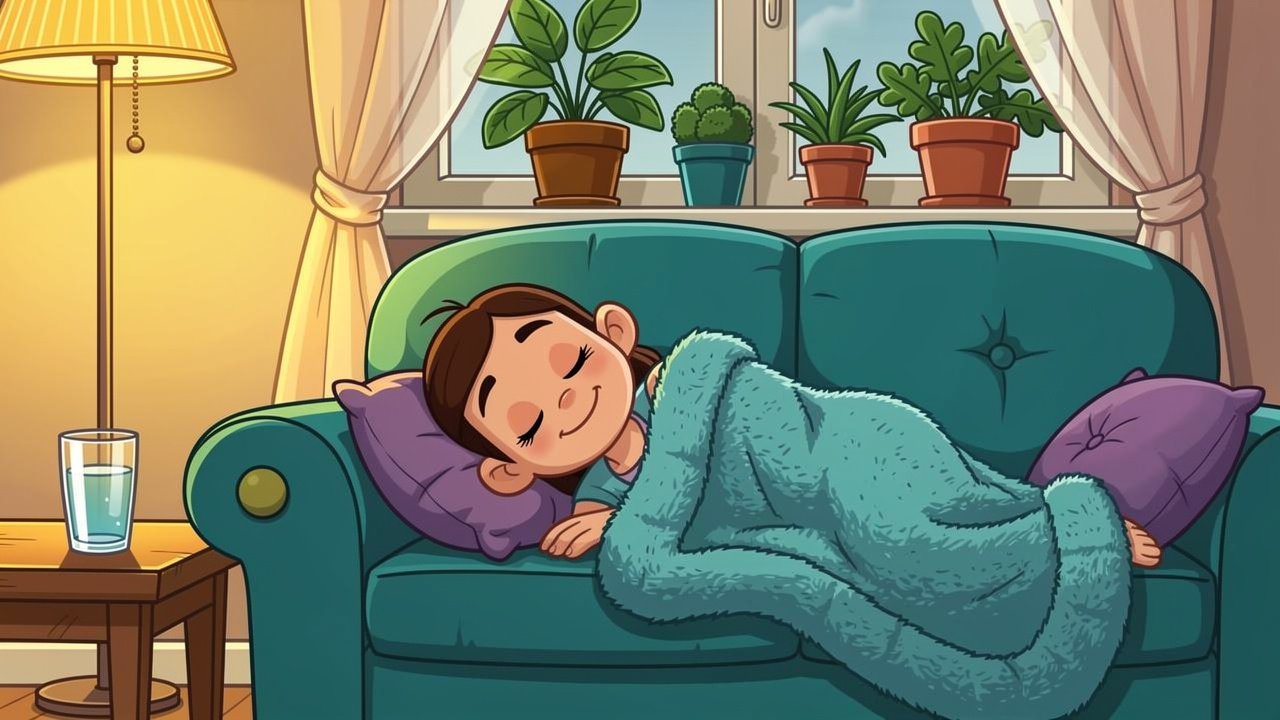
Feeling too high can be frightening, yet it always passes. Simple steps such as sipping water, eating plain snacks, chewing black pepper, and using CBD if you have it turn a wild spike into something you can ride out. Sitting somewhere cosy, breathing slowly, and focusing on small actions keep you anchored while your body processes THC.
With well labelled products, thoughtful dosing, and a bit of preparation, episodes like this become rare. BudBuddies exists to support that calmer style of cannabis use, from carefully dosed edibles to CBD back up and discreet delivery. Keep these ideas in mind next time you plan a session, and you will know exactly how to eat when too high if it ever happens again.
Frequently Asked Questions
Question: Does eating before consuming cannabis prevent you from getting too high?
Eating beforehand lowers the chance of getting too high, but it does not remove the risk. Food slows how quickly THC moves from your stomach into the bloodstream, so effects build more gently. A balanced meal with some carbohydrates, protein, and fat works best, then careful dosing still matters.
Question: Can CBD actually help when you’ve had too much THC?
Yes, CBD can soften some of the intense feelings from too much THC. A review in the Journal of Clinical Psychopharmacology reports that CBD may ease anxiety and rapid heart rate linked with THC use. A measured CBD oil, capsule, or gummy from BudBuddies can be a helpful back up during a tough high.
Question: How long does being too high typically last?
How long you feel too high depends on how you consumed cannabis. Inhaled flower or vapes usually peak within one to two hours and fade over the next couple. Edible effects can last four to eight hours, although the most intense phase normally eases after the first few hours.
Question: Is it safe to sleep when you’ve had too much cannabis?
Yes, sleeping is one of the safest and simplest ways to handle an uncomfortable high. Once you can move without feeling very dizzy, lie on your side somewhere familiar with water nearby. Let a trusted person know you are resting if possible, then allow your body to reset.
Question: Why does black pepper help when you’re too high?
Black pepper helps many people because it contains beta caryophyllene, a terpene that interacts with CB2 cannabinoid receptors. This interaction can create a grounded, calming sensation that pushes back against THC-driven jitters. Chewing two or three peppercorns or smelling freshly ground pepper often eases paranoia within minutes.


