


How Long Does Greening Out Last? Timelines & Tips
Greening out can feel frightening when you do not know what is happening or how long it will last. The clock seems to slow down, and every extra heartbeat or wobble suddenly feels huge.
If you are wondering how long does greening out last, most episodes from smoking or vaping pass within two to three hours, while edibles can drag on for four to eight hours or more. Greening out means you have taken more THC than your body feels comfortable with, which creates a rush of physical and mental symptoms that feel intense but remain temporary. This guide from BudBuddies explains what is going on, how long each type of green out tends to last, and what you can do to feel steadier sooner.
Next comes the practical bit. You will see how to spot symptoms early, calm yourself in the moment, and use better dosing and product choices to avoid a repeat. Keep reading to turn a rough experience into clear, calm knowledge for next time.
BudBuddies tip: “If you ever do green out, remind yourself that the feeling has a peak and an end. You are riding out a wave, not stuck like this forever.”
What Is Greening Out And Why Does It Happen?
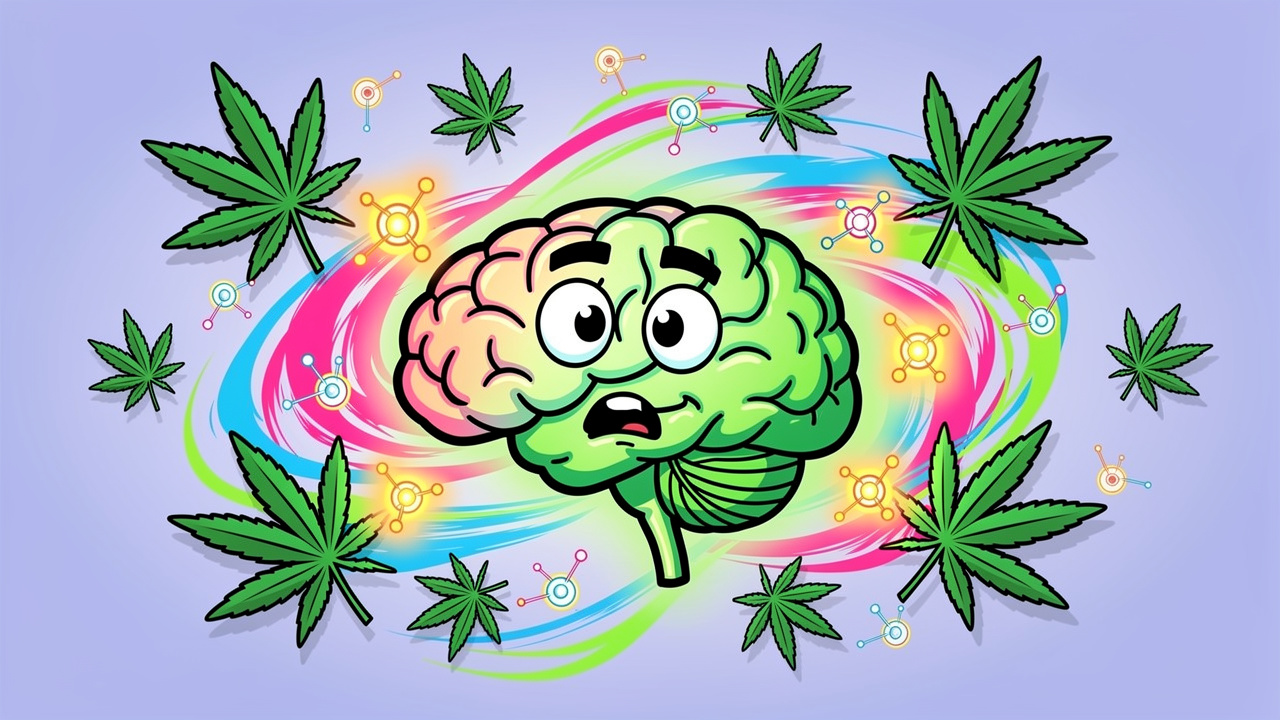
Greening out is the name for feeling very unwell after too much THC too quickly, usually within a short session. It describes a rush of nausea, dizziness, racing thoughts and anxiety that can leave someone pale, sweaty and convinced something is very wrong. According to the National Institute on Drug Abuse, there are no known deaths from cannabis overdose alone, which helps show that greening out feels worse than it actually is for the body.
Here is what happens inside. THC attaches to cannabinoid receptors in the brain and body, especially CB1 receptors that affect mood, balance and perception. When a big dose hits at once, those receptors become flooded, the amygdala that handles fear reacts strongly, and blood pressure can dip for a short time. That mix explains why a person can feel shaky, spaced out, panicky and faint all at once.
Several triggers raise the chance of greening out, especially for newer or occasional users. Common factors include:
High strength flower, vapes or concentrates
Large hits taken close together
Edibles that finally kick in after someone has re-dosed
Using cannabis on an empty stomach
Drinking alcohol at the same time
Trying a new product without checking the THC content
At BudBuddies, everything from flower to gummies is clearly labelled for THC content so adults can match dose and format to their comfort level and avoid this kind of overload. Having that information in front of you makes it much easier to go slow and stay within a range that feels good.
How Long Does Greening Out Last?
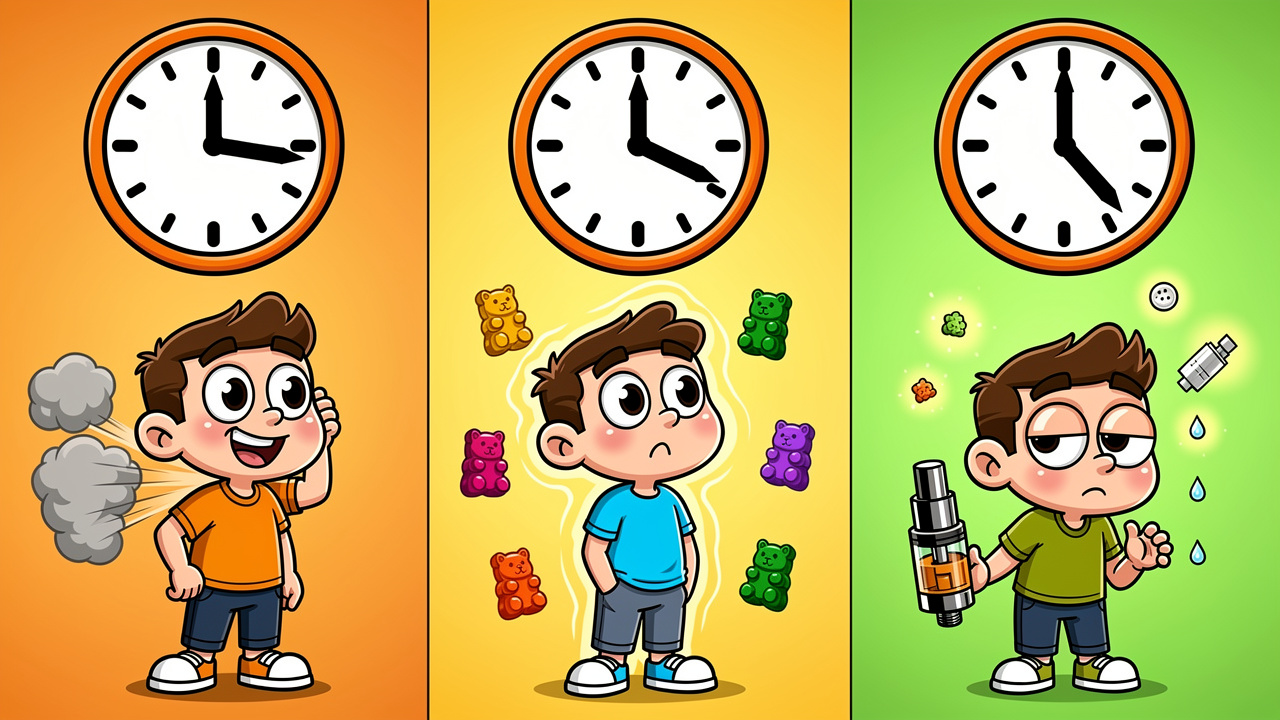
When people ask how long does greening out last, the honest answer is that most uncomfortable effects ease within a few hours, but the exact window depends on format, dose and your own body. For smoked or vaped cannabis, the rough range is thirty minutes to three hours. With edibles, the uncomfortable part can stretch from four to eight hours, sometimes longer if the dose was very high. The Centers for Disease Control and Prevention notes that edible effects can last up to twelve hours, with mild after effects even into the next day.
Here is how the main formats compare.
With smoked or vaped cannabis, effects start within a few minutes and usually peak within about fifteen to thirty minutes. If someone has overdone it, the worst of the green out normally settles after one to two hours as THC levels in the blood drop. By around two to three hours, most people feel tired or foggy rather than overwhelmed.
With edibles, onset takes much longer because THC passes through the stomach and liver before reaching the bloodstream. It often takes thirty to one hundred and twenty minutes to feel the full effect, which is why people sometimes take more and end up greening out. Once it hits, the intense stage can last four to eight hours, and the CDC reports that strong doses may affect thinking and coordination for up to twelve hours.
With concentrates such as wax or shatter, the hit is quick and very strong because THC levels are so high. Symptoms of greening out arrive within minutes and can feel quite intense in the first one to two hours. For most people, the main wave passes after about three to six hours, although a heavy session may leave them drained for the rest of the day.
Several personal factors shape how long a green out feels:
Your tolerance and past cannabis use
Body weight and body fat levels
How recently you ate and what you ate
Your metabolism and general health
Whether you mixed cannabis with alcohol or other substances
People with higher tolerance, faster metabolism or more body mass usually recover faster than newcomers with smaller frames. Eating before a session and avoiding alcohol shorten the rough patch, because food slows absorption and alcohol does not push THC higher. Careful dosing with clearly labelled products, such as the lab tested edibles and vapes from BudBuddies, also makes a real difference to how long a session feels bumpy.
BudBuddies tip: “With edibles, set a timer for two hours before even thinking about more. If you are still unsure at that point, wait another thirty minutes.”
What Are The Symptoms Of Greening Out?
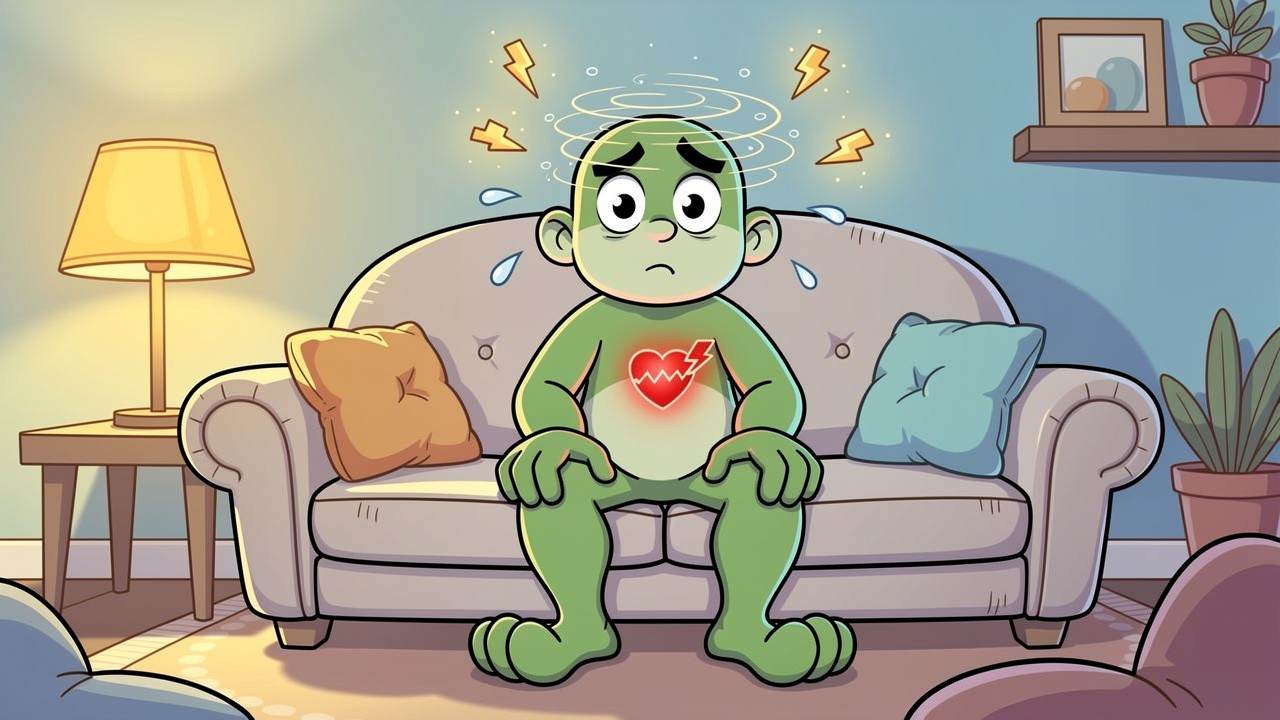
Symptoms of greening out are a mix of strong body sensations and intense thoughts that arrive together. The key thing to remember is that they are temporary and pass as THC leaves the bloodstream. Research collected by the European Monitoring Centre for Drugs and Drug Addiction highlights nausea, rapid heart rate and anxiety as common reasons for cannabis related medical visits, which matches what people report during a green out.
Physical symptoms often show first, such as:
Stomach discomfort and nausea are very common, sometimes followed by vomiting. The person may feel sudden queasiness, dry mouth and a heavy feeling in the gut. Sipping water and lying still usually helps ease this over time.
The heart and circulation can feel strange, with a racing pulse or strong pounding in the chest. Blood pressure can drop for a short spell when someone stands up, which creates light headedness or a feeling of nearly fainting. The NHS notes that cannabis can cause a short term rise in heart rate, which feels frightening but settles on its own for most healthy adults.
Body temperature and energy can swing, with cold sweats, clammy skin or shivers. Limbs may feel heavy, weak or wobbly, and many people feel an urgent need to lie down. Exhaustion often follows as the body tries to reset.
Mental symptoms then layer on top, and these can make everything feel worse:
Anxiety and panic are perhaps the strongest features of greening out. Thoughts race, small sensations feel huge, and the person may feel convinced that they are in danger even as vital signs stay fairly steady. This fear tends to ease as breathing slows and the THC peak passes.
Paranoia and confusion can appear, such as thinking that friends are judging them, worrying about what others can see, or losing track of time. Simple tasks like speaking clearly or following a television programme may feel surprisingly hard. These effects are unsettling but fade as the brain clears the THC.
Some people feel detached from their body or surroundings, sometimes called feeling unreal or stuck in a loop. This can create a wave of dread that the feeling will never end. The important point is that this state always passes with time and rest, even when the mind insists it will not.
If you are with someone who is greening out, staying calm yourself, speaking softly and reminding them that the experience is time limited can make a big difference.
Try repeating: “You are safe. This feeling will peak and then pass. I’m staying with you while it does.” Simple reassurance often steadies a spiralling mind.
How To Recover From Greening Out And Prevent It Next Time
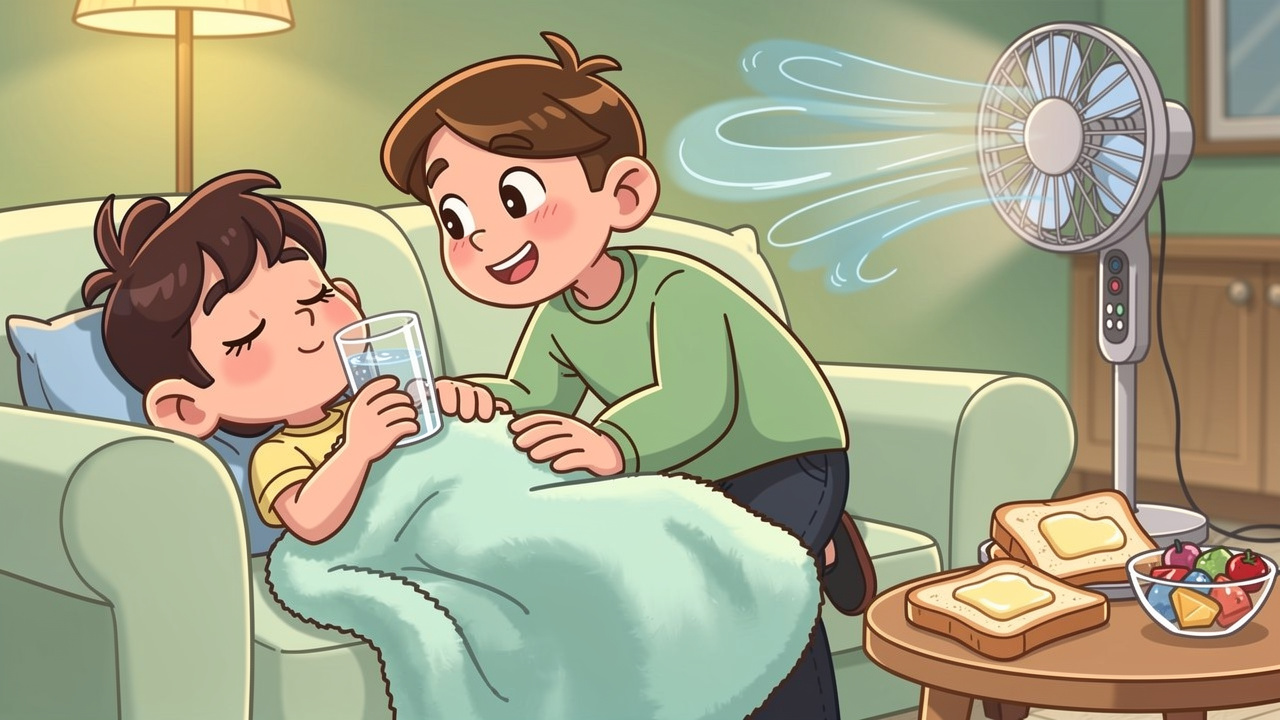
Recovery from greening out mainly means staying safe, calming the mind and giving the body time to move THC along. Most people feel noticeably better within a couple of hours, then simply tired or spacey. A study in BMJ Open found that most people attending emergency departments for cannabis related problems were discharged the same day after rest and monitoring, which shows how often support rather than strong treatment is needed.
Here are practical steps that help:
Move to a calm, familiar space where you can sit or lie down comfortably. Quiet, low light and fresh air make the brain feel less overloaded. If you feel faint, lying on your side with your knees slightly bent keeps you steady until the wave passes.
Sip water or a mild soft drink slowly, taking small mouthfuls rather than large gulps. Hydration helps the body feel less shaky and can ease a dry mouth and headache. Avoid alcohol completely, because it can push THC into the bloodstream faster and make symptoms feel harsher.
Eat a light snack if your stomach can handle it, such as toast, a biscuit or a piece of fruit. A small amount of sugar and carbohydrates gives the body fuel to work with while it processes the THC. Very heavy or greasy food can make nausea worse, so gentle options are usually better.
Focus on slow breathing and simple grounding tricks to quiet the mind. A handy pattern is to breathe in for four counts, hold for four and breathe out for four, repeating until your heart feels steadier. Naming five things you can see, four you can touch and three you can hear also brings attention back to the room rather than racing thoughts.
Use CBD if you have it and feel comfortable with it. CBD oil or CBD flower from a trusted source such as BudBuddies may soften THC’s sharper edges for some people, because CBD interacts with the same receptor system in a different way. The World Health Organization reports that CBD has a good safety profile, which is one reason many adults view it as a gentler option.
Ask a trusted friend to stay with you if possible. Simple company, steady conversation and a calm tone often stop worries from looping and growing.
Once the worst has settled, sleep often finishes the process and lets the body reset. Many people wake up feeling much calmer, perhaps a little tired but no longer overwhelmed.
Breathing tip: Try “4–6 breathing” — breathe in through your nose for 4 seconds, then breathe out through your mouth for 6 seconds. Longer exhales signal safety to the nervous system and can reduce the intensity of panic.
Prevention starts with the simple rule to start low and go slow, especially with edibles and concentrates. To reduce the chance of greening out next time:
Read THC percentages and know how many milligrams are in each gummy, joint or millilitre of vape liquid.
Leave at least two full hours before adding more edibles.
Eat beforehand and avoid alcohol.
Choose products where CBD balances THC, if that suits you.
Stick to one format at a time instead of mixing edibles, vapes and drinks in a single session.
BudBuddies helps here with double potency verification, clear dosage labels on flower, edibles and vapes, and a curated range that makes it easier to pick products that match your comfort zone instead of guessing.
When Should You Seek Medical Help?
Medical help is needed when greening out comes with symptoms that look severe, unusual or keep getting worse. Contact urgent care if you notice:
Chest pain, pressure or trouble breathing
Seizures or fits
Losing consciousness or being very hard to wake
Very fast, irregular heart rhythm that does not settle with rest
Vomiting so often that you cannot keep down fluids
Sudden confusion, agitation or hallucinations that seem extreme
Calling 999 for emergencies or speaking to NHS 111 for advice gives you clear guidance for your situation.
If someone has mixed cannabis with other substances, has a known heart problem, or seems very confused and unable to respond properly, professional support is especially important. Healthcare teams regularly see cannabis related episodes and usually focus on checking vital signs, offering fluids and keeping the person calm. Research in BMJ Open shows that most people in this position are discharged within hours once symptoms ease, which can be reassuring to keep in mind. When unsure, it is always safer to ask for help and be honest about what has been taken.
The Final Word On Greening Out
Greening out feels rough in the moment, but it stays time limited for almost everyone. For smoked and vaped cannabis, the main wave usually passes within two to three hours, while edibles can stretch the experience to most of an afternoon or evening. Knowing how long does greening out last, and why, already makes it less frightening.
Safe recovery comes down to calm surroundings, gentle hydration, light snacks, slow breathing and rest. Avoiding a repeat then means respecting THC strength, leaving full time for effects to build, and choosing balanced products that suit your tolerance. Here is the key point: most green outs become a lesson rather than a lasting problem.
BudBuddies supports that calmer path with lab tested flower, clearly dosed edibles, CBD options and vapes that are easy to pace, all packed and delivered with discretion for adults across the UK and Northern Ireland. With clear product information and steady guidance, your next session can feel measured, enjoyable and firmly under your control.
BudBuddies reminder: “Start lower than you think you need, wait longer than you think you should, and give yourself space to enjoy the experience, not rush it.”
Frequently Asked Questions
Question: Can you green out from CBD products?
CBD on its own does not usually cause greening out because it is not strongly psychoactive. Most uncomfortable green outs come from high levels of THC, not CBD. High CBD and low THC products, such as the CBD range on BudBuddies, are often chosen by adults who want a gentler effect and more control.
Question: Does drinking water help when you are greening out?
Yes, drinking water or a mild soft drink helps during a green out. Hydration supports circulation, eases dry mouth and can take the edge off headaches and dizziness. The key is small, regular sips rather than fast gulps, and avoiding alcohol completely.
Question: Can you green out twice from the same session?
Yes, a person can feel like they green out more than once in a single session. This often happens when they take more cannabis before the first dose has reached its peak, especially with edibles. Once all doses have fully kicked in, the symptoms join into one longer rough patch, which can feel like separate waves.
Question: How long does a green out last with edibles specifically?
A green out from edibles typically lasts four to eight hours, because the body processes THC through the liver into a longer acting form. Strong or repeated doses can stretch effects further. This is why starting with a low milligram amount and waiting at least two hours before more is so important.
Question: Is greening out the same as a cannabis hangover?
Greening out and a cannabis hangover are related but not the same thing. Greening out is the intense, uncomfortable phase while THC levels are high. A cannabis hangover describes the tiredness, mild fogginess or low mood that some people feel the next day. Both usually fade on their own with rest, food and hydration.


