


Can Edibles Kick In After 3 Hours? Onset & Safety
Introduction
A familiar scene plays out: an edible goes down, ninety minutes pass, nothing obvious happens, and the thought appears: can edibles kick in after 3 hours or has this one failed? That quiet worry can snowball, especially if you are not yet used to how edibles behave.
Yes, edibles absolutely can kick in after 3 hours, and that delay is still within a normal window. Smoking or vaping hits in minutes because cannabinoids move straight from the lungs to the blood, while oral cannabis has to wind its way through the stomach, intestines, and liver first.
This guide walks through what your body is doing, why timing shifts from day to day, and how to avoid the classic mistake of re-dosing too early. You will also see how clearly labelled, lab‑tested BudBuddies edibles can make that slower process calmer and more predictable.
Why Edibles Take So Long to Kick In
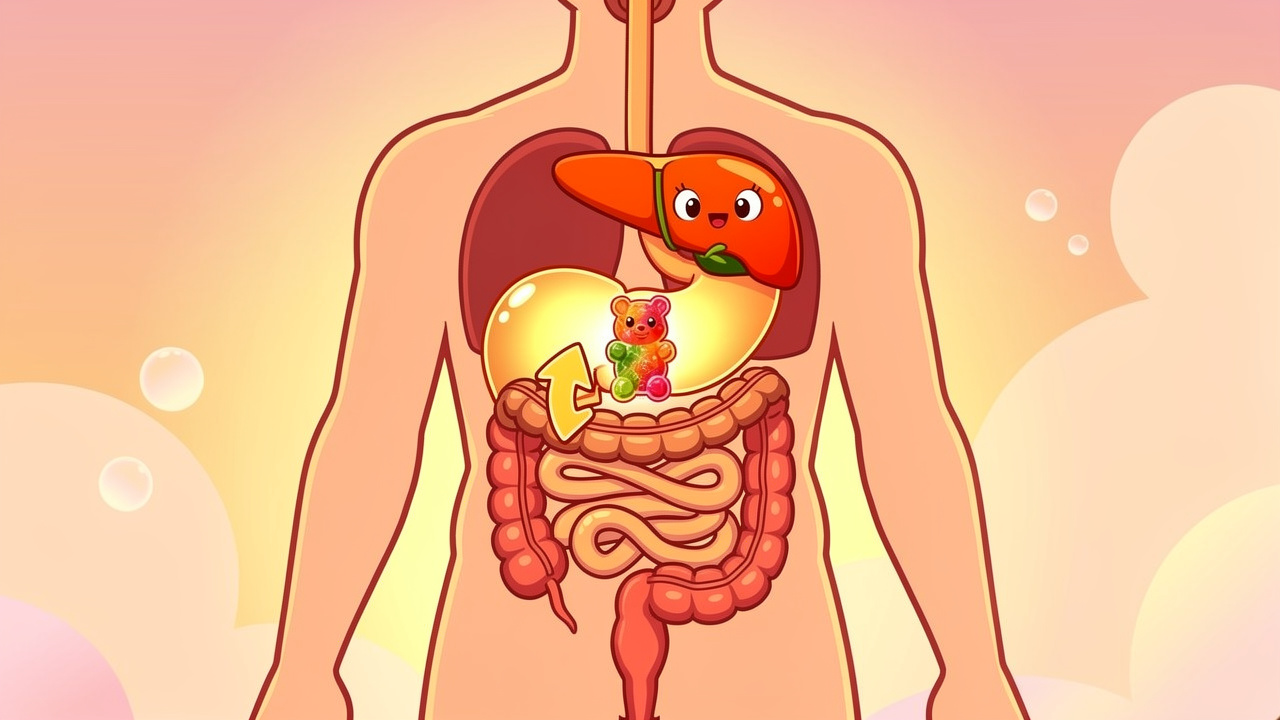
Edibles take longer to kick in because the THC has to pass through your digestive system and liver before it reaches your brain. With smoking or vaping, cannabinoids move through the lungs into the bloodstream within minutes. So when someone wonders whether their brownie has failed or can edibles kick in after 3 hours, the answer lies in basic digestion, not anything mysterious.
After you swallow an infused gummy or brownie, the food sits in the stomach while acid and enzymes break it down. Partly digested contents then move into the small intestine, where cannabinoids are absorbed into the blood and carried to the liver through the portal vein.
The liver runs what pharmacologists call first‑pass metabolism. During this stage, delta‑9‑THC is converted into another compound called 11‑hydroxy‑THC. According to the National Library of Medicine, blood levels from oral THC usually peak between one and three hours after ingestion, and can appear even later if the stomach empties slowly.
Inhaled cannabis skips this digestive loop, so it feels fast and sharp. Edibles feel slower and more gradual because of the wait for digestion and this liver conversion step. Well‑dosed products from brands such as BudBuddies cannot remove that delay, but they do mean you are waiting on your own digestion, not on an unpredictable product.
How 11-Hydroxy-THC Differs From Inhaled THC
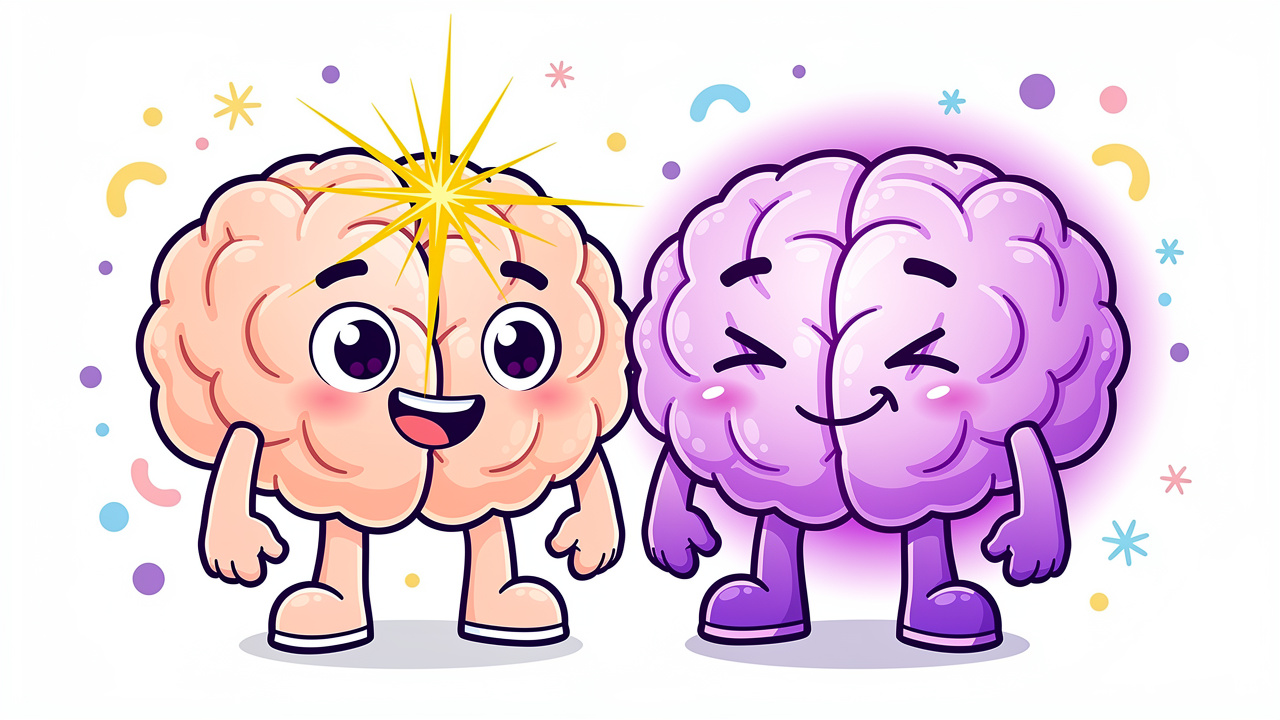
11‑hydroxy‑THC behaves differently from the delta‑9‑THC you get from a joint or a vape. It crosses the blood–brain barrier more easily and is considered more potent per milligram. Research summarised by the National Academies of Sciences notes that oral THC produces higher levels of 11‑hydroxy‑THC than inhaled routes.
This helps explain why a modest edible can feel heavier and more full‑bodied than what looks like the same THC dose in smoke. Many people notice a stronger body effect, deeper relaxation, and a hazier headspace. That does not mean edibles are unsafe; it just means the same milligrams do not feel the same.
Duration is another key difference. Guidance from Healthline reports that edible effects often last four to eight hours, with tail‑end drowsiness sometimes stretching beyond that. So the compound that arrives later also lingers longer, which is why planning your timing matters so much.
What Actually Determines Your Onset Time
Onset time with edibles depends on several moving parts in your body and daily routine. The same product can hit in forty minutes one evening and creep in close to the three‑hour mark on another, a variability confirmed by effects of naturalistic doses of cannabis edibles on cognition and blood THC levels. That is why the question can edibles kick in after 3 hours has such a clear yes, even when you keep dose and brand the same.
Understanding the main variables helps you read your own body instead of assuming an edible has done nothing. It also shows why companies such as BudBuddies put so much effort into clear labelling and dosing guidance. If the product is consistent, any delay almost always comes from you, not from the bag.
Key factors include:
Stomach contents. A heavy, fatty meal slows stomach emptying, so the edible sits longer before reaching the small intestine. That can push onset past two hours and closer to three. A fairly empty stomach speeds things up but can make the peak feel sharper.
Metabolic rate and body composition. Slower metabolism or lower activity can slow digestion and THC processing. Higher body fat can store some cannabinoids, changing how long they linger. None of this is good or bad; it just shifts the clock.
Type of edible. Soft gummies from brands like BudBuddies usually break down quicker than dense brownies or capsules. Products made with nano‑emulsified THC may act faster because the droplets mix more easily with water in the gut, while old‑school baked goods tend to sit at the slower end.
Gut health and stress. Irritable bowel conditions, sluggish digestion, or a stressful day can all slow movement through the gut. Research discussed by Harvard Medical School links stress with slower digestion, again stretching the onset window.
Tolerance and attention. Regular cannabis consumers might miss the first soft wave because it feels mild compared with a vape. Newer users may notice tiny shifts sooner but still underestimate how much further the effect can climb.
The Most Dangerous Mistake: Why You Should Never Re-Dose Too Early
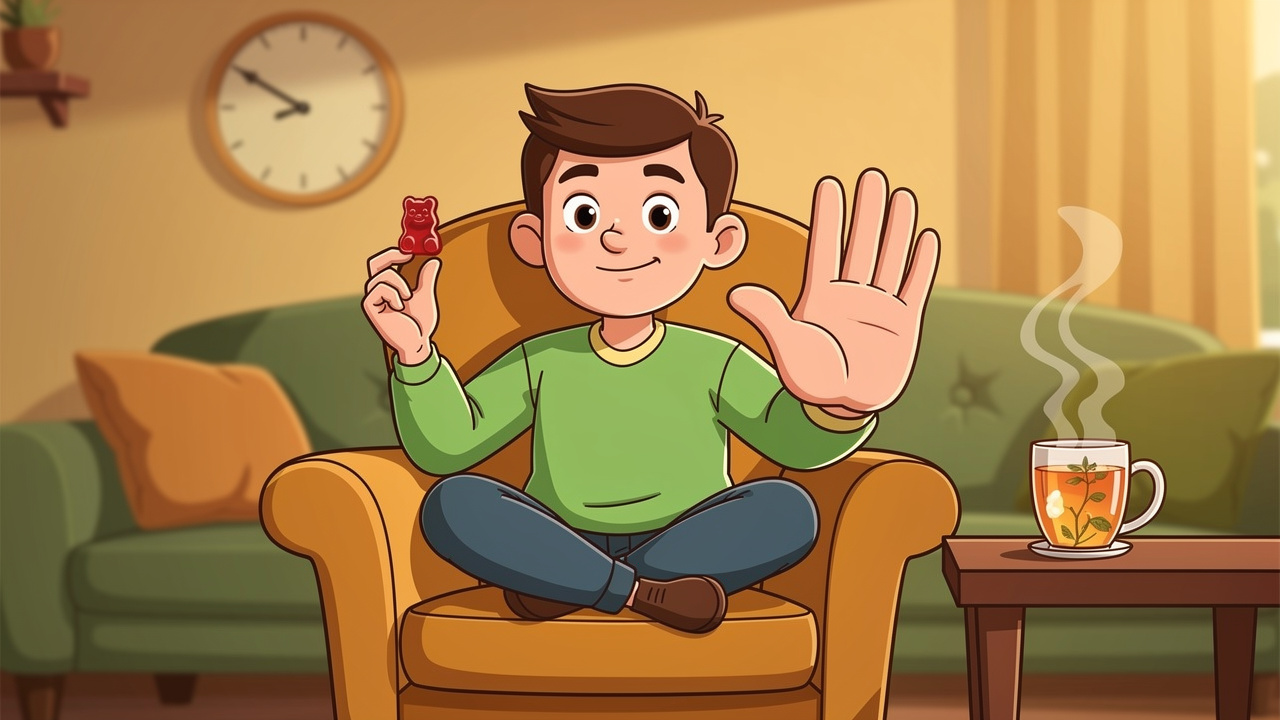
The biggest risk with edibles is taking more before the first dose has fully shown itself — an issue explored in a THC Edibles Perception Study that found many consumers significantly underestimate how much of an effect an edible will produce. Because edibles can kick in after 3 hours, what looks like a failed gummy at ninety minutes is often a slow‑moving success. Adding a second dose on top sets up a steep, uncomfortable peak later.
Here is the classic double‑dose story: someone takes a 10‑milligram gummy, waits an hour and a half, and feels almost nothing. They decide the batch is weak, eat another piece, and carry on. Thirty to sixty minutes later, both doses land together, and what should have been a gentle evening turns into a much heavier ride.
This pattern is not rare. A study in JAMA Internal Medicine found that edibles accounted for a disproportionate share of cannabis‑related emergency visits compared with their share of total use. The report highlighted delayed onset and early re‑dosing as common threads in those cases.
“Start low and go slow.”
This simple rule appears in many state cannabis education campaigns and applies especially to THC edibles.
Brands such as BudBuddies design their edibles around that rule. Each pack lists exact THC per piece, and batches go through potency testing, so a 5‑milligram gummy really is 5 milligrams. BudBuddies also offers microdosing guidance and dosage calculators on budbuddies.cc to help you pick a sensible starting point.
A few habits make early re‑dosing much less likely:
Start with a low amount. If you are new to edibles or trying a new product, 2.5–5 milligrams of THC is a reasonable first step. Even experienced smokers often find this is plenty when edibles are new to them.
Wait at least two hours, and three to four is safer. Remember that can edibles kick in after 3 hours is not a myth. If you still feel nothing at the far end of that window, adjust your dose slightly next time instead of stacking more on the same night.
Keep simple notes. After each session, jot down how much you took, what and when you ate, when you first noticed changes, and how strong it felt at peak. Over a few sessions, that log becomes your personal dosing map.
What to Expect Once Your Edible Finally Kicks In
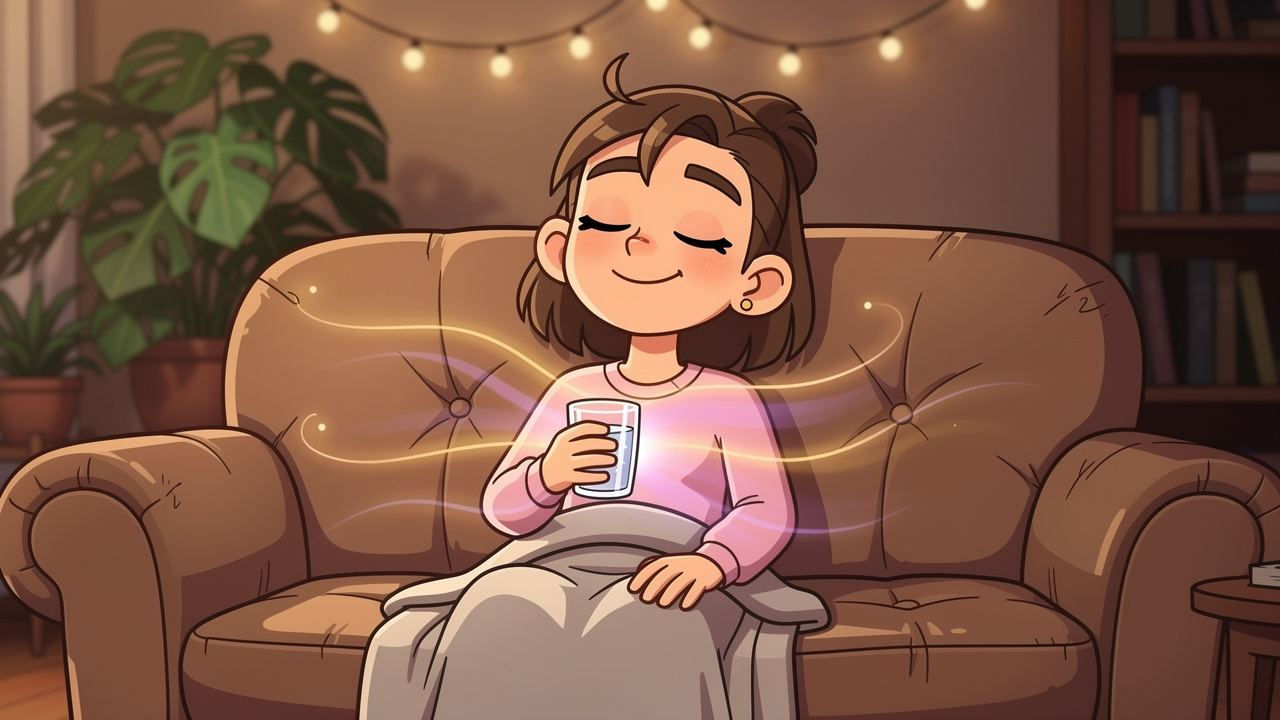
When an edible finally appears, the effect usually builds slowly instead of arriving as a jolt. The first signs might be gentle warmth in the body, a lighter mood, or a subtle change in how sounds and textures feel. From there, the effect often climbs for another thirty to sixty minutes before settling at a peak.
Compared with inhaled cannabis, the feel is often more physical and immersive. That 11‑hydroxy‑THC mentioned earlier tends to give a heavier body sensation and a deeper mental shift. According to Leafly, many people experience four to eight hours of noticeable effect from a standard dose, with some residual fog the next morning if they ate it late.
Because of that long arc, it helps to prepare your space and schedule. Many BudBuddies customers think in eight‑ to twelve‑hour blocks for any new edible product. That way, even if your edible kicks in after 3 hours on a particular night, you still have breathing room for the full rise and fall.
A few straightforward harm‑reduction steps make a big difference:
Stay hydrated and skip alcohol. Water or herbal tea keeps your mouth comfortable and supports digestion. Alcohol can increase THC absorption and make the high feel harsher.
Do not drive or use machinery. Reaction time, judgement, and coordination can stay off balance even when you feel mostly normal. Plan your session around staying put.
Keep the rest of your day clear. Treat an edible session like a long film rather than a short clip. With that mindset, a late onset is just a quirk, not a problem.
Choose a calm, familiar setting. A cosy room, soft lighting, and low‑key music can help the experience feel grounded. If the edible ends up stronger than planned, a safe setting does a lot of the work.
Have CBD oil on hand. Ideally, choose a reliable source such as BudBuddies, which also stocks CBD alongside its edibles. Some research discussed by the Journal of Psychopharmacology suggests CBD can moderate some THC effects for certain people. It is not an off switch, yet many users find a measured CBD dose softens a wobbly moment while they wait for the peak to pass.
If at any point you experience intense chest pain, trouble breathing, or extreme confusion, seek medical help — and for a practical overview of how edibles fit into regular wellness routines, resources like Medosi CBD Gummies: A practical wellness guide offer useful context on managing cannabinoid products responsibly. These reactions are rare, but taking them seriously is always the right move.
Laat Jou Edible Die Werk Doen — Slotgedagte
This heading roughly means let your edible do its work, which sums up the whole subject neatly. Edibles demand more patience, planning, and self‑awareness than a quick puff on a vape, but that slower rhythm rewards you with a longer, steadier experience when you give it space.
So when the thought can edibles kick in after 3 hours pops up, the calm answer is yes, they often can. At that moment, the smartest move is usually to wait, get comfortable, sip some water, and notice gentle changes instead of chasing a faster result. Consistent products such as BudBuddies edibles make that patience easier to trust.
Give Your Edible the Time It Needs
Edibles can and do kick in after 3 hours, and that delay sits within a normal range. The slow trip through the gut and liver creates 11‑hydroxy‑THC, which is stronger and longer‑lasting than inhaled THC, so the timing and feel differ from other cannabis formats. Once that difference makes sense, it becomes easier to trust the process.
The safest route is simple: start low, wait the full window, and adjust slowly across separate sessions instead of stacking doses on one night. BudBuddies supports that approach with clearly labelled, lab‑tested edibles, dosage calculators, and CBD options at budbuddies.cc. Combine that reliability with your own patience, and you give every edible the best chance to work well for you.
Frequently Asked Questions
Question 1
Question: How long should I wait after an edible before I know it’s not working?
The safest approach is to wait a full three to four hours before assuming an edible has not worked. Guidance from the Colorado Department of Public Health & Environment notes that oral THC often takes up to two hours to show, and heavy meals or slower digestion can stretch that window further. If nothing happens after four hours, adjust your dose slightly next time rather than re‑dosing that night.
Question 2
Question: Can the same edible kick in at different times on different days?
Yes. The same edible can kick in at very different times on different days, and Why Don’t Edibles Work for some people explores how individual physiological factors — from gut health to metabolism — explain why onset windows shift so dramatically. Stomach contents, hydration, stress, sleep, and gut health all change from day to day, which affects digestion speed. That is why can edibles kick in after 3 hours may be true on one night and not on another, even when you use the same product and dose.
Question 3
Question: Why do edibles feel stronger than smoking even at the same THC dose?
Edibles feel stronger because the liver converts delta‑9‑THC into 11‑hydroxy‑THC, which is more potent per milligram and stays active for longer. This metabolite crosses into the brain more readily. As the National Library of Medicine notes, oral THC produces a longer‑lasting effect curve than inhaled cannabis.
Question 4
Question: What should I do if my edible kicks in too strongly?
If your edible feels too strong, stay calm, breathe slowly, and sip water in a comfortable space. Remind yourself that the feeling will pass with time. Many people find a measured dose of CBD oil from a trusted source such as BudBuddies softens the edge. Seek medical help if you notice severe physical symptoms such as chest pain or trouble breathing.
Question 5
Question: Does eating before taking an edible affect how long it takes to kick in?
Yes. Food makes a clear difference to onset time. A heavy or fatty meal slows stomach emptying and can push onset towards or beyond the three‑hour mark. A fairly empty stomach tends to speed things up, although the peak may feel sharper. Fat‑rich meals can also increase total THC absorption, which may lengthen and intensify the experience.


