


How to Stop Greening Out: Calm, Safe Steps That Work
Introduction
If you are frantically searching how to stop greening out, you are probably feeling scared and uncomfortable right now. The room may feel like it is spinning, your heart is racing, and you might be worrying you have done something serious.
Greening out simply means you have taken more THC than your body is comfortable with. It feels awful, yet the effects are temporary and pass with time. This guide explains what greening out is, how to stop it as fast as possible, and how to avoid it next time, using calm, plain English. BudBuddies adds clear product guidance so your sessions feel more controlled.
Keep reading for simple steps you can follow right now, plus smart ways to prevent another bad experience. You are far from the first person to feel like this, and you will feel steady again.
What Is Greening Out And What Causes It?
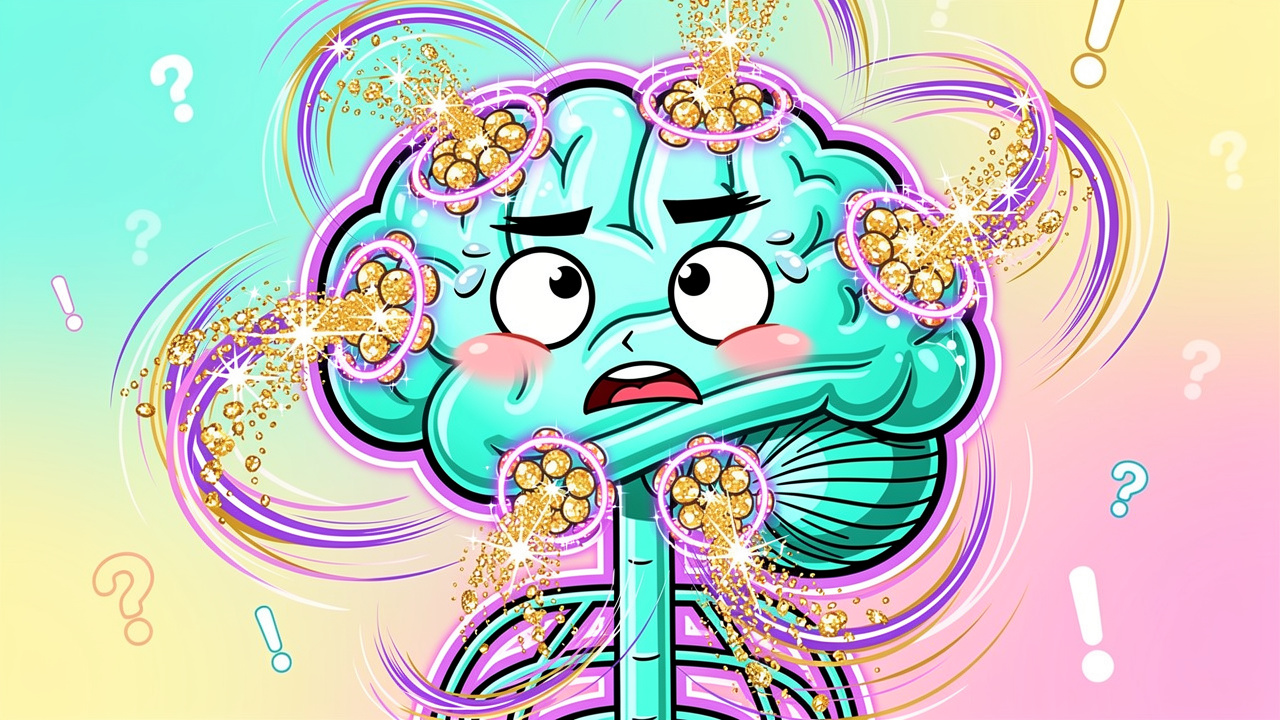
Greening out happens when THC overwhelms your body and mind, and it usually comes from dose, potency, or mixing. In simple terms, it is your endocannabinoid system saying you have pushed past a comfortable level — many people describe it as “your body saying that is enough for now.”
THC attaches to CB1 receptors in your brain and nervous system. When there is too much THC, these receptors are overstimulated and you can feel dizzy, sick, anxious, or detached. According to the National Institute on Drug Abuse, modern cannabis concentrates can reach 60–90 percent THC, while many dried flowers sit nearer 15–20 percent, so it is easy to misjudge strength.
The effects of greening out are almost always temporary, although they can feel intense in the moment. Your body gradually breaks down THC, so the symptoms fade, even if you do nothing clever. Most inhaled sessions ease within a few hours, while edibles can hang around longer because your liver processes them slowly.
Several common triggers sit behind most green outs. High potency products can catch out both newcomers and experienced consumers, especially when tolerance has dropped after a break — and research on the Accuracy of labeled THC potency shows that actual cannabinoid levels in products can differ meaningfully from what is printed on the label. Low personal tolerance, using cannabis on an empty stomach, or feeling very anxious before a session all raise the chance of a bad time.
Edibles are a frequent cause because they can take thirty to one hundred and twenty minutes to appear. Many people assume nothing is happening, eat more, and then both doses hit together. Mixing cannabis with alcohol is another big factor, as alcohol helps THC move into the bloodstream faster, which makes the high feel jumpy and unpredictable.
How To Stop Greening Out Right Now
Stopping a green out quickly means calming your body, quieting your thoughts, and supporting recovery with simple, steady steps. The ideas below show how to stop greening out in a way that feels clear rather than overwhelming.
BudBuddies Tip: You can always take more later, but you cannot take any away once you have used it.
1. Stop Adding THC
Start by putting the weed, vape, edible, or drink away. No matter how tempting it feels to “balance” things out, adding anything else is likely to make you feel worse. Remind yourself that you are experiencing a strong yet time‑limited reaction to THC. The World Health Organization reports that cannabis has no documented lethal dose in humans, which can be reassuring when your mind is racing.
2. Find A Calm, Safe Space
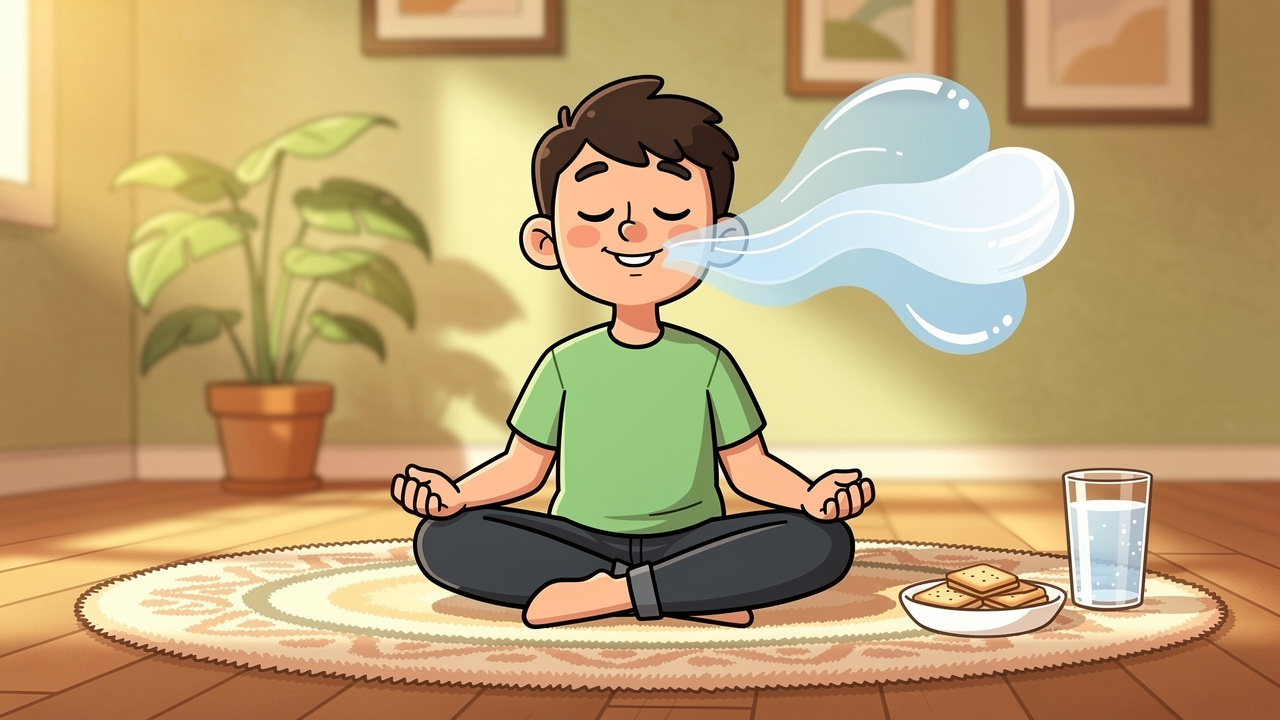
Move to the calmest place you can manage, away from noise and bright lights. Sit or lie down somewhere you feel physically safe, and tell anyone you are with that you need quiet support rather than laughs.
Slow breathing helps a lot, so try this four–seven–eight rhythm:
Breathe in through your nose for four seconds.
Hold your breath for seven seconds.
Breathe out through your mouth for eight seconds.
Repeat several times, focusing only on the counting.
3. Support Your Body Gently
Once you feel slightly more settled, support your body with gentle care:
Sip water or a soft drink in small amounts.
Avoid caffeine or alcohol, which can make your heart feel more jumpy.
If you can manage food, have a light snack such as toast, crackers, or fruit to steady your stomach and blood sugar.
Research in Neurotherapeutics highlights that anxiety feels less severe when people use grounding skills and steady breathing rather than fighting the sensations.
4. Use Simple Comfort Tricks
A few simple extras can take the edge off:
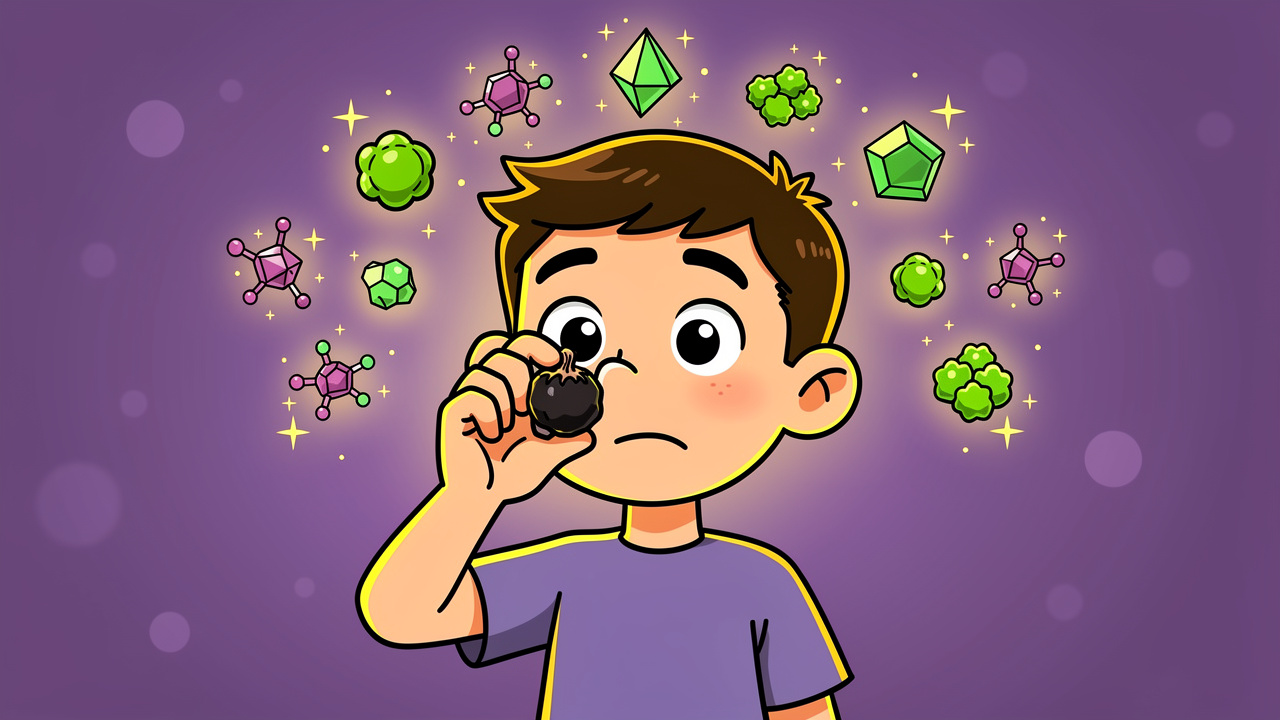
Many cannabis consumers swear by smelling or gently chewing whole black peppercorns — a harm-reduction tip also echoed in guidance on Best practices for first psychedelic and cannabis experiences from the broader harm-reduction community. Black pepper contains the terpene beta‑caryophyllene, which interacts with the same system as THC.
Gentle distraction can help. Put on a familiar, calm series, quiet music, or a simple game instead of intense films or endless scrolling.
The aim is not to block out every feeling, but to give your mind something softer to rest on while your body clears THC.
5. Consider CBD If You Have It
CBD is another helpful option if you have it to hand. CBD interacts with the endocannabinoid system without giving a high and may soften THC anxiety. The National Institute on Drug Abuse notes growing evidence for CBD’s calming effects.
BudBuddies stocks independently lab‑tested CBD oils, gummies, and vapes, so many customers keep a favourite CBD product ready as a kind of seatbelt for stronger THC sessions.
6. Rest And Let Your Body Work
If you reach the point where your eyes feel heavy, lean into sleep. Rest lets your body process THC in the background and often means you wake feeling far more normal. Keep a bin or bowl nearby in case of nausea, and let a trusted person know you are lying down so they can check in from time to time.
Should You Call For Medical Help?
Most green outs pass safely at home, and for healthy people they rarely need medical treatment. The main reasons to involve professionals are signs that something more serious could be happening alongside the cannabis.
Call 999 or seek urgent help if any of these apply:
Someone becomes very hard to wake or stops responding properly.
Their breathing looks shallow, slow, or strange.
There is sudden chest pain, pressure, pain, or tightness that lasts more than around fifteen minutes. The NHS advises treating this as an emergency.
Vomiting is constant and they cannot keep fluids down.
There is any seizure activity.
You know other substances were used as well as cannabis (for example, alcohol, medications, or other drugs).
When in doubt, err on the safe side and explain honestly what was taken so staff can support you properly. Medical teams usually focus on reassurance, monitoring, and fluids rather than any dramatic procedures.
How To Prevent Greening Out In The Future

Preventing greening out in future sessions mostly comes down to knowing your dose, choosing smart products, and giving cannabis time to work. When you respect the strength in front of you, experiences tend to feel smoother and more enjoyable.
The first rule is start low and go slow, especially with edibles and new products. Take a modest dose, then wait long enough to see where you land before adding anything else. Health guidance from Health Canada suggests that newcomers start around 2.5 mg THC with edibles, which is far less than many people realise.
A simple way to put this into practice is to follow a few clear habits:
Know your numbers. Pick products where you know the exact THC and CBD amounts per serving. BudBuddies makes this easy because every flower, vape, and edible listing on budbuddies.cc shows cannabinoid percentages and batch lab reports, so you are not guessing from vague strain names.
Treat tolerance as changeable. Treat your current tolerance as a fresh question each time. If you have taken a break, feel run down, or are changing from smoking to edibles or vapes, act as if you are new again. This keeps you from copying old doses that no longer match your body.
Avoid mixing with alcohol. Avoid mixing cannabis with alcohol, no matter how relaxed the setting looks. Research collected by the National Institute on Drug Abuse notes that alcohol can increase how quickly THC enters the bloodstream, which makes the high feel more intense and less predictable.
Do not use cannabis on an empty stomach. Eat a light meal before you start, especially when edibles are involved. Food slows how fast THC moves through your system, which usually leads to a steadier, more manageable experience. Drinking water across the evening also helps you feel less washed out later.
Choose balanced products. Choose products with a thoughtful THC to CBD balance rather than chasing the highest number on the page. BudBuddies carries beginner‑friendly strains such as Blue Dream and Harlequin in the ten to eighteen percent THC range, often with meaningful CBD, giving a gentler introduction than punchy concentrates.
BudBuddies Reminder: Pay attention to the dose that feels comfortable and repeat that next time rather than assuming “more will be better.”
BudBuddies builds these ideas into the site, with product filters for potency, clear flavour and effect notes, and dosing suggestions that always lean cautious. If you are unsure where to start, you can browse by strength and format rather than feeling lost in an endless wall of options. That structure alone can greatly cut the risk of another green out.
Why Edibles Carry A Higher Risk And How To Use Them Safely
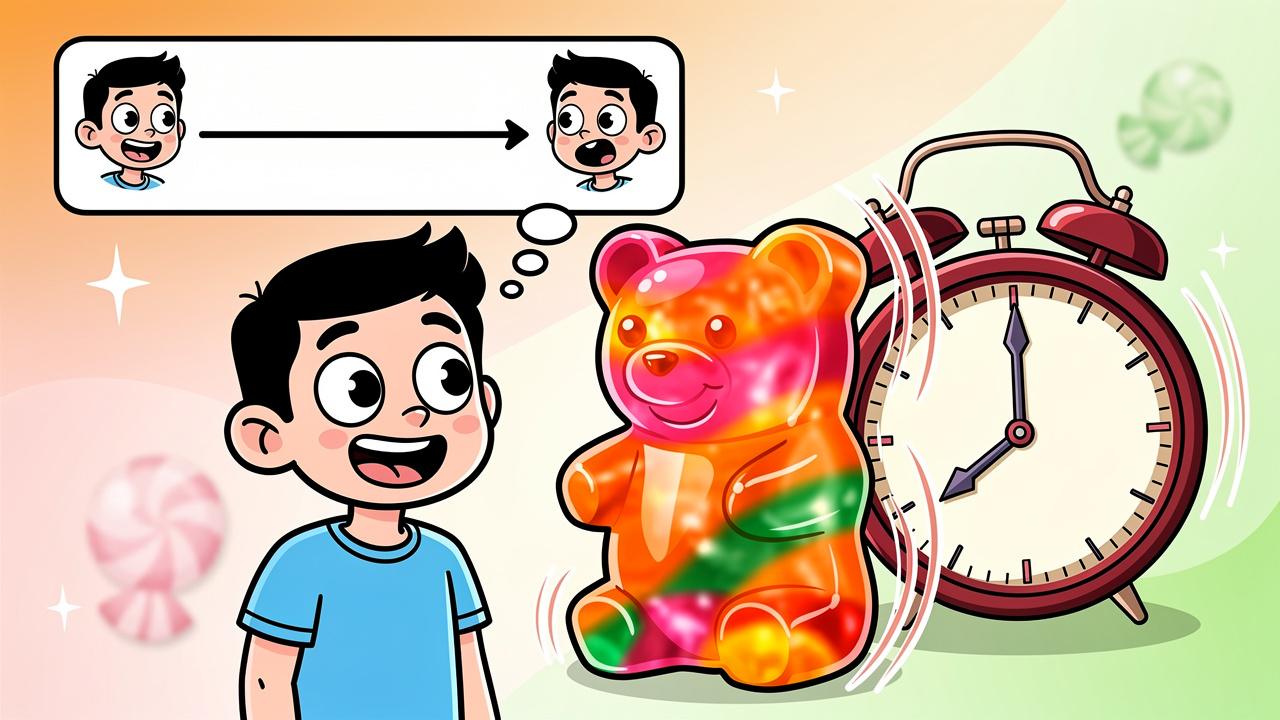
Edibles carry a higher greening‑out risk because they hit later, feel stronger, and last longer than smoking or vaping. Many stories of people searching how to stop greening out start with gummies, brownies, or drinks.
When you swallow THC, it passes through your stomach and into your liver. There it changes into 11‑hydroxy‑THC, which crosses into the brain more easily and often feels heavier than smoke or vapour. Guidance from Health Canada explains that edibles can take up to four hours to reach full effect and may last twelve hours or more, which is a very different pattern from a joint.
That time lag is the trap. If you take a gummy, feel nothing after half an hour, then take another, there is a good chance both will land together later. Because edibles keep working for hours, the uncomfortable part of a green out can also run longer than an inhaled session, which is tiring even when you know it will fade.
A few simple habits make edibles far safer and more pleasant:
Start small and stay patient. For most adults, five to ten milligrams is a sensible first test with a new product, and new consumers should stay at the low end. BudBuddies edible pages spell out THC per piece and suggest cautious starting amounts so you do not have to guess.
Wait at least two full hours. Wait at least two hours before thinking about more. Set a timer when you eat and remind yourself that no extra dose can be taken back once it is in your stomach. If your evening has other plans, such as going out, it is usually better to pick a faster format like a vape instead.
Choose a safe setting. Keep your first few edible sessions at home or another place that feels safe and calm. Avoid alcohol, big crowds, and intense media the same night you are testing a new product. This way, if the effects feel stronger than you like, you already have a quiet spot, simple snacks, and water to hand.
Edibles from BudBuddies come with clear lab testing and dosing notes, which removes a lot of the mystery that leads to trouble. Once you have a feel for your personal number, you can repeat it with confidence rather than guessing based on how a brownie looks.
The Final Word On Greening Out
The final message on greening out is that it feels dramatic, yet it almost always comes down to too much THC too fast. With the right information, better product choices, and a calmer mindset, it becomes something you rarely think about instead of a constant worry.
BudBuddies helps by offering lab‑tested flowers, vapes, edibles, and CBD products with clear potency and dosing guidance on every page. Research from the World Health Organization and other health bodies shows that informed use leads to safer outcomes, and that is the style of education BudBuddies aims to provide. Combine that knowledge with your own patience, and your next sessions can feel measured, enjoyable, and far from another green out.
Frequently Asked Questions
These frequently asked questions about greening out give quick answers you can read without studying the whole article again. Each one stands alone, so you can skim to the part that matters most right now.
Question 1: How Long Does Greening Out Last?
Greening out from smoking or vaping usually eases within one to three hours as THC levels fall. With edibles, unpleasant symptoms can last four to eight hours because your body processes THC through the liver. Mild after‑effects such as tiredness or a fuzzy head can linger into the next day, especially after high doses.
Question 2: Can You Green Out From CBD Products?
You do not green out from CBD on its own because CBD does not trigger the same CB1 receptor activity as THC. Pure CBD oils, gummies, and vapes found at BudBuddies are not linked with the spinning, sick feeling people describe as greening out. The risk mainly appears when products contain enough THC to push you past your comfort level.
Question 3: Does Black Pepper Actually Help When Greening Out?
Black pepper may help some people during a green out, although it is not a guaranteed fix for everyone. Pepper contains beta‑caryophyllene, a terpene that interacts with the endocannabinoid system and might soften anxiety. Many experienced consumers gently sniff or chew a few whole peppercorns, alongside water and breathing exercises, to take the sharpest edge off.
Question 4: Is Greening Out Dangerous?
For most healthy adults, greening out feels awful but is not life threatening, and there is no known fatal dose of THC alone. The main issues are panic, fast heart rate, and sickness, which usually pass with rest and fluids. People with heart problems or other health concerns should treat chest pain, breathing trouble, or collapse as a reason to seek urgent help.
Question 5: Can Experienced Cannabis Users Green Out?
Yes, experienced cannabis users can still green out, especially when trying concentrates, strong edibles, or returning after a long break. Tolerance shifts over time and does not protect you from very high doses or unfamiliar formats. Even seasoned BudBuddies customers often treat new products with the same caution as beginners, starting low and stepping up only if needed.


