


Cannabis-Induced Anxiety Symptoms: What to Look For
Cannabis-induced anxiety symptoms are far more common than people admit, and they can feel intense in the moment. These symptoms are the physical, mental, and behavioural signs that cannabis has tipped your body into panic rather than relaxation. Understanding them makes the whole experience far less frightening.
Many people blame themselves or worry they have damaged their mind after one bad session. Others keep quiet, even though the mix of racing heart, worrying thoughts, and strange sensations is well known and well studied.
Cannabis-induced anxiety is a short-lived state that comes directly from how THC affects the brain. This guide breaks down what it is, which cannabis-induced anxiety symptoms to look for, why some people are more affected than others, and how smart product choices lower the risk. BudBuddies sits in that last part, by helping you choose clear, well described products instead of guessing.
Common advice from anxiety therapists is to remind yourself: “This feeling is temporary, and my body knows how to calm down.”
Now let us start with what cannabis-induced anxiety actually means in simple terms.
What Is Cannabis-Induced Anxiety?
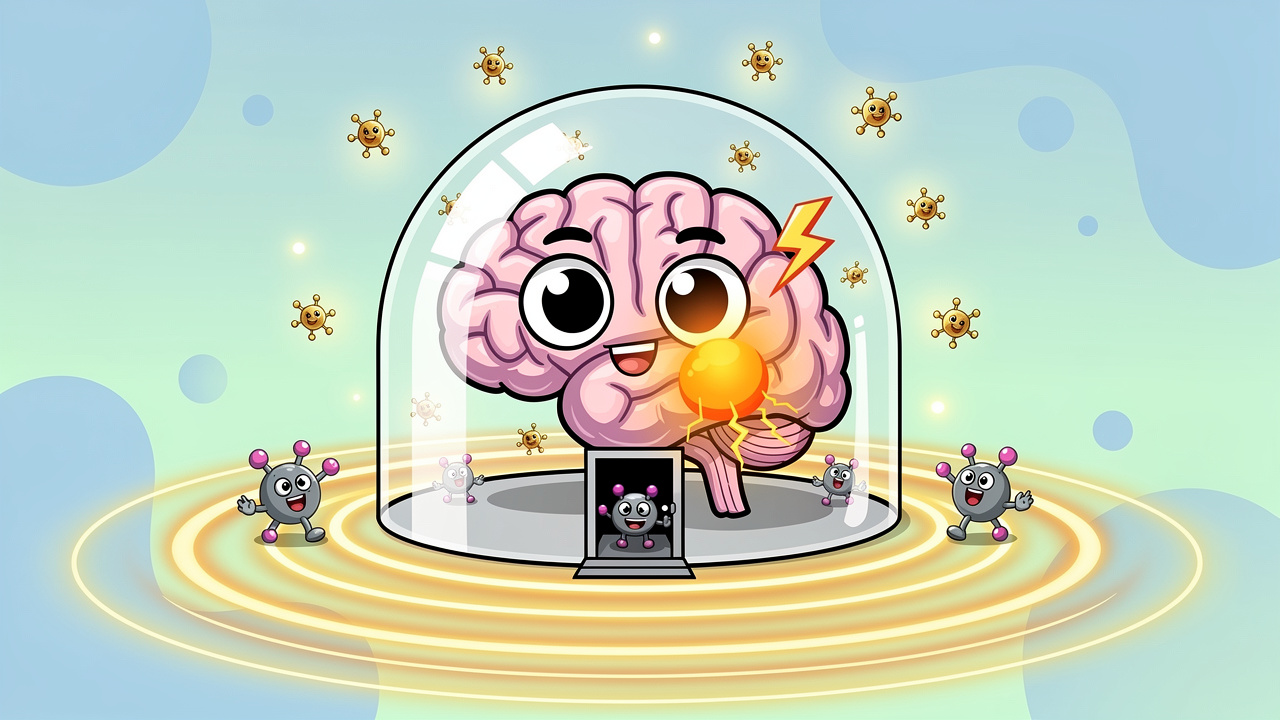
Cannabis-induced anxiety is a temporary state of fear, unease, or panic that appears soon after using cannabis — a phenomenon explored in depth by resources covering cannabis-induced anxiety causes, mechanisms, and when to seek help. It happens when THC overstimulates parts of the brain that handle threat and stress, so a normal situation suddenly feels unsafe.
THC interacts with the body’s endocannabinoid system, which helps regulate mood, sleep, pain, and stress. It binds to CB1 receptors in areas such as the amygdala, the region that scans for danger and creates fear. When these receptors receive a strong THC signal, they can trigger a fight-or-flight response even when nothing around you has changed.
Research from the National Institute on Drug Abuse explains that THC alters thinking, perception, and coordination by acting on these brain receptors. Around 3 in 10 people who use cannabis develop some degree of cannabis use disorder, which shows just how strongly THC can shape mood and behaviour over time.
Not every person who uses cannabis experiences anxiety. Many feel calm, sociable, and relaxed, especially at lower doses or with CBD-rich products. The response depends on:
Dose and product strength
Individual biology and sensitivity
Current stress levels and mood
Setting and social context
A small vape hit at home after dinner feels very different from a strong edible at a loud party.
According to the NHS, short term cannabis effects often include anxiety, paranoia, and in some cases full panic. The good news is that cannabis-induced anxiety is time limited. As THC levels fall in the bloodstream, heart rate and thinking gradually return to normal, and most people feel completely themselves again within a few hours.
What Are The Symptoms Of Cannabis-Induced Anxiety?
Cannabis-induced anxiety symptoms show up across your body, your thoughts, and your behaviour, a pattern confirmed by cross-sectional research on the frequency of cannabis use and its association with anxiety and depression symptoms. They often come in a wave, which can feel alarming if nobody has explained what is happening. Once you know the pattern, it becomes much easier to ride it out.
Physical And Psychological Symptoms To Know
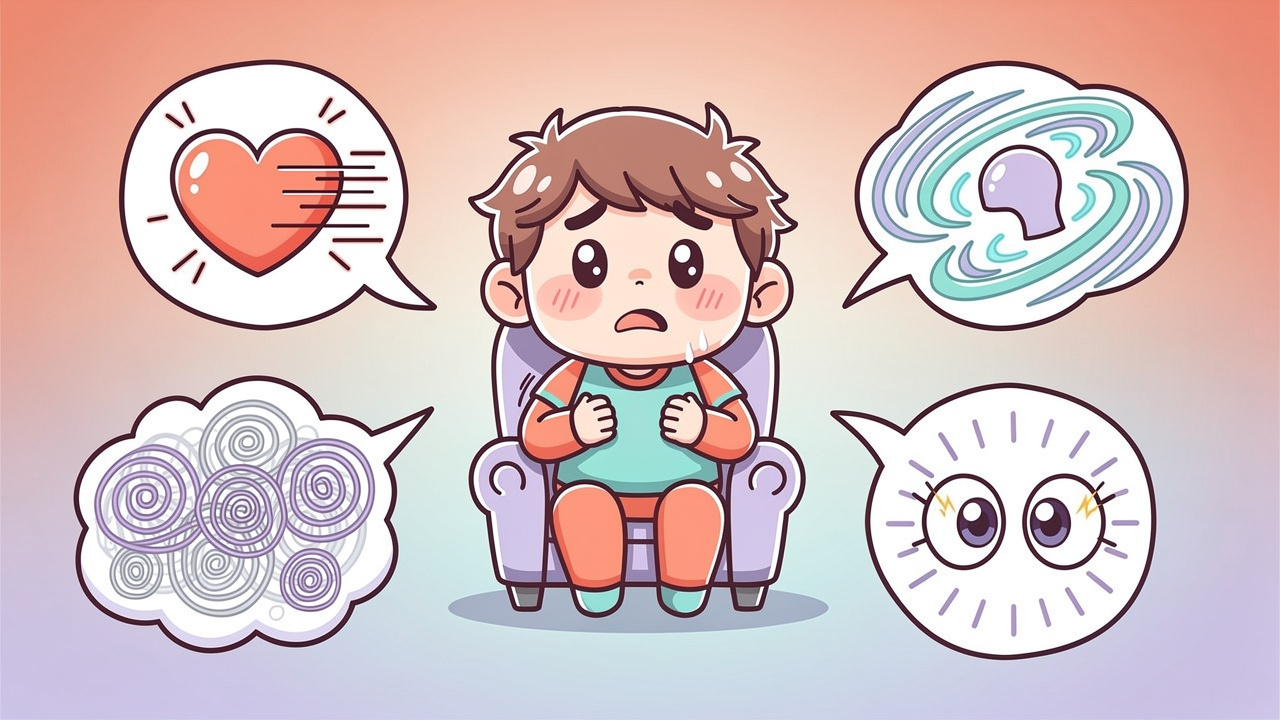
Physical cannabis-induced anxiety symptoms often arrive first and can be the most startling. They convince many people that something serious is wrong, even when the body is only reacting to THC.
Rapid heartbeat and chest tightness are very common. Your heart may pound, flutter, or feel loud in your chest, sometimes with a sense of pressure. This is a normal stress response, but the sensation itself feeds the worry that something is wrong. Many people then focus on their pulse, which keeps the anxiety cycle going.
Breathing changes and dizziness sometimes follow. You may feel short of breath or as if you cannot get a full inhale, even though oxygen levels stay normal. This often leads to faster breathing, which can cause light-headedness. That dizzy feeling then makes people even more sure they might faint or collapse, even though this rarely happens.
Sweating, trembling, dry mouth, and nausea add to the physical picture. Palms can feel clammy, hands may shake slightly, and your mouth can feel very dry. Some people feel queasy or think they might be sick. These sensations are unpleasant, but they are classic signs of an overstimulated nervous system rather than signs of lasting harm.
According to Health Canada, effects from smoked cannabis usually peak within 30 minutes and fade within about 2 to 3 hours, which gives a rough time frame for these body sensations as well.
Psychological symptoms can feel even more unsettling, especially if you were expecting a calm, mellow evening.
Racing or intrusive thoughts are very typical. Your mind may jump from one worry to another, replay conversations, or imagine worst case scenarios. Many people describe a strong sense of dread or an unshakeable feeling that something bad is about to happen, even when they cannot say what.
Paranoia and intense self-consciousness can appear. You might feel watched, judged, or convinced that others are talking about you. Normal sounds or looks from people can feel loaded with negative meaning. This is one reason social settings sometimes flip from fun to uncomfortable shortly after another joint.
Depersonalisation and derealisation are more dramatic, but still temporary. You may feel detached from your body, as if you are watching yourself from outside, or that the room looks unreal and dreamlike. Concentration becomes hard, and some people fear they are losing control or “going mad”, even though the effect passes as THC levels drop.
Behavioural signals round out the picture and are worth noticing, especially in friends.
Social withdrawal often appears when someone feels overwhelmed. They may leave the room, sit very quietly, or avoid eye contact because every interaction feels too intense. This retreat is an attempt to feel safe and is not a sign of rudeness.
Restlessness and hypervigilance can also show. Some people pace, fidget, or scan the room constantly, checking doors, phones, or windows. Their body acts as if danger is nearby, even when everyone else feels relaxed.
When several of these symptoms appear together and build quickly, they can form a panic attack. Panic from cannabis feels like a medical emergency but, according to the Royal College of Psychiatrists, it settles once the cannabis wears off. Knowing that fact in advance can make the experience far easier to handle.
One harm-reduction saying sums it up: “Anxiety feeds on anxiety. The less you panic about the panic, the quicker it passes.”
Why Does Cannabis Cause Anxiety – And Who Is Most At Risk?
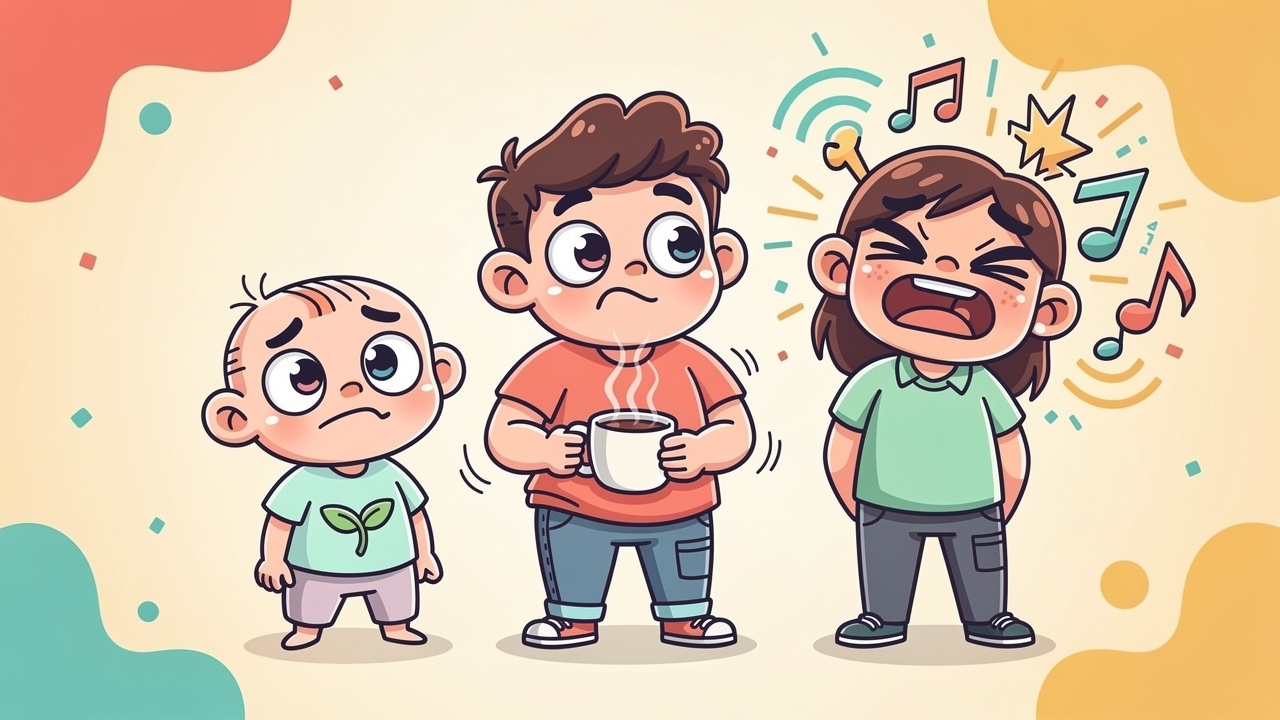
Cannabis triggers anxiety mainly because of how THC dose, product strength, and personal sensitivity interact. Low to modest THC levels often feel relaxing, while higher doses make anxiety much more likely.
At low doses, THC can soften activity in the amygdala, which helps some people feel calmer. At higher doses, the effect flips and the same brain circuits become more active. That flip catches many users out, especially with potent concentrates or large edibles. The same brownie that seemed fine for a friend can feel far too strong for you.
Product strength plays a big part. Analyses summarised by the National Institute on Drug Abuse show that average THC levels in seized cannabis have climbed from around 4 percent in the 1990s to more than 15 percent in recent years. Stronger flower and concentrates mean it is far easier to overshoot a comfortable dose.
CBD content pulls in the other direction. Cannabidiol does not get you high and appears to calm some of THC’s more edgy effects. Products with a meaningful CBD presence beside THC often feel smoother and less likely to trigger paranoia or panic. This is why balanced THC:CBD ratios appeal to anxiety-conscious consumers.
Research on the frequency of cannabis use and its links to anxiety and depression further highlights that certain groups sit at higher risk:
Newcomers and people returning after a long break have very little tolerance, so even moderate THC amounts can feel strong.
Anyone with a history of anxiety, panic, PTSD, or psychosis often reacts more sharply to THC.
People who use cannabis in stressful or unfamiliar situations, such as crowded parties or with people they do not fully trust, face more anxious reactions.
Mixing cannabis with caffeine, alcohol, or other stimulants makes the heart race and thoughts speed up, which raises anxiety risk.
Genetics also play a part. Some people have a more sensitive endocannabinoid system, and studies on anxiety sensitivity and cannabis show that individual differences in threat perception can mean the same joint that leaves a friend calm might push them into a worry spiral. Recognising your own place in this picture is the first step towards safer, calmer sessions.
How To Reduce Cannabis-Induced Anxiety Risk – And Choose Products That Work For You
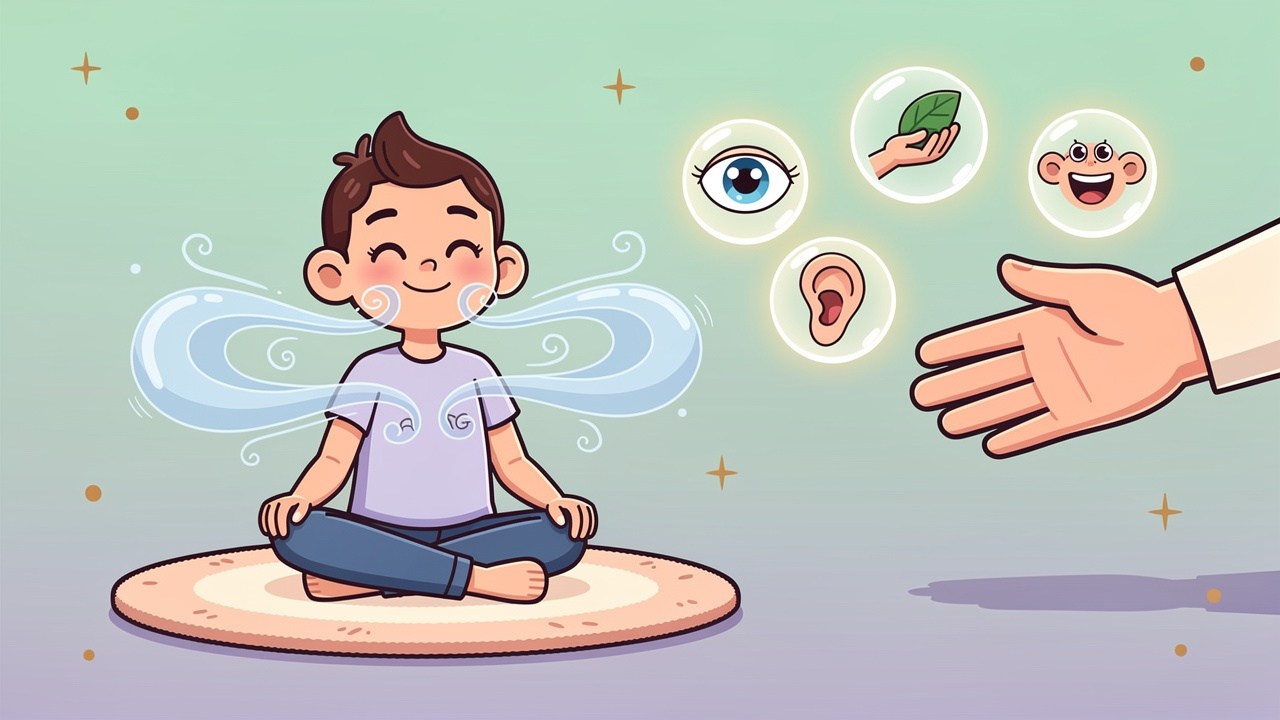
Reducing cannabis-induced anxiety risk means knowing how to steady yourself in the moment and how to plan calmer sessions in future. With a bit of knowledge and the right products, most people can avoid repeat scares.
In the middle of an anxious episode, simple grounding steps make a big difference.
Slow breathing is the first tool. Try breathing in for four seconds, holding for seven, and breathing out for eight. Counting keeps your mind busy, and longer exhales tell your nervous system that the danger has passed. Many people notice their heart rate fall after just a few quiet rounds.
The 5-4-3-2-1 grounding method brings you back into your body. Look around and name five things you can see, four you can touch, three you can hear, two you can smell, and one you can taste. This gentle mental checklist pulls attention away from spiralling thoughts and back into the room.
Moving to a calmer space often helps. If the music feels loud or the crowd feels too much, step into a quieter room or outside air. Softer lighting, a comfy seat, and maybe a glass of water all signal safety to your body, which helps symptoms ease.
Remind yourself the experience will pass. It helps to say, either in your head or out loud, that this is cannabis, not a permanent problem. Effects from smoked or vaped cannabis usually settle within a couple of hours, and edibles, while longer, still wear off.
Harm-reduction educators often say, “Start low, go slow, and listen to your body.”
For longer term risk reduction, habits matter just as much as emergency techniques. The simple phrase above stays popular for a reason. Begin with a small dose, wait for the peak, and only then decide whether you need more. This matters especially with edibles. According to Health Canada, oral cannabis can take 30 minutes to 2 hours to show full effects and may last 6 hours or longer.
Choosing lower THC or balanced THC:CBD products reduces the chance of sharp anxiety spikes. Many experienced consumers find their sweet spot with moderate THC and noticeable CBD, rather than with the strongest strain on the menu. Taking tolerance breaks also helps keep doses lower, which usually feels kinder on the mind.
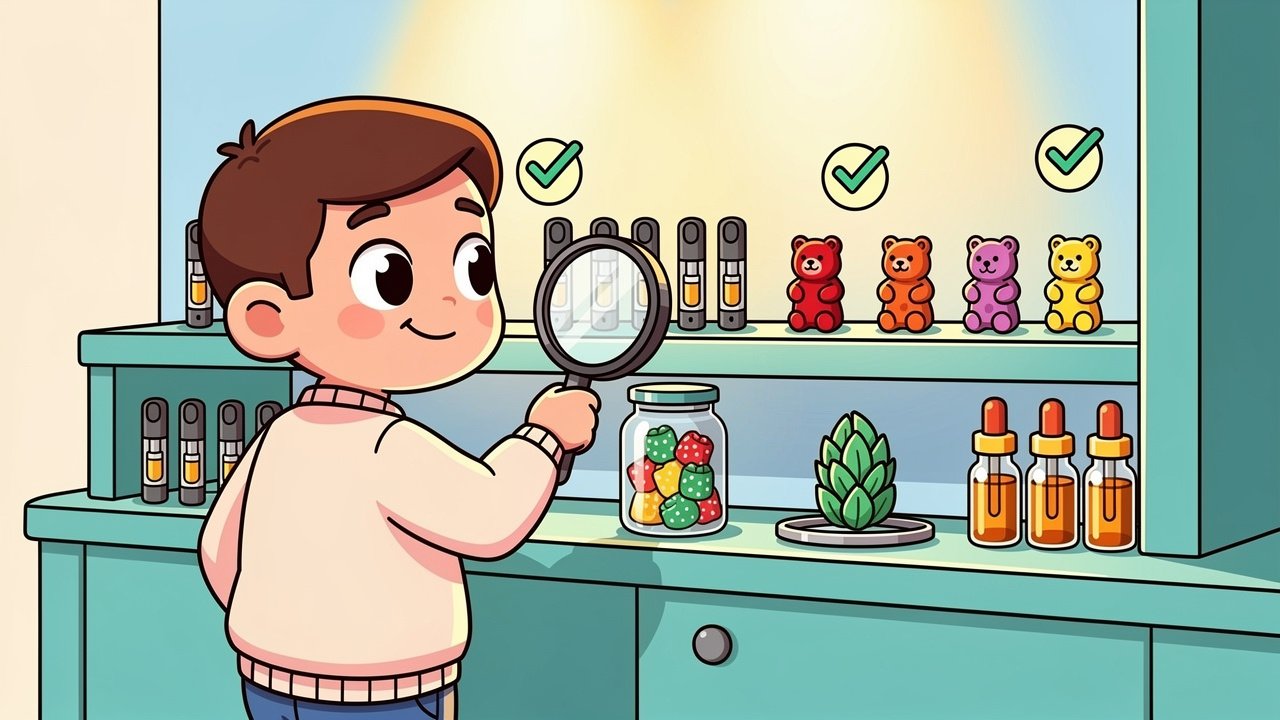
This is exactly where a curated shop like BudBuddies shines. On BudBuddies, every flower, vape, edible, and CBD product comes with full cannabinoid and terpene profiles, backed by third party lab testing. That means you see real THC percentages, CBD content, and key terpenes such as myrcene, linalool, and beta-caryophyllene before you buy, instead of guessing from a name.
Anxiety-conscious newcomers often start with sommelier-picked strains such as Blue Dream or Harlequin, which sit in a modest THC range and include CBD for balance. For deeper relaxation, options like ACDC, Cannatonic, or Master Kush bring calming terpene mixes without feeling overpowering. If you prefer to stay clear headed, BudBuddies also carries CBD oils, CBD flower, and hemp tea, so you can explore plant benefits with almost no anxiety risk.
Edible fans can choose microdose gummies and baked goods with clear per-piece dosing, ideal for building confidence slowly. Every order arrives in plain, smell-proof packaging with full Royal Mail tracking, which removes another source of worry from the whole experience. Put simply, BudBuddies helps you match your goals, your tolerance, and your preferred format in a calm, informed way.
Final Thoughts On Managing Cannabis-Induced Anxiety
Cannabis-induced anxiety symptoms feel intense when they hit, but they make sense once you know what THC is doing in your brain and body — a process well documented in research on anxiety sensitivity and cannabis use. Recognising the mix of physical signs, racing thoughts, and short term behavioural changes turns a scary mystery into a manageable side effect.
The real power lies in preparation. Lower THC doses, balanced THC:CBD products, calm settings, and good timing all reduce the chance of unwanted anxiety. With its lab-tested range, plain-English product notes, and discreet delivery, BudBuddies makes those choices far easier, whether you are new to cannabis or refining a long standing routine.
If cannabis often leaves you distressed, speaking with a GP or mental health professional can help you decide whether, how, or if you want to keep using it. And if you are ready to explore with more confidence, browse BudBuddies with your preferred strength, format, and comfort level in mind. A little planning now can mean many more relaxing sessions later.
Frequently Asked Questions
Question: How long does cannabis-induced anxiety last?
Cannabis-induced anxiety usually lasts as long as the main cannabis effects. Smoked or vaped cannabis tends to peak within 30 minutes and settles within about 2 hours. Edibles can feel intense for 2 to 6 hours because they process through the liver. However unsettling it feels, the episode always passes.
Question: Can CBD help with cannabis-induced anxiety?
Yes, CBD can take the edge off THC-driven anxiety for many people. Research reviewed by the Royal College of Psychiatrists links CBD with calming effects. Taking a CBD oil or CBD-rich product during an anxious spell may soften symptoms. BudBuddies offers full-spectrum CBD oils and CBD flower that fit well alongside THC products.
Question: Is cannabis-induced anxiety dangerous?
Cannabis-induced anxiety feels frightening, but it is not physically dangerous on its own. Heart rate and breathing usually stay within safe limits, even if they feel strange. Panic from cannabis settles as THC levels fall. If symptoms feel extreme or you have other health problems, seeking medical advice is sensible for reassurance.
Question: Does indica or sativa make a difference for anxiety?
Indica-leaning strains often feel more relaxing, while sativa-leaning options can feel brighter or racier. That said, THC strength and terpene profile matter more than the label alone. BudBuddies highlights terpene character and cannabinoid balance on each strain page, so you can pick options that match your comfort level rather than guessing from names.
Question: Can you build a tolerance to cannabis-induced anxiety?
Some regular users do build tolerance to THC’s more anxious edge, so the same dose feels calmer over time. Pushing doses higher to chase stronger effects can still bring anxiety back, though. Many BudBuddies customers prefer microdosing and taking steady tolerance breaks, which keeps experiences comfortable without constant dose increases.
Tip: Keep a simple cannabis diary noting dose, product, setting, and how you felt. Over a few sessions, patterns often appear that help you steer away from anxiety and towards calmer, more predictable experiences.


