


What Is THC? Effects, Uses, Safety & Product Types
Introduction
Many people type what is THC into a search box the first time they come across cannabis flower, vapes, or edibles online. THC is the main compound in cannabis that makes you feel high and changes how your body and mind respond. Once that is clear, the rest of the subject feels far less confusing.
Without clear guidance, strength numbers, strain names, and format choices can feel like code. That can put newcomers off and leave experienced consumers guessing.
This guide explains what THC is in plain English, how it works in the body, what the effects feel like, and how it compares with CBD. You will also see how different product formats behave, from fast‑acting vapes to long‑lasting edibles, plus simple dosing tips for calmer sessions. Along the way, BudBuddies examples show how these ideas look in real premium products.
Ready to read THC labels with confidence instead of guesswork? Keep going.
What Is THC And How Does It Work In The Body?
THC is the main psychoactive cannabinoid in cannabis and it works by linking with receptors in your body. Put simply, when someone asks what is THC, the short answer is that it is the part of the plant that produces the high. Its full name is delta‑9‑tetrahydrocannabinol and it sits among more than one hundred known cannabinoids in cannabis, as detailed in research on Production of Delta-9-Tetrahydrocannabinol Reference standards from cannabis plants.
THC lives in sticky trichomes on the flower surface, along with fragrant terpenes that shape flavour and feel — and a THC Effects On The body clinical guide outlines how these plant compounds interact with human physiology. Raw cannabis mostly holds THCA, which is a non‑intoxicating acid form. Heat from a lighter, vape, or oven removes a small part of that molecule and turns THCA into active THC, a step often called decarboxylation.
THC looks very similar to anandamide, one of the body’s own messenger chemicals. That close match lets THC slip into the same receptor sites, especially in the brain. Research from the National Institute on Drug Abuse explains that these receptors sit in areas linked with memory, pleasure, movement, and time perception, which is why THC can touch so many aspects of how you feel.
How The Endocannabinoid System Responds To THC
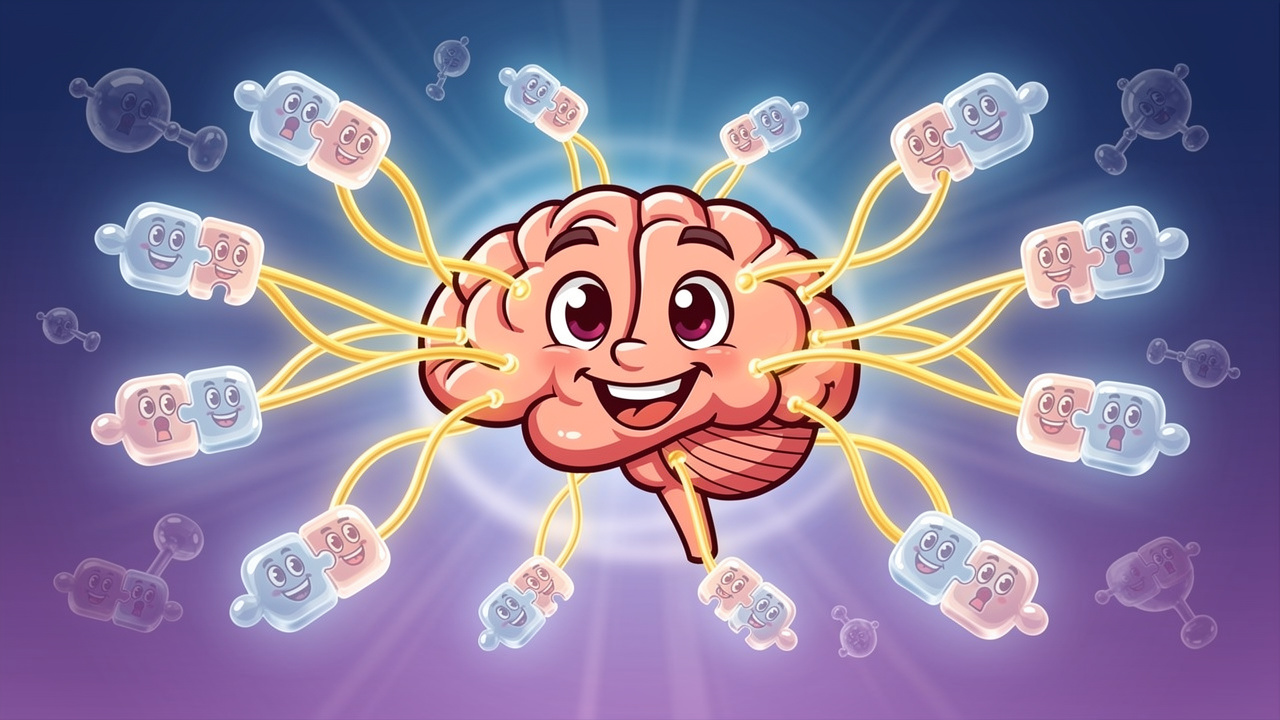
The endocannabinoid system is a network in the body that helps keep balance in mood, sleep, appetite, pain, and more. It uses natural messengers such as anandamide and 2‑AG, plus receptors on cells, to keep things steady in the background. THC fits into this system because its shape is close to those natural messengers.
CB1 receptors sit mainly in the brain and central nervous system. THC links strongly with CB1 receptors, which then sparks a release of dopamine that many people feel as euphoria or deep relaxation.
CB2 receptors appear more in immune tissues. CB2 activity matters more for immune and inflammation effects, which THC influences far less.
Everyone’s endocannabinoid system looks slightly different in sensitivity and receptor levels. Prior cannabis use, genetics, sleep, diet, and even stress can all change how strongly THC feels on any given day. That is why two people can share the same BudBuddies pre‑roll and one feels mildly relaxed while the other feels very lifted.
What Are The Effects Of THC? What To Expect
The effects of THC range from a light mood shift to a strong, immersive high. For most adults, the experience depends on dose, product strength, format, and how relaxed they already feel. According to the National Institute on Drug Abuse, inhaled cannabis usually peaks within half an hour and fades over two to three hours, which matches what many BudBuddies customers report.
Positive effects many adults look for include:
Many people notice a clear lift in mood and a softer sense of stress. Music, films, and simple chats can feel more absorbing and enjoyable. This uplift is a common reason people choose a gentle THC session after work.
The body often feels looser, with muscle tension easing in the shoulders, back, or jaw. Some regular BudBuddies flower customers describe this as a warm, heavy blanket feeling that settles them into the sofa. This deep relaxation can make it easier to unwind before bed.
Senses can feel richer, so flavours, colours, and textures stand out more. Food may seem tastier and creative tasks such as drawing or writing can feel easier to sink into. Many people also notice appetite rising, the classic munchies many talk about.
Possible unwanted effects, especially when the dose is too high, include:
Some people feel anxious, self‑conscious, or even briefly panicky, especially if they already tend towards worry. This often happens when someone takes a second edible before the first one has peaked. Staying with a low dose and a calm setting reduces this risk.
Short‑term memory can feel patchy and focus can drift, which can be frustrating if you try to work or study. Coordination and reaction time may slow as well, so anything that needs quick, precise movement feels harder. This is one reason high THC is best saved for relaxed time, not tasks.
Dry mouth, red eyes, and a faster heartbeat are also common. According to Harvard Health Publishing, these physical changes usually pass as the high fades, but they can feel strange if you are not expecting them. Water, snacks, and a comfortable seat help a lot.
Overall, dose is the biggest factor, and data from Routes of Marijuana Use across 22 U.S. states confirms that consumption method significantly shapes how strongly and how quickly those dose-dependent effects are felt. A couple of light puffs from a BudBuddies vape or a single 5 mg gummy will usually feel far gentler than a whole high‑strength brownie.
THC Vs CBD: What’s The Difference And Which Is Right For You?
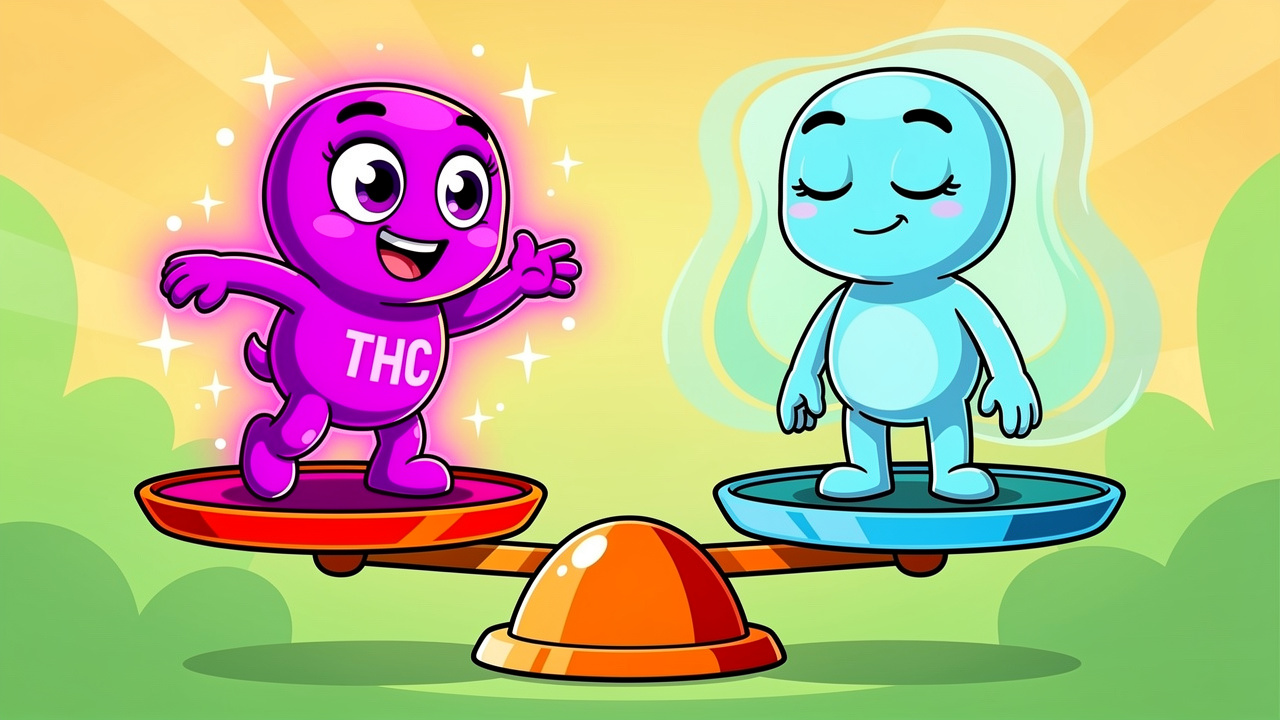
THC and CBD come from the same plant, yet they behave very differently in the body. THC binds strongly to CB1 receptors and creates a clear high, while CBD does not make you feel intoxicated. So when people ask what is THC compared with CBD, the simple answer is that THC changes perception and CBD mostly changes how the body responds to stress and tension.
CBD works more indirectly works more indirectly with the endocannabinoid system. It can soften some of THC’s sharper edges, especially jittery thoughts. That is why many experienced cannabis fans prefer strains or products that carry both, such as balanced BudBuddies flower or vapes.
Scientists often talk about the entourage effect, which is the way cannabinoids and terpenes seem to work better together than alone, and Studies of Cannabinoid-Based Products registered on ClinicalTrials.gov increasingly examine these multi-compound interactions. A review in the British Journal of Pharmacology describes how combinations of plant compounds show stronger effects in lab settings than single molecules. Full‑spectrum products such as many BudBuddies edibles aim to keep that mix.
When you choose between THC‑led, CBD‑led, or balanced products, a few points help:
THC‑heavy products suit people who want a noticeable high with stronger body sensations. These are often flower strains with higher percentages or potent vapes and concentrates. They suit experienced consumers who already understand their limits.
CBD‑focused products suit those who want a clear head with gentle calm. They work well for daytime use, or for people who find THC a bit much. BudBuddies CBD oils and flowers fit this group.
Balanced THC and CBD products offer a middle ground that many adults like. The CBD can smooth the intensity while THC still gives a pleasant lift. Many BudBuddies hybrid strains sit here and make a good next step after pure CBD.
As many researchers describe it, “the whole plant often does more than any single compound on its own.” That idea sits at the heart of the entourage effect.
THC Product Formats Explained: Flower, Edibles, Vapes & Concentrates
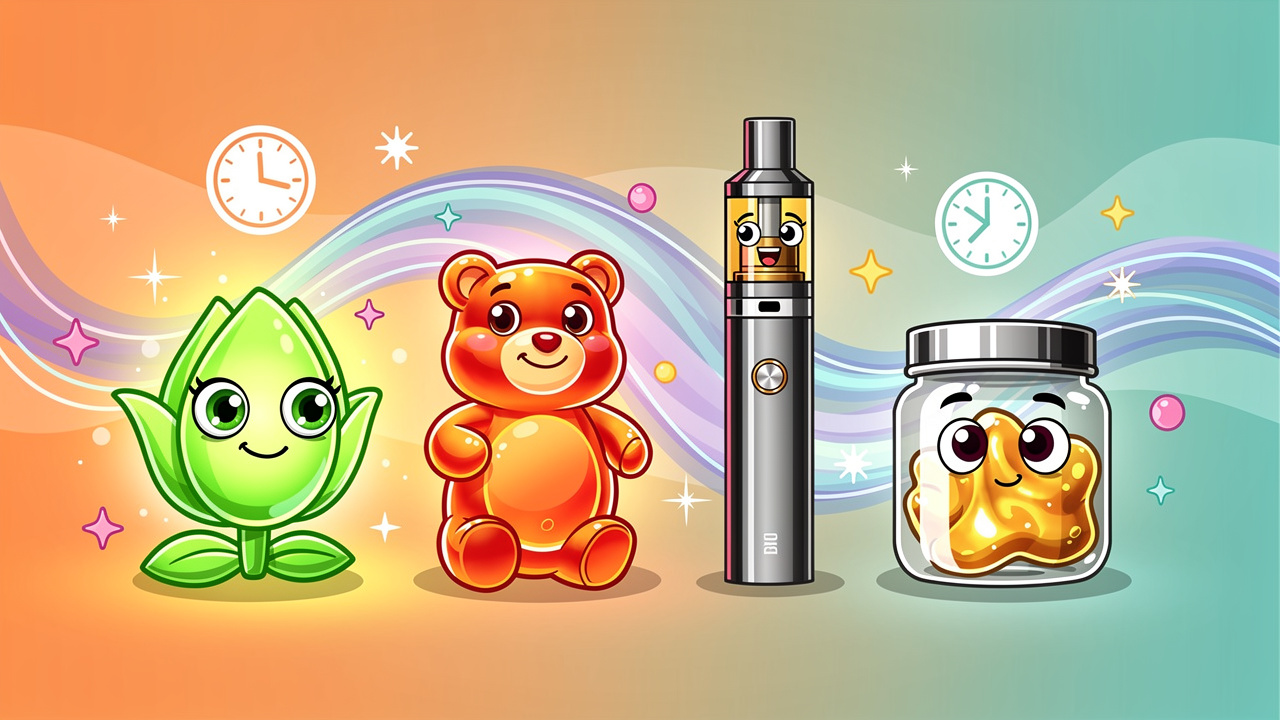
Different THC product formats can feel almost like different experiences, even at the same dose — a pattern reflected in U.S. Psychedelic Use and substance consumption surveys showing how delivery method shapes user experience across demographics. The way THC enters the body affects how fast it starts, how strong it feels, and how long it lasts. Picking the right format from the BudBuddies catalogue means matching those patterns to your plans.
BudBuddies groups products into flower, edibles, vapes, and concentrates, each with lab‑tested potency and full descriptions. According to Harvard Health Publishing, inhaled cannabis usually takes effect within minutes, while oral products often take thirty to ninety minutes to peak and last much longer. That basic pattern holds across the range.
Flower is the classic form, sold as slow‑cured AAAA grade buds in indica, sativa, and hybrid lines. When you smoke or vape BudBuddies flower, you normally feel the first wave within a few minutes, with the main effects lasting one to three hours. Flower gives the richest terpene experience and lets you gently step up dose one puff at a time.
Vapes and cartridges offer inhaled THC without smoke. BudBuddies pre‑filled carts and disposable pens list THC strength clearly, so you know exactly what sits in each device. Effects arrive almost as fast as flower and the pen format feels very discreet for many adults.
Edibles cover gummies, chocolates, and similar treats that you swallow. Because the THC passes through the liver, the body turns part of it into 11‑hydroxy‑THC, which often feels stronger and lasts four to eight hours. BudBuddies starts many edibles at 5 to 10 mg THC per piece, with bold labels so beginners can keep things gentle.
Concentrates such as live resin or other high‑strength extracts suit advanced consumers. These products can reach very high THC levels, so even a small amount can hit hard — a concern underscored by Frontiers | A 10-year trend analysis showing cannabis potency has risen sharply across the United States between 2013 and 2022. BudBuddies presents concentrates with clear guidance, so seasoned users know exactly what they are working with.
Across every format, BudBuddies packs products in heat‑sealed Mylar, vacuum seals them again, and then places them in plain, unmarked outer packaging for full discretion.
How To Use THC Safely: Dosing Tips For Every Level
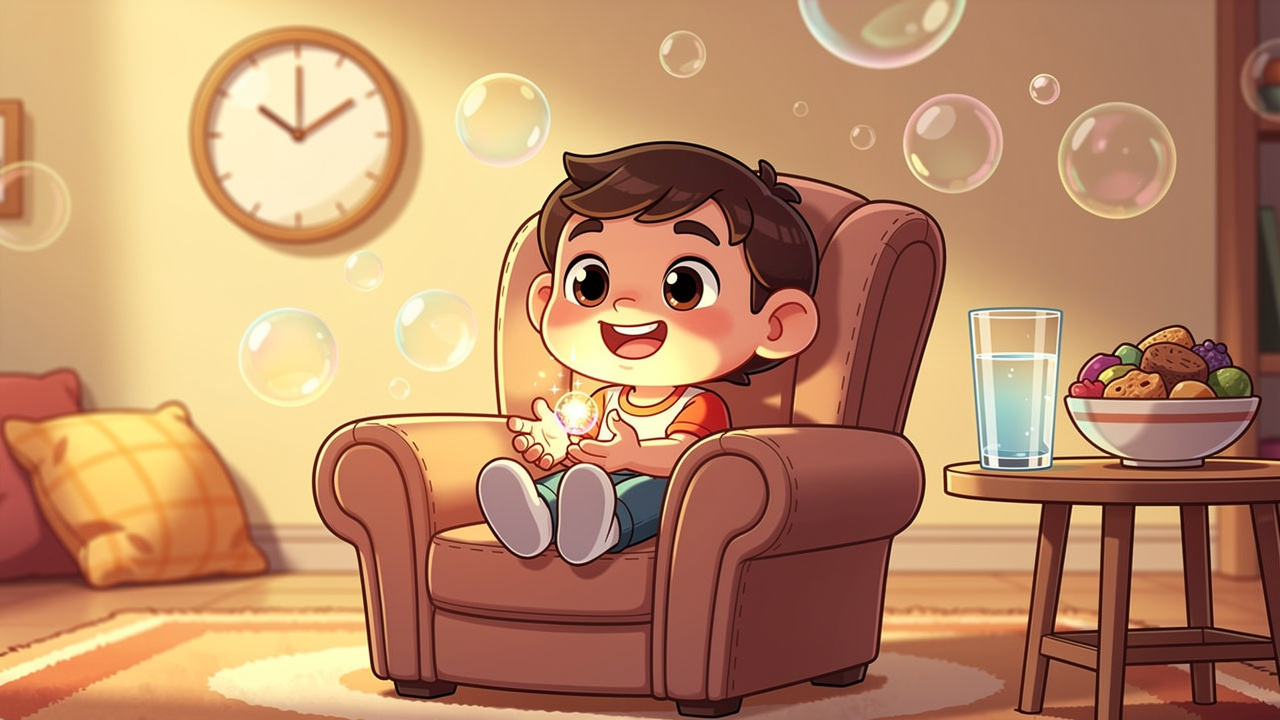
Safe and enjoyable THC use starts with dose, setting, and product quality, and understanding how Test method: UPLCC01 – cannabinoid concentrations are measured helps consumers interpret potency labels with confidence. A tiny change in milligrams or a rushed second helping can move a relaxed evening into an overwhelming one. That is why BudBuddies puts so much focus on clear labels and steady potency.
Our product pages spell out THC strength per gram, per edible, or per vape, so you can match numbers to how you want to feel. Research highlighted by the National Institute on Drug Abuse notes that first‑time users and those returning after a break feel effects more strongly than regular consumers. Keeping that in mind makes a big difference.
A common rule repeated by many clinicians is: “Start low and go slow.” With THC, patience is often the best safety tool you have.
Simple dosing tips that work for most adults include:
Start low, then wait and watch before you add more. For edibles, 5 to 10 mg is a sensible first step, while one or two light puffs from a BudBuddies vape is often enough to test the waters. Give it at least two hours before thinking about a top‑up.
Choose your time and place with care. A calm room, comfortable seat, water, snacks, and low‑key plans support a better outcome than a busy street or loud bar. Being with a trusted friend also helps if you feel unsure at any point.
Be cautious with alcohol. Avoid mixing heavy drinking with strong THC with strong THC, because the combination tends to feel far more intense and can unsettle the stomach. If you do drink, keep it light and spaced out. Your body has an easier time when it handles one main substance at once.
Remember that tolerance changes. A review supported by Clinical Study Reports—a systematic research synthesis methodology suggests CB1 receptors start to reset after two to four weeks without THC. Short breaks help you reconnect with lower doses and make BudBuddies products feel satisfying again at smaller amounts.
As the BudBuddies team like to say, “Respect the plant, respect your limits, and the experience usually respects you back.”
Do not drive or operate machinery while you still feel high. Wait until you feel fully clear‑headed and back to your normal baseline.
Making The Right Choice: Start With BudBuddies
Good THC experiences begin with products that are honestly labelled, consistently grown, and easy to understand. When potency, strain, and format are clear, you can match what is on the label to how you want to feel. That is where BudBuddies focuses every detail.
At budbuddies.cc you will find AAAA grade flower with double‑checked THC percentages, clearly dosed edibles starting at 5 mg per piece, premium vape carts, and live resin concentrates for advanced users. Every batch is lab tested, with Certificates of Analysis linked on product pages. Orders travel in discreet, plain packaging with tracked delivery across the UK and Northern Ireland, plus first‑time buyer offers and loyalty rewards for regulars.
Frequently Asked Questions
These quick answers cover common questions about THC, from how long it lingers to how tolerance builds. Each one stands alone, so you can skim straight to the part that matters most.
Question: How long does THC stay in your system?
THC itself leaves the blood fairly quickly, usually within one or two days. Metabolites remain far longer and different tests pick them up for different periods. Saliva tests may see use over one to three days, urine tests up to thirty days for heavy users, and hair tests up to ninety days.
Question: What’s a good THC percentage for beginners?
A gentle starting point for flower is around 10 to 15 percent THC, taken as just a couple of small puffs. For edibles, many adults do well with 5 mg THC and then a long pause. BudBuddies labels potency clearly on every product, so you can pick that lower band easily.
Question: What is THCA and is it the same as THC?
THCA is the raw, non‑intoxicating acid form that fresh cannabis produces. It only becomes active THC when heated in a vape, joint, pipe, or oven, a step often called decarboxylation. Eating raw flower on its own does not usually produce a classic high.
Question: Can you build a tolerance to THC?
Yes, regular THC use can reduce how responsive CB1 receptors are, so the same amount feels weaker over time — findings consistent with what CLINICAL STUDY REPORT. CSR analyses of cannabinoid trials have documented regarding tolerance development in long-term users. Many experienced consumers take tolerance breaks of two to four weeks of two to four weeks to reset sensitivity. BudBuddies accurate, lab‑tested potency makes it easier to track how much you use before and after a break.
Question: What is the entourage effect?
The entourage effect is the idea that cannabinoids, terpenes, and other plant parts work better together than alone. When THC, CBD, and terpenes like terpenes like myrcene or limonene sit in the same product, the experience often feels rounder and more balanced. BudBuddies full‑spectrum flowers and many edibles keep that whole‑plant profile.
Conclusion
Understanding what is THC, how it behaves in the body, and what its effects feel like turns guesswork into informed choice. THC is the main psychoactive part of cannabis, slipping into the endocannabinoid system to lift mood, relax the body, and alter perception in dose‑dependent ways.
We have covered how THC differs from CBD, how positive and unwanted effects arise, and how formats such as flower, edibles, vapes, and concentrates shape onset and duration. You have also seen how simple habits like starting low, choosing a calm setting, and taking occasional breaks keep experiences pleasant.
The final piece is choosing products that respect your time and privacy. BudBuddies combines AAAA flower, clearly dosed edibles, premium vapes, and carefully presented concentrates with lab testing and discreet delivery. When you are ready to explore, browse budbuddies.cc and match what you have learned here to real products that fit the way you want to feel.

