


Can Students Apply for Medical Cannabis in the UK?
Introduction
Many people type “can students apply for medical cannabis UK” into search engines when other treatments feel stuck and late‑night searches give no straight answer. The short answer is that student status is not what decides anything. What matters is your age, your diagnosis, and what you have already tried.
Here, medical cannabis means cannabis-based medicines prescribed by specialist doctors for diagnosed conditions, while over‑the‑counter CBD products are available to any adult without a prescription. They sit in different legal categories and follow different rules.
NHS specialists currently prescribe cannabis-based medicines only for a small set of situations, so private clinics are the main route most adults explore. Alongside that, BudBuddies gives students clear CBD and, where lawful, THC product options once they know where they stand and what is appropriate for their situation.
This guide breaks down what counts as medical cannabis, who can apply, student‑friendly options, and how BudBuddies supports each step without pressure or jargon.
What Counts As Medical Cannabis In The UK?
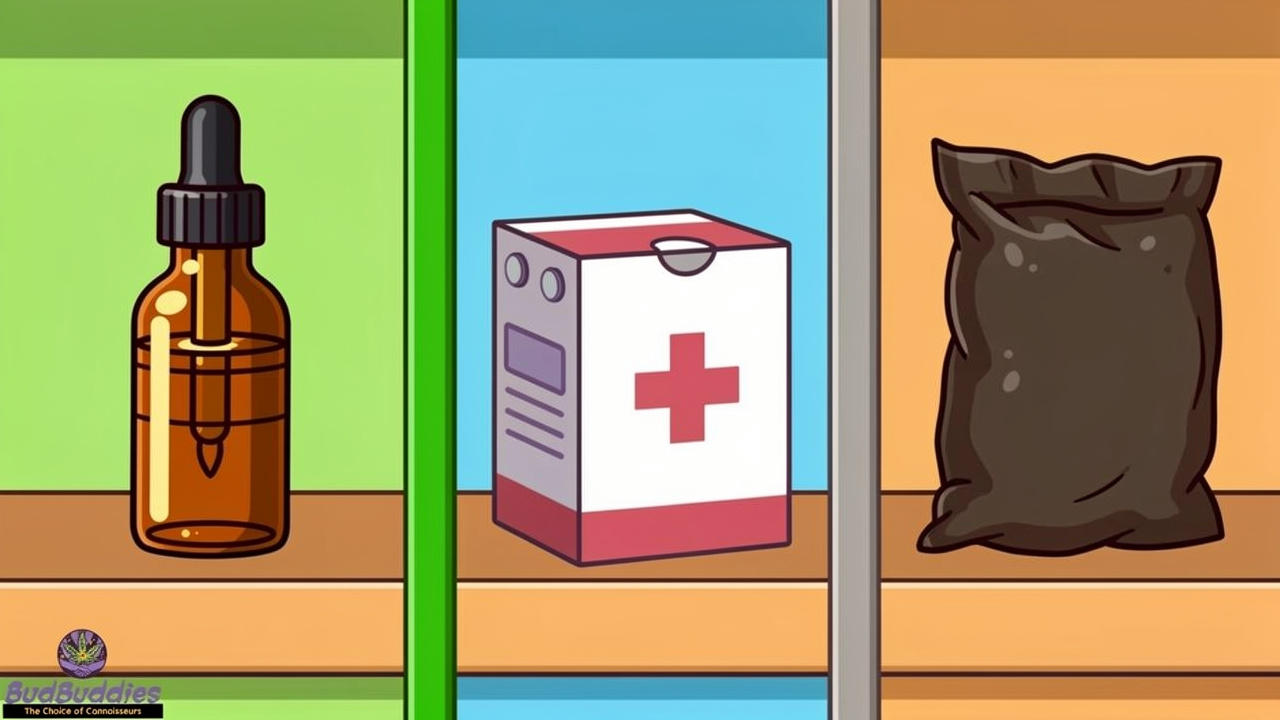
What counts as medical cannabis in the UK is cannabis-based medicine prescribed and reviewed by specialist doctors for specific conditions. NHS and government documents often call these cannabis-based products for medicinal use (CBPMs). These products:
Are made to consistent strengths
Come from regulated producers
Are checked batch by batch for quality and contaminants
They sit under controlled drug rules and are not the same as informal cannabis or shop‑bought CBD oils.
CBD supplements are different. CBD oils, gummies and hemp teas sold in health shops or online are treated as wellness or food products rather than prescribed medicines. Doses can vary between brands, and they are not matched to your medical notes. Some people still find them helpful, especially when they want a gentle starting point before even thinking about whether students can apply for medical cannabis in the UK.
For students, it helps to separate three broad groups of cannabis‑related products:
Prescription cannabis-based medicines
These are chosen and monitored by a specialist. Strength, cannabinoid mix and form (such as oil or flower) are specified. They suit people whose symptoms are serious enough to need close medical oversight and repeated reviews.CBD supplements from trusted shops or brands
Open to all adults without needing a clinic appointment. They usually focus on CBD with only trace THC. Many students use them to see how cannabinoids feel in their body while staying within standard UK rules.High‑THC products from informal sources
These sit completely outside the medical and regulated CBD structure. Quality, strength and even basic ingredients can change from batch to batch. For students already under stress, that level of uncertainty can feel like too much, and there are clear legal and health risks.
Interest in medical cannabis for long‑term symptoms is growing because ongoing pain and other chronic issues are so common. Guidance from NICE notes that between one third and one half of UK adults live with chronic pain, and many of those adults are students or recent school leavers.
BudBuddies speaks directly to that group by pairing clear education with a curated, lab‑tested CBD range, and by signposting where prescription‑only options fit in. Understanding the distinction between prescription CBPMs, legal CBD and illegal supply is the first step before you even ask can students apply for medical cannabis UK or start looking at clinics.
Can Students Actually Apply For Medical Cannabis In The UK?

Students in the UK can apply for medical cannabis when they meet the same clinical criteria as any other adult. Being in lectures or living in halls makes no difference; what matters is:
Your age
Your diagnosis
What licensed treatments you have already tried
How your symptoms affect day‑to‑day life
That principle sits at the heart of every “can students apply for medical cannabis UK” conversation.
In practice, there are two broad routes:
NHS specialists mainly use cannabis-based medicines for a very small set of situations, such as some rare epilepsies, multiple sclerosis muscle stiffness and sickness linked to chemotherapy. According to NHS England, these remain uncommon prescriptions across the country. For most students, this means the NHS is not the main way they first encounter medical cannabis.
Private clinics work differently. They look at your medical records, current symptoms and what licensed treatments you have already tried. Many ask that you are at least eighteen, and some prefer to assess people aged twenty‑one or above for THC‑rich products. That higher age limit reflects extra caution for younger brains, not your status as a student. Costs, follow‑up schedules and prescription rules will vary from clinic to clinic.
For a typical can students apply for medical cannabis UK enquiry, private assessment follows a clear pattern:
Initial eligibility check
You usually complete an online questionnaire covering diagnosis, medications you have used and any side effects. This quick step helps the clinic decide whether a full appointment makes sense. Honest answers give the doctor a better starting point.Consultation with a specialist doctor
Next comes a video or phone consultation. They talk through your symptoms, day‑to‑day life, mental health history and goals for treatment. You can also ask about different formats such as oils, capsules or (where lawful) flower, and about side effect risks.Treatment plan and prescription
If the doctor feels a cannabis-based medicine may help, they suggest a starting product and dose. You then receive prescriptions at regular intervals, with planned follow‑ups to review how you are getting on. Many students appreciate having set check‑ins rather than adjusting things alone.
Across all of this, your identity as a student barely features. Your clinical story does. That can feel reassuring when you simply want your symptoms taken seriously. Guidance from the General Medical Council highlights that doctors should work with patients when agreeing treatments.
As UK medical regulators emphasise, “treatment decisions work best when doctors and patients make them together, using the best evidence available and the patient’s own priorities.” — Summary of General Medical Council guidance
If a clinic decides that medical cannabis is not appropriate, they should explain why and may suggest other options to discuss with your GP or existing care team.
Which Conditions Qualify – And What Do Students Commonly Apply For?
When clinics look at who might benefit from medical cannabis, they focus on patterns of symptoms and established diagnoses, not on job titles or course choices. Many of the conditions that private specialists review are common in student life, from long‑term pain to racing thoughts at night. So the real question is which symptoms and diagnoses tend to fit, not whether you are a full‑time student.
Guidance from NHS Digital shows that around one in six adults live with a common mental health problem in any given week. Reports from Advance HE add that over a quarter of UK students now report a diagnosed mental health condition. Those figures help explain why can students apply for medical cannabis UK has become such a frequent search phrase. Clinics see a steady stream of young adults whose symptoms have not settled on standard treatments.
Physical Conditions Often Considered
On the physical side, private doctors often assess conditions such as:
Fibromyalgia and other widespread pain syndromes
Migraines and severe headaches
Endometriosis and period‑linked pelvic pain
Long‑standing back or neck pain
Irritable bowel syndrome with significant discomfort
Nerve pain after injuries or surgery
Many of these flare during long study sessions, exam periods or part‑time work, and the UK Medical Cannabis Registry: analysis of complex regional pain syndrome patients illustrates how significant quality-of-life impacts drive people to seek cannabis-based treatment. For some people, standard painkillers either do very little or cause side effects that clash with busy student schedules. That mix pushes some to ask whether a carefully planned cannabis-based medicine might suit them better.
Mental Health And Neurodevelopment
On the mental health and neurodevelopment side, clinics regularly review:
Generalised and social anxiety
Post‑traumatic stress disorder (PTSD)
Depression that has not settled with first‑line treatments
ADHD and concentration problems
Autism‑related distress
Serious insomnia and sleep‑wake disruption
These conditions can affect focus, sleep, and the ability to socialise or attend seminars, and the UK Medical Cannabis Registry: clinical analysis of patients with substance use disorder sheds light on how mental health history is carefully weighed during assessments. According to Student Minds, mental health struggles are now one of the main reasons students think about leaving university early.
Typical reasons behind can students apply for medical cannabis UK enquiries include several overlapping themes:
Persistent anxiety that does not shift even after talking therapies and standard medication. This may show as constant worrying, racing thoughts and a sense of dread before lectures or social events. A specialist will always weigh this carefully, especially if there is any history of psychosis or bipolar disorder.
Chronic pain linked to conditions such as endometriosis, sports injuries or long‑standing back problems. Sitting in lectures, working part‑time jobs and revising late can all make this worse. Cannabis-based medicines with balanced THC and CBD are sometimes considered here, particularly when standard analgesics have been tried thoroughly.
Severe insomnia, where sleep hygiene tips and prescribed sleep tablets have not helped. People describe lying awake for hours, waking several times a night, or feeling wired yet exhausted. Some students ask about cannabis-based options that support more relaxed evenings and easier nights.
Even with stories like these, eligibility is never automatic. Doctors look at each file, family history and current medication list before they decide. For some, they may suggest adjusting existing treatments or trying psychological approaches rather than adding cannabis straight away. Honest conversation is far more useful than going in with a fixed expectation of a prescription.
“Cannabis-based medicines are one tool among many. They are not a shortcut and they are not right for every patient.” — Common view among UK pain and mental health specialists
How BudBuddies Supports Students Through The Process
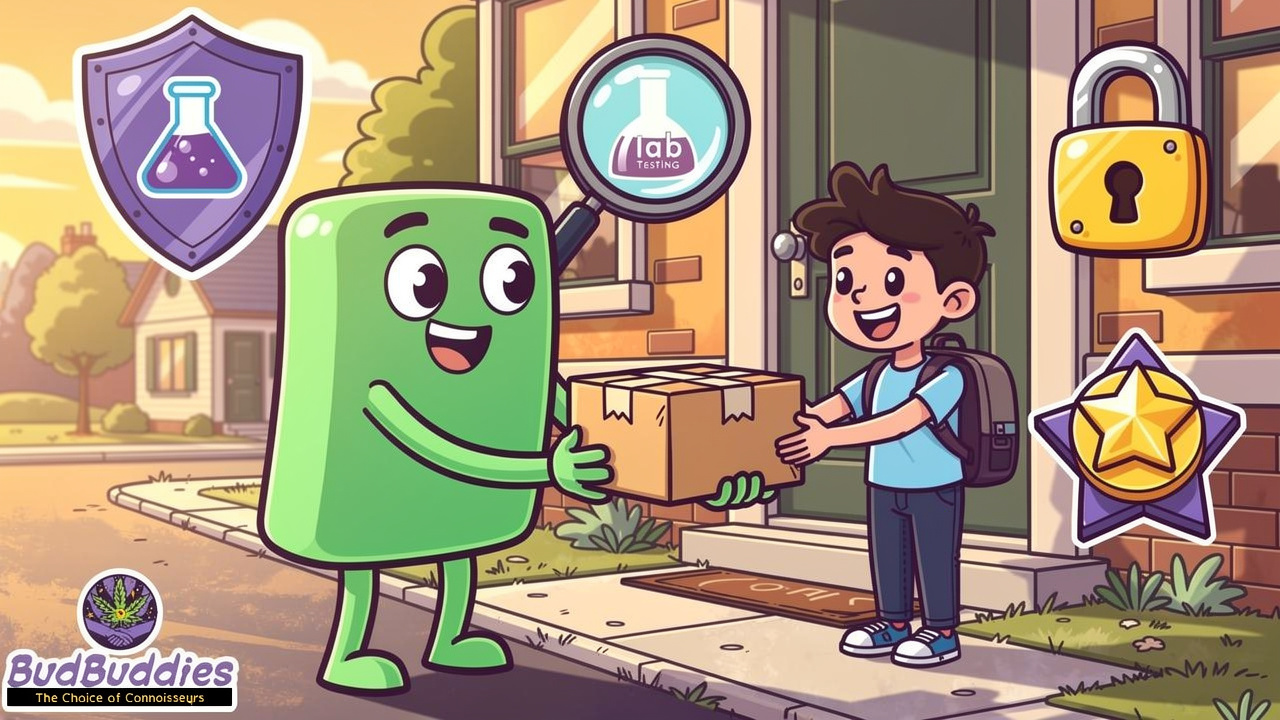
Once you have clearer answers on can students apply for medical cannabis UK, the next question is where to find products and guidance you trust. This is where BudBuddies steps in for adults across the UK, including students who value clarity, privacy and fair pricing. You need products, information and delivery that fit real life, not marketing hype.
BudBuddies offers a focused range of cannabis flowers, edibles, THC vape cartridges and CBD products. Every batch is lab tested, with Certificates of Analysis on each product page so you can see cannabinoid percentages and check for impurities. That level of detail helps both experienced consumers and newcomers pick formats that match their tolerance and routine. It also means you are not left guessing about strength or ingredients.
Where THC‑containing products are concerned, adults must always consider local laws and prescription rules. Any high‑THC item should only be purchased and used where this is lawful, for example through licensed medical channels or within the rules of the country or region where you live.
Many students want to start with non‑intoxicating CBD options before considering anything stronger. Research from the Food Standards Agency found that around one in ten UK adults have tried CBD products, showing how common this has become. BudBuddies caters to that curiosity with full‑spectrum and broad‑spectrum CBD oils, hemp flower and capsules that need no prescription. Clear usage notes and a calm tone help you apply the classic start low, go slow approach.
BudBuddies also pays close attention to the very real pressures that sit behind most can students apply for medical cannabis UK questions:
Value‑focused choices matter when loans and part‑time wages have to stretch far. BudBuddies offers ounce specials, 14‑gram and 28‑gram packs with lower per‑gram pricing, so regular users do not pay over the odds. First‑time buyer discounts help you explore without a huge upfront spend. The BudCash and BudPoints loyalty programmes then reward steady, sensible purchasing.
Privacy and discretion can make or break the experience, especially in shared houses or halls. Orders from BudBuddies arrive in plain outer packaging without loud branding. Inside, products sit in heat‑sealed, odour‑resistant bags that are easy to store in drawers or bags. Tracked delivery lets you follow progress without broadcasting what is inside.
Accessible support builds confidence. BudBuddies keeps customer service available through live chat, email and social channels, so you can ask about formats, strengths and order timing. Strain pages describe flavour, typical effects and THC or CBD ranges in straightforward language. For many students, that mix of information and access feels far easier than guessing in a shop or from a friend.
“Good cannabis use is boringly consistent: know what you are taking, why you are taking it, and how it affects you.” — Harm‑reduction advice often shared by drug support services
Put simply, BudBuddies aims to feel like the organised friend who has already done the research, not a shouty shop. Whether you hold a prescription or are exploring CBD‑only options, the focus stays on quality, discretion and steady, informed use.
The Bottom Line

The core answer is clear: students who meet age and clinical requirements can apply for medical cannabis in the UK in the same way as any other adult. Everything else in this guide flows from that simple point.
NHS specialists still use these medicines for only a narrow set of situations, so private clinics are usually the practical route. Eligibility depends on diagnosis, treatment history and specialist judgement rather than whether you are on a degree course.
Alongside the clinical side, thousands of adults already use CBD products to see how cannabinoids feel for them. BudBuddies gives those students and graduates a calm place to explore, with lab‑tested flowers, edibles, vapes and CBD ranges, plus discreet next‑day delivery across most of the UK.
If can students apply for medical cannabis UK is on your mind, start by learning, asking questions and choosing trusted suppliers. BudBuddies is ready at budbuddies.cc whenever you want to compare formats, read clear product pages or plan your next order.
Frequently Asked Questions
These quick answers cover the points students ask most often about prescriptions, age limits and practicalities around cannabis‑based products. They round off the key details behind can students apply for medical cannabis UK without you needing to scroll through multiple tabs.
Question 1: What Is The Minimum Age To Apply For Medical Cannabis In The UK As A Student?
Most private clinics ask that you are at least eighteen before they will assess you. Several prefer to work with people aged twenty‑one or over for THC‑rich products. These age thresholds reflect caution about younger brains, and there is no shortcut around them.
If you are under eighteen, any discussion about cannabis-based medicines would usually happen through paediatric specialists and the NHS, and is generally limited to very specific conditions such as rare epilepsies.
Question 2: Do I Need A GP Referral To Apply For Medical Cannabis Through A Private Clinic?
You do not usually need a GP referral to book a private cannabis assessment. Most clinics start with an online eligibility form followed by a video consultation. With your consent, the clinic may later share a summary with your GP so your records stay joined up.
It is still wise to keep your GP informed, especially if you are taking other medications. That way, someone who knows your history can look out for interactions or side effects.
Question 3: Can I Get Medical Cannabis Delivered To Student Accommodation?
Yes, both prescribed products and BudBuddies orders can arrive at student accommodation, provided this is legal and safe where you live. BudBuddies ships in plain outer packaging with odour‑resistant inner bags, so parcels look like any other delivery.
Next‑day options cover most UK campuses and shared houses when orders over fifty pounds qualify for the free delivery offer. Always check your halls or landlord policy on parcels if you are unsure, and make sure any THC‑containing prescription products are stored securely.
Question 4: What If I Want To Try Cannabis Products Without A Prescription?
CBD products are the simplest path if you want to explore without a prescription. Oils, capsules, hemp flower and teas are available to all UK adults, as long as they meet legal limits for THC. BudBuddies stocks full‑spectrum and broad‑spectrum CBD ranges with clear lab reports, making them a practical first step before any clinic route.
Start with a low dose, give it time to build up, and avoid mixing CBD with alcohol or new medications without checking for interactions. If you have a long‑term condition, talk to a healthcare professional as well as reading product pages.
Question 5: Will A Medical Cannabis Prescription Affect My University Studies Or Professional Placements?
A prescription on its own should not affect your academic status. The key issue is how treatment choices interact with drug testing, placement rules and professional standards on certain courses.
If you study subjects such as nursing, medicine, dentistry, teaching or law enforcement, discuss plans with your clinic, course lead and supervising clinician, and review guidance such as the supporting pupils with medical conditions policy framework to understand how institutions typically handle medically prescribed treatments. They can explain how prescribed cannabis might appear on drug tests, and what documentation you may need to show that any THC in your system comes from legal medical use.
Clear communication, written evidence from your prescriber and an honest chat with your university support team can prevent misunderstandings later on.

