Smoking Weed in University Halls UK: Safer Options
Introduction
Smoking weed in university halls UK sounds simple, but shared buildings make it anything but. Thin walls, communal corridors and staff patrols turn a quick smoke into an ongoing risk. The reality is far messier than many students expect.
Most halls treat any kind of smoking as a straight breach of your accommodation agreement, consistent with the duties outlined in guidance on Landlord Responsibilities in the university sector, which sets out the legal and safety obligations universities hold as accommodation providers. Add the heavy smell of flower hanging over your corridor and suddenly flatmates, resident assistants and cleaners are all involved. Stress levels rise long before anyone relaxes.
This guide explains why smoking in halls causes problems for you and everyone around you, how smell gives you away every time, and which smoke-free formats fit student life far better. You will also see how BudBuddies makes discreet, hall‑friendly options easy to access.
Nothing here replaces your accommodation contract or local law. It is harm‑reduction information to help you make calmer, more informed choices. Ready to see how to keep your chill time separate from accommodation drama? Start with the big picture.
Why Smoking Weed In University Halls Is A Bad Idea
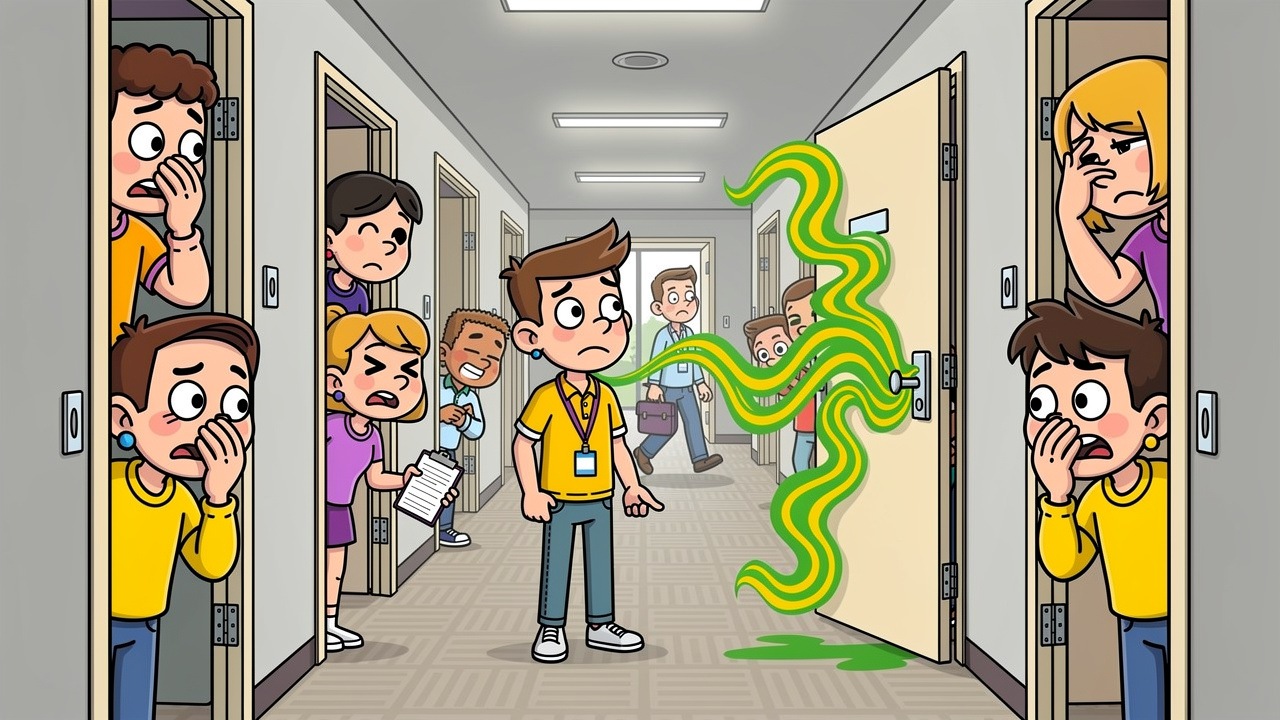
Smoking weed in university halls is a bad idea because it clashes with hall rules and shared living expectations. University accommodation teams treat smoking in rooms as a clear breach of contract, and the fallout can last far beyond one evening.
According to NHS Digital, around one in five young adults aged 16 to 24 report recent cannabis use, so staff in places like the University of Manchester and the University of Leeds are very familiar with the signs. Regular room checks, cleaner visits and maintenance call‑outs all create moments where ash, roaches and lingering smell are easy to spot. Once staff notice a pattern, formal meetings and written warnings usually follow.
Housing stress hits hard during term time. Research highlighted by Student Minds links unstable accommodation with higher anxiety for students. Being moved out of halls or losing your room part way through the year can mean:
Scrambling for expensive private rent
Longer journeys to campus
Extra pressure landing right on top of assessments
Then comes the social side. Flatmates often worry about their own deposits, their health and whether guests will judge the state of the flat. Survey work from the National Union of Students shows that conflict in shared housing is one of the biggest sources of stress for students, a pattern also observed in research on “Everyone is Allowed One sin — illustrating how students often normalise risky behaviours in shared accommodation settings. A corridor that always smells like smoke becomes a daily reminder that someone is ignoring the agreement everyone signed — a dynamic explored in studies on the Factors Influencing Co-Use of tobacco and cannabis among young adults in UK further education settings.
As one former residence assistant put it to their flat: “You might think it’s just your room, but the smoke never stays inside four walls.”
Here is how those problems usually show up in real life:
You can receive written warnings, charges for extra cleaning and deductions from your deposit, even if you feel you were being careful. Once that happens, every future inspection feels tense and small mistakes start to feel far bigger than they are. That pressure can easily spill into your studies.
You might be asked to move rooms or even leave halls entirely, which means finding new housing mid‑term with very little notice. That often means higher costs, new housemates you did not choose and longer travel times. All of this lands right on top of coursework and exams.
Your flatmates can start avoiding shared spaces because the air feels heavy and uncomfortable. Group chats fill with passive comments or arguments about smoking, windows and fans. Over time, the flat feels less like a place to recharge and more like another problem to manage.
On top of hall rules, UK law still treats most cannabis as illegal to possess, even in private spaces. That risk sits in the background whether you are smoking, vaping or using edibles.
The Smell Problem: Why It Gives You Away Every Time
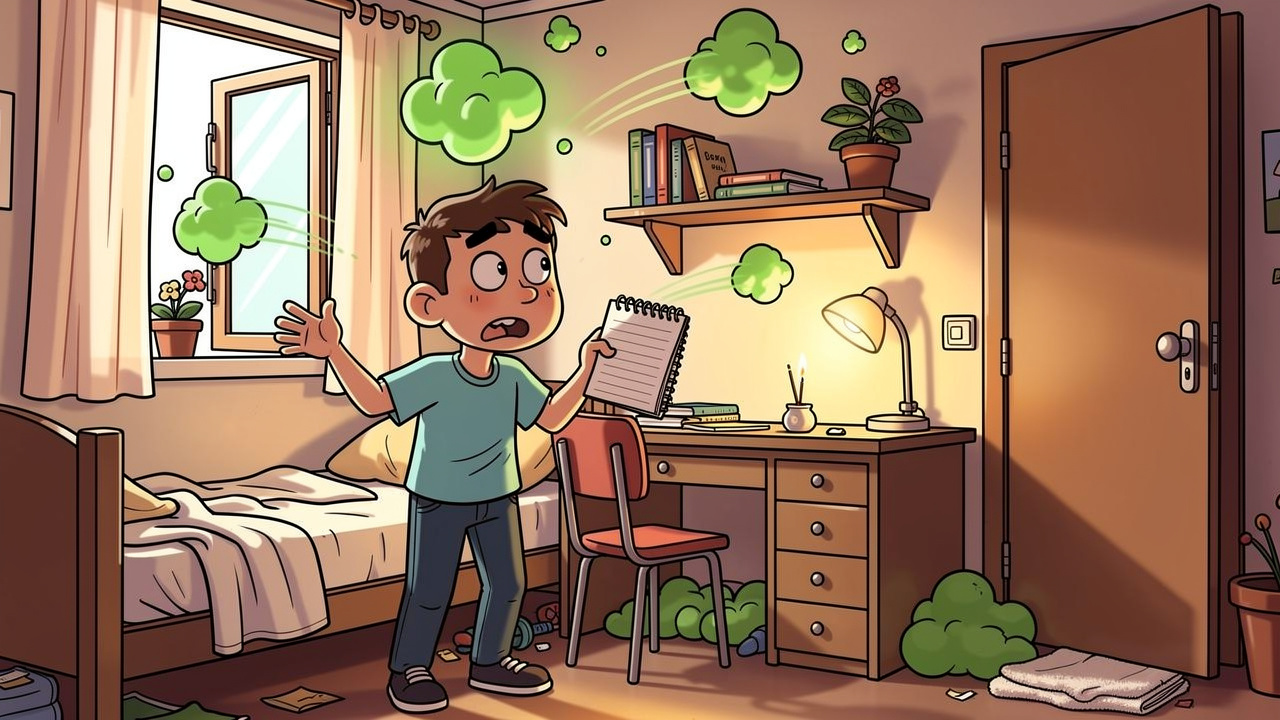
The smell from smoking weed in halls gives you away because buildings trap odours far longer than most people expect. Even one joint in a bedroom can drift through corridors, kitchens and stairwells in minutes.
According to NHS UK, cannabis smoke contains many of the same particles as tobacco smoke, which cling strongly to indoor surfaces. Research discussed by Public Health England on indoor air quality shows that smoke settles into soft furnishings and lingers long after smoking stops. In a small student room with curtains, carpets and bedding, that effect is even stronger.
The smell does not just stay in your room either. Ventilation systems link flats together, and gaps under doors move warm air into shared corridors — a concern also relevant to broader indoor air quality standards discussed in guidance on Legionella Risk in Student accommodation, which highlights how shared ventilation systems in halls can spread airborne contaminants rapidly across a building. Before long, anyone walking past can tell something has been burning. On forums like The Student Room, you can find plenty of posts from students frustrated that their entire floor smells even when they never touch cannabis themselves.
Most people try the same tricks at first: open window, towel under the door, incense or strong deodorant. Here is why those rarely work in student halls:
Smoke particles cling to fabric, hair and skin. Even if the air seems clear, your clothes and bedding still hold the scent. The next time someone opens your wardrobe or sits on your bed, that smell comes straight back. Over days and weeks it builds into a background scent that visitors notice quickly.
Incense, candles and sprays mix with the existing smell instead of removing it. The result is a sweet, smoky cloud that feels even heavier in a narrow corridor. Many halls at places like the University of Bristol ban open flames anyway, so those cover‑ups can cause extra trouble on their own.
Simply opening a window can spread the smell. Airflow pulls smoke along the corridor as air moves through the building. That means your attempt to clear the room can actually move the smell past more doors. Flatmates who never had an issue before may suddenly decide they have had enough and contact accommodation staff.
A common line from residence staff is: “If I can smell it in the hallway, I can probably work out which room it came from.”
Once people link that smell to your room, it is hard to change their mind. That is the point where switching away from smoke starts to look much smarter.
Smoke-Free Alternatives That Actually Work For Hall Living

Smoke‑free formats make far more sense for hall life because they remove the two big problems at once: smoke and strong odour — a shift in consumption patterns reflected in research such as Land of the Free, Home of the Blazed, which examines how legalised recreational cannabis is reshaping the ways undergraduate students choose to consume. THC edibles, THC beverages and THC vapes from BudBuddies fit quietly into student routines without drawing attention from flatmates or staff.
THC edibles are sweets, chocolates, capsules or baked items that contain measured amounts of THC. They produce zero smoke and no smell during use, so nothing drifts under doors or into corridors. Effects take longer to start, usually 60 to 90 minutes, and can last 4 to 8 hours, so they suit evenings when you can relax without needing to head back out. According to NHS UK, cannabis taken by mouth tends to last longer in the body than smoked cannabis, which matches what many regular users report.
THC beverages work in a similar way but feel more like a normal drink. BudBuddies stocks infused drinks that you can sip slowly while watching a film or gaming with friends. There is no rolling, no ash, no lighters and no thick smoke hanging around after you are finished. Empty cans or bottles look just like any other drink recycling.
THC vapes sit somewhere between smoking and edibles. They heat cannabis extract rather than burning flower, which removes ash and cuts smell down sharply. You still feel effects quickly, usually within a few minutes, which some experienced consumers prefer. BudBuddies carries pre‑filled cartridges and disposable pens with clear THC numbers on every listing, so you know what you are working with.
For those who prefer a gentler effect, CBD edibles and CBD vapes at BudBuddies offer a calmer experience with no strong intoxication. Product pages show CBD percentages, terpene information and lab reports, so more experienced readers can pick formats that match their usual flower strains like Gelato or other hybrids.
Always remember: if a product contains THC, it still counts as cannabis. Smoke‑free formats help with discretion and comfort, but they do not change university policies or the law.
Here is how the main smoke‑free formats compare for student halls:
THC edibles and chocolates slip into a pocket or drawer and look like normal sweets. They do not create any smell when you eat them and require no kit or preparation in the shared kitchen. This makes them ideal for nights when you want full discretion and longer lasting effects.
THC beverages fit social settings where everyone already has a drink in hand. You can pour into a glass or drink straight from the can without anyone noticing anything different. Because there is no rolling or lighting, there are no obvious cues for flatmates or visitors to pick up on.
THC vapes are handy when you want quicker onset but still want to keep odour low. A few small pulls near an open window usually leave only a faint scent that clears fast compared to smoked flower. With BudBuddies listings clearly showing THC strength per device, it is easy to match the device to your tolerance.
How BudBuddies Delivers Without Anyone Knowing

BudBuddies delivery is designed for halls where parcels pass through porter desks and communal mailrooms. Every order arrives in plain, unmarked packaging with no logos and no cannabis references anywhere on the outside. Vacuum‑sealed inner bags keep contents odourless so the box smells like any other online order.
Generic sender details sit on the label, so nothing hints at what is inside, even if a porter or flatmate handles the parcel. According to Royal Mail, its network moves hundreds of millions of parcels each year, which means one more plain brown box blends into a very long pile. That background helps your order stay just another delivery on the trolley.
Orders placed before 3:00 PM are typically dispatched the same day, and next‑day options cover most of the UK and Ireland. Free shipping kicks in on orders over £60, which suits flatmates who order together. Real‑time tracking by email or SMS lets you time collection for when the mailroom is quiet, adding another layer of privacy.
Behind the scenes, BudBuddies uses encrypted checkout and respected payment partners, including bank transfer and cryptocurrency. That way, both the parcel and the payment history stay low profile.
How To Consume Responsibly If You’re New To Edibles Or Vapes
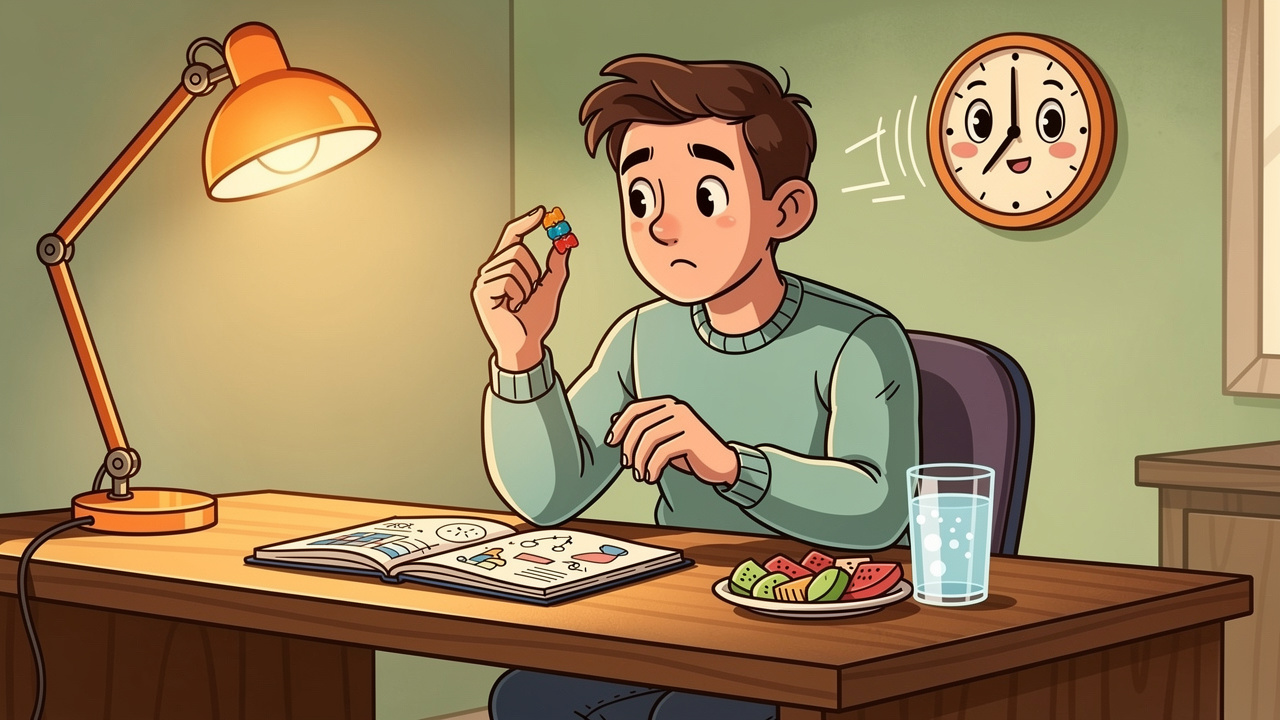
Consuming edibles or vapes responsibly in halls means starting small, giving them time to work and choosing your setting with care. The aim is to enjoy the experience without scaring yourself or disrupting everyone else.
“Start low and go slow” is a phrase you will see again and again in cannabis harm‑reduction advice, and it matters most with edibles.
For edibles, a beginner‑friendly dose is usually 2.5 mg to 5 mg THC. Take that, then wait a full 90 to 120 minutes before thinking about more. The most common mistake new users report to NHS UK is taking extra because they think nothing is happening, then feeling far more affected than planned. BudBuddies product pages highlight THC per piece clearly, so you can split or count pieces to stay within that range.
With vapes, it helps to treat each pull like a full hit, not something to chain continuously. Take one or two small puffs, then pause for five to ten minutes and see how you feel. Research summarised by the Royal College of Psychiatrists notes that higher, frequent doses of cannabis can worsen anxiety and low mood for some people, especially during stressful times such as exams. A measured approach lowers that risk.
Your environment matters as well. Try new products for the first time on a quiet evening when you have no early lectures or deadlines. Keep water and snacks nearby, stay with friends you trust and avoid mixing heavy drinking with strong THC. Guidance from Student Minds stresses that moderation and good sleep routines help protect student wellbeing, and cannabis fits into that picture like any other intoxicant.
Practical habits help too:
Keep a simple note on your phone of what you took, how much and how it felt after a couple of hours. This makes it easier to repeat good experiences and avoid doses that felt too strong. Over a few weeks you build a personal reference that matters more than vague stories from other people.
Store edibles and vapes where flatmates or visitors cannot grab them by accident. A small lock box or a high cupboard spot keeps products out of casual reach. This is especially important if course mates sometimes visit after a night out and raid cupboards for snacks without asking.
Pay attention to your mood and motivation across the term, not just on the night itself. If you notice forgetfulness, low energy or increased anxiety, it might be time to step back or reduce your dose. BudBuddies content and customer support can help you think through safer patterns that still fit your goals.
If you live with long‑term mental health conditions or take regular medication, speaking with a doctor or university health service before adding cannabis is always a sensible move.
The Bottom Line: Smarter Choices Start With The Right Format
The bottom line is simple. Smoking weed in university halls UK creates ongoing issues with smell, housing and flatmate relationships that are hard to undo. Switching to smoke‑free formats like THC edibles, THC drinks and THC vapes removes the main triggers for that drama.
BudBuddies keeps things straightforward with a curated range, clear strength labelling and lab‑tested Certificates of Analysis on product pages. Add plain packaging, tracked delivery and free shipping over £60, and it becomes much easier to enjoy cannabis without turning your halls into a stress source.
Frequently Asked Questions
This section answers the most common questions about smoking weed in university halls UK and the BudBuddies alternatives that fit shared living. Each answer stands on its own, so you can skim straight to the part you need.
Question 1: Can You Vape Weed In Your University Room?
You can physically vape in your room, but most halls treat vaping devices the same as smoking. That means clouds and smell can still lead to complaints, inspections and possible housing trouble. Fire alarms and detectors may also react to dense vapour in smaller rooms. THC vapes from BudBuddies create far less odour than burning flower, so they are a quieter option, but hall rules and the law still apply.
Question 2: What’s The Best Weed Format For Student Halls?
The best format for halls is anything that avoids smoke and strong smell. THC edibles and THC beverages fit that brief well, with zero smoke and no odour during use. BudBuddies carries gummies, chocolates, capsules and infused drinks that all arrive ready to use with measured doses, which makes it easier to keep track of how much you are taking.
Question 3: How Long Do Edibles Take To Kick In?
Edibles usually take between 60 and 90 minutes to kick in, and effects can last 4 to 8 hours. That slow build is why starting with 2.5 mg to 5 mg THC and waiting before taking more matters so much. BudBuddies labels make it easy to count that amount accurately so you can avoid overdoing it on your first try.
Question 4: Will A Weed Delivery To Halls Look Suspicious?
A BudBuddies order looks just like any other online parcel. Packaging is plain, unbranded and vacuum‑sealed, with generic sender details and no cannabis terms on the label. Tracking by email or SMS lets you collect when the mailroom is quiet, so the whole process stays discreet and blends in with your usual online shopping.
Question 5: Are There Any Weed Products With No Smell At All?
Yes. Edibles, capsules and THC beverages create no smoke and no noticeable smell when you use them. BudBuddies professionally manufactured gummies, chocolates and drinks also avoid any cooking odour, because everything arrives finished and sealed. That makes them the easiest choice for truly low‑profile hall living and for flatmates who do not want their space to smell like smoke.