Prescribed Cannabis for University Students: A Guide
Introduction
Working out how prescribed cannabis for university students fits around lectures, deadlines, nights out, and shared housing can feel messy. Confusion grows when advice online swings between medical jargon and scare stories.
The good news is that prescribed cannabis, when part of a proper treatment plan, can sit alongside university life in a calm, structured way. This guide explains what prescribed cannabis actually is, which conditions often lead students towards it, how to use it around study, common side effects, and where BudBuddies fits in with discreet, reliable products.
So if you want clear answers in plain English, without drama or waffle, keep reading.
“Managing treatment on top of lectures is about planning, not perfection,” says one third-year neuroscience student who uses prescribed cannabis for chronic pain.
What Is Prescribed Cannabis And Can University Students Use It?

Prescribed cannabis for university students refers to cannabis-based medicines recommended by specialist doctors for specific health conditions. University students can use prescribed cannabis when a clinician adds it to their treatment plan, just like any other medicine.
These products are often called cannabis-based medicinal products (CBMPs). They come in controlled formats such as:
Dried flower for vaporising
Oils
Capsules
Oral sprays
Each option carries clearly stated amounts of THC and CBD. THC is the compound that can alter perception, while CBD is non-intoxicating and linked with calming, pain-relieving and anti-inflammatory effects.
In the UK, this route usually starts in a private clinic with a specialist doctor rather than a standard GP appointment. Standard NHS prescriptions are still limited to a small number of specific conditions. Recent estimates from Drug Science suggest that tens of thousands of patients now receive cannabis medicines through these clinics, including many adults in education. That tells you this is no longer a fringe option.
Students tend to look at prescribed cannabis when other treatments have not given enough relief for issues such as ongoing pain, anxiety, ADHD-related symptoms, or stubborn insomnia. For many, the question is less “can I use this” and more “how do I fit this into my degree without it taking over my life”.
Which Conditions Commonly Lead Students To A Cannabis Prescription?
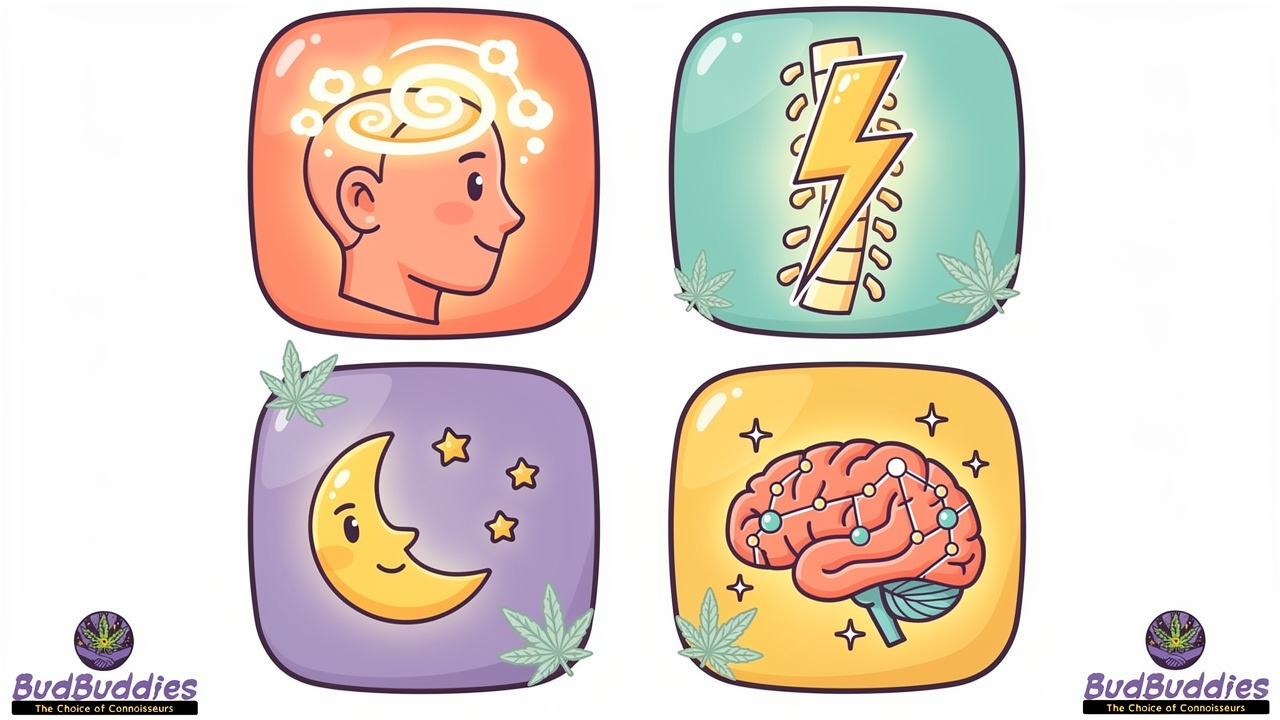
Conditions that commonly lead students towards a cannabis prescription usually involve long-term pain, sleep disruption, or mental health symptoms that have not responded well to standard medicines. Prescribers look for a clear pattern of need rather than short-term stress around exams.
According to Student Minds research, around one in three UK students reports psychological distress during their course, with anxiety and low mood especially common among undergraduates. That is one reason some adults at university speak with clinicians about cannabis-based treatment as part of a wider care plan.
“Many students arrive at university already living with long-term health conditions; campus pressure just shines a brighter light on them,” notes a counsellor who works with undergraduates.
Common conditions include:
Anxiety And PTSD
Many students live with social anxiety, generalised anxiety, or trauma-related symptoms that make seminars, group work, or crowded lectures feel overwhelming. Some clinicians may consider cannabis medicines when talking therapies and first-line medications have not helped enough or have created difficult side effects. Careful product choice and low starting doses matter here because THC can ease tension for some yet raise it for others. Where anxiety is the main concern, CBD-dominant products are often preferred.ADHD And Other Forms Of Neurodiversity
Adults with ADHD often describe racing thoughts, restlessness, and trouble switching off enough to sleep. A few specialist clinics now explore cannabis medicines for people whose symptoms remain troublesome despite standard treatment, and Clinical Experience and Student support research highlights how clinicians are increasingly navigating these decisions in educational settings. In these cases, prescribers usually build on an existing diagnosis and look at how attention, sleep, and emotional regulation change over time, bearing in mind that research in this area is still developing.Chronic Pain And Long-Term Physical Conditions
Ongoing pain from conditions such as endometriosis, fibromyalgia, or old injuries can make sitting through lectures or revising for hours feel almost impossible. Research shared by the Office for National Statistics suggests that around a third of UK adults live with some form of chronic pain. For some of these adults, cannabis-based products help soften pain enough to function more comfortably through the day.Sleep Disorders And Epilepsy
Insomnia and heavily disrupted sleep often sit beside anxiety or pain, so clinicians sometimes focus on night-time dosing first. A smaller group of students lives with epilepsy, and a few specific cannabis preparations, including licensed CBD-based medicines, play a role in treatment when other medicines have not controlled seizures.
Across all these areas, clinics usually ask for medical records, details of previous treatments, and a clear picture of current symptoms. That helps them judge whether prescribed cannabis is a sensible next step rather than a first experiment.
How To Balance Prescribed Cannabis With University Life
Balancing prescribed cannabis with university life means fitting your medicine around lectures, labs, part-time work, and social time so that it supports you rather than slows you down. The key pieces are timing, product choice, and honest reflection on how you actually feel.
THC-heavy products can ease pain or help with sleep, yet they also affect memory, reaction time, and motivation in some people, and they are not compatible with driving while affected under UK law. For that reason, many students keep THC-dominant doses for evenings, once classes, driving, and important study blocks are finished. In contrast, CBD-dominant products tend to cause little or no noticeable high, so they often suit daytime use for anxiety, mild pain, or general steadiness.
Format matters as well. Vaporised flower usually starts working within minutes and settles after two to four hours, which can work well for sharp spikes in pain or pre-presentation nerves. Edibles and capsules take longer to start, often an hour or more, but they can support you over a larger part of the day. Research summarised by the NHS highlights that oral cannabis products tend to last longer in the body than inhaled ones, which is worth keeping in mind when you plan your timetable.
Storage is another practical piece. In halls or a shared house, it makes sense to keep your medicine in original pharmacy packaging, tucked somewhere cool, dry, and out of direct sight. Many students also prefer odour-controlled containers and non-inhalable formats when they share a small flat.
Simple habits that help many students include:
Keeping a brief symptom and dosing diary on paper or in a notes app
Avoiding heavy alcohol or other substances when using THC
Leaving a generous gap between any THC dose and driving
Scheduling your most demanding study periods for times when you feel clearest
The most important habit is regular, honest check-ins with your prescribing clinician. Tracking how you sleep, how you focus during lectures, and how your mood feels through the week helps you and your doctor keep the dose low yet useful. So where does BudBuddies fit here? By offering clear product descriptions and discreet packaging, BudBuddies makes it easier to choose formats that match the way you actually live and study.
Choosing The Right Product Format For Your Schedule
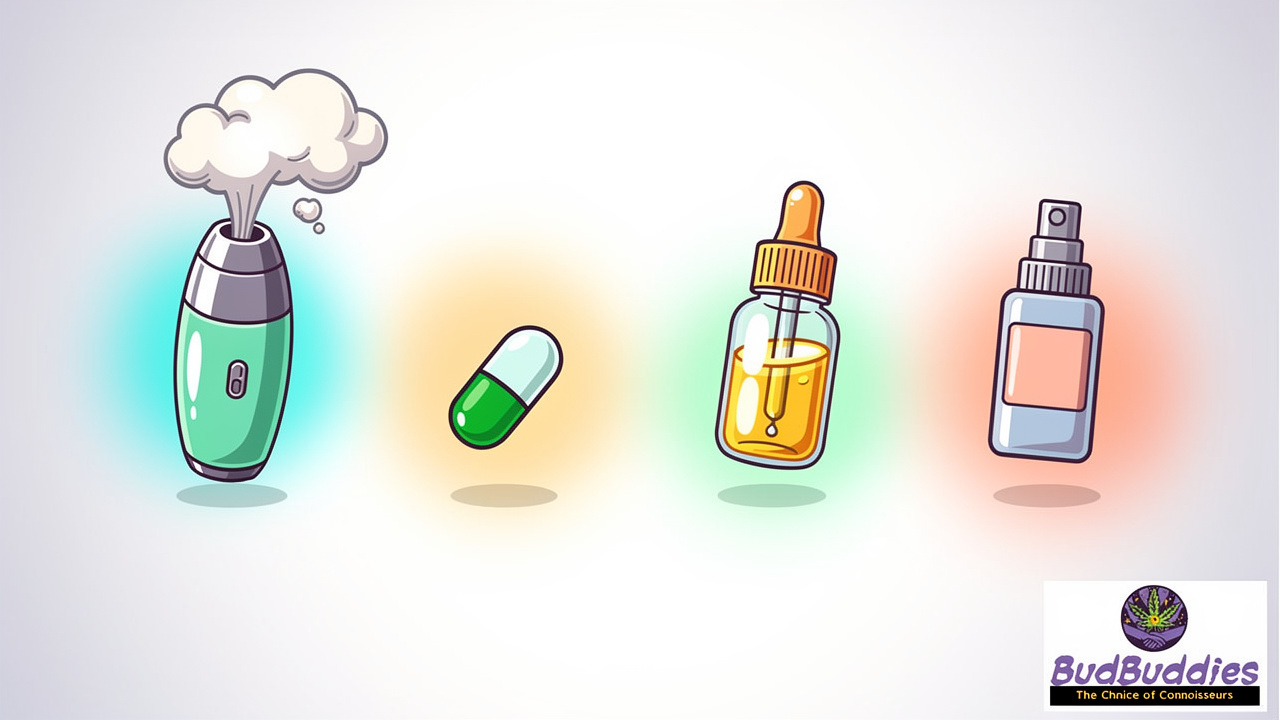
Choosing the right product format for your schedule helps you feel in control of both your symptoms and your study day. Each format has its own rhythm, so it helps to match that rhythm with your timetable.
Vaporised Flower
Vaporised flower acts quickly, often within a few minutes, and fades after around two to four hours. That suits moments when you need fast relief, such as sharp pain or a sudden spike in anxiety before a seminar. Because effects come on fast, you can pause and notice how you feel after a single inhalation rather than continuing straight away.Edibles And Capsules
Edibles and capsules usually take sixty to ninety minutes before you notice much, with effects that can last four to six hours or more. That longer arc can suit people who wake with pain or rely on steady relief through afternoon study sessions. The slower onset means you must avoid taking extra too early, because it is easy to think nothing is happening when the body is still processing the dose.Oils And Tinctures
Oils placed under the tongue may begin working within half an hour, while swallowed doses behave more like edibles. They offer flexible dosing because you can count drops and adjust gently over time. Many students like this middle ground for daytime use, especially when they want to fine-tune relief without a strong peak.Oral Sprays And Other Discreet Options
Sprays deliver measured doses under the tongue in a format that looks similar to breath freshener products. They are easy to slip into a bag or pocket and use quietly before or after lectures. Non-inhalable formats such as sprays, oils, capsules, and edibles are far more discreet in shared living spaces, which reduces stress around flatmates or neighbours.
Whichever format you use, start with the smallest effective dose and review it regularly with your prescriber. Start low, go slow is a helpful line to remember.
What Are The Common Side Effects And Risks Students Should Understand?
Common side effects and risks of prescribed cannabis for university students mostly relate to THC content, dose size, and personal sensitivity. Understanding these points helps you use your medicine with confidence rather than guesswork.
THC-rich products can cause:
Dry mouth and red eyes
Faster heart rate
Sleepiness or fatigue
Short-term memory changes
Feelings of being spaced out, unsteady, or more on edge at higher doses
For students already prone to anxiety, too much THC in one go can actually raise worry levels, even if lower doses feel calming.
CBD-dominant products usually carry a lighter side effect profile. Possible issues include:
Mild tummy upset
Changes in appetite
Drowsiness, particularly when starting a new oil or capsule routine
Research reviewed by Health Canada notes that CBD can also interact with other medicines processed by the liver, which is why full medication lists matter during clinic appointments.
People with a personal or family history of psychosis or bipolar disorder should discuss this carefully with clinicians, as high THC can make symptoms worse in some cases.
“Start low and go slow. If you are not sure how a product will affect you, take less and give it time,” is advice many pain specialists repeat to new cannabis patients.
Long term, tolerance can build when someone uses high-THC products every single day. That means they need more for the same effect, which raises cost and risk of side effects. A review in The Lancet Psychiatry estimated that around one in ten regular cannabis users develops some degree of dependence, so students benefit from regular breaks or careful dose reviews where their clinician advises that approach.
Finally, interactions with other medicines deserve attention. Antidepressants, sedatives, some painkillers, and anticonvulsants can interact with cannabis-based products. Honest conversations with doctors, and avoiding any extra recreational cannabis on top of your prescription, keep your treatment as straightforward and predictable as possible.
Where BudBuddies Fits Into Your Prescribed Cannabis Routine

Where BudBuddies fits into your prescribed cannabis routine is around product quality, clear information, and genuine privacy. For adults studying at university, those three pieces can make the difference between feeling stressed about every delivery and feeling quietly organised.
On BudBuddies, every listing focuses on clarity. You see THC and CBD percentages, flavour notes, and realistic strength guidance instead of vague promises. Products such as flower, edibles, vapes, oils, and concentrates are chosen for consistent performance, with lab reports and double-checked potency so you know what you are actually using.
Privacy sits at the centre of the service. Orders placed before the 3 pm cut-off go out for next-day delivery across the UK, packed in heat-sealed Mylar bags inside plain, unmarked outer boxes. Couriers see only a standard parcel, and odour control helps your package stay discreet in halls, shared houses, or family homes.
For value-conscious students, BudBuddies offers first-time buyer discounts, regular deals on 14 g and 28 g options, free delivery once your basket reaches the threshold, and a 10 percent saving for cryptocurrency payments — a payment method whose growing retail adoption is documented in CRYPTO PAYMENTS FOR RETAIL: implementation guides. The BudPoints loyalty scheme and BudCash referrals help regular customers spread costs over time. If you want extra peer insight, the r/BudBuddiesUK Reddit community gives real-world feedback on effects, dosing strategies, and product picks that suit different lifestyles.
BudBuddies does not replace medical advice, prescribe medicines, or adjust your treatment plan; it is a retail service for adults who already know how cannabis fits into their care. The aim is simple: BudBuddies wants adults, including students, to feel calm, informed, and in control when they choose cannabis products to sit alongside their prescribed care.
Wrapping Up
Prescribed cannabis for university students can sit alongside lectures, deadlines, and social life when it is chosen thoughtfully and used with care. The big levers are clear diagnosis, an honest relationship with your clinician, product formats that fit your timetable, and doses that support rather than fog your thinking.
Understanding side effects and planning storage in shared spaces removes much of the background stress. When you are ready to explore well-presented products that match this approach, BudBuddies offers quality-focused options, discreet delivery, and straightforward guidance so you can take your next step with confidence.
Frequently Asked Questions
Question: Can I keep prescribed cannabis in university halls of residence?
You can usually keep prescribed cannabis in halls as a personal medicine, but accommodation rules on smoking or vaping may still apply. Store it in original pharmacy packaging, keep it out of shared areas, and consider oils, capsules, or edibles to avoid noticeable smell.
Question: How much does a private cannabis prescription cost as a student in the UK?
Most students pay around fifty to one hundred and fifty pounds for the first consultation, then roughly eighty to three hundred pounds per month for medicine. These products are rarely covered by standard prescriptions, so budgeting helps. Bulk deals and first-time discounts on BudBuddies can soften some of the ongoing cost.
Question: Can I travel home with my prescribed cannabis?
Travel within the UK between home and university is usually straightforward when your medicine stays in original packaging and you keep prescription details handy. Trips abroad are far more complicated, as many countries treat cannabis medicines very differently, so most students leave their products at home and speak with their doctor before travelling.
Question: Is CBD different from prescribed cannabis?
Yes, CBD products and prescribed cannabis are different, even though both come from the same plant family. Shop-bought CBD oils and gummies are non-intoxicating and widely available, while prescribed cannabis often includes THC and needs a specialist doctor. BudBuddies stocks a wide CBD range, including full spectrum, broad spectrum, and isolate options.
Question: Will prescribed cannabis affect my ability to study?
Prescribed cannabis can either help or hinder study, depending on dose, timing, and product type. High-THC products taken before lectures may cloud focus, while carefully timed evening doses or CBD-dominant daytime products can support sleep and anxiety without much cognitive impact. Work closely with your clinician and review how your grades and concentration feel over time.