How to Help a Friend Who Ate Too Much Edible
If you are wondering how to help a friend who ate too much edible, you are already doing the right thing. The aim is to keep them safe, calm, and as comfortable as you can. With a few clear steps, you can guide them through the high until it settles.
Trouble often starts because edibles take longer to kick in, so people top up before the first dose peaks. That stacked effect then hits like a wave.
This guide walks you through what “too much” looks like, what to do in the moment, when to call for medical help, and how to reduce the chances of this happening again. You will also see how BudBuddies makes dosing clearer, so future sessions feel smoother and more predictable.
Ready to feel steady and useful instead of worried and stuck?
What Does Too Much Edible Actually Look Like?
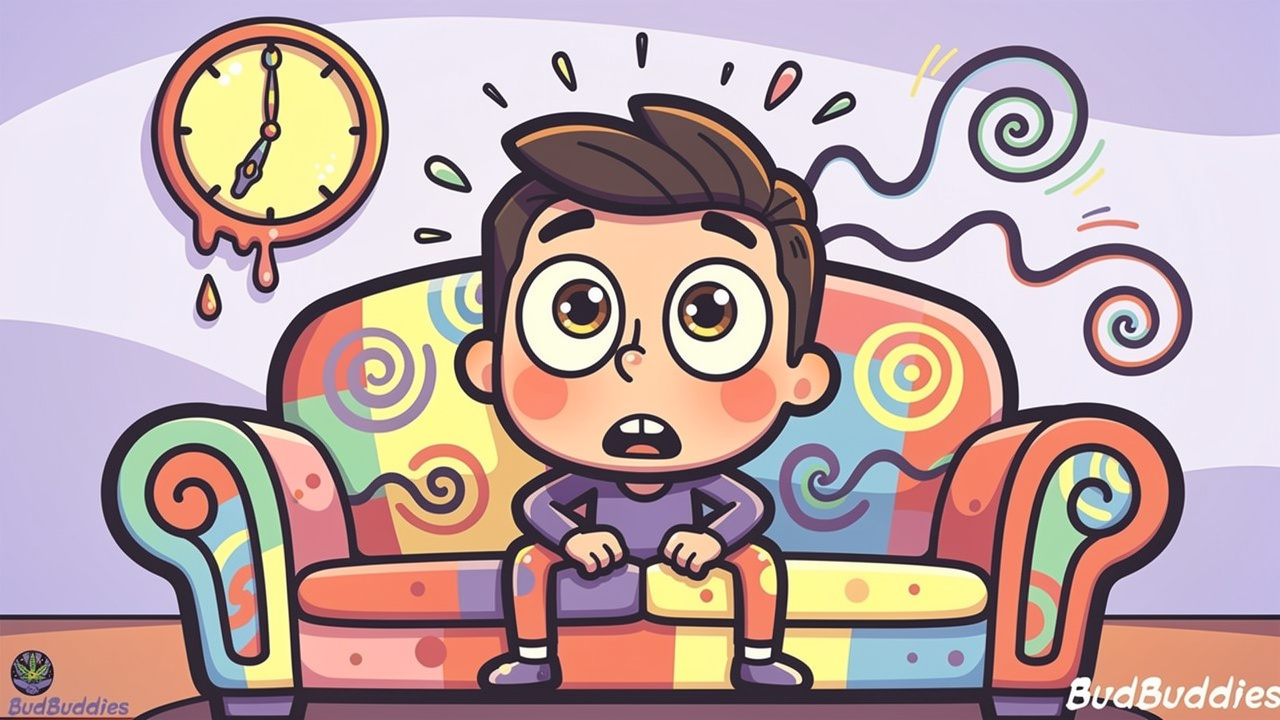
Recognising what too much edible looks like means spotting classic THC overload signs and understanding why the high feels so strong — research on Tetrahydrocannabinol Intoxication from Food in real-world settings confirms how quickly overload situations can escalate. When you know the patterns, how to help a friend who ate too much edible becomes far less mysterious.
The most common signs appear within one to three hours after they eat. According to the National Institute on Drug Abuse, ingested cannabis often takes thirty minutes to two hours to reach full effect, which easily tricks people into redosing. That slow build sits behind many “I had way too much” stories.
Typical symptoms include:
Rising anxiety and panic with thoughts that something awful is about to happen. Your friend might describe a heavy sense of dread, struggle to sit still, or say their thoughts feel out of control.
Paranoia and confusion, where they misread facial expressions, worry others are annoyed with them, or cannot follow simple conversations. They may jump between topics or lose their train of thought halfway through a sentence.
Physical discomfort such as a racing heart, dizziness, nausea, or feeling pinned to the sofa. Skin can look pale and clammy, and they might complain that sounds and lights feel harsh or distorted.
Time distortion and mental fog, where minutes feel like hours, or they feel stuck in a loop. They may repeat the same questions and forget that you have already answered them.
This feels intense, yet it is usually not dangerous on its own. Research from Healthline notes that while high THC doses can cause very unpleasant anxiety, they rarely cause severe physical harm in healthy adults.
Edibles feel different because your liver turns THC into 11-hydroxy-THC, which crosses into the brain more easily and often feels stronger than smoked THC. According to Harvard Health Publishing, this process helps explain why edible highs are longer and heavier than inhaled ones. When you explain this to your friend in simple terms, the experience already feels less mysterious and less scary.
A common harm-reduction saying about cannabis edibles is, “Start low and go slow.”
This simple phrase is repeated by many educators and clinicians because it prevents most bad edible experiences.
How To Help Your Friend Right Now

Helping your friend right now means staying calm, speaking gently, and guiding them through simple comfort steps. If you keep how to help a friend who ate too much edible in mind as a steady checklist, the situation feels far more manageable.
Your mood sets the tone:
Speak slowly, keep your voice soft, and remind them that they are safe with you.
Use short, grounding phrases such as “This will pass” or “You are not alone, I am here.”
Validate how they feel: agree that it is intense, while reminding them their body is coping.
Many mental health first-aid trainers suggest phrases like,
“You’re safe, this feeling is temporary, and I’ll stay with you.”
Simple, steady words can make a huge difference.
Once your presence feels steady, move into practical actions that nudge their body and mind back toward balance:
Create a calm space with softer light and less noise. A quiet bedroom or living room works better than a busy kitchen or balcony. Fewer people, fewer screens, and softer colours all help their nervous system settle.
Offer small sips of water every few minutes rather than a big glass at once. This supports hydration without upsetting their stomach. Skip alcohol and energy drinks because they tend to push heart rate and anxiety higher instead of lower.
Give a light snack such as toast, a biscuit, or a banana if they can manage it. Food gives their body something familiar to process and can take the edge off queasiness. You are not “soaking up” THC; you are simply making their body feel less empty and shaky.
Guide slow breathing so their heart has a chance to calm down. Try a simple rhythm where you both inhale for four counts, hold for four, and exhale for six. Breathing together gives them an easy pattern to copy and keeps their focus away from spiralling thoughts.
Use gentle distractions such as a favourite comedy, soft music, or low-key chat about ordinary topics. Short, simple sentences work best, and you can let long pauses sit without rushing to fill them.
If you have CBD to hand, this can help. Studies highlighted by Mayo Clinic suggest CBD may soften some of THC’s anxious edge by acting on the same endocannabinoid system. A clearly labelled CBD oil or gummy from BudBuddies gives you reliable milligram information, which feels reassuring when everything else feels a bit wobbly.
BudBuddies also keeps packaging discreet and tidy, so you can store a small CBD option at home without drawing attention. Keeping that in your cupboard before a big edible night is one of the simplest harm-reduction steps you can take.
What Not To Do
Avoiding the wrong moves is just as important as getting the right ones in place. When you think about how to help a friend who ate too much edible, it helps to remove anything that could make their night worse.
Do not give more cannabis or alcohol, even if they ask. Extra THC or a drink often deepens confusion and sickness, and the mix can lead to heavy vomiting.
Do not leave them completely alone, especially at the peak of the high. Quiet company keeps panic from snowballing and allows you to spot any worrying changes early.
Do not mock or dismiss them, even with kind humour. Jokes about how “wrecked” they are may stick in their mind and feed the fear that something is badly wrong.
Do not encourage them to “push through” scary feelings by doing more activities or going out. Rest and quiet usually work far better than stimulation.
When Should You Call For Medical Help?
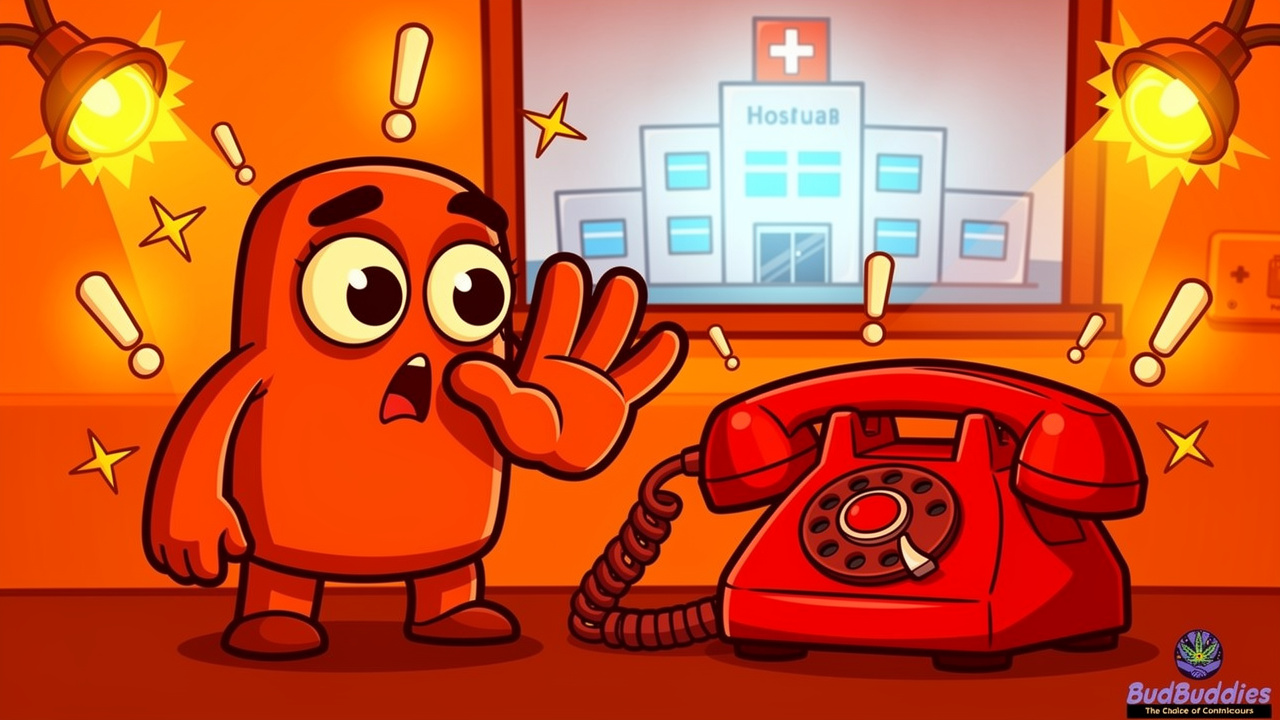
Knowing when to call for medical help gives you a clear line between a rough ride and a genuine emergency. Most cases of how to help a friend who ate too much edible do not need hospital care, yet you should act fast if serious warning signs appear.
For many people, the worst part is anxiety, which fades with time, water, and rest. According to the NHS, mild cannabis effects usually pass within several hours without specific treatment. Your job is to watch calmly and decide whether things sit in the “unpleasant but safe” box or move into something more serious.
Call 999 straight away if you notice any of these:
They cannot stay awake and you cannot rouse them with a firm voice or gentle shake. This goes beyond simple sleepiness and needs urgent assessment.
They have trouble breathing, breathe very slowly, or complain that their chest feels tight or painful. Breathing issues always deserve emergency attention.
They twitch or convulse in a way that looks like a seizure, or their movements suddenly become very jerky and uncontrolled.
They have taken the edible alongside other substances, such as strong painkillers, sedatives, or large amounts of alcohol, and now seem very unwell — a scenario addressed directly in Recommendations for the Clinical management and prevention of cannabis edible ingestions.
They talk about harming themself, seem entirely detached from reality, or you feel you cannot keep them safe where you are.
If you are unsure, you can contact NHS 111 for advice on the next step. Be honest about what you think they ate and roughly how much. Clear information helps doctors and nurses decide how to support your friend.
How To Help Your Friend Avoid This In Future
Helping your friend avoid another overload in future means turning a rough night into a quiet lesson. Once they feel normal again, you can talk through how to help a friend who ate too much edible in a calm, shame-free way and plan for a gentler next time.
Keep the chat relaxed. You are not there to lecture them, only to share what you saw and what you both learned. Many people simply never had good dosing guidance, especially if their first edible came from a homemade traybake or a random bag of gummies.
You can cover a few simple rules together:
Start with a low dose such as five to ten milligrams of THC, especially if they are new to edibles or trying a stronger product. According to Leafly, this range is widely suggested as a gentle entry level for many adults.
Wait a full two hours before more, even if they feel nothing after the first hour. The edible still sits in their stomach and can come up fast once digestion catches up.
Avoid alcohol on edible nights so they have one variable at a time. Drinks can blur judgement on top-ups and may intensify dizziness and nausea.
Eat a normal meal first so the edible lands on a settled stomach. This tends to create a smoother curve rather than a very sharp peak.
“Start low and go slow” is more than a slogan; it is the single most reliable way to stay within a comfortable cannabis range.
Here is where BudBuddies makes life easier. Every edible on budbuddies.cc lists THC per piece in clear numbers, so you both know exactly what one square or one gummy delivers. Many products come in beginner-friendly strengths, and the online dosage calculator gives suggestions based on body weight, experience level, and desired effect.
BudBuddies also double-checks potency through lab testing, so the figure on the packet matches what is inside. That level of accuracy removes a big chunk of the guesswork that often leads to “I barely felt anything so I took more” mistakes.
When your friend is ready to try again, you can browse BudBuddies together and choose something gentle, well labelled, and easy to portion. That turns a scary memory into a more confident, informed plan.
The Bottom Line
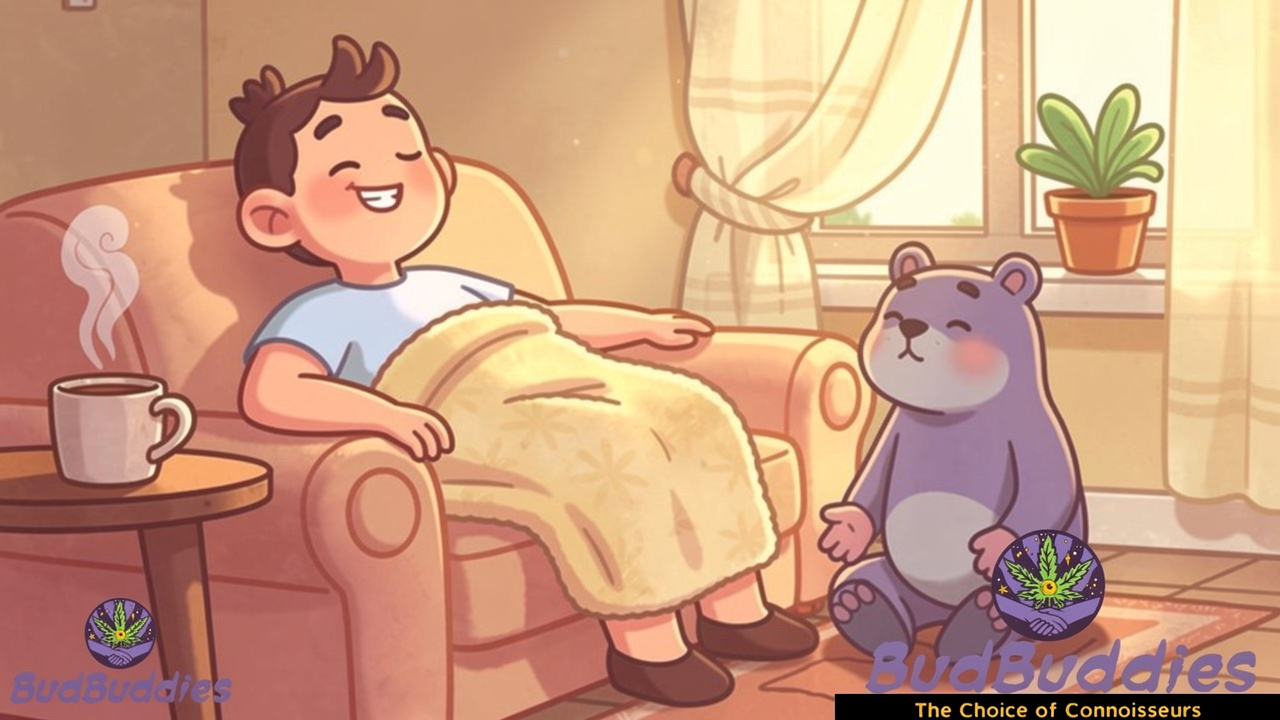
The bottom line on how to help a friend who ate too much edible is simple: stay calm, stay kind, give water and comfort, and keep an eye on their breathing and awareness. Most bad edible nights feel far worse than they are, and time is on your side.
You now know how to recognise THC overload, which comfort steps actually help, and when 999 or NHS 111 should step in. When you choose clearly labelled, lab-tested edibles from BudBuddies, you greatly reduce the chances of the same scene repeating.
Next time you plan an edible session, start low, give it time, and use BudBuddies guides and calculator on budbuddies.cc to shape a smoother, more relaxed experience.
Frequently Asked Questions
Question: How long does it take for the effects of an edible to wear off?
Most people feel peak effects from two to four hours after eating, then a slow fade. According to Healthline, the whole experience, including grogginess, can last six to twelve hours depending on dose, metabolism, and tolerance. Knowing there is a clear end point often makes the high easier to handle.
Question: Can you overdose fatally on cannabis edibles?
There are no confirmed cases of a person dying from cannabis alone. Edible overuse can be frightening and very uncomfortable, yet it is not usually life-threatening in otherwise healthy adults. If someone has chest pain, loses consciousness, or seems seriously unwell, you should still call 999.
Question: Does CBD actually help when someone has had too much THC?
CBD may reduce some of THC’s anxious impact by influencing the same endocannabinoid system. Research summarised by Mayo Clinic suggests CBD can ease anxiety in some people, which fits many user reports. A CBD product from BudBuddies with clear milligram labelling is a sensible option to keep in your kit for this kind of situation.
Question: Why do edibles feel so much stronger than smoking or vaping?
With edibles, your liver turns THC into 11-hydroxy-THC, which crosses into the brain more easily. That metabolite tends to feel stronger and last longer than inhaled THC. This explains why the same amount of THC in a brownie often feels heavier than the same amount in a joint or vape.
Question: What should I do if my friend took an unknown homemade edible?
Treat any unknown homemade edible as very strong, because potency is impossible to judge by size or taste. Follow the same comfort steps, watch closely for any worrying signs, and be ready to call 999 if serious symptoms appear. Buying lab-tested, clearly dosed products from BudBuddies removes this guesswork for future sessions.