


THC Vape Battery Safety Tips: What You Need to Know
Introduction
Your THC vape pen contains a powerful lithium-ion battery that transforms your cannabis oil into smooth, potent vapour. These batteries share similar technology with your smartphone or laptop, making them remarkably efficient and reliable when handled properly. However, like any electronic device, improper use can lead to safety concerns that every vaper should understand.
Battery-related incidents in vaping devices are often preventable with the right knowledge and care. Whether you’re new to THC vaping or have years of experience, understanding proper battery maintenance protects both you and your investment. Modern vape batteries include built-in safety features, but these safeguards work best when combined with responsible user practices.
This comprehensive guide from BudBuddies provides essential THC vape battery safety tips that every cannabis enthusiast should know. You’ll discover proper charging techniques, safe storage methods, and maintenance practices that extend your device’s lifespan while ensuring consistent performance. We’ll also cover warning signs that indicate when it’s time to replace your battery, helping you avoid potential issues before they become problems.
By following these proven safety practices, you can enjoy your THC vaping experience with complete confidence. Let’s explore how simple precautions and regular maintenance can transform your vaping routine into a worry-free ritual that delivers consistent results every time.
Key Takeaways
This guide provides crucial THC vape battery safety tips covering proper charging protocols, safe storage techniques, and routine maintenance practices. Learn to identify warning signs of battery degradation and understand when replacement is necessary for optimal vape battery safety. These practices ensure reliable device performance while protecting your investment.
Understanding Your THC Vape Pen Battery
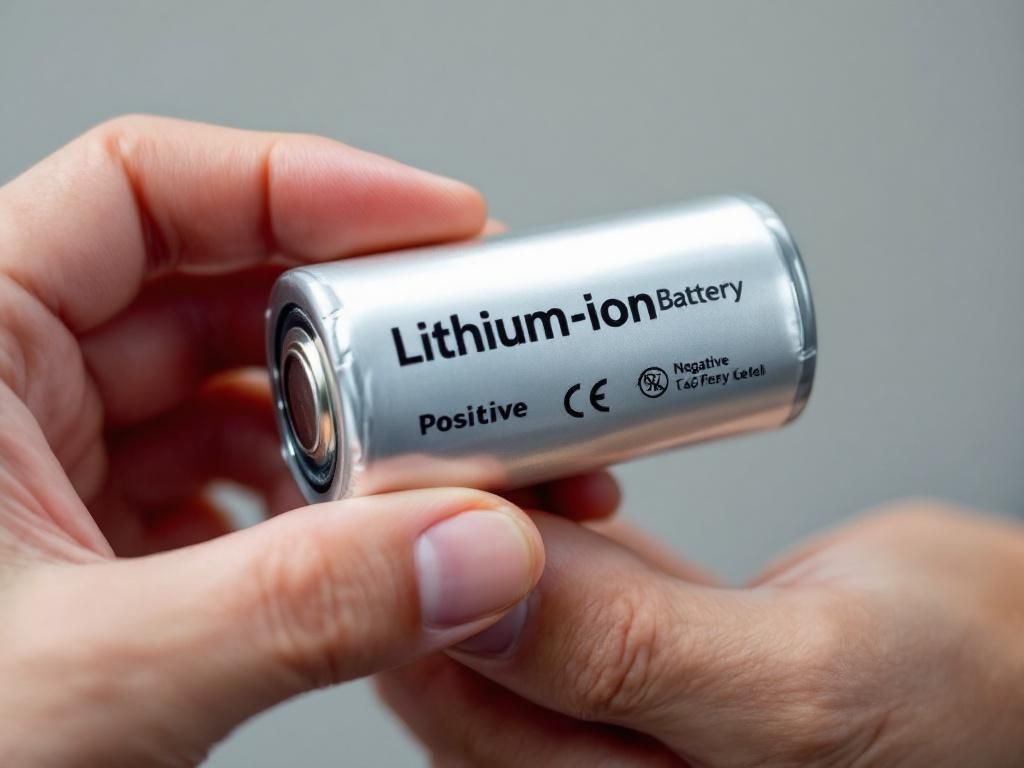
Most THC vape pens rely on lithium-ion battery technology due to its superior energy density and rechargeable capabilities. These batteries power the heating element that vaporises your cannabis oil, delivering the smooth, controlled experience you expect. Understanding your specific battery type forms the foundation of proper cannabis vape battery care.
The chemistry inside lithium-ion batteries involves lithium ions moving between positive and negative electrodes during charging and discharging cycles. This process generates the electrical energy needed to heat your cartridge to the optimal temperature for THC extraction. When properly maintained, these batteries can provide hundreds of charge cycles while maintaining consistent performance.
Types of Vape Batteries
- Built-in (Internal) Batteries: Non-removable units with integrated safety features commonly found in starter kits and compact THC vape pens. These non-removable units integrate directly into the device housing and typically charge via USB or USB-C connections. Most include safety features like overcharge protection, short-circuit prevention, and automatic shutoff mechanisms. While convenient for beginners, these batteries require careful handling despite their integrated protections. The sealed design makes them generally safer for casual users, but you cannot replace them if performance degrades over time.
- Removable (External) Batteries: Flexible options like 18650, 20700, and 21700 cells that appear in advanced vape mods and offer greater flexibility for experienced users. Popular formats include 18650, 20700, and 21700 cells, which provide higher capacity and power output options. These batteries demand more attention to detail, particularly regarding battery wrap integrity and proper storage procedures. You can swap them out when performance declines, but this convenience comes with increased responsibility for safe handling and maintenance.
Voltage, Capacity, and Compatibility
Vape battery safety requires understanding key electrical specifications that affect both performance and safety. Voltage determines the heating intensity, with most lithium-ion vape batteries operating at 3.7V nominal voltage and reaching 4.2V when fully charged. This voltage range provides the optimal power delivery for heating THC oil without causing combustion or degrading the cannabinoids.
Capacity, measured in milliamp-hours (mAh), indicates how long your battery will last between charges. Higher mAh ratings mean extended vaping sessions, but they also typically result in larger, heavier devices. Most THC vape pens feature batteries ranging from 280mAh to 1000mAh, with the sweet spot around 400-650mAh for portable devices.
Amperage represents the maximum current your battery can safely deliver without overheating. Always ensure your device’s power requirements remain within your battery’s continuous discharge rating to prevent dangerous situations. For THC cartridge battery compatibility, most cartridges work optimally with voltage settings between 2.5V and 3.5V, which efficiently vaporises the oil while preserving terpene profiles.
Essential THC Vape Battery Safety Tips
Proper battery handling significantly reduces risks while maximising device performance and longevity. These fundamental THC vape battery safety tips address the most common hazards and provide practical solutions for everyday use.
Charging Practices
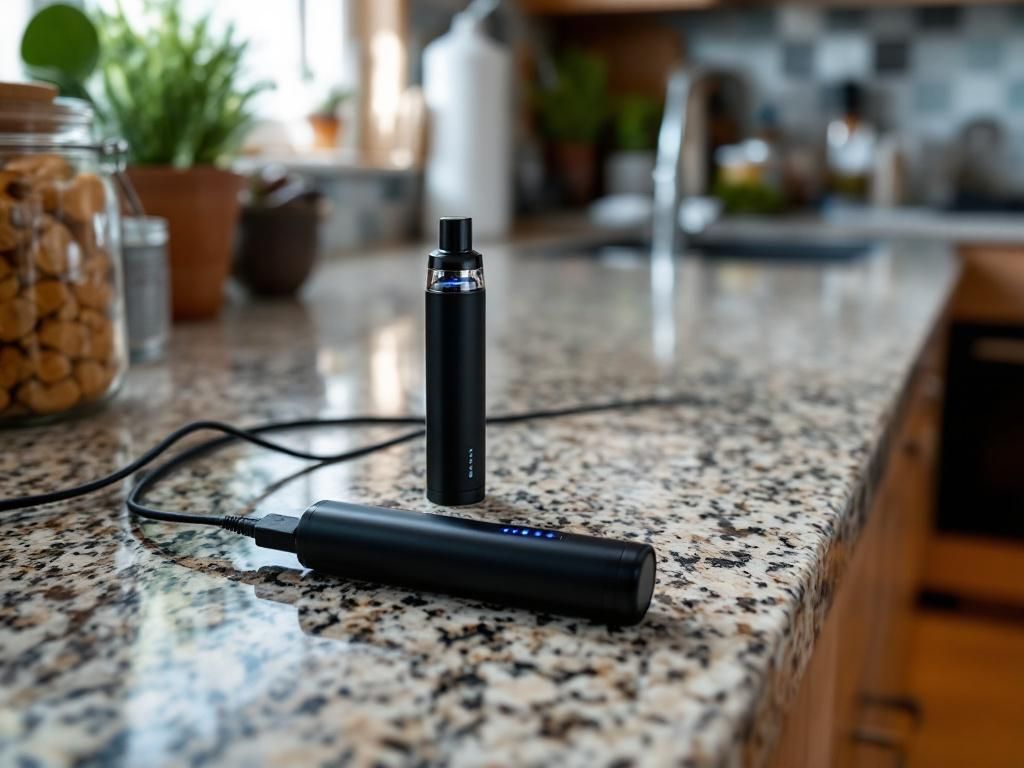
Essential Charging Safety Steps:
- Use the Right Charger – Always use manufacturer-supplied cables and adapters for every charging session to prevent damage and ensure safety. Always rely on the charging cable and adapter included with your device or one specifically recommended by the manufacturer. Generic phone chargers or fast-charging adapters often deliver excessive amperage that can overwhelm your battery’s charging circuitry. This mismatch can cause overheating, reduce battery lifespan, and in extreme cases, lead to thermal runaway.
Computer USB ports provide excellent charging alternatives because they typically output regulated 0.5A current, which falls within safe parameters for most vape batteries. Avoid wall adapters that output more than 1A unless your device specifically supports higher charging rates. USB-C charger safety particularly matters with newer devices, as these ports can handle various power levels depending on the connected adapter.
- Never Charge Unattended – Monitor devices during charging cycles regardless of built-in safety features in modern devices. While automatic shutoff mechanisms provide protection, staying nearby allows you to respond immediately if unusual heat, smells, or sounds occur. Overnight charging presents particular risks because you cannot monitor the process during the most vulnerable hours when batteries typically complete their charging cycles.
Set up charging in areas where you can easily check progress and respond to issues. Many experienced vapers establish dedicated charging stations on kitchen counters or desk areas where devices remain visible and accessible. This practice becomes second nature and significantly improves overall vape battery charging safety.
- Charge on Safe Surfaces – Use non-flammable surfaces like granite or ceramic to contain potential issues and prevent fire hazards. Hard, non-flammable surfaces like granite countertops, ceramic tiles, or metal trays provide ideal charging environments. These materials cannot ignite if a battery malfunctions and allow heat to dissipate effectively. Keep charging devices away from beds, carpets, curtains, and other combustible materials that could fuel a fire.
Consider using a charging pad or ceramic dish specifically for battery charging to create a dedicated safe zone. This approach also helps prevent accidental damage from spills or impacts while charging. Some vapers keep a small fire extinguisher nearby when charging multiple devices, though this level of precaution is typically unnecessary for single-device home use.
- Unplug When Fully Charged – Prevent overcharging and extend battery life to prevent overcharging and extend battery lifespan. Most modern devices include overcharge protection, but consistently leaving batteries connected to power can cause gradual capacity loss over time. The battery management system must work harder to maintain full charge, generating excess heat and stress on internal components.
Develop a routine of checking your device periodically during charging and unplugging it promptly when the indicator shows completion. Many devices display solid green lights or turn off charging indicators when finished. Setting phone reminders can help establish this habit until it becomes automatic.
“The majority of vaping incidents stem from improper charging practices. Using the correct charger and never leaving devices unattended during charging eliminates most safety risks.”
– Dr. Konstantinos Farsalinos, Research Fellow in Cardiology
Storage and Handling
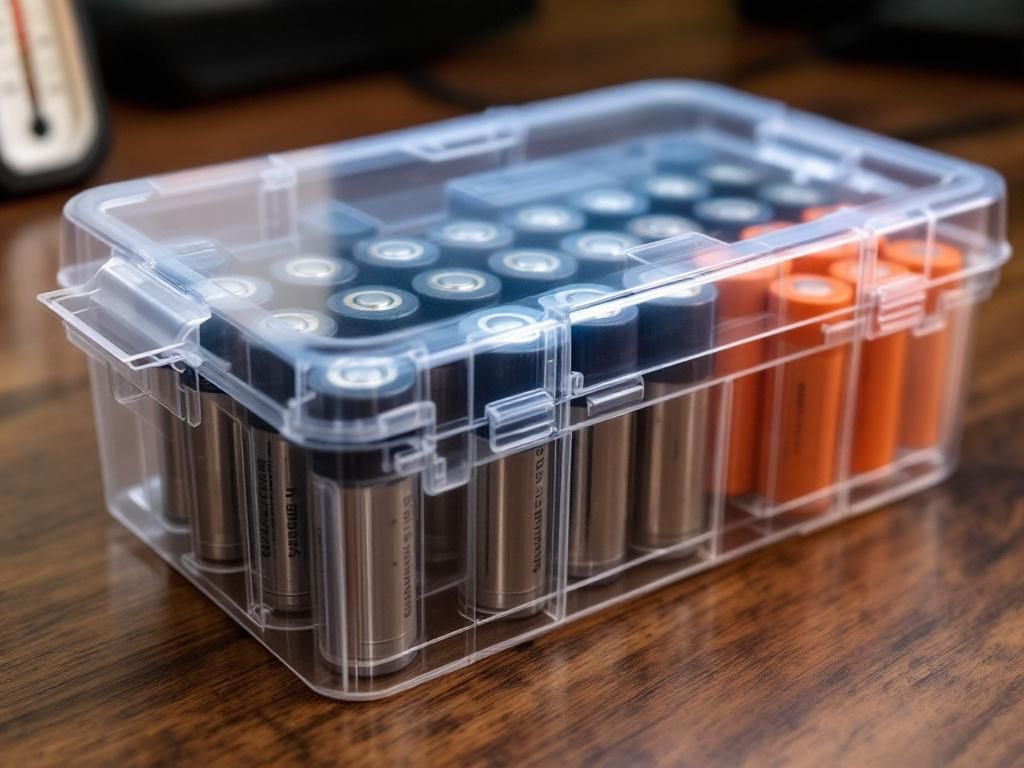
Storage Safety Tips:
- Store between 10°C and 45°C for optimal performance
- Use dedicated battery cases for removable cells
- Keep devices away from moisture and humidity
- Always use five-click off function when storing
Avoid Extreme Temperatures because lithium-ion batteries are sensitive to thermal stress. Store your vape battery in environments between 10°C and 45°C for optimal longevity and safety. High temperatures accelerate chemical reactions inside the battery, potentially leading to swelling, capacity loss, or thermal runaway. Cold temperatures can temporarily reduce performance and cause condensation issues when brought back to room temperature.
Never leave your device in hot cars, direct sunlight, or near heating sources like radiators or fireplaces. Similarly, avoid storing devices in freezing conditions like unheated garages or outdoor sheds. Room temperature storage in dry locations provides the best environment for maintaining battery health and ensuring reliable performance.
| Condition | Temperature Range | Risk Level |
|---|---|---|
| Optimal storage | 10°C – 45°C | Low |
| Hot car/direct sun | Above 45°C | High |
| Freezing conditions | Below 0°C | Medium |
| Room temperature | 18°C – 24°C | Lowest |
Use Protective Cases for Loose Batteries if your device uses removable cells. Dedicated battery cases or silicone sleeves prevent accidental short circuits while protecting against physical damage. Never carry spare batteries loose in pockets or bags with metal objects like keys, coins, or tools. Contact between battery terminals and conductive materials can cause immediate short circuits, leading to rapid heating and potential injury.
Quality battery cases feature individual slots that separate each battery while covering the terminals completely. Some cases include labels or indicators to help track battery age and rotation schedules. Investing in proper storage solutions costs far less than replacing damaged batteries or dealing with safety incidents.
Keep Batteries Dry because moisture creates multiple safety hazards for lithium-ion cells. Water contact can cause immediate short circuits, corrosion of terminals, and internal chemical reactions that compromise battery integrity. If any battery gets wet, discontinue use immediately and dispose of it properly rather than attempting to dry and reuse it.
High humidity environments can also cause gradual moisture buildup, particularly around charging ports and battery connections. Use silica gel packets or dehumidifiers in storage areas if you live in humid climates. Regular inspection helps identify moisture issues before they become serious problems.
Turn Off When Not in Use to prevent accidental activation and conserve battery power. Most devices feature five-click on/off functions that disable the firing mechanism completely. This simple step prevents pocket firing, which can overheat cartridges, waste product, and drain batteries unnecessarily.
Accidental activation while stored can also cause overheating if the device gets covered by clothing or other materials that trap heat. The few seconds required to turn devices off properly can prevent multiple problems while extending overall battery life through reduced standby power consumption.
Inspection and Maintenance

Regular Inspection helps identify potential problems before they become dangerous. Examine your battery and device weekly for signs of damage, wear, or degradation. Check battery wraps on removable cells for any tears, nicks, or thin spots that could expose the metal underneath. Even tiny holes in the wrap can create short circuit risks that compromise safety.
Look for signs of corrosion, rust, or unusual discolouration around terminals and connection points. Swelling or bulging batteries indicate serious internal damage and require immediate replacement. Dents or impact damage can also compromise internal structures, making batteries unpredictable and potentially dangerous.
Clean Contacts regularly to maintain optimal conductivity and prevent performance issues. Use dry cotton swabs or lint-free cloths to remove oil residue, dust, and other contaminants from battery terminals and device connections. For stubborn buildup, lightly dampen swabs with isopropyl alcohol, but ensure complete drying before reassembly.
Clean connections improve power transfer efficiency, reducing stress on batteries while providing more consistent performance. This simple maintenance step can significantly extend battery life while preventing poor connections that might cause overheating or erratic behaviour.
Replace Old Batteries proactively rather than waiting for complete failure. Lithium-ion batteries typically provide 200-500 charge cycles before capacity noticeably degrades, depending on usage patterns and care practices. Most batteries serve reliably for 6-12 months with regular use, though heavy users might need replacement sooner.
Signs requiring immediate replacement include rapid charge loss, excessive heat during use or charging, unusual tastes or odours, and physical damage or swelling. Vaporizer battery maintenance includes keeping spare batteries available so you can replace degraded cells immediately rather than continuing to use compromised units.
“Regular battery maintenance isn’t just about safety—it’s about performance. Clean connections and proper storage can double your battery’s lifespan.”
– Dimitris Agrafiotis, Battery Technology Researcher
| Safety Practice | Frequency | Key Benefit |
|---|---|---|
| Clean connections | Weekly | Optimal conductivity |
| Inspect battery wraps | Weekly | Prevent short circuits |
| Check for swelling | Before each use | Identify failing batteries |
| Replace old batteries | Every 6-12 months | Maintain safety standards |
BudBuddies: Your Partner in THC Vape Pen Safety
BudBuddies takes THC vape pen safety seriously by carefully selecting products that meet stringent quality and safety standards. Every device in our collection undergoes thorough evaluation to ensure reliable battery systems and proper safety features. When you choose BudBuddies, you’re investing in more than premium cannabis products – you’re getting peace of mind through our commitment to quality and safety.
Our team works exclusively with reputable manufacturers who prioritise battery safety in their designs. This careful vetting process helps eliminate the risks associated with counterfeit or substandard devices that flood the market. You can trust that every vape pen we offer includes proper overcharge protection, short circuit prevention, and thermal management systems.
The difference shows in every detail, from the quality of the charging ports to the reliability of the battery management systems. Our focus on premium product sourcing means you never have to worry about receiving devices with questionable safety features or unreliable performance. This dedication to excellence extends beyond just the cannabis products to encompass every component of your vaping experience.
BudBuddies’ commitment to discreet plain-packaging and privacy-first mindset ensures your purchases arrive safely and securely. Combined with our tracked same-day and next-day UK delivery, you can access high-quality, safety-tested devices quickly and confidentially. This comprehensive approach to customer service reflects our understanding that true quality includes both product excellence and customer protection.
Travelling Safely with Your THC Vape Pen Battery
Vape travel rules UK require specific precautions when transporting lithium-ion batteries and vaping devices. Understanding these requirements protects both your equipment and ensures compliance with transportation regulations.
Essential Travel Safety Checklist:
- Pack all vaping equipment in carry-on luggage only
- Use protective cases for all batteries
- Turn off devices completely using five-click method
- Research destination laws and airline policies
- Pack original chargers with appropriate plug adapters
Carry-on Luggage Only represents the fundamental rule for air travel with vape devices and batteries. Airlines strictly prohibit lithium-ion batteries in checked luggage due to fire risks in cargo holds where crew cannot respond to emergencies. This regulation applies to both built-in and removable batteries, regardless of device size or capacity.
Pack your complete vaping kit, including the device, cartridges, chargers, and spare batteries, in your carry-on bag where you can access and monitor them throughout the journey. Keep batteries in their original packaging or protective cases to prevent accidental activation or short circuits during transport.
Protect Batteries from damage and accidental discharge while traveling. Use dedicated battery cases for removable cells and tape over contact points if protective cases are unavailable. This prevents short circuits caused by contact with keys, coins, or other metal objects in your luggage.
Remove cartridges from devices when possible to prevent leaks caused by pressure changes during flight. Store cartridges upright in protective containers to minimise the risk of oil migration. Some experienced travelers also turn devices completely off and remove batteries for added safety during transport.
Turn Off Device completely before packing to prevent accidental activation during handling or security screening. Use the five-click method or physical power switches to ensure devices cannot fire accidentally. Security personnel may need to examine devices, and having them properly shut off demonstrates responsible handling practices.
Consider carrying proof of purchase or product information for expensive devices, as this can help with customs or security questions. Keep devices easily accessible in your carry-on for quick removal during security screening processes.
Check Local Regulations because cannabis laws and vaping rules vary dramatically between destinations. Research both departure and arrival locations to understand legal requirements and restrictions. Some countries prohibit vaping devices entirely, while others have specific rules about cannabis-related products.
Contact airlines directly about their specific policies regarding vaping devices and CBD/THC products. Even within legal jurisdictions, individual carriers may have stricter policies than government regulations require. Understanding these rules prevents confiscation, legal issues, or travel disruptions.
Charger Compatibility becomes crucial when traveling internationally or to regions with different electrical standards. Always pack the original charger that came with your device, as it provides the correct voltage and amperage specifications. Use appropriate plug adapters for different outlet types, but avoid voltage converters that might damage sensitive battery management systems.
Research the electrical standards of your destination beforehand and ensure your charger supports the local voltage range (typically 100-240V for modern chargers). When in doubt, charging from laptop USB ports provides a safe alternative that eliminates voltage compatibility concerns entirely.
Conclusion
Mastering THC vape battery safety tips transforms your vaping experience from potentially risky to completely reliable. These proven practices – proper charging techniques, safe storage methods, regular maintenance, and timely battery replacement – work together to protect both you and your investment. Every precaution you take today prevents problems tomorrow while ensuring consistent performance from your device.
Smart vapers understand that battery safety extends beyond just following rules; it’s about developing good habits that become second nature. Whether you’re using a simple pen-style device or an advanced mod with removable batteries, the same fundamental principles apply. Temperature control, proper charging, and regular inspection form the foundation of safe vaping practices.
BudBuddies remains committed to providing products that prioritise your safety without compromising performance. Our careful selection process ensures every device meets strict quality standards, while our focus on customer education helps you get the most from your purchase. This combination of quality products and comprehensive support creates the ideal environment for safe, enjoyable vaping.
Remember that responsible vaping practices benefit the entire cannabis community by promoting positive experiences and reducing negative incidents. By following these guidelines and choosing reputable suppliers like BudBuddies, you contribute to the ongoing acceptance and growth of cannabis culture. Your commitment to safety helps pave the way for future innovations and broader acceptance.
Take time to implement these practices gradually if they’re new to you, but prioritise the most critical safety measures immediately. Proper charging and storage habits provide the biggest safety improvements with minimal effort. As these become routine, you can focus on the more detailed maintenance practices that extend device lifespan and optimise performance.
FAQs
Q1: Why is my THC vape battery draining so fast?
Rapid battery drain often indicates overuse, aging batteries nearing their cycle limit, or incorrect voltage settings that stress the battery unnecessarily. Heavy vaping sessions, particularly at high temperatures, consume significantly more power than moderate use. Consider reducing session frequency, lowering temperature settings, or charging when your battery reaches 20-30% rather than allowing complete discharge. Check that your device settings match your cartridge’s recommended specifications, as mismatched settings can cause excessive power consumption and reduced battery performance.
Q2: Can I use a fast charger for my THC vape pen?
Fast chargers typically deliver higher amperage than vape batteries can safely handle, potentially causing overheating, internal damage, and reduced lifespan. Most vape pen batteries are designed for charging currents between 0.5A and 1A, while fast chargers often output 2A or more. Always use the manufacturer-supplied charger or one specifically recommended for your device. Computer USB ports provide safe alternatives with regulated current output. The few extra minutes required for proper charging significantly outweigh the risks of using incompatible chargers.
Q3: What are the signs of a failing vape battery?
Signs requiring immediate battery replacement:
- Noticeably reduced vapour production
- Battery swelling or bulging
- Excessive heat during use or charging
- Dramatically shortened charge cycles
- Unusual metallic or burnt tastes
- Physical damage or cracked wrapping
Physical damage like dents, cracks, or damaged wrapping on removable batteries requires immediate replacement. If your device no longer holds a charge overnight or requires charging multiple times daily with normal use, the battery has likely reached the end of its useful life and should be replaced promptly.
Q4: How often should I clean my THC vape pen connections?
Clean your vape pen connections at least weekly or after every few uses, depending on usage frequency and cartridge type. Oil-based cartridges tend to create more residue buildup than other formats, requiring more frequent cleaning. Use dry cotton swabs for light cleaning or slightly dampened swabs with isopropyl alcohol for stubborn buildup. Always ensure complete drying before reassembly. Regular cleaning prevents poor connections that can cause performance issues, overheating, or inconsistent power delivery. This simple maintenance step takes minutes but significantly improves device reliability and extends component lifespan.

