


Cannabis and Cholesterol Research: What You Need to Know
Introduction to Cannabis and Cholesterol Research

Your heart health matters, and if you’re curious about how cannabis might affect your cholesterol levels, you’re not alone in seeking evidence-based answers. Cholesterol plays a vital role in building healthy cells, but elevated levels can increase your risk of heart disease. The growing interest in cannabis and cholesterol research reflects our need to understand how this plant’s compounds interact with our cardiovascular system, including the complete guide to what is CBD.
Recent cannabis cholesterol studies have begun exploring how cannabinoids like THC and CBD might influence lipid profiles and overall heart health. As both recreational and medical marijuana use becomes more widespread across the UK, understanding these interactions becomes essential for making informed decisions about your health.
What makes this research particularly intriguing is the contrasting effects different cannabis compounds appear to have on your body. While some studies link heavy THC use to increased cardiovascular risks, preliminary research suggests CBD might offer protective benefits for your heart and cholesterol levels. The science behind marijuana heart health continues to evolve, with researchers examining how these compounds affect inflammation, oxidative stress, and fat metabolism.
This exploration of cannabis cardiovascular research will help you understand what current evidence reveals about responsible consumption and potential health implications. We’ll examine both the promising findings and the concerning associations, giving you the complete picture based on available scientific data.
Key Takeaways
- Heavy or frequent THC consumption, particularly through smoking, has been consistently linked to increased cardiovascular risks including coronary artery disease, heart attack, and stroke. Research indicates that daily cannabis users face approximately 33% higher odds of developing coronary artery disease compared to non-users. The dose-dependent relationship suggests that the more frequently you use THC-rich products, especially via combustion methods, the greater your potential cardiovascular risks. These associations stem from THC’s ability to cause temporary blood vessel narrowing, increased heart rate, and arterial inflammation that contributes to plaque buildup over time.
- Early research into cbd cholesterol effects shows promising potential for improving lipid profiles and supporting heart health through anti-inflammatory and antioxidant mechanisms. Animal studies have demonstrated CBD’s ability to reduce LDL cholesterol by up to 25% while increasing beneficial HDL cholesterol by approximately 10%. CBD appears to work by reducing oxidative stress and inflammation, key contributors to atherosclerosis and poor cholesterol management. However, these preliminary findings primarily come from preclinical studies, and more extensive human clinical trials are needed to confirm these beneficial effects and establish optimal dosing protocols.
- CBD can significantly interact with cholesterol medications, particularly statins, by inhibiting CYP450 liver enzymes responsible for drug metabolism. This interaction can lead to elevated medication levels in your bloodstream, potentially causing serious side effects including muscle pain, fatigue, and liver abnormalities. The interaction is clinically significant enough that healthcare providers need to monitor patients closely and may need to adjust medication dosages. This highlights why professional medical consultation is non-negotiable before combining any cannabis products with prescribed cardiovascular medications.
- Current cannabis clinical trials and research remain limited in scope, with most studies being observational rather than controlled interventions. Long-term effects of various consumption methods, dosages, and cannabinoid ratios on cardiovascular health require more comprehensive investigation. The variability in cannabis products, potency levels, and individual responses creates additional complexity that future research must address to provide definitive guidance for consumers concerned about their heart health.
Understanding the Scientific Landscape: Cannabis and Cholesterol Research

The field of cannabis and cholesterol research presents a fascinating yet complex scientific landscape that researchers are still working to fully map out. When examining cannabis cholesterol studies, scientists must consider the distinct effects of various cannabinoids, with THC and CBD showing markedly different impacts on cardiovascular health. This differentiation becomes crucial when interpreting study results and their implications for your health.
Current research into marijuana heart health often focuses on how cannabinoids interact with your body’s endocannabinoid system, which plays a significant role in regulating metabolism, appetite, and energy balance. These interactions can influence how your body processes fats and manages cholesterol levels. Studies have shown that chronic cannabis use may affect inflammatory markers and oxidative stress levels, both key factors in the development of atherosclerosis and cardiovascular disease.
“The endocannabinoid system plays a crucial role in cardiovascular regulation, but we’re still uncovering how external cannabinoids interact with these natural processes.” – Dr. Francine Kaufman, cardiologist and cannabis researcher
However, most existing cannabis cardiovascular research relies heavily on observational studies rather than controlled clinical trials. These studies can identify associations but cannot definitively prove cause-and-effect relationships. Self-reported data adds another layer of complexity, as participants may not accurately recall their consumption patterns or may underreport their usage.
The method of consumption introduces additional variables that researchers must consider when studying cannabis lipid profile effects. Smoking introduces harmful combustion byproducts that can damage blood vessels independently of cannabinoid effects. Edibles and vaporised products may offer different risk profiles, but comprehensive studies comparing these methods remain limited. You can also check the bioavailability of edibles vs vapes.
What makes this research particularly challenging is the historical legal status of cannabis, which has restricted the scope and duration of human studies. The variability in cannabis products, including potency, cannabinoid ratios, and quality control, further complicates efforts to draw definitive conclusions about long-term health effects.
THC and Its Impact on Cholesterol and Cardiovascular Health
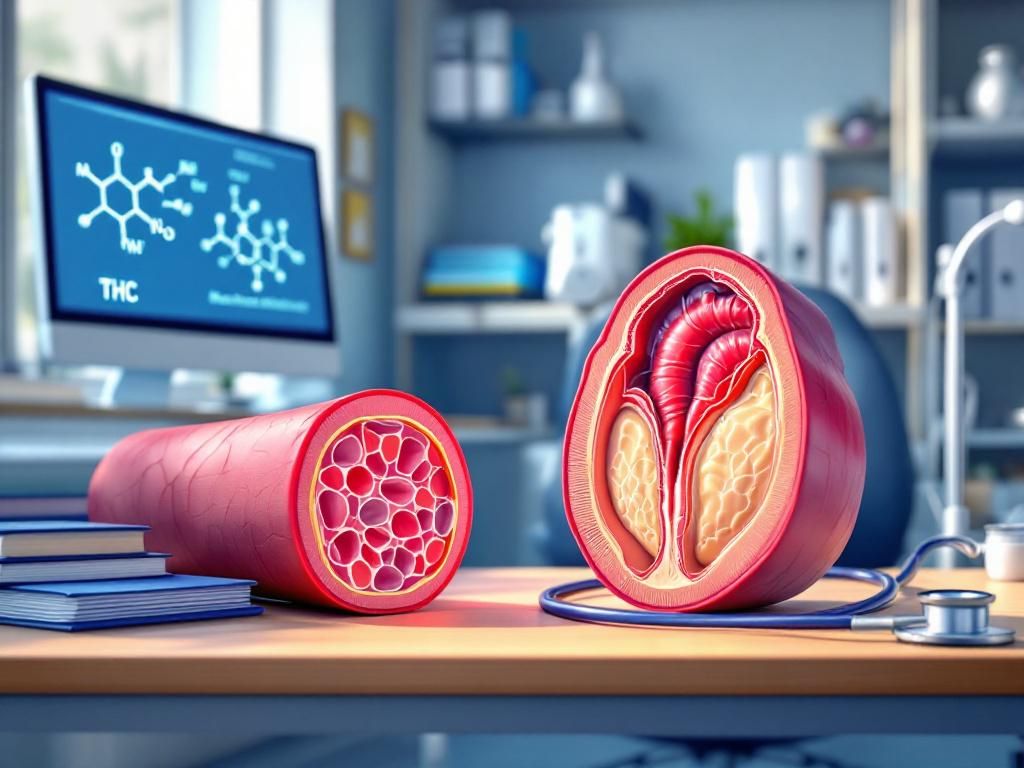
Understanding the thc cholesterol impact requires examining the substantial body of evidence linking regular THC use to cardiovascular complications. THC, the primary psychoactive compound in cannabis, affects your cardiovascular system through several concerning mechanisms that researchers have identified through epidemiological studies and clinical observations.
When you consume THC-rich products, particularly through smoking, your heart rate can increase significantly while blood vessels temporarily constrict. This combination reduces blood flow to your heart muscle, potentially triggering chest pain or more serious cardiac events, especially if you have existing heart conditions. The American College of Cardiology reported that daily marijuana users show a 33% increased likelihood of developing coronary artery disease compared to non-users.
Cannabis Use and Cardiovascular Risk Comparison
| Usage Pattern | Risk Increase | Specific Conditions | Source |
|---|---|---|---|
| Daily use | 33% higher odds | Coronary artery disease | American College of Cardiology |
| Regular smoking | 3-5x higher risk | Heart attack, stroke | Multiple epidemiological studies |
| Occasional use | Variable | Temporary effects | Clinical observations |
Chronic THC exposure appears to promote inflammation in your arterial walls, contributing to the formation and progression of atherosclerotic plaques. These inflammatory processes can worsen your lipid profile by increasing harmful LDL cholesterol while potentially reducing protective HDL levels. The relationship between frequent cannabis use and cardiovascular risk appears dose-dependent, meaning heavier usage correlates with greater health risks.
Research has consistently shown that regular cannabis smokers face elevated risks of heart attack and stroke, with some studies indicating the risk may be three to five times higher than non-users. The combustion products from smoking marijuana introduce additional cardiovascular stressors beyond the effects of THC itself.
Even occasional THC use can trigger temporary cardiovascular changes that may be dangerous for people with underlying heart conditions. The unpredictable nature of these effects, combined with THC’s ability to impair judgment about physical symptoms, creates additional safety concerns that medical professionals consider when advising patients about cannabis use.
“We’re seeing concerning patterns in our emergency departments – young adults presenting with cardiovascular events who are regular cannabis users. The dose-response relationship is becoming clearer with each study.” – Dr. Page et al., American Heart Association research
CBD’s Role in Cholesterol and Heart Health

The research landscape surrounding cbd cholesterol effects presents a much more optimistic picture compared to THC, with early studies suggesting potential cardiovascular benefits rather than risks. CBD’s non-psychoactive nature allows researchers to study its effects more comprehensively, and the preliminary findings indicate promising applications for heart health and cholesterol management.
Animal studies examining cbd oil cholesterol levels have demonstrated CBD’s ability to improve lipid profiles through multiple mechanisms. Research shows CBD may reduce total cholesterol levels while favourably altering the ratio between harmful LDL and protective HDL cholesterol. Some studies report LDL reductions of up to 25% alongside HDL increases of approximately 10%, though these findings require validation in human populations.
The anti-inflammatory properties of CBD appear central to its potential cardiovascular benefits. By reducing chronic inflammation, CBD may help prevent the arterial damage that leads to atherosclerosis and cholesterol plaque formation. Additionally, CBD’s antioxidant effects may protect your blood vessels from oxidative stress, another key contributor to cardiovascular disease development.
Research into cbd cardiovascular health has also explored CBD’s potential to influence fat metabolism and energy balance. Some studies suggest CBD may promote the conversion of white adipose tissue to metabolically active brown fat, which could improve your body’s ability to process fats and regulate cholesterol levels naturally.
However, it’s essential to approach these promising findings with appropriate caution. Most current research relies on animal models or small-scale human studies with limited follow-up periods. The optimal dosing, long-term safety profile, and individual variability in response to CBD treatment require more extensive clinical investigation before definitive recommendations can be made for cholesterol management.
“While CBD shows promise in preclinical models for cardiovascular health, we must be cautious about translating animal studies to human applications without proper clinical trials.” – Dr. Robert Groves, cardiovascular pharmacologist
Navigating Cannabis Use and Cholesterol Management

Managing your approach to cannabis while prioritising heart health requires careful consideration of product quality, consumption methods, and potential drug interactions. For those seeking premium cannabis products, BudBuddies offers high-quality options including carefully curated cannabis flowers, discreet edibles, and THC vapes that provide alternatives to smoking. Their commitment to consistent quality and freshness ensures you know exactly what you’re consuming, which becomes particularly important when considering health implications.
The interaction between CBD and cholesterol medications represents one of the most significant safety concerns for consumers managing heart health. CBD can inhibit CYP450 enzymes in your liver, which are responsible for metabolising many medications including statins. This interaction can slow down how quickly your body processes these medications, potentially leading to elevated drug levels and increased risk of side effects such as muscle pain, fatigue, or liver problems. If you’re taking cholesterol-lowering medications, discussing any cannabis use with your healthcare provider becomes absolutely essential.
If you’re taking cholesterol-lowering medications, discussing any cannabis use with your healthcare provider becomes absolutely essential. Your doctor may need to monitor your blood levels more frequently or adjust medication dosages to account for potential interactions. This medical supervision ensures your safety while allowing for informed decisions about cannabis use.
When selecting cannabis products, consider the following safety considerations: You can also check our guide on how to buy weed online.
- Discuss cannabis use with healthcare providers
- Monitor for drug interactions
- Start with lower doses
- Choose quality products from reputable sources
- Consider consumption methods that minimise combustion
When selecting cannabis products, consider consumption methods that minimise additional health risks. While BudBuddies provides premium cannabis flowers for those who prefer traditional methods, their edible options and vaping products may offer reduced exposure to harmful combustion byproducts. The company’s discreet packaging and privacy-focused approach, combined with reliable UK-wide delivery including next-day options, makes accessing quality products convenient while maintaining your personal privacy.
Remember that even with high-quality products from trusted sources like BudBuddies, individual responses to cannabis can vary significantly. Starting with lower doses and monitoring your body’s response, while maintaining open communication with healthcare providers, represents the most responsible approach to incorporating cannabis into your wellness routine.
Conclusion
The relationship between cannabis and cholesterol remains an active area of scientific investigation with important implications for your health decisions. Current evidence suggests that while heavy THC use may increase cardiovascular risks and negatively impact cholesterol levels, CBD shows preliminary promise for supporting heart health through anti-inflammatory and lipid-regulating effects. However, the research remains largely in early stages, particularly regarding human clinical applications and long-term outcomes.
The potential for significant drug interactions, especially with cholesterol medications, reinforces the critical importance of medical consultation before incorporating any cannabis products into your health routine. As our understanding of cannabis cardiovascular research continues to develop, staying informed about new findings while working closely with healthcare providers will help you make the safest and most effective decisions for your individual health needs and cardiovascular wellness.
FAQs
Q1: Can cannabis directly lower my cholesterol?
Current research suggests that CBD may help improve lipid profiles through anti-inflammatory and metabolic effects, with some animal studies showing promising results for cholesterol reduction. However, these findings are preliminary and require validation through extensive human clinical trials. THC use, particularly when frequent or heavy, appears more likely to negatively impact cardiovascular health rather than provide cholesterol benefits.
Q2: Are there risks to using cannabis if I have high cholesterol?
Yes, regular or heavy use of THC-rich cannabis has been associated with increased risks of coronary artery disease, heart attack, and stroke, regardless of your baseline cholesterol levels. Daily users face approximately 33% higher odds of developing coronary artery disease. If you have high cholesterol or other cardiovascular concerns, discussing your cannabis use with your doctor is essential for proper risk assessment and monitoring.
Q3: Can CBD interact with my cholesterol medication?
CBD can significantly interact with cholesterol medications like statins by inhibiting liver enzymes that metabolise these drugs. This interaction can lead to elevated medication levels in your bloodstream and increased risk of side effects including muscle pain, fatigue, and liver complications. Always consult your healthcare provider before combining CBD with any prescribed medications, as dosage adjustments or additional monitoring may be necessary, especially for CBD oil UK strength.


