


Cannabis for Fibromyalgia Pain: What Research Says
Introduction to Fibromyalgia and Conventional Treatments
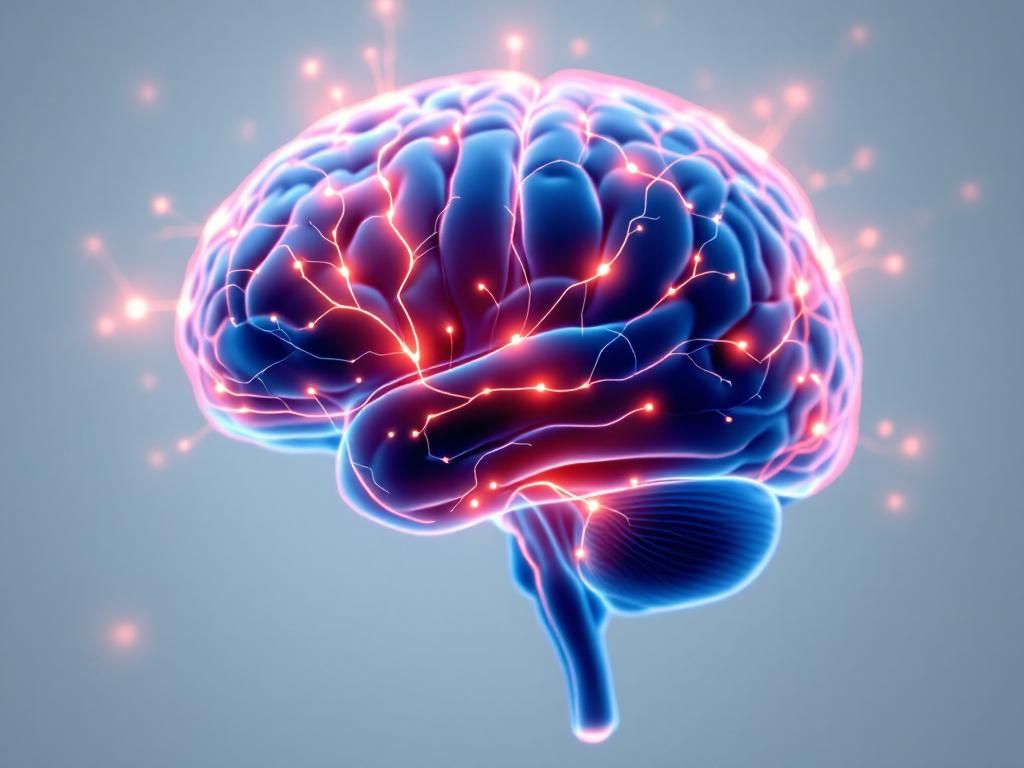
Fibromyalgia stands as one of the most challenging chronic pain conditions you might face, affecting every aspect of daily life through: many sufferers are exploring options like THC for fibromyalgia pain and cannabis for fibromyalgia pain to alleviate discomfort.
i>Widespread musculoskeletal pain
Between 1.2 million and 2.8 million people across the United Kingdom live with this condition, with women experiencing it seven to nine times more frequently than men. The pain extends far beyond simple discomfort, often making ordinary activities feel overwhelming.
Medical researchers continue investigating the exact mechanisms behind fibromyalgia, though current understanding points to abnormal pain processing within the central nervous system. Genetic predisposition appears to play a role, while physical trauma, emotional stress, or infections can trigger the condition’s onset. Some experts suggest that fibromyalgia patients experience amplified pain signals, where normal sensations register as painful experiences throughout the body.
Have you tried multiple treatments without finding lasting relief?
Conventional fibromyalgia treatment options focus primarily on symptom management rather than addressing underlying causes. Your healthcare provider might recommend lifestyle modifications, gentle exercise programmes, or psychological support through Cognitive Behavioural Therapy. Pharmaceutical approaches typically involve antidepressants like duloxetine or amitriptyline to improve mood and sleep patterns, alongside anti-seizure medications such as pregabalin that can reduce nerve pain signals. Many patients also receive recommendations for pain relievers, muscle relaxants, or sleep aids.
Despite these established fibromyalgia treatment approaches, countless individuals report inadequate symptom relief and concerning side effects. Traditional medications often cause drowsiness, weight gain, digestive problems, or dependency risks that can significantly impact quality of life. This reality drives many people to explore alternative fibromyalgia treatments and natural remedies, with growing interest in cannabis for fibromyalgia pain as a potentially safer, more effective option for comprehensive symptom management.
Key Takeaways
Fibromyalgia affects millions across the UK, predominantly women, causing chronic widespread pain, fatigue, and cognitive challenges that conventional treatments often fail to adequately address. Limited effectiveness and significant side effects from traditional medications have sparked considerable interest in alternative approaches like cannabis for fibromyalgia pain relief.
The Endocannabinoid System and How Cannabis Interacts

Understanding how cannabis might help with fibromyalgia pain requires exploring your body’s endocannabinoid system, a sophisticated regulatory network that maintains balance across numerous physiological functions. The ECS operates through three primary components that work together to influence pain perception, immune responses, sleep patterns, mood regulation, and digestive processes. Endocannabinoids like anandamide and 2-AG act as natural signalling molecules, while CB1 receptors concentrated in the brain and nervous system and CB2 receptors found throughout immune tissues and peripheral organs receive these signals. Specialized enzymes then break down endocannabinoids once their work is complete, maintaining system balance.
“The endocannabinoid system represents one of the most important physiologic systems involved in establishing and maintaining human health.” – Dr. Bradley Alger, Professor of Physiology, University of Maryland School of Medicine
Cannabis plants produce compounds called phytocannabinoids that can interact with your ECS in remarkable ways. THC for pain relief works primarily by binding to CB1 receptors in your brain and spinal cord, potentially altering pain signal processing while producing mild psychoactive effects that some find therapeutic and others prefer to minimize. CBD for chronic pain takes a different approach, influencing your ECS indirectly by inhibiting FAAH enzymes that normally break down your natural endocannabinoids like anandamide. This process effectively increases your body’s own cannabinoid levels, potentially providing pain relief without psychoactivity.
Does your current pain management approach address both physical and emotional symptoms?
Beyond these primary cannabinoids, cannabis contains aromatic compounds called terpenes that contribute unique therapeutic properties. Linalool, commonly found in lavender, may reduce anxiety and promote relaxation, while geraniol shows promise for neuropathic pain relief. Myrcene can enhance muscle relaxation, and beta-caryophyllene actually binds directly to CB2 receptors, providing anti-inflammatory effects that might be particularly beneficial for fibromyalgia patients experiencing systemic inflammation.
The interaction between cannabinoids, terpenes, and other cannabis compounds creates what researchers call the “entourage effect.” This synergistic relationship suggests that whole-plant cannabis preparations might provide superior therapeutic benefits compared to isolated compounds. For fibromyalgia patients dealing with complex, multi-system symptoms, this comprehensive approach could address pain, sleep disturbances, mood issues, and inflammation simultaneously through various pathways within your ECS.
What the Research Says About Cannabis for Fibromyalgia Pain

Research investigating cannabis for fibromyalgia pain continues expanding, with multiple studies and patient surveys providing encouraging evidence for its therapeutic potential. A 2019 observational study published in the Journal of Clinical Medicine followed fibromyalgia patients using medical cannabis over six months, concluding it represents “a safe and effective alternative for the treatment of fibromyalgia symptoms.” Participants experienced significant improvements in pain intensity, sleep quality, and overall quality of life measures, with many reducing their reliance on conventional medications.
“Medical cannabis represents a safe and effective alternative for the treatment of fibromyalgia symptoms.” – Dr. Giris Jacob, lead author, Journal of Clinical Medicine study
More recent systematic reviews have strengthened the evidence base considerably. A comprehensive 2024 analysis examining 14 clinical studies and five review papers found that cannabis-based products consistently reduced pain, fatigue, and depression in fibromyalgia patients while maintaining acceptable safety profiles. The research specifically noted improvements in sleep disorders, anxiety levels, and functional capacity that often accompany fibromyalgia pain relief.
Medical marijuana fibromyalgia research has also examined its potential for reducing opioid dependence, a critical consideration given the addiction risks and side effects associated with prescription painkillers. Data from the UK Medical Cannabis Registry demonstrated statistically significant reductions in opioid use among fibromyalgia patients prescribed medical cannabis, suggesting it might serve as an effective opioid-sparing therapy. Patients reported maintained or improved pain control while reducing their reliance on potentially harmful pharmaceutical interventions.
Patient-reported outcomes provide compelling real-world evidence supporting these clinical findings. A survey involving 1,336 fibromyalgia patients in Rochester, Minnesota, revealed that nearly half were using cannabis for symptom management, with 98.9% reporting beneficial effects on pain symptoms. The same study found significant improvements in fatigue (96% of users), anxiety and depression (94%), and insomnia (94%).
“The consistently high satisfaction rates we’re seeing with cannabis use among fibromyalgia patients suggests this treatment addresses the condition’s complex presentation more comprehensively than traditional medications.” – Dr. Mary-Ann Fitzcharles, Rheumatologist, McGill University
| Symptom | Percentage Reporting Improvement |
|---|---|
| Pain symptoms | 98.9% |
| Fatigue | 96% |
| Anxiety and depression | 94% |
| Insomnia | 94% |
These consistently high satisfaction rates across diverse symptoms suggest cannabis might address fibromyalgia’s complex presentation more comprehensively than traditional single-target medications.
Could reducing opioid dependence improve your long-term health outcomes?
However, cannabis research fibromyalgia studies acknowledge certain limitations that researchers are working to address. A 2023 systematic review noted “low-quality evidence supporting short-term pain reduction” while still concluding that medical cannabis appears to be a “safe alternative for treating fibromyalgia.” The methodological challenges include variations in cannabis products, dosing protocols, study duration, and outcome measures across different research projects. Despite these limitations, the consistent pattern of symptom improvement and enhanced quality of life reported by patients and documented in multiple fibromyalgia cannabis studies continues building confidence in cannabis as a viable fibromyalgia treatment option.
Practical Considerations for Accessing Cannabis in the UK

Accessing cannabis for fibromyalgia pain relief in the United Kingdom follows specific regulatory pathways established since medical cannabis became legally available in November 2018. Specialist doctors registered with the General Medical Council can prescribe cannabis-based medicines for chronic pain conditions including fibromyalgia, though this typically occurs through private healthcare channels rather than NHS services. The process requires demonstrating that conventional treatments have provided insufficient relief, ensuring cannabis represents an appropriate therapeutic step for your specific circumstances.
Private cannabis clinics across the UK offer specialized consultations with doctors experienced in medical cannabis prescribing for chronic pain conditions. These healthcare providers understand fibromyalgia’s complex symptom profile and can assess whether cannabis might complement or replace elements of your current treatment regimen. Many reputable clinics provide online eligibility assessments and virtual consultations, making the initial evaluation process more accessible for patients dealing with mobility limitations or transport difficulties.
When considering fibromyalgia cannabis treatment options, product quality and reliable access become essential factors for consistent symptom management. Premium suppliers like BudBuddies understand that chronic pain patients require dependable, high-quality cannabis products delivered with complete discretion and reliability. Their commitment to premium cannabis flowers, edibles, and THC vapes ensures you receive consistent therapeutic compounds, while their guaranteed discreet packaging and next day CBD delivery UK options mean your treatment remains uninterrupted and private.
Eligibility and Prescription Process
Medical cannabis eligibility for fibromyalgia typically requires confirmed diagnosis from a qualified healthcare provider and documented evidence that at least two conventional treatment approaches have failed to provide adequate symptom relief. Your specialist consultation will involve comprehensive review of your medical history, current symptoms, previous treatments, and their effectiveness or limitations. Because NHS prescriptions remain extremely rare for fibromyalgia, private clinics represent the primary access route for most patients.
Specialist doctors will evaluate your pain levels, sleep disturbances, mood symptoms, and functional limitations to determine whether cannabis might offer therapeutic benefits. Many clinics offer free online eligibility checkers that help you understand your potential qualification for medical cannabis before committing to consultation fees. The assessment process typically includes discussion of your pain management goals, lifestyle considerations, and any concerns about psychoactive effects or drug interactions with existing medications.
Once approved, your prescribing doctor will provide detailed guidance on appropriate dosing protocols, potential side effects, and how to obtain your prescribed cannabis products. Regular follow-up appointments ensure your treatment remains effective and safe, with dosage adjustments made based on your response and any side effects experienced. This ongoing medical supervision helps optimize your cannabis regimen for maximum therapeutic benefit while minimizing unwanted effects.
Choosing the Right Product and Dosing
Selecting appropriate cannabis products for fibromyalgia management involves several important considerations including cannabinoid ratios, terpene profiles, consumption methods, and individual response patterns. Many specialists recommend beginning with balanced THC CBD ratio fibromyalgia formulations that provide complementary therapeutic effects without overwhelming psychoactivity. Balanced products typically contain equal or similar amounts of THC and CBD, allowing you to benefit from both compounds’ pain-relieving properties while CBD moderates THC’s psychoactive effects.
Different cannabis strains offer varying therapeutic profiles suited to different times of day and symptom patterns. High-CBD strains like ACDC provide anti-inflammatory and pain-relieving effects with minimal psychoactivity, making them suitable for daytime use when you need to remain functional and alert. These best strains fibromyalgia often help manage chronic pain while allowing normal daily activities. Indica-dominant varieties like Northern Lights tend to produce more sedating effects that can help with sleep disturbances and evening pain management, though they might cause drowsiness if used during active hours.
Cannabis consumption methods significantly impact onset time, duration of effects, and dosing precision:
- Sublingual oils and tinctures: Rapid absorption, easy dose titration, 15-30 minutes onset, 4-6 hours duration
- Edibles: Longer-lasting effects (6-8 hours), 30-90 minutes onset, suitable for overnight pain management
- Vaporized flower or oils: Fastest onset (within minutes), shorter duration, useful for breakthrough pain
CBD oil fibromyalgia treatments through sublingual oils offer rapid absorption and easy dose titration, typically taking effect within 15-30 minutes and lasting 4-6 hours. Edibles provide longer-lasting effects (6-8 hours) but take 30-90 minutes to begin working, making them suitable for overnight pain management. Vaporized flower or oils offer the fastest onset (within minutes) but shorter duration, making them useful for breakthrough pain episodes. Cannabis dosing fibromyalgia requires patient, gradual approach starting with minimal amounts and slowly increasing until therapeutic effects are achieved, always under specialist medical guidance.
Conclusion
Fibromyalgia creates significant daily challenges through persistent pain, fatigue, and associated symptoms that conventional treatments often struggle to adequately address. Growing research into cannabis for fibromyalgia pain provides encouraging evidence for symptom improvement, including reduced pain intensity, better sleep quality, and enhanced mood stability. While additional rigorous clinical trials would strengthen the evidence base, current studies and patient experiences consistently demonstrate cannabis’s potential for improving quality of life when traditional approaches fall short.
For individuals seeking alternative fibromyalgia pain management approaches, consulting with specialist medical cannabis practitioners represents a crucial first step toward accessing this therapeutic option. Working with trusted suppliers like BudBuddies ensures consistent access to premium cannabis products delivered with complete discretion and reliability across the UK. With appropriate medical supervision and carefully titrated dosing, medical cannabis might offer the comprehensive symptom relief you’ve been seeking for better fibromyalgia management.
FAQs
Q1: Is medical cannabis legal for fibromyalgia in the UK?
Yes, medical cannabis chronic pain treatments have been legal on prescription since November 2018 for various conditions including fibromyalgia when prescribed by specialist doctors after conventional treatments have proven insufficient. Access typically occurs through private healthcare channels rather than NHS services.
Q2: Will the NHS prescribe cannabis for fibromyalgia?
NHS prescriptions for medical cannabis remain extremely rare and are typically limited to severe childhood epilepsy, chemotherapy-induced nausea, and multiple sclerosis spasticity. Most fibromyalgia patients access medical cannabis through private specialist clinics.
Q3: What are the main benefits of cannabis for fibromyalgia pain?
Research and patient surveys consistently report significant reductions in chronic pain intensity, improved sleep quality, decreased anxiety and depression, reduced fatigue, and overall enhanced quality of life. Many patients also report reduced reliance on traditional pain medications.
Q4: Are there side effects to using cannabis for fibromyalgia?
Common mild side effects include dry mouth, dizziness, and drowsiness, particularly when beginning treatment or adjusting dosages. Higher THC concentrations might cause temporary anxiety or cognitive impairment in sensitive individuals. Always discuss potential side effects and drug interactions with your prescribing specialist to ensure safe, effective treatment.


