


Purple Strains: The Allure of Colourful Cannabis
The Allure of Purple Strains: More Than Just Aesthetics
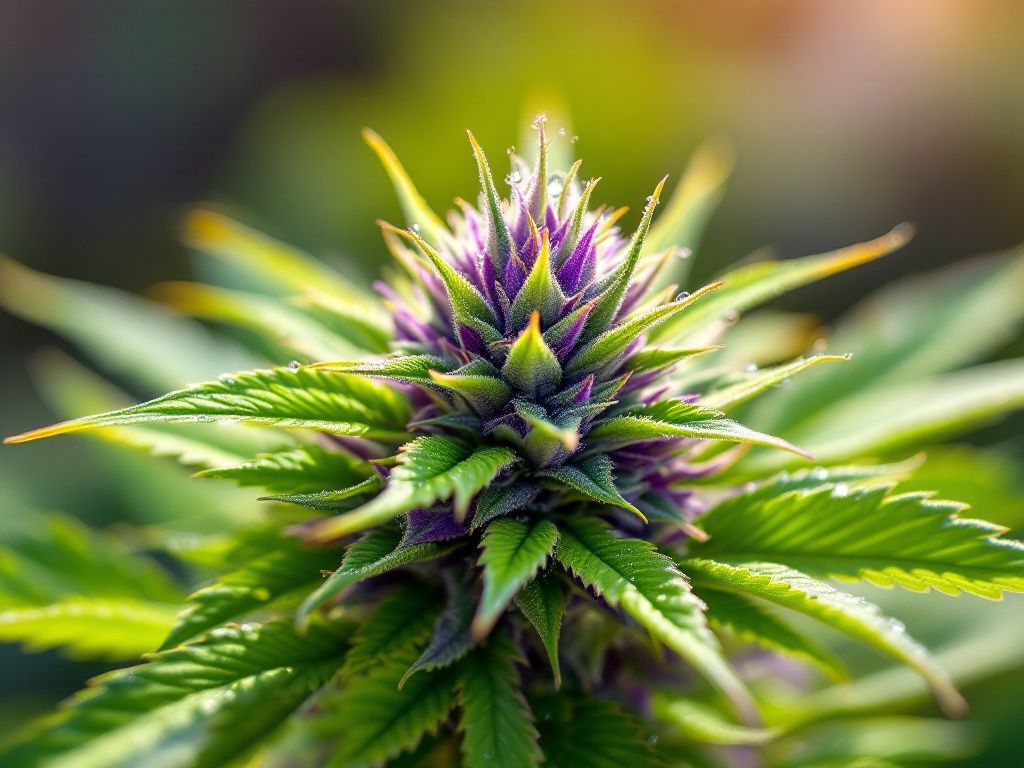
Picture walking through a cannabis garden where plants display an extraordinary range of colours. These purple strains, enhanced by anthocyanins, immediately stand out with their stunning appearance, featuring colours that include:
- Soft lavender tones
- Deep violet hues
- Near-black shades
These remarkable colours aren’t random occurrences but result from fascinating biological processes involving natural compounds called anthocyanins.
Purple cannabis varieties have deep historical roots, tracing back to landrace strains from mountainous regions like the Hindu Kush. Through generations of selective breeding, cultivators have preserved and enhanced these genetic traits. The visual appeal of purple weed strains has made them highly sought-after among collectors and cannabis enthusiasts worldwide.
But there’s more to purple strains than meets the eye. These varieties often boast distinctive flavour profiles and effects that complement their striking appearance. The purple colouration develops when anthocyanins accumulate in plant tissues while chlorophyll, the dominant green pigment, naturally breaks down during flowering.
Have you ever wondered what makes certain cannabis plants turn purple while others remain green?
The answer lies in a complex interplay between genetics and environmental factors. Purple bud genetics must be present for any colour change to occur, but the right conditions help bring out these dormant traits. Temperature fluctuations, light exposure, and pH levels all contribute to the final colour expression.
This natural transformation has become celebrated within the cannabis community. Each purple bud represents a perfect marriage of heritage genetics and skilled cultivation techniques, creating something both beautiful and functional.
What Are Anthocyanins? The Science Behind Purple Cannabis
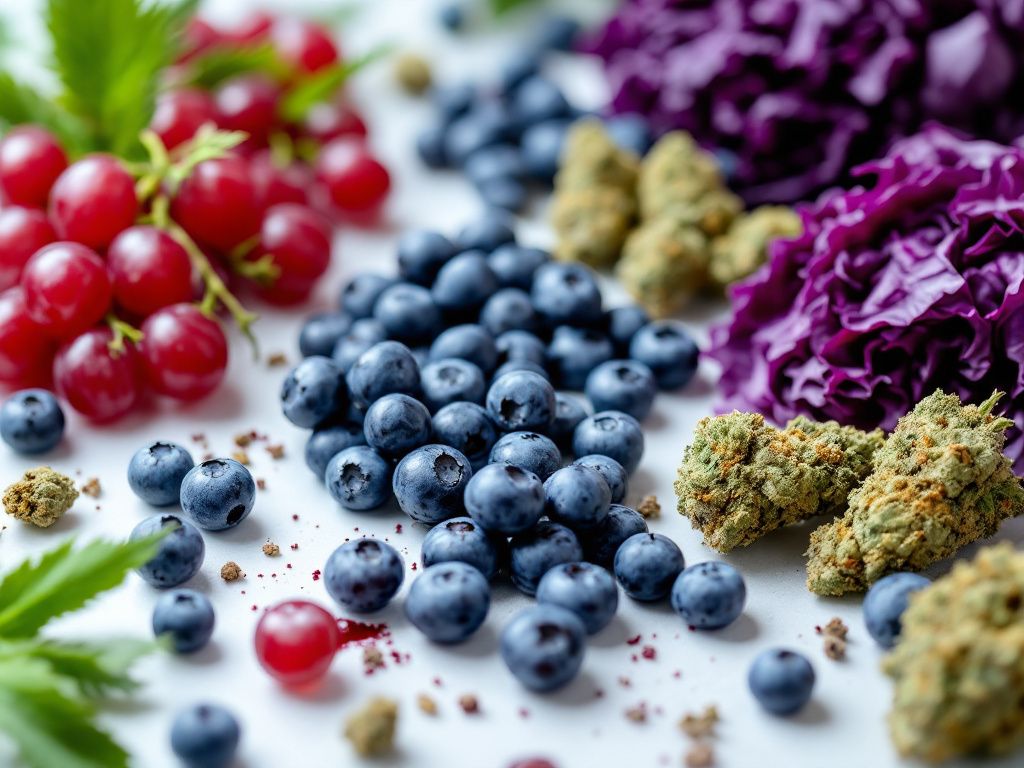
Anthocyanins belong to a group of water-soluble pigments within the flavonoid family. These compounds create the red, purple, blue, and black colours you see in various plants, including blueberries, grapes, red cabbage, and of course, cannabis. When it comes to anthocyanin cannabis varieties, these pigments become particularly visible during late flowering stages.
Anthocyanins serve several important functions:
- Act as natural protectants against environmental stress
- Absorb harmful UV radiation
- Neutralise free radicals through antioxidant properties
The colour expression of anthocyanins depends heavily on pH levels within plant tissues. More acidic conditions typically intensify red and blue-purple shades, while neutral pH environments often produce deeper, richer purple tones. This pH colour change in cannabis explains why the same genetic strain might display slightly different hues under varying growing conditions.
Light exposure also plays a crucial role in anthocyanin production. Intense, direct sunlight, particularly UV-rich light, stimulates plants to produce more of these protective pigments. This natural defence mechanism helps shield sensitive plant tissues from potential light-induced damage.
“Anthocyanins represent one of nature’s most sophisticated defence mechanisms, providing plants with both protection and visual appeal that has captivated humans for millennia.” – Dr. Ethan Russo, cannabis researcher
Understanding flavonoids in cannabis helps explain why purple strains often develop their most intense colours in the final weeks of flowering. As chlorophyll production decreases and existing green pigments break down, the accumulated anthocyanins become increasingly visible, creating the stunning purple hues that make these strains so desirable.
The Role of Genetics and Environment in Purple Colouration
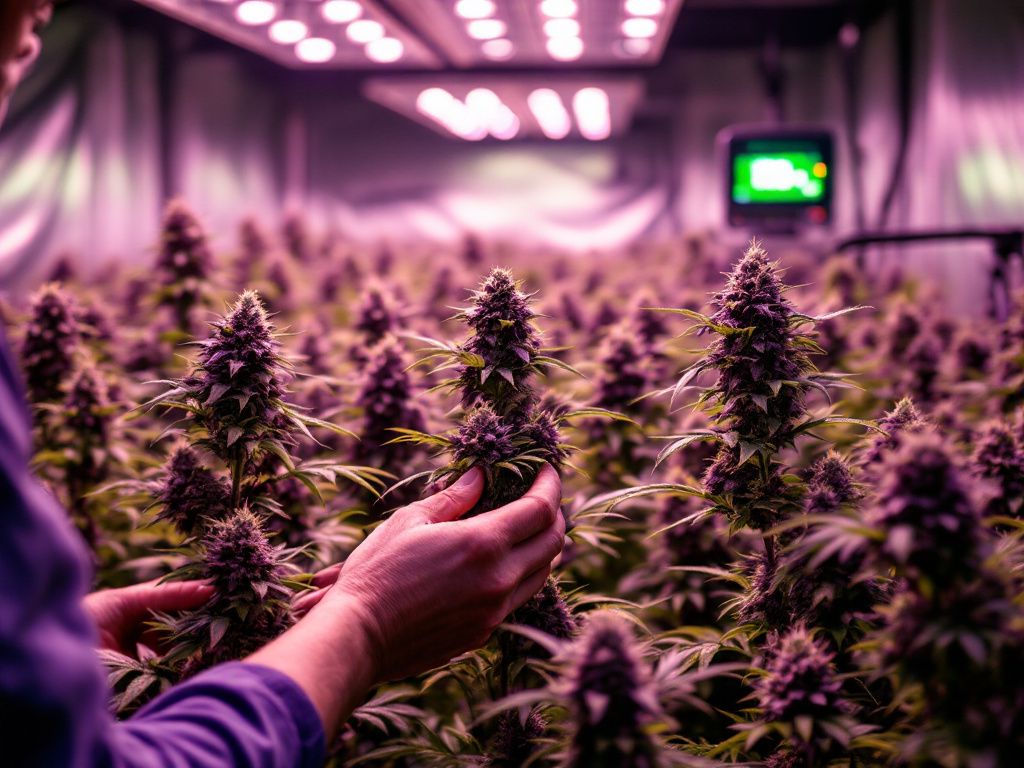
Genetics form the foundation of purple cannabis development. Only strains carrying specific genetic markers for anthocyanin production can develop purple hues, regardless of environmental manipulation. This means you cannot force just any cannabis plant to turn purple through growing techniques alone.
Purple strain genetics must be present from the beginning. Breeders carefully select parent plants known for their anthocyanin expression, ensuring these traits pass to future generations. Popular purple weed strains like Granddaddy Purple and Purple Kush have been bred specifically for their genetic predisposition to develop these striking colours.
Environmental factors act as triggers that activate dormant genetic potential. Key environmental factors for purple development:
- Temperature control (10°C to 15°C night temperatures)
- pH levels (5.5 to 6.5 for optimal colour)
- Light intensity and UV exposure
- Timing during late flowering stage
Cold night temps in cannabis cultivation create the ideal conditions for colour expression. However, this temperature manipulation must be carefully controlled. Extreme cold can stress plants and reduce overall yield and potency. The key lies in finding the sweet spot that encourages colour development without compromising plant health.
pH levels in growing media also influence final colour expression. Slightly acidic conditions, typically between pH 5.5 and 6.5, often intensify purple and red tones in developing buds. Some growers experiment with pH adjustments during late flowering to enhance colour development.
Light intensity and spectrum affect anthocyanin production as well. High-intensity lighting, particularly with UV components, can stimulate increased pigment production. Many indoor growers use specialised lighting during final weeks to encourage maximum colour expression.
“The key to developing purple cannabis isn’t forcing the plant through stress, but rather creating the ideal conditions for genetic expression to flourish naturally.” – Jorge Cervantes, cultivation expert
Does environmental stress guarantee purple colouration?
The answer is no. Drastic environmental stress or artificial additives cannot create genuine purple expression without proper genetics. Authentic purple cannabis results from controlled conditions that work with, rather than against, the plant’s natural biology.
Popular Purple Cannabis Strains and Their Characteristics
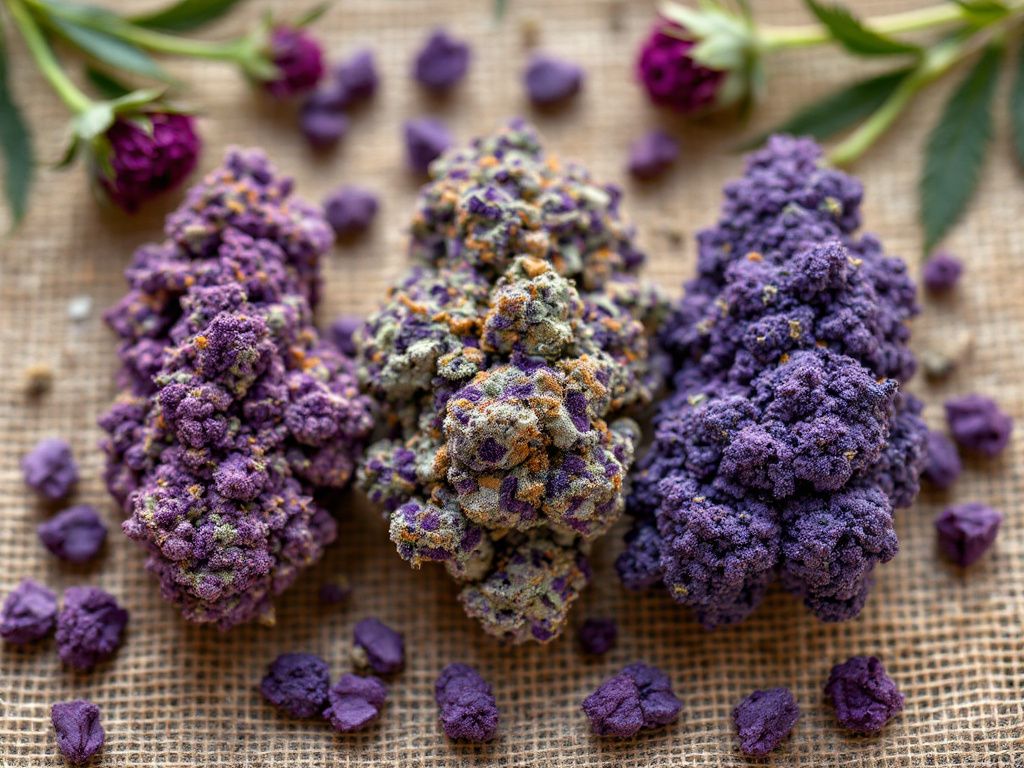
The world of purple weed strains offers remarkable diversity in appearance, flavour, and effects. Each strain brings its own unique combination of genetics, growing characteristics, and user experience to the table.
Popular purple cannabis varieties include:
- Granddaddy Purple (GDP) – Sweet, fruity aroma with relaxing effects
- Purple Kush – Earthy, herbal notes with sedating properties
- Purple Haze – Sweet, incense-like flavours with energising effects
- Purple Punch – Apple pie/berry flavours with balanced effects
- Auto Purple Kush – Convenient autoflowering variety
Granddaddy Purple (GDP) stands as perhaps the most iconic purple strain available. This indica-dominant variety produces deep royal purple buds with a sweet, fruity aroma reminiscent of fresh grapes. GDP is particularly valued for its relaxing effects, making it popular among users seeking relief from pain, stress, and sleep difficulties. Its heavy body effects and sedating properties make it ideal for evening use.
Purple Kush represents another cornerstone of purple cannabis genetics. This highly resinous, indica-dominant strain produces dense, purple-hued buds with earthy, herbal notes. Purple Kush delivers potent physical relaxation and is often chosen by medical patients dealing with chronic pain, muscle tension, and insomnia. Its effects tend to be deeply sedating, making it best suited for nighttime consumption.
Purple Haze offers a different experience entirely. While modern versions often blend sativa and indica genetics, this strain traditionally provides more energising, creative effects. Purple Haze typically features sweet, incense-like flavours and can deliver an uplifting cerebral high that enhances focus and creativity. This makes it suitable for daytime use when you need mental stimulation rather than sedation.
Purple Punch has gained popularity for its robust yields and distinctive flavour profile. This indica hybrid produces dense, purple-tinted buds with a sweet taste often described as apple pie or berry dessert. Purple Punch provides a balanced experience with both mental euphoria and physical relaxation, making it versatile for various times of day.
Autoflowering purple varieties like Auto Purple Kush offer convenience for growers who want beautiful colours without managing complex light cycles. These strains automatically transition from vegetative to flowering stage based on age rather than light schedule changes, making them ideal for beginners or those with limited growing experience.
“True purple genetics come from careful selection and breeding, not from tricks or additives. The colour should be a natural expression of the plant’s heritage.” – Ken Estes, breeder and creator of Granddaddy Purple
Remember that colour vs potency in cannabis shows no direct correlation. The visual appeal of purple strains doesn’t automatically indicate higher THC levels or stronger effects. Potency depends on the complete cannabinoid and terpene profile rather than pigmentation alone.
Understanding the UK Legal Landscape for Cannabis
Cannabis laws in the UK remain strict and clearly defined. Recreational cannabis use is illegal and classified as a Class B controlled substance. Possession, cultivation, and distribution of cannabis for recreational purposes can result in criminal charges and penalties.
Medical cannabis became legal in the UK in 2018, but access remains highly restricted. Only specialist doctors can prescribe cannabis-based medicines, and prescriptions are typically reserved for specific conditions like severe epilepsy, multiple sclerosis, or cancer-related symptoms. The process for obtaining medical cannabis prescriptions involves multiple consultations and strict medical criteria.
Key points about UK cannabis laws:
- Recreational use remains illegal
- Medical cannabis legal since 2018 with restrictions
- Cannabis seeds legal for collection/research purposes
- Growing plants without licensing is illegal
Cannabis seeds occupy a unique legal position in the UK. You can legally purchase and possess cannabis seeds for collection, research, or souvenir purposes. However, germinating these seeds or growing cannabis plants without proper licensing remains illegal. This distinction allows seed collectors and researchers to work with genetic materials while maintaining legal compliance.
Always ensure your intended use complies with current UK legislation. The legal landscape surrounding cannabis continues evolving, and staying informed about current regulations helps promote responsible engagement with cannabis-related products and information.
Bud Buddies’ Commitment to Natural Quality and Transparency
Bud Buddies stands apart in the cannabis industry through our unwavering commitment to 100% cannabis-derived products. We ensure that every item in our range preserves the natural genetic characteristics that make each strain unique, including their inherent capacity for anthocyanin production and purple colouration.
Our dedication to full ingredient transparency means you always know exactly what you’re getting. When you see purple hues in Bud Buddies products, you can trust that these colours result from natural genetic expression and proper cultivation techniques, never from artificial additives or synthetic dyes. This transparency helps dispel common misconceptions about purple cannabis while building informed appreciation for the plant’s natural diversity.
We champion vegan-friendly and sustainable practices throughout our entire production process. These ethical standards support the natural expression of cannabis genetics, including the environmental conditions that allow purple strains to develop their characteristic colours. Our sustainable approach respects both the plant’s biology and the broader ecosystem.
Bud Buddies actively works to educate the cannabis community through clear, science-based information. We believe that understanding the natural processes behind purple cannabis colouration enhances appreciation for the plant’s remarkable complexity and beauty. Our educational commitment helps consumers make informed decisions based on facts rather than myths or marketing claims.
By choosing Bud Buddies, you support a brand that values authenticity, sustainability, and scientific accuracy. We’re dedicated to preserving the natural characteristics that make each cannabis strain special while providing the transparency and quality assurance you deserve.
Conclusion
Purple cannabis strains owe their mesmerising appearance to anthocyanins, natural pigments that emerge through the perfect combination of genetics and environmental conditions. These water-soluble compounds create stunning visual displays while serving important biological functions within the plant.
Understanding the science behind purple cannabis helps appreciate the skill and knowledge required to produce these remarkable strains. From genetic selection to temperature control, every aspect of cultivation contributes to the final result. While purple strains certainly offer visual appeal, remember that their effects and potency depend on the complete cannabinoid and terpene profile rather than colour alone.
As you explore the world of purple cannabis, approach it with knowledge, respect, and awareness of legal requirements. Whether you’re drawn to the deep purples of Granddaddy Purple or the balanced effects of Purple Punch, each strain represents generations of careful breeding and cultivation expertise.
FAQs
Q: Do purple strains offer unique health benefits compared to green cannabis?
A: While anthocyanins possess antioxidant and anti-inflammatory properties found in many purple plants, the primary therapeutic benefits of cannabis come from cannabinoids like THC and CBD, along with terpenes. The purple colour indicates the presence of these flavonoids but doesn’t necessarily mean superior health benefits compared to non-purple strains with similar cannabinoid profiles.
Q: Does purple weed mean it’s more potent than regular green cannabis?
A: No, the colour of cannabis has no direct correlation with potency levels. Purple colouration results from anthocyanin expression, while potency depends on cannabinoid concentrations, particularly THC and CBD. Some purple strains are very potent, while others may have moderate THC levels. Always check lab results or strain information for accurate potency details.
Q: Can I make any cannabis plant turn purple through growing techniques?
A: Only cannabis strains with genetic predisposition for anthocyanin production can develop purple colours. You cannot force strains without purple genetics to change colour, regardless of environmental manipulation. However, strains with purple potential can have their colour expression enhanced through cooler night temperatures during flowering, typically between 10-15°C (50-60°F).
Q: Are purple cannabis strains more expensive than regular strains?
A: Purple strains often command premium prices due to their visual appeal and perceived rarity. However, price should reflect quality factors like potency, flavour, and growing difficulty rather than colour alone. Some purple strains may cost more due to lower yields or specialized growing requirements, while others are competitively priced with regular varieties.
Q: Do purple strains taste different from green cannabis?
A: Purple strains can have distinct flavour profiles, but this relates more to their specific terpene composition than their colour. Many purple varieties feature fruity, sweet, or berry-like flavours, though this varies significantly between strains. The anthocyanins responsible for purple colour don’t directly contribute to taste, but they often appear in strains bred for particular flavour characteristics.


