


Cannabis Seed Germination Problems and How to Fix
Every cannabis grower has experienced the crushing disappointment of seeds that simply refuse to sprout. You’ve invested time, money, and hope into those tiny vessels of potential, only to watch them remain stubbornly dormant. Cannabis seed germination problems can strike even experienced cultivators, turning what should be an exciting beginning into a frustrating puzzle.
The truth is, successful germination requires more than just good intentions. It demands understanding the delicate interplay of moisture, temperature, oxygen, and timing. When cannabis seeds won’t germinate, there’s always a reason – and more importantly, there’s usually a solution. Whether you’re dealing with old seeds, environmental mishaps, or technique errors, this troubleshooting guide will help you identify what’s gone wrong and how to fix it.
From seed quality issues to environmental missteps, we’ll explore the most common cannabis seed germination issues and provide practical solutions. By the end of this guide, you’ll have the knowledge to diagnose problems quickly and implement fixes that can save your precious seeds from the compost bin.
Key Takeaways
- Quality seeds from reputable sources form the foundation of successful germination, whilst proper storage in cool, dark, dry conditions can maintain viability for years
- Environmental factors including temperature, moisture levels, and water quality play crucial roles in breaking seed dormancy and encouraging healthy sprouting
- Common mistakes such as overwatering, underwatering, planting at incorrect depths, or using contaminated tools can derail even the best seeds
- Creating sterile conditions and maintaining optimal temperature and humidity ranges significantly improve germination rates
- Quick identification and correction of germination problems can often rescue seeds that initially appear to have failed
Understanding the Foundation: Seed Quality and Storage
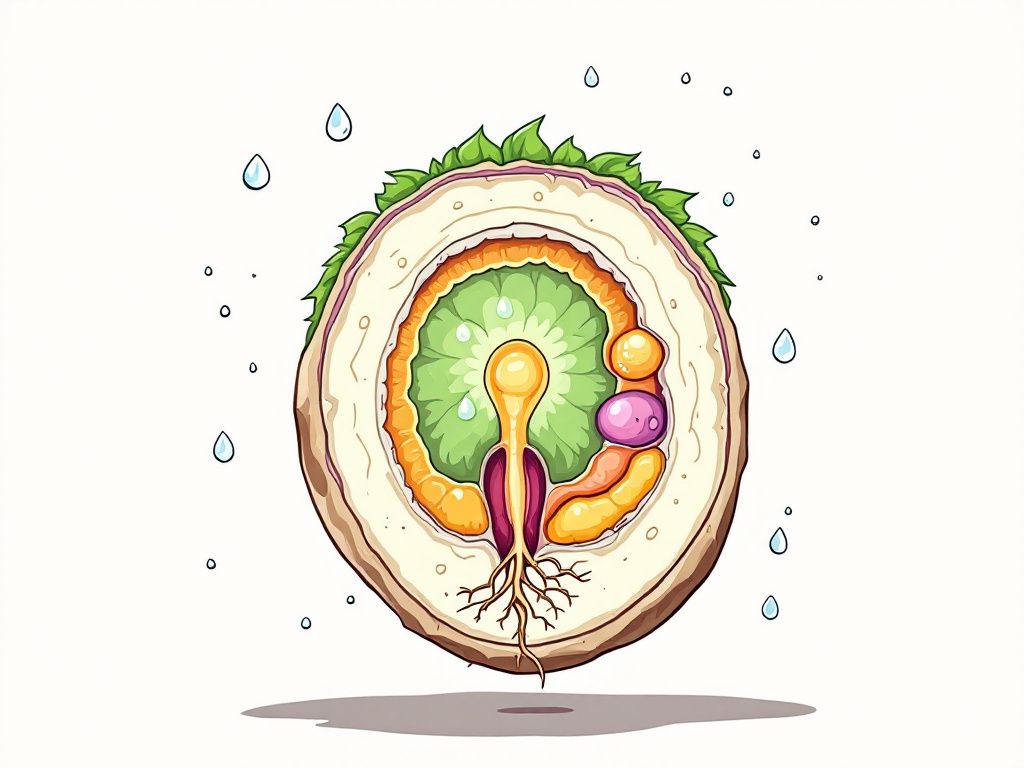
Before troubleshooting environmental factors, examine the seeds themselves. Poor-quality or improperly stored seeds account for many cannabis seed germination problems, making this your first checkpoint when investigating failure.
What Makes a Quality Seed?
High-quality cannabis seeds share several distinctive characteristics that indicate their viability. Fresh, viable seeds typically display a dark brown colouration with a glossy, waxy appearance. Many premium seeds feature distinctive “tiger stripes” – mottled patterns that suggest genetic stability and proper maturation. The surface should feel firm when gently squeezed between your fingers, with no give or soft spots that might indicate internal decay.
Avoid seeds that appear pale green, white, or grey, as these colours often signal immaturity. Similarly, cracked, chipped, or visibly damaged seeds rarely germinate successfully. Seeds that feel hollow, extremely light, or crumble under gentle pressure have likely deteriorated beyond recovery. Some genetics naturally produce harder seed coats, which can slow initial water uptake but doesn’t necessarily indicate poor quality.
Reputable seed banks and breeders conduct germination tests on their stock, often guaranteeing rates above 80%. Investing in seeds from established sources with positive reviews significantly reduces the likelihood of encountering quality-related germination failures.
Proper Storage Practices
Cannabis seeds remain living organisms in dormancy, making storage conditions critical for maintaining viability. Heat, light, and humidity are the three primary enemies of seed longevity, capable of degrading even the highest-quality genetics within months of poor storage.
Optimal storage requires:
- Cool environment between 3-8°C
- Complete darkness
- Relative humidity levels below 30%
Refrigerators provide ideal temperature control, but seeds need protection from humidity fluctuations. Place seeds in airtight containers with desiccant packs containing silica gel or food-grade calcium chloride. Small glass vials or prescription bottles work excellently for individual varieties.
Temperature stability matters more than achieving the exact ideal range. Frequent temperature swings stress dormant seeds and reduce viability faster than consistently moderate conditions. Similarly, exposure to light triggers biological processes that drain the seed’s energy reserves before germination begins.
Properly stored seeds can remain viable for several years, with some strains maintaining germination rates above 70% after five years of correct storage.
Common Environmental Causes for Germination Failure
Environmental conditions during germination attempts cause the majority of cannabis seed germination issues. Even premium seeds will fail under suboptimal conditions, making environmental control your most important tool for success.
Temperature Problems

Temperature acts as the primary trigger for breaking seed dormancy in cannabis. Seeds have evolved to respond to the warming conditions of spring, making temperature control essential for successful germination. The optimal range sits between 20-29°C, with most varieties responding best to temperatures around 22-25°C.
Cold conditions below 15°C dramatically slow metabolic processes within the seed. At these temperatures, the enzymes responsible for breaking down stored nutrients work inefficiently, extending germination times and increasing vulnerability to pathogens. Cold-tolerant moulds and bacteria thrive in these conditions whilst the seeds struggle to mount effective defences.
Excessive heat above 32°C presents different challenges for germinating seeds. High temperatures accelerate water loss through evaporation, potentially desiccating seeds before they can establish adequate root systems. Heat also denatures proteins and damages cellular structures within the developing embryo. Seeds exposed to extreme heat may appear to start germinating but quickly abort the process as internal damage becomes apparent.
Consistency matters as much as hitting the right range. Temperature fluctuations stress seeds and can trigger false starts where germination begins but halts when conditions change. A heat mat with thermostat control provides the most reliable way to maintain stable temperatures, especially in cooler environments or during seasonal transitions.
“Temperature consistency is more critical than hitting the perfect range. Seeds are remarkably adaptable, but they struggle with constant fluctuation.” – Dr. Cannabis Research Specialist
Moisture Management Mistakes
Achieving proper moisture balance represents perhaps the most challenging aspect of cannabis seed germination. Seeds require consistent access to water without being waterlogged, creating a narrow window for success that frustrates many growers.
Overwatering creates anaerobic conditions that suffocate developing roots and promote fungal infections. Waterlogged growing media lacks the oxygen needed for cellular respiration in germinating seeds. The emerging radicle (first root) requires oxygen to power its growth, but saturated conditions prevent adequate gas exchange. Fungal pathogens like Pythium and Rhizoctonia thrive in these conditions, causing “damping off” – a condition where seedlings collapse at the soil line shortly after emergence.
Underwatering presents the opposite problem but proves equally deadly. Seeds need continuous moisture to soften their outer coat and activate internal enzymes. If the growing medium dries out during the critical first 24-48 hours, the germination process halts and may not restart even when moisture returns. Young radicles are particularly vulnerable to desiccation, withering quickly when humidity drops or growing media loses moisture content.
The ideal growing medium should feel like a wrung-out sponge – moist throughout but not dripping when squeezed. Relative humidity around the seeds should stay between 70-90% to prevent surface drying whilst allowing adequate air circulation.
Water Quality and pH Issues
The water you use for germination significantly impacts success rates, yet many growers overlook this crucial factor. Tap water contains chlorine, chloramines, and dissolved minerals that can inhibit germination or harm developing seedlings.
Chlorine and chloramines disrupt cellular processes and damage beneficial microorganisms in the growing medium. These chemicals can interfere with enzyme function during the critical early stages of germination. Even low concentrations can stress seeds and extend germination times. Municipal water treatment facilities add these chemicals for human safety, but they’re unnecessary and potentially harmful for plant propagation.
Hard water with high mineral content can create pH imbalances and interfere with nutrient absorption once seeds begin developing root systems. High levels of calcium and magnesium can bind with other nutrients, making them unavailable to young plants.
pH levels between 5.5-6.5 provide optimal conditions for cannabis seed germination. This slightly acidic range allows for efficient nutrient uptake and maintains beneficial microbial activity in organic growing media. Extreme pH levels in either direction can prevent proper enzyme function and interfere with the chemical processes that drive germination.
Using filtered, distilled, or rainwater eliminates most water quality issues. If tap water is your only option, leave it in an open container for 24-48 hours to allow chlorine to evaporate naturally.
“Many growers overlook water quality, but chlorinated tap water can inhibit germination rates by up to 30% in sensitive varieties.” – Professional Cultivation Expert
Troubleshooting Physical and Method-Related Issues
Sometimes cannabis seed germination problems stem from physical handling errors or incorrect planting techniques rather than environmental factors. Recognising and correcting these methodological mistakes can often salvage germination attempts.
Planting Depth and Soil Issues
Incorrect planting depth ranks among the most common physical errors that prevent successful germination. Seeds planted too shallow dry out quickly, especially in low humidity conditions. Surface-planted seeds also face temperature fluctuations that stress the developing embryo and can trigger dormancy responses.
Planting too deep creates different problems but proves equally problematic. Seeds buried beyond 1.5cm may lack sufficient energy reserves to reach the surface before exhausting their stored nutrients. Deep planting also reduces oxygen availability, as soil compaction typically increases with depth. The emerging shoot needs to push through increasingly dense growing medium, often resulting in weak, stretched seedlings or complete germination failure.
Soil compaction compounds depth-related problems by restricting both oxygen flow and physical space for root development. Compacted growing media prevents adequate gas exchange and can physically trap emerging shoots. Heavy, clay-rich soils or over-packed containers create these restrictive conditions even at optimal planting depths.
The solution involves planting seeds at 0.5-1cm depth in loose, well-aerated growing medium. The soil should feel light and fluffy when stirred, with visible pore spaces for air and water movement. Gently firm the growing medium around the seed to maintain contact without creating compression.
Contamination and Handling Problems
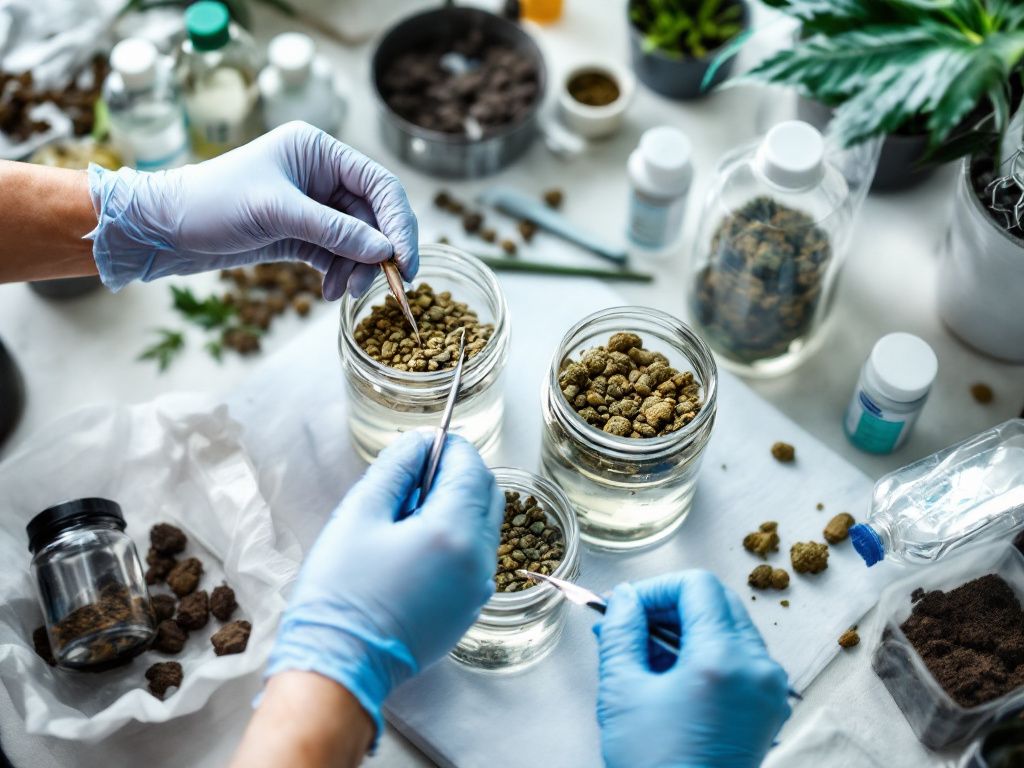
Contamination during seed handling represents a significant but often overlooked cause of germination failure. Human hands carry oils, bacteria, and fungal spores that can overwhelm a seed’s natural defences. Even clean hands transfer microorganisms that may cause problems during the vulnerable germination period.
Dirty tools and containers compound contamination risks by introducing established colonies of harmful microorganisms. Old potting soil, unwashed containers, and garden tools harbour pathogens that thrive in the warm, moist conditions ideal for germination. These contaminants can cause seed rot, damping off, or other infections that prevent successful sprouting.
Cross-contamination between different seed varieties can also create problems. Fungal spores or bacterial infections from failed germination attempts can spread to fresh seeds if proper hygiene isn’t maintained. This explains why germination problems sometimes seem to affect entire batches despite using proven techniques.
Prevention requires strict hygiene protocols throughout the germination process:
- Use disposable gloves or sterilised tweezers when handling seeds
- Clean all containers with diluted bleach solution and rinse thoroughly before use
- Choose fresh, sterile growing media rather than reusing old potting soil
These simple steps dramatically reduce contamination risks and improve germination success rates.
Nutrient Problems and “Hot” Soil
Cannabis seeds contain sufficient nutrients to fuel initial growth, making external fertilisation unnecessary and potentially harmful during germination. Seeds that encounter high nutrient concentrations often suffer chemical burns that prevent normal development.
“Hot” soils enriched with synthetic fertilisers create hostile conditions for delicate seedlings. High salt concentrations from chemical fertilisers can actually draw moisture out of developing roots through osmotic pressure. This reverse osmosis effect dehydrates seedlings even when adequate water is present in the growing medium.
Organic matter in various stages of decomposition can also create problems for germinating seeds. Fresh compost or manure generates heat during decomposition and releases ammonia compounds that can burn young roots. Even well-composted organic matter may contain excessive nutrient concentrations for newly germinating seeds.
The safest approach uses sterile, unfertilised seed-starting mix for initial germination. These products provide optimal texture and water-holding capacity without excessive nutrient loads. Coco coir mixed with perlite offers excellent drainage and aeration whilst remaining relatively inert. Once true leaves develop and root systems establish, gentle nutrient solutions can be introduced gradually.
Practical Steps to Improve Germination Rates
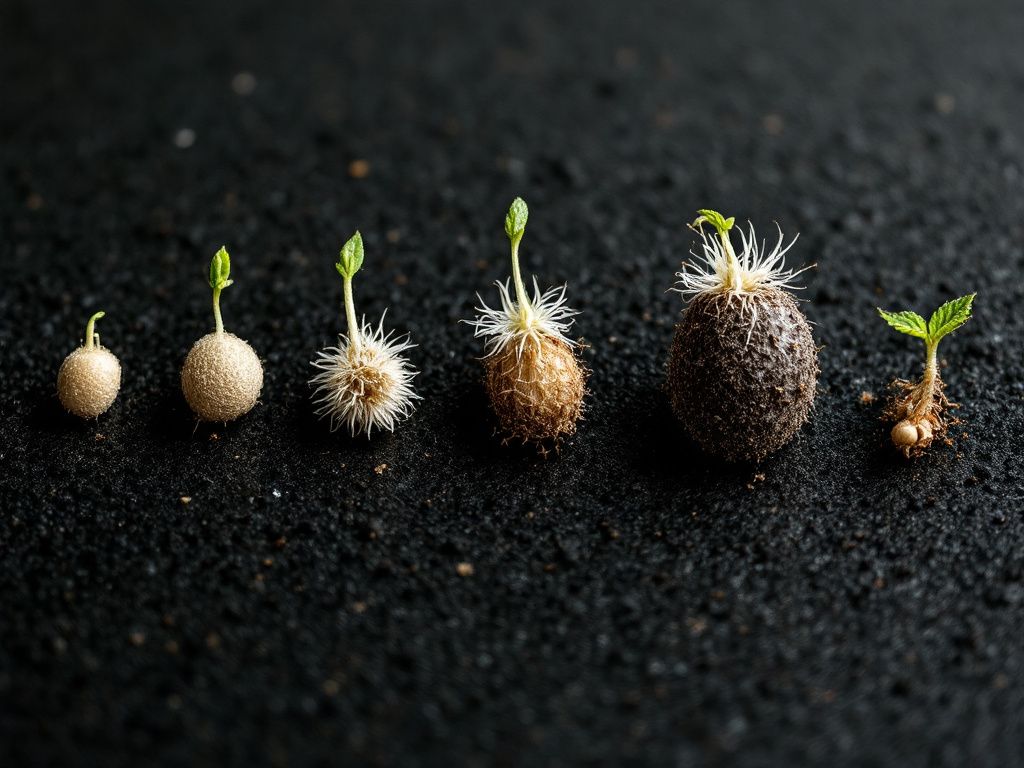
Implementing proven techniques and using appropriate equipment significantly improves cannabis seed germination success rates. These practical approaches address the most common failure points whilst creating optimal conditions for sprouting.
Selecting Germination Methods
Different germination techniques suit different situations and experience levels. Understanding the advantages and limitations of each method helps you choose the approach most likely to succeed with your specific seeds and growing conditions.
The paper towel method offers excellent control and visibility throughout the germination process. Place seeds between layers of damp kitchen towel inside a sealed plastic bag or between two plates. This technique allows you to monitor progress daily and intervene if problems develop. The controlled moisture environment prevents both overwatering and drying out. However, delicate handling is required when transferring sprouted seeds to growing medium, as the tender radicle can easily break.
Water soaking works particularly well for older seeds or varieties with notably hard seed coats. Submerge seeds in lukewarm, filtered water for 12-24 hours before transferring to your chosen growing method. This pre-soaking softens the outer shell and can “wake up” seeds that might otherwise remain dormant. Extended soaking beyond 24 hours can lead to oxygen deprivation, so timing matters with this technique.
Direct sowing involves planting seeds immediately into their final growing medium at the correct depth. This method eliminates transplant shock and handling damage but provides less control over moisture and conditions. Success depends heavily on creating optimal environmental conditions and maintaining them consistently. Direct sowing works best when you have experience managing growing medium moisture and environmental controls.
Seed starting plugs and cubes offer a middle ground between control and simplicity. These pre-formed growing media provide optimal air-to-water ratios and eliminate guesswork about planting depth. Simply place the seed in the pre-made hole and maintain appropriate moisture levels. Quality plugs maintain structure whilst allowing easy root penetration as seedlings develop.
Essential Equipment for Success
Professional-grade equipment significantly improves germination success rates by providing precise environmental control. While basic techniques can work, the right tools eliminate much of the guesswork and reduce failure rates.
- Digital thermo-hygrometer for monitoring temperature and humidity
- Humidity domes for stable microenvironments
- Heat mats with thermostat controls for consistent bottom heat
- pH testing equipment for water and medium verification
- Spray bottles with fine mist settings for gentle moisture application
A digital thermo-hygrometer provides accurate, real-time monitoring of both temperature and humidity levels. These dual-function devices help you maintain optimal conditions and identify problems before they become critical. Look for models with remote sensors that can monitor conditions inside propagation chambers or humidity domes.
Humidity domes create stable microenvironments with high relative humidity whilst allowing some air exchange. Clear plastic domes let you observe progress without disturbing conditions. Adjustable vents on quality domes allow fine-tuning of humidity levels and prevent excessive condensation that can promote fungal growth.
Heat mats with thermostat controls provide consistent bottom heat that promotes faster, more uniform germination. Unlike ambient heating, bottom heat warms the growing medium directly where seeds need it most. Thermostat controls prevent overheating and maintain steady temperatures regardless of environmental fluctuations.
pH testing equipment helps verify that your water and growing medium fall within the optimal range for germination. Digital pH metres provide more accurate readings than colour-change test strips, though either option allows you to monitor this crucial factor.
Spray bottles with fine mist settings allow gentle moisture application without disturbing seeds or creating waterlogged conditions. Look for bottles that produce an even, fine mist rather than large droplets that can displace seeds or create uneven moisture distribution.
Advanced Troubleshooting Techniques
When standard germination methods fail, several advanced techniques can rescue seemingly hopeless seeds and improve overall success rates.
Scarification Methods
Some cannabis varieties develop particularly hard seed coats that resist water uptake and delay germination. Scarification techniques carefully damage the outer shell to improve water penetration without harming the internal embryo.
Mechanical scarification involves carefully filing or sanding a small section of the seed coat with fine-grit sandpaper. Work gently on one side of the seed, removing just enough material to penetrate the outer layer without going too deep. This technique requires practice and patience, as excessive scarification can damage the seed beyond recovery.
Chemical scarification using dilute hydrogen peroxide solutions can soften hard seed coats whilst providing antibacterial benefits. Soak seeds in a 3% hydrogen peroxide solution for 10-15 minutes before proceeding with your chosen germination method. The oxygen released during decomposition also helps combat anaerobic conditions that promote fungal growth.
Temperature Manipulation
Strategic temperature changes can trigger germination in stubborn seeds by mimicking natural seasonal variations. Some genetics require temperature fluctuations to break deep dormancy and begin sprouting.
Cold stratification involves exposing seeds to cold temperatures for 24-48 hours before beginning warm germination. Place seeds in slightly damp growing medium in the refrigerator, then transfer to optimal germination temperatures. This technique simulates winter-to-spring transitions that trigger germination in many plant species.
Alternating temperatures during germination can also improve success rates. Provide warm conditions during the day (25-27°C) and cooler temperatures at night (18-20°C). This variation often triggers germination responses in seeds that remain dormant under constant temperatures.
Common Mistakes and How to Avoid Them
Learning from common errors helps prevent repeating mistakes that cause cannabis seed germination problems. These frequent missteps catch both beginners and experienced growers off guard.
Timing and Patience Issues
Impatience leads many growers to interfere with germination processes before giving seeds adequate time to respond. Cannabis seeds don’t all germinate on identical schedules, with some varieties taking up to 10 days under optimal conditions.
Premature disturbance of germinating seeds can interrupt the delicate processes occurring inside the seed coat. Constantly checking, moving, or handling seeds during germination creates stress and can damage emerging radicles. Once you’ve created optimal conditions, resist the urge to interfere for at least 3-4 days.
Temperature and moisture fluctuations during germination also create problems. Seeds that begin sprouting under ideal conditions may halt development if environmental parameters change significantly. Consistency matters more than perfection when maintaining germination conditions.
“The biggest mistake I see is growers giving up too early. Some genetics naturally take 10-14 days to germinate, and patience often rewards you with the strongest plants.” – Master Cannabis Grower
Environmental Monitoring Mistakes
Many germination failures result from inadequate monitoring of critical environmental factors. Assumptions about temperature and humidity often prove incorrect when measured with accurate instruments.
Ambient air temperature differs significantly from growing medium temperature, especially when using heat mats or other heating equipment. Seeds respond to soil temperature rather than air temperature, making direct measurement of growing medium conditions essential.
Humidity levels fluctuate throughout the day and vary dramatically between locations within the same room. Placing humidity monitors close to germinating seeds provides more accurate readings than relying on general room humidity measurements.
Creating the Ideal Germination Environment
Success with cannabis seed germination requires creating and maintaining optimal conditions throughout the entire process. This means controlling multiple environmental factors simultaneously whilst monitoring for problems.
Space Preparation
Designate a specific area for germination activities that you can control independently from other growing operations. This dedicated space allows precise environmental management without interference from other activities.
Choose locations away from high-traffic areas where accidental disturbance is less likely. Consistent environmental conditions are easier to maintain in spaces with minimal temperature fluctuations and air circulation. Closets, spare rooms, or dedicated growing tents work well for germination operations.
Ensure adequate electrical access for heating equipment, monitoring devices, and lighting if needed. Plan for easy access to water sources whilst keeping electrical components safely separated from moisture.
Long-term Success Strategies
Successful germination is just the beginning of healthy plant development. Planning for the transition from germination to seedling stage improves overall success rates and plant health.
Prepare appropriate containers and growing media for transplanting before beginning germination. Newly sprouted seeds need immediate transfer to suitable growing conditions to prevent setbacks or growth disruptions.
Have lighting systems ready to provide appropriate illumination as soon as seedlings emerge. Young cannabis plants require immediate access to light to begin photosynthesis and continue healthy development.
Conclusion
Successful cannabis seed germination requires attention to detail, proper environmental control, and patience throughout the process. Understanding why cannabis seeds won’t germinate empowers you to diagnose problems quickly and implement effective solutions. Quality seeds, optimal storage, correct environmental conditions, and proper handling techniques form the foundation for consistent germination success.
Remember that prevention proves easier than correction when dealing with germination problems. Investing in quality seeds from reputable sources, maintaining proper storage conditions, and creating optimal germination environments significantly improve your success rates. When problems do occur, systematic troubleshooting helps identify causes and implement solutions that can still save your precious genetics.
The commitment to quality and transparency that guides companies like Bud Buddies in their approach to cannabis products applies equally to seed selection and germination practices. By choosing reputable sources and following proven techniques, you set the foundation for a successful cultivation journey that produces the high-quality results you’re seeking.
FAQs
How Long Should I Wait Before Assuming Seeds Won’t Germinate?
Most viable cannabis seeds will show signs of germination within 3-7 days under optimal conditions. However, some older seeds or certain genetics may take up to 10-14 days to sprout. Wait at least two weeks before considering seeds non-viable, as late sprouters can still produce healthy plants.
Should Cannabis Seeds Be Kept in Darkness or Light During Germination?
Cannabis seeds germinate better in complete darkness. Light can actually inhibit germination in some varieties and isn’t needed until after the seedling emerges from the growing medium. Once the first leaves appear, provide appropriate lighting to begin photosynthesis.
Is It Normal for Cannabis Seeds to Float in Water?
Fresh, viable seeds typically sink in water within 24 hours. Seeds that continue floating after this period may have low viability, though this isn’t always definitive. Some seeds with air pockets can still germinate successfully even if they float initially.
What Causes Seeds to Start Germinating but Then Stop Growing?
Interrupted germination usually results from environmental changes, contamination, or inadequate conditions. Temperature fluctuations, moisture problems, or fungal infections commonly cause seeds to begin sprouting but fail to complete the process. Maintaining consistent conditions throughout germination prevents most of these issues.
Can Old Cannabis Seeds Still Germinate Successfully?
Properly stored seeds can remain viable for several years, though germination rates typically decline over time. Older seeds may require longer germination periods and benefit from scarification or pre-soaking techniques. Seeds stored in poor conditions may lose viability within months, regardless of age.


