


CBD Oil vs Hemp Oil Hemp Seed: Which Is Better?
Introduction: Navigating the World of Cannabis Oils
You might find yourself puzzled when shopping for cannabis-derived products, especially when encountering terms like hemp oil, hemp seed oil, and CBD oil. Understanding hemp seed oil vs CBD oil benefits can help clarify this confusion. This confusion isn’t surprising, considering these labels are often used interchangeably despite representing vastly different products with distinct properties and applications.
Each oil comes from the Cannabis sativa plant, yet their extraction methods, chemical compositions, and therapeutic potential vary significantly. Hemp seed oil delivers exceptional nutritional benefits through its rich fatty acid profile, while CBD oil interacts directly with your body’s endocannabinoid system to provide therapeutic relief. Understanding these hemp seed oil vs CBD oil benefits becomes essential when selecting products that match your specific wellness goals.
The market often lacks transparency, with some brands misleading consumers through ambiguous labelling practices. However, reputable companies like Bud Buddies prioritise full ingredient transparency, offering 100% cannabis-derived products that clearly distinguish between nutritional hemp seed oil and therapeutic CBD formulations. This commitment to clarity helps you make informed decisions based on accurate product information.
Throughout this comprehensive guide, you’ll discover the science behind each oil’s unique properties, explore their diverse applications, and learn about potential side effects. Whether you’re exploring natural wellness options, managing specific health concerns, or simply seeking nutritional support, this comparison will equip you with the knowledge needed to choose confidently.
Key Takeaways
- Hemp seed oil serves as a nutritional powerhouse packed with essential fatty acids, vitamins, and minerals that support overall health and skin vitality. This cold-pressed oil contains an optimal omega-3 to omega-6 ratio that promotes cardiovascular health, reduces inflammation, and nourishes your skin without clogging pores. You’ll find it particularly beneficial as a dietary supplement and topical treatment for various skin conditions.
- CBD oil contains active cannabinoids that work with your endocannabinoid system to address pain, anxiety, sleep disturbances, and inflammation. The therapeutic compounds in CBD oil, particularly cannabidiol, offer potential relief for chronic conditions while supporting your body’s natural balance. Unlike hemp seed oil, CBD products undergo complex extraction processes to concentrate these beneficial cannabinoids.
- Both oils originate from the same plant species but serve completely different purposes in your wellness routine. Hemp seed oil focuses on nutritional support and skin health, while CBD oil targets specific therapeutic outcomes through cannabinoid interaction. Recognising these differences between hemp seed oil and CBD oil helps you select the right product for your individual needs.
- Product quality varies significantly across the market, making third-party lab testing and transparent labelling crucial factors in your selection process. Always verify CBD content through certificates of analysis, especially when comparing hemp seed oil vs CBD oil for pain management or other therapeutic applications. Trusted brands provide clear documentation of their product’s cannabinoid profile and purity standards.
Understanding the Fundamentals: Hemp Seed Oil
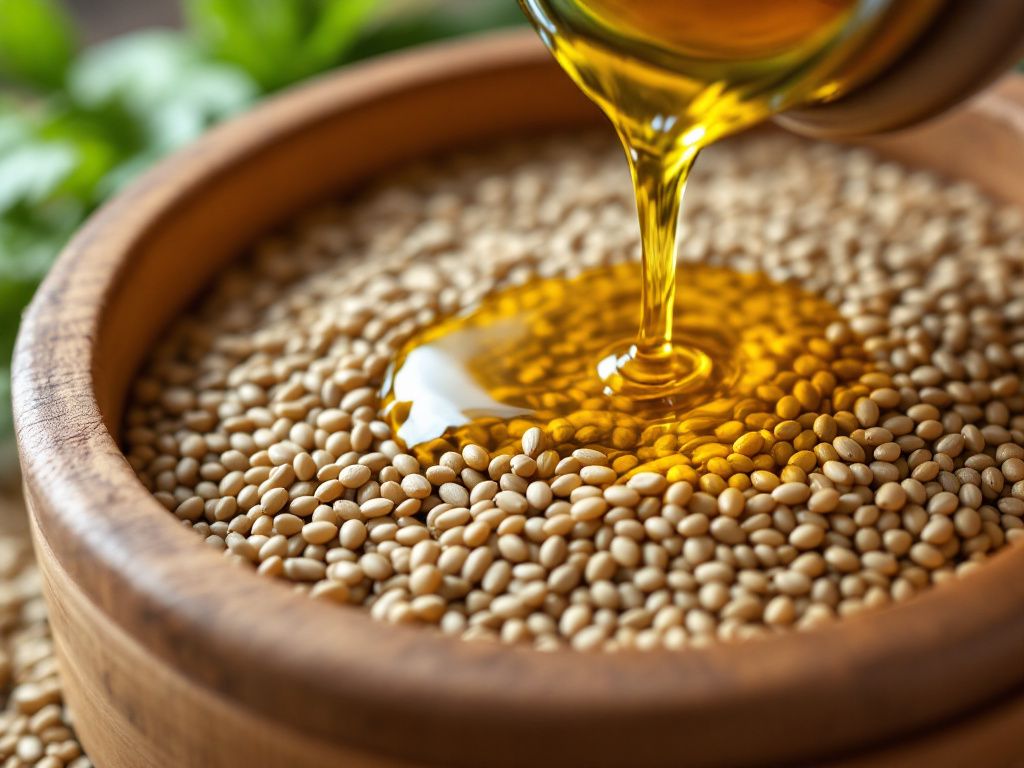
Hemp seed oil comes from the seeds of industrial hemp plants through a gentle cold-pressing process that preserves its natural nutritional integrity. This extraction method resembles how other nutritious oils like avocado or olive oil are produced, maintaining the delicate balance of beneficial compounds without using heat or chemicals.
The seeds contain no significant amounts of cannabinoids, making hemp seed oil purely a nutritional product rather than a therapeutic one. You’ll receive all the wellness benefits of essential fatty acids, vitamins, and minerals without any psychoactive or cannabinoid effects.
What makes hemp seed oil particularly valuable is its sustainable production and versatility across multiple applications. From culinary uses to skincare routines, this oil adapts to various wellness needs while providing consistent nutritional support.
Composition and Nutritional Profile
Hemp seed oil nutrition facts reveal an impressive array of beneficial compounds that support various bodily functions. The oil contains an almost perfect 3:1 ratio of omega-6 to omega-3 fatty acids, which nutritionists consider optimal for human health. This balance includes linoleic acid (omega-6), alpha-linolenic acid (omega-3), and the rare gamma-linolenic acid (GLA), which supports hormone production and reduces inflammation.
“Hemp seed oil provides one of nature’s most perfectly balanced sources of omega fatty acids. The 3:1 omega-6 to omega-3 ratio closely matches what nutritional science suggests is optimal for human health.” – Dr. Michael Murray, naturopathic physician and author of “The Encyclopedia of Natural Medicine”
Beyond fatty acids, hemp seed oil provides substantial amounts of vitamin E, a powerful antioxidant that protects cells from oxidative stress and supports immune function. The mineral content includes potassium for heart health, magnesium for muscle and nerve function, calcium for bone strength, zinc for immune support, and iron for oxygen transport throughout your body.
According to nutritional research published in the Journal of Agricultural and Food Chemistry, hemp seeds contain all twenty amino acids, including the nine essential amino acids your body cannot produce independently. This makes hemp seed oil a complete protein source when consumed regularly, supporting muscle maintenance and recovery.
The absence of cannabinoids in hemp seed oil means you receive pure nutritional benefits without any therapeutic cannabinoid effects. This distinction becomes important when comparing omega 3 hemp oil skin benefits versus CBD oil’s therapeutic applications for skin conditions.
Benefits and Uses of Hemp Seed Oil
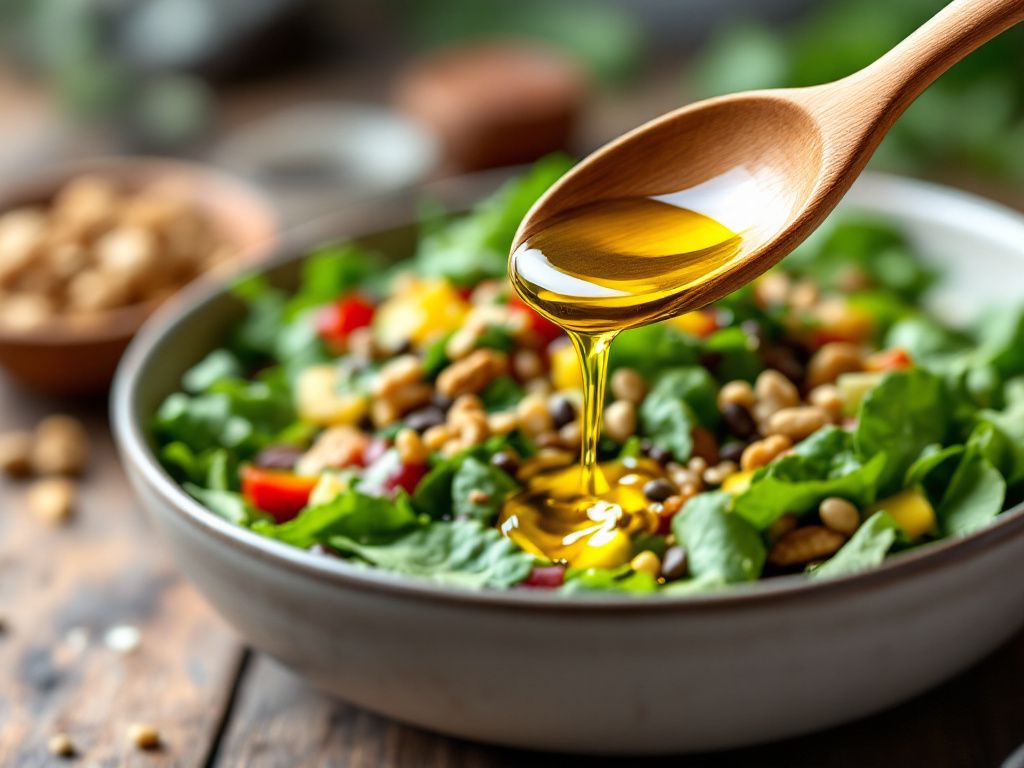
Hemp seed oil benefits extend far beyond basic nutrition, offering versatile applications for both internal and external use. When consumed as a dietary supplement, the essential fatty acids support brain function, cardiovascular health, and natural inflammation reduction throughout your body. Many users incorporate hemp seed oil into their daily routine to maintain optimal omega fatty acid levels without relying on fish-based supplements.
The cardiovascular benefits of hemp seed oil stem from its ability to support healthy cholesterol levels and promote proper blood flow. Research indicates that regular consumption of hemp seed oil may help maintain normal blood pressure and support overall heart health through its anti-inflammatory properties.
Hemp seed oil for skin applications has gained significant popularity due to its non-comedogenic properties and ability to balance oil production. The oil absorbs quickly without leaving a greasy residue, making it suitable for all skin types, including acne-prone and sensitive skin. Its anti-inflammatory properties help soothe conditions like eczema, psoriasis, and dermatitis while providing deep moisture and supporting the skin’s natural barrier function.
In culinary applications, hemp seed oil adds a distinctive nutty flavour to salads, smoothies, and dressings. However, avoid heating this oil above 350°F (175°C) as high temperatures can damage its delicate fatty acid structure and reduce its nutritional value. Many chefs drizzle it over finished dishes or incorporate it into cold preparations to preserve its beneficial properties.
Hair and scalp health also benefit from hemp seed oil’s nourishing properties, with regular use potentially strengthening hair strands and reducing scalp irritation.
Delving Into CBD Oil

CBD oil represents a more complex cannabis-derived product that focuses on therapeutic applications rather than nutritional support. The extraction process involves sophisticated techniques to isolate and concentrate cannabinoids from the hemp plant’s flowers, leaves, and stalks, where these beneficial compounds are most abundant.
Unlike hemp seed oil’s straightforward nutritional profile, CBD oil’s effects depend on its interaction with your endocannabinoid system. This intricate network of receptors throughout your body helps regulate pain perception, mood, sleep patterns, and immune responses.
The therapeutic potential of CBD oil has attracted significant research attention, with studies exploring its applications for various health conditions. However, individual responses to CBD can vary significantly, making personal experimentation and professional guidance valuable when incorporating CBD into your wellness routine.
Extraction Process and Composition
CBD oil production requires advanced extraction methods to separate cannabinoids from plant material while preserving their therapeutic properties. Supercritical CO₂ extraction represents the gold standard for CBD production, using pressurised carbon dioxide to extract cannabinoids without leaving chemical residues. This process maintains the integrity of beneficial compounds while removing unwanted plant materials and potential contaminants.
The extraction yields different types of CBD oil depending on the processing approach. Full spectrum CBD advantages include the presence of multiple cannabinoids, terpenes, and flavonoids that work together through what researchers call the “entourage effect.” This synergistic interaction may boost the therapeutic potential of CBD compared to isolated compounds.
Broad-spectrum CBD removes THC entirely while maintaining other beneficial cannabinoids and terpenes, offering a middle ground between full-spectrum products and pure CBD isolate. CBD isolate contains only cannabidiol, providing predictable dosing without any other cannabis compounds.
Most CBD oils incorporate carrier oils like hemp seed oil, MCT oil, or olive oil to improve absorption and bioavailability. According to research published in the European Journal of Pain, carrier oils significantly affect how your body processes CBD, with hemp seed oil showing particular promise for maintaining cannabinoid stability.
Bud Buddies specialises in full-spectrum CBD formulations that preserve the complete cannabinoid profile while ensuring compliance with UK regulations regarding THC content.
Benefits and Uses of CBD Oil
CBD oil benefits encompass a wide range of therapeutic applications that distinguish it from purely nutritional hemp seed oil. The primary advantage lies in CBD’s interaction with your endocannabinoid system, which helps regulate pain perception, inflammation, anxiety levels, and sleep quality.
Pain management represents one of the most studied applications of CBD oil, with research suggesting significant potential for reducing chronic pain and inflammation. A 2020 study in the Journal of Clinical Medicine found that CBD oil helped reduce pain intensity and improved quality of life in patients with chronic pain conditions. This makes CBD oil particularly valuable for those seeking natural alternatives to conventional pain management approaches.
“CBD appears to be a safe, useful therapeutic tool for reducing pain in patients who struggle with chronic pain, without the intoxicating effects and potential for abuse of cannabis that contains THC.” – Dr. Peter Grinspoon, Harvard Medical School physician and cannabis specialist
CBD oil for skin applications offers therapeutic benefits beyond hemp seed oil’s moisturising properties. The anti-inflammatory and antioxidant effects of CBD can help address specific skin conditions like acne, eczema, and age-related skin changes. Topical CBD products may reduce sebum production in acne-prone skin while providing anti-inflammatory relief for irritated or inflamed areas.
Anxiety and stress reduction represent another significant area where CBD oil shows promise. Research published in Neurotherapeutics indicates that CBD may help reduce anxiety symptoms by interacting with serotonin receptors in your brain. Many users report feeling calmer and more balanced after incorporating CBD oil into their daily routine.
Sleep improvement often occurs as a secondary benefit of CBD oil use, with many users experiencing better sleep quality and easier sleep onset. The relaxation effects of CBD, combined with its potential to reduce anxiety and physical discomfort, contribute to more restful sleep patterns.
When comparing hemp seed oil vs CBD oil for inflammation, CBD oil typically provides more targeted therapeutic effects due to its cannabinoid content, while hemp seed oil offers general anti-inflammatory support through its nutritional profile.
Key Differences and Legal Considerations In the UK
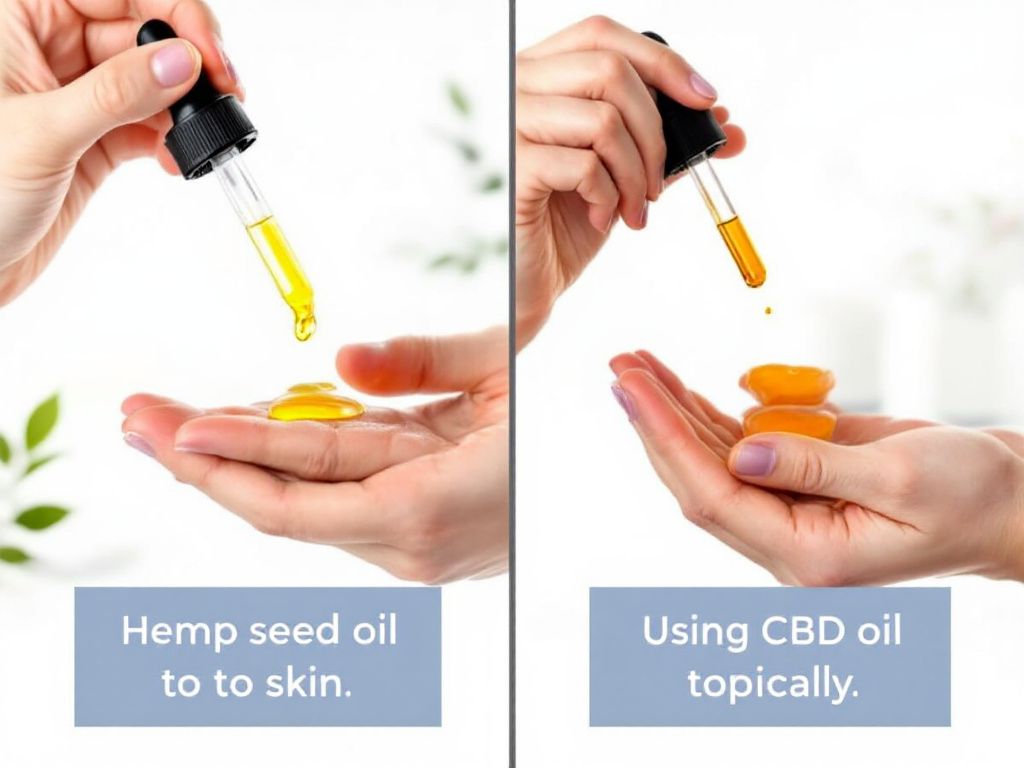
Understanding the distinctions between hemp seed oil and CBD oil becomes particularly important when navigating the UK cannabis market, where regulations and product quality standards vary significantly between suppliers.
The legal framework surrounding these products affects everything from labelling requirements to testing standards, making informed consumer choices essential for both safety and compliance with UK regulations.
Primary Distinctions
- Source materials and extraction methods: Hemp seed oil comes exclusively from hemp seeds through mechanical pressing, resulting in a product rich in nutrients but devoid of significant cannabinoid content. CBD oil requires extraction from the plant’s aerial parts using sophisticated techniques to concentrate therapeutic cannabinoids.
- Compositional differences: Hemp seed oil delivers essential fatty acids, vitamins, and minerals that support general health and nutrition. CBD oil provides cannabinoids like CBD, CBG, and trace amounts of other therapeutic compounds that interact directly with your endocannabinoid system to produce specific physiological effects.
- Intended purposes and applications: Hemp seed oil serves primarily as a nutritional supplement and skincare ingredient, offering benefits through its essential fatty acid content and moisturising properties. CBD oil targets specific therapeutic outcomes like pain relief, anxiety reduction, and sleep improvement through cannabinoid receptor activation.
- Cost differences and production complexity: Hemp seed oil uses simple mechanical extraction that requires minimal processing, keeping production costs relatively low. CBD oil requires expensive extraction equipment, extensive testing, and complex processing to achieve therapeutic potency levels.
- Manufacturing standards: Hemp seed oil follows food-grade processing standards similar to other edible oils. CBD oil requires pharmaceutical-grade extraction facilities, extensive quality control testing, and compliance with specific cannabinoid potency and purity standards.
- Regulatory requirements: Manufacturing standards also differ significantly between hemp seed oil and CBD oil production. Hemp seed oil follows food-grade processing standards similar to other edible oils. CBD oil requires pharmaceutical-grade extraction facilities, extensive quality control testing, and compliance with specific cannabinoid potency and purity standards.
Legal and Regulatory Landscape In the UK
Hemp seed oil enjoys unrestricted legal status throughout the UK as a food ingredient and cosmetic component. Since it contains negligible cannabinoid levels, hemp seed oil faces no special regulatory requirements beyond standard food and cosmetic safety standards.
CBD oil operates under more complex legal frameworks that require careful compliance with multiple regulatory bodies. The Food Standards Agency (FSA) oversees CBD products sold as food supplements, requiring novel food authorisation for products containing CBD. Additionally, all CBD oils must contain no more than 0.2% THC to remain legal for sale and possession.
“The UK’s evolving CBD regulations aim to balance consumer access with safety standards. Third-party testing and proper labelling are essential for maintaining product quality and regulatory compliance.” – Steve Moore, CEO of the Cannabis Industry Council UK
Third-party testing requirements for CBD products help ensure consumer safety and regulatory compliance. Certificates of Analysis (COA) should verify cannabinoid content, confirm THC levels remain below legal limits, and test for potential contaminants like pesticides, heavy metals, and residual solvents. Bud Buddies provides comprehensive COAs for all their CBD products, demonstrating their commitment to transparency and quality assurance.
Misleading labelling practices create significant consumer confusion in the UK market, with some companies selling hemp seed oil products labelled as “CBD oil” without containing meaningful cannabinoid levels. This practice not only misleads consumers but may also violate trading standards regulations regarding accurate product descriptions.
Import and export regulations affect product availability and pricing within the UK market. Hemp seed oil faces minimal import restrictions as a food product, while CBD oils must comply with specific documentation requirements and THC testing protocols when crossing international borders.
Consumer protection measures continue evolving as regulators work to balance product access with safety considerations. Staying informed about current regulations helps you make compliant purchasing decisions while supporting legitimate businesses that prioritise regulatory compliance and consumer safety.
Side Effects and Safety Profiles
Both hemp seed oil and CBD oil demonstrate excellent safety profiles when used appropriately, with most adverse effects being mild and temporary. Understanding potential side effects helps you use these products safely and recognise when to adjust dosing or seek professional guidance.
Individual sensitivity varies significantly between users, making personal monitoring important when introducing any new supplement or therapeutic product into your routine.
Hemp Seed Oil Side Effects
Hemp seed oil side effects remain minimal for most users, with the product demonstrating exceptional safety across diverse populations. The most commonly reported adverse effects relate to digestive sensitivity when consuming large quantities, particularly when first introducing hemp seed oil into your diet.
- Gastrointestinal upset may occur in some individuals who consume excessive amounts of hemp seed oil, typically manifesting as loose stools, stomach cramping, or mild nausea. These effects usually resolve by reducing the serving size or temporarily discontinuing use while your digestive system adjusts to the increased fat intake.
- Rare allergic reactions to hemp seed oil can affect individuals with sensitivities to hemp proteins or other components present in trace amounts. Symptoms may include skin itching, hives, or respiratory irritation in severely allergic individuals. If you experience any allergic symptoms, discontinue use immediately and consult with a healthcare professional.
- Mild drowsiness reported by some users after consuming hemp seed oil appears more related to the general relaxation that can accompany improved nutrition rather than any psychoactive properties. The oil contains no significant cannabinoid content that would directly cause sedation.
- Potential blood-thinning medication interactions remain theoretically possible due to hemp seed oil’s omega-3 fatty acid content, though clinical significance appears minimal. If you take anticoagulant medications, discuss hemp seed oil use with your healthcare provider to ensure safe integration with your treatment plan.
- Topical skin sensitivity reactions may occur in some individuals when using hemp seed oil topically, particularly those with existing skin allergies or sensitivities. Performing a patch test on a small skin area before widespread application helps identify potential reactions before they become problematic.
CBD Oil Side Effects
CBD oil side effects typically remain mild and manageable, with the World Health Organization noting CBD’s “good safety profile” in their critical review of cannabidiol. Most reported adverse effects are dose-dependent and often diminish as your body adjusts to regular CBD use.
- Dry mouth represents the most commonly reported side effect of CBD oil use, occurring due to cannabinoid interaction with salivary gland receptors. Staying well-hydrated and using sugar-free gum or mints can help manage this temporary effect while your body adjusts to CBD supplementation.
- Drowsiness or fatigue may occur, particularly with higher CBD doses or when first beginning use. Many users find this effect beneficial for sleep support, though it may interfere with daytime activities if dosing isn’t properly timed. Starting with lower doses and adjusting timing based on your response helps minimise unwanted sedation.
- Appetite changes can occur with CBD oil use, with some users experiencing increased or decreased appetite depending on individual physiology and dosing. These changes typically stabilise with consistent use and rarely cause significant nutritional concerns.
- Digestive effects including nausea, diarrhoea, or stomach upset may occur, particularly with higher doses or when taking CBD oil without food. Consuming CBD with meals often reduces digestive sensitivity while potentially improving absorption.
- Drug interactions represent the most serious potential concern with CBD oil use, as CBD can affect how your liver processes certain medications. CBD inhibits specific liver enzymes responsible for metabolising various prescription drugs, potentially altering their effectiveness or causing adverse effects. Always consult with healthcare professionals before combining CBD oil with prescription medications, particularly blood thinners, seizure medications, or drugs with narrow therapeutic windows.
Conclusion: Making Informed Choices For Your Wellness Path
Hemp seed oil and CBD oil each offer distinct advantages that cater to different aspects of health and wellness. Hemp seed oil excels as a nutritional supplement, providing essential fatty acids, vitamins, and minerals that support cardiovascular health, skin vitality, and overall nutritional balance. Its versatility in both culinary applications and skincare routines makes it a valuable addition to any wellness regimen focused on foundational health support.
CBD oil serves a different purpose entirely, offering therapeutic benefits through its interaction with your endocannabinoid system. When comparing hemp seed oil vs CBD oil benefits for specific health concerns, CBD oil typically provides more targeted relief for conditions like chronic pain, anxiety, inflammatory disorders, and sleep disturbances.
The quality of your chosen products significantly impacts the benefits you’ll experience from either oil. Reputable brands like Bud Buddies distinguish themselves through comprehensive third-party testing, full ingredient transparency, and commitment to sustainable, vegan-friendly production practices. Their 100% cannabis-derived products ensure you receive authentic benefits without compromising on quality or ethical considerations.
Legal considerations remain important when selecting CBD products, particularly regarding THC content and regulatory compliance. Always verify that CBD oils meet UK legal requirements and come with appropriate certificates of analysis. Hemp seed oil faces no such restrictions, making it more accessible while offering its own unique nutritional benefits.
Your individual needs should guide your choice between these cannabis-derived oils. Consider hemp seed oil for nutritional support, skin health, and general wellness maintenance. Choose CBD oil when seeking therapeutic effects for specific health concerns or conditions that may benefit from cannabinoid intervention.
Quality, transparency, and regulatory compliance should never be compromised regardless of which oil you select. By choosing established brands that prioritise these factors, you ensure safe, effective products that deliver the promised benefits while supporting your long-term wellness goals.
FAQs
What Is the Main Difference Between Hemp Seed Oil and CBD Oil?
Hemp seed oil comes from pressed hemp seeds and provides nutritional benefits through essential fatty acids, vitamins, and minerals, but contains no significant cannabinoids. CBD oil is extracted from hemp flowers, leaves, and stalks, containing therapeutic cannabinoids that interact with your endocannabinoid system to provide specific health benefits.
Can Hemp Seed Oil Get You High?
No, hemp seed oil cannot produce psychoactive effects or a “high” because it contains no THC or other psychoactive compounds. The oil comes from hemp seeds, which naturally contain negligible amounts of cannabinoids.
Is CBD Oil Legal In the UK?
Yes, CBD oil is legal in the UK provided it contains no more than 0.2% THC and is derived from approved industrial hemp varieties. CBD products are regulated as food supplements and must comply with Novel Food regulations established by the Food Standards Agency.
Are There Any Side Effects To Using Hemp Seed Oil?
Hemp seed oil is generally very safe, with most people experiencing no adverse effects. Some individuals may experience mild digestive upset if consuming large amounts, and rare allergic reactions can occur in sensitive individuals. These effects are typically mild and resolve with dosage adjustment.
What Are the Common Side Effects Of CBD Oil?
Common CBD oil side effects include dry mouth, drowsiness, mild changes in appetite, and occasional digestive sensitivity. These effects are usually mild, dose-dependent, and often diminish as your body adjusts to regular use. CBD can interact with certain medications, so consulting healthcare professionals before use is recommended, especially if you take prescription drugs.


