


Topicals vs Transdermal Patches Cannabis: What You Must Know
Introduction
Cannabis wellness has transformed how we approach targeted relief, offering innovative methods that cater to diverse therapeutic needs. TwoWhen considering topicals vs transdermal patches for cannabis application, two standout options have captured attention for their unique approaches to cannabinoid delivery: topicals and transdermal patches. While both products are applied to the skin, they work in fundamentally different ways, creating distinct experiences and therapeutic outcomes.
Cannabis topicals—including creams, balms, and lotions—are formulated for localised application, delivering cannabinoids directly to specific areas without significant bloodstream absorption. This targeted approach makes them exceptional for addressing muscle aches, joint discomfort, and various skin conditions. Meanwhile, transdermal patches employ sophisticated permeation technology to breach the skin barrier, allowing cannabinoids to enter your circulation system and provide whole-body effects.
The science behind these delivery methods reveals fascinating differences in bioavailability, onset times, and therapeutic applications. Topicals typically work within the epidermis and dermis layers, interacting with local endocannabinoid receptors to reduce inflammation and pain signals. Transdermal patches, conversely, utilise permeation enhancers to achieve systemic absorption rates of 20-40%, compared to topicals’ minimal bloodstream penetration.
Understanding these mechanisms empowers you to make informed decisions about which method aligns with your wellness goals. Whether you’re seeking relief from chronic widespread pain, localised joint stiffness, or skin irritation, knowing the distinctions between topicals and transdermal patches ensures you select the most effective solution. This comprehensive guide explores their unique benefits, legal considerations in the UK, and practical applications, helping you navigate the cannabis wellness market with confidence.
Key Takeaways
- Cannabis topicals provide targeted relief by working exclusively where applied, making them perfect for specific aches, inflammation, and skin conditions without systemic effects. These products interact with local cannabinoid receptors in skin tissue to address discomfort at its source.
- Transdermal patches deliver cannabinoids through the skin barrier into your bloodstream, offering systemic benefits for conditions requiring whole-body relief such as chronic pain, anxiety, and sleep disturbances. The sustained-release technology maintains consistent cannabinoid levels for 12-96 hours.
- Absorption mechanisms differ significantly between these methods, with topicals offering minimal systemic bioavailability while transdermal patches achieve 20-40% absorption rates through permeation enhancers. This fundamental difference determines their therapeutic applications and effectiveness.
- Product selection should align with your specific needs: choose topicals for localised comfort and targeted skin care, while transdermal patches suit systemic conditions requiring sustained cannabinoid delivery. Both methods can complement each other in comprehensive wellness routines.
- Legal compliance in the UK requires both product types to contain less than 0.2% THC and derive from EU-approved industrial hemp. Quality assurance through third-party testing ensures safety and potency for all cannabis topical and transdermal applications.
Understanding Cannabis Topicals
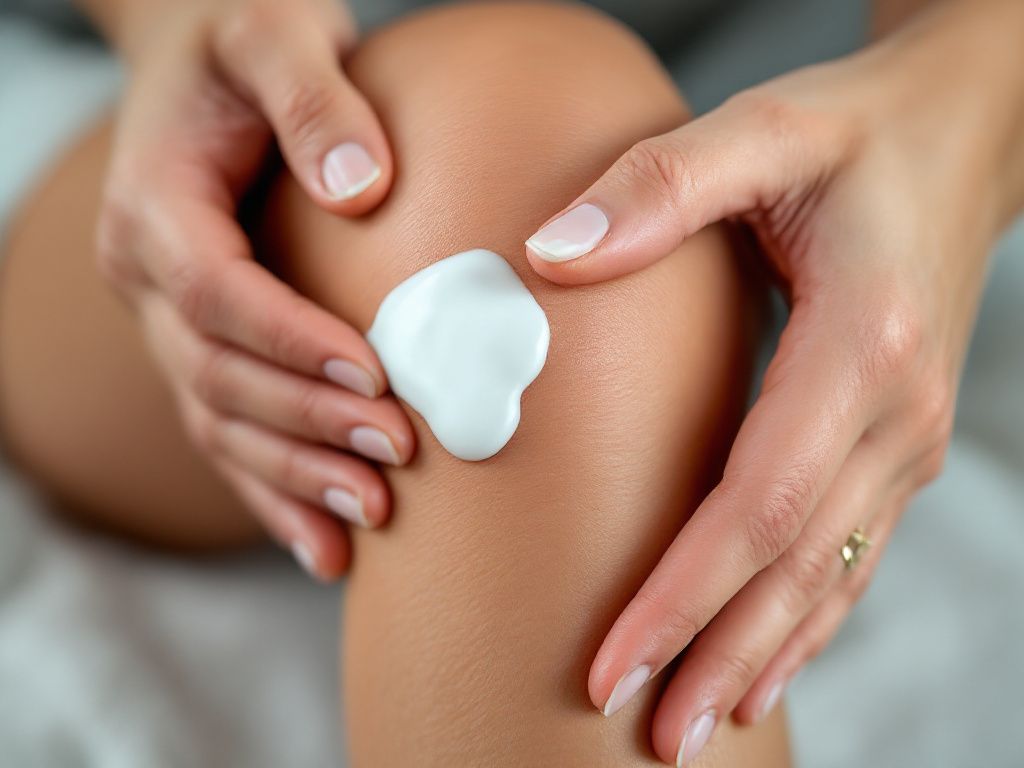
Cannabis topicals represent a diverse category of skin-applied products, encompassing creams, lotions, balms, gels, and ointments designed for direct therapeutic application. These formulations contain cannabinoids—primarily CBD with trace THC levels—that interact with your skin’s endocannabinoid system receptors. When you apply a topical product, the active compounds penetrate the outer skin layers, targeting CB1 and CB2 receptors within the epidermis and dermis.
The unique characteristic of cannabis topicals lies in their limited penetration depth. Due to cannabinoids’ lipophilic and hydrophobic properties, they remain primarily within superficial skin layers rather than entering systemic circulation. Research indicates that topical cannabinoid absorption typically stays below 10% bioavailability, ensuring localised effects without psychoactive concerns. This targeted action makes topicals ideal for addressing specific pain points, whether you’re dealing with arthritis-related joint inflammation or post-exercise muscle soreness.
Modern topical formulations often incorporate complementary ingredients that enhance therapeutic benefits. Natural moisturisers like shea butter and coconut oil improve skin hydration, while anti-inflammatory compounds such as arnica and menthol provide additional cooling or warming sensations. These synergistic combinations create what researchers call the “entourage effect,” where multiple compounds work together to amplify therapeutic outcomes.
Quality topicals should clearly indicate their intended use and cannabinoid concentration. At Bud Buddies, our topical range exemplifies 100% cannabis-derived formulations with complete ingredient transparency, ensuring you know exactly what compounds are targeting your specific areas of discomfort. Always verify that products contain less than 0.2% THC to maintain legal compliance while maximising therapeutic CBD content.
Benefits of Cannabis Topicals
“Topical cannabinoids offer a unique advantage because they can deliver high concentrations directly to affected tissues without systemic side effects. This makes them particularly valuable for elderly patients or those taking multiple medications.” – Dr. Dustin Sulak, integrative medicine physician specialising in cannabis therapeutics
- Targeted relief for specific areas – Cannabis topicals excel at providing targeted relief exactly where you need it most. When applied to affected areas, these products interact directly with local cannabinoid receptors in skin tissue, reducing inflammation and pain signals without affecting your entire system. This precision targeting makes topicals particularly effective for conditions like arthritis, where joint-specific relief is more beneficial than systemic intervention. The localised approach also allows for higher concentrations of active compounds at the application site.
- Non-psychoactive effects for daily use – Non-psychoactive effects represent a significant advantage for users seeking therapeutic benefits without cognitive changes. Since cannabinoids in topicals rarely achieve significant bloodstream concentrations, you can use these products throughout the day without concerns about impairment or workplace drug testing. This safety profile makes topicals accessible to individuals who might be hesitant about other cannabis consumption methods.
- Versatile formulations for multiple conditions – Versatility in formulation allows topicals to address various skin and musculoskeletal conditions. Modern cannabis creams often combine CBD with moisturising agents, antioxidants, and botanical extracts that nourish skin while providing therapeutic relief. These multi-functional products can simultaneously address dry skin, reduce inflammation, and provide analgesic effects, making them valuable additions to daily skincare routines.
- Minimal side effects and safety profile – Minimal side effects characterise topical cannabis use, with most users experiencing only occasional mild skin irritation at application sites. The localised action reduces the risk of systemic adverse reactions, making topicals suitable for individuals with sensitivities to oral or inhaled cannabis products. This safety profile, combined with easy application methods, makes topicals an excellent entry point for cannabis wellness newcomers.
Exploring Cannabis Transdermal Patches
“Transdermal cannabis patches represent a paradigm shift in cannabinoid delivery. The sustained release mechanism provides more stable therapeutic levels compared to the peaks and valleys we see with other delivery methods.” – Dr. Allan Frankel, cannabis medicine researcher and clinician
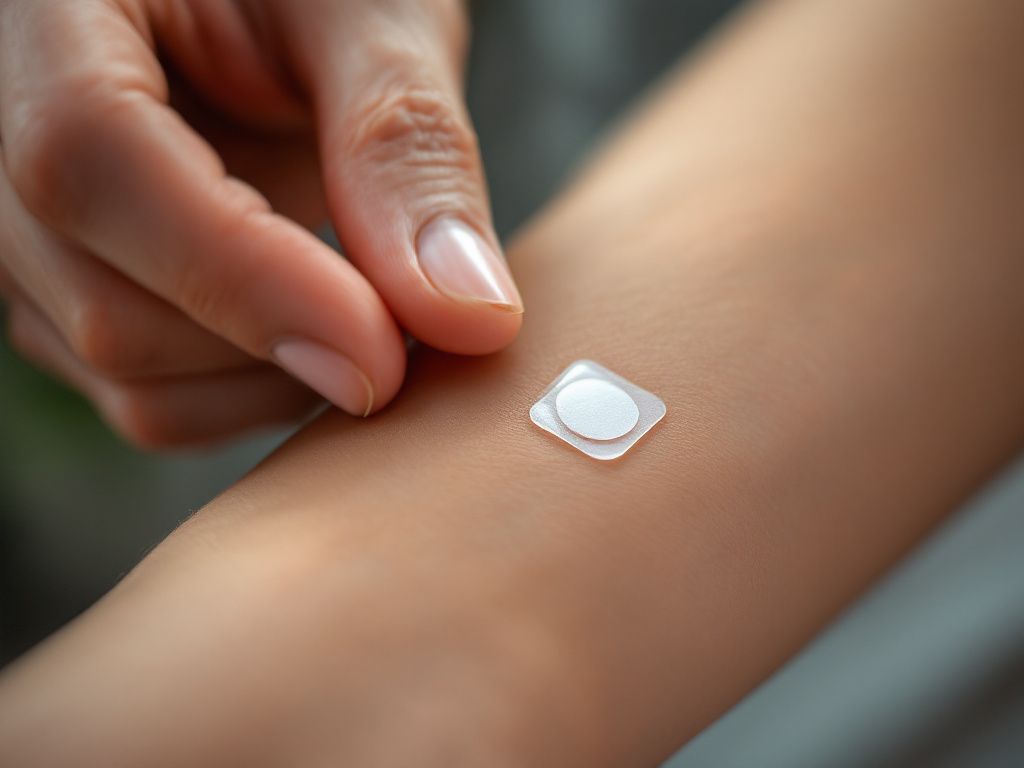
Cannabis transdermal patches represent sophisticated drug delivery systems engineered to transport cannabinoids through the skin barrier and into systemic circulation. Unlike topicals that remain superficial, these patches employ advanced permeation enhancement technology to achieve meaningful bloodstream absorption. The patch matrix contains cannabinoids alongside penetration enhancers such as propylene glycol, fatty acids, or specialised terpenes that temporarily modify skin permeability.
The transdermal delivery mechanism bypasses first-pass hepatic metabolism, resulting in higher bioavailability compared to oral consumption methods. Clinical studies show transdermal patches can achieve 20-40% bioavailability, significantly higher than the 6-20% typically seen with edible products. This enhanced absorption occurs because cannabinoids enter directly into capillary networks beneath the skin, avoiding digestive system degradation that reduces oral bioavailability.
Controlled-release technology sets transdermal patches apart from other cannabis delivery methods. The patch reservoir system maintains steady cannabinoid release rates over extended periods, typically 12-96 hours depending on formulation. This sustained delivery creates stable plasma concentrations, avoiding the peaks and valleys associated with smoking or oral consumption. For individuals managing chronic conditions, this consistency provides more predictable therapeutic outcomes.
Patch application requires clean, dry skin areas with adequate blood circulation for optimal absorption. Common placement sites include the inner wrist, upper arm, or behind the ear—areas where skin thickness allows efficient penetration while maintaining discretion. Bud Buddies’ transdermal patches exemplify our commitment to sustainable practices and vegan-friendly formulations, ensuring ethical production methods align with effective therapeutic delivery.
Have you considered how sustained cannabinoid release might benefit your wellness routine?
Benefits of Cannabis Transdermal Patches
- Systemic cannabinoid delivery for whole-body effects – Systemic cannabinoid delivery distinguishes transdermal patches from localised topical applications, allowing active compounds to circulate throughout your body and interact with cannabinoid receptors in various tissues. This whole-body approach proves particularly valuable for managing widespread chronic pain, fibromyalgia, or anxiety disorders that affect multiple body systems simultaneously. The sustained absorption creates therapeutic effects that extend far beyond the patch application site.
- Extended duration effects (12-96 hours) – Extended duration effects provide significant convenience advantages over other cannabis consumption methods. While topicals require multiple daily applications and inhaled products offer only 1-3 hours of effect, transdermal patches can maintain therapeutic cannabinoid levels for several days. This sustained release eliminates the need for frequent dosing, making patches ideal for individuals with busy schedules or those seeking consistent symptom management without interruption.
- Higher bioavailability than oral methods – Higher bioavailability through transdermal delivery ensures more efficient cannabinoid utilisation compared to oral routes. The patches bypass digestive system metabolism, allowing a greater percentage of active compounds to reach systemic circulation and target tissues. This efficiency means lower total cannabinoid doses can achieve therapeutic effects, potentially reducing costs while maintaining symptom control.
- Precise dosing control with consistent release – Precise dosing control comes built into each patch design, with predetermined cannabinoid quantities released at consistent rates. Unlike smoking or vaping, where dosage varies with inhalation technique, patches provide predictable cannabinoid delivery that supports consistent therapeutic outcomes. This reliability proves essential for medical users requiring stable symptom management throughout their treatment protocols.
- Discreet administration throughout daily activities – Discreet administration allows patches to integrate seamlessly into daily routines without drawing attention or requiring special preparation. Once applied, patches remain virtually invisible under clothing while continuously delivering therapeutic compounds. This discretion particularly benefits individuals who need consistent relief during work hours or social situations where other cannabis consumption methods might be impractical or inappropriate.
Choosing Between Topicals and Transdermal Patches

Selecting between cannabis topicals and transdermal patches depends primarily on whether your therapeutic needs are localised or systemic in nature. The fundamental difference lies in their scope of action: topicals work where applied, while patches provide whole-body effects through bloodstream absorption. Understanding this distinction guides you toward the most appropriate solution for your specific condition.
Topical products excel when addressing localised pain, inflammation, or skin conditions affecting specific body areas. If you’re experiencing knee pain from arthritis, applying a CBD cream directly to that joint provides concentrated relief without affecting other body systems. Similarly, skin conditions like eczema or psoriasis benefit from direct topical application, where anti-inflammatory cannabinoids can work locally on affected skin cells. The targeted nature of topicals also makes them ideal for post-workout muscle soreness, where you can apply relief exactly where you feel tension or discomfort.
“The choice between topical and transdermal delivery depends entirely on whether you need localised or systemic effects. For joint-specific pain, topicals work brilliantly, but for conditions like fibromyalgia affecting multiple areas, transdermal patches provide more comprehensive relief.” – Dr. Bonni Goldstein, Medical Director of Canna-Centers and cannabis medicine specialist
What type of relief pattern best matches your current wellness needs?
Transdermal patches become the preferred choice when you require sustained, whole-body relief from conditions affecting multiple areas or systems. Chronic widespread pain conditions like fibromyalgia, generalised anxiety disorders, or sleep disturbances benefit from the systemic cannabinoid delivery that patches provide. The sustained-release mechanism maintains consistent therapeutic levels for days rather than hours, eliminating the need for frequent reapplication while ensuring continuous symptom management.
Consider combining both methods for comprehensive relief strategies. Many users find that pairing localised topicals for acute pain spots with transdermal patches for overall wellness creates synergistic effects. This multi-modal approach allows you to address immediate discomfort while maintaining baseline therapeutic cannabinoid levels throughout your system. The combination proves particularly effective for individuals managing chronic conditions with occasional flare-ups requiring targeted intervention.
Your lifestyle and convenience preferences also influence product selection. Topicals require active application and reapplication throughout the day, making them suitable for individuals who prefer hands-on symptom management. Patches offer set-and-forget convenience, ideal for busy professionals or anyone seeking low-maintenance therapeutic delivery without constant attention to dosing schedules.
Legal and Quality Considerations in the UK
Cannabis product regulation in the UK establishes clear parameters for both topicals and transdermal patches, requiring compliance with specific THC content limits and sourcing requirements. All legal cannabis products must derive from EU-approved industrial hemp varieties and contain no more than 0.2% THC content. This regulatory framework ensures products remain non-intoxicating while providing therapeutic benefits from CBD and other cannabinoids.
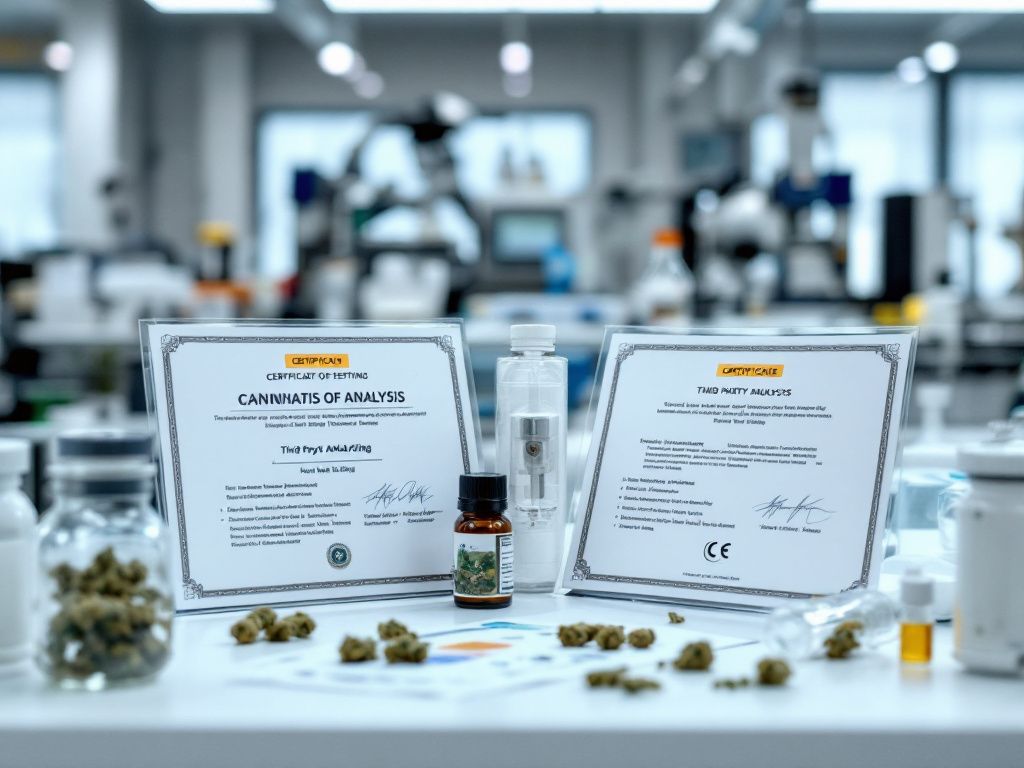
Quality assurance through third-party laboratory testing represents a non-negotiable aspect of reputable cannabis products. Certificates of Analysis (COAs) from independent laboratories verify cannabinoid concentrations, confirm THC levels meet legal requirements, and screen for contaminants including pesticides, heavy metals, and microbial contaminants. This testing proves particularly crucial for transdermal patches, where cannabinoids enter bloodstream circulation and could potentially carry contaminants throughout your system.
Ingredient transparency allows informed consumer choices and helps identify potential allergens or sensitivities. Quality manufacturers provide comprehensive ingredient lists detailing all components, including base carriers, permeation enhancers in patches, and any botanical extracts or essential oils. Bud Buddies exemplifies this transparency commitment through our full ingredient disclosure policy, ensuring you understand exactly what compounds are entering your wellness routine.
Manufacturing standards and certifications indicate professional production quality that meets pharmaceutical-grade requirements. Look for products manufactured in GMP (Good Manufacturing Practice) certified facilities, which follow stringent quality control protocols throughout production. These standards ensure consistent potency, purity, and safety across product batches, providing confidence in therapeutic reliability.
What to look for in quality cannabis products:
- Third-party laboratory testing with COAs
- Full ingredient transparency and allergen information
- GMP-certified facility production
- Clear labelling with dosage and safety instructions
Conclusion
Cannabis topicals and transdermal patches offer distinct pathways to therapeutic relief, each serving unique wellness needs through different absorption mechanisms and delivery approaches. Topicals provide precise, localised treatment for specific areas of discomfort, working within skin layers to address joint pain, muscle soreness, and various skin conditions without systemic effects. This targeted approach makes them invaluable for individuals seeking focused relief without whole-body implications.
Transdermal patches, conversely, deliver sustained systemic relief through sophisticated permeation technology that allows cannabinoids to enter circulation and provide comprehensive therapeutic effects. Their extended-duration delivery and higher bioavailability make patches particularly suitable for chronic conditions requiring consistent cannabinoid levels, such as widespread pain, anxiety, or sleep disorders.
Your choice between these methods should align with your specific therapeutic requirements and lifestyle preferences. Consider topicals when addressing localised issues that benefit from direct application, while patches prove more effective for systemic conditions requiring sustained relief over extended periods. Many users discover that combining both approaches creates comprehensive wellness strategies addressing both immediate and ongoing therapeutic needs.
Quality and legal compliance remain paramount regardless of your product choice. Prioritise manufacturers who provide third-party testing, complete ingredient transparency, and adherence to UK regulatory requirements. Bud Buddies’ commitment to 100% cannabis-derived products, vegan-friendly formulations, and sustainable practices exemplifies the quality standards you should expect from reputable cannabis wellness brands.
Making informed decisions about cannabis topicals versus transdermal patches empowers you to optimise your wellness routine with products that truly meet your needs. By understanding these delivery methods’ unique characteristics and applications, you can confidently select solutions that provide effective, safe, and legally compliant therapeutic benefits tailored to your individual health goals.
FAQs
Q1: Will cannabis topicals or transdermal patches make me feel “high”?
Cannabis topicals typically produce no psychoactive effects because cannabinoids remain within skin layers without significant bloodstream absorption. Even products containing trace THC amounts work locally without affecting your mental state. Transdermal patches designed for systemic absorption might produce mild effects if they contain higher THC concentrations, but UK-legal products with less than 0.2% THC generally remain non-intoxicating, especially CBD-dominant formulations.
Q2: How long do the effects last for each method?
Topical effects typically last 2-4 hours depending on the product formulation and individual skin absorption rates. You may need to reapply topicals several times daily for continuous relief. Transdermal patches provide sustained effects lasting 12-96 hours, with most patches designed for 24-72 hour wear time. This extended duration eliminates frequent reapplication needs while maintaining consistent therapeutic levels.
Q3: Can I use cannabis topicals and transdermal patches with other medications?
While topicals have minimal systemic absorption reducing interaction risks, consult healthcare professionals before using any cannabis products with prescribed medications. This consultation becomes particularly important for transdermal patches since cannabinoids enter bloodstream circulation and could potentially interact with other drugs through cytochrome P450 enzyme systems that metabolise many pharmaceutical compounds.
Q4: Are both methods legal throughout the UK?
Yes, both cannabis topicals and transdermal patches remain legal across the UK when sourced from EU-approved industrial hemp and containing less than 0.2% THC. Always purchase from reputable suppliers who provide third-party lab testing confirming legal compliance. Avoid products making medical claims or exceeding THC limits, which could violate UK cannabis regulations.
Q5: Where should I apply transdermal patches for optimal absorption?
Apply patches to clean, dry, hairless skin areas with good blood circulation for maximum absorption efficiency. Ideal locations include the inner wrist, upper arm, behind the ear, or on the chest where skin thickness allows effective penetration. Rotate application sites between uses to prevent skin irritation and maintain absorption consistency throughout your treatment protocol.


