


How to Prevent a Weed Hangover: Best Tips and Remedies
Introduction
Have you ever woken up after enjoying cannabis feeling sluggish, foggy, or just a bit off? That dreaded morning-after feeling isn’t just in your head. While the term “cannabis hangover” might sound casual, it represents a real experience that many cannabis users face, especially after consuming higher doses or potent strains. Fortunately, there are numerous weed hangover prevention tips that can help alleviate these symptoms.
Unlike the brutal aftermath of too much alcohol, cannabis hangovers tend to be gentler yet still disruptive. Picture waking up with mental fog, dry mouth, mild headaches, or that lingering feeling of being slightly disconnected from your usual sharp self. These symptoms, while typically less severe than alcohol-induced hangovers, can still throw off your entire day.
The good news? Understanding what triggers these after-effects puts you in control. Several factors influence whether you’ll experience a cannabis hangover, including the THC content of your chosen products, your personal tolerance levels, consumption methods, and even timing. Higher THC concentrations, consuming edibles without proper pacing, or mixing cannabis with other substances can all increase your chances of next-day discomfort.
This comprehensive guide will equip you with practical weed hangover prevention tips and effective remedies. You’ll discover how mindful consumption practices, proper hydration strategies, smart strain selection, and simple lifestyle adjustments can transform your cannabis experience. Whether you’re new to cannabis or a seasoned user looking to refine your approach, these evidence-based strategies will help you enjoy cannabis benefits without unwelcome morning surprises.
Key Takeaways
Moderate consumption remains your strongest defence against cannabis hangovers. Starting with lower doses and gradually increasing allows your body to adjust while preventing overconsumption. This approach is particularly crucial with edibles, where delayed effects can lead to accidental overdosing. Experienced users often recommend the “start low, go slow” method, waiting at least two hours before taking additional doses.
Hydration and nutrition form the foundation of effective hangover prevention. Drinking water consistently before, during, and after cannabis use helps combat dry mouth and potential headaches. Pairing this with balanced meals rich in complex carbohydrates and healthy proteins provides your body with essential nutrients for processing THC efficiently. Many users find that eating a substantial meal before consumption significantly reduces next-day grogginess.
Strategic timing and strain selection can dramatically impact your recovery. Avoiding heavy cannabis use late in the evening gives your body more time to metabolise THC before sleep. Choosing balanced THC-to-CBD ratios or lower-potency products reduces the likelihood of overwhelming your system. These simple adjustments in timing and product choice often make the difference between waking up refreshed or dealing with lingering effects.
Understanding Weed Hangovers
Cannabis hangovers represent a legitimate phenomenon experienced by many users, though they differ significantly from alcohol-induced aftermaths. These next-day effects typically manifest as mental fogginess, mild fatigue, dry mouth, and occasional headaches. While generally less intense than alcohol hangovers, they can still impact your productivity and overall well-being.
“Cannabis hangovers are a real phenomenon that many users experience, though they’re generally much milder than alcohol hangovers. The key is understanding that THC can affect cognitive function for hours after consumption.” – Dr. Ethan Russo, neurologist and cannabis researcher
Research into cannabis hangover symptoms prevention remains limited compared to alcohol studies, but user reports consistently describe similar symptom patterns. The endocannabinoid system, which cannabis affects, plays roles in sleep, mood, and cognitive function. When THC lingers in your system, it can continue influencing these processes even after the primary effects have worn off.
Individual experiences vary considerably based on several factors. Your metabolism, body weight, tolerance levels, and even genetic factors influence how quickly you process cannabinoids. Some people naturally clear THC more efficiently, while others may feel effects for extended periods.
Environmental factors also play a role. Consuming cannabis in stressful situations, poor ventilation, or while dehydrated can exacerbate hangover symptoms.
What Is a Weed Hangover and How Does It Differ From an Alcohol Hangover?

Cannabis hangovers typically present with fatigue, brain fog, dry eyes and mouth, mild headaches, and occasional nausea. The experience centres more around mental sluggishness than severe physical discomfort. Users often describe feeling “cloudy” or having difficulty concentrating, rather than the intense sickness associated with alcohol poisoning.
Alcohol hangovers result from dehydration, toxic metabolite formation, and inflammation throughout the body. Alcohol acts as a diuretic, causing significant fluid loss and electrolyte imbalances. Cannabis doesn’t create these same toxic by-products or cause severe dehydration, though it can contribute to dry mouth through cannabinoid receptor interactions.
The recovery timeline also differs. Alcohol hangovers typically peak within hours of waking and gradually improve throughout the day. Cannabis hangovers may start more subtly and can persist longer, particularly after consuming high-potency edibles. However, the overall intensity remains much more manageable than alcohol-related symptoms.
Factors Influencing the Severity of a Weed Hangover
THC content and strain composition significantly impact hangover likelihood and severity. High-THC products, especially those with minimal CBD content, create more pronounced after-effects. CBD appears to moderate THC’s intensity, which explains why balanced strains often produce gentler experiences with fewer next-day symptoms.
Personal tolerance levels matter enormously. New or occasional users typically experience more intense hangovers compared to regular consumers whose systems have adapted to processing cannabinoids. However, even experienced users can struggle with hangovers after consuming significantly more than their usual amounts.
Consumption methods introduce additional variables. Smoking or vaping provides immediate effects that peak quickly and fade relatively fast. Edibles, however, create longer-lasting effects that can extend well into the following day, particularly with higher doses. The delayed onset of edibles also increases cannabis overconsumption risks.
Mixing cannabis with alcohol or other substances amplifies hangover potential dramatically. This combination can intensify both the immediate effects and next-day recovery challenges, often creating symptoms worse than either substance would produce alone.
Effective Remedies for Weed Hangovers
When facing a cannabis hangover, several proven strategies can accelerate your recovery and minimise discomfort. While time remains the ultimate healer, these approaches address specific symptoms and support your body’s natural processing of residual THC.
Recovery focuses on rebalancing your system and addressing the primary complaint areas. The most effective approaches include:
- Mental fog treatment: gentle stimulation and hydration
- Physical symptoms: proper fluid replacement and rest
- Combined approaches: multiple remedies for comprehensive relief
Many users find that combining multiple approaches yields better results than relying on single remedies. Creating a recovery routine that addresses hydration, nutrition, and rest simultaneously often provides the most comprehensive relief.
Remember that severe or persistent symptoms warrant medical attention, though most cannabis hangovers resolve naturally within 24 hours.
Hydration and Electrolyte Replenishment

Proper hydration stands as your first line of defence against cannabis hangover symptoms. Water helps flush residual THC metabolites while addressing dry mouth and potential headaches. Aim for consistent fluid intake rather than trying to drink large amounts all at once, which can sometimes worsen nausea.
Hydration electrolytes can restore mineral balance more effectively than plain water alone through beverages like:
- Coconut water
- Diluted sports drinks
- Electrolyte tablets dissolved in water
These solutions help combat any mild dehydration while providing essential salts and minerals your body needs for optimal function. Avoid excessive caffeine consumption during recovery, as it can worsen dehydration and potentially increase anxiety or jitters.
If you need caffeine, opt for green tea, which provides gentler stimulation along with beneficial antioxidants. Herbal teas like peppermint or ginger can soothe stomach discomfort while contributing to your fluid intake.
Monitor your urine colour as a hydration indicator. Pale yellow suggests adequate hydration, while darker colours indicate you need more fluids. This simple check helps ensure you’re drinking enough without overdoing it.
Nourishing Meals and Rest

Strategic nutrition plays a crucial role in cannabis hangover recovery. Focus on easily digestible foods that provide steady energy without overwhelming your system. The best food choices include:
- Complex carbohydrates: oatmeal, whole grain toast, brown rice
- Lean proteins: eggs, Greek yoghurt, nuts
- Healthy fats: avocados, nuts, olive oil
These foods provide sustained fuel while stabilising blood sugar levels that may have fluctuated during cannabis use. Bananas offer potassium and natural sugars, making them excellent for combating fatigue and mild headaches.
Rest remains equally important for complete recovery. Your body processes THC most efficiently during sleep and quiet rest periods. Even if you can’t nap, creating a calm environment with dim lighting and minimal stimulation helps your system recover more effectively.
Consider gentle activities like light stretching, deep breathing exercises, or a warm shower to promote circulation and relaxation. These activities can help clear mental fog while being gentle enough not to overtax your recovering system.
Best Tips for Preventing a Weed Hangover
Prevention consistently proves more effective than treatment when dealing with best tips for cannabis hangover. Smart planning and mindful consumption practices can virtually eliminate unwanted next-day effects while preserving the enjoyable aspects of cannabis use.
Successful prevention strategies centre around understanding your personal limits and respecting them consistently. This means tracking your responses to different products, doses, and consumption methods to identify patterns that work best for your body and lifestyle.
Environmental preparation also contributes significantly to prevention success. Setting up your space with adequate water, healthy snacks, and comfortable surroundings before beginning your session sets you up for a more controlled experience.
Consider keeping a cannabis journal to track products used, doses consumed, and next-day effects. This information becomes invaluable for refining your approach and avoiding combinations that previously caused problems.
Mindful Consumption: Dose, Strains, and Timing
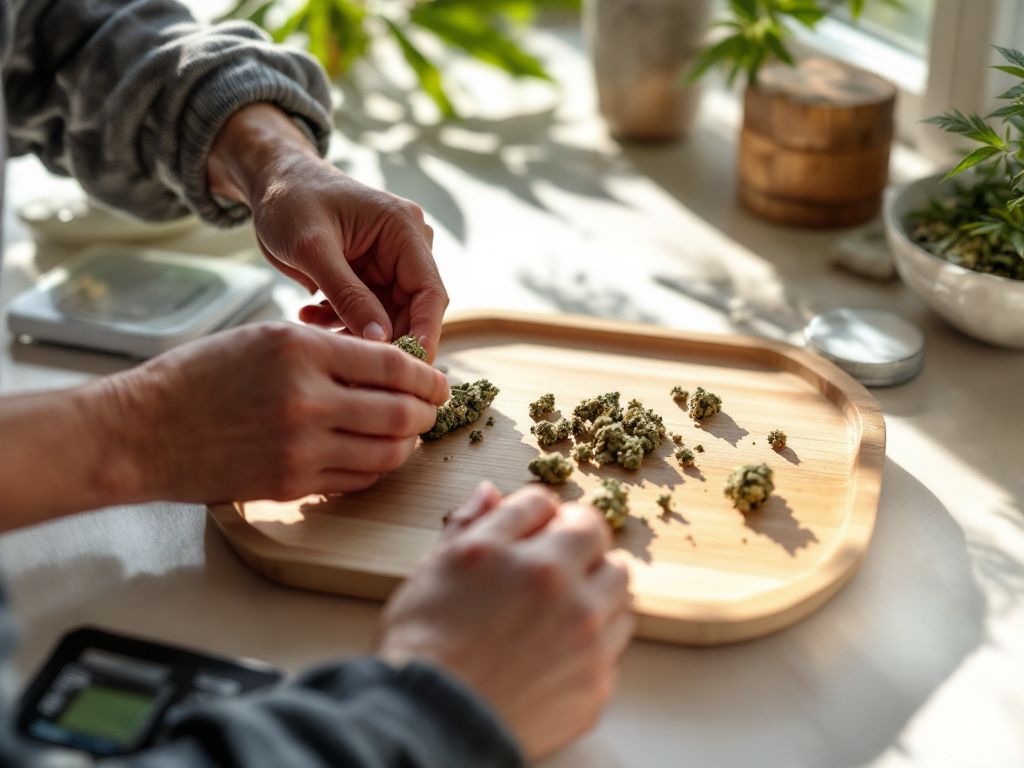
Start low and go slow remains the golden rule for preventing cannabis hangovers. Begin with smaller doses than you think you need, particularly when trying new products or strains. With edibles, wait at least two hours before considering additional doses, as effects can take time to fully manifest.
Choose strains with balanced THC-to-CBD ratios when possible. CBD appears to moderate THC’s intensity while potentially reducing anxiety and other uncomfortable effects. Many users find that balanced strains provide desired effects with significantly fewer next-day issues compared to high-THC varieties.
Timing your consumption strategically prevents late-night sessions from interfering with sleep quality and next-day obligations. Avoid heavy cannabis use within three to four hours of bedtime, as this can disrupt natural sleep cycles and contribute to morning grogginess. Plan your sessions when you have adequate recovery time without pressing responsibilities.
Pay attention to your tolerance cycles. Many experienced users take periodic breaks to reset their tolerance levels, which often coincides with reduced hangover frequency. This practice, sometimes called a “tolerance break,” can improve both immediate effects and next-day recovery.
The Importance of Hydration, Nutrition, and Sleep
Pre-hydrating should begin well before your cannabis session and continue throughout the experience. This helps ensure your body has adequate fluid reserves to handle dry mouth and supports efficient THC processing. Keep water easily accessible during your session to maintain consistent intake.
Eat a substantial, balanced meal before consuming cannabis, particularly edibles. Food slows THC absorption, creating more predictable effects while providing your body with necessary nutrients for processing cannabinoids. Avoid consuming cannabis on an empty stomach, which can intensify effects unpredictably.
Prioritise sleep quality both before and after cannabis use. Well-rested bodies handle cannabinoids more efficiently and recover more quickly from any imbalances. Create a sleep-friendly environment by keeping your bedroom cool, dark, and quiet. Consider using blackout curtains or eye masks if light sensitivity becomes an issue.
Establish a consistent sleep hygiene UK schedule that accounts for your cannabis use patterns. If you regularly consume cannabis in the evenings, ensure you have adequate time for effects to diminish before your planned bedtime. This timing helps prevent cannabis from interfering with natural sleep architecture.
Responsible Cannabis Use With BudBuddies
BudBuddies supports your journey toward mindful cannabis consumption through premium-quality products and comprehensive educational resources. Understanding that effective hangover prevention starts with knowing exactly what you’re consuming, BudBuddies provides complete transparency about product contents, potency, and expected effects.
“Education and product transparency are crucial for safe cannabis consumption. Users need to know exactly what they’re consuming and how it might affect them.” – Dr. Sue Sisley, cannabis researcher
The brand’s commitment to 100% cannabis-derived products means you’re getting pure, predictable effects without synthetic additives that might contribute to unwanted side effects. This transparency extends to detailed lab testing results that help you make informed decisions about dosing and timing.
BudBuddies recognises that responsible use encompasses more than just product quality. Their educational approach helps users understand consumption methods, onset times, and duration expectations, particularly crucial for edibles where timing plays such an important role in preventing overconsumption. Every product comes with clear guidance on suggested starting doses and consumption methods, empowering you to find your optimal balance without guesswork.
Premium Quality and Diverse Product Range for Controlled Dosing
BudBuddies offers an extensive selection of premium cannabis products designed for precise, controlled consumption. From carefully cultivated flowers to precisely dosed edibles, each product maintains consistent potency levels that support predictable experiences. This reliability proves essential for preventing hangovers, as inconsistent products often lead to accidental overconsumption.
The diverse strain selection includes indica-dominant varieties for evening relaxation, sativa-dominant options for daytime use, and balanced hybrids that provide moderate effects with reduced hangover potential. Each strain comes with detailed information about THC and CBD percentages, terpene profiles, and expected effects duration.
Edible products receive particular attention to dosing accuracy. BudBuddies edibles deliver consistent effects lasting four to eight hours, with clear labelling that helps prevent the common mistake of taking additional doses before initial effects manifest. This precision proves invaluable for users learning to navigate edible timing and dosing.
Lab certificates accompany every product, providing third-party verification of cannabinoid content and purity. This transparency ensures you’re making informed decisions based on accurate information rather than estimates or marketing claims.
Discreet Delivery and Educational Support for Mindful Consumption
BudBuddies understands that privacy and convenience support responsible consumption habits. Discreet packaging in plain, odour-proof materials ensures your privacy while same-day and next-day delivery options across the UK eliminate pressure to purchase larger quantities than needed. The educational resources extend beyond basic product information to include guidance on microdosing techniques, consumption method comparisons, and timing strategies.
These resources prove particularly valuable for newcomers learning to navigate cannabis use safely and experienced users looking to refine their approach.
Customer support provides personalised guidance on product selection and consumption strategies. Whether you’re seeking advice on strain selection for specific needs or guidance on transitioning between consumption methods, knowledgeable staff help you make informed decisions that align with your goals.
The vegan-friendly product line ensures that ethical consumers can enjoy high-quality cannabis without compromising their values. This commitment to ethical production extends to sustainable growing practices that minimise environmental impact while maintaining product quality.
Conclusion
Preventing cannabis hangovers comes down to respecting your limits, staying properly hydrated, and making informed choices about products and timing. These straightforward strategies, when applied consistently, can virtually eliminate unwanted next-day effects while preserving all the benefits that drew you to cannabis in the first place.
“The most effective way to prevent cannabis hangovers is through mindful dosing and choosing quality products with known potency levels.” – Dr. Jordan Tishler, Harvard Medical School
Success lies in preparation and mindfulness rather than complex techniques or expensive supplements. By starting with appropriate doses, choosing quality products with known potency levels, timing your sessions thoughtfully, and supporting your body with adequate hydration and nutrition, you create conditions for consistently positive experiences.
BudBuddies supports this responsible approach through premium, transparent products and educational resources designed to help you find your optimal balance. Their commitment to quality and customer education aligns perfectly with effective hangover prevention strategies.
Remember that developing your personal cannabis routine takes time and experimentation. Be patient with the process, keep track of what works best for you, and don’t hesitate to adjust your approach based on your experiences. With these foundations in place, you can look forward to enjoying cannabis without worrying about tomorrow’s consequences.
FAQs
Q1: Can CBD Help Prevent a Weed Hangover?
Research suggests that CBD may help reduce certain THC-related side effects, potentially minimising hangover symptoms. CBD for hangover prevention appears to modulate THC’s psychoactive effects, creating more balanced experiences with fewer negative aftereffects. Many users report that strains with higher CBD content or taking CBD products alongside THC consumption leads to gentler next-day experiences. While individual responses vary, incorporating CBD into your cannabis routine often supports more comfortable outcomes and may reduce the intensity of mental fog and fatigue commonly associated with cannabis hangovers.
Q2: Is There a Cure for a Weed Hangover?
No instant cure exists for cannabis hangovers, but several approaches can significantly speed recovery and reduce discomfort. Time remains the most reliable solution, as your body naturally processes and eliminates THC metabolites. However, focusing on rehydration with water and electrolyte solutions, eating nutritious meals with complex carbohydrates and proteins, getting adequate rest, and engaging in gentle physical activity can all support faster recovery. Most cannabis hangovers resolve within 24 hours, and these supportive measures often reduce both duration and severity of symptoms.


