


Weed Workout Recovery: What You Should Know
Sore muscles after a tough gym session? You’re not alone. Many fitness enthusiasts now turn to cannabis as a natural way to support their post-exercise recovery. When you explore weed and workout recovery tips, you discover methods that could help ease muscle tension, reduce inflammation, and improve sleep quality.
Recovery isn’t just downtime between workouts – it’s when your body repairs itself. Those microscopic muscle tears that cause soreness need proper care to heal effectively. While traditional methods like stretching and massage remain popular, cannabis workout recovery has gained attention among athletes and fitness lovers. The plant’s compounds, particularly CBD, may offer anti-inflammatory properties that complement your existing recovery routine.
BudBuddies recognises your need for quality recovery support. Their premium cannabis products come with discreet packaging and reliable UK delivery, making it easy to explore cbd muscle recovery uk options. With lab-tested products and a focus on customer satisfaction, BudBuddies stands ready to support your recovery goals. You’ll soon learn how cannabis compounds work with your body’s natural systems and discover practical ways to incorporate these products into your routine.
Why Recovery Matters: The Foundation of Fitness
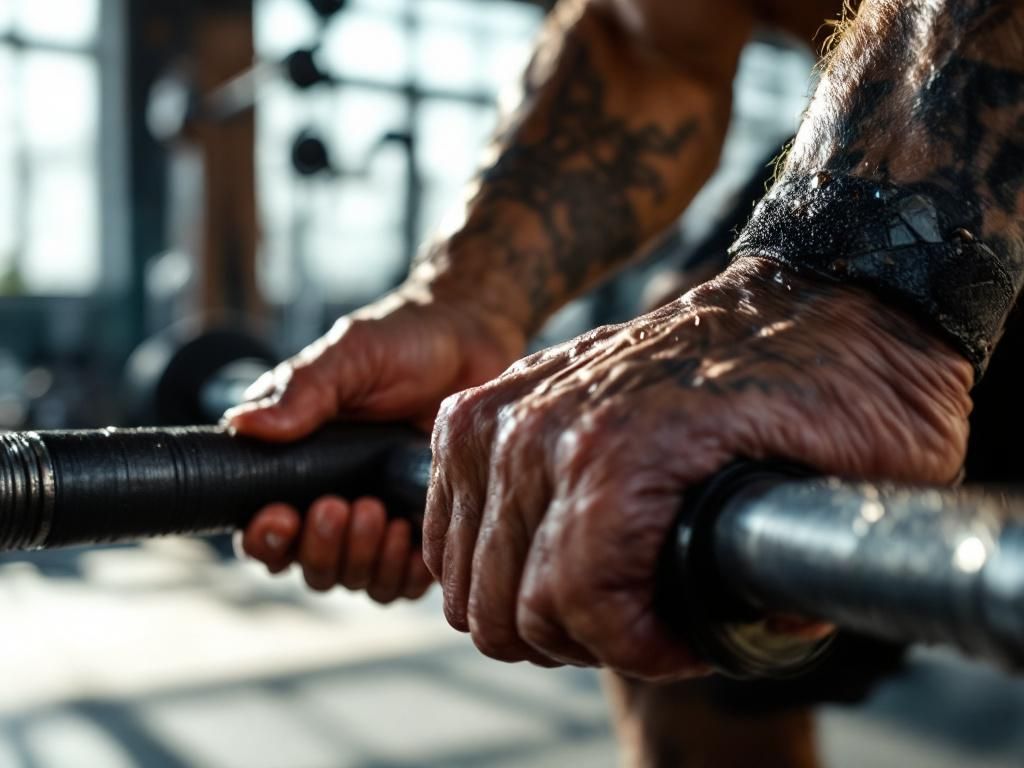
Your muscles work hard during exercise, and they need time to repair afterwards. When you push through a challenging workout, you create microscopic tears in muscle fibres. This damage triggers inflammation – a natural response that helps your body heal. However, this process also causes Delayed Onset Muscle Soreness (DOMS), which can make your next workout feel more difficult.
Recovery allows your body to:
- Rebuild stronger muscle tissue
- Restore energy levels
- Regulate hormones
- Consolidate fitness gains
- Prevent overtraining and injury
Sleep plays a crucial role in this process. During deep sleep, your body releases growth hormone and performs most of its muscle repair work. Poor sleep quality can significantly slow your recovery and leave you feeling sluggish. Quality rest helps reduce inflammation markers and allows your nervous system to reset for the next training session.
Cannabis compounds may support these natural recovery processes. By potentially reducing inflammation and promoting relaxation, certain cannabinoids could help your body recover more efficiently. This is where understanding weed and workout recovery tips becomes valuable for your fitness routine.
How Cannabis Compounds Aid Muscle Recovery and Pain Relief
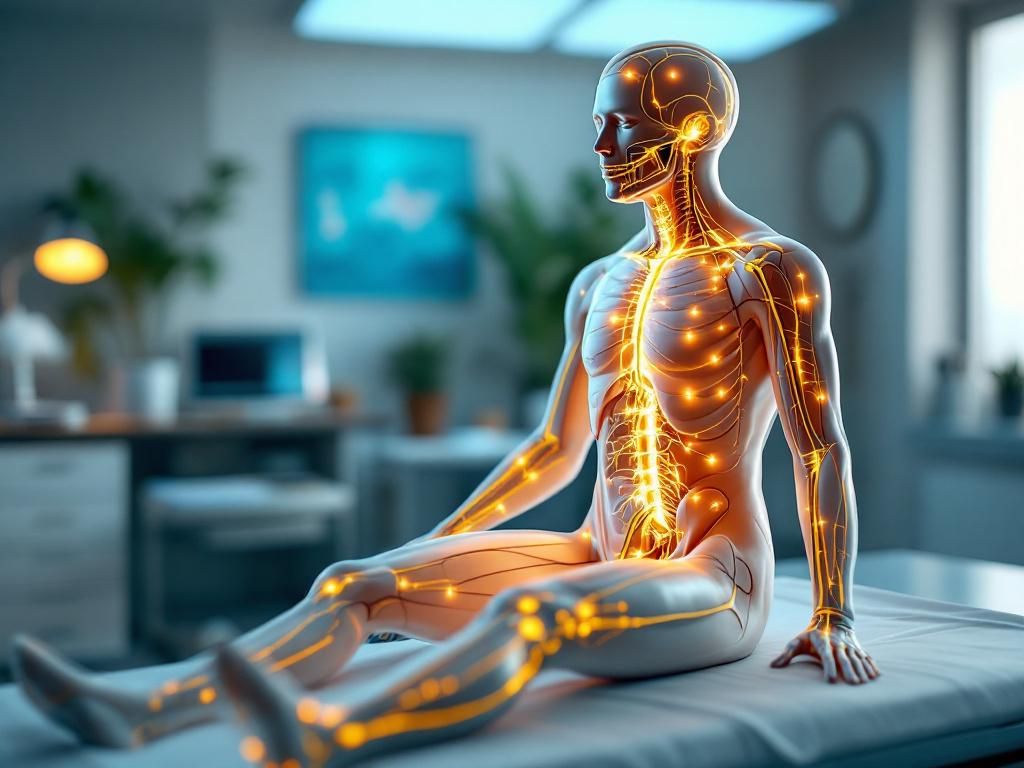
Your body contains a complex network called the Endocannabinoid System (ECS), which helps regulate pain, inflammation, and overall balance. This system includes receptors throughout your body that respond to both naturally produced cannabinoids and those found in cannabis plants. When you consume cannabis, compounds like CBD and THC interact with these receptors to produce various effects.
“The endocannabinoid system represents one of the most important physiologic systems involved in establishing and maintaining human health.” – Dr. Bradley Alger, University of Maryland School of Medicine
CBD works differently from THC by influencing how your body processes its own cannabinoids. Instead of directly binding to receptors, CBD helps slow the breakdown of your natural endocannabinoids. This allows them to work longer and more effectively at reducing inflammation and managing pain. Research suggests that CBD may help lower inflammatory markers in your body, which could support faster muscle recovery.
THC offers its own benefits for thc doms relief, particularly in managing pain perception. While THC is known for its psychoactive effects, controlled amounts may help relax tense muscles and reduce discomfort without significantly impairing your recovery activities. Many people find that THC helps them sleep better, which is essential for muscle repair.
Topical applications provide another option for targeted relief. A cbd balm sore muscles product can deliver compounds directly to problem areas without affecting your entire system. These topical treatments often include terpenes, which are aromatic compounds that may have their own terpene anti inflammatory properties. This combination approach allows you to address specific muscle groups that need extra attention.
| Compound | Primary Benefits | Application Method | Onset Time |
|---|---|---|---|
| CBD | Anti-inflammatory, pain relief | Oral, topical | 15-30 minutes |
| THC | Pain management, sleep aid | Oral, inhalation | 5-30 minutes |
| Terpenes | Anti-inflammatory support | Topical blends | 15-45 minutes |
Incorporating Cannabis into Your Recovery Routine: Methods and Tips
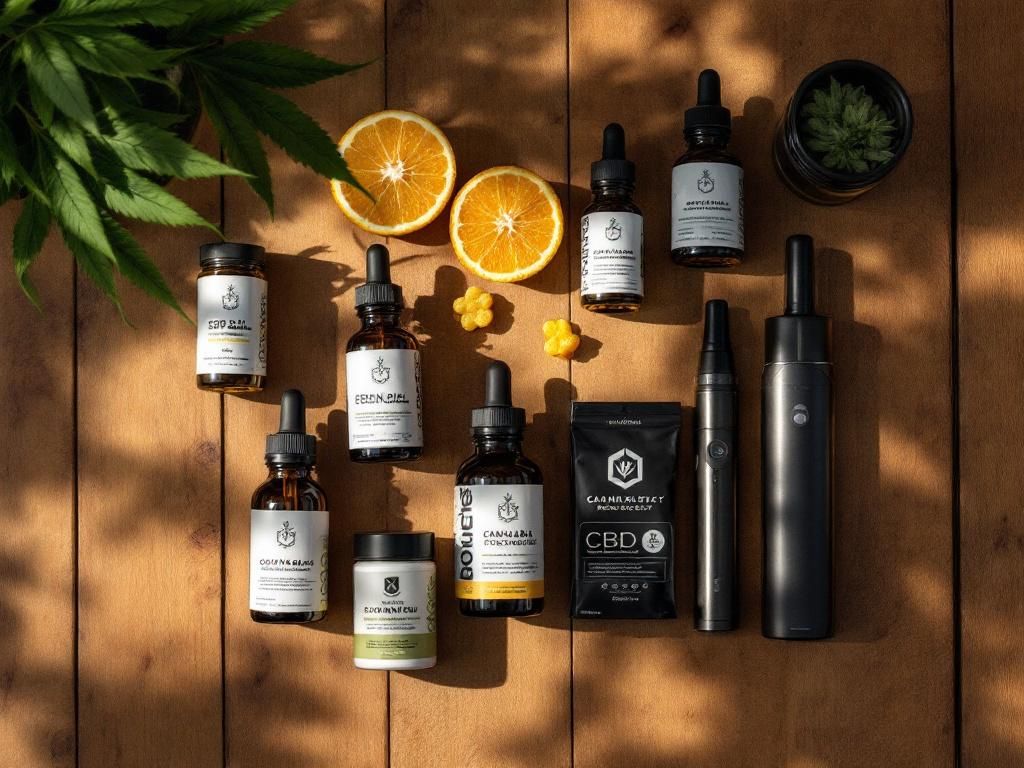
Different consumption methods offer various benefits for post-workout recovery. Sublingual oils and tinctures provide consistent dosing with relatively fast absorption. When you place these products under your tongue, they enter your bloodstream quickly, making them ideal for cannabis workout recovery routines. The effects typically last several hours, giving your body sustained support during the recovery period.
Topical products work differently by targeting specific areas of discomfort. Creams, balms, and lotions allow you to apply relief directly where you need it most. These products don’t enter your bloodstream significantly, so they won’t produce systemic effects. This makes them perfect for daytime use when you want localised relief without any cognitive changes.
Edibles offer the longest-lasting effects, making them suitable for evening recovery sessions. Gummies, capsules, and other edible forms take longer to work but can provide sustained relief throughout the night. This extended action can support better sleep quality and ongoing muscle repair. However, edibles require careful dosing since their effects can be stronger and longer-lasting than other methods.
Inhalation methods like vaping provide the fastest onset of effects. This makes them useful when you need immediate post workout weed relief after a particularly intense session. The effects come on within minutes but may fade more quickly than other methods. Some people prefer this approach for its precise control over timing and intensity.
Microdosing exercise represents another approach worth considering. This involves taking small, controlled amounts of cannabis to achieve subtle effects without impairment. Many users find that microdosing helps them tune into their body’s recovery needs while maintaining normal daily activities.
To start microdosing:
- Start with the smallest possible dose
- Monitor your body’s response for 2-3 sessions
- Gradually adjust dosage if needed
- Document effects for consistency
Choosing Quality Cannabis for Recovery: Why BudBuddies Stands Out
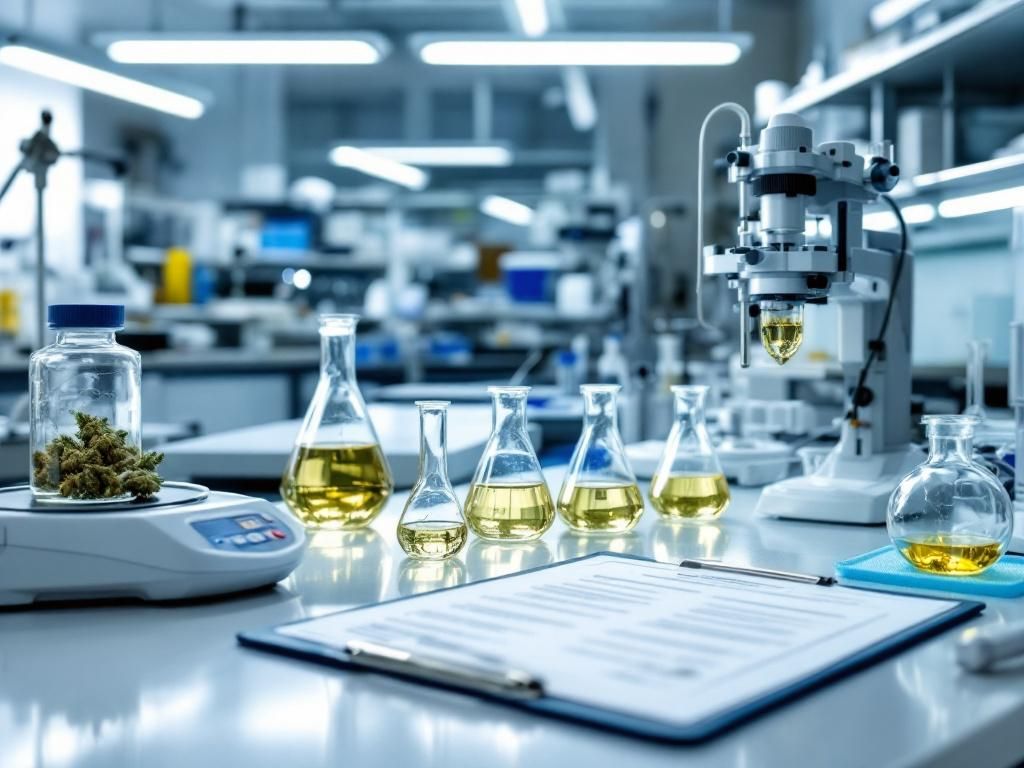
Product quality matters significantly when using cannabis for recovery purposes. You need consistent potency and purity to achieve reliable results. BudBuddies sources their products from reputable growers who use organic cultivation methods. Every product undergoes third-party lab testing to verify its cannabinoid content and screen for contaminants like pesticides, heavy metals, and microbials.
“Third-party testing is essential for cannabis products. Without it, consumers have no way to verify potency or purity.” – Dr. Peter Grinspoon, Harvard Medical School
These lab certificates provide transparency about what you’re consuming. When you’re using cannabis to support your recovery, knowing exactly what’s in your product helps you make informed decisions about dosing and timing. BudBuddies makes these test results available, so you can verify the quality of every purchase.
BudBuddies offers a curated selection of products suitable for recovery applications. Their flower varieties include strains with balanced CBD and THC profiles that may support relaxation and pain relief. The edibles range provides precise dosing options for consistent effects. You can also find high-quality vaporizers for those who prefer inhalation methods.
The company’s commitment to discreet packaging ensures your privacy while exploring these recovery options. Fast, reliable delivery throughout the UK means you can maintain your routine without interruption. Next-day delivery options are available for urgent needs. BudBuddies understands that consistency matters in recovery routines, so they’ve built their service around reliable access to quality products.
Their customer service team can help you navigate the selection process if you’re new to using cannabis for recovery. While they can’t provide medical advice, they can share information about product specifications and help you understand different options. This support makes BudBuddies particularly valuable for those just beginning to explore weed and workout recovery tips.
Conclusion
Cannabis offers promising potential as a natural addition to your post-workout recovery routine. Whether you choose CBD for its anti-inflammatory properties or explore THC for pain relief and sleep support, these compounds may help your body recover more efficiently. The key lies in finding quality products and using them consistently as part of a comprehensive recovery strategy.
Remember that cannabis works best alongside traditional recovery methods like proper nutrition, hydration, and adequate rest. Start with low doses and pay attention to how your body responds. With patience and experimentation, you can develop a recovery routine that supports your fitness goals.
BudBuddies provides the quality and reliability you need to explore these options safely. Their commitment to premium products and customer satisfaction makes them an excellent choice for anyone interested in incorporating cannabis into their wellness routine.
FAQs
Is using cannabis for recovery safe?
CBD products generally have mild side effects like dry mouth or slight drowsiness. THC can cause more noticeable effects, especially at higher doses. Always start with small amounts and choose lab-tested products to avoid contaminants. If you have existing health conditions or take medications, consider consulting a healthcare professional before adding cannabis to your recovery routine.
How quickly does cannabis help with muscle soreness?
The onset time varies significantly by consumption method. Vaping or smoking provides effects within minutes, while sublingual products take 15-30 minutes. Edibles can take 1-2 hours to work but last longer. Topical applications may provide localised relief within 15-45 minutes. Individual responses vary, and consistent use over time may provide cumulative benefits for recovery.
Can I use cannabis before a workout?
Some people find that small doses improve focus and mind-muscle connection during exercise. However, higher doses, particularly those rich in THC, can impair coordination and reaction time. If you choose to experiment with pre-workout use, start with minimal amounts and avoid activities requiring precise motor skills. Most people find post-workout consumption more beneficial for recovery without affecting performance.

