


Can Weed Cause Derealisation? Risks and Relief
Introduction
Feeling like the world has turned fake after a smoke can be deeply unsettling. When that happens, many people quietly ask, can weed cause derealisation?
The experience can feel scary, confusing, and hard to explain. Your body may feel present, yet everything around you seems oddly distant or staged.
The short answer is yes. Cannabis, especially high‑THC products, can trigger derealisation – the strange sense that everything around you suddenly feels unreal. For most adults this effect is short lived, but it can still shake confidence. This guide walks through what derealisation is, how cannabis links in, who is most at risk, and how to lower that risk when you choose to use.
So let us break it down calmly, starting with the basics.
What Is Derealisation, and How Does It Feel?
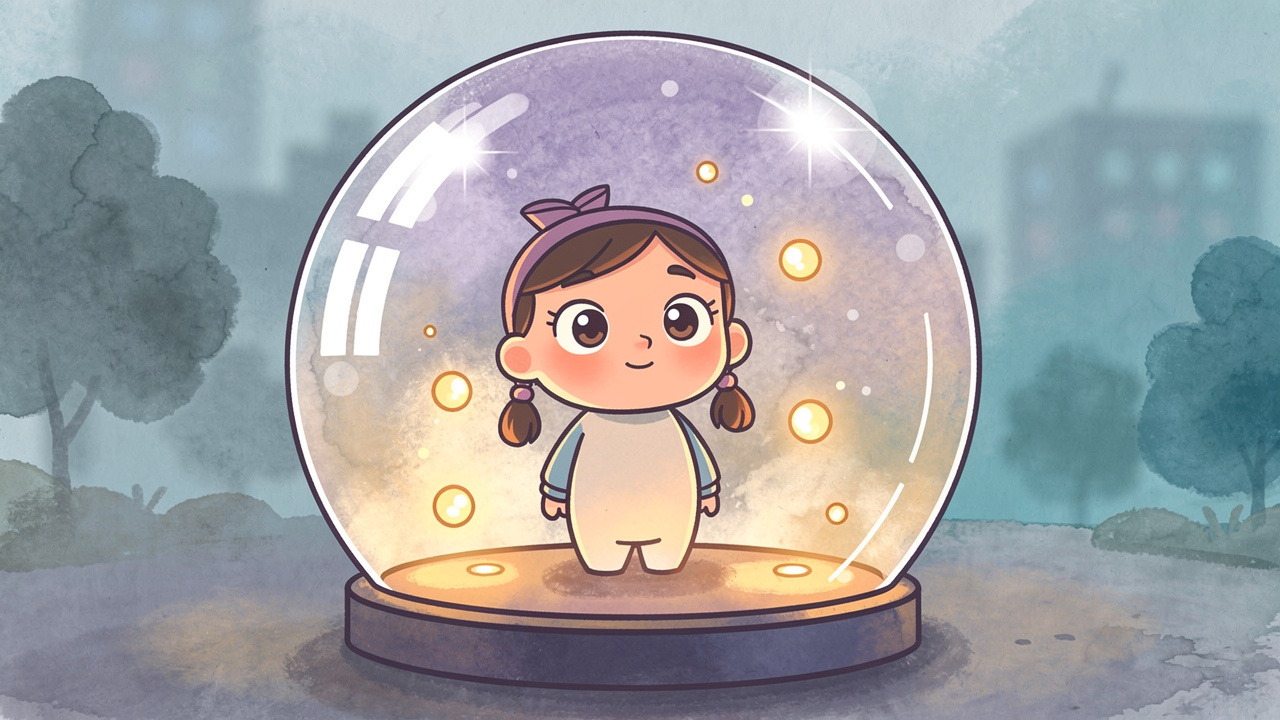
Derealisation is a mental state where the world around you feels unreal, distant, or dreamlike, even though you know it is still the same place. People describe it as watching life through glass, or seeing everything on a screen rather than being in it. This odd split between what you see and what you feel is what makes derealisation so unsettling.
Derealisation is closely linked to depersonalisation, which is when someone feels detached from their own body or thoughts rather than from the outside world. When the two hang around and interfere with daily life, clinicians call it depersonalisation‑derealisation disorder. According to the Royal College of Psychiatrists, around one person in a hundred meets criteria for this disorder at some point, so you are definitely not alone if the symptoms sound familiar.
So how does derealisation actually feel in the moment?
Things can look too sharp or too flat, with colours either oddly bright or strangely dull. You might notice sounds or movement more than usual yet feel disconnected from them. Many people say familiar rooms seem staged, even though they know nothing has changed.
Time can feel distorted, as if minutes stretch on for hours or whole chunks seem to skip. At the same time your thoughts may feel foggy or slowed down. Putting words together in conversation can take more effort, which only adds to the unease.
Emotionally, people often feel numb or distant, like watching themselves act rather than living events. That awareness that something feels off is a sign that this is derealisation, not psychosis. Knowing this difference helps when you start asking whether weed can cause derealisation for you.
“The feeling is strange, but it is not a sign you are losing your mind. It is a stress response that can pass.”
— Common reassurance from therapists who work with dissociation
Can Weed Actually Cause Derealisation?
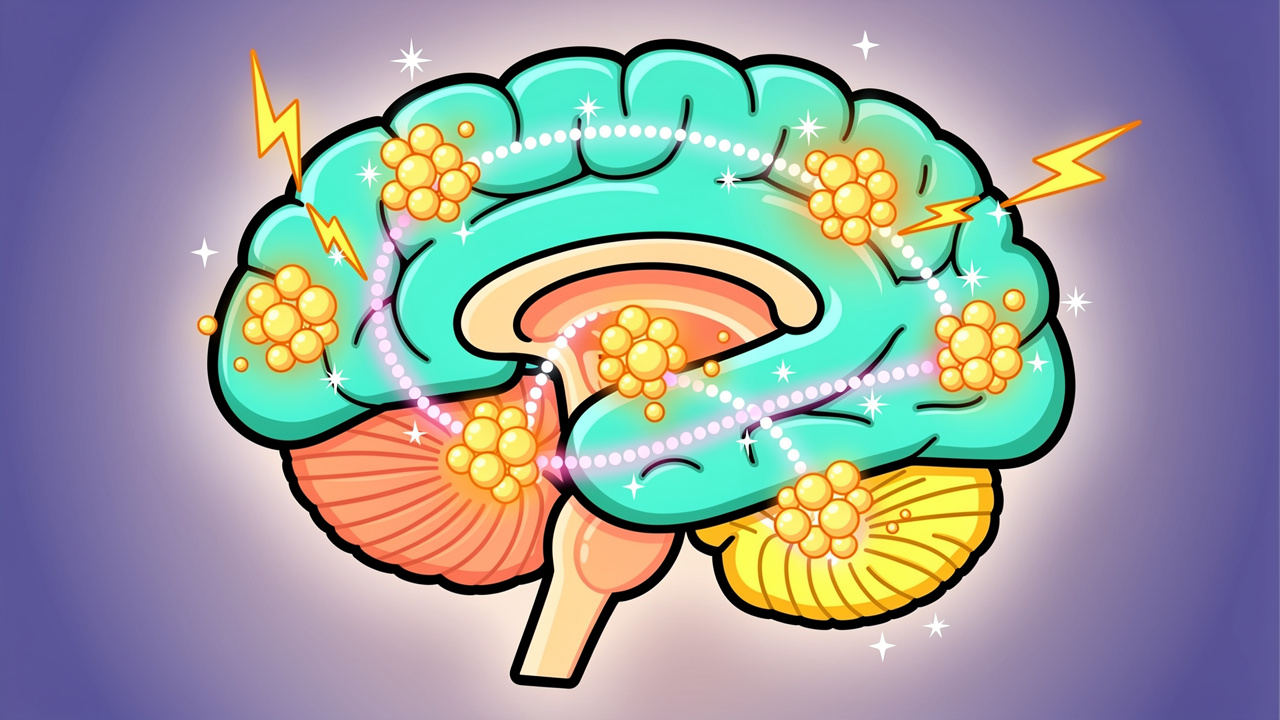
Yes, can weed cause derealisation is a fair question, especially when products are strong in THC. THC activates CB1 receptors in areas of the brain that handle perception, memory, and emotion, such as the prefrontal cortex, hippocampus, and amygdala. When those circuits are flooded, the normal joining together of sights, sounds, thoughts, and feelings can wobble, and that is when the world can start to feel unreal.
Research into cannabis and dissociation is still growing, but some patterns are clear, with an overview of the evidence explored in Cannabis and Dissociation: Do cannabinoids ease or exacerbate DP/DR. Clinical surveys reported in journals such as the Journal of Psychopharmacology suggest that roughly a quarter to a half of recreational cannabis users notice at least mild depersonalisation or derealisation symptoms at some point. Other work from King’s College London links high‑potency cannabis to a higher rate of unpleasant psychological reactions in general, which fits that picture. For most, those feelings appear during a strong high and fade as THC leaves the body.
CBD interacts with the same system in a softer way. Studies highlighted by the National Institute on Drug Abuse describe CBD as reducing some of the anxious, racing effects that high THC can bring. So when THC is very high and CBD is almost absent, which is common in many modern strains and concentrates, the balance tilts towards more intense psychological effects, including a greater chance of derealisation.
If you are wondering whether weed can cause derealisation for you, the more detailed answer is that it depends heavily on dose, product, and personal history. Two people can share the same vape and have very different experiences because their brains and recent stress levels differ. High‑THC products make dissociation more likely, and anxious thoughts during a session can then push a short wobble into a frightening episode. The next section looks at which factors most often tip the balance.
To sum up the main links:
Higher THC → more intense changes in perception and emotion
Low or no CBD → less “buffer” against anxiety and racing thoughts
Existing stress or anxiety → greater chance that the high feels edgy or unreal
Who Is Most at Risk, and What Makes It More Likely?
Not everyone who uses cannabis experiences derealisation, and many people never feel it at all. When it does happen, though, certain patterns show up again and again. Knowing these patterns helps you judge your own risk before asking whether weed can cause derealisation for you personally.
High THC strength and large doses sit near the top of the risk list. Data from the European Monitoring Centre for Drugs and Drug Addiction show average THC levels in European cannabis are far higher than they used to be. Stronger products make it easier to overshoot your comfort zone, especially if tolerance is low.
Edibles often cause problems because effects can take ninety minutes or longer to appear. It is easy to eat more while waiting, only to feel overwhelmed later on. Starting low and going slow with carefully dosed edibles keeps this risk much smaller.
Personal factors matter as much as the product. People with current anxiety, a history of trauma, or heavy stress are more likely to react badly to THC. The National Institute on Drug Abuse notes that around three in ten people who use cannabis develop some level of cannabis use disorder, and heavier use tends to sit alongside longer lasting symptoms.
Other background factors can also add to the risk, including:
A family history of psychosis or severe anxiety
Using cannabis at a very young age
Sleeping badly or not eating much before using
Is Derealisation From Cannabis Permanent?
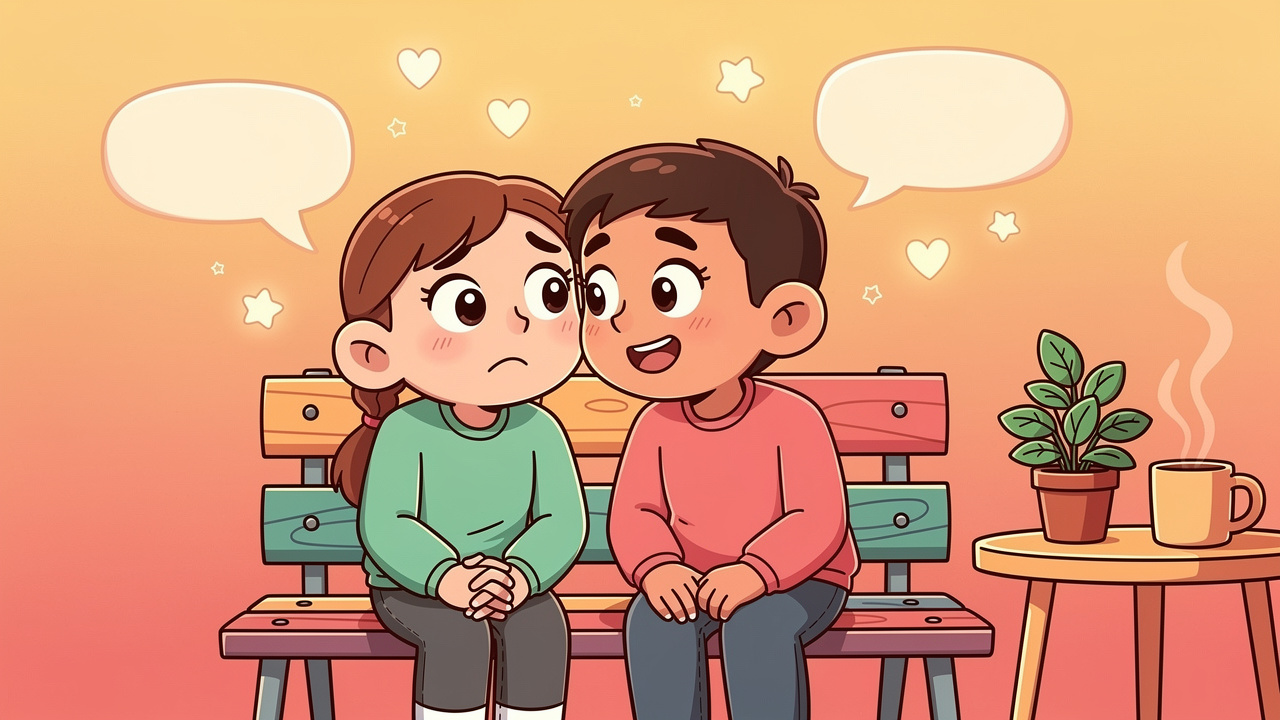
For most people, derealisation from cannabis is temporary. Symptoms tend to peak while THC is highest in the body and then fade over hours or days. Many never feel that strange distance again once the session that triggered it has passed.
In a small, more vulnerable group, derealisation and depersonalisation can linger and turn into depersonalisation‑derealisation disorder after cannabis. Case reports described by the NHS and Royal College of Psychiatrists show that professional support such as cognitive behavioural therapy and mindfulness‑based approaches can help. If symptoms stay with you for weeks or keep returning, speaking with a healthcare professional is a sensible next step.
“If dissociative symptoms last, treat them like any other mental health concern: talk to someone, get assessed, and do not struggle alone.”
— Advice consistent with NHS and Royal College of Psychiatrists guidance
How to Reduce Your Risk as a Cannabis Consumer
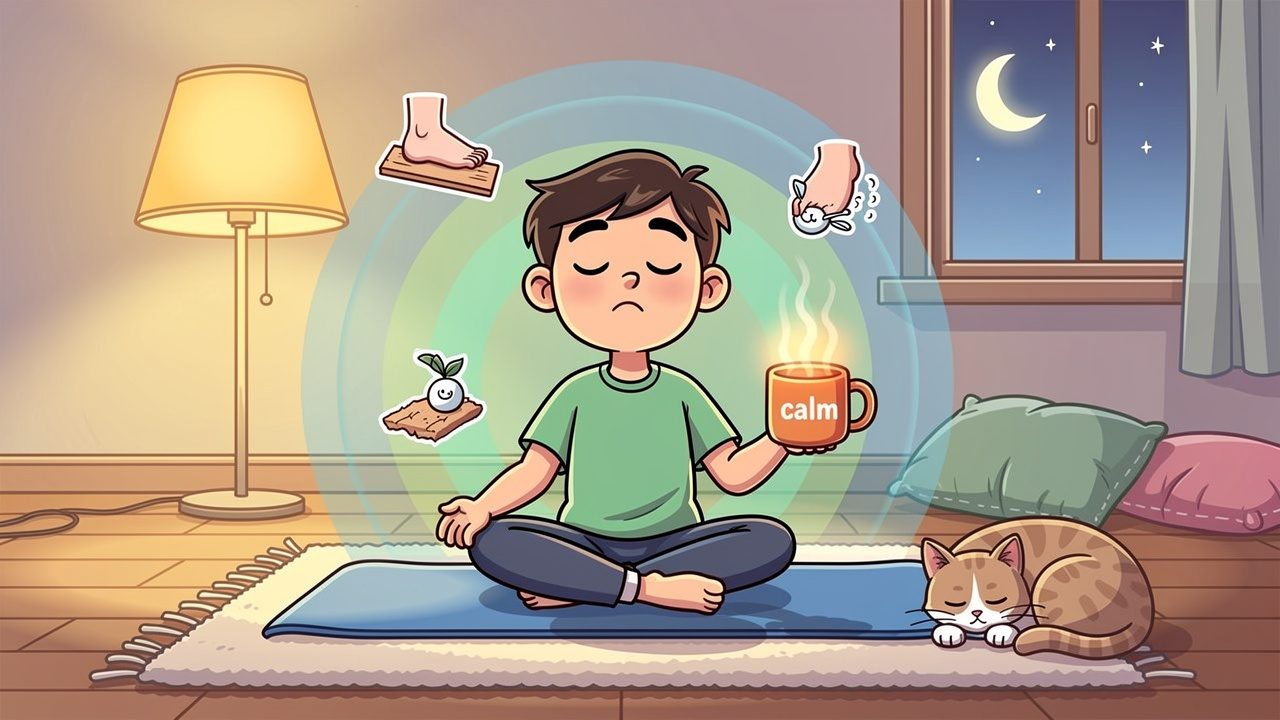
Knowing that the answer to can weed cause derealisation is sometimes yes does not mean you have to stop enjoying it altogether. What matters most is how you choose, dose, and use your products. With a bit of planning you can keep the chance of a frightening episode far lower.
Reliable information makes that planning much easier. At BudBuddies every edible, vape, flower, and concentrate lists THC and CBD content clearly, so you know what you are taking. The range on buddies.cc includes high‑CBD and lower‑THC choices, which suit newcomers and anyone who knows they are sensitive to highs.
Here are practical steps that reduce the odds of derealisation from cannabis:
Start low and go slow, especially with edibles. For most adults, two and a half to five milligrams of THC in an edible is a sensible first test dose. Wait at least ninety minutes before even thinking about more, because edible peaks arrive later than many people expect.
Avoid concentrates such as wax and shatter if you are new or anxiety‑prone. These formats pack a lot of THC into a very small amount, so it is easy to overshoot by mistake. Sticking with clearly labelled flower or carts from BudBuddies gives you finer control over each inhale.
Pay attention to mindset and environment on any day you plan to use. If you already feel on edge, tired, or overwhelmed, even a modest dose can feel harsher. Choosing a familiar, comfortable space with people you trust calms the nervous system and makes derealisation less likely.
Give your brain regular breaks and avoid mixing cannabis with alcohol or other substances. Household surveys from the Office for National Statistics show that millions of adults in Great Britain use cannabis each year, so pacing yourself is not unusual. Taking days or weeks off gives you space to notice whether your mental health feels clearer away from THC.
Harm‑reduction tip: “Treat cannabis like any other psychoactive drug—dose carefully, respect your limits, and check in with your mental health over time.”
— Common guidance from harm‑reduction services
You can also keep a simple personal checklist for safer use:
How stressed or tired am I right now?
Do I know the THC and CBD content of what I am taking?
Am I in a place and with people where I feel safe?
If any of those answers raise doubts, cutting back or waiting for another day is a wise choice.
Frequently Asked Questions
These answers cover the worries people most often have after a confusing cannabis experience involving derealisation.
Question: Can a single cannabis session cause lasting derealisation?
A single session rarely causes lasting derealisation, especially when dose is modest. Most people find the feelings fade as THC leaves the body. In vulnerable people an intense episode can act as a trigger, which is why careful dosing makes sense for first tries and for people with a history of anxiety or trauma.
Question: Does CBD help with cannabis-induced derealisation?
CBD can sometimes help by softening THC’s impact on the brain. Research summarised by the National Institute on Drug Abuse suggests CBD may reduce anxiety and racing thoughts. Using balanced THC‑CBD products or keeping a CBD‑only option nearby can make intense highs easier, although it is not a guaranteed fix once derealisation has started.
Question: What should I do if I feel derealised after using cannabis?
The best step is to remind yourself the feeling is temporary and substance‑related. Then try practical grounding actions such as:
Focus on physical sensations, such as your feet on the floor or a drink in your hand
Look around and name five things you can see, four you can touch, three you can hear
Move somewhere quiet and familiar if you can
Avoid more cannabis or alcohol during the episode
Talk to someone you trust and describe what you are feeling
If symptoms keep returning or feel worse each time, plan a break from cannabis and talk with a health professional.
Question: Are edibles more likely to cause derealisation than smoking or vaping?
Edibles are more likely to lead to accidental overdoing, which can bring on derealisation. Because effects take up to two hours to peak, people often eat more while they wait. When everything arrives together the high can feel overwhelming compared with a few puffs from a vape or joint, where you can pause and see how you feel.
Question: When should I seek professional help for derealisation?
You should seek help if derealisation lasts more than a few days, keeps returning, or begins to affect work, study, or relationships. Persistent symptoms, strong anxiety, or low mood alongside dissociation are all clear reasons to speak with a GP or mental health professional.
“If a drug experience keeps affecting how you feel long after the drug itself has worn off, that is a sign to get proper support.”
— Principle shared across many mental health services
Making It Count Consumption Knowledge Is Harm Reduction
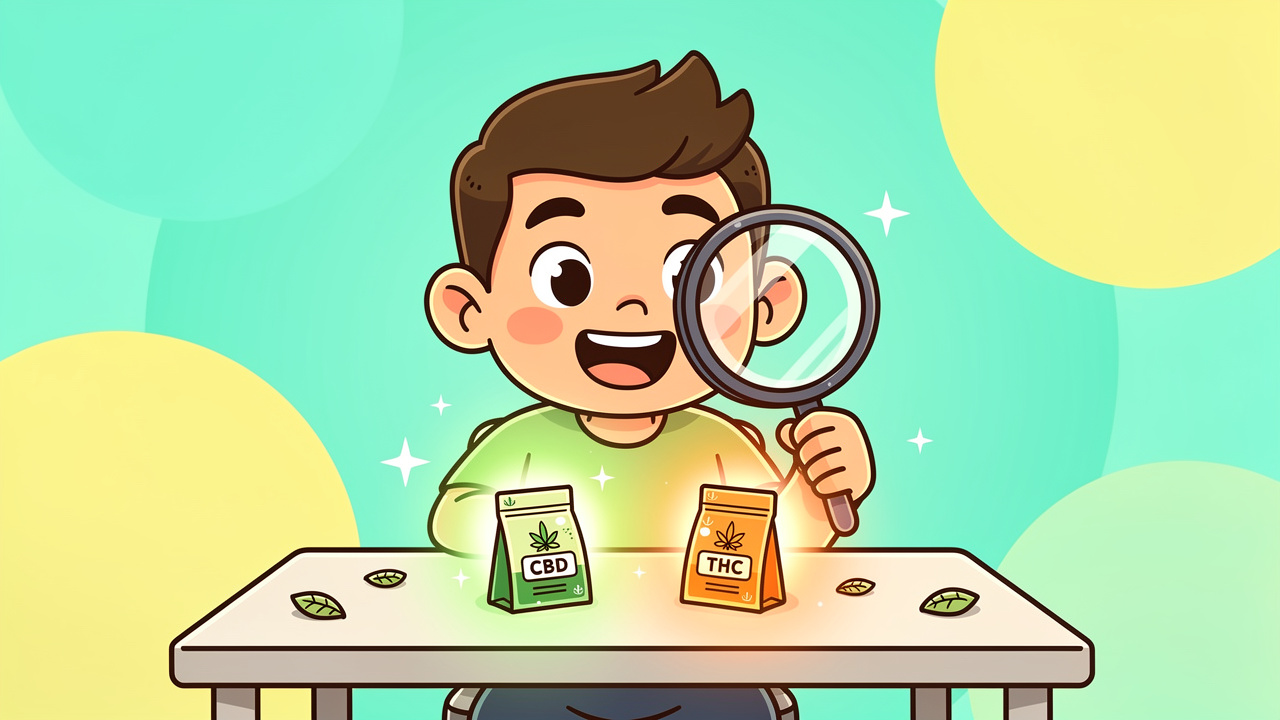
By now the picture should feel clearer. Research on whether weed can cause derealisation suggests risk is higher when THC is high, doses are large, or stress levels are high. At the same time, many adults enjoy cannabis without ever hitting that sense of unreality, largely because they stay within sensible limits.
For BudBuddies, harm reduction starts with clear information and carefully chosen products, not scare stories. That is why every listing on buddies.cc comes with lab‑tested cannabinoid details, dosing guidance, and plain language effect notes. When you match that knowledge with your own body awareness, you give yourself a far better chance of calm, enjoyable sessions.
Keeping a simple record of what you took, how much, and how you felt can also help you notice patterns over time. If derealisation seems to appear at certain doses or with certain products, you can adjust or avoid them.
Conclusion
Questions around can weed cause derealisation usually come from a place of fear, and the reaction makes sense. Feeling as if the world has tilted, even for a time, is unnerving. The key message is that derealisation after cannabis is often temporary and linked to dose, potency, and mindset.
When you understand that THC can unsettle perception, that CBD may soften the impact, and that high‑strength products carry more risk, you are in a safer position. Research from bodies such as the Royal College of Psychiatrists and NHS shows that longer lasting depersonalisation‑derealisation disorder responds to proper support.
If you plan to keep cannabis in your life, choose products and information that respect your time and your wellbeing. BudBuddies aims to give that mix through clear education, careful strain choices, and discreet service on buddies.cc. Read product descriptions, start low, listen to your body, and let knowledge guide each session.


