


Can Weed Make Depression Worse? Real Risks Explained
Introduction
Can weed make depression worse, or is it just a handy way to take the edge off? Many people light up to ease low mood, flat days, or heavy thoughts — a behaviour reflected in rapidly growing global cannabis use documented in the Digital 2026 Mid-Year Global update, which tracks shifting wellness and lifestyle trends worldwide. It feels quick, familiar, and far easier than waiting for therapy, medication, or lifestyle changes to kick in.
Over time, though, some notice something unsettling. Motivation dips, sleep feels messy, and the lows seem deeper on days without weed.
So can weed make depression worse for you personally? The honest answer is that it can, especially with frequent, high THC use, although some people do feel short term benefit. Cannabis may lift mood for an evening while quietly pulling your baseline down between sessions. This guide looks at what happens in your brain, what research shows, who sits in a higher risk group, and how to use cannabis more mindfully.
If you want calm, straight guidance rather than scare stories or sales talk, stay with this page. The goal here is to help you weigh up the trade-offs so you can make more informed choices about your own use.
How Cannabis Actually Affects Your Brain’s Mood System
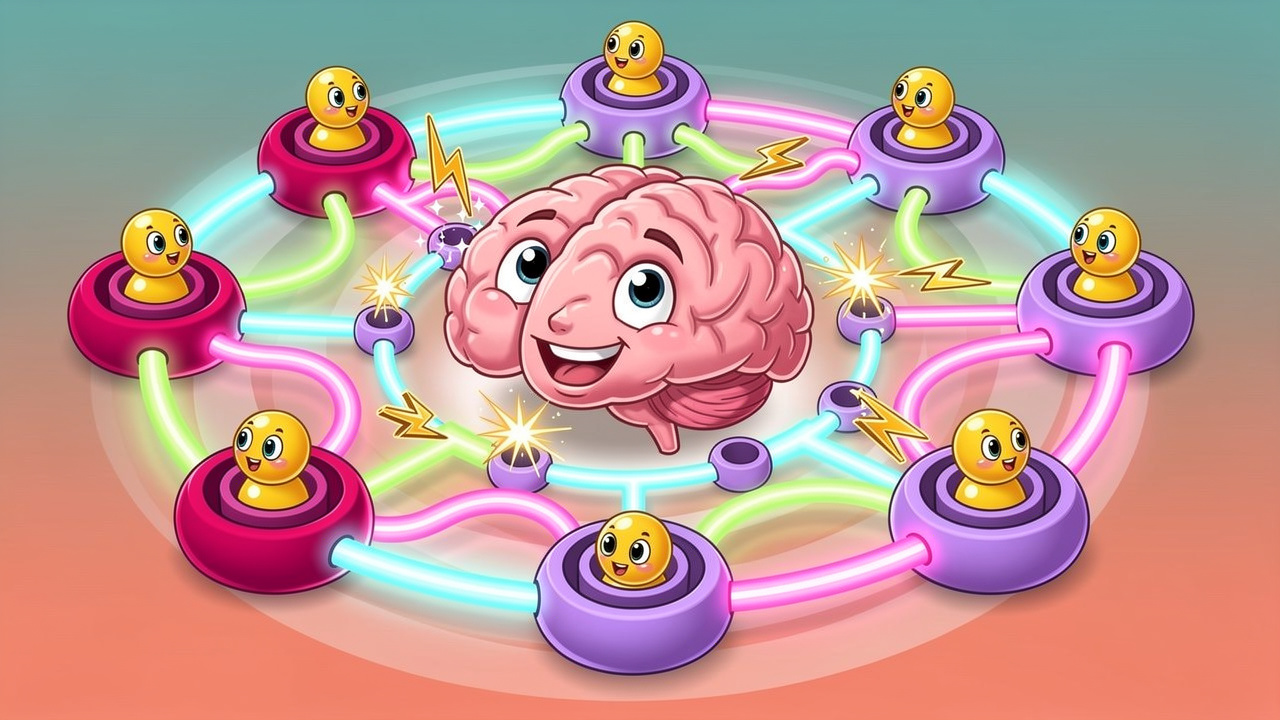
Cannabis affects your brain’s mood system by plugging into the same network that manages stress, pleasure, and motivation. This network is the endocannabinoid system, and it helps keep mood in a steady range from day to day. When depression is present, that system already struggles to keep things balanced.
The endocannabinoid system uses natural chemicals that fit into tiny CB1 and CB2 receptors on brain cells. THC from weed looks close enough to these natural chemicals that it fits into CB1 receptors in areas that manage reward, emotion, and focus. According to the World Health Organization, depression affects around 280 million people worldwide, so any substance that leans on these pathways touches a lot of people.
In the short term, THC prompts extra dopamine release. That spike can feel like relief, calm, or a burst of interest in music, food, or conversation. For someone who has felt flat for weeks, that change can feel deeply welcome and may even seem like proof that weed is helping their depression.
With frequent, heavy use, patterns tend to shift:
The brain starts to pull back on CB1 receptors.
Natural endocannabinoid production drops.
Pleasure and drive from everyday activities can feel duller.
Research on impact of polysubstance use on major depression suggests that this downshift can blunt natural pleasure and motivation, which are already low during depression.
CBD behaves differently. It does not fit into CB1 receptors in the same way and seems to affect several systems at once, including serotonin. Early studies point to calming and antidepressant‑like effects, but the data is still early and doses are still being studied.
A therapist might put it like this: “THC can feel like turning the volume up on your reward system; if you keep it cranked, the system sometimes responds by turning the main power down.”
This makes the THC to CBD balance in any product a key detail for anyone worried about mood, which is why BudBuddies lists clear cannabinoid percentages on each product page.
Short-Term Relief vs. Long-Term Risk: What the Research Shows
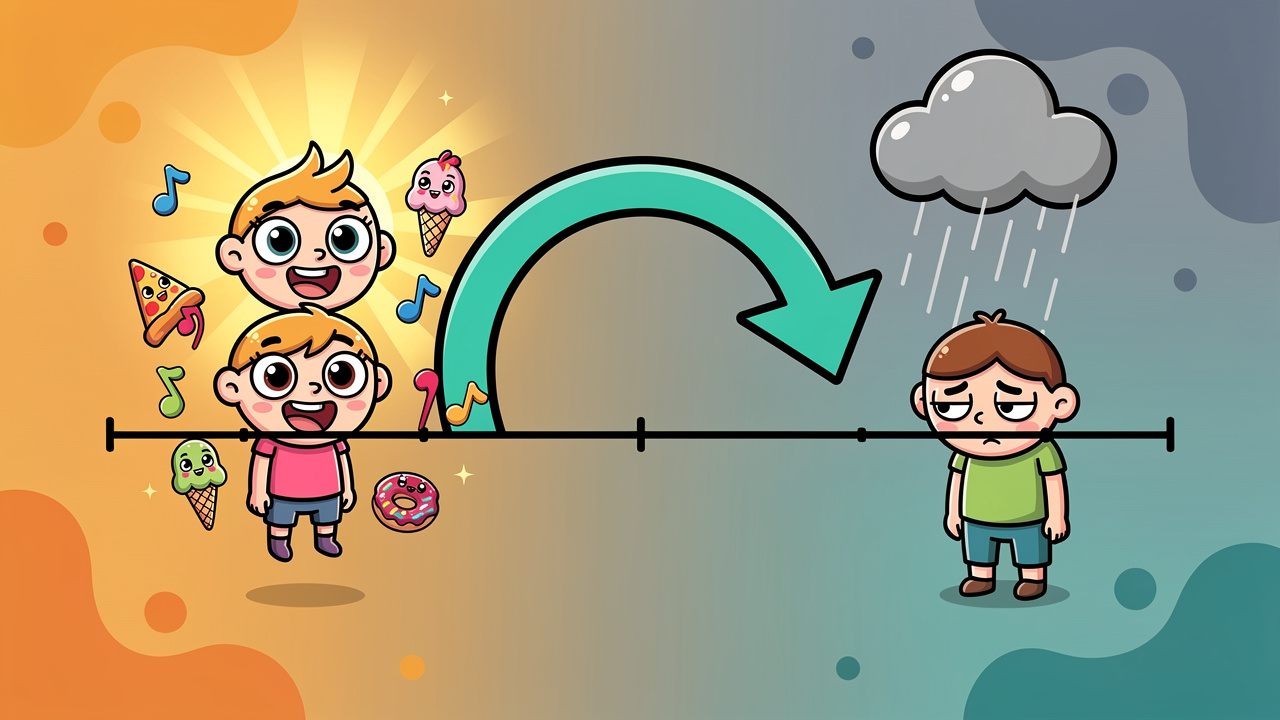
Short term, many people feel that weed softens depression. THC triggers dopamine, relaxes the body, and can make music, films, or conversation more enjoyable. For someone who feels stuck, that lift can feel like the first light through a cloudy window.
Population studies tell a different story once use becomes heavy or daily. A large review in JAMA Psychiatry found that frequent cannabis users reported more depressive symptoms than non‑users, even after researchers adjusted for other factors. That does not prove weed alone caused the low mood, but it suggests a pattern worth taking seriously.
Several repeating patterns show up in both research and everyday reports:
Tolerance tends to build with regular high‑THC use. Over weeks and months, the same amount that once felt relaxing may barely touch your mood. People then roll bigger joints or add extra sessions, which increases exposure to the same brain changes linked with low motivation and emotional flatness.
Rebound low mood often appears as the high fades. Many people notice a quiet slump later in the day or the next morning, a pattern consistent with findings on monthly simultaneous cannabis and alcohol use that documents mood crashes tied to substance cycling in college-aged adults. That drop can feel worse than their original baseline, which nudges them toward another session. Over time, this can lock into a loop where weed seems needed simply to feel normal.
Sleep and daytime energy can slide. THC can make it easier to fall asleep at first, yet it disrupts REM sleep, the stage tied to emotional processing. Research reviewed by the Sleep Foundation links long‑term REM disruption with irritability and low mood, which overlap heavily with depression.
As many people with depression describe it: “Weed helps for a few hours, then the crash feels even heavier than before.”
This mix creates the self‑medication loop. You feel low, you use weed, you feel better for a while, then you feel lower once it wears off. Because that relief is real in the moment, it is easy to miss the gradual slide in your baseline mood and motivation.
Does the Type of Cannabis Make a Difference?
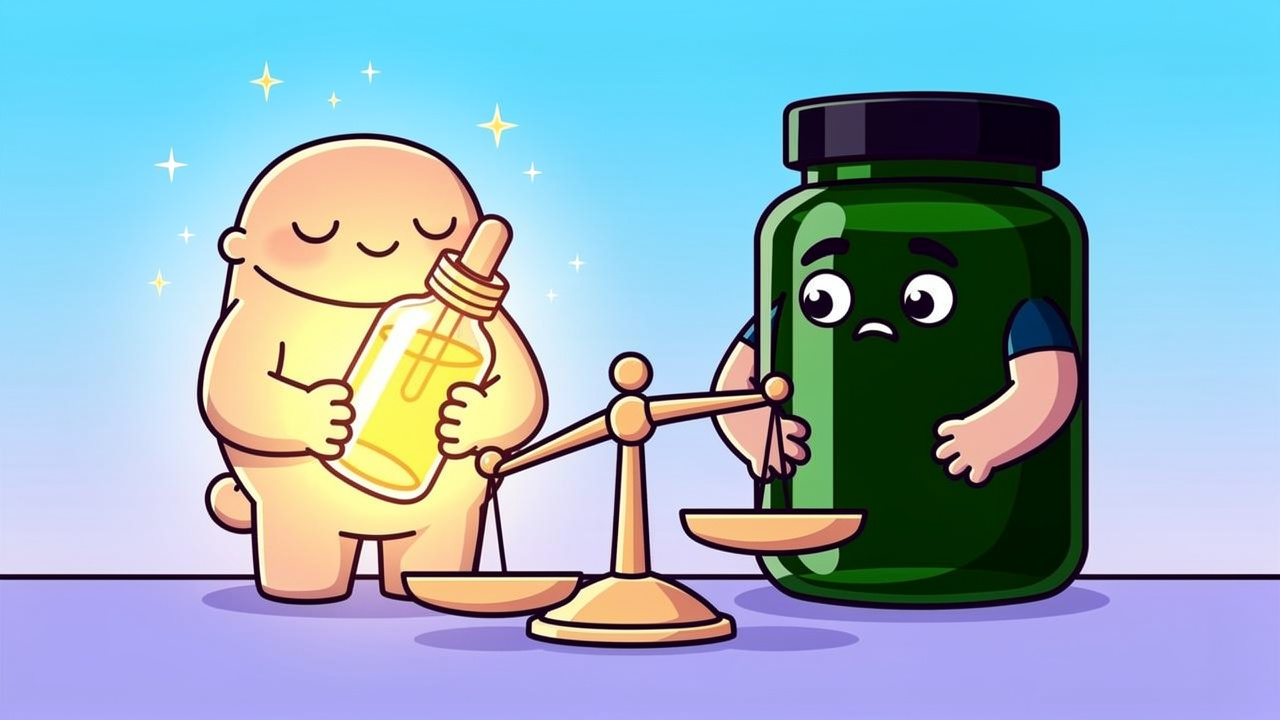
The type of cannabis you choose makes a major difference to how likely weed is to make depression worse. High‑THC, low‑CBD products pose the greatest risk, especially if you already notice anxiety, racing thoughts, or big crashes the day after use.
Modern high‑potency flower, vapes, and concentrates often contain far more THC than cannabis from a decade ago. A study in Lancet Psychiatry reported that daily use of high‑potency cannabis was linked with up to about five times higher odds of psychotic disorder compared with non‑users, which shows how strength changes mental health risk. While that paper focused on psychosis rather than depression, it highlights how potency matters for the brain.
Different products can also feel very different:
Strong concentrates and some vape carts can deliver a large THC dose very quickly.
Edibles can produce longer‑lasting effects and sometimes sharper comedowns.
Lower‑potency flower and CBD oils often feel milder and easier to adjust.
CBD‑heavy or balanced products interact differently. CBD appears to influence serotonin receptors involved in mood, and several early trials report antidepressant‑like and anti‑anxiety effects without intoxication. For many adults who want to reduce the chance that weed makes their depression worse, CBD‑dominant or balanced products feel safer than very strong THC options.
BudBuddies makes these differences clear by listing exact THC and CBD percentages and sharing lab‑verified Certificates of Analysis for each product on budbuddies.cc. That transparency helps you judge whether a strong THC strain, a gentler hybrid, or a CBD oil fits better with your current mental health needs.
Who Is Most at Risk of Weed Making Depression Worse?
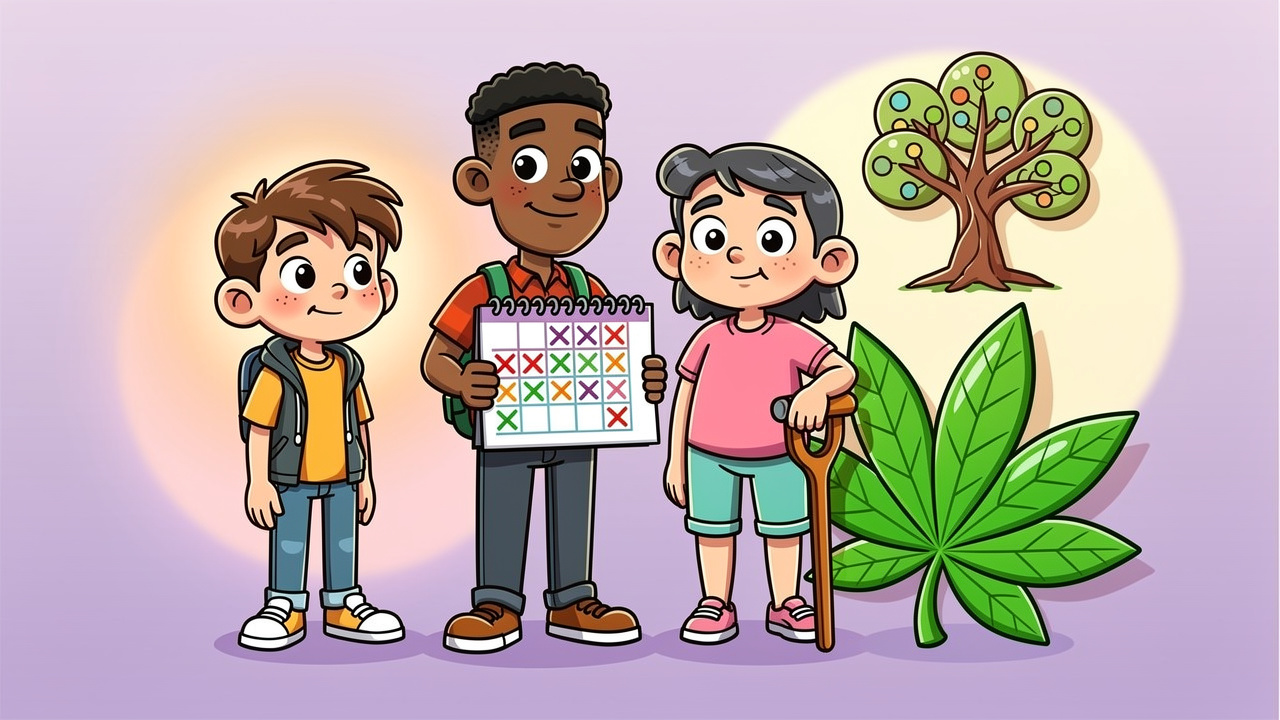
Weed does not affect everyone in the same way, and some groups sit at higher risk of worse depression with regular use. Research points consistently to age, dose, frequency, and personal history as key factors. Knowing where you fit can help you make calmer choices.
Young adults and teenagers appear more sensitive to cannabis effects on mood. The prefrontal cortex, which shapes planning and emotional control, keeps maturing into the mid‑twenties. Studies from King’s College London link early, frequent cannabis use with higher rates of depression later in life, suggesting that a developing brain reacts more strongly.
Daily or near‑daily users carry more risk than occasional users. Longitudinal work reviewed by NHS Digital shows that both dose and frequency matter. An adult who uses a small amount once or twice a week faces a very different profile from someone who vapes strong THC several times each day.
People with a personal or family history of mental health conditions such as depression, anxiety, bipolar disorder, or psychosis tend to be more vulnerable. Their brain chemistry may already lean toward mood swings or low serotonin, so extra strain from high THC can tip the balance. For these individuals, careful product choice and dose control matter even more.
Anyone who relies on weed as their main coping method for low mood sits in a riskier spot. If joints have replaced chats with friends, exercise, sleep routines, or talking therapy, the underlying depression often deepens. According to NIDA, about 9 percent of people who ever use cannabis develop Cannabis Use Disorder, and that rises to about 17 percent for those who start in adolescence.
Many clinicians might remind you: “Risk factors are warning lights, not verdicts. What you do next still matters.”
If several of these points feel familiar, it does not mean you must stop cannabis right away. It does mean your brain might benefit from a more cautious plan, lower‑potency products, and extra support outside weed, such as therapy, medication review, or changes to sleep and activity routines.
How to Use Cannabis More Mindfully if You’re Managing Low Mood
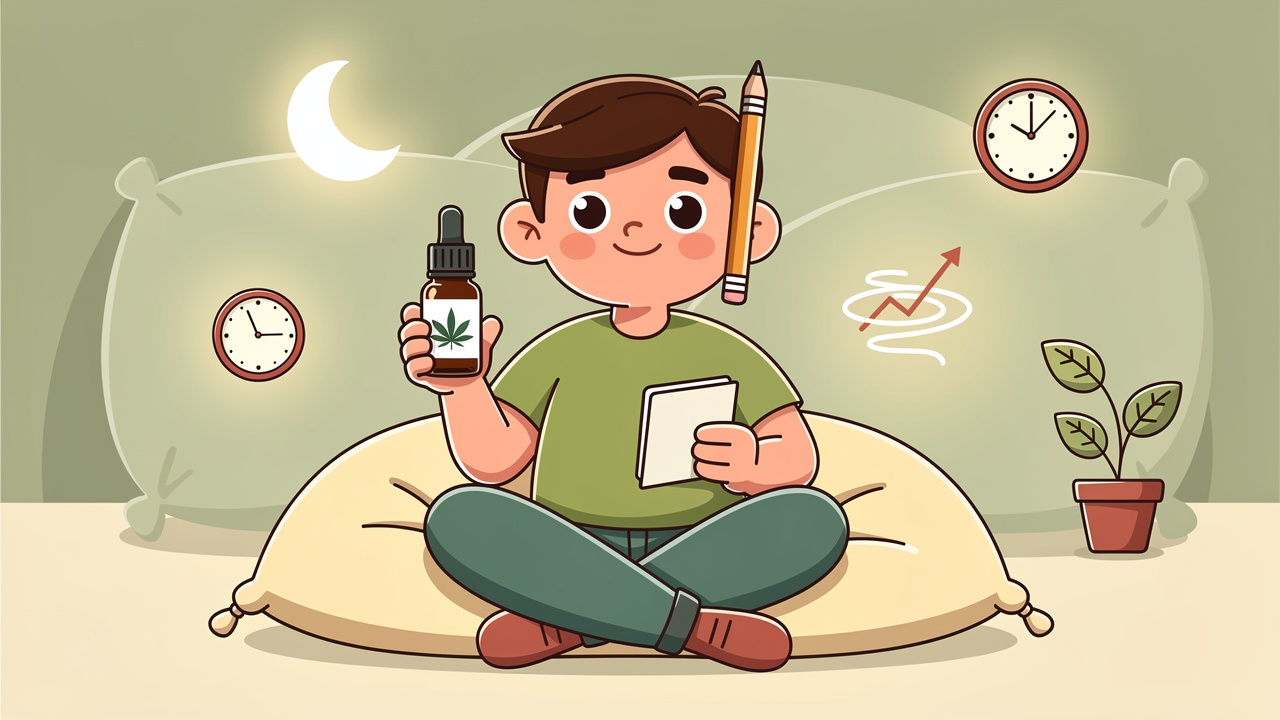
For many adults, weed is already part of life, and stopping overnight feels unrealistic. Mindful use aims to reduce the chance that cannabis makes depression worse while still respecting the reasons you reach for it. This section focuses on small, practical shifts rather than all‑or‑nothing rules.
Favour lower THC and higher CBD options whenever possible. A balanced hybrid or CBD‑rich oil tends to feel smoother on mood than a strong THC sativa. BudBuddies highlights THC and CBD numbers plus terpene notes on each product page so you can pick strains that sound calming rather than jittery or intense.
Avoid daily use where you can. Rest days or rest weeks give your endocannabinoid system time to reset a little. Many people find that even two or three cannabis‑free days each week help their usual mood feel steadier, which reduces the need to keep increasing the amount they use.
Use cannabis with intention rather than by habit. Before you roll or reach for an edible, take ten seconds and ask what you want from that session. If the answer is pure escape from feelings, it may be worth pausing or reducing the dose. A relaxed, safe setting, ideally with people you trust, also lowers the chance of anxious or low‑mood spirals.
Track simple notes about mood and sleep. A basic phone note with date, dose, product, and how you felt the next day can show patterns that memory often hides. Research from Harvard Medical School shows that self‑monitoring improves mental health outcomes because it highlights links between habits and mood.
BudBuddies tip: “Start low, go slow. Give each dose time to work before you think about topping up.”
BudBuddies leans into this mindful approach with its “start low, go slow” guidance on budbuddies.cc, clear serving information for edibles, and a strong CBD range for those who want milder experiences. Many readers find that CBD oils, balanced hybrid flower, and precisely dosed gummies give them more control than very strong THC carts.
Alongside any cannabis plan, support from a GP, therapist, or counsellor remains important. Weed can sometimes soften symptoms, yet it does not replace structured treatment for depression such as talking therapies, medication, or lifestyle changes.
The Bottom Line on Weed and Depression
So can weed make depression worse? The evidence suggests that it can, especially with heavy, frequent, high‑THC use, early starting age, and when it replaces other forms of support. Short‑term relief does not always match long‑term outcome.
Product strength, THC to CBD ratio, dose, and your own history all shape the result — trends visible across populations are reflected in trends in migraine-specific medication consumption research, which illustrates how individual factors drive very different outcomes from the same substance classes across 73 countries. Many adults do use cannabis occasionally without a clear slide in mood, while others feel their depression ease once they cut back or stop. Honest self‑observation matters as much as the research.
If you choose to use cannabis, BudBuddies offers lab‑tested, clearly labelled flower, vapes, edibles, and CBD products on budbuddies.cc, along with straightforward guidance on mindful use. If you suspect weed is pulling your mood down, speaking with a GP or mental health professional is a wise next step, especially if you notice thoughts of self‑harm, loss of interest in most things, or major changes in sleep and appetite.
Frequently Asked Questions
Question: Can CBD make depression worse?
CBD usually does not make depression worse and appears less likely to unsettle mood than THC. Early research reviewed by European Neuropsychopharmacology suggests CBD has anti‑anxiety and antidepressant‑like effects in some settings. That said, people respond differently: a few feel groggy, spaced‑out, or emotionally flat at higher doses. CBD should not replace medical treatment, but many adults view it as a lower‑risk option that may sit alongside therapy, medication, and lifestyle changes.
Question: Can stopping cannabis make depression worse temporarily?
Stopping cannabis can trigger withdrawal symptoms that mimic depression. People often feel low, restless, more irritable, and sleep poorly for several days. Research from NIDA notes that these effects usually peak in the first week and fade within two to four weeks.
Common short‑term symptoms include:
low mood and lack of motivation
poor sleep or vivid dreams
anxiety or feeling on edge
reduced appetite and mild physical discomfort
A short dip after stopping does not prove weed was solving the depression. If the low mood does not lift after a few weeks, or if you feel unsafe, it is important to talk with a GP or mental health professional.
Question: Is it safe to use cannabis if you’re on antidepressants?
Cannabis and antidepressants both act on brain chemistry, so mixing them is not automatically safe. THC can interact with medications that affect serotonin and other transmitters, and may increase side effects such as drowsiness, dizziness, or agitation. Some antidepressants also affect how the body processes cannabinoids.
The safest route is to have a clear chat with a GP or pharmacist before you add cannabis or change your dose. BudBuddies encourages customers on medication to seek that guidance and to start with very small amounts if their clinician agrees.
Question: What cannabis strains are best avoided if you have depression?
Many people with depression feel worse after strong‑THC, very cerebral sativa‑leaning strains that can spark anxiety or racing thoughts. Calmer indica‑leaning or balanced hybrids may feel gentler, especially when they include some CBD.
Remember that strain names are not standard between growers, so checking:
THC and CBD percentages
terpene profile
typical reported effects
often tells you more than the name alone. BudBuddies lists full strain profiles and typical effects on budbuddies.cc so you can steer away from products that sound too intense for your mood.

