Cannabinoid Hyperemesis Syndrome Symptoms Explained Simply
Feeling sick after years of regular cannabis use seems backwards, especially when cannabis is famous for settling upset stomachs. That contradiction is exactly what makes cannabinoid hyperemesis syndrome symptoms so confusing for the people experiencing them. Long-term, heavy cannabis use can, in a small number of people, trigger repeated cycles of severe nausea, vomiting, and stomach pain rather than relieving them.
Cannabinoid hyperemesis syndrome, often shortened to CHS, is a genuine but uncommon reaction that tends to build slowly before becoming impossible to ignore. This guide breaks the condition down in plain English, covering the three phases it moves through, the specific symptoms tied to each one, and the likely reasons behind this paradox. We will also cover practical ways to lower your risk and the point at which symptoms need proper medical attention. At BudBuddies, clear product information and dosing guidance are part of how we help customers make informed choices, so this piece leans on that same approach to explain a topic that deserves straightforward answers rather than guesswork.
Key Takeaways
Cannabinoid hyperemesis syndrome causes cyclical nausea, vomiting, and abdominal pain, and it is linked to long-term, heavy cannabis use rather than occasional consumption.
Symptoms move through three recognisable stages: the prodromal phase, the hyperemetic phase, and the recovery phase.
Compulsive hot showering is one of the clearest signs doctors look for when diagnosing the condition.
Stopping cannabis use completely is the only treatment that resolves CHS for good.
Choosing lab-tested products with clear potency labels and dosing gradually can help you keep consumption patterns in check.
What Is Cannabinoid Hyperemesis Syndrome?
Cannabinoid hyperemesis syndrome is a rare condition where long-term, heavy cannabis use leads to repeated episodes of intense nausea, vomiting, and cramping stomach pain. It typically shows up in people who have used cannabis daily or near-daily for several years, rather than months, though this varies from person to person, against a backdrop of roughly 1.0 million medicinal cannabis prescriptions filled annually across legal markets. The condition sits alongside a well-known fact, that cannabis is often used to calm nausea, which makes CHS feel like a genuine contradiction rather than a straightforward side effect.
Researchers believe this happens because the relationship between cannabis and nausea is dose and duration dependent, meaning small, occasional amounts can settle the stomach while years of heavy exposure can eventually flip that effect. In other words, the same compounds behind cannabis’s calming reputation may, over prolonged heavy use, start working against the person taking them. CHS remains uncommon overall, but understanding this pattern helps explain why symptoms can feel so bewildering when they first appear.
What Are the Symptoms of Cannabinoid Hyperemesis Syndrome?
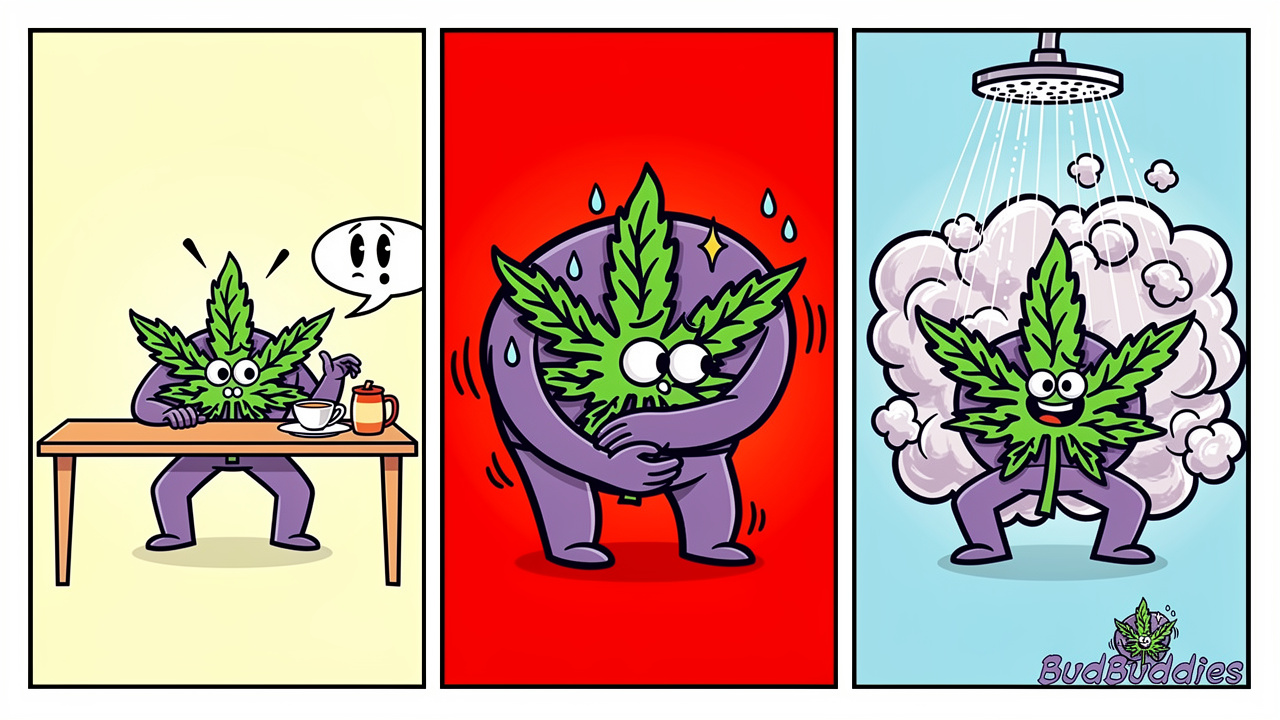
The clearest way to understand cannabinoid hyperemesis syndrome symptoms is to follow how the condition typically develops, since it moves through three distinct and recognisable stages rather than appearing all at once. Doctors and researchers describe these as the prodromal phase, the hyperemetic phase, and the recovery phase, each with its own pattern of symptoms and severity. Recognising which phase someone is in matters because early signs are easy to dismiss, while later symptoms often require urgent care.
Clinicians tend to look for one particular combination when confirming a diagnosis, closely matching the Rome IV diagnostic criteria for cannabis hyperemesis syndrome used in clinical guidelines:
A long history of heavy cannabis use
Vomiting that comes in cycles
Noticeable relief from hot showers or baths
That last detail, the compulsive hot bathing behaviour, is considered one of the strongest clues because it rarely shows up with other stomach or digestive conditions. The three sections below walk through what each phase actually feels like, so you can spot the pattern earlier rather than later.
Prodromal Phase Symptoms
The prodromal phase is the earliest and mildest stage, sometimes lasting months or even years before anything more serious develops. During this time, people often notice early morning nausea, mild stomach discomfort, and a growing anxiety around eating or mealtimes. A common mistake at this stage is increasing cannabis use in the belief it will settle the stomach, when in fact it may be quietly feeding the problem.
Hyperemetic Phase Symptoms
The hyperemetic phase is the most severe stage and the one that usually sends people to accident and emergency departments. Symptoms include:
Intense, repeated vomiting
Sharp cramping pain in the abdomen
Dehydration
Noticeable weight loss from being unable to keep food or fluids down
Many people describe this phase as frightening, partly because the vomiting can happen many times a day and shows little response to typical anti-sickness medication.
One especially distinctive symptom during this phase is a compulsive urge to take hot showers or baths, sometimes for hours at a time. Hot water seems to bring temporary relief from the nausea and pain, and clinicians view this behaviour as one of the clearest signals pointing towards CHS rather than another stomach condition.
Recovery Phase Symptoms
The recovery phase begins once cannabis use stops completely, and improvement usually starts within days to a few weeks. Appetite gradually returns, abdominal pain eases, weight comes back, and the compulsive hot bathing fades away as the nausea settles. It is worth noting that symptoms often return, sometimes more quickly than before, if cannabis use starts again.
Why Does Cannabinoid Hyperemesis Syndrome Happen?
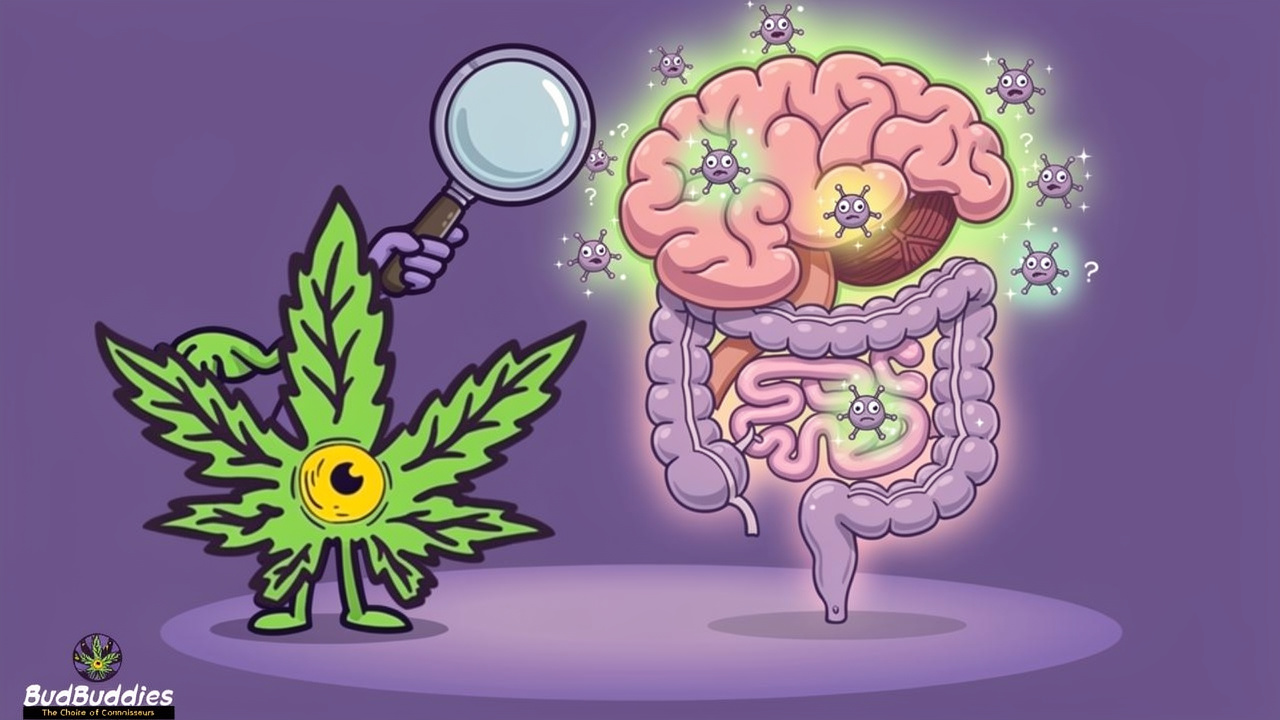
Cannabinoid hyperemesis syndrome appears to develop when chronic, heavy cannabis exposure disrupts the very receptors that normally keep nausea in check. Cannabis interacts with CB1 receptors found in the brain and gut, and these are usually responsible for cannabis’s calming, anti-sickness effect at lower doses. With years of frequent, high-dose exposure, researchers believe these receptors can become dysregulated, effectively flipping their usual role and triggering vomiting instead of preventing it.
Potency may also play a part in this shift. Modern cannabis products can contain THC levels of around 15 to 30%, with recent UK data showing medical cannabis flower now at 25% THC or above, a considerable jump from the 3 to 5% typical of cannabis decades ago, and because THC is fat soluble, it can build up in body tissue with sustained heavy use. This accumulation, combined with individual differences in how people process cannabinoids, may explain why some long-term users develop CHS while the majority never do, especially since research suggests doubling THC intake only produces a modestly stronger subjective high rather than a proportional effect.
How Can You Reduce Your Risk of CHS?
Lowering your risk of cannabinoid hyperemesis syndrome largely comes down to paying attention to how often, how much, and how strong the cannabis you use actually is. Because CHS is strongly linked to daily or near-daily heavy use over years, moderating frequency and dose is the most practical safeguard available to regular consumers. This is easier said than done without clear information, which is exactly where product transparency becomes genuinely useful rather than just a nice extra.
Choosing lab-tested products with clearly labelled THC content means you always know what you are actually consuming, rather than guessing based on smell, appearance, or how a batch felt last time.
A “start low, go slow” approach, gradually increasing dose only if needed, keeps consumption within the range where cannabis’s calming properties tend to work best.
At BudBuddies, every product listing includes verified potency information, and the team is happy to talk through dosing questions for anyone wanting a more measured, trackable approach to their consumption.
Choosing Formats and Doses That Support Moderation
Different cannabis formats behave very differently when it comes to onset time and dosing precision, which matters a great deal for anyone trying to stay moderate:
Flower and vapes act quickly, often within minutes, making it easier to judge effects in real time.
Edibles and capsules take longer to kick in and can be measured out in exact milligram amounts.
Oils and tinctures sit somewhere in between, offering reasonably fast onset alongside precise dosing through a dropper.
For anyone wanting tighter control, starting with a low edible dose, around 1 to 2.5mg of THC, and waiting before taking more tends to work better than assuming a stronger dose is needed straight away. The platform’s range spans these formats with consistent potency labelling throughout, so switching between them does not mean losing track of how much you are actually taking.
When Should You Seek Medical Help for CHS?
Certain symptoms cross the line from uncomfortable to genuinely urgent and call for prompt medical attention rather than waiting it out at home. These include:
Vomiting that will not stop
Signs of dehydration such as dizziness, reduced urination, or confusion
Severe abdominal pain
Unintentional weight loss over a short period
Any combination of these, particularly alongside long-term heavy cannabis use, is worth taking seriously.
Being upfront with a doctor about cannabis use, including how often and how much, makes an enormous difference to getting the right diagnosis quickly, particularly as emergency departments now follow dedicated best practice guidelines for suspected cannabinoid hyperemesis. UK doctors are increasingly familiar with CHS, and honest disclosure helps avoid repeated hospital visits, unnecessary tests, and delayed treatment while the real cause goes unidentified.
The Takeaway
Cannabinoid hyperemesis syndrome is rare, but it is a real and well-documented reaction tied specifically to long-term, heavy cannabis use rather than the occasional joint or edible. Its three-phase pattern, starting mild, escalating into severe cyclical vomiting, and only easing once cannabis use fully stops, is one of the clearest signals doctors rely on for diagnosis. Complete cessation remains the only treatment that resolves it for good, since even hot showers only offer temporary comfort rather than a fix.
For anyone who wants a more mindful approach to their own consumption, choosing lab-tested products with transparent potency information is a genuinely practical place to start. BudBuddies’ product pages and customer support team are there to help you find formats and doses that suit a more measured routine, and the site’s educational content covers dosing and product choice in far more depth for anyone wanting to read further.
Frequently Asked Questions
Can Cannabinoid Hyperemesis Syndrome Be Mistaken for a Cannabis Allergy?
No, the two are quite different. CHS comes from cannabinoid receptors being overstimulated by heavy, long-term use, while an allergy involves the immune system reacting to cannabis. Allergies usually cause skin reactions, sneezing, or breathing trouble fairly quickly, rather than the cyclical vomiting pattern seen with CHS.
How Long Does It Take for CHS Symptoms to Go Away?
Symptoms typically start easing within days and usually resolve within a few weeks after cannabis use stops completely. Cutting back rather than stopping entirely is generally not enough, since even small continued use can keep the cycle going.
Is CHS the Same as Cyclical Vomiting Syndrome?
They share a similar pattern of repeated vomiting, but cyclical vomiting syndrome is not linked to cannabis use at all. The key difference is that CHS symptoms improve once cannabis use stops, while cyclical vomiting syndrome does not respond to cannabis cessation in the same way.
Does Everyone Who Uses Cannabis Heavily Develop CHS?
No, CHS remains rare even among people who use cannabis daily over many years. Individual biological differences, possibly in how someone’s body processes cannabinoids, are thought to explain why only a small number of heavy users ever develop the condition.
Can Hot Showers Actually Treat CHS?
Hot showers can bring real but temporary relief from nausea and pain during a flare-up, which is why the behaviour is so closely linked to the condition. They do not treat the underlying cause, though, so symptoms will keep returning until cannabis use stops completely.