


Cannabis and Hypertension Studies: What the Research Shows
Introduction to Cannabis, Blood Pressure, and the Emerging Research
Cannabis contains over 100 different compounds, but two stand out as the most studied: THC (tetrahydrocannabinol), which creates the psychoactive effects, and CBD (cannabidiol), which offers potential therapeutic benefits without the high. In recent years, cannabis and hypertension studies have explored how these cannabinoids could affect blood pressure. These cannabinoids interact with your body’s endocannabinoid system in ways researchers are still discovering.
Blood pressure measures the force your blood exerts against artery walls as your heart pumps. Your reading includes two numbers: systolic pressure (when your heart beats) and diastolic pressure (when your heart rests between beats). Hypertension occurs when these readings consistently exceed 140/90 mmHg, creating a silent threat that increases your risk of heart disease, stroke, and kidney problems.
The relationship between cannabis and cardiovascular health presents a fascinating puzzle. Research reveals contradictory findings that initially seem confusing. Some studies show acute cannabis use temporarily elevates blood pressure and heart rate, while others suggest chronic use might actually lower resting blood pressure. This apparent contradiction stems from several factors: the difference between immediate and long-term effects, varying cannabinoid ratios, individual tolerance levels, and consumption methods.
“The cardiovascular effects of cannabis are complex and dose-dependent. We’re seeing that acute and chronic use patterns produce very different physiological responses.” – Dr. Deepak Cyril D’Souza, Professor of Psychiatry at Yale School of Medicine
What makes this research particularly compelling is how it challenges our assumptions about cannabis effects on the cardiovascular system.
Recent cardiovascular cannabis studies have examined both acute responses and chronic adaptations. Scientists have discovered that your body’s reaction to cannabis changes over time, with experienced users often showing different cardiovascular responses compared to occasional users. These findings have significant implications for medical marijuana hypertension research and cannabis blood pressure effects.
Understanding these complex interactions becomes crucial as more people explore cannabis for both recreational and therapeutic purposes. The evidence suggests that cannabis cardiovascular effects aren’t simply good or bad—they depend on numerous variables that make each person’s experience unique.
The Acute vs. Chronic Effects of Cannabis on Blood Pressure
Immediate Effects of THC on Blood Pressure and Heart Rate

When you consume THC, particularly if you’re new to cannabis or using higher doses, your cardiovascular system responds within minutes. THC blood pressure effects typically include an immediate increase in heart rate, sometimes jumping from 70 beats per minute to over 100. This rapid heart rate increase often coincides with a temporary rise in systolic blood pressure, creating what researchers call the acute cardiovascular response.
This immediate reaction occurs because THC activates your sympathetic nervous system, triggering your body’s “fight or flight” response. Your blood vessels may constrict initially, pushing your systolic blood pressure upward by 10-20 mmHg in some cases. However, this effect usually peaks within 15-30 minutes and then begins to subside.
Interestingly, many users experience orthostatic hypotension shortly after this initial spike. When you stand up quickly, your blood pressure might drop suddenly, causing dizziness or lightheadedness. This secondary effect can be particularly pronounced in cannabis-naive users or those consuming high-THC products. Understanding these thc hypertension effects helps explain why some people feel unsteady after consuming cannabis.
Long-Term Cannabis Use and Blood Pressure Trends
Regular cannabis users often develop tolerance not just to the psychoactive effects, but also to these acute cardiovascular changes. Large-scale epidemiological studies, including data from the UK Biobank, have revealed surprising patterns among chronic cannabis users. These individuals frequently show slightly lower resting blood pressure compared to non-users, though the differences are typically modest—around 2-5 mmHg reduction in systolic pressure.
This paradoxical finding suggests that your cardiovascular system adapts to regular cannabis exposure. The acute stress response diminishes over time, and some research indicates that chronic cannabis use might promote mild vasodilation—the relaxation and widening of blood vessels. However, these cannabis systolic blood pressure impacts remain relatively small and shouldn’t be considered clinically significant for treating hypertension.
Several confounding factors complicate this research. Many cannabis users also consume tobacco, alcohol, or other substances that affect blood pressure. Additionally, cannabis users might have different lifestyle patterns, dietary habits, or stress management approaches that independently influence cardiovascular health. These variables make it challenging to isolate cannabis diastolic blood pressure impact from other contributing factors.
Despite these limitations, the emerging pattern suggests that cannabis blood pressure effects differ dramatically between acute and chronic use scenarios.
CBD and Blood Pressure: Promising Evidence
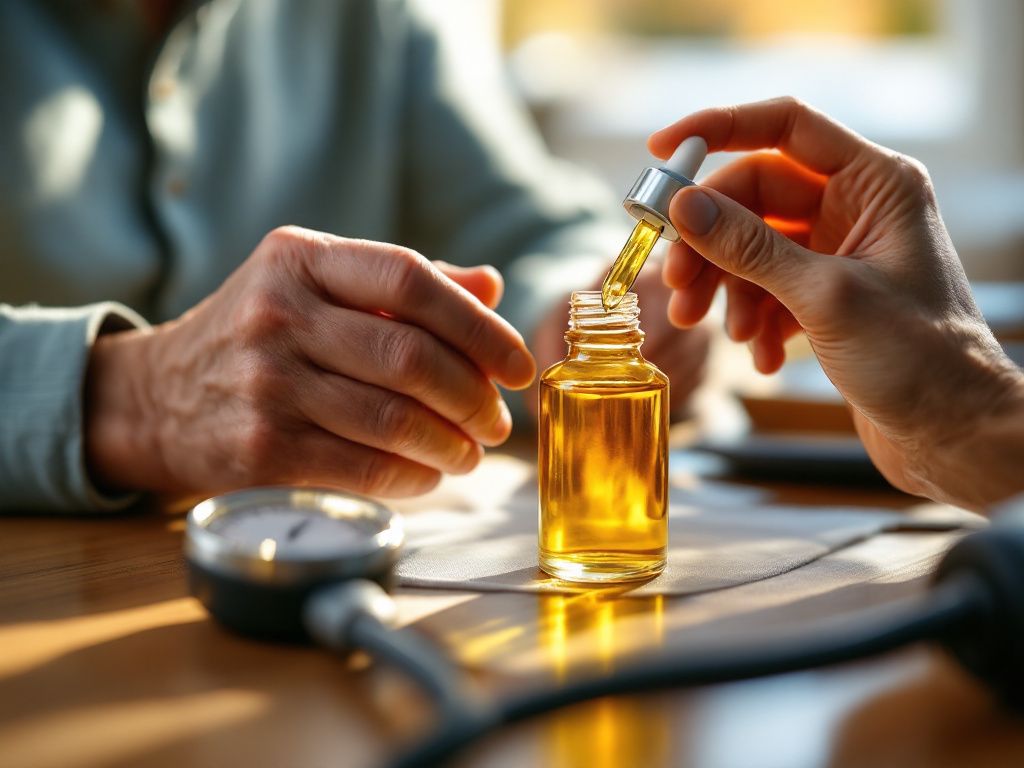
CBD represents a different story entirely when examining cannabis and hypertension studies research. Unlike THC, CBD doesn’t activate the same receptors that trigger acute cardiovascular responses. Instead, it appears to work through multiple pathways that may benefit blood pressure regulation.
Clinical trials have demonstrated that CBD can reduce resting blood pressure in healthy volunteers. In one notable study, participants received either 600mg of CBD or a placebo, then underwent various stress tests. Those receiving CBD showed significantly smaller blood pressure increases when exposed to mental stress, physical exercise, and cold exposure. Their resting systolic blood pressure also dropped by approximately 5-6 mmHg compared to the placebo group.
“CBD shows promise as a cardiovascular therapeutic agent, but we need larger, longer-term clinical trials before making definitive treatment recommendations.” – Dr. Jadoon Khalid, cardiovascular researcher at the University of Nottingham
The mechanisms behind cbd hypertension evidence involve several pathways. CBD promotes vasodilation by increasing nitric oxide production in blood vessels, helping them relax and widen. It also reduces inflammation in blood vessel walls, potentially improving long-term vascular health. Some research suggests CBD might influence the renin-angiotensin system, which plays a crucial role in blood pressure regulation.
Could CBD become a legitimate tool for managing high blood pressure?
Studies examining CBD blood pressure UK populations have shown promising results, particularly in older adults with mild hypertension. Over several months of CBD treatment, participants experienced modest but consistent reductions in both systolic and diastolic pressure. However, researchers emphasize that these effects, while statistically significant, aren’t dramatic enough to replace conventional antihypertensive medications.
At BudBuddies, our 100% cannabis-derived CBD products provide the purity and consistency needed for reliable effects. Our full ingredient transparency allows you to know exactly what you’re consuming, which becomes crucial when discussing these products with healthcare providers. The vegan-friendly formulations ensure you can explore CBD’s potential benefits while maintaining your ethical standards.
Navigating Cannabis Use with Existing Blood Pressure Concerns
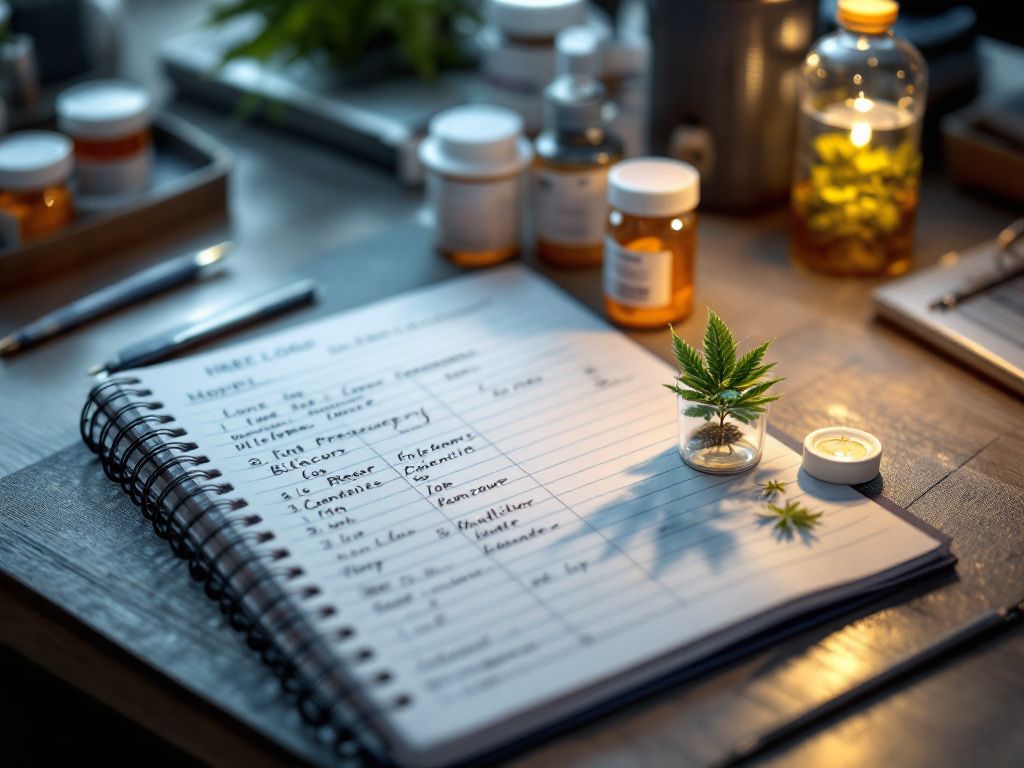
If you currently manage hypertension with medications, cannabis interactions require careful consideration. THC can potentially interfere with certain antihypertensive drugs, particularly those affecting heart rate or blood vessel function. Beta-blockers, ACE inhibitors, and calcium channel blockers might interact with cannabis in unpredictable ways.
“Patients with existing cardiovascular conditions should never self-medicate with cannabis without medical supervision. The interaction potential is too significant to ignore.” – Dr. Robert Page II, Chair of the American Heart Association‘s Marijuana and Heart Health Committee
Monitoring becomes essential when incorporating cannabis into your routine. BP monitoring after cannabis use should include:
- Check blood pressure before cannabis consumption
- Monitor 30 minutes after use
- Check again after 2-3 hours
- Track patterns over time
This pattern helps you understand your individual response and identify any concerning trends.
The timing of cannabis consumption relative to your blood pressure medications also matters. Some antihypertensive drugs work better when blood pressure remains stable, while acute cannabis effects might disrupt this stability. Working with healthcare providers familiar with medical cannabis helps navigate these complex interactions safely.
Are you tracking how different cannabis products affect your cardiovascular responses?
UK guidance hypertension management increasingly acknowledges medical cannabis use, though official recommendations remain cautious. The British Heart Foundation and other cardiovascular organizations emphasize the need for medical supervision when combining cannabis with existing heart medications. This conservative approach reflects both the limited long-term safety data and the potential for unexpected interactions.
Understanding Individual Variability and Risk Factors

Your personal response to cannabis cardiovascular effects depends on numerous factors beyond just THC and CBD content:
- Age and baseline fitness level
- Existing cardiovascular health status
- Current medication use
- Genetic variations in cannabinoid metabolism
Consumption method significantly affects cardiovascular responses. Smoking or vaping creates rapid onset effects that peak quickly and subside within hours. Edibles produce slower, longer-lasting effects that might cause more sustained blood pressure changes. Sublingual tinctures fall somewhere between these extremes, offering moderate onset speed with intermediate duration.
Dosage considerations become particularly important for cardiovascular safety:
- Low-dose THC (2.5-5mg) typically produces minimal blood pressure changes in most adults
- Moderate doses (10-20mg) can cause noticeable acute effects
- High doses (30mg+) may produce concerning cardiovascular responses in susceptible individuals
Cannabis blood pressure meta-analysis studies consistently show that individual variability exceeds average effects in most cases. This means your personal response might differ significantly from study averages, making careful self-monitoring essential.
Conclusion
The relationship between cannabis and blood pressure involves both immediate and long-term effects that vary considerably between individuals. Acute THC consumption typically raises heart rate and may temporarily increase blood pressure, while chronic use shows associations with slightly lower resting blood pressure. CBD appears to offer more consistent blood pressure benefits without psychoactive effects.
Current research provides valuable insights but stops short of definitive medical recommendations. The cannabis and hypertension studies continue evolving, with new findings regularly updating our understanding of these complex interactions. For anyone managing hypertension or cardiovascular concerns, professional medical guidance remains essential before incorporating cannabis into treatment approaches.
BudBuddies supports informed decision-making through our commitment to 100% cannabis-derived products and complete ingredient transparency. Our sustainable production practices and vegan-friendly formulations provide reliable options for exploring cannabis benefits while maintaining your health-conscious values. When discussing cannabis use with healthcare providers, our detailed product information helps facilitate productive conversations about potential interactions and monitoring strategies.
FAQs
Does cannabis immediately raise blood pressure?
Yes, THC typically causes temporary increases in heart rate and systolic blood pressure within 15-30 minutes of consumption. These acute effects usually subside within 1-3 hours but can be more pronounced in new users or with higher doses.
Can CBD lower high blood pressure?
Research suggests CBD may reduce resting blood pressure and blunt stress-induced blood pressure spikes in healthy individuals. However, these effects are generally modest and require more extensive study before being recommended as hypertension treatment.
Is cannabis safe for people with existing heart conditions?
Individuals with cardiovascular disease should exercise extreme caution and consult healthcare providers before using cannabis. The acute effects of THC can potentially strain compromised cardiovascular systems, particularly in those with unstable heart conditions.
What are the long-term effects of cannabis on blood pressure?
Studies suggest chronic cannabis use may be associated with slightly lower resting blood pressure, but these effects are typically small and influenced by many confounding factors. Long-term cardiovascular safety data remains limited, requiring continued research and medical supervision.

