


Cannabis and Student Stress: A Clear-Sighted Guide
Introduction
University life brings deadlines, money worries, flatmate drama, and a constant pressure to perform. It adds up fast.
Cannabis and student stress often sit in the same conversation, but the link is not always straightforward.
Many people say cannabis helps them relax, sleep, or feel less tense in social settings. Others find the wrong product or dose makes them feel more on edge. This guide walks through how cannabis can affect stress, which formats fit student life, how to pick strains, and how to use it sensibly.
If you want clear, calm guidance before choosing anything, keep reading. It may help you decide what to try next and what to leave alone.
Why Students Turn To Cannabis For Stress Relief
Why students turn to cannabis for stress relief usually comes down to pressure, tired minds, and a need to switch off. Student stress levels are high, and many people look for something that takes the edge off quickly. According to the Office for National Statistics, around half of higher-education students report symptoms of anxiety or depression, a pattern reflected in research on Mental Health and Academic outcomes among first-year undergraduates.
For some, cannabis feels like a simple way to close the laptop, quiet racing thoughts, and make evenings feel softer. Others use it to feel less awkward in social spaces or to unwind after late shifts on top of lectures. Cannabis and student stress often connect here, because the short-term relief feels very appealing when life is busy — a relationship explored in studies on Associations between Cannabis Use, GPA, and stress levels among college students.
Here are the most common reasons students reach for cannabis when stress builds up:
Switching off after study: Many students use cannabis to switch off after hours of revision or coursework. A small amount can make music, films, or games feel more absorbing, which helps break the constant focus on grades. When used carefully, this mental shift can feel like a reset instead of endless scrolling on a phone.
Softening social tension: Others lean on cannabis to soften social tension. Meeting new course mates, flat parties, or big nights out can feel intense, especially for anxious people. In these settings, a gentle dose may help conversation flow more easily and reduce that sense of being watched or judged.
Sleep and recovery: Sleep is another big driver. Stress often wrecks sleeping patterns, and lying awake before early lectures quickly becomes draining. Some students find the right strain before bed helps them drift off faster and stay asleep, which then makes daytime stress a bit easier to handle.
Behind all of this sit two key compounds in the plant. THC creates the familiar high and can feel calming at the right dose, while CBD feels gentler and clear-headed. How they balance each other matters a lot when stress relief is the goal.
THC vs. CBD: What Actually Matters For Stress
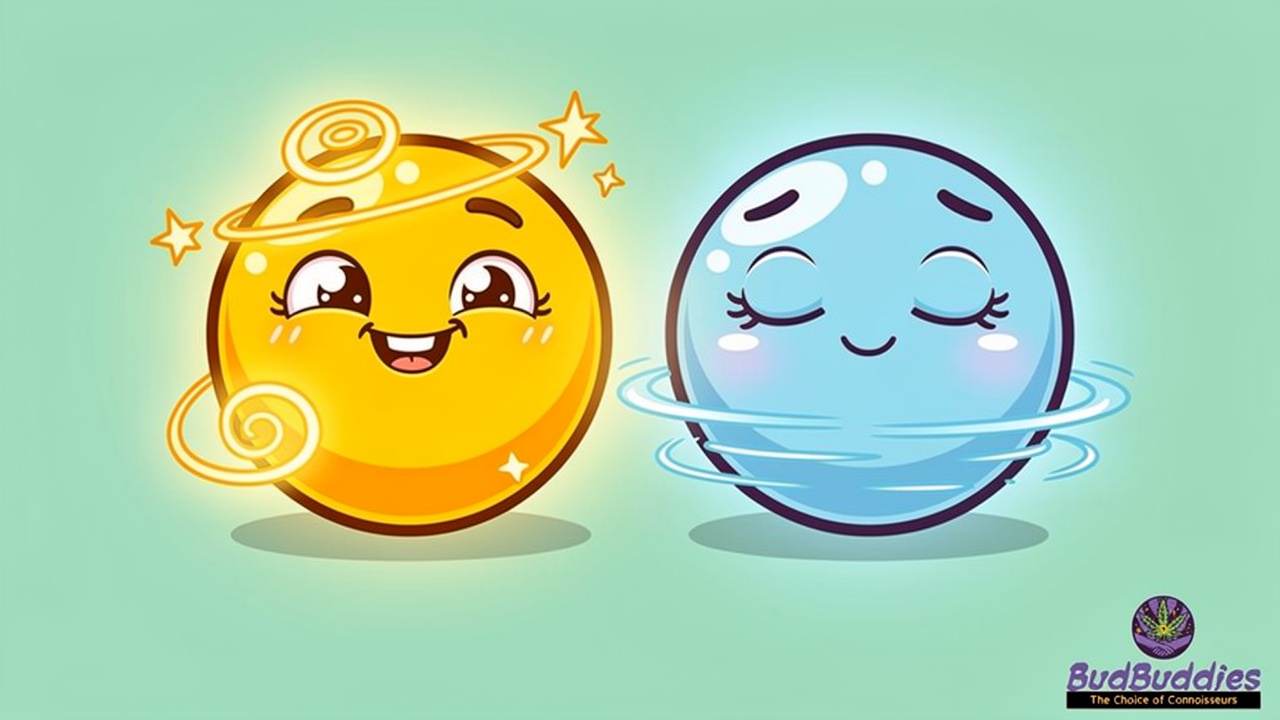
THC and CBD matter for stress because they shape how cannabis feels in your body and mind. THC is the part that makes you feel high, while CBD is non-intoxicating and more about calm without a strong buzz.
Low doses of THC can ease tension, spark a light mood lift, and help you switch off. If you push the dose too far, especially when already wound up, THC can flip and bring racing thoughts, a pounding heart, or worry — a response consistent with findings on the Cross-sectional and longitudinal influences of stress mindset on cannabis use and anxiety in young people. That is why very strong products often feel harsh for anxious students.
CBD works differently. It does not give a high and tends to steady the background level of anxiety for some people. Research in The Permanente Journal found that 79 percent of patients in a small study reported lower anxiety scores after a month of CBD use The Permanente Journal. For stress relief, balanced or CBD-heavy products are usually the safer starting point, especially for newcomers.
BudBuddies Tip: If you feel nervous about THC, look for products where the CBD content is equal to or higher than the THC. Many students find this keeps things calmer and more manageable.
Which Cannabis Format Works Best For Student Life?
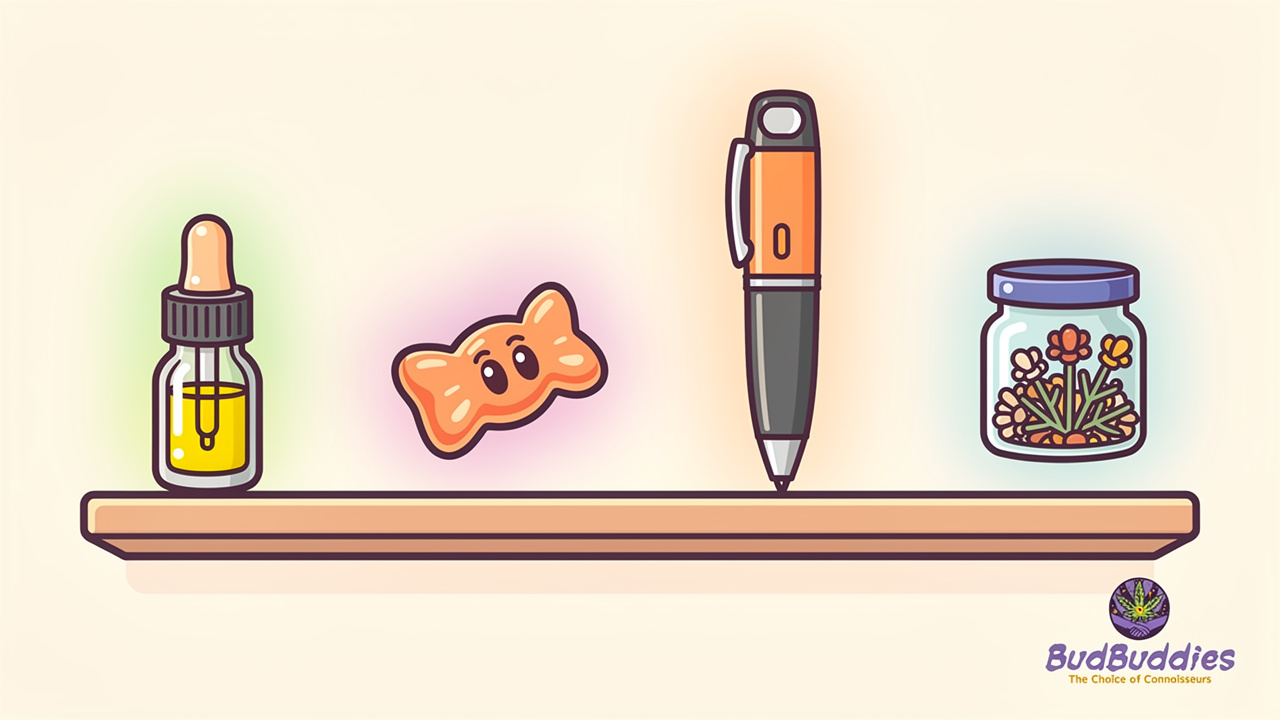
Choosing which cannabis format works best for student life means looking at how fast it works, how long it lasts, and how discreet it feels. Different moments of cannabis and student stress call for different tools. A late-night wind-down needs something unlike a quick calm-down after a rough seminar — findings on the Effect of Music-Based Interventions on anxiety during stressful procedures highlight how environment and method both shape the anxiety-relief experience.
This is where thinking about onset and duration really helps. Fast formats are better for short, sharp stress. Slower, longer formats can suit background anxiety on a free afternoon.
| Format | Onset Time | Duration | Good When |
|---|---|---|---|
| CBD oils | 15–45 minutes | 2–4 hours | Daytime calm without a strong high |
| Edibles | 60–120 minutes | 4–8 hours | Long, steady effect |
| Vapes | 2–10 minutes | 1–3 hours | Quick relief, easier dose control |
| Cannabis flower | 5–15 minutes | 1–3 hours | Classic feel, flexible dosing |
CBD oils and CBD hemp flower feel gentle and manageable. A few drops under the tongue or a small bowl of CBD-rich flower can soften tension without much impact on focus. Many students use this as a background support when they want to feel more level across the day rather than clearly high.
Edibles, such as gummies or capsules, suit people who prefer not to inhale anything. Effects can take 60–90 minutes to show, then they roll for several hours. Starting around 2.5–5 mg THC, then waiting the full window before more, keeps the experience steadier and avoids that common mistake of “nothing is happening” followed by too much.
Vapes are a favourite in shared housing because they are quick, portable, and low odour. A single puff or two lets you test the water and pause, which is handy if you are learning your limits. Many BudBuddies customers like balanced or CBD-led carts here, as they sit between clear-headed and relaxed.
Traditional cannabis flower gives the most classic experience and the widest strain range. It hits quickly, so it works for those evenings when stress has been building all day. On BudBuddies you can move between indica, sativa, and hybrid options depending on whether you want to unwind, stay light and chatty, or find a middle ground.
Strains, Terpenes, And Finding What Works For You
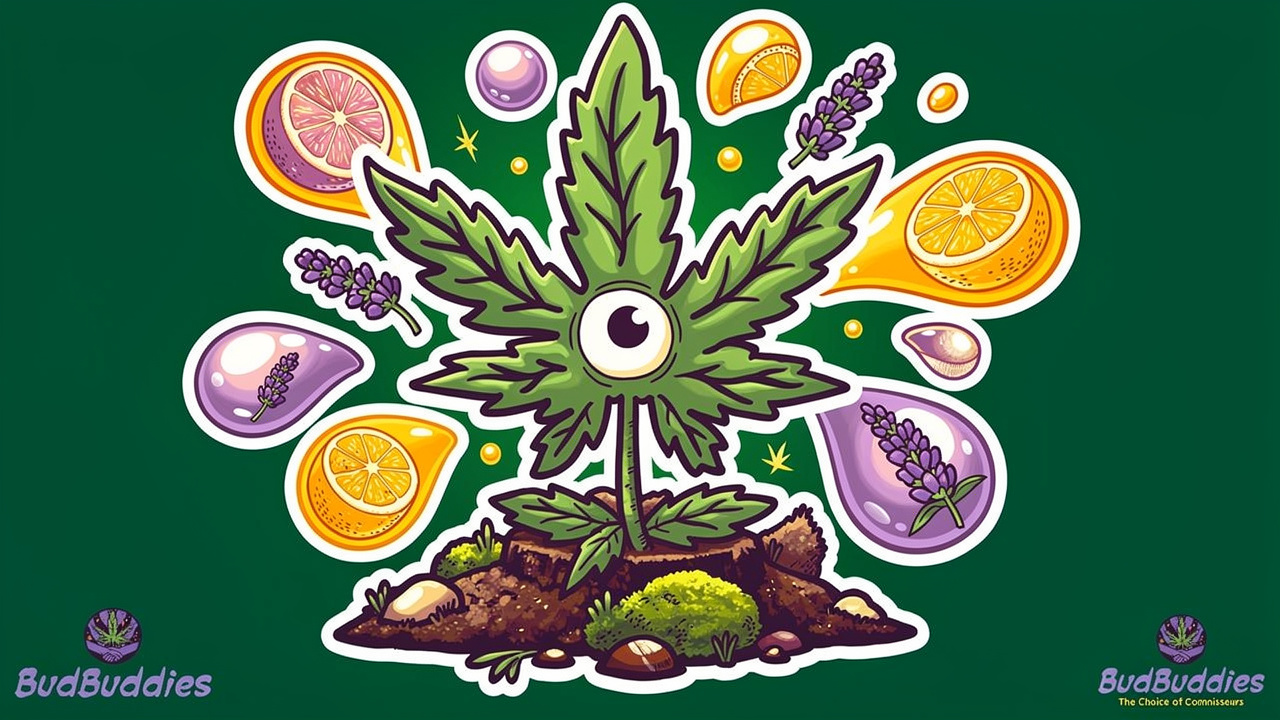
Strains, terpenes, and careful choices help turn cannabis and student stress from a guess into something more predictable. The plant is far more than THC percentage. The mix of cannabinoids and aromatic compounds shapes whether a product feels sleepy, floaty, or buzzy.
Indica-dominant strains are often linked with body relaxation and a calmer head. Many people pick them for late evenings, film nights, or when they want to slow everything down after a harsh study day. Sativa-leaning strains feel brighter and more head-focused, which some enjoy for daytime creativity but which can feel busy for anxious minds.
Terpenes are the scented oils that give strains their smell and part of their effect. Research shared in Sleep Medicine Reviews shows that more than half of university students report poor sleep quality, and calming terpenes can be helpful here — a benefit also noted in Education and Music Intervention research examining non-pharmacological approaches to reducing anxiety and improving wellbeing. Myrcene is often tied to heavy, couchy calm that quiets racing thoughts. Limonene feels lighter and mood-lifting, while linalool, also found in lavender, is known for a soothing character.
Hybrid strains sit between these ends and now make up much of the market. The label alone does not tell the whole story, though. Reading the cannabinoid percentages and terpene notes on a product page gives a far better picture. BudBuddies makes this simple with clear effect tags like “relaxation”, “sleep”, or “focus”, plus plain-English descriptions so you do not need to be a strain expert to choose well.
BudBuddies Tip: Whatever you pick, the golden rule is simple. Start low, go slow, and give each dose time to speak for itself before adding more. That approach gives your body space to show how it responds and makes it easier to notice which strains truly ease your stress.
Responsible Use: What Every Student Should Know Before Starting
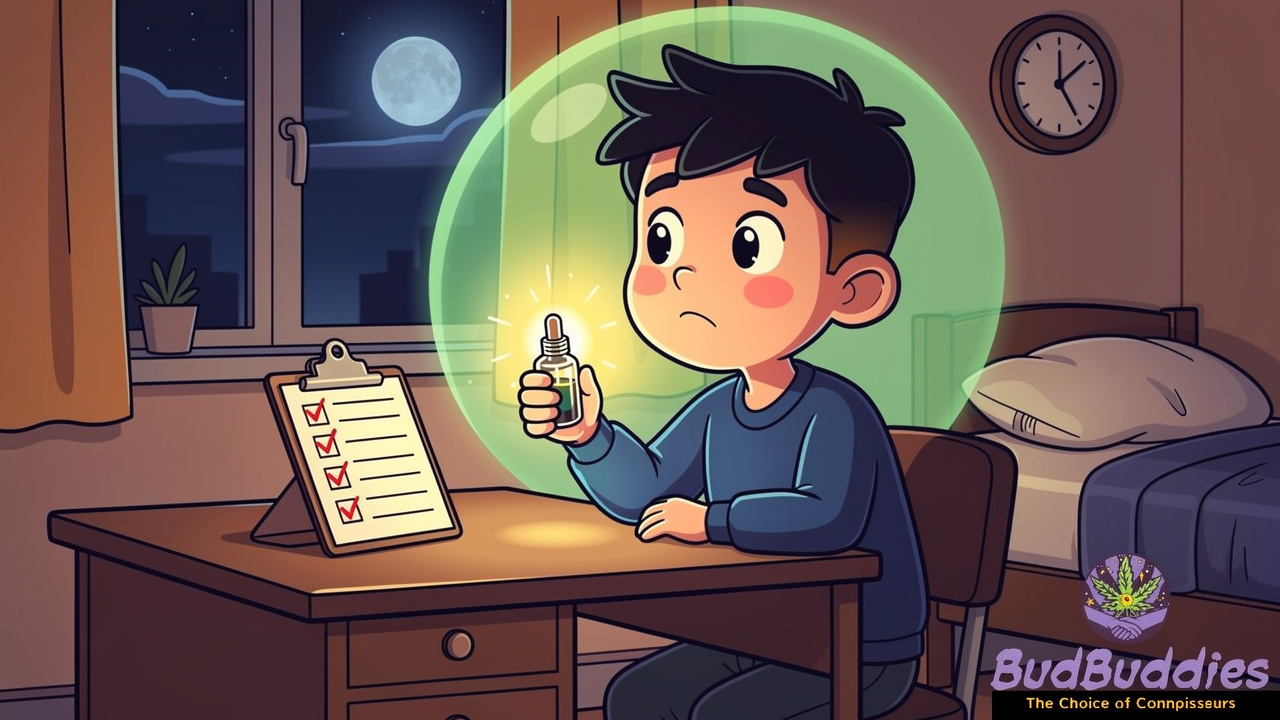
Responsible use for cannabis and student stress means thinking ahead about dose, timing, and how often you use it. Cannabis can sit nicely in your routine or quietly start to run the show. A little planning keeps it on your terms.
Dosing is the first part. For edibles, many students do well starting with 2.5–5 mg THC, then waiting at least 90 minutes before thinking about another piece. With vapes or flower, one or two small inhalations, then a 15–20 minute pause, helps you feel the effect before you top up.
Timing also matters more than many people expect.
BudBuddies Tip: Cannabis is not a study aid. Using it before lectures, labs, or revision often blurs memory and focus.
The National Institute on Drug Abuse notes that heavy cannabis use is linked with lower exam scores and weaker academic performance in young adults, a risk also documented in research on the Risk of Cannabis Use disorder among adults with pre-existing mental health conditions. Saving THC for after the work is done protects your grades and keeps the experience as a reward instead of a habit.
Frequency is the next piece. Research from the National Institute on Drug Abuse suggests around 9 percent of people who use cannabis develop some form of use disorder, with higher risk for those who start young and use daily — a concern thoroughly detailed in the Cannabis Use Disorder – StatPearls clinical reference. Keeping use occasional, building in simple tolerance breaks, and checking in with yourself about why you are using all help you stay in control.
Quality and consistency protect both your body and your mind. Products from unregulated sources can vary wildly in strength or contain unwanted additives. BudBuddies only lists third-party lab-tested items, with clear THC and CBD numbers and full Certificates of Analysis. Discreet, plain, smell-proof packaging plus tracked delivery mean your order arrives quietly, which matters if you live in halls or with family. For tight budgets, BudCash referral rewards, loyalty cashback, and first-order offers make it easier to choose higher-quality products without stretching your wallet.
The Bottom Line
Cannabis and student stress sit in a delicate balance. Used with the right knowledge, the right format, and a gentle dose, cannabis can help some adults feel calmer, sleep better, and enjoy lighter evenings after hard study days.
Used without thought, especially at high THC levels or every single day, it can ramp anxiety, fog your focus, and pull attention away from what you came to university for. The difference lies in honest self-awareness and patient dosing.
If you decide cannabis has a place in your routine, choosing clearly labelled, lab-tested products gives you a calmer experience from the start. BudBuddies focuses on curated strains, clear explanations, and private, fast delivery, so you can explore options at your own pace and feel confident about what is in every pack.
Frequently Asked Questions
Question: Is CBD or THC better for student stress?
CBD is usually the gentler first choice for student stress, because it does not make you feel high. Low THC or balanced THC to CBD products can also help, but higher THC doses carry a real chance of extra anxiety. Response varies between people, so starting low, watching how you feel, and adjusting slowly is the safest path.
Question: What is the best cannabis format for discreet use in student accommodation?
Edibles and vapes are normally the most discreet in shared housing, as there is no smoke and very little smell. CBD oils are also handy, because a small bottle looks like any other supplement and has no scent. BudBuddies sends everything in plain, unmarked, smell-proof packaging, so nothing on the parcel gives away what is inside.
Question: How long do cannabis edibles take to work?
Cannabis edibles usually take 60–90 minutes to show clear effects, and sometimes closer to two hours. Once they kick in, the feeling can last four to eight hours, which is much longer than inhaled formats. The main mistake is topping up too early, so start with 2.5–5 mg and wait the full window.
Question: Can cannabis make anxiety worse?
Yes, cannabis can make anxiety worse, especially at high THC doses or with very strong products. THC can stimulate the brain areas linked with fear and worry, turning a tense day into a shaky one. Choosing lower THC strengths, CBD-heavy options, and calming terpene profiles like Myrcene and Linalool can lower this risk.
Question: What does “start low, go slow” actually mean in practice?
Start low, go slow means taking the smallest sensible dose and giving it time before adding more. For edibles this might be 2.5–5 mg, and for vapes or flower just one or two small puffs. Keep a simple note of what you used and how it felt, then build gradually from there on another day if needed.

