


Cannabis Safe Driving Research: What You Need to Know
Understanding Cannabis, Driving, and Road Safety
Cannabis use across Britain continues to grow, whether for medical treatment or recreational purposes. This raises important questions about road safety that affect every driver on our roads. Cannabis safe driving research reveals a complex picture where the psychoactive compound THC can impair crucial driving abilities long before you might realise it.
When you use cannabis, THC affects your brain’s ability to process information quickly and coordinate precise movements. These changes happen even when you feel completely normal or relaxed. Research consistently shows that cannabis use increases your crash risk, though the relationship between THC blood levels and actual impairment remains more complicated than many people assume.
Current UK legislation takes a strict approach, combining fixed THC limits with roadside impairment testing. This creates particular challenges for medical cannabis patients who may test positive for THC days after their last dose, even when no longer impaired. Many drivers underestimate these risks, believing that feeling calm or driving more slowly compensates for any effects.
What makes cannabis different from alcohol is the unpredictable nature of its impairment. Factors that influence how cannabis affects your driving ability include:
- Your individual tolerance levels
- The product’s potency and THC concentration
- How you consumed the cannabis (smoking, edibles, etc.)
Some effects might last just a few hours, while THC remains detectable in your blood for much longer periods.
This comprehensive review examines peer-reviewed studies, crash statistics, and legal frameworks to help you understand exactly how cannabis impacts safe driving. We’ll explore what current marijuana impaired driving research tells us and what this means for your safety and legal obligations on British roads.
The Science Behind Impairment: How Cannabis Affects Driving Performance
THC’s Impact on Neurocognition and Motor Skills

THC works by binding to specific cannabinoid receptors scattered throughout your brain, particularly in regions that control judgment, coordination, and reaction time. When these CB1 receptors activate in areas like your hippocampus and cerebellum, they disrupt the normal flow of information your brain needs for safe driving.
Your reaction time slows significantly after cannabis use, even when you feel alert and focused. Studies measuring thc driving impairment show that drivers take longer to respond to sudden hazards like pedestrians stepping into the road or vehicles braking ahead. This delayed response happens because THC interferes with how quickly your brain processes visual information and translates it into physical action.
Balance and fine motor control also suffer under THC’s influence. These skills might seem less important than reaction time, but they’re essential for smooth steering, precise braking, and maintaining your position within lane markings. Cannabis can make these normally automatic movements feel less coordinated, requiring more conscious effort to perform correctly.
Perhaps most concerning is how THC affects your judgment while making you feel overconfident about your abilities. You might believe you’re driving more safely because you feel relaxed, but cannabis impairment studies reveal that this perceived calmness masks genuine deficits in attention and risk assessment. Your brain becomes less capable of accurately judging distances, speeds, and the intentions of other road users.
Driving Simulator and Laboratory Study Findings

Controlled research using advanced driving simulators provides clear evidence of how cannabis affects real-world driving skills. Scientists measure something called Standard Deviation of Lateral Position (SDLP), which tracks how much your vehicle weaves within its lane. Cannabis use consistently increases this weaving behaviour, indicating reduced concentration and poorer vehicle control.
Participants in these studies often try to compensate by driving more slowly after consuming cannabis. While this might seem like responsible behaviour, their prolonged reaction times persist regardless of speed. When researchers test adaptive tracking tasks that require hand-eye coordination, performance drops noticeably with higher THC doses, mimicking the precise movements needed for steering and braking.
The method you use to consume cannabis dramatically affects both when impairment begins and how long it lasts. Smoking cannabis produces peak effects within 10 to 30 minutes, with driving impairment typically lasting two to four hours. Edible products create a more complex situation, with delayed onset but potentially longer-lasting effects that can catch users off guard.
Laboratory findings consistently show that even experienced cannabis users aren’t immune to these impairments. Your tolerance might reduce how intoxicated you feel, but objective measures of driving performance still decline. This research forms the foundation for understanding crash risk thc levels and helps explain why legal limits exist regardless of how capable you believe yourself to be.
Collision Risk and Epidemiological Evidence
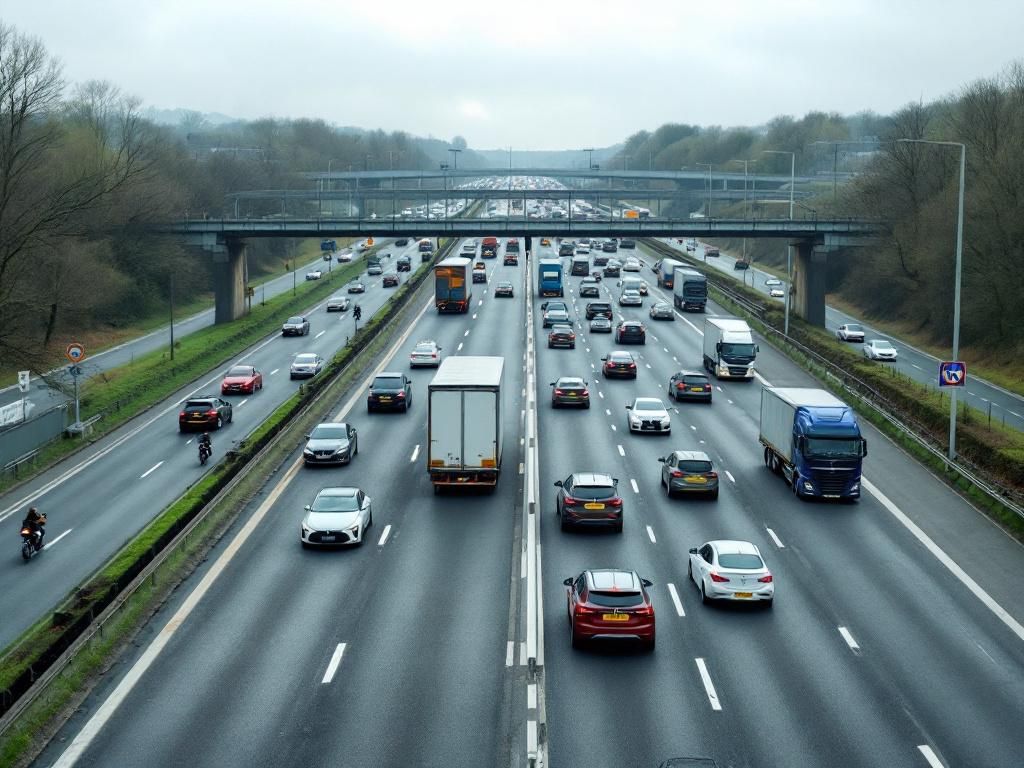
Prevalence of Cannabis Use Among Drivers in the UK
Key statistics on cannabis use among British drivers:
- Between 0.3% and 7.4% of drivers test positive for recent cannabis use in roadside surveys
- 4% to 16% of drivers who die in road accidents have THC in their bloodstream
- Illegal drugs, predominantly cannabis, play a role in approximately 18% of all UK road fatalities
Young drivers aged 17 to 34 show the highest rates of cannabis use before driving. Surveys indicate that many in this age group don’t fully appreciate the risks involved, with some believing that cannabis makes them more careful drivers. This misconception contributes to drugged driving statistics that consistently show cannabis as the most common illegal substance detected in impaired driving cases.
Regional variations exist across Britain, with some areas reporting higher rates of cannabis-positive drivers than others. These differences often correlate with local attitudes toward cannabis use and the availability of the substance. Understanding these patterns helps road safety professionals target education and enforcement efforts where they’re needed most.
Understanding the Increased Crash Risk
Multiple meta-analyses examining thousands of drivers confirm that acute cannabis use approximately doubles your crash risk when driving within three hours of consumption. This marijuana driving effects research provides robust evidence that the impairments detected in laboratory studies translate into real-world dangers on our roads.
Specific events that celebrate cannabis use provide natural experiments for researchers studying crash risk. Studies have found that days associated with cannabis culture and consumption see notable increases in traffic accidents involving injuries or fatalities. These findings suggest that even occasional use by normally abstinent drivers can significantly impact road safety.
The combination of cannabis and alcohol creates particularly dangerous conditions. While cannabis alone doubles crash risk, the combined use can increase your likelihood of being involved in a serious accident by up to sixteen times. This multiplicative effect occurs because both substances impair different aspects of driving ability, and their combined impact exceeds the sum of their individual effects.
However, marijuana traffic safety research shows that cannabis contributes less to overall road fatalities than alcohol, primarily because fewer people drive under its influence. This doesn’t diminish the individual risk you face when driving after cannabis use, but it helps put the broader public safety picture into perspective. Every impaired driving incident represents a preventable tragedy that affects families and communities across Britain.
Navigating UK Drug Driving Laws and Enforcement
Current Legal Framework and Per Se Limits
British law approaches drug driving through two main offences under the Road Traffic Act 1988. Section 4 makes it illegal to drive while unfit due to any drug, including prescribed medications. Section 5A goes further by establishing fixed limits for specific controlled substances, including a strict 2 microgram per litre limit for THC in blood.
This uk drug driving limits approach means you can be prosecuted simply for exceeding the THC threshold, regardless of whether you show signs of impairment. Even passive exposure to cannabis smoke could theoretically put you over the legal limit, though such cases remain rare in practice. The law treats any detectable level above 2 micrograms as evidence of an offence.
Penalties for cannabis drug driving conviction include:
- Minimum 12-month driving ban
- Unlimited fines
- Up to six months imprisonment
- Criminal record showing conviction for 11 years
If your impaired driving causes death, you could face life imprisonment under dangerous driving legislation. Your criminal record will show the conviction for 11 years, potentially affecting employment, insurance, and travel opportunities.
The per se limit system aims to provide clear, enforceable standards that don’t require police officers to make subjective judgments about impairment levels. However, this approach creates challenges because THC affects individuals differently, and blood levels don’t always correspond directly to functional impairment. Critics argue that this system may criminally punish people who are no longer actually impaired.
Roadside Testing and Challenges in Measuring Impairment
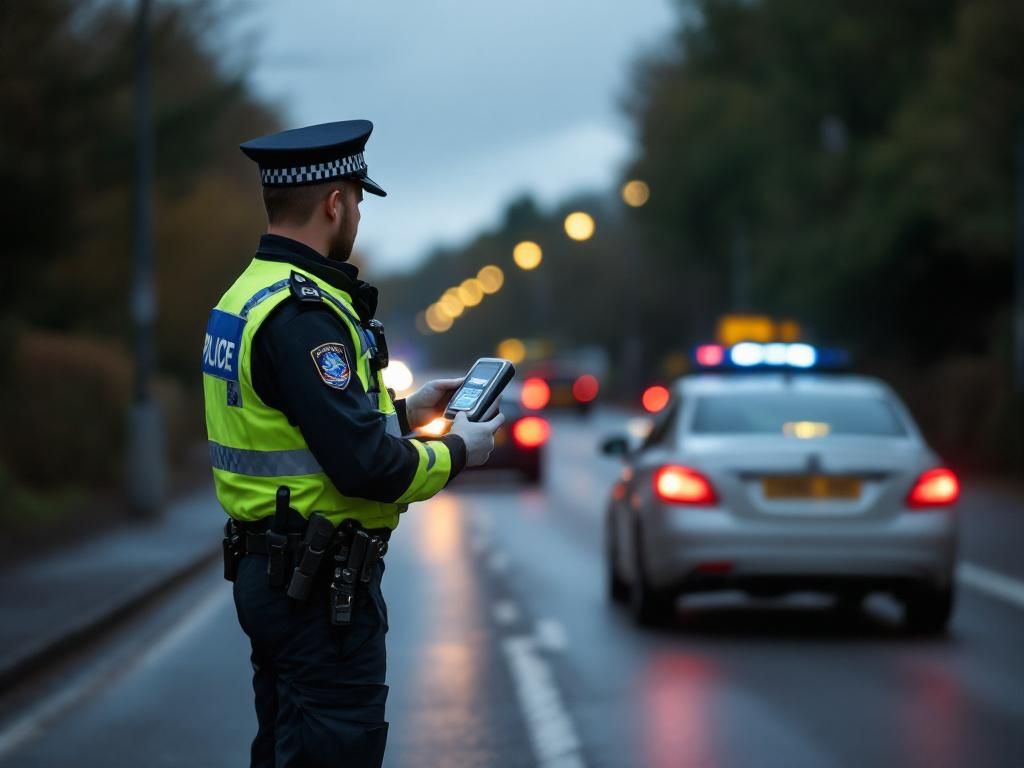
When police suspect drug driving, they can conduct Field Impairment Tests (FITs) that assess your coordination, balance, and cognitive function. These tests include tasks like walking in a straight line, standing on one leg, and following a moving object with your eyes. Officers also use roadside saliva tests that can detect cannabis and cocaine within minutes.
A positive roadside test leads to arrest and mandatory blood testing at the police station. These blood tests provide the definitive measurement used in court proceedings. However, cannabis roadside testing faces significant technical challenges because THC can remain detectable long after any impairment has disappeared.
This detection window problem creates situations where you might face prosecution despite being completely sober at the time of driving. THC stores in fatty tissues and releases slowly back into your bloodstream, potentially keeping you above the legal limit for days or even weeks after last use. Heavy users may test positive for extended periods regardless of their actual impairment status.
Legal experts and scientists increasingly advocate for impairment-based testing rather than relying solely on chemical detection. New technologies under development aim to measure actual cognitive and motor impairment in real-time, but these systems aren’t yet approved for widespread use. Until better testing methods emerge, the current system creates ongoing tension between public safety goals and individual fairness concerns.
Medical Cannabis and Driving: A UK Perspective

Legal and Practical Considerations for Patients
Medical cannabis became legal in the UK during 2018, leading to increased private prescriptions for various conditions. However, possessing a valid prescription doesn’t exempt you from drug driving laws if you’re impaired while behind the wheel. This creates complex legal and practical challenges for patients who need their medication to function normally.
Even therapeutic doses of medical cannabis can easily push your blood THC levels above the 2 microgram legal limit. Most patients using THC-containing products will test positive on standard drug driving tests, regardless of whether they feel or appear impaired. This reality makes driving legally risky for many medical cannabis users, even when following their prescribed treatment plan exactly.
The law does provide a statutory medical defence, but proving this in court requires demonstrating that you weren’t impaired and had followed your practitioner’s instructions precisely. Successfully mounting this defence can be expensive and legally complex, with no guarantee of success. Many patients find themselves choosing between accessing their medication and maintaining their ability to drive.
Healthcare providers prescribing medical cannabis must now advise patients about driving risks, similar to warnings given for other medications that can affect driving ability. However, the guidance remains limited because research specifically examining medical cannabis patients and driving impairment is still developing. This leaves both doctors and patients navigating largely uncharted legal territory.
What does this mean for your safety as a medical cannabis patient?
BudBuddies’ Commitment to Responsible Medical Cannabis Use and Driving
BudBuddies prioritises your safety and legal compliance above all else when it comes to medical cannabis and driving. While your valid UK medical cannabis prescription provides legal protection for possession and use, driving while impaired remains illegal regardless of prescription status. We want to be absolutely clear about this distinction to prevent any dangerous misconceptions.
Our comprehensive educational resources include detailed product information, precise dosing guidelines, and an innovative edible dosage calculator designed to help you understand your personal tolerance levels. These tools empower you to make informed decisions about timing your medication use around driving responsibilities. BudBuddies believes that knowledge and preparation are your best defences against both impairment and legal complications.
We strongly recommend carrying your prescription documentation whenever transporting or using your medical cannabis, but we emphasise that prescription status doesn’t override impairment concerns. Our educational materials consistently reinforce that your ability to drive safely depends on your actual functional state, not just your legal right to use the medication.
BudBuddies addresses the challenging reality that THC remains detectable long after therapeutic effects fade. Our harm reduction approach focuses on helping you understand these detection windows and plan accordingly. We provide evidence-based guidance on safe waiting periods and encourage consulting with your prescribing physician about driving concerns specific to your treatment regimen.
As cannabis sobriety testing technology continues evolving, BudBuddies stays current with legal developments and scientific advances. We’re committed to updating our educational resources as new research emerges and regulations change. Our goal is ensuring you can access the medical cannabis you need while maintaining your safety, legal compliance, and freedom to drive when truly capable of doing so safely.
Conclusion
This comprehensive review demonstrates that cannabis significantly affects driving-related abilities and measurably increases collision risk. However, the relationship between THC blood levels and functional impairment varies considerably between individuals and circumstances. Current UK legislation relies on strict chemical thresholds that often fail to reflect actual impairment levels, creating particular hardships for medical cannabis patients.
Moving forward, British drug policy would benefit from incorporating impairment-based assessments alongside chemical testing, enhanced public education about cannabis driving risks, and continued research into real-time impairment detection technologies. These developments could create fairer, more scientifically sound policies that maintain road safety while respecting individual circumstances and medical needs.
FAQs
What is the Legal Limit for Cannabis in the Blood for Drivers in the UK?
The legal limit for THC in the UK is 2 micrograms per litre of blood. Exceeding this threshold constitutes a drug driving offence regardless of how you feel or whether you appear impaired. This strict limit means even minimal cannabis exposure can potentially result in prosecution.
Can I Drive if I Have a Medical Cannabis Prescription in the UK?
Having a medical cannabis prescription provides legal protection for possession and use, but doesn’t exempt you from impaired driving laws. You must not drive while feeling impaired by your medication. A statutory medical defence exists if you’re not impaired and have followed medical instructions, though proving this defence in court can be challenging.
How Long After Using Cannabis is it Unsafe to Drive?
Impairment duration varies significantly based on consumption method, dose, potency, and individual tolerance. While THC can be detected for days or weeks, functional impairment typically peaks within the first few hours and may last up to 4.5 hours after smoking. Most experts recommend waiting at least 6 hours after smoking cannabis before driving, or longer if you feel any effects.
What Are the Penalties for Cannabis Drug Driving in the UK?
Cannabis drug driving convictions carry severe penalties including a minimum 12-month driving ban, unlimited fines, up to 6 months imprisonment, and an 11-year criminal record. If impaired driving causes death, maximum penalties can extend to life imprisonment. These consequences affect employment prospects, insurance costs, and international travel opportunities.

