


CBD for Acne Studies: A New Approach to Healing
Introduction: Understanding Acne and the Promise of CBD
Acne affects millions of people across the UK and worldwide, creating a frustrating cycle of breakouts, inflammation, and self-consciousness. This common skin condition manifests through whiteheads, blackheads, pimples, and deeper cysts, typically arising from clogged pores, bacterial overgrowth, and excessive sebum production. Recent cbd for acne studies have shown promise in addressing some of these issues. Statistics show that up to 95% of young people aged 11-30 experience some form of acne, with many cases persisting well into adulthood.
The emotional toll of persistent breakouts often drives people to seek treatments that combine effectiveness with gentleness. Traditional acne treatments, while often successful, can sometimes cause dryness, irritation, or other unwanted side effects. This has sparked renewed interest in natural alternatives, with cannabidiol (CBD) emerging as a particularly promising option.
CBD represents a non-psychoactive compound derived from the Cannabis sativa plant, distinguished from THC by its lack of intoxicating effects. Within the UK, CBD products remain legal provided they contain less than 0.2% THC. Early research into cbd acne research suggests this compound may offer multiple skin benefits, including anti-inflammatory properties, antibacterial effects, and the ability to regulate oil production. These characteristics position CBD as an intriguing natural ingredient for addressing acne’s complex nature.
What makes CBD particularly appealing is its potential to tackle multiple acne triggers simultaneously – reducing inflammation, controlling excess oil, and potentially supporting the healing process. This comprehensive approach differs from many conventional treatments that focus on single aspects of acne formation. Throughout this article, we’ll explore what cbd for acne clinical studies reveal about this compound’s effectiveness, examine its mechanisms of action, and discuss the various product formulations available to consumers.
Key Takeaways
Acne develops through a combination of excess sebum production, bacterial proliferation, and inflammatory responses that create the perfect storm for breakouts. Understanding these interconnected factors helps explain why comprehensive treatment approaches often yield better results than single-target therapies.
CBD has gained significant attention as a natural acne treatment option, supported by growing research into its skin-specific benefits. Unlike many conventional treatments, CBD appears to work through multiple pathways simultaneously, addressing inflammation, oil production, and bacterial concerns.
Clinical studies examining cannabidiol acne clinical trials have identified several key properties that benefit acne-prone skin. These include anti-inflammatory effects that calm existing breakouts, sebostatic properties that help regulate oil production, and antibacterial qualities that may help control acne-causing bacteria.
Topical CBD applications represent the primary focus for acne treatment research, as they allow for targeted delivery directly to affected skin areas. This localised approach maximises therapeutic benefits while minimising potential systemic effects.
Quality and transparency remain paramount when selecting CBD skincare products. Third-party testing ensures product purity, potency, and safety, making it essential to choose reputable brands that prioritise these standards.
While current research shows promise, the scientific community recognises the need for larger, longer-term human clinical trials to fully establish CBD’s long-term effectiveness and optimal usage protocols for acne management.
The Science Behind CBD for Acne: Clinical Insights

The foundation of CBD’s potential as an acne treatment lies in its complex interaction with the skin’s endocannabinoid system (ECS) and other cellular pathways. This intricate network of receptors and signalling molecules exists throughout the skin, playing a vital role in maintaining skin homeostasis and regulating crucial processes like oil production, inflammatory responses, and cellular turnover.
Modern cbd oil acne study research has revealed that the skin possesses its own sophisticated regulatory system, complete with cannabinoid receptors, enzymes, and endogenous cannabinoids. This system works constantly to maintain skin balance, but various factors – including genetics, hormones, stress, and environmental influences – can disrupt this delicate equilibrium, potentially contributing to acne development.
How CBD Interacts with Your Skin
Your skin contains cannabinoid receptors, specifically CB1 and CB2, distributed throughout various cell types including sebocytes (oil-producing cells) and immune cells. CBD doesn’t directly bind to these receptors like some other cannabinoids; instead, it modulates their activity indirectly, influencing the overall function of the endocannabinoid system.
This indirect modulation allows CBD to enhance the effects of your body’s naturally produced endocannabinoids, potentially leading to improved skin balance and function. When the endocannabinoid system functions optimally, it can better regulate sebum production, control inflammatory responses, and support healthy cellular turnover – all crucial factors in maintaining clear, healthy skin.
Beyond the endocannabinoid system, topical cbd for acne research has identified additional molecular targets:
- Transient Receptor Potential (TRP) channels – play roles in pain sensation and inflammation
- Peroxisome Proliferator-Activated Receptors (PPARs) – regulate cell differentiation and lipid metabolism
Through these diverse interactions, CBD can influence multiple aspects of skin health simultaneously.
The beauty of this multi-target approach lies in its comprehensive nature. Rather than addressing just one aspect of acne formation, CBD’s varied interactions allow it to potentially tackle multiple contributing factors at once, from excessive oil production to inflammatory responses.
Evidence for Sebum Regulation and Anti-inflammatory Effects
One of the most compelling findings in cbd for acne evidence comes from research into CBD’s ability to regulate sebum production. A 2014 study published in the Journal of Clinical Investigation demonstrated that CBD could effectively inhibit excessive lipid synthesis in human sebocytes, the cells responsible for producing skin oil.
“The anti-inflammatory and sebostatic properties of CBD make it a promising therapeutic agent for acne treatment,” as noted by dermatological researchers in the Journal of Clinical Investigation.
This “sebostatic” effect proves particularly significant because excessive sebum creates ideal conditions for acne development. When sebaceous glands produce too much oil, it can combine with dead skin cells to clog pores, creating the perfect environment for bacterial growth and subsequent inflammation. By helping normalise sebocyte activity, CBD may help prevent the initial stages of comedone formation.
But can CBD really help with inflammation too? Research consistently demonstrates CBD’s potent anti-inflammatory properties across multiple studies. Clinical investigations have shown that CBD can suppress the release of pro-inflammatory cytokines, including TNF-α, IL-1β, and IL-6 – key molecules that trigger and maintain inflammatory responses in acne lesions.
“CBD’s ability to regulate sebocyte function represents a novel approach to managing acne at its source,” according to dermatology experts studying cannabinoid applications.
The anti-inflammatory effects of CBD extend beyond simple cytokine suppression. Studies suggest that CBD can also influence other inflammatory pathways, potentially reducing the cascade of events that lead to the red, swollen, painful lesions characteristic of inflammatory acne. This comprehensive anti-inflammatory action helps explain why many people report improvements in both the appearance and comfort of their skin when using CBD products.
Additional research has explored CBD’s antimicrobial properties, with some studies suggesting that cannabidiol may possess antibacterial and antifungal qualities. While research specifically targeting Cutibacterium acnes (the primary bacteria associated with acne) remains limited, early findings suggest CBD might contribute to bacterial control as part of its overall therapeutic profile.
Exploring CBD Formulations for Acne
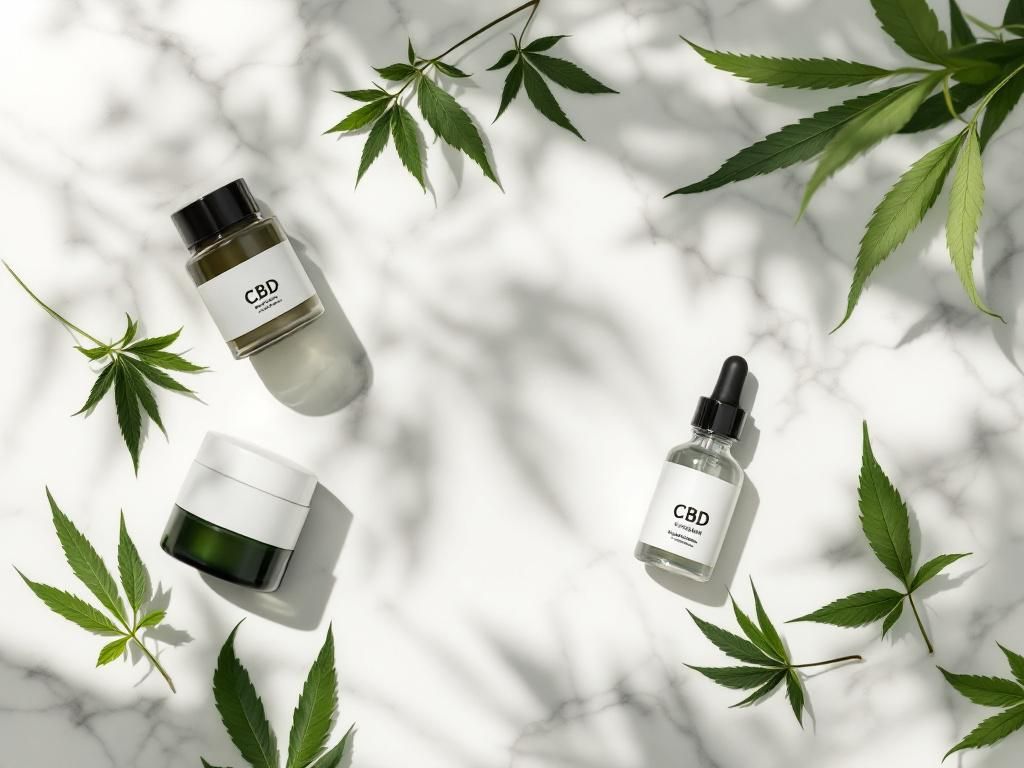
The growing body of cbd acne research has sparked innovation in product development, with manufacturers creating diverse formulations specifically designed for acne-prone skin. Most focus on topical applications, which offer the advantage of delivering CBD directly to affected areas while minimising systemic exposure.
Product developers have recognised that effective acne treatment requires more than just CBD alone. Many formulations combine CBD with complementary ingredients known to benefit acne-prone skin, creating synergistic products that address multiple aspects of skin health simultaneously.
Topical CBD Products for Targeted Relief
Topical CBD applications represent the most researched and widely available option for acne treatment. These products, including creams, serums, balms, and spot treatments, allow CBD to interact directly with skin receptors and cellular pathways where acne formation occurs. The localised application means higher concentrations of CBD reach the affected areas while minimising absorption into the bloodstream.
This targeted approach offers several advantages over systemic treatments. Local application allows for higher concentrations of active ingredients at the site where they’re needed most, while reducing the risk of systemic side effects or potential drug interactions that might occur with oral CBD products. Additionally, topical formulations can be applied as needed, giving users control over timing and frequency of application.
CBD blemish treatment gels often incorporate additional acne-fighting ingredients like salicylic acid or tea tree oil, creating comprehensive formulations that address multiple aspects of acne formation. Calming CBD face serums typically focus on reducing inflammation and redness while supporting skin barrier function. CBD acne creams may include moisturising ingredients to counteract potential drying effects from other acne treatments.
Many topical CBD products also incorporate complementary natural ingredients that support overall skin health:
Beneficial complementary ingredients:
- Jojoba seed oil – mimics skin’s natural sebum composition
- Colloidal oatmeal – provides anti-inflammatory and soothing effects
- Manuka honey – offers antimicrobial properties while supporting healing
The formulation of topical CBD products requires careful consideration of ingredient compatibility, stability, and skin penetration. Quality manufacturers invest in research to ensure their products deliver CBD effectively while maintaining stability over time and providing pleasant user experience.
Important Considerations for Choosing CBD Skincare
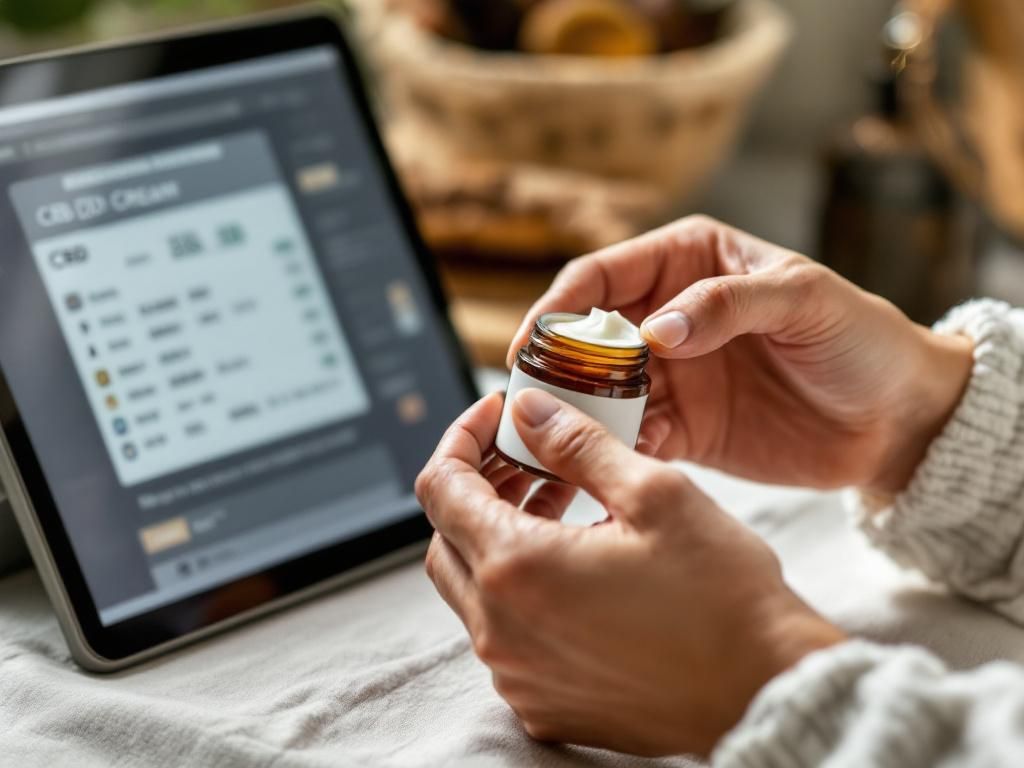
Selecting the right CBD product for acne requires careful evaluation of several critical factors that influence both safety and effectiveness. The CBD market can be inconsistent, making informed choice essential for achieving desired results while avoiding potential problems.
Third-party testing represents the gold standard for CBD product verification. Reputable brands voluntarily submit their products to independent laboratories that verify CBD concentration, confirm the absence of harmful contaminants like pesticides or heavy metals, and ensure THC levels remain within legal limits. BudBuddies exemplifies this commitment to transparency, providing detailed lab reports that allow customers to make informed decisions based on scientific evidence rather than marketing claims.
“Third-party testing is essential for CBD skincare products to ensure both safety and efficacy,” emphasise leading dermatologists in cannabis therapeutics research.
Concentration and dosage considerations require a strategic approach, particularly for those new to CBD skincare. Hemp oil acne study research suggests that starting with lower concentrations (typically 5-10%) allows users to assess their skin’s response before adjusting upward. This gradual approach helps identify the minimal effective dose while reducing the risk of potential irritation or adverse reactions.
Ingredient analysis goes beyond CBD content to examine the complete formulation.
Ingredients to avoid:
- Denatured alcohol
- Synthetic fragrances
- Parabens
- Sulphates
Instead, look for products with natural, skin-supporting ingredients that complement CBD’s effects. BudBuddies’ commitment to vegan-friendly formulations aligns with ethical skincare principles while avoiding potentially problematic animal-derived ingredients.
The choice between full-spectrum, broad-spectrum, and CBD isolate products involves understanding the potential benefits and limitations of each approach. Full-spectrum products contain multiple cannabinoids, terpenes, and other plant compounds that may work together to enhance therapeutic effects through what researchers call the “entourage effect.” Broad-spectrum products offer similar benefits but with THC removed, while isolates contain only CBD. Each approach has merits, and the choice often depends on individual preferences and specific skin needs.
Product packaging and storage considerations affect long-term effectiveness since CBD can degrade when exposed to light, heat, or oxygen. Quality products come in opaque or amber-coloured containers that protect contents from light exposure, helping maintain potency throughout the product’s shelf life.
Broader Applications of CBD in Dermatology
CBD’s therapeutic potential extends far beyond acne treatment, with research exploring its applications across various dermatological conditions. The compound’s anti-inflammatory, antioxidant, and skin-barrier-supporting properties make it an attractive ingredient for addressing multiple skin concerns simultaneously.
The versatility of CBD in skincare stems from its ability to influence fundamental skin processes rather than targeting single, specific conditions. This broad-spectrum activity suggests that CBD might serve as a foundational ingredient in comprehensive skincare routines designed to support overall skin health and resilience.
Soothing Inflammatory Skin Conditions
Does CBD help with other inflammatory skin conditions beyond acne? Research suggests promising applications for conditions like psoriasis, eczema (atopic dermatitis), and seborrheic dermatitis, all of which involve inflammatory processes that CBD might help modulate.
In psoriasis, where rapid skin cell turnover and chronic inflammation create thick, scaly patches, CBD’s ability to regulate cell proliferation and reduce inflammatory responses could provide meaningful relief. Early studies suggest that CBD might help slow excessive cell division while calming the inflammatory environment that perpetuates psoriatic lesions.
Eczema and atopic dermatitis present different challenges, with compromised skin barrier function leading to increased sensitivity, dryness, and inflammatory flare-ups. CBD topical for pimples research has revealed skin-barrier-supporting properties that might help strengthen compromised skin while reducing the itchiness and discomfort characteristic of these conditions. The compound’s ability to enhance skin hydration and reduce inflammatory responses could address multiple aspects of eczematous conditions simultaneously.
Seborrheic dermatitis, characterised by greasy, scaly patches often affecting the scalp and face, might benefit from CBD’s sebum-regulating properties. Since this condition often involves both excessive oil production and inflammatory responses, CBD’s dual action on these processes could provide targeted relief.
The anti-inflammatory effects of CBD appear consistent across various skin conditions, suggesting that the compound might serve as a valuable tool in managing inflammatory dermatological disorders more broadly. This versatility makes CBD an attractive option for people dealing with multiple skin concerns or those seeking comprehensive skincare solutions.
Anti-Aging and Skin Protection Benefits
Beyond treating specific skin conditions, CBD’s antioxidant properties contribute to preventive skincare and anti-aging benefits. Environmental stressors like UV radiation, pollution, and other oxidative challenges contribute to premature skin aging by generating free radicals that damage cellular structures and accelerate aging processes.
CBD’s potent antioxidant activity helps neutralise these harmful free radicals before they can cause significant damage to skin cells. This protective effect supports the maintenance of healthy collagen levels, which are crucial for skin firmness, elasticity, and overall youthful appearance. By protecting existing collagen and potentially supporting new collagen synthesis, CBD may help reduce the formation of fine lines and wrinkles while improving overall skin texture.
The compound’s hydrating properties also contribute to anti-aging benefits by helping maintain optimal skin moisture levels. Well-hydrated skin appears plumper, smoother, and more resilient, while also functioning more effectively as a protective barrier against environmental stressors.
Research into cbd serum for acne has revealed additional benefits related to skin tone and texture improvement. Users often report that regular CBD use leads to more even skin tone, reduced appearance of blemishes and scars, and overall improvement in skin radiance and clarity.
These protective and rejuvenating properties position CBD as an ideal ingredient for comprehensive skincare approaches that address both immediate concerns and long-term skin health. Rather than simply treating problems after they occur, CBD offers the potential for preventive skincare that supports skin resilience and healthy aging.
Conclusion
The growing body of cbd for acne clinical studies provides compelling evidence supporting CBD’s potential as a natural, effective acne treatment option. Research has demonstrated CBD’s ability to address multiple aspects of acne formation simultaneously – regulating excessive sebum production, reducing inflammatory responses, and offering antimicrobial benefits that directly target the underlying causes of breakouts.
What makes CBD particularly appealing is its favourable safety profile when used topically, with minimal reported side effects and low risk of the irritation often associated with conventional acne treatments. This gentle yet effective approach makes CBD suitable for people with sensitive skin or those seeking natural alternatives to harsh chemical treatments.
While current research shows significant promise, the scientific community acknowledges that more extensive, long-term human clinical trials are needed to fully establish optimal formulations, dosing protocols, and long-term effectiveness. However, the existing evidence, combined with positive anecdotal reports from users, suggests that CBD represents a valuable addition to acne treatment options.
For those considering CBD as part of their skincare routine, choosing high-quality, transparently sourced products from reputable brands like BudBuddies ensures access to pure, potent formulations backed by third-party testing and ingredient transparency. This commitment to quality and scientific integrity provides the foundation for a successful experience in the pursuit of clearer, healthier skin.
Remember to consult with healthcare professionals before incorporating new treatments, especially if you’re currently using other medications or have underlying skin conditions that require medical management.
FAQs
Is CBD Oil Safe to Use for Acne?
Topical CBD is generally considered safe and well-tolerated, with research showing minimal side effects for most users. The most commonly reported adverse reactions include mild skin irritation in rare cases, typically occurring in people with very sensitive skin or allergies to specific ingredients. Before beginning regular use, dermatologists recommend performing a patch test by applying a small amount of product to a discrete area of skin and monitoring for 24-48 hours. This simple precaution helps identify potential sensitivities before applying CBD products to larger areas or more visible parts of the face.
How Long Does It Take to See Results When Using CBD for Acne?
Results from CBD acne treatment can vary significantly based on individual skin type, severity of acne, product concentration, and consistency of use. Clinical studies and user reports suggest that some people notice improvements in skin redness and inflammation within the first few weeks of consistent application. More significant changes in overall skin appearance, including reduced breakout frequency and improved texture, typically become apparent after 4-8 weeks of regular use:
- First 1-2 weeks: Initial improvements in skin redness and inflammation may be noticed
- 4-8 weeks: More significant changes in breakout frequency and skin texture typically become apparent
- Long-term use: Sustainable improvements develop with consistent application
Patience and consistency are key, as skin cell turnover cycles take time, and sustainable improvements often develop gradually rather than overnight.
Can CBD Interact with Other Acne Medications?
While topical CBD exhibits minimal systemic absorption, reducing the likelihood of drug interactions compared to oral CBD products, there remains a theoretical possibility of interactions with certain medications metabolised by liver enzymes. This is particularly relevant for people using oral acne medications like antibiotics or isotretinoin. Additionally, combining multiple topical treatments can sometimes increase the risk of skin irritation or alter the effectiveness of individual products. It’s always advisable to consult your doctor or dermatologist before combining CBD with other acne treatments, especially if you’re taking prescription medications or using other active skincare ingredients like retinoids or benzoyl peroxide.
What Type of CBD Product Is Best for Acne?
Topical CBD products, including creams, serums, gels, and balms, are typically recommended for acne management because they allow direct application to affected areas for targeted relief. These formulations enable CBD to interact with local skin receptors while minimising systemic exposure, making them ideal for addressing specific skin concerns. When choosing between product types, consider your skin type and specific needs: lightweight serums work well for oily skin and can be easily incorporated into existing routines, while richer creams might benefit those with combination or dry skin. Spot treatments offer concentrated CBD for targeting individual blemishes, while broader-application products support overall skin health and prevention.

