Does Weed Help You Sleep After a Night Out?
Introduction
The question “does weed help you sleep after a night out?” sits in many minds on the taxi ride home. One moment you feel sleepy, the next your brain is buzzing.
Add a few drinks and things get muddled fast. You might drop off quickly yet still wake up heavy and wired.
Weed can make falling asleep feel easier, especially when THC takes the edge off post‑party chatter in your head. But alcohol already knocks your sleep pattern off course, and cannabis has its own effects on REM sleep, tolerance, and next‑day fog. This guide walks through what alcohol does to sleep, how cannabis changes that picture, and how BudBuddies products fit in if you still choose to use them.
So, let us start with what the drinks do to your night’s rest before any weed enters the mix.
What Alcohol Actually Does To Your Sleep
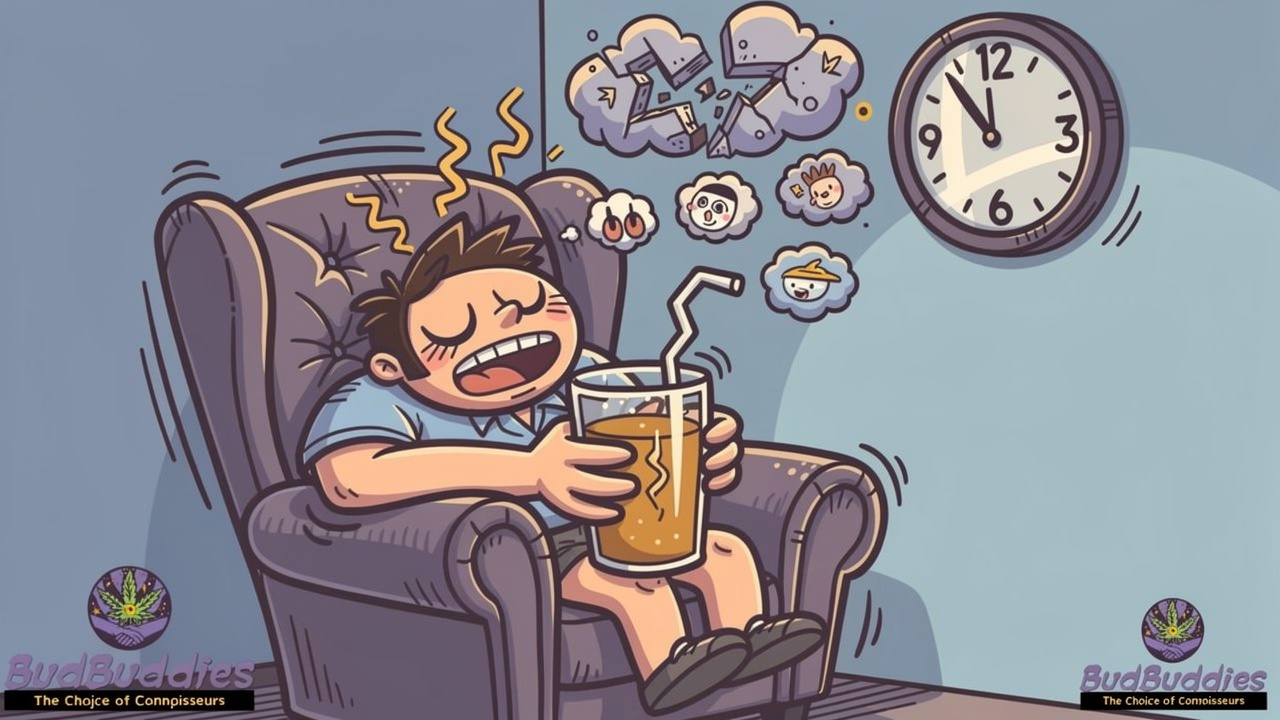
Alcohol changes your sleep by making you drop off faster while quietly ruining the quality of your rest. After a night out, that quick slump into bed often hides a very unsettled night behind the scenes.
Alcohol acts on GABA receptors in the brain, which slows activity and creates that sleepy, relaxed feeling. According to the NHS, alcohol can help you fall asleep yet leads to lighter, broken sleep later in the night. So on the surface you feel knocked out, but your brain is not doing its normal deep repair work.
“You might fall asleep faster after drinking, but your sleep is almost always poorer in quality.” — BudBuddies Sleep Guide
The biggest hit is to REM sleep, the phase linked with memory, learning, and emotional processing. Research from the Sleep Foundation notes that moderate alcohol can cut REM sleep by around a quarter. Less REM means more morning grogginess, low mood, and that strange sense that the night passed without proper dreaming.
Things often get worse in the second half of the night. As your body clears the alcohol, your brain flicks into lighter stages of sleep and you wake more often. Alcohol also relaxes throat muscles, which can increase snoring and shallow breathing. Add its diuretic effect, and you are more likely to wake for toilet trips with a dry mouth and pounding head.
So what does all this mean in practice after a big night out?
You may spend the first part of the night in heavy non‑REM sleep while your body deals with the alcohol. This can feel like deep rest yet actually cuts into the balanced mix of sleep stages your brain prefers for full recovery. The result is that classic heavy‑limbed feeling when the alarm goes off.
As the night goes on, you drift into very light sleep that breaks easily. Little noises, discomfort, or rising body temperature can wake you repeatedly. Even if you do not remember all those moments, the constant stopping and starting leaves you feeling far less refreshed.
Dehydration and irritation in your throat and sinuses can leave you restless and uncomfortable. You might wake with a dry mouth, headache, and sore throat that make going back to sleep harder. All of this sets the scene before cannabis plays any role at all.
Does Weed Actually Help You Sleep After Drinking?
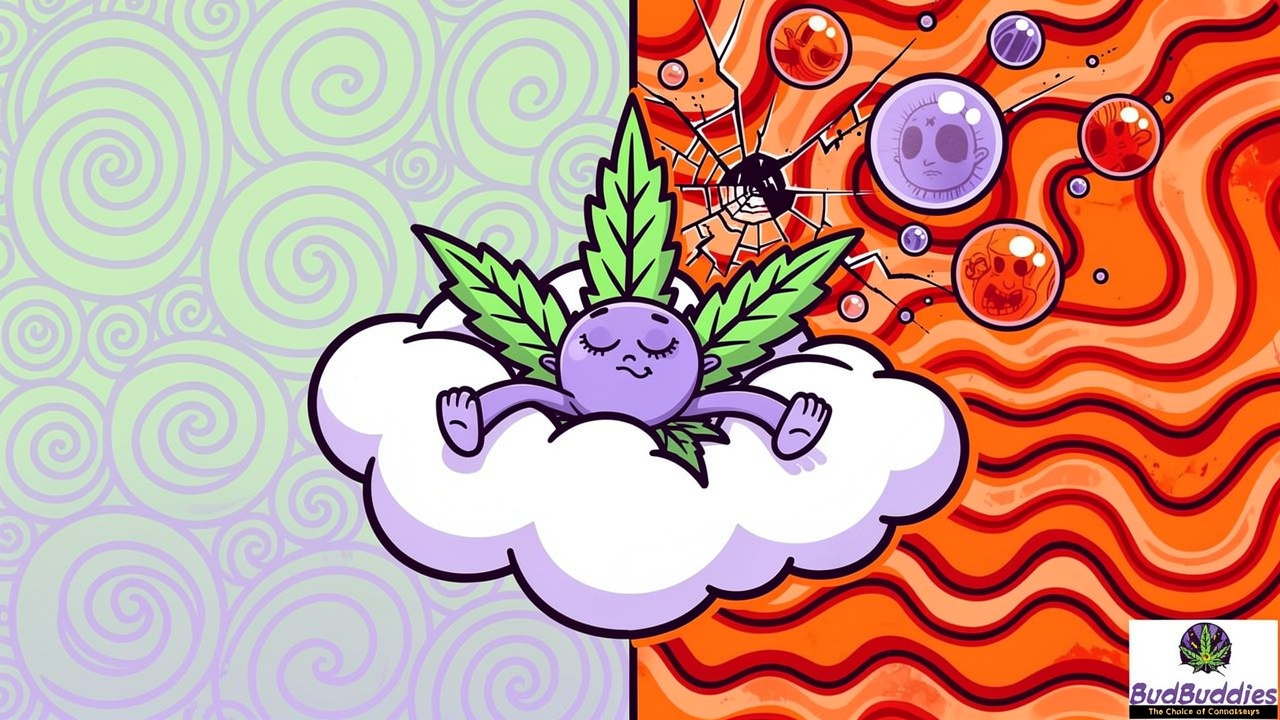
Weed can help you fall asleep after drinking in the short term, but it does not repair the damage alcohol has already done to your sleep. In some cases it may even deepen the disruption, especially if you rely on it often.
THC, the main psychoactive part of cannabis, has a sedating effect for many people. CBD tends to feel calmer and clearer, which can soften anxiety and mental chatter. So on a night where you are tipsy, wired from social noise, and staring at the ceiling, a small dose of weed can make your eyes feel heavy and your thoughts quieter.
That is only half the story though. Both THC and alcohol affect sleep architecture, especially REM sleep. According to the Sleep Foundation, higher THC doses are linked with reduced REM, which mirrors alcohol’s effect. So although you may pass out faster, the rich dreaming stages that leave you feeling restored can shrink even more.
Regular use brings another layer. A large study in JAMA Pediatrics found that about one in five young adults reported using cannabis to help them sleep. The same paper, supported by the National Institute on Drug Abuse, noted that frequent cannabis or alcohol use made people far more likely to feel they could not sleep without it.
Here is the key part:
Short term, occasional use of weed after a night out may shorten the time it takes to fall asleep. You feel relaxed, less anxious, and more ready to switch off. For some people this rare use will not cause obvious problems, especially if doses stay low and nights like this are not frequent.
Longer term, using cannabis as your standard post‑drinking ritual can push you into a tolerance loop. Over time the same amount of THC feels weaker, so you take more or use it more often. When you try to cut back, rebound insomnia and vivid dreams are common, which makes sleep feel harder without weed than before.
According to the National Institute on Drug Abuse, around one in ten adult cannabis users develop a dependence, rising to about one in six for younger adults. Patterns that link cannabis tightly to sleep, especially after alcohol, sit in the higher‑risk group.
“You cannot out‑smoke a hangover or buy back lost REM sleep.” — BudBuddies Team
At BudBuddies, we see the best results when customers treat evening strains and CBD oils as occasional aids within a broader sleep routine, not as the only route to drifting off.
The Risks Of Combining Weed And Alcohol
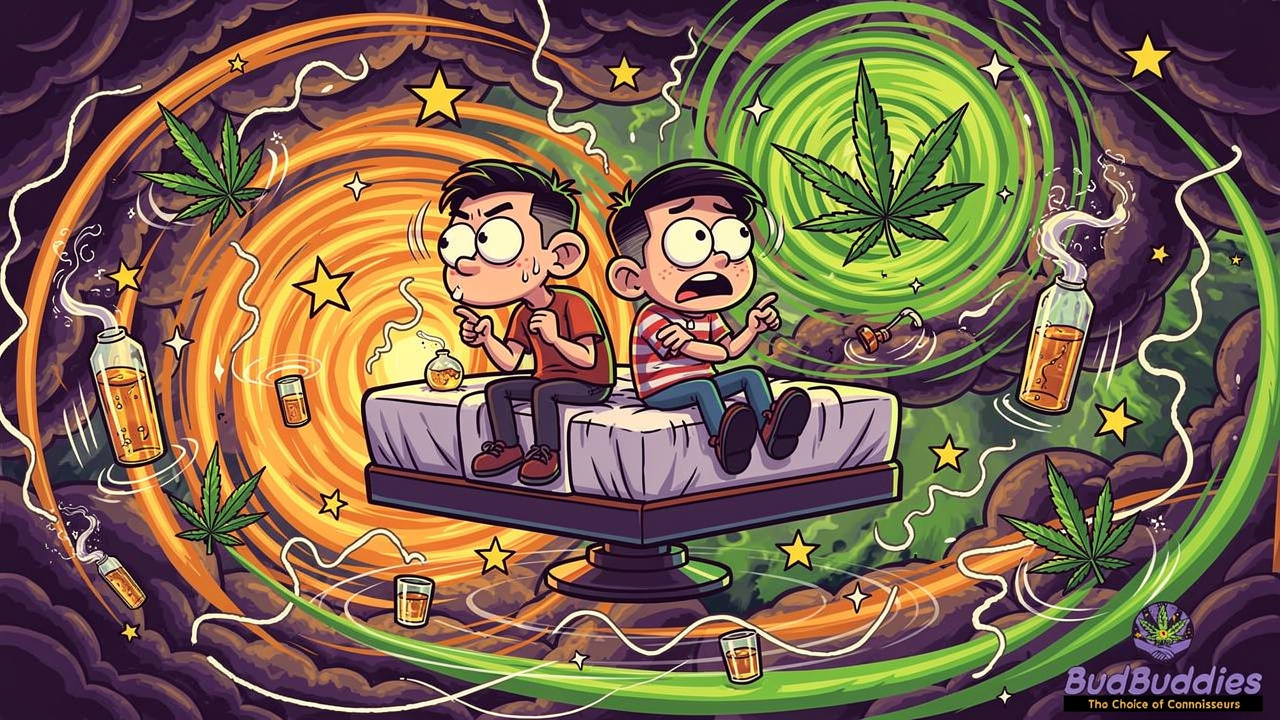
Combining weed and alcohol raises the intensity and unpredictability of both, which can work against the restful night you are hoping for. The mix often feels stronger than either on its own and is more likely to lead to discomfort than calm sleep.
Both alcohol and THC slow the central nervous system. Taken together, their sedating effects stack, which can sound helpful when you want to crash into bed. Research summed up by the National Institute on Drug Abuse shows that alcohol can increase THC levels in the blood, so the same cannabis dose hits harder when you have been drinking.
That sharper hit raises the chance of greening out, where nausea, sweating, spinning sensations, and anxiety arrive quite suddenly. Instead of nodding off peacefully, you may find yourself clinging to the bed, trying to steady your breathing. It is the opposite of a gentle wind‑down.
From a sleep point of view, you are also stacking two REM suppressors together, a finding supported by studies on bidirectional associations between sleep and cannabis and alcohol co-use in daily life. Alcohol already cuts into dreaming sleep, and higher‑THC strains can do the same. According to the Sleep Foundation, both substances reduce the time spent in REM, which can leave you emotionally flat and mentally dull the next day. A night that felt like heavy sleep may actually have been very shallow.
The morning picture then reflects that mix:
You are more likely to wake with deeper fatigue, even if you slept for many hours. When both substances are present, your brain spends more time in light or chemically sedated states rather than natural deep and REM sleep. That can leave concentration, mood, and memory well below normal through the whole day.
Headaches, dry mouth, and body aches are often stronger when alcohol and cannabis mix. Dehydration from drinking combines with the lingering heaviness some people feel from THC, which may slow your usual morning routine and make simple tasks feel harder than usual.
Because the mix can feel different each time, judging dose becomes tricky. A strength of vape or edible that feels gentle when you are sober might feel overwhelming on a night out. BudBuddies safe use guides focus heavily on this point, encouraging customers to keep combinations rare and doses much lower than usual.
If you are asking whether weed helps you sleep after drinking, it is important to factor in that this common pairing can just as easily lead to an unsettled night and rougher morning.
To reduce risk if you ever do mix alcohol and cannabis:
Keep doses of both lower than usual.
Sip water throughout the evening and before bed.
Avoid driving or operating anything risky until the next day.
How To Choose The Right Product If You Do Use Cannabis
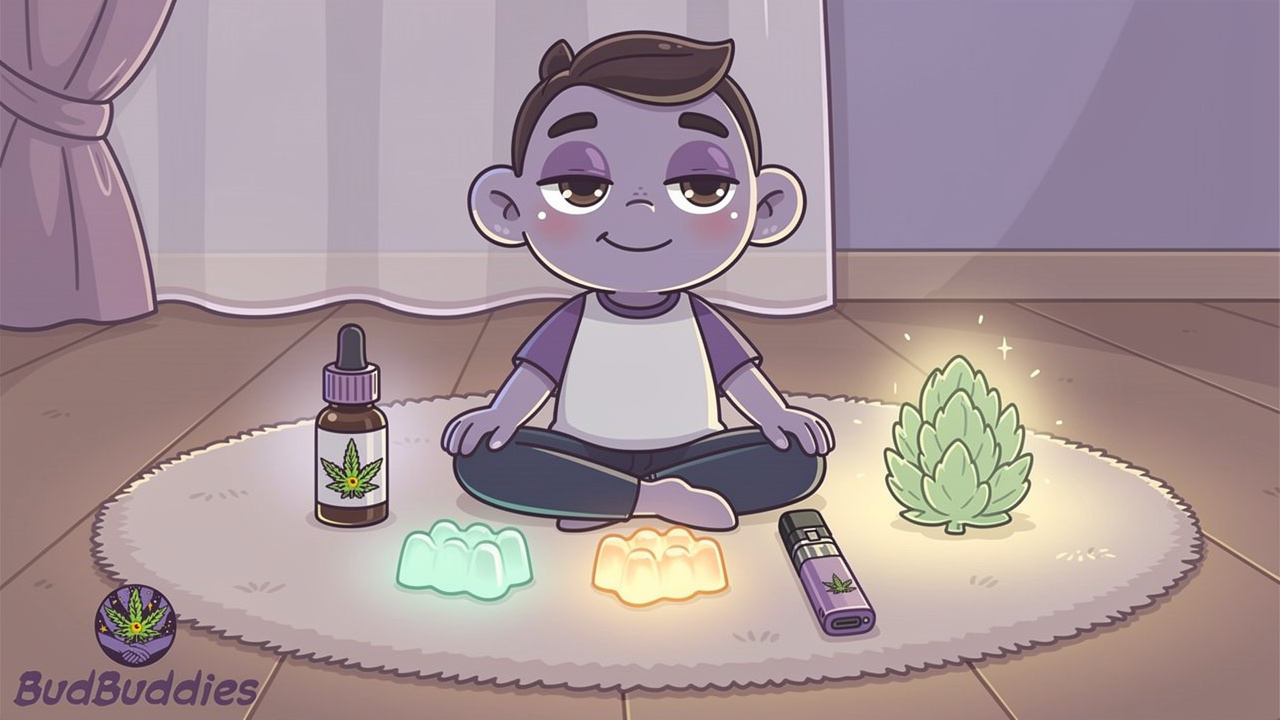
Choosing the right product for sleep after drinking means favouring gentle, measured options over high‑strength hits. The goal is calm, not knockout, and that is where a curated range like BudBuddies really helps.
After alcohol, lower THC and clear dosing make a big difference. CBD‑dominant oils, mild indica‑leaning flowers, and carefully dosed edibles tend to sit better than potent concentrates. On budbuddies.cc you can filter by effect, strain type, and strength so you can quickly find evening products labelled for relaxation or sleep.
For many people, non‑smoked formats feel smoother at the end of a long night:
CBD oils and CBD vapes are a sensible first stop when you want a softer landing. CBD does not make you feel high and does not appear to reduce REM sleep in the way higher THC can. Products enriched with terpenes like myrcene and linalool are often chosen for their calming, body‑heavy feel, which suits late‑night unwinding.
Indica and indica‑leaning hybrid flowers can work for those who prefer the ritual of smoking or dry herb vaping. Strains such as Gelato, which features in the BudBuddies menu, are known for sweet flavour and relaxed, floaty body effects that many reserve for the sofa and bedtime. Keeping the amount small, pacing your puffs, and allowing alcohol to wear off are the key points here.
Low‑dose edibles and THC beverages give longer‑lasting coverage through the night when timed properly. According to Healthline, edible effects often peak around two to three hours and can last several more. BudBuddies labels every gummy and drink with clear milligram amounts, and a starting range of 2.5 to 5 milligrams THC is sensible for most adults after a night out.
“Start low and go slow, especially when alcohol is involved.” — BudBuddies Harm‑Reduction Tip
Whatever you pick, a few simple habits help:
Sip water between doses.
Keep lights low and screens away for at least 30 minutes before sleep.
Avoid stacking several product types at once, such as smoking, vaping, and eating edibles together.
BudBuddies backs this up with lab‑tested batches, discreet next‑day delivery across the UK and Ireland, and real customer reviews so you can see how others use the same products for evening wind‑downs.
The Takeaway
The main takeaway on whether weed helps you sleep after a night out is that it sometimes helps you nod off but does not repair alcohol‑disturbed sleep. Used often, it can also pull you into tolerance and dependence patterns that are hard to unwind, as investigated in research like Smoke, Sip, Sleep, Repeat, which explores the daily-level bidirectional relationships between alcohol-cannabis use and sleep.
Conclusion
So where does that leave things for a normal adult heading home after drinks? Occasional, low‑dose cannabis use may make it easier to fall asleep, especially when your thoughts are buzzing and your body feels tense. It will not undo the REM loss, dehydration, and breathing changes alcohol has set in motion, so the night is still likely to feel less than fully restorative.
The most balanced approach is to keep weed after drinking as the exception rather than the rule. Build simple, sleep‑friendly habits around hydration, light, temperature, and wind‑down first, then decide whether a small amount of THC or CBD fits into that picture. If you want products that feel considered rather than random, BudBuddies offers indica flowers, CBD lines, edibles, vapes, and beverages with clear profiles and dosing guidance, along with discreet delivery that respects your privacy.
Frequently Asked Questions
These quick answers cover some of the most common follow‑up questions around alcohol, cannabis, and sleep. Each one stands alone, so you can skim to the bit you need most.
Question 1: Is It Safe To Smoke Weed After Drinking Alcohol?
Smoking weed after drinking alcohol is riskier than using either on its own. The mix strengthens THC’s effects, makes dosing harder to judge, and raises the chance of greening out, anxiety, and next‑day fog. If you still choose to mix, leave a gap of a few hours, use much less than usual, avoid driving, and read BudBuddies safe use advice.
Question 2: Does CBD Help With Sleep After A Night Out?
CBD can support relaxation after a night out without the same risk of greening out as THC. Many people find CBD oils or vapes with myrcene or linalool take the edge off post‑party jitters. BudBuddies offers evening‑focused CBD options that fit neatly into a gentle bedtime routine.
Question 3: What Type Of Weed Is Best For Sleep?
Indica‑dominant or relaxing hybrid strains are usually preferred for sleep. Look for terpene profiles rich in myrcene and linalool, which many associate with heavier body calm. On budbuddies.cc you can filter by effects such as sleep or relaxation, and strains like Gelato are popular for late‑evening use.
Question 4: How Long Should I Wait After Drinking Before Using Cannabis?
Waiting at least two to three hours after your last drink before using cannabis lowers the risk of an unpleasant mix. This gap gives alcohol time to ease in your system, so THC feels more predictable. Be especially gentle with edibles, since their delayed onset can catch people out and lead to taking more than intended.