Edibles Not Hitting? What To Do Right Now
Introduction
You take an edible, wait, check the clock, wait some more… and nothing. No lift, no buzz, just the same as before and a slight feeling of being cheated. If that sounds familiar, you are not alone, and it is exactly why so many people search for edibles not hitting what to do.
It is easy to blame yourself or assume edibles just do not work on your body. In reality, this is one of the most common questions around cannabis edibles. There are clear reasons why an edible can feel like a dud, and most of those reasons are simple to fix with a bit of knowledge and a calmer plan.
This guide walks you through what is going on inside your body, the timing you actually need, and the real impact of things like food, tolerance, and product quality. By the end, you will know how to troubleshoot a stubborn edible, when to wait, when to tweak your routine, and when to try a different format from BudBuddies that fits you better.
Why Edibles Take So Long To Kick In (And Why That Is The Number One Reason They Feel Like They Are Not Working)
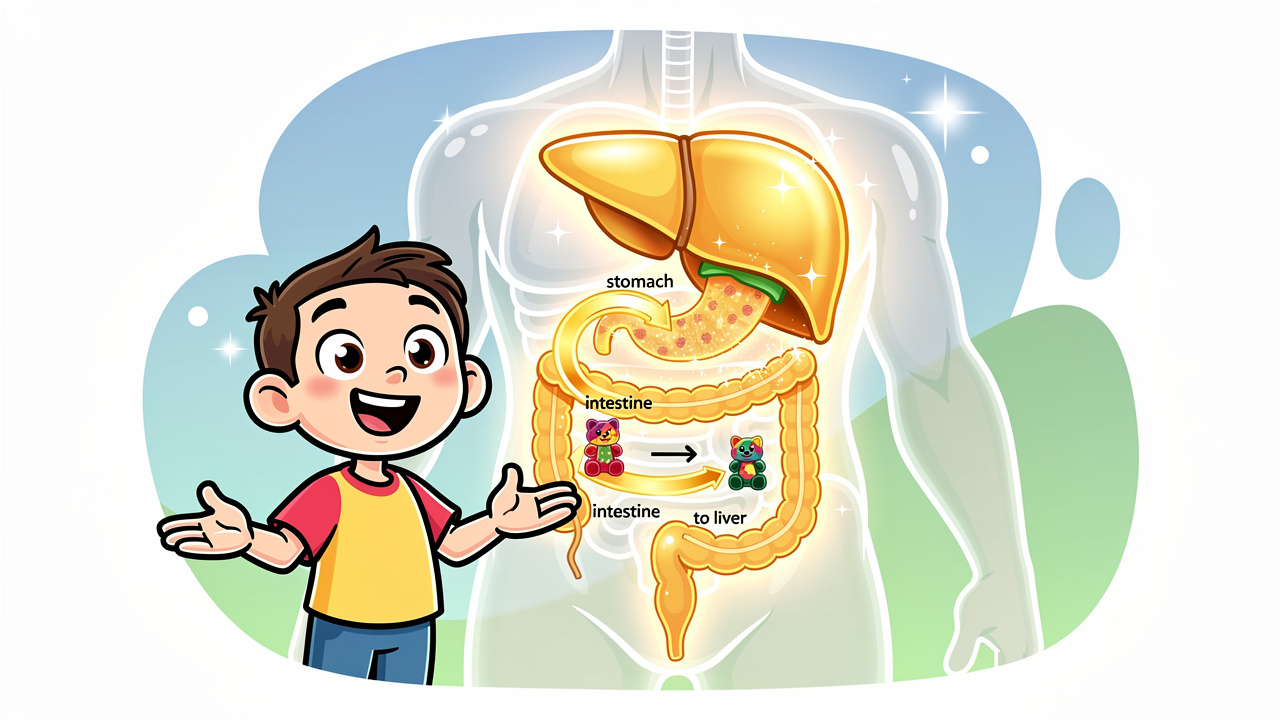
When you vape or smoke, cannabinoids move from your lungs into your bloodstream in minutes. With edibles, the route is completely different, which is why they often feel slow and unreliable. Understanding that route is the first step before you decide your edible has failed.
After you swallow a gummy, chocolate, or brownie, it goes to your stomach, then into your intestines. There, THC starts to pass through the gut wall and into the blood that feeds directly into your liver. This first stop is called first-pass metabolism, and it is where the change, and the waiting, really begin.
In the liver, standard delta-9 THC is changed into another form called 11-hydroxy-THC. This version crosses into your brain more easily and often feels stronger and longer lasting than inhaled THC. The trade-off is speed. Your body has to digest the food, move it along, and then process the THC before you feel much at all.
For many people, the first signs show somewhere between thirty minutes and two hours. Some feel it quicker, some later, especially after a heavy meal. On top of that, edibles have a slow build. Instead of a sudden rush, you often get a gentle creep where the effects increase over an hour or more after they first appear.
That slow build is where lots of people come unstuck. You feel nothing at fifty minutes, convince yourself the dose is too low, and take more. Ninety minutes later everything arrives at once, and it can feel far stronger than planned. To avoid that, you need one simple rule that you actually follow in practice: wait at least two full hours before taking any more.
If patience is not your strength, set a timer and distract yourself with a film or game — A qualitative study of cannabis use patterns among young adults highlights how the unpredictability of edible onset is a consistent pain point that leads to unintentional overconsumption. If you find this long wait frustrating, you might prefer faster options such as cannabis drinks from BudBuddies. Liquids tend to move through the stomach more quickly than solid food, so they can feel more responsive while still giving you the steady feel that edibles are known for.
Three Other Reasons Your Edibles Might Not Be Hitting
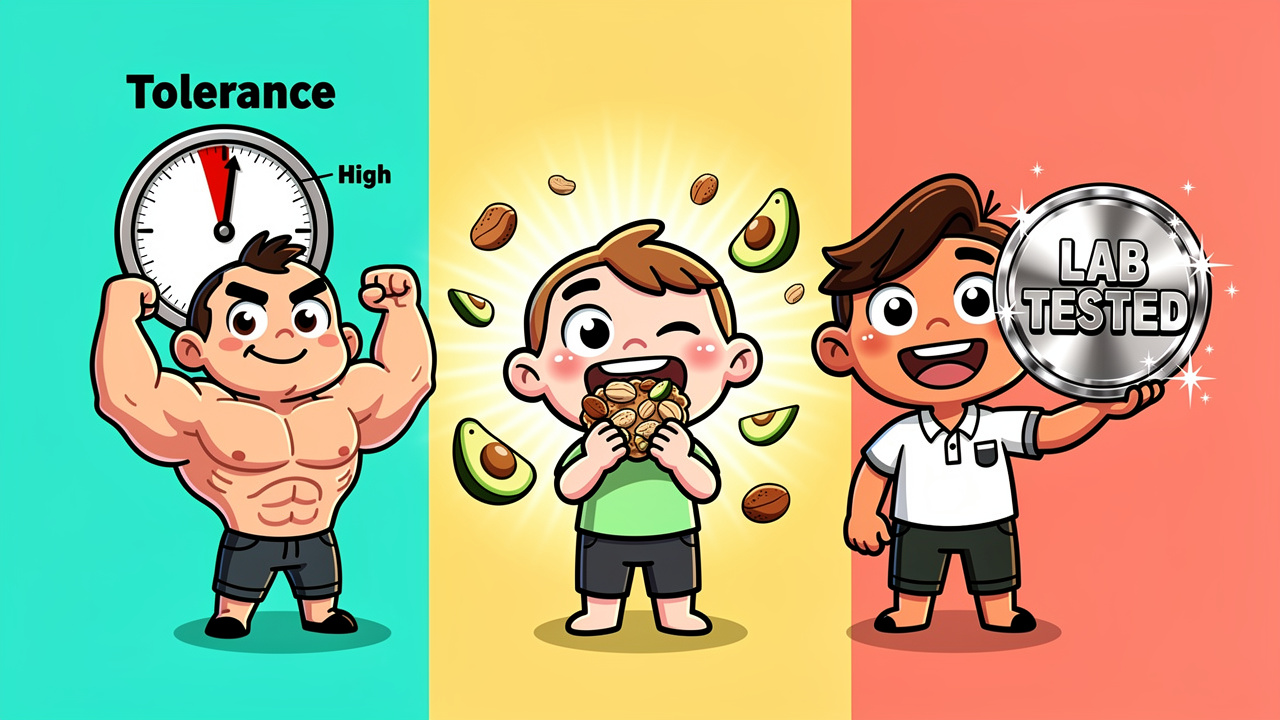
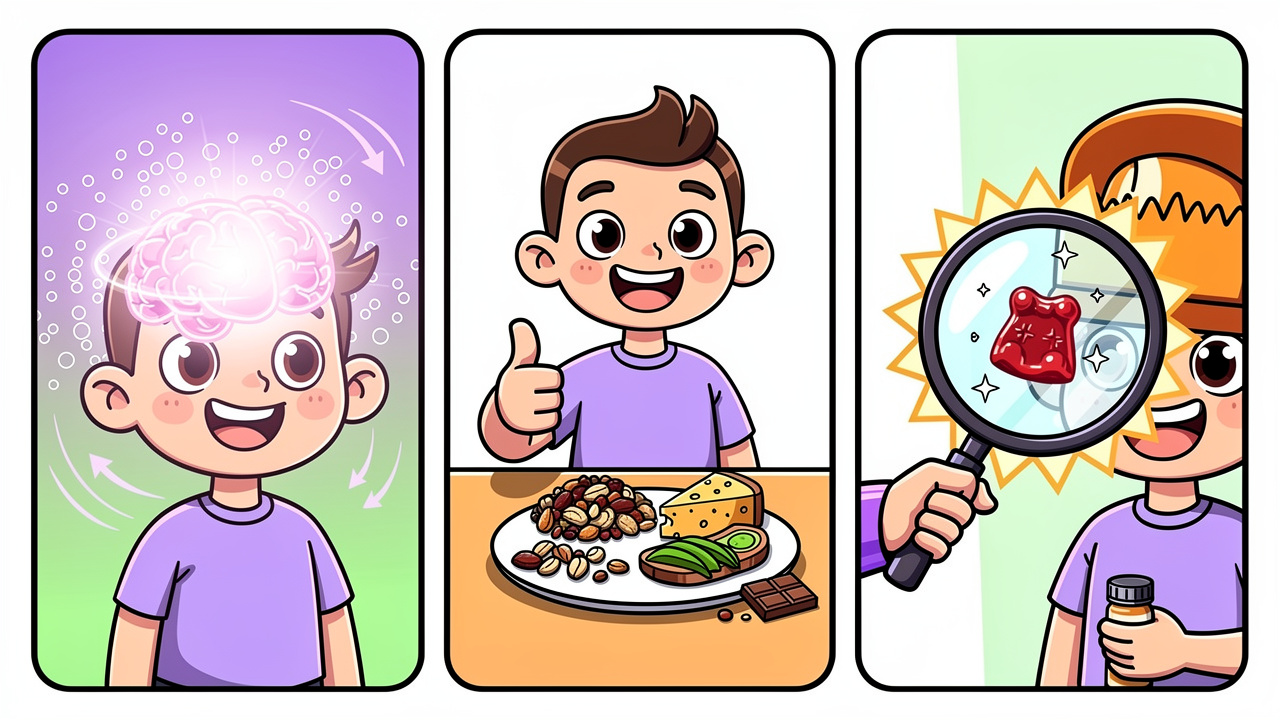
Once you understand timing, the next step is to look at three other big players. Your past cannabis use, what you eat with your edible, and the quality of the product all make a real difference to how hard and how reliably it hits.
Your Tolerance Might Be Higher Than You Think
If you use cannabis often, your brain quietly adjusts. THC works by binding to CB1 receptors, and when those receptors see THC again and again, they respond less. In plain terms, your body gets used to it, so the same dose does less than it used to.
That means a ten milligram edible that once felt strong might now feel like nothing. Before you write it off, consider two careful options. The first is a slow, controlled increase. Next time, try an extra five milligrams, then wait the full two hours before you judge it. If it is still flat, you can add another small step on a different day.
The second option is more powerful. A tolerance break (often shortened to t-break) gives your receptors time to reset. Even a week away from all cannabis can make a clear difference. After a break of one to three weeks, you will often find that a low dose feels noticeable again. When you come back, start on the gentle side, because your old “normal” can suddenly feel very strong. BudBuddies has dosing guides and calculators on BudBuddies.cc that help you plan these changes rather than guess.
You Have Not Eaten The Right Things
THC does not dissolve well in water. It prefers fat, which is why it is called lipophilic. Your body absorbs THC more effectively when there is some dietary fat present for it to bind to while it moves through your gut.
If you nibble an edible on a totally empty stomach or after a very low fat meal, a chunk of the THC can pass through without being picked up properly. That can leave you wondering why your friend is floating and you feel completely normal. Research suggests that eating cannabis with a high fat meal can increase absorption by up to three times — and ongoing Does marijuana work as medicine trials continue to shed light on how variables like diet influence cannabinoid bioavailability.
You do not need a huge greasy plate to help things along. Simple snacks with a bit of fat can support THC absorption, for example:
A handful of nuts
A small piece of cheese
Avocado on toast
Yoghurt with nut butter
A square of dark chocolate
Many higher grade edibles, including options at BudBuddies, already include fats such as MCT oil in the recipe. That design helps your body make better use of the THC that is already there.
The Product Itself Might Be The Problem
Sometimes, you can do everything right and the edible still feels weak, because the product simply is not what you think it is. With unverified sources, there is no guarantee that the number on the label matches what is in the bag. Some pieces might be strong while others in the same pack contain barely anything.
THC is also sensitive to heat, air, and light. If an edible sits in a warm room, a sunny car, or an open packet for weeks, the cannabinoids slowly break down. Even a once potent product can turn into something that barely registers. That can leave you searching for “edibles not hitting what to do” when the real answer is that the THC has faded away.
The fix is to stick with suppliers that treat testing as standard rather than an extra. At BudBuddies, every edible comes with clear lab results from independent testing, so you know exactly how much THC you are taking per piece. Products use cannabis-derived ingredients only, and batches are checked for both potency and unwanted contaminants. You can also look for full spectrum extracts, where other cannabinoids and terpenes are present alongside THC. Many people find this mix gives a more rounded effect, often called the entourage effect.
What To Do Right Now — A Practical Fix It Checklist
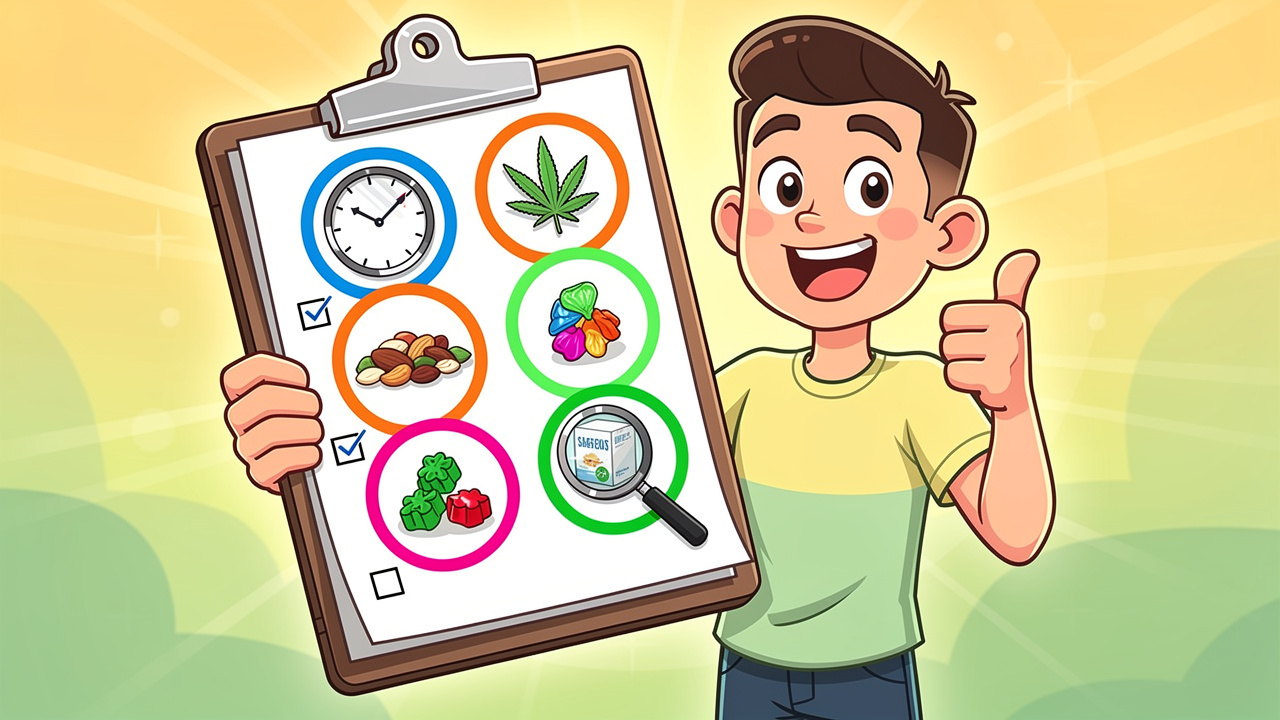
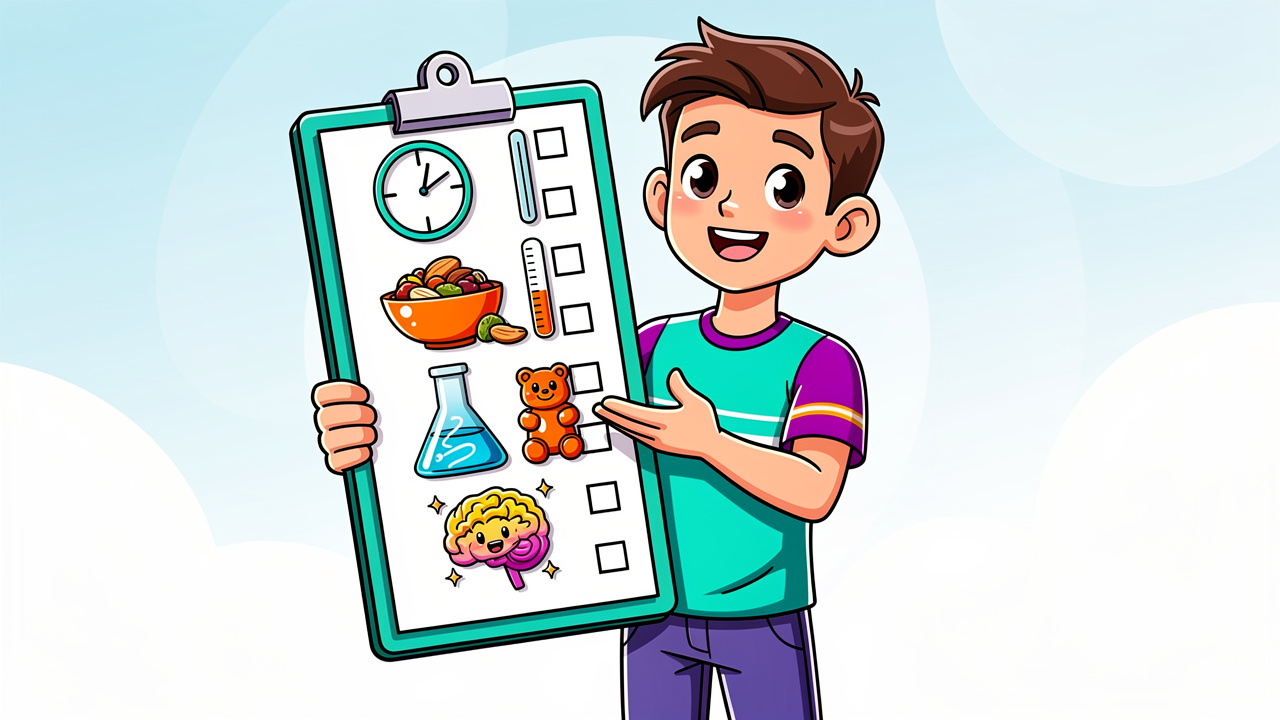
When you feel nothing and start to panic that you have wasted the evening, it helps to have a calm checklist to run through. This simple list turns a vague sense of “it is not working” into clear steps so you can see what to adjust next time.
Check your timing and be completely honest with yourself. Look at the actual clock, not your patience level. If it has been less than two hours, you are still within the normal window for many people. Set a timer, distract yourself, and give the first dose a fair chance before you even think about more.
Think about what you have eaten today and when you ate it. If you took the edible on a totally empty stomach, try adding a small snack that includes some fat, such as nuts or cheese. This will not make THC appear from nowhere, but it can help your body use what is already present. Make a note for next time so you can time your snack and edible together.
Review your dose against your recent cannabis use. If you vape or smoke daily, a very low edible dose might not move the needle for you. Check whether your product has clear milligram labelling so you know your real intake. With BudBuddies edibles, you can match the stated THC per piece to your tolerance and nudge up or down in steady steps.
Assess the product with a cooler head. Ask yourself whether it came from a supplier that shares lab test results and proper labelling. If the source is vague or the packaging feels vague on numbers, it is likely that the dose is not as reliable as you hoped. In that case, the issue is less about your body and more about the product.
Consider a reset if this has become a pattern rather than a one off. If you always need higher and higher doses just to feel something, a short tolerance break can often do more than simply adding more THC. BudBuddies offers dosing tools and a friendly support team who can help you plan that reset so you come back at a level that feels clear and controlled, not random.
“Start low and go slow” is the golden rule for edibles, a line repeated by many cannabis clinicians for a reason.
Start low, go slow, and give your body the time it actually needs.
When Edibles Genuinely Do Not Work — And What To Try Instead
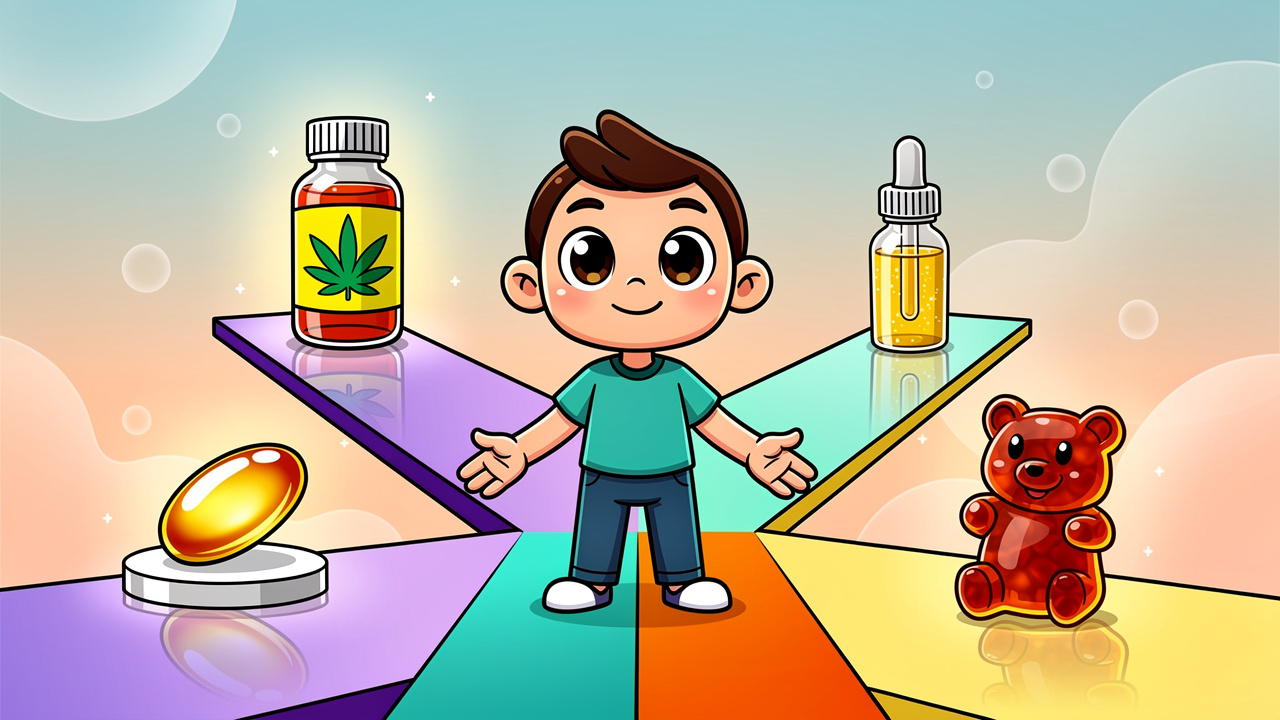
For a small group of people, regular edibles stay stubbornly weak even after careful tweaks. If you have tried solid brands, eaten some fat, waited far beyond two hours, adjusted your dose, and still feel nothing, your biology might be part of the story.
The key player here is an enzyme in your liver called CYP2C9. This enzyme helps change delta-9 THC into 11-hydroxy-THC, the version that hits so well with edibles. Some people have genetic variations that change how this enzyme behaves — research like the Can’t Stop Popping THC edibles study points to DNA clues that explain why the same dose produces such different results between individuals.
If your body does not make much 11-hydroxy-THC, classic edibles will always feel flatter, no matter how carefully you plan. That does not mean cannabis as a whole is off the table. It just means the standard brownie and gummy route is not your best match, and another format might suit you far better.
You could try cannabis drinks, which often absorb faster and can feel clearer to control. Capsules and softgels give you precise milligram doses in a simple format that feels similar to vitamins. THC oils from BudBuddies can be used under the tongue, where they absorb through the lining of your mouth and reach your bloodstream without the same delay from full digestion. With these formats, you still follow the same steady rule on dosing, but you are working with the way your body prefers to handle cannabinoids.
Think of it less as chasing bigger and bigger doses and more as finding the format that fits how your system works. BudBuddies makes it easy to compare edibles, drinks, capsules, and oils side by side on BudBuddies.cc, and you can always reach out to the team if you want help choosing a place to start.
Conclusion
When you strip away the confusion, most cases of edibles not hitting come down to a few clear factors. Timing, tolerance, food, and product quality all play a big part in how that square of chocolate or single gummy actually feels a couple of hours later.
If you remember one rule, make it this: Start low, go slow, and wait longer than you think you need to before taking more. Add a small fatty snack, pick lab tested products, and give your body a chance to show you how it responds before you adjust the dose. In most cases, that is all it takes to turn a flat experience into a smooth, predictable one.
As cannabis researcher Dr. Ethan Russo and many others stress, careful dosing is about respect for both the plant and your own body.
If you want a reliable place to start, BudBuddies offers clearly labelled, lab tested edibles, drinks, capsules, and oils, along with dosing guides that keep guesswork out of the picture. With the right products and a calmer plan, your next edible session can feel a lot more like what you were hoping for.
FAQs
How Long Should You Wait Before Taking More Edibles If You Do Not Feel Anything
You should wait at least two hours before you think about taking more, and two to three hours is even safer. Edible effects often creep in slowly rather than arriving all at once. If you redose too early, the first serving can catch up just as the second one lands, which is how people end up feeling far more than they planned.
Does Eating Fat Really Help Edibles Work Better
Yes, it often makes a big difference. THC is fat soluble, so it binds to dietary fats and passes into your system more effectively when some fat is present. Studies show that eating cannabis with a higher fat meal can increase absorption several times over. Simple snacks such as nuts, avocado, cheese, or dark chocolate are easy ways to support this.
Why Do Edibles Work For Some People But Not Others
Bodies vary in several ways that affect edibles. Your metabolism, your regular cannabis use, and your current tolerance all change how strong a given dose feels. On top of that, genetic differences in liver enzymes such as CYP2C9 can change how well your body converts THC into its active edible form. Product quality and what you have eaten on the day matter as well, but in most cases these are all manageable factors rather than permanent limits.