


Greened Out: What To Do, Feel Better, and Stay Safe
Greening out can hit suddenly and feel frightening, especially when you are frantically searching greened out what to do on your phone.
Everything spins, your heart races, and it feels like it will never end.
That panicky feeling grows fast because the symptoms are intense and unfamiliar.
It can feel like something has gone badly wrong.
Greening out simply means you have had more THC than your body can handle comfortably. It feels horrible, but for most healthy adults it passes as THC leaves the system. This guide explains why greening out happens, what it feels like, greened out what to do in the moment, how to avoid it next time, and how long symptoms usually last.
Keep this open, breathe slowly, and move through each section at your own pace. This article is for general information and is not a substitute for personalised medical advice.
Why Does Greening Out Happen?
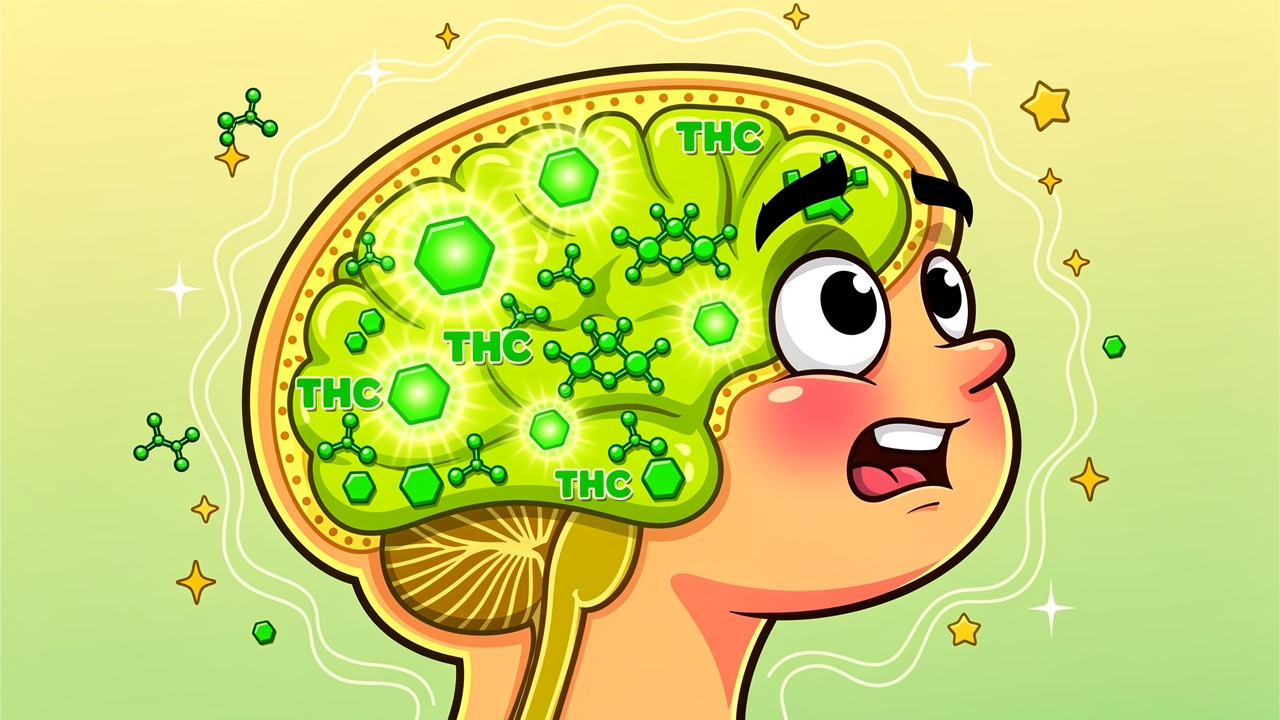
Greening out happens when too much THC overstimulates the brain and nervous system, especially in people with low tolerance or when doses are misjudged. The combination of product strength, method of consumption, and personal biology decides how likely a green out becomes.
THC binds to CB1 receptors in the brain and can either feel relaxing or overwhelming. When the dose is high, the endocannabinoid system struggles to keep balance, so blood pressure, heart rate, and perception shift sharply. Research from the National Institute on Drug Abuse shows average THC in seized cannabis rose from about 4 percent in the mid‑1990s to over 15 percent in recent years, which makes misjudging strength much easier.
Edibles cause more green outs than any other format. They pass through the liver before reaching the bloodstream, so onset can take 30 minutes to 2 hours, and the effects can last for several hours afterward. A study reported in Annals of Internal Medicine found that edible products were linked to around 11 percent of cannabis‑related emergency visits in one Colorado hospital system, even though edibles made up a smaller share of sales.
Mixing cannabis with alcohol adds another layer of risk, with Cannabis positivity rates in emergency departments shown to vary significantly depending on local cannabis legalization status and consumption patterns. According to the Centers for Disease Control and Prevention, using cannabis and alcohol together leads to greater impairment than either substance alone. Alcohol can increase THC absorption, so a dose that normally feels fine suddenly feels far too strong. An empty stomach, low body weight, anxiety, and tiredness all make greening out more likely, while CBD in the mix often softens the psychological edge.
What Does Greening Out Feel Like? Recognising The Symptoms
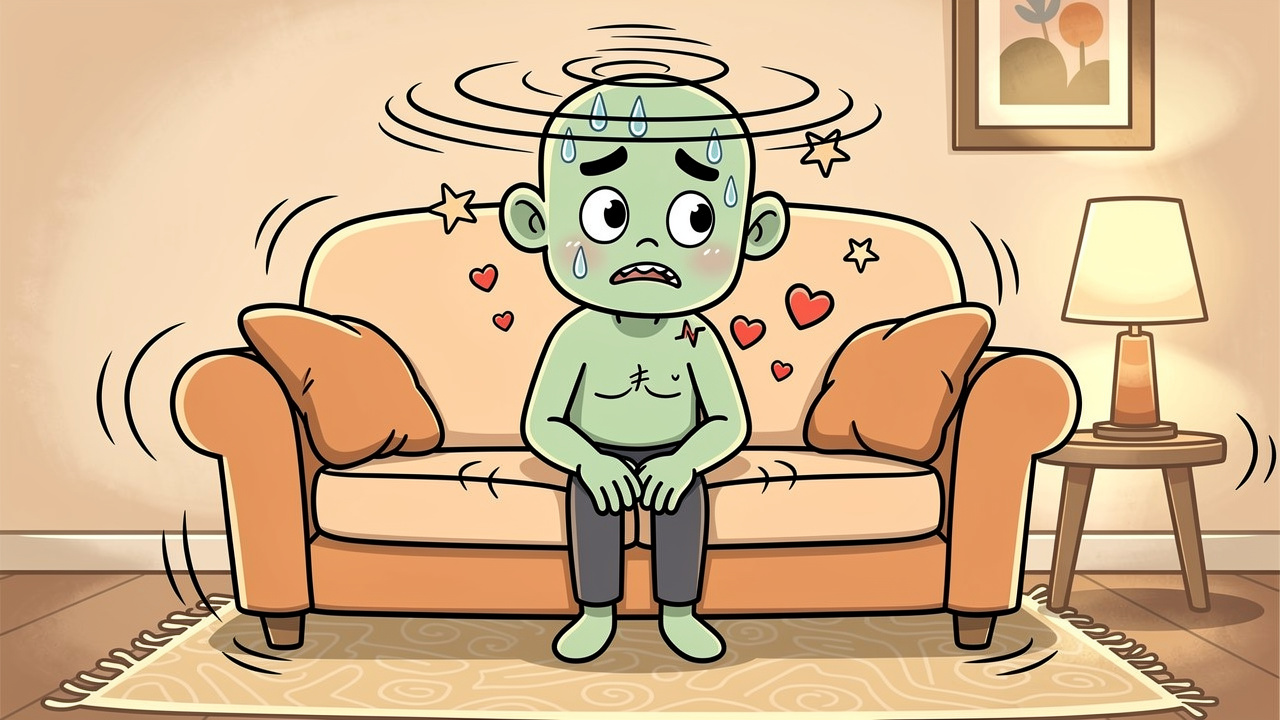
Greening out feels like a wave of physical and mental symptoms that arrive together and feel out of proportion to the amount consumed. These reactions are unpleasant but temporary responses to THC overload.
Physical symptoms often show first. Many people notice:
Sudden nausea or the urge to vomit
Dizziness or a spinning sensation similar to strong alcohol
Skin looking pale or slightly green
Cold sweat on the forehead, neck, or upper body
A pounding or racing heartbeat, even though a pulse check may sit within a normal range
Psychological symptoms usually build on top of those body sensations, such as:
Rising anxiety or panic
Racing thoughts and difficulty following simple sentences
Feeling detached from surroundings or from yourself
A sense that time has slowed to a crawl, making each minute feel much longer
These effects often feed each other. Feeling light‑headed makes the mind worry, and worrying makes the body feel worse. Knowing that these symptoms come from THC and not from permanent damage can bring real relief. According to the NHS, cannabis can trigger short‑term anxiety and a fast heartbeat, but these effects ease once the substance wears off.
During a green out, it helps to remind yourself repeatedly that the experience is temporary. Many people who later read about greened out what to do realise their symptoms fitted this pattern exactly and were not a sign of lasting harm.
Greened Out: What To Do Right Now
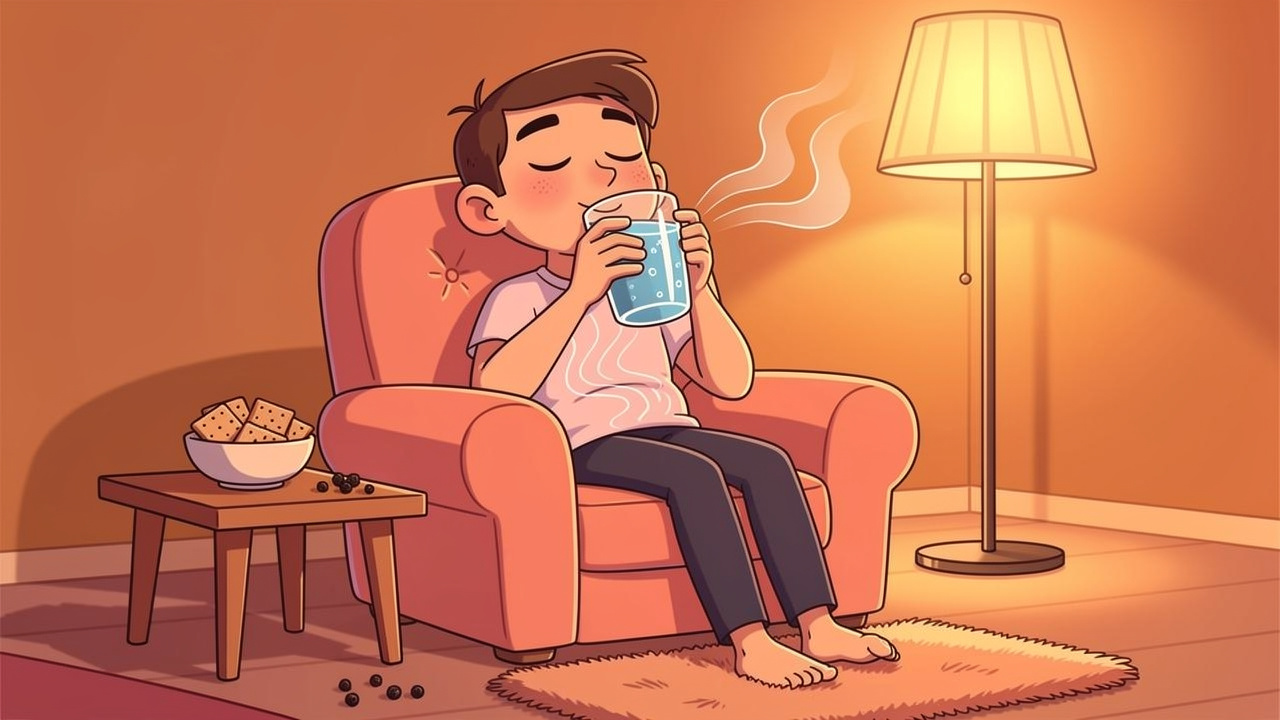
When you are greened out, what to do right now is keep yourself safe, calm, and comfortable while your body clears the THC. Simple, steady actions work better than anything dramatic.
“You can’t stop the waves, but you can learn to surf.” — Jon Kabat‑Zinn
Think of the green out like a rough wave: you cannot stop it instantly, but you can ride it more gently.
Start by accepting that the next hour or two may feel rough, then choose to look after yourself through it. Avoid self‑blame or panic about the dose. The goal is not to fight the feelings but to soften their impact while time does the real work.
Move to a calm, safe space.
Go somewhere quiet and comfortable, away from crowds. A familiar bedroom or living room works far better than a noisy party or busy street. Dim lights, lower any loud music, and sit somewhere supported. If you are with someone else, let them know you feel unwell so they can stay nearby.Find a stable position.
Sit or lie in a way that feels steady and does not strain your neck or back. Many people find lying on their side or with a cushion behind them reduces spinning sensations. Avoid standing suddenly, because blood pressure can dip and cause faintness. If you feel sick, keep a bin or bowl within easy reach so you are not worrying about that as well.Sip water and have a light snack.
Sip water slowly, or have a mild sweet drink if your stomach allows it. Small, regular sips feel better than gulping a whole glass at once. A light snack such as dry biscuits or toast can help if you have not eaten, because food slows absorption. Stay away from alcohol and energy drinks, as they tend to make symptoms worse.Use simple breathing to steady yourself.
Breathe in through your nose for a count of four, hold for four, then breathe out through your mouth for another count of four. Repeat this 4‑4‑4 pattern for several minutes. This kind of breathing encourages the body to shift away from fight‑or‑flight mode toward a calmer state.Try the black pepper method.
Many cannabis users recommend this from long experience. Smell or gently chew a couple of whole black peppercorns and focus on the strong, grounding aroma. Black pepper contains a terpene called beta‑caryophyllene that may interact with cannabinoid receptors, and while evidence is early, Frontiers in Neuroscience notes its calming potential.Distract your mind gently.
Choose something familiar and low‑stress: a light comedy show, soft music, or a calm chat with a trusted friend — approaches validated by Frontiers | Coming back research on how social support and distraction help people cope with difficult cannabis and psychedelic episodes. This shifts attention away from spiralling thoughts. Avoid fast‑cut action films or intense topics, as they can feed anxiety. Light, predictable content works best while you ride things out.Rest or sleep if you can.
Lying quietly with eyes closed eases dizziness for many people. If you drift off, that is often the smoothest route through the peak. Most people who sleep after greening out wake feeling far more settled and able to think about greened out what to do next time to avoid a repeat.
As you follow these steps, keep reminding yourself that the worst phase will usually pass within a few hours.
When Should You Seek Medical Help?
Medical help is sensible when greening out signs go beyond intense discomfort and start to look like a medical emergency — a threshold that studies on Emergency Department Patients Presenting after oral versus inhaled cannabinoid use show can differ meaningfully depending on how cannabis was consumed. Trust your instincts if something feels very wrong.
Seek urgent help if any of the following happen:
Chest pain, severe heart palpitations, or trouble breathing, especially in someone with a heart condition
Fainting, being unable to wake the person, or repeated vomiting that could cause dehydration
Very confused behaviour, hallucinations, or strong beliefs that do not match reality, particularly if they do not ease as time passes
In these cases, call emergency services or local medical advice lines. In the UK, calling 111 for advice or 999 in an emergency is always the right choice, and professionals see cannabis‑related episodes regularly according to reports summarised by the NHS.
How To Avoid Greening Out In The Future
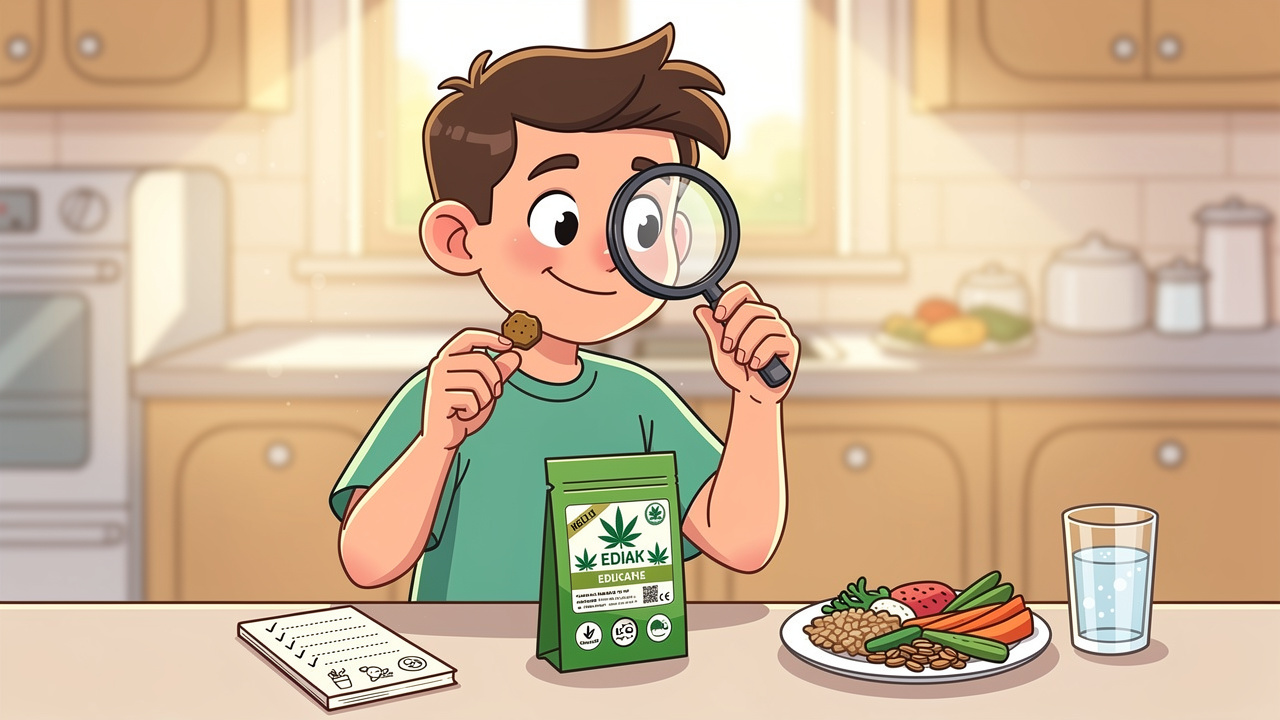
Avoiding future green outs comes down to dose control, product choice, and context. With a little planning, most people can enjoy cannabis without ever again typing greened out what to do into a search bar.
“Start low and go slow.” — dosing advice used by Health Canada and other public health agencies for cannabis products
The golden rule is simple: start low, go slow, especially with edibles and other long‑lasting products. Harvard Health Publishing notes that edibles can take up to 2 hours to peak and may last 6 hours or more, which is why rushing a second dose often causes problems.
Plan your dose before you consume.
Decide your dose in advance and stick to it. For many adults, 2.5 to 5 milligrams of THC is a sensible starting point with edibles. The Edible Dosage Calculator and Weed Tolerance Calculator on budbuddies.cc help you plug in body weight, experience level, and format so you build a personal plan instead of guessing. This small bit of preparation pays off every time.Use clearly labelled products.
BudBuddies Cannabis Capsules and THC Beverages list precise THC and CBD amounts per capsule or drink, so each serving feels predictable. Double‑verified lab testing on BudBuddies flower, vapes, and edibles confirms that the numbers on the label match what is in the pack, which removes one of the biggest greening out triggers.Avoid mixing cannabis and alcohol.
Keep cannabis and alcohol separate, especially when you are still learning your limits. As the Centers for Disease Control and Prevention explains, alcohol and cannabis together increase impairment more than either alone. That extra load can turn a mild high into a spinning, sweaty experience far faster than people expect.Consider CBD or gentler THC levels.
CBD does not cause a high and may soften some of THC’s anxious edge, as noted by the World Health Organization. BudBuddies stocks CBD oils, capsules, and balanced THC:CBD options alongside stronger lines, so you can build a setup that feels steady rather than extreme.Set up a friendly environment and basic self‑care.
Eat a normal meal beforehand, have water and light snacks nearby, and plan your evening so you are not under time pressure. BudBuddies product pages include plain‑English effect descriptions and timing notes, which make it easier to pick the right format for a relaxed night in rather than a rushed experiment.
When you combine measured dosing, clear labelling, and the planning tools on budbuddies.cc, the odds of greening out drop sharply.
How Long Does Greening Out Last?
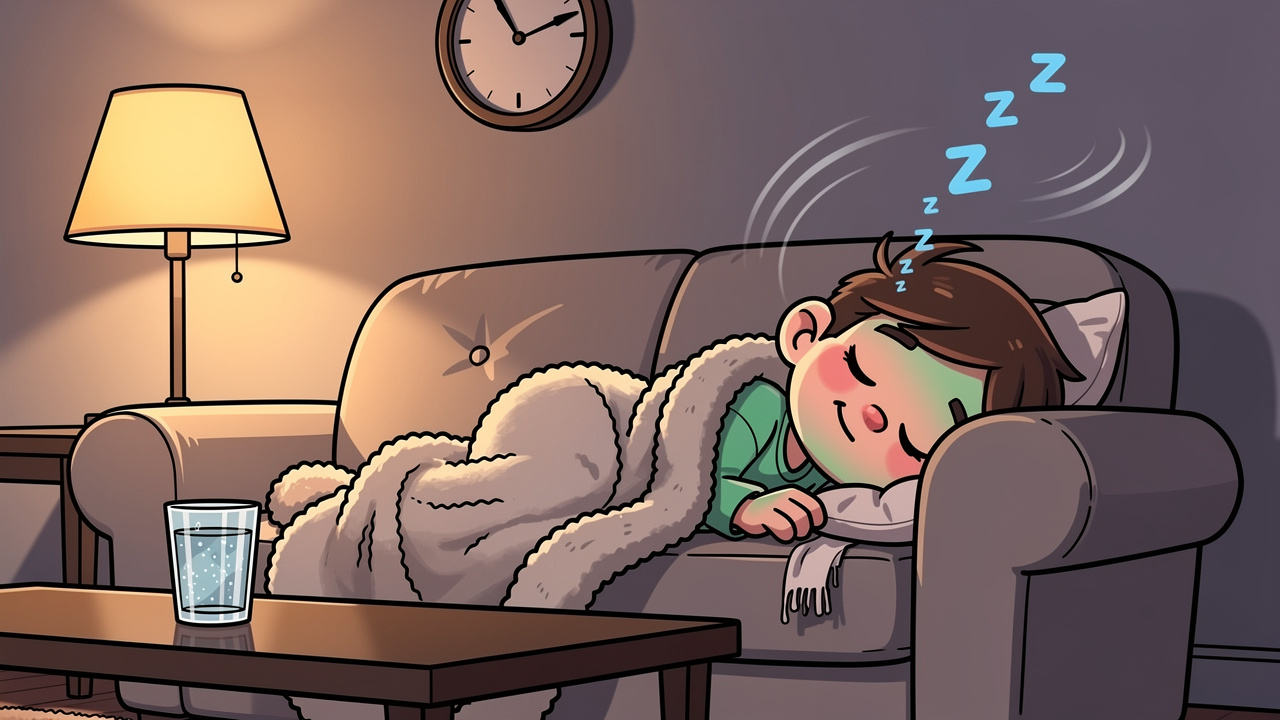
Most green outs ease within a few hours, although the exact length depends on dose and method. For many people, the most intense phase lasts 1 to 3 hours, with a gentle tail of tiredness after that.
Inhaled cannabis tends to peak quickly and fade within 2 to 4 hours, while edibles run for longer. Guidance from the Canadian Centre on Substance Use and Addiction notes that ingested products can last 4 to 12 hours, which is why edible green outs often feel more drawn out. Rest, hydration, and calm surroundings make this window far more manageable. If you have already searched greened out what to do, time and patience are now your main allies.
Conclusion
Greening out can feel intense, but it is a short‑lived reaction to too much THC, not a permanent crisis for most healthy adults. Knowledge, measured dosing, and thoughtful product choice keep future sessions smoother.
The Bottom Line On Greening Out
Greening out feels awful in the moment, yet for healthy adults it usually passes and leaves no lasting damage. Learning from one bad night, then following the start‑low, go‑slow approach, is the simplest way to avoid a repeat. BudBuddies supports that approach with clearly labelled, lab‑tested flower, edibles, capsules, and THC Beverages, plus easy tools like the Edible Dosage Calculator and Weed Tolerance Calculator on budbuddies.cc. When your products are predictable and your plan is calm, there is far less need to ever search greened out what to do again.
Frequently Asked Questions
Question: Can you green out from CBD?
CBD on its own does not cause greening out because it is not intoxicating. Some studies suggest CBD may ease THC‑related anxiety for certain people. Using balanced THC and CBD products from BudBuddies often gives a steadier, more manageable experience than very strong THC‑only items.
Question: Does greening out cause any lasting harm?
For healthy adults, greening out does not usually cause lasting physical harm. Symptoms fade as the body processes THC and blood levels drop. It still makes sense to avoid repeating the pattern, especially for anyone prone to anxiety or panic, by using the dose guidance and tools on budbuddies.cc.
Question: Is greening out the same as a cannabis overdose?
Greening out is better described as THC overconsumption rather than an overdose in the strict medical sense. It feels severe but is rarely dangerous for healthy adults. Clinical overdoses involve life‑threatening effects on breathing or the heart, which cannabis alone does not commonly trigger according to the World Health Organization.
Question: Why do edibles cause greening out more than smoking?
Edibles travel through the digestive system, so THC converts in the liver and reaches the brain more slowly. This delay, often 30 minutes to 2 hours, tempts people to take more too soon. When both doses peak together, the combined effect feels far stronger than expected and a green out becomes likely.
Question: Can I speed up recovery from greening out?
There is no instant fix that clears THC from your system. Rest, hydration, steady breathing, and the black pepper trick many users describe can all ease the ride. Sleep is usually the best helper. Avoid more cannabis or alcohol, as both tend to prolong or intensify symptoms instead of shortening them.


