


How to Make Cannabutter: UK Recipe Guide for 2025
Picture this: you’re in your kitchen, ready to create something that transforms ordinary baking into an extraordinary experience. Learning how to make cannabutter UK recipe opens doors to discreet, long-lasting edible adventures that you control from start to finish. Cannabutter serves as the foundation for everything from classic brownies to savoury dishes, giving you complete power over potency and quality.
More people across the UK are discovering the appeal of homemade edibles. When you make your own cannabutter recipe uk, you choose every ingredient, from the cannabis flower to the type of fat you use. This control means consistent results and the ability to adjust strength according to your preferences. Cannabis butter uk that you create at home eliminates guesswork about what’s actually in your edibles.
The benefits of consuming cannabis through edibles extend beyond just discretion. Effects last longer than smoking or vaping, often providing relief for hours rather than minutes. You can enjoy your creations without any telltale smells or visible signs of consumption. This makes edibles perfect for those who prefer a more subtle approach to cannabis use.
This comprehensive guide walks you through every step of creating perfect cannabutter. You’ll learn precise decarboxylation temperatures in Celsius, master the infusion process, and discover storage techniques that preserve potency. Whether you’re a complete beginner or looking to refine your technique, this cannabis cooking uk guide provides the knowledge you need for success.
“The key to successful cannabis cooking lies in understanding the science behind decarboxylation and proper infusion techniques. Temperature control is absolutely crucial for maximising cannabinoid extraction while preserving beneficial terpenes.” – Dr. Amanda Reiman, cannabis researcher and policy manager
Understanding the Essentials: Ingredients and Equipment
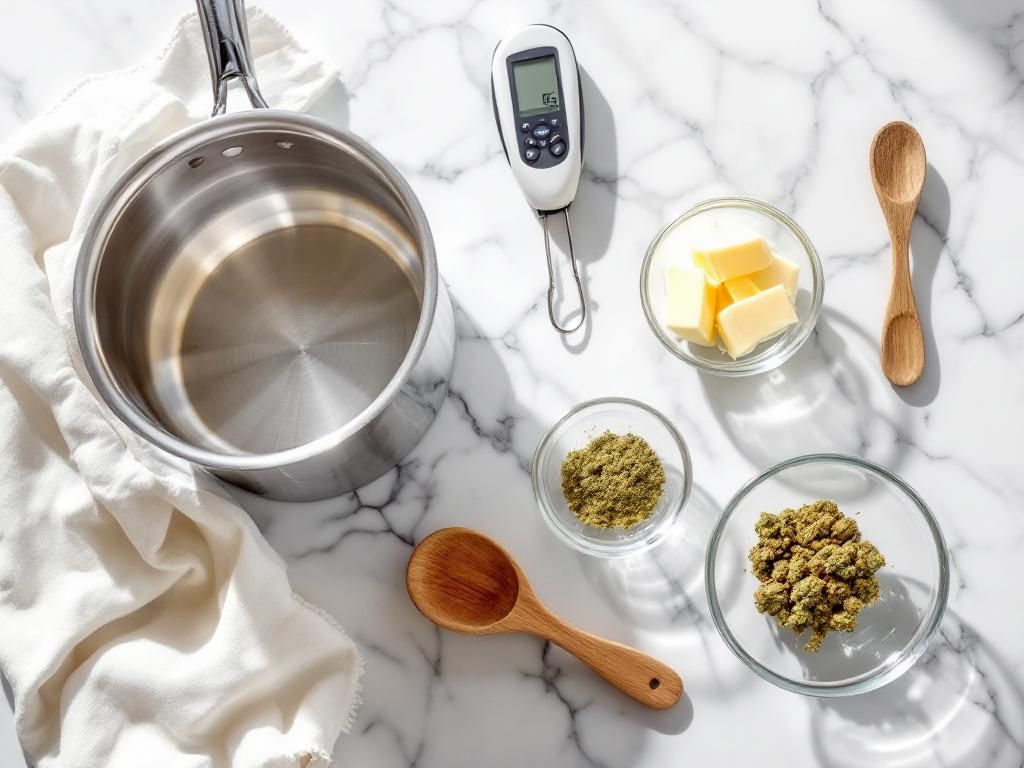
Success in making cannabutter starts with having the right tools and ingredients ready. Your equipment list includes:
- An oven with accurate temperature control
- A heavy-bottomed saucepan or double boiler
- A fine-mesh strainer or cheesecloth
- A quality grinder
- Airtight storage containers
Essential ingredients:
- Quality cannabis flower
- Unsalted butter
- Water
The cannabis flower quality directly impacts your final product’s potency and flavour. Choose flowers that have been properly cured and stored, as these provide the best cannabinoid profiles. Water plays a crucial role during infusion, helping regulate temperature and preventing your butter from burning.
Consider alternative fats if butter doesn’t suit your dietary needs. Coconut oil works exceptionally well for cannabis infusion because its high saturated fat content bonds effectively with cannabinoids. Vegan butter alternatives also work, though they may require slight adjustments to cooking times. Some people prefer coconut oil for its neutral taste and longer shelf life.
Equipment quality matters more than you might think. A reliable thermometer ensures accurate temperature control during both decarboxylation and infusion. Choose a heavy-bottomed pan that distributes heat evenly, preventing hot spots that could burn your cannabis or butter. Quality straining materials remove plant matter without allowing fine particles through, resulting in smoother finished products.
Activating Your Cannabis: The Decarboxylation Step (°C Guide)
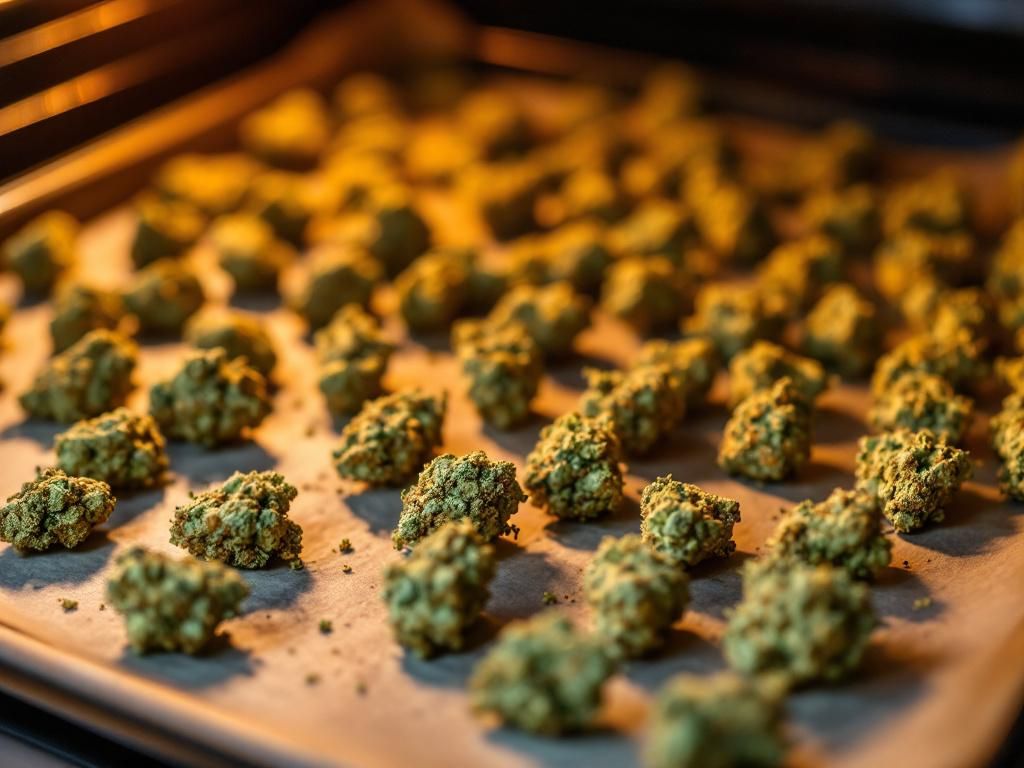
Decarboxylation transforms inactive cannabinoids into their active forms, making this step absolutely critical for potent cannabutter. Raw cannabis contains THCA and CBDA, which need heat to convert into THC and CBD respectively. Without proper decarboxylation, your butter will have minimal psychoactive effects, regardless of how much cannabis you use.
| Process | Temperature (°C) | Duration | Visual Cues |
|---|---|---|---|
| Decarboxylation | 115°C | 40 minutes | Golden-brown colour |
| Infusion | 75-85°C | 2-4 hours | Gentle simmering |
| Storage | 4°C (fridge) | 2-3 weeks | Solid separation |
Start by preheating your oven to 115°C, which sits perfectly in the optimal range for decarb weed uk procedures. This temperature activates cannabinoids without destroying delicate terpenes that contribute to flavour and effects. Break your cannabis into small, uniform pieces using your hands or scissors. Avoid grinding too finely, as this can lead to plant matter passing through your strainer later.
Follow these steps for proper decarboxylation:
- Preheat oven to 115°C
- Break cannabis into small, uniform pieces
- Spread evenly on parchment-lined baking tray
- Bake for 40 minutes, stirring every 10 minutes
- Look for golden-brown colour change
You’ll notice the cannabis changing colour from bright green to a golden-brown shade. The aroma shifts from fresh and grassy to toasted and nutty, indicating successful decarboxylation.
“Many home cooks underestimate the importance of proper decarboxylation. Without this critical step, you’re essentially wasting your cannabis material. The investment in a reliable thermometer pays for itself in consistent results.” – Chef Brandon Allen, cannabis culinary instructor
Temperature precision matters enormously during this process. Going above 120°C risks destroying cannabinoids and terpenes, while temperatures below 110°C may not fully activate your cannabis. Some people use cannabis stems or trim for making butter, but remember these contain lower cannabinoid concentrations. You’ll need significantly more material to achieve similar potency compared to using quality flowers.
Infusing for Potency: Cooking Cannabis with Butter or Coconut Oil
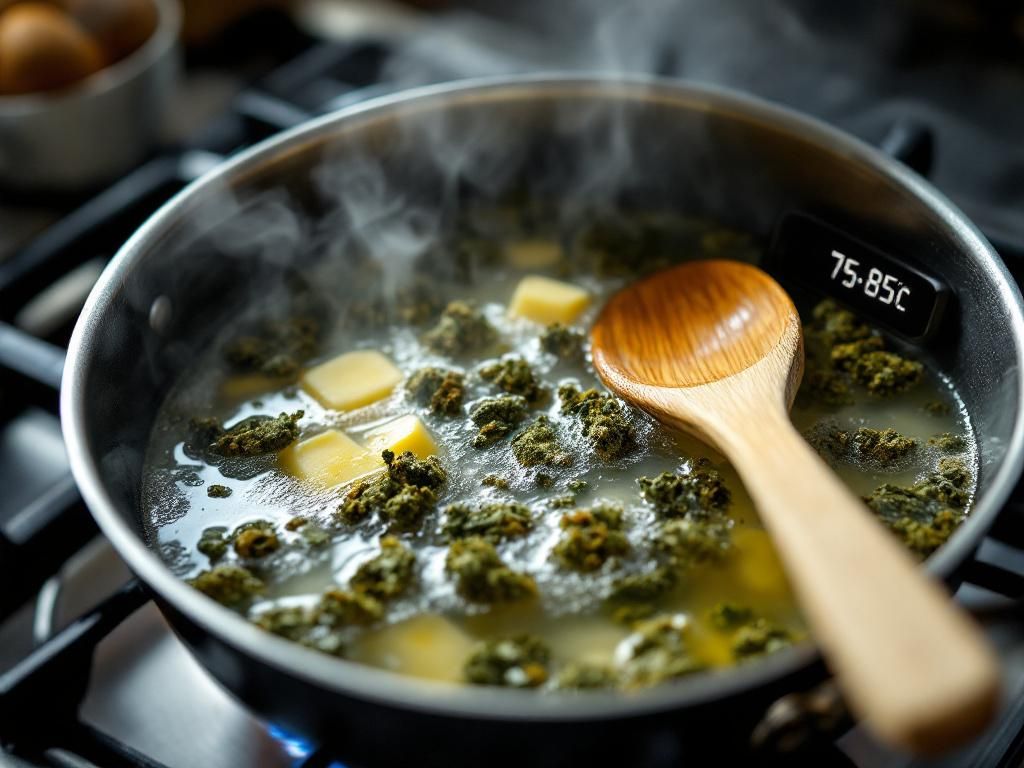
The infusion process extracts activated cannabinoids from your decarboxylated cannabis into fat. Begin by gently melting your butter in a heavy-bottomed saucepan over low heat. Add equal parts water to the butter, creating a mixture that prevents overheating while providing the perfect medium for cannabinoid extraction. This water helps maintain steady temperatures throughout the long infusion process.
Add your decarboxylated cannabis to the melted butter and water mixture, stirring gently to ensure even distribution. Maintain temperature between 75°C and 85°C throughout the infusion. This range extracts cannabinoids efficiently without destroying them through excessive heat. The mixture should barely simmer, with only occasional small bubbles appearing at the surface.
Infusion time directly affects potency and flavour. Allow your mixture to cook for a minimum of 2 hours, though extending to 4 hours can increase extraction efficiency. Stir every 30 minutes to prevent settling and ensure even cannabinoid distribution. You’ll notice the butter taking on a greenish tint as it absorbs compounds from the cannabis.
Alternative methods provide even better temperature control. A double boiler setup eliminates direct heat contact, reducing the risk of overheating. Slow cookers set to low heat offer excellent temperature stability for longer infusions. Some people prefer using coconut oil instead of butter for its higher smoke point and neutral flavour profile. The infuse butter uk process remains essentially the same regardless of which fat you choose.
Finishing Touches: Straining, Cooling, and Storage Tips
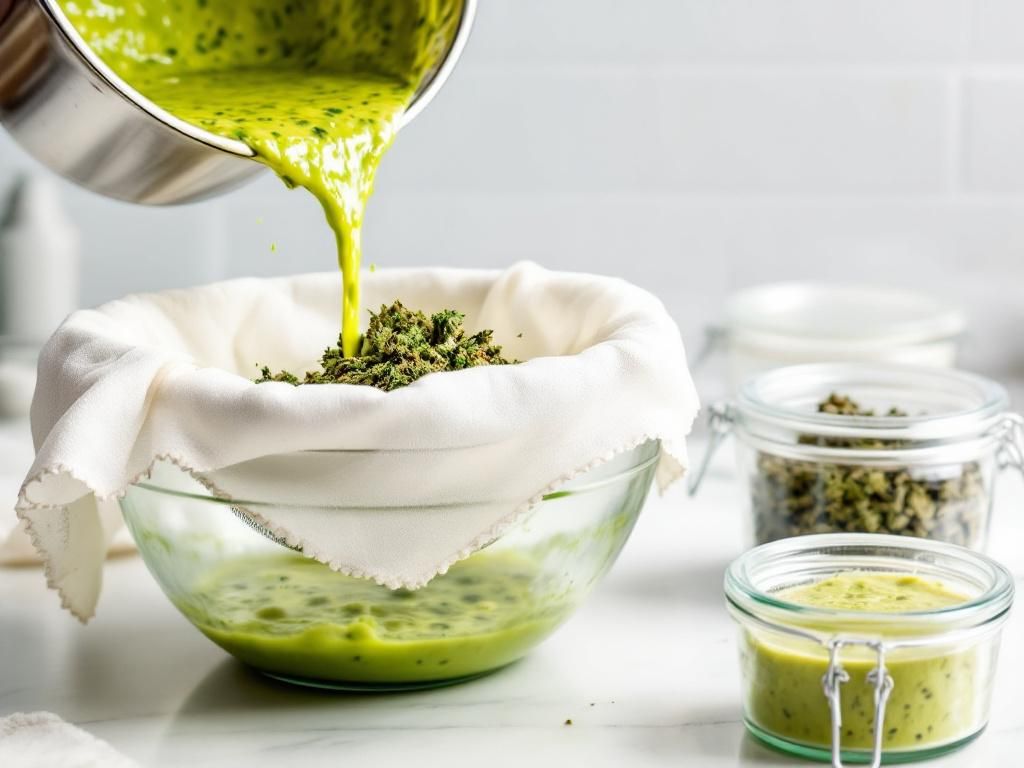
Proper straining separates your infused butter from plant material, creating smooth, usable cannabutter. Set up your straining station by placing cheesecloth or fine mesh over a clean container. Pour the hot infusion slowly through the cloth, allowing gravity to do most of the work. Avoid squeezing or pressing too hard, as this forces unwanted plant particles through the filter.
Allow your strained mixture to cool at room temperature for about 30 minutes before refrigerating. As it cools, the butter and water naturally separate with butter forming a solid layer on top. This separation is normal and expected. Once completely cool, carefully remove the hardened butter layer and discard the water underneath.
Storage techniques preserve both potency and freshness. Transfer your finished cannabutter to an airtight container, leaving minimal air space to prevent oxidation. Properly stored in the refrigerator, your butter maintains potency for several weeks. For longer storage, freeze portions in ice cube trays for easy measuring and extended shelf life of several months.
Label your containers with preparation date and estimated potency to track your products effectively. Store away from light and heat, which can degrade cannabinoids over time. Some people prefer dividing large batches into smaller portions, making it easier to use precise amounts without exposing the entire batch to air repeatedly.
Understanding Potency and Safe Dosing
Estimating homemade cannabutter potency requires understanding several variables that affect final strength. The THC percentage of your starting cannabis, decarboxylation efficiency, and infusion completeness all influence potency. A general starting point assumes 70-80% efficiency from flower to butter, though individual results vary significantly based on technique and equipment.
| Cannabis Amount | THC % | Theoretical THC | At 75% Efficiency |
|---|---|---|---|
| 7g | 20% | 1,400mg | 1,050mg |
| 14g | 15% | 2,100mg | 1,575mg |
| 3.5g | 25% | 875mg | 656mg |
Calculate approximate potency by multiplying your cannabis weight by its THC percentage, then by estimated efficiency. For example, 7 grams of 20% THC cannabis theoretically contains 1,400mg of THC. At 75% efficiency, your butter would contain approximately 1,050mg THC total. Divide this by your butter weight to determine concentration per gram.
Start with tiny amounts when testing your weed butter potency. A quarter teaspoon represents a reasonable starting dose for most people, though individual tolerance varies enormously. Wait at least 2 hours before consuming more, as edible effects take time to manifest. The delayed onset catches many people off guard, leading to overconsumption when effects aren’t immediately apparent.
“Start low and go slow should be every cannabis cook’s motto. The delayed onset of edibles catches even experienced users off guard. It’s always better to take less and wait than to overconsume and have an uncomfortable experience.” – Dr. Peter Grinspoon, cannabis physician and Harvard Medical School instructor
Keep detailed records of your thc butter recipe experiments. Note cannabis strain, quantities used, cooking times, and temperatures alongside your personal effects and duration. This information helps refine future batches and develop consistent results. Some people find their optimal dose through gradual increases over several sessions, building up slowly to avoid uncomfortable experiences.
Remember that edible effects differ significantly from smoking or vaping. Effects typically last 4-8 hours rather than 1-2 hours, and the experience often feels more body-focused. This longer duration makes precise dosing even more important for comfortable experiences.
Conclusion
Creating your own cannabutter puts you in complete control of your edible experience. From carefully decarboxylating at the proper temperature to slowly infusing your chosen fat, each step contributes to a quality final product. Following proper safety guidelines and dosing practices ensures enjoyable results every time. Start your cannabis cooking uk adventures with confidence, knowing you have the knowledge for success.
FAQs
How long does homemade cannabutter last?
Properly stored cannabutter keeps for several weeks in the refrigerator when kept in airtight containers. Freezing extends shelf life to several months without significant potency loss, making it perfect for long-term storage.
Can I use cannabis stems or trim to make cannabutter?
Yes, stems and trim work for cannabutter, though they contain lower cannabinoid concentrations than flowers. You’ll need considerably more material to achieve similar potency. The decarboxylation and infusion process remains the same.
Why do edibles take so long to kick in?
Edibles must pass through your digestive system before entering your bloodstream. Your liver converts THC into 11-hydroxy-THC, a more potent compound than inhaled THC. This entire process typically takes 30-90 minutes or longer, depending on individual metabolism and stomach contents.


