


How to Store Cannabis Edibles for Longer Shelf Life
The Art of Preserving Your Cannabis Edibles
Cannabis edibles have revolutionised how people experience the benefits of THC and CBD, offering a discrete and enjoyable alternative to smoking or vaping. These tasty treats provide longer-lasting effects and precise dosing, making them increasingly popular among both medical patients and recreational users. However, maintaining their potency and freshness requires proper cannabis edibles shelf life storage techniques that many users overlook.
Understanding how environmental factors affect your edibles can make the difference between a disappointing experience and the premium quality you paid for. Cannabinoids naturally degrade when exposed to light, heat, oxygen, and moisture, while the food ingredients in your brownies, gummies, or chocolates face their own preservation challenges. The combination of these factors means that improper storage can quickly turn your investment into an ineffective, stale product.
This comprehensive guide explores the science behind edible degradation and provides practical solutions for extending their shelf life. You’ll discover how different storage environments affect various types of edibles, from sugar-based gummies to dairy-rich baked goods. Whether you’re storing a single packet or building a long-term stash, these techniques will help you maintain consistent quality and potency.
By implementing proper storage methods, you protect both the active compounds and the delicious flavours that make edibles so appealing. From choosing the right containers to selecting optimal temperatures, every decision impacts how long your cannabis treats remain fresh and effective.
Key Takeaways
- Proper storage depends on edible type, packaging quality, and environmental conditions
- Light, oxygen, heat, and moisture are the main threats to cannabinoid potency and food quality
- Cool, dark, dry locations paired with airtight containers provide optimal preservation
- Refrigeration works well for perishable edibles, while freezing offers long-term storage solutions
- Regular inspection for mould, odour changes, and texture alterations helps identify spoiled products
Understanding Cannabis Edibles and Their Shelf Life
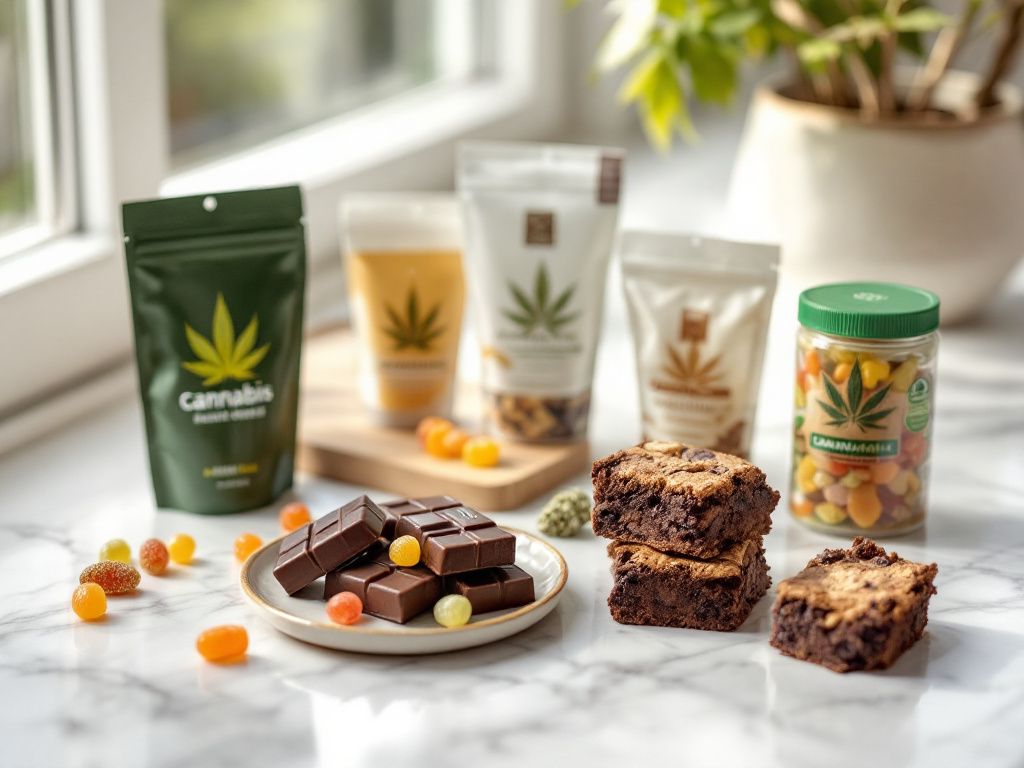
Cannabis edibles represent a diverse category of products, ranging from chewy gummies and hard candies to rich brownies and smooth chocolates. Each product combines cannabinoids like THC or CBD with traditional food ingredients, creating unique storage challenges that affect both the active compounds and the base materials. The edibles shelf life of your favourite cannabis brownie mirrors that of a regular brownie because it contains similar perishable ingredients like eggs, butter, and milk.
The stability of different edible types varies considerably based on their formulation. Sugar-based products like gummies and hard sweets naturally resist spoilage because sugar acts as a preservative, drawing moisture away from harmful bacteria. Conversely, baked goods with dairy or egg content require more careful storage to prevent rapid deterioration.
Several factors directly impact how long your edibles remain potent and safe to consume. The quality of cannabinoid extraction plays a crucial role, with methods like supercritical CO₂ extraction producing more stable compounds than cheaper alternatives. Carrier oils used in the manufacturing process also matter significantly. MCT oil resists rancidity better than hemp seed oil, contributing to longer shelf life. The way cannabinoids are incorporated into the product affects stability too. Thoroughly blended formulations maintain consistency better than products with surface coatings that can easily degrade.
Environmental exposure poses the greatest threat to edible quality. Oxygen triggers oxidation reactions that break down cannabinoids and create unpleasant flavours. Even brief exposure to air during storage can begin this degradation process. Light exposure accelerates cannabinoid breakdown, particularly UV rays from sunlight or certain artificial lighting. Temperature fluctuations stress both the active compounds and food ingredients, causing potency loss and texture changes. High temperatures above 21°C create ideal conditions for rapid deterioration.
Moisture presents a dual threat to edible preservation. Excess humidity encourages mould and bacterial growth while also affecting texture and taste. Products become sticky, stale, or develop off-flavours when exposed to varying moisture levels. Quality packaging provides the first line of defence against these environmental factors, but proper storage techniques remain essential for maintaining peak quality.
Optimal Storage Practices for Cannabis Edibles
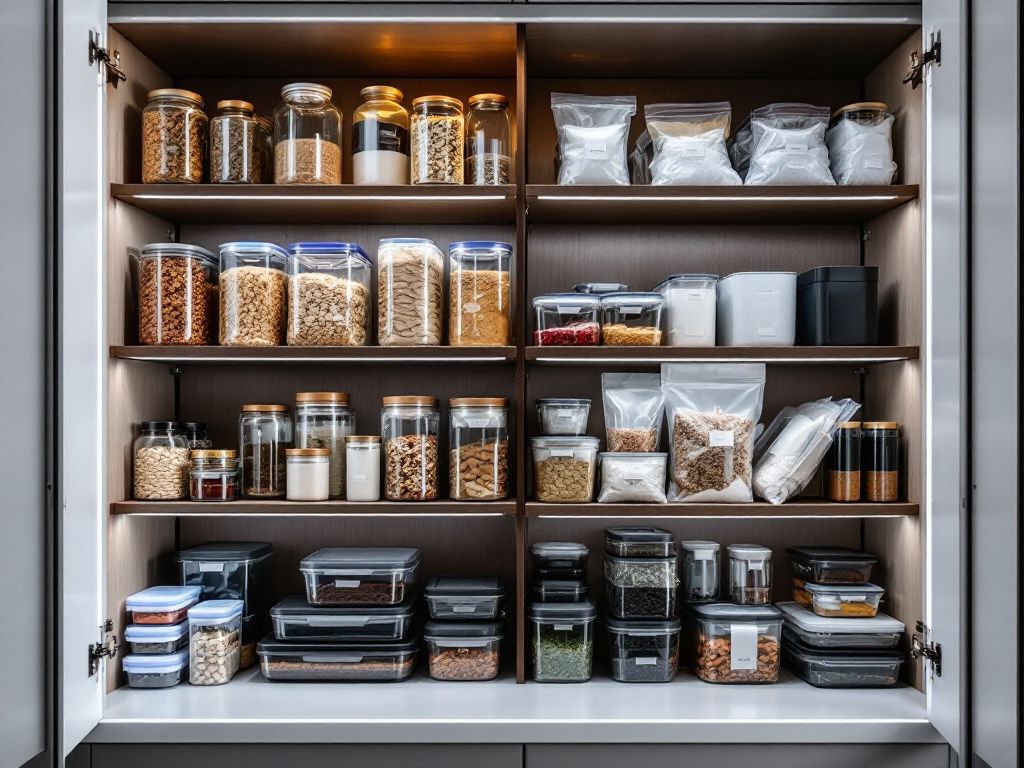
Creating the ideal storage environment for your cannabis edibles requires attention to multiple environmental factors that work together to preserve quality and potency. Professional-grade storage techniques used by dispensaries and manufacturers can be adapted for home use with simple equipment and careful planning.
Cool, Dark, and Dry Environments
Temperature control forms the foundation of effective edible storage, with stability being more important than reaching specific numbers. Aim to maintain temperatures below 21°C while avoiding fluctuations that stress both cannabinoids and food ingredients. Kitchen cupboards away from heat sources work excellently, providing natural insulation from temperature swings. Avoid storing edibles near ovens, radiators, or in vehicles where temperatures can spike unexpectedly.
Darkness protects cannabinoids from photodegradation, a process that occurs even under artificial lighting. UV rays break down THC and CBD molecules, converting them into less effective compounds while creating harsh flavours. Many premium edible brands package their products in amber or dark containers specifically to block light exposure. When transferring edibles to your own containers, choose opaque options or store clear containers inside dark cupboards.
Controlling humidity prevents mould growth and maintains proper texture in different edible types. Bathrooms, kitchens near sinks, and basements often have higher moisture levels that can compromise product quality. A dry environment keeps gummies from becoming sticky, prevents baked goods from going stale, and stops mould spores from taking hold. Consider using food-safe desiccant packets in humid climates to absorb excess moisture.
The Power of Airtight and Vacuum-Sealed Storage
Minimising air exposure represents one of the most effective ways to extend edible shelf life, with proper containers creating barriers against the oxidation process. Glass jars with rubber-sealed lids provide excellent protection while allowing easy access to your products. Metal tins with tight-fitting lids work well for smaller quantities, offering durability and light protection. High-quality food-grade plastic containers can also be effective when they feature secure locking mechanisms.
Vacuum sealing takes air exclusion to the next level by removing virtually all oxygen from storage containers. This technique works particularly well for bulk storage of gummies, chocolates, or baked goods that you won’t be accessing frequently. Home vacuum sealers create professional-grade storage conditions that can extend shelf life by months. When vacuum sealing, ensure products are completely cool and dry to prevent moisture being trapped inside the packaging.
Double-bagging provides additional protection for valuable or long-term storage situations. Place vacuum-sealed packages inside airtight containers for maximum protection against environmental factors. This method works especially well when storing edibles in freezers, where temperature fluctuations during defrost cycles can affect packaging integrity.
Refrigeration and Freezing Edibles: When and How
Refrigeration offers benefits for many edible types, particularly those containing perishable ingredients or products sensitive to temperature changes. Baked goods with dairy or egg content benefit significantly from refrigeration, extending their safe consumption window from days to weeks. Chocolates and certain gummies that might soften in warm weather maintain better texture when kept cool.
Proper refrigerator storage requires airtight containers to prevent odour absorption from other foods and protect against moisture fluctuations during door openings. Many edibles will harden slightly when cold, but returning them to room temperature for 10-15 minutes before consumption restores their intended texture. Label containers with storage dates to track freshness and rotate stock appropriately.
Freezing provides the most effective long-term storage option, potentially preserving edibles for six months to over a year when done correctly. THC and CBD remain stable at freezing temperatures, making this method ideal for bulk purchases or homemade batches. Individual wrapping prevents products from sticking together and makes portion control easier.
To prevent freezer burn:
- Use parchment paper, wax paper, or aluminium foil for first layer wrapping
- Place wrapped items in freezer-safe bags or containers
- Date all frozen items clearly
- Use a first-in, first-out rotation system
Freezer burn poses the main risk to frozen edibles, occurring when air contacts the product surface and causes dehydration. Double-wrapping and using vacuum-sealed bags virtually eliminates this problem. Some texture changes may occur with certain products like gummies, but potency and safety remain unaffected.
Tailoring Storage for Different Edible Types
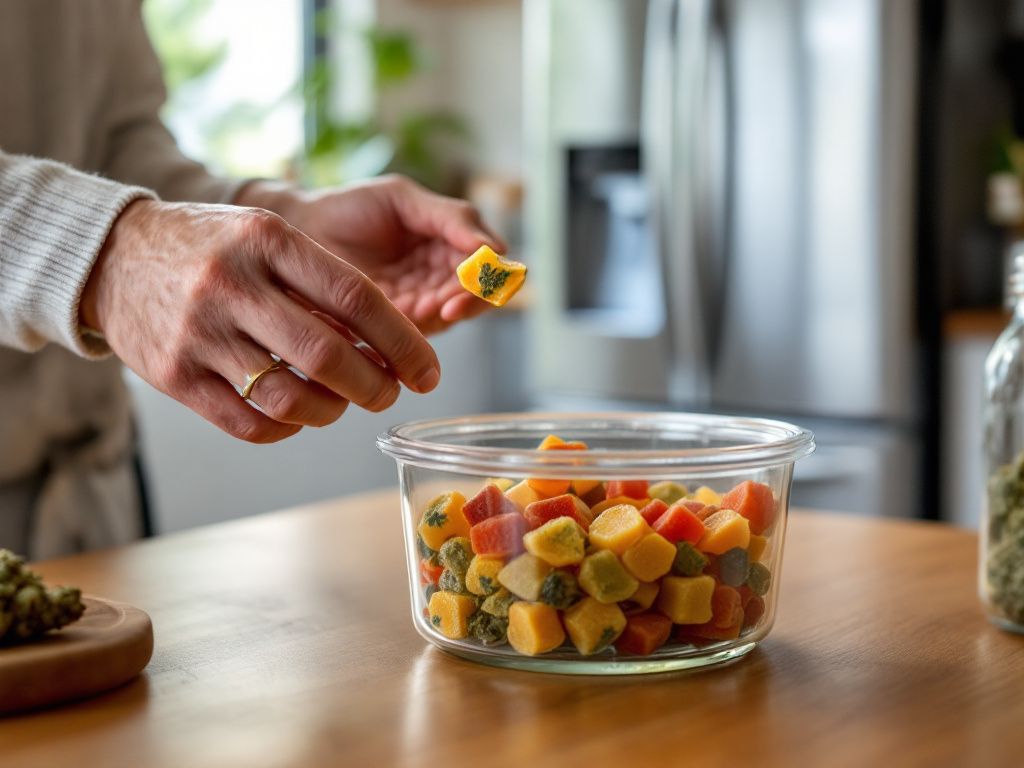
Each category of cannabis edibles presents unique storage challenges based on their ingredients, manufacturing process, and intended texture. Understanding these differences allows you to optimise storage conditions for maximum freshness and potency across your collection.
Cannabis gummies and hard candies benefit from their naturally preservative sugar content, often maintaining quality longer than other edible types. These products perform best in airtight containers stored in cool, dry locations away from direct light. High humidity can make gummies sticky and unpleasant to handle, while low humidity might cause them to become overly hard. Humidity control packets help maintain ideal moisture levels, particularly in variable climates. Avoid refrigerating most gummies unless your environment is particularly warm, as cold temperatures can permanently alter their texture. Hard candies store exceptionally well at room temperature and rarely require special temperature control.
Cannabis baked goods require more careful handling due to ingredients like butter, eggs, and milk that spoil readily at room temperature. Fresh brownies, cookies, and similar treats should be consumed within several days when stored in airtight containers at room temperature. Refrigeration extends this window to approximately one week while maintaining food safety standards. For longer storage, freezing becomes essential and can preserve these items for months when properly wrapped. Individual portion wrapping makes it easier to thaw only what you need while keeping the remainder frozen.
Cannabis chocolates present particular challenges due to their sensitivity to temperature fluctuations, which can cause fat bloom – those white streaks that indicate cocoa butter separation. Store chocolate edibles in consistently cool environments, ideally between 15-18°C, to prevent this cosmetic but harmless issue. Refrigeration may be necessary in warm climates, but ensure containers are completely airtight to prevent condensation when removing items. Never freeze chocolate edibles unless absolutely necessary, as this almost always affects texture and appearance.
Cannabis-infused oils and butters, while technically ingredients rather than finished edibles, require special mention due to their importance in homemade preparations. Cannabutter should be refrigerated and consumed within two to three weeks, or frozen for several months. Cannabis-infused oils like coconut or olive oil variations maintain quality longer when stored in dark glass bottles in cool pantries. These infused ingredients often serve as the base for homemade edibles, making their proper storage crucial for the final product quality.
Identifying Spoiled Cannabis Edibles
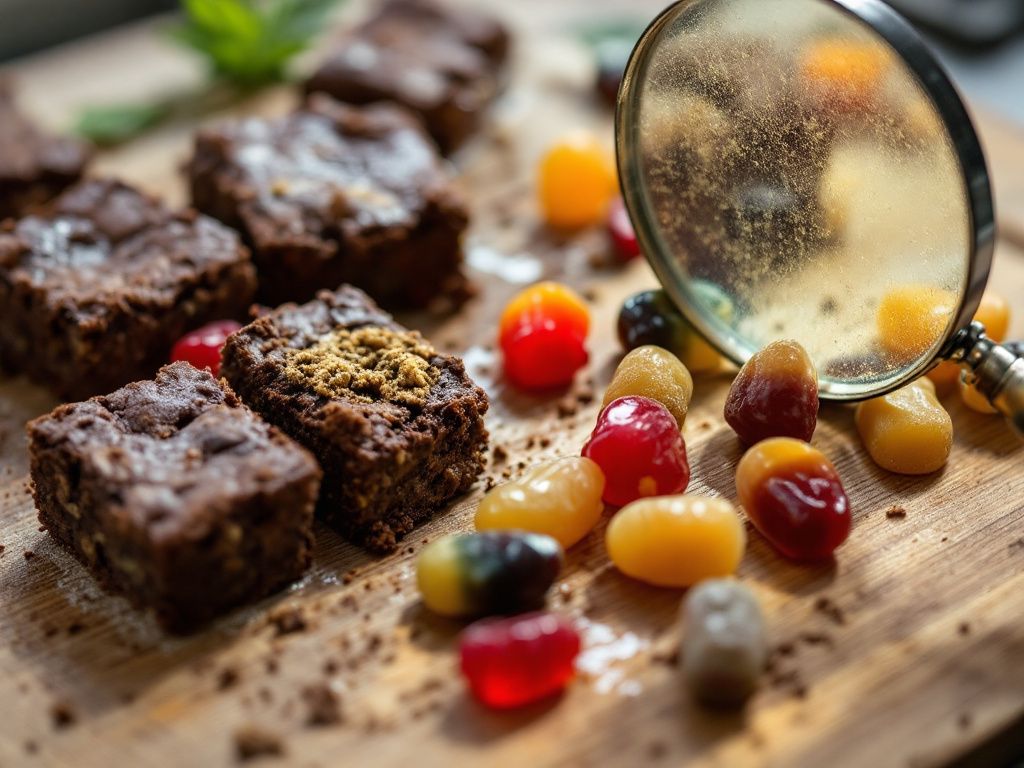
Recognising the signs of edible degradation protects your health and prevents disappointing experiences with products that have lost their effectiveness. Regular inspection of your stored edibles helps identify problems before they become serious safety concerns.
Visual changes often provide the first indication of spoilage:
- Colour alterations beyond normal appearance
- Cloudy areas or loss of vibrant colours in gummies
- Mould growth appearing as fuzzy spots (white, green, blue, or black)
- Darkening in baked goods beyond normal appearance
Any visible mould means the entire product should be discarded, as mould roots extend beyond what you can see on the surface.
Texture changes signal both quality loss and potential safety issues depending on their severity. Gummies that become excessively sticky, hard, or develop a grainy texture have likely been exposed to improper storage conditions. Baked goods that feel unusually dry, crumbly, or develop a slimy surface should be discarded immediately. Chocolates that develop white streaks may still be safe but have likely experienced temperature fluctuations that affect taste and texture.
Aroma changes often indicate chemical breakdown or bacterial growth that makes products unsafe to consume. Fresh edibles should smell like their intended flavours with perhaps subtle cannabis notes. Sour, rancid, or generally unpleasant odours suggest spoilage has begun. Trust your nose – if something smells wrong, it probably is wrong.
Reduced effectiveness provides another indicator of degradation, though this may be harder to assess than physical changes. If edibles that previously provided consistent effects seem weaker or produce no effects at all, cannabinoid breakdown has likely occurred. This degradation doesn’t necessarily make products unsafe but does mean they won’t deliver the experience you expect.
When in doubt about any edible’s condition, choosing safety over saving money by discarding questionable products protects your health and ensures positive cannabis experiences.
Conclusion
Mastering cannabis edible storage techniques ensures every dose delivers the quality and potency you expect while maximising the value of your investment. The fundamental principles remain consistent across all product types: protect from light, minimise air exposure, control temperature and humidity, and choose appropriate containers for your specific needs.
Temperature stability matters more than achieving perfect numbers, with consistent cool conditions preventing the rapid degradation that destroys both cannabinoids and food quality. Darkness shields your edibles from photodegradation while proper humidity control prevents mould growth and texture problems. Airtight storage creates barriers against the oxidation that steals potency and creates unpleasant flavours.
Different edible types require tailored approaches that account for their unique ingredients and manufacturing processes. Sugar-based gummies naturally resist spoilage but benefit from humidity control, while baked goods with perishable ingredients need refrigeration or freezing for extended storage. Understanding these differences helps you make informed decisions about storage methods and duration.
BudBuddies exemplifies the quality standards that make proper storage worthwhile, offering 100% cannabis-derived products with complete ingredient transparency that supports informed storage decisions. When you invest in premium edibles that prioritise purity and potency, proper storage techniques help you fully appreciate their superior quality and consistency.
Regular monitoring for spoilage signs protects your health while ensuring consistently positive experiences with your cannabis edibles. By implementing these storage practices and remaining vigilant about product condition, you can confidently enjoy your edibles at peak quality regardless of how long they’ve been stored.
FAQs
How Long Do Cannabis Edibles Typically Last?
Most cannabis edibles maintain optimal potency and flavour for six to twelve months when stored under ideal conditions involving cool, dark, dry environments with airtight containers. Sugar-based products like gummies can often last even longer, sometimes maintaining quality for one to two years due to sugar’s natural preservative properties. Baked goods with perishable ingredients like dairy and eggs have much shorter lifespans, typically lasting only several days at room temperature but extending to weeks when refrigerated or months when frozen properly.
What Is the Best Temperature to Store Cannabis Edibles?
The optimal storage temperature for most cannabis edibles falls below 21°C (70°F) with stability being more important than hitting exact numbers. Consistent moderate temperatures prevent cannabinoid degradation while maintaining proper texture and flavour profiles. Avoid locations with temperature fluctuations like near windows, heating vents, or in vehicles where heat can spike unexpectedly and accelerate spoilage.
Should I Refrigerate or Freeze Cannabis Edibles?
Refrigeration works excellently for edibles containing perishable ingredients like baked goods or products that might soften in warm weather such as chocolates. Always use airtight containers to prevent odour absorption and moisture problems. Freezing provides the best long-term storage option for most edible types, potentially preserving them for months or even years when properly wrapped and sealed. However, some texture changes may occur with certain products like gummies, though potency remains unaffected.
Do Airtight Containers and Vacuum Sealing Really Make a Difference?
Absolutely – airtight storage represents one of the most effective methods for extending edible shelf life by preventing oxidation that degrades cannabinoids and creates unpleasant flavours. Quality containers with secure seals block oxygen and moisture, the primary culprits in product deterioration. Vacuum sealing removes virtually all air, providing even better protection for long-term storage situations and bulk quantities.
How Can I Tell if My Cannabis Edibles Have Gone Bad?
Watch for visual changes like unusual discolouration, mould growth, or texture alterations such as excessive stickiness, hardness, or dryness. Smell changes often provide early warning signs – fresh edibles should maintain their intended aromas without sour, rancid, or generally unpleasant odours. Reduced effectiveness compared to previous experiences may indicate cannabinoid degradation has occurred. When any of these signs appear, it’s safest to discard the product rather than risk an unpleasant or potentially harmful experience.


