


How to Tell if THC Gummies Are Real: A Practical Guide
Introduction
Working out how to tell if THC gummies are real can feel tricky when every packet looks colourful and professional. One bag barely does anything, the next feels far too strong, and it is hard to know what you have actually taken. That guesswork is frustrating for regular consumers and worrying for newcomers.
The good news is that real THC gummies share clear signs. Genuine products use cannabis‑derived THC at a stated dose, come with proper lab results, and behave in a predictable way. In this guide we walk through simple packaging checks, how to read a lab report, what to notice with your senses, and how to pick a supplier that treats quality seriously. BudBuddies follows these standards across every edible and gummy on buddies.cc.
By the end you will know exactly what to look for before you open a bag, let alone eat from it, so you can enjoy THC edibles with far more confidence.
Why Fake THC Gummies Are More Common Than You Think
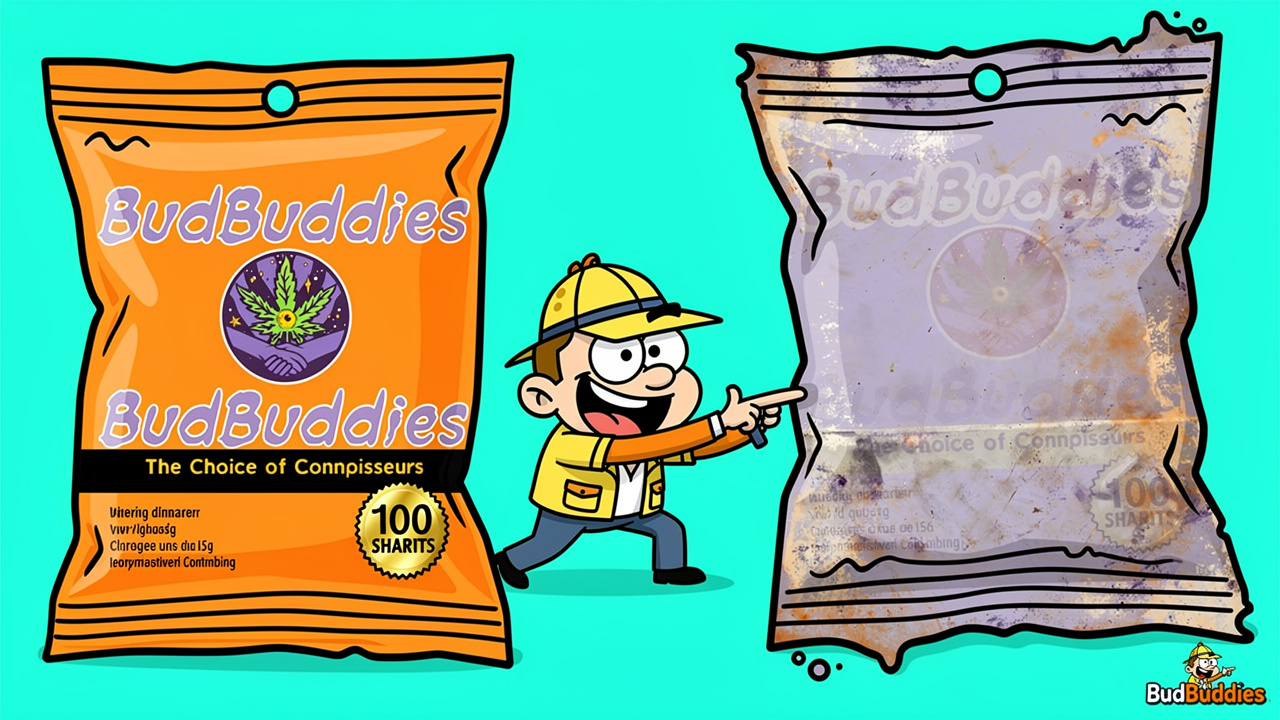
Fake THC gummies are more common than many people realise because demand for edibles has grown faster than careful quality control. Bright packaging is cheap to print, and it hides a lot of shortcuts. Some sellers even use completely different chemicals while still talking about THC.
One of the biggest risks comes from synthetic cannabinoids, often nicknamed spice. These are lab‑made compounds that try to copy THC but often have harsher, less predictable effects. According to the EMCDDA, over two hundred different synthetic cannabinoid molecules have already been spotted across Europe, which shows how many directions shady producers can take.
Another issue is dosing. Inconsistent strength is a classic sign that something is off:
One sweet might feel like a mild five‑milligram nibble.
The next from the same bag might hit closer to fifty.
Some may contain no THC at all.
A study in JAMA on cannabis edibles found that only a small share of products were labelled accurately, even in more structured markets. When nobody checks a product at all, the chances of wild dosing go up fast.
Put simply, the combination of high demand, low production standards, and copycat branding means poor or fake gummies slip into the mix very easily. That is why a clear method for how to tell if THC gummies are real matters so much. The next step is to focus on the parts you can check before anything reaches your mouth.
“If something seems too good to be true, it probably is.”
This old saying applies strongly to bargain‑bin THC gummies with huge claimed doses and no proper testing.
How To Spot A Fake THC Gummy With Packaging Labels And Lab Results
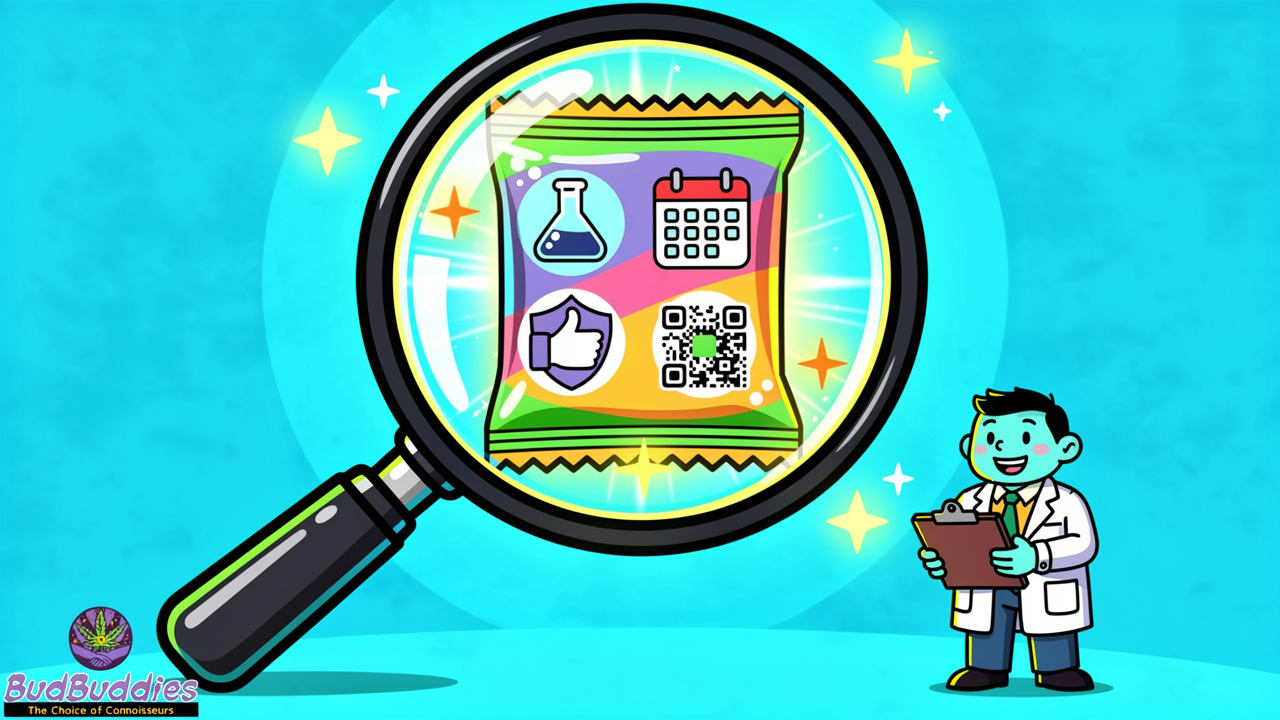
How to spot a fake THC gummy using packaging, labels and lab results starts before you even open the bag. Real products look consistent, tell you exactly what is inside, and give you a way to check the claims. Counterfeit sweets nearly always cut corners here.
Start with print quality and layout. Genuine brands invest in sharp artwork, clear fonts, and error‑free spelling. If the packet looks fuzzy, has random capital letters or misprints simple words, that is a warning sign. Packaging that imitates children’s sweets, right down to cartoon characters, is another classic hint that the focus is on marketing rather than careful production.
Next, look for the practical details that real producers rely on every day.
Clear dosing information. A genuine gummy packet sets out the strength in milligrams per piece and milligrams for the whole bag. It explains how many sweets you get, what is in them, and which allergens are present. When a label only says things like extra strong or very potent without numbers, you are left guessing, which serious producers avoid.
Batch and date details. Authentic packaging shows batch information and a best‑before date so every group of gummies can be traced back. This is basic housekeeping for any consistent factory process. If these details are missing, smudged, or printed on a cheap sticker that looks like an afterthought, it suggests nobody expects to stand behind the product later.
Real contact information. Genuine brands share their name, contact information and website on the label, so customers know who made the gummies. An anonymous packet with only a social handle or a chat‑app contact is easy to walk away from if things go wrong. At BudBuddies, every product page on buddies.cc mirrors the details printed on the pack so nothing feels mysterious.
QR codes and lab links. Many premium products now include a QR code or link that leads straight to a lab report for that specific batch. When you scan the code on a genuine gummy, it should open a clear result from an independent laboratory, not a dead page or an unrelated site. If every batch on a seller’s page appears to share exactly the same report, that is also suspicious.
Once you are happy the packet itself looks serious, the final step on the documentation side is to check the Certificate of Analysis.
Tip: Read a THC gummy label like you would read a medicine box. Thirty seconds of attention can save you hours of discomfort.
What A Genuine Certificate Of Analysis Should Include
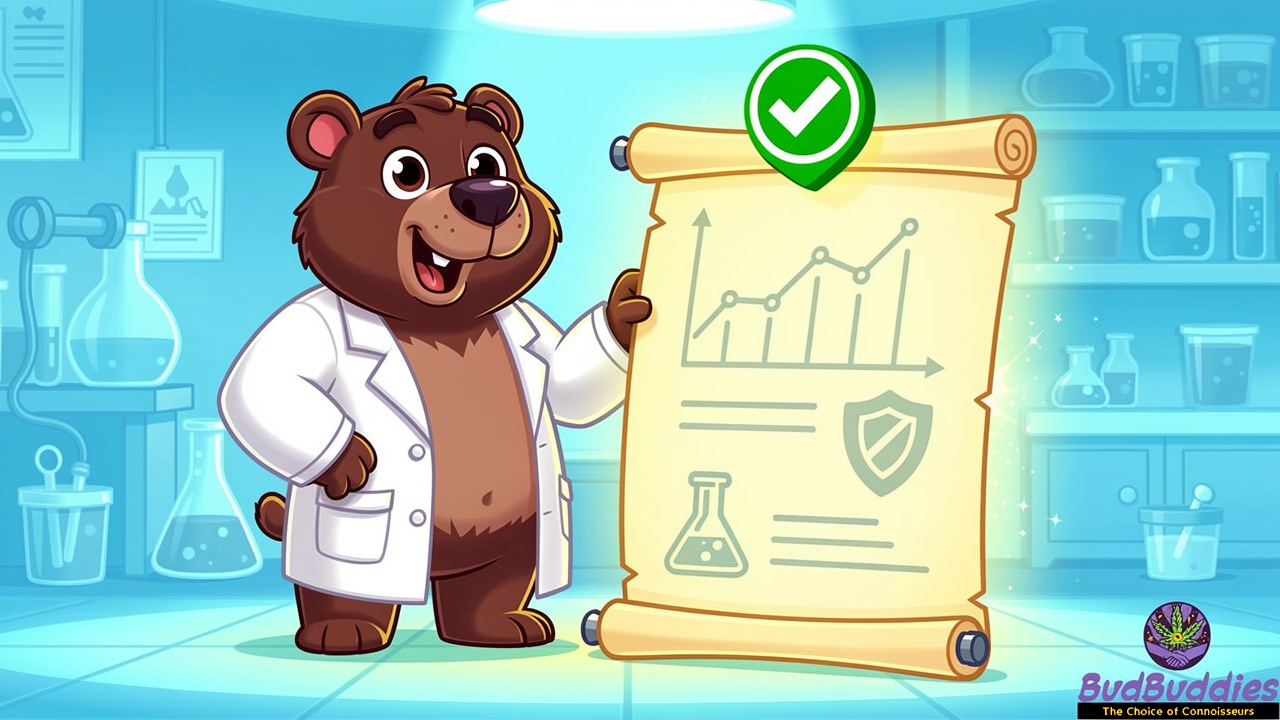
A genuine Certificate of Analysis (COA) confirms that the gummies contain the cannabinoids and strengths printed on the label. The first thing to check is that the THC and CBD milligram amounts listed on the report closely match the front of the packet. Any big gap between the two is a major warning sign.
A good COA should cover three main areas:
Potency.
The report lists THC, CBD and sometimes other cannabinoids in milligrams per gram or per unit. For cannabis fans this might include smaller amounts of CBG, CBN or CBC, especially on full‑spectrum or rosin‑based gummies like the solventless options on BudBuddies. The report should state what the lab looked for, even if some of those extra cannabinoids show as very low.Contaminants.
The contaminant section is just as important as potency. Here the lab sets out results for:pesticides
heavy metals
residual solvents
microbial checks for things like mould
According to Health Canada, these kinds of contaminants are a key concern in poorly made cannabis products, so you want clear pass marks, not blanks.
Traceability details.
A reliable COA includes:the batch code that matches your packet
a recent test date
the lab’s name, address, and sometimes accreditation, such as UKAS listing
Finally, look at how the COA is shared. A genuine document is usually a PDF directly from the lab or hosted by the brand without obvious editing. If a seller hesitates when you ask for a COA, or the document looks obviously copied or cropped, walk away and find a safer source.
What Real THC Gummies Look, Smell And Taste Like

What real THC gummies look, smell and taste like can be summed up in one word: consistency. When you pour out a genuine pack, every sweet should look and feel like it came from the same mould, not a random mix. The effects over time should match that sense of order.
Visually, start by checking size and colour. Authentic gummies are uniform from piece to piece. Patchy colouring, leaking liquid in the bag or crystals clumped in one corner can point to rushed or careless production. Any sign of visible mould or strange dots is enough reason to bin the packet straight away.
Texture tells its own story. Real THC gummies have a steady chew that feels the same whether you take the first or last piece from the bag. If one sweet is rock hard, another is almost liquid, and a third falls apart in your fingers, it suggests the mixture was not blended properly. At BudBuddies, products like our vegan pectin gummies are tested for consistency across each batch, not just for strength.
Smell and taste often give the biggest clues once you have bitten in. Gummies made with THC distillate can smell mainly of fruit or sugar, while full‑spectrum or rosin‑based sweets may have a gentle herbal edge underneath the flavour. According to the World Health Organization, edibles can take between half an hour and two hours to reach full effect and may last for several hours, so a sudden rush within minutes is unusual for a normal dose.
A few sensory warning signs come up again and again:
Harsh chemical smell. A smell that reminds you of cleaning products rather than sweets suggests poor ingredients or contamination. If your first reaction is to pull your face away from the bag, listen to that instinct before you eat anything. Genuine brands use food‑grade flavourings and clean extracts, so the aroma should fit what the label promises.
Strange bitter taste. A very strong bitter taste that lingers in an odd way can point towards something other than cannabis‑derived THC. Real THC can taste slightly earthy or sharp, especially in stronger full‑spectrum products, yet it should not feel like biting into a solvent. When the flavour seems wrong, do not keep eating to see if it improves.
Effects that do not fit the dose. If a gummy marked as ten milligrams leaves you wired, panicky, or seeing things, that is not normal THC behaviour for most people at that strength. On the other hand, if you finish half a pack and feel absolutely nothing, the sweets may never have contained THC at all. In both cases it is safest to stop, drink some water, and give your body time to settle.
“Start low and go slow.” — guidance repeated by health agencies such as Health Canada for anyone using cannabis edibles.
If you are trying a new brand, begin with a small piece, wait at least two hours, and keep notes on how you feel. That way you build a personal sense of what “normal” looks like for you.
How To Choose A Supplier You Can Actually Trust
How to choose a supplier you can actually trust starts with a simple idea. The more transparent a brand is about how it makes and tests its gummies, the less room there is for fake or sloppy products. A trusted shop takes the work out of checking every single detail yourself.
Look for a clear, modern website that treats information as seriously as design. Every product page should set out:
strength per gummy
total cannabinoids per pack
full ingredients
a link to a lab report
Research from Nielsen Norman Group shows that most people only read a small part of any web page, so responsible brands put key details like strength and test results in obvious places. If a seller hides important facts behind vague names like mystery mix, that is not a good sign.
Next, pay attention to how the supplier speaks about quality. At BudBuddies, we talk plainly about using one hundred percent cannabis‑derived THC, never synthetic stand‑ins. Each batch goes through double potency checks so the milligrams on the label match what you feel in practice. Third‑party lab reports are linked directly from buddies.cc, and you can see contaminant results, not just the THC number.
Other trust markers to look for include:
a physical or registered address and a real contact email
clear information on shipping times and returns
support that answers basic questions about dosing and lab tests
Delivery and packaging matter too, especially for privacy‑minded readers. A trusted supplier uses plain, heat‑sealed packaging that arrives in good condition and does not draw attention. Orders from BudBuddies are sent with tracked shipping and carefully sealed inner bags, which keeps gummies protected and fresh. Safe payment options, including card and cryptocurrency methods such as Bitcoin, add another layer of reassurance for customers who value discretion.
Finally, consider value over headline price. Very cheap gummies might look tempting, yet you pay again if half the bag does nothing or hits far harder than expected. The JAMA study mentioned earlier showed that mislabelled edibles were far more common than accurate ones, which means wasted money as well as poor experiences. A slightly higher price from a supplier that tests thoroughly, like BudBuddies, usually works out better for both your wallet and your peace of mind.
The Takeaway
The simple method for how to tell if THC gummies are real comes down to three steady checks:
Read the packet carefully.
Only trust products that share clear dosing, full ingredients, batch information and a direct route to lab results.Check the Certificate of Analysis.
Look over the COA to confirm the THC numbers, other cannabinoids and contaminant tests match what the label says, and that the batch code lines up.Use your senses.
Once the gummies are in your hand, stay alert for strange smells, off textures, odd flavours or effects that do not fit the stated dose.
According to JAMA, most poorly labelled edibles either contain far less THC than promised or behave unpredictably, so your own experience matters. Keeping a simple note of which brands and doses feel reliable can help you avoid repeating bad purchases.
The easiest way to avoid hassle is to buy from suppliers who take testing and presentation seriously. BudBuddies exists to give that level of confidence as standard, from solventless rosin gummies to vegan and sugar‑free options. If you want gummies that feel considered rather than random, exploring the THC edibles range on buddies.cc is a calm next step.
Frequently Asked Questions
Question: How can I verify a COA is genuine and not copied or faked?
Answer: The quickest check is to match the batch number and product name on the COA with the ones printed on your packet. Then look up the laboratory separately and confirm it actually exists and does cannabis testing. Be wary of reports that only mention a vague sample without any batch details.
Question: Do real THC gummies always smell like cannabis?
Answer: No, some genuine gummies barely smell of cannabis at all, especially if they use clean THC distillate. Full‑spectrum or rosin‑based sweets often have a gentle herbal note beneath the flavour. Lack of cannabis smell on its own is not a problem, so judge it alongside texture, taste, lab results and overall effects.
Question: What should I do if I think I’ve consumed a fake THC gummy?
Answer: Stop eating from the packet straight away, even if you feel very little at first. If you notice severe anxiety, confusion, chest discomfort or unusual hallucinations, seek medical help and explain exactly what you took. Keep the packaging and any lab report so healthcare staff have as much information as possible.
Question: Why do some fake gummies look exactly like mainstream sweets brands?
Answer: Counterfeit producers often copy well‑known sweets packaging to piggyback on that sense of familiarity. They may use standard shop‑bought confectionery and simply claim it contains THC. Trusted brands such as BudBuddies use original, grown‑up branding with clear cannabinoid information, which makes it much easier to tell where the product came from.
Question: Is a lower price a reliable sign that THC gummies are fake?
Answer: A low price on its own does not prove a gummy is fake, but deals that seem unreal should ring alarm bells. Quality extraction, accurate dosing and proper testing all cost money to deliver. When a bag claims huge milligram numbers for very little cash, the contents rarely match the promise.

