


How to Tell if a THC Vape Is Real or Fake
Introduction
Figuring out how to tell if a THC vape is real or fake can feel confusing. The packaging looks smart, the price seems fine, yet something feels off.
Cheap carts appear on social media and in group chats all the time, and stories of bad reactions travel fast. Without a clear plan, it is hard to feel confident about what you are inhaling.
This guide explains simple checks you can use before and during use to spot genuine THC vapes. You will learn how to read packaging, how to compare the oil and hardware, how to use your senses, and how trusted suppliers such as BudBuddies keep products traceable and tested.
Next we will look at why fake THC vapes are such a concern.
Why Fake THC Vapes Are a Real Problem
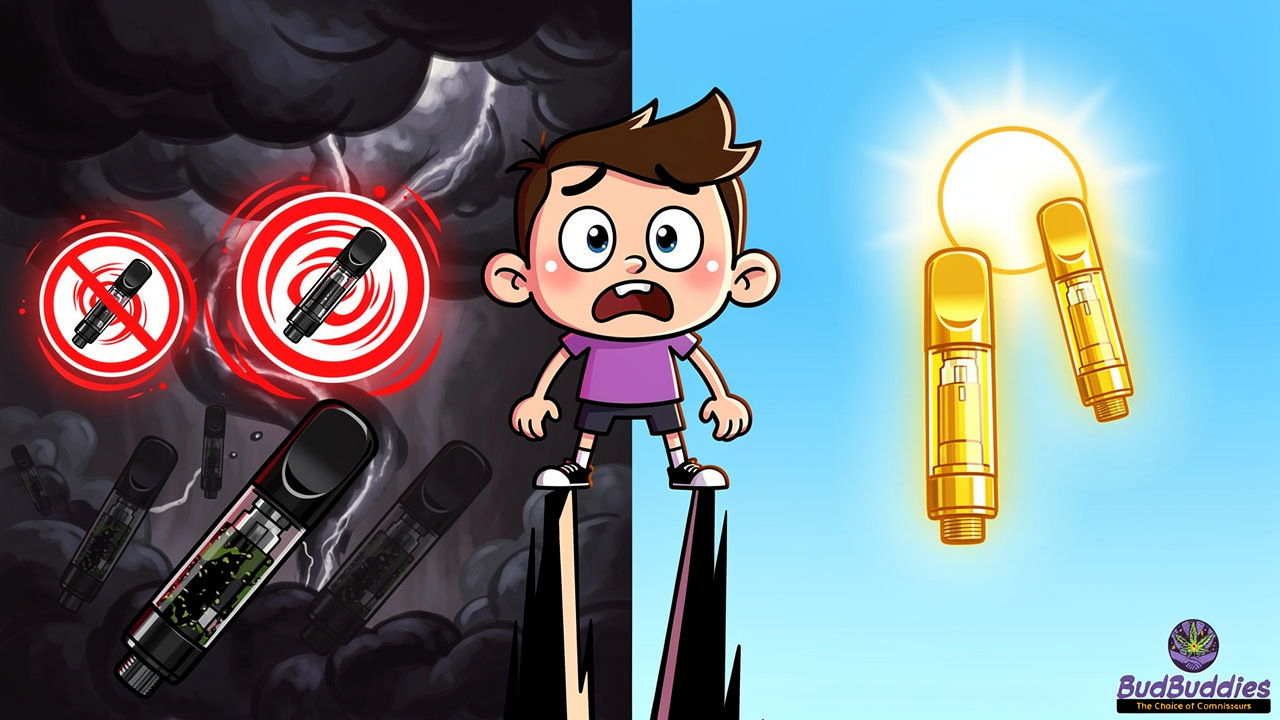
Fake THC vapes are a real problem because they can hide dangerous additives and give unpredictable effects. That mix turns a quick puff into something that can damage lungs and waste money.
Health agencies studying severe vaping lung injury found a strong link with counterfeit THC liquids cut with vitamin E acetate. According to the CDC, over 2,800 people were admitted to hospital during that outbreak, and vitamin E acetate appeared in the lung fluid of most tested patients.
Here in the UK there is no single body quietly checking every THC cartridge before it reaches you. Many carts change hands through group chats or social media rather than organised, accountable shops. That gap means your own checks are your first shield.
To keep the picture calm rather than scary, it helps to be clear about the main risks. They tend to fall into three simple groups.
You may inhale substances that were never meant to be heated and breathed into the lungs. Vitamin E acetate, certain solvents, and leftover pesticides have all been found in off‑grid cartridges during investigations by groups such as the New England Journal of Medicine. These can trigger intense coughing, chest pain, and long term breathing problems.
Potency can be completely different from what the label claims, which makes dosing guesswork. Some fake vapes contain little or no THC, while others are far stronger than advertised. In the worst cases, investigators have found synthetic cannabinoids that feel nothing like natural cannabis and can cause frightening, erratic reactions.
On a simpler level, fake vapes waste your money and chip away at trust in the whole format. You may throw away half‑used carts because they taste bad or feel wrong, then assume all THC vapes are like that. Brands such as BudBuddies put a lot of work into testing and clear lab reports so customers can rebuild that trust with evidence, not guesswork.
“An ounce of prevention is worth a pound of cure.” — Benjamin Franklin
Keeping that mindset in view makes the checks in the next sections feel like a normal part of using THC vapes, not something to panic about.
How to Check the Packaging and Labelling
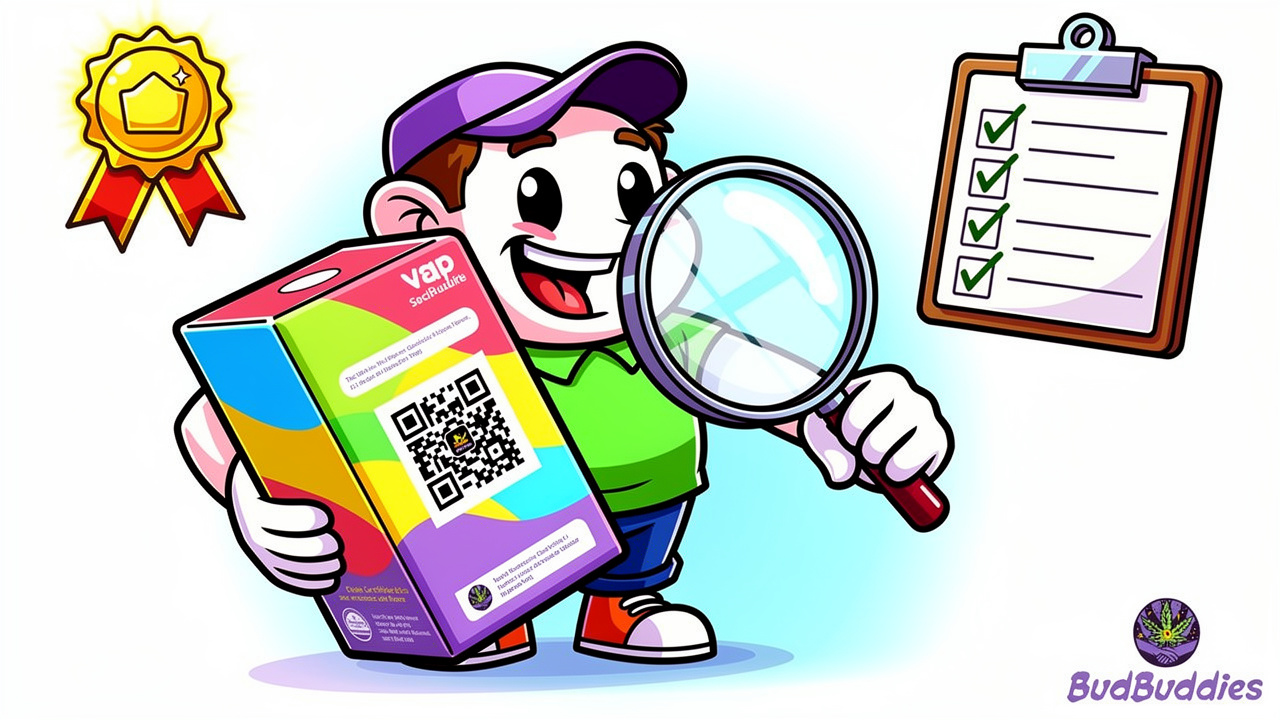
Checking the packaging and labelling on a THC vape is the quickest first step in spotting fakes. Real products share batch numbers, clean print, clear percentages, and working QR codes, while counterfeits often slip up on these basics.
Genuine producers treat the box as part of quality control, not an afterthought. Fonts match, colours line up, and spelling is correct. There is space for cannabinoid percentages and ingredients, rather than just flashy strain names.
When a box is in your hand, walk through a simple visual checklist before you even break the seal.
A clear batch or lot number appears near a production date. These codes let a brand trace each cart back to a specific fill. Contact details such as a website or email should match the brand name on the front.
A QR code that scans straight to lab results or a Certificate of Analysis (COA) builds confidence. The page should mention the same product name and batch code you see on the box. BudBuddies links QR codes and lab reports in this way so customers can compare label and lab together before buying.
Ingredients sit in plain text, not vague marketing language. Cannabis extract and terpenes are normal, and some products add a neutral carrier oil. You should not see vitamin E acetate or mystery flavour chemicals, and basic usage advice suggests the producer has thought about the person inhaling the vapour.
Packaging can still look glossy while hiding problems, so it helps to know the most common red flags as well. Counterfeiters often rely on copied branding and rushed print runs — a pattern well documented in research on the challenges of investigating derived psychoactive cannabis product brand quality.
Spelling mistakes, wonky spacing, or blurry logos suggest the box was rushed. Counterfeiters copy recognised brand names such as Dank Vapes or Brass Knuckles yet rarely match the original fonts and colours exactly. If photos on the supposed brand channels look different from your box, treat that as a warning.
QR codes that lead nowhere, show a generic page, or bounce to an unrelated site are serious red flags. An investigation by Leafly showed how empty packaging for famous names could be bought cheaply online, letting anyone fill it with whatever oil they liked. Real brands use proper tracking so links should work smoothly.
Loose cartridges with no box remove most ways you have to judge authenticity. If someone hands over a bare cart from a pocket or bag, you miss batch information, ingredients, and QR codes in one go. A lack of any tamper seal or basic child‑resistant feature is another hint the maker cut corners.
What a Genuine COA Should Include
A genuine Certificate of Analysis shows what is in your THC vape and what has been screened out. Reading one well is one of the strongest ways to separate real products from risky guesses.
The document comes from a named, independent laboratory, not the seller itself. You should be able to search for that lab online and see it listed as a testing facility. Contact details on the report ought to match the lab site.
The COA is batch specific and clearly dated. It lists THC, CBD, and often other cannabinoids such as CBG, alongside the product name and batch code that match your box. Dates within the last year show the data is still relevant.
The report includes checks for unwanted extras, not only potency. Good COAs list pesticide screens, heavy metal tests, residual solvent levels, and microbial checks, often in simple tables. Passing marks across these lines matter just as much as the THC number.
Tip: Many harm‑reduction groups advise, “If you cannot verify the lab or the batch, treat the COA as if it does not exist.”
BudBuddies publishes batch COAs on every relevant product page and uses double potency checks, so the THC percentage on the label matches the lab sheet exactly. That level of openness makes it much harder for a fake cart to slip into the range.
How to Inspect the Oil and Hardware

Inspecting the oil and hardware of a THC vape gives you another clear read on quality. Real carts hold thick, golden oil in clean, solid devices, while fakes often look watery or flimsy up close.
Start with the oil itself. High quality cannabis distillate or live resin usually ranges from light gold to medium amber and looks clear, not cloudy. Murky, very dark, or oddly coloured oil can suggest poor extraction, contamination, or heavy use of additives. Visible specks, fibres, or separated layers are strong warning signs.
Next, tilt the cartridge slowly. Genuine distillate moves like syrup, taking its time to slide from one side to the other. If the bubble races through the tank or the liquid sloshes like thin cooking oil, that often means cheap thinning agents have been added. Very stiff, almost solid oil can also be a problem if it refuses to move even when warm.
Now turn to the hardware. Quality carts usually use a glass tank, a stainless steel body, and a ceramic or quartz coil. Joints line up neatly, the mouthpiece feels solid, and the 510 thread screws smoothly into a standard battery without grinding. Sharp edges, glue residue, or plastic parts near the heating area all point to cut‑price manufacture.
Research on the identification of synthetic impurities using gas chromatography has shown how low-grade hardware and materials can introduce dangerous contaminants — including heavy metals — directly into the vapour you inhale. That same risk applies to poor THC vape hardware. Paying attention to build quality is not about looks, it is about what ends up in your lungs.
For a quick recap, keep these checks in mind.
Look for clear, uniform oil in the golden to amber range, with no cloudiness or debris. Watch how it moves when you tilt the cart; slow, smooth movement suggests thick distillate, while very fast flow hints at heavy thinning. Any strange colours or thick clumps are a sign to step away.
Examine seals, threads, and the mouthpiece closely. Good hardware lines up neatly, with no wobble where the mouthpiece meets the tank and no leaking at the base. If the metal feels flimsy, the thread refuses to sit straight, or you can see plastic where the coil should be, treat the cart with real suspicion.
How to Use Your Senses — and Where to Buy

Using your senses is the final check once a THC vape is in use. Real carts smell and taste like cannabis, hit smoothly, and give steady, expected effects, while fakes often feel harsh or oddly flat.
Start with smell before you even attach a battery. Genuine cannabis terpenes usually give a layered aroma, whether that is citrus, pine, earth, or fuel. If the scent is overwhelmingly sweet, chemical, or strangely like sweets, the cart may rely on artificial flavourings rather than real plant compounds. A complete lack of smell can also hint at heavy processing.
Taste is just as telling. A quality vape should feel smooth on the inhale, with flavour that matches the strain or profile on the box. A strong chemical burn, a metallic edge, or a plasticky aftertaste all suggest problems with either the oil or the hardware. Persistent coughing from tiny puffs, when you normally handle vapes fine, is another red flag.
Effects are more personal, yet still helpful. A cart labelled as strong THC distillate should be noticeable within a few pulls, then build in a steady, familiar way. If you feel nothing at all after many draws, the cart may barely contain THC. If the effect is suddenly overwhelming, confusing, or unlike any cannabis feeling you recognise, stop using it immediately — adolescents’ perceptions, experiences, and reactions to fake vaping devices show that unrecognised effects are a common and serious warning sign across age groups.
Public health reviews from bodies such as Public Health England have linked serious lung injury clusters overseas mainly to THC liquids from informal sources rather than standard nicotine vapes. That pattern underlines a simple point: where you buy your THC vape matters as much as how it looks or tastes.
When choosing a supplier, treat transparency and testing as basics, not extras.
Favour sellers who publish third‑party lab reports for every batch, with COAs you can read before paying. Detailed product pages, clear cannabinoid information, and honest flavour descriptions show care for long term customers rather than quick sales. This is exactly how BudBuddies presents its THC cartridges, live resin carts, and vape starter kits.
Look for discreet, tracked delivery with simple communication. BudBuddies ships across the UK and Ireland in unmarked, smell‑proof packaging and shares tracking so you know where your order sits. That level of organisation is rare among casual sellers operating only through Instagram or Snapchat accounts.
Pay attention to the range and how it is presented. A curated selection with consistent branding, strain information, and strength guidance is far more reassuring than a long, chaotic list of random names. BudBuddies keeps its catalogue focused, which makes comparing options and understanding strength far easier.
“Trust is built with consistency.” — Lincoln Chafee
Buying from suppliers that act the same way every time, with testing and clear information, is one of the safest habits you can build.
Kokkuvõte
Kokkuvõte here simply signals that we are moving into a short recap. You now have a clear set of checks from box to final inhale.
To keep it fresh in your mind, remember:
Check packaging and labelling first: batch number, ingredients, QR code, and spelling.
Read the COA and confirm the lab, dates, batch code, and contaminant tests.
Inspect the oil and hardware for colour, clarity, thickness, and build quality.
Use your senses while vaping: smell, taste, throat feel, and how the effects arrive.
Buy from transparent, test‑focused suppliers such as BudBuddies, not random resellers.
The Bottom Line

The bottom line is simple. To tell if a THC vape is real or fake you check the box, the lab report, the oil and hardware, and your own senses.
Strong packaging and a genuine COA work together to show what you are about to inhale. Clean, slow‑moving golden oil in solid hardware is another good sign, while harsh taste or strange effects are reasons to stop immediately. Choosing a transparent supplier is not a bonus step; it is the thread that links everything together.
BudBuddies builds these checks into every stage, from double tested cartridges and live resin carts to discreet, tracked delivery across the UK and Ireland. If a product in your hand feels far below that standard, it is safer to walk away.
Frequently Asked Questions
Question: What does vitamin E acetate do to the body and why is it used in fake vapes?
Vitamin E acetate is a cheap oil used to thicken low grade vape liquid, but it is unsafe to inhale. Research from the CDC linked it to severe lung injury known as EVALI, with symptoms such as breathlessness, cough, and chest pain. Because you cannot taste or smell it, only lab testing reliably picks it up.
Question: Can a fake THC vape look exactly like a real one?
Yes, a fake THC vape can look almost identical to a real one, right down to cloned logos and colours — as explored in research on the challenges of investigating cannabis product brand quality, which demonstrates how difficult visual verification alone can be. Counterfeiters buy empty branded boxes and fill them with whatever oil they like. This is why a batch specific COA from an independent lab, checked via QR code or website, is more reliable than visuals alone.
Question: What should I do if I think I’ve used a fake THC vape?
If you think you have used a fake THC vape, stop using it straight away. Note any symptoms such as chest tightness, unusual coughing, dizziness, or strange mental effects. Seek medical help promptly if symptoms appear or worsen. Keep the cartridge and packaging so health professionals can see exactly what you used.
Question: Are disposable vapes safer than cartridges when it comes to fakes?
Disposable vapes from trusted suppliers remove the risk of pairing good oil with poor hardware, so they can feel simpler and safer. The key factor is still the source, not the format. A disposable from an unknown seller carries the same risks as any other unverified product, whereas BudBuddies disposable pens come from audited, lab tested supply chains.
Question: How do I know if a Certificate of Analysis is real?
A real COA names an independent lab you can search online and contact directly. The report matches your product and batch code, shows dates, and lists contaminant screens as well as THC percentage. If anything looks vague or the lab seems impossible to find, treat it carefully. BudBuddies publishes genuine batch COAs so customers can check all of this before buying.


