


Live Resin vs Distillate: Which Cannabis Extract Wins?
Cannabis shoppers often hear people compare live resin vs distillate, yet still feel unsure what the real difference is. Both are concentrates, both can be very strong, but they deliver noticeably different experiences. Understanding that gap helps every puff or dab feel more intentional.
That confusion only grows when product pages throw technical terms around without slowing down to explain them.
Live resin uses fresh, frozen plant material to keep the natural flavour and terpene profile close to the original flower. Distillate strips the extract back to almost pure THC or CBD for consistency and high strength. In this guide, BudBuddies walks through what each one is, how they are made, how they feel, and how to decide which fits your taste, budget, and routine.
Ready to compare them side by side and pick what suits you best next time you browse budbuddies.cc?
What Are Live Resin and Distillate?
Live resin and distillate are two popular cannabis extracts that sit at opposite ends of the experience spectrum. Live resin keeps more of the plant’s full character, while distillate focuses on raw strength and smooth, simple oil.
Live resin starts with cannabis that is frozen straight after harvest instead of being dried. This quick freeze helps lock in fragile aromatic compounds called terpenes, along with a broad mix of cannabinoids such as THC, CBD, and CBG. Many live resin products test around 60 to 90 percent THC, which is strong but still leaves room for minor cannabinoids and flavour, a trend consistent with the Frontiers | A 10-year review of cannabis potency across U.S. regions.
Distillate begins as a more ordinary cannabis extract which is then refined again and again. The oil passes through heating and cooling stages that separate compounds by their boiling point. Distillate often reaches 85 to 95 percent THC, which shows how tightly it focuses on one main cannabinoid — though research on Accuracy of labeled THC potency suggests that real-world product labels do not always match tested results.
The catch is that most of the natural terpenes are stripped away during distillation. Pure distillate is almost flavourless and odourless. Manufacturers can add terpenes back later, yet this rarely feels as layered as the profile held in live resin. The result is straightforward: live resin brings a full‑spectrum mix of plant compounds, while distillate gives a neat, powerful single note.
At BudBuddies, you will see this difference reflected clearly in the product descriptions for both live resin cartridges and distillate vapes, so you know what kind of extract you are picking before it reaches your cart.
How the Extraction Process Shapes What You Actually Get
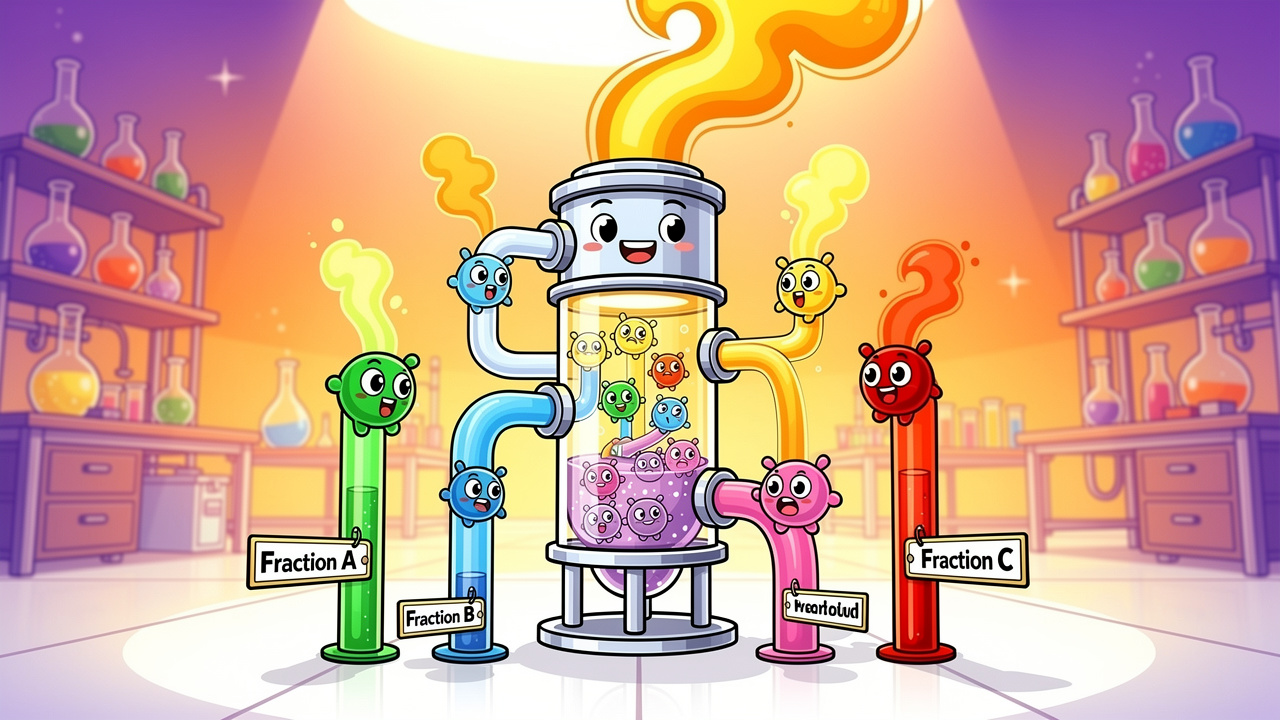
The way live resin and distillate are made shapes their flavour, feel, and even how you use them day to day. Production choices decide which compounds stay in the final oil and which ones are left behind.
For live resin, the process usually looks like this:
Growers freeze the harvested plants quickly, often to temperatures below minus forty degrees.
This step helps protect delicate terpenes such as myrcene, limonene, linalool, caryophyllene, and pinene.
Research highlighted by Project CBD explains that these terpenes may work together with cannabinoids to influence both mood and body feel.
After freezing, extractors pull the oil from the plant using chilled solvents, then carefully remove those solvents at low heat.
Because temperatures stay relatively low and the plant was never dried, far more of the original terpene and cannabinoid mix survives. Many people call this a full‑spectrum extract, as it mirrors the natural chemical fingerprint of the strain. The end result tends to be thick, golden, and very aromatic.
Distillate takes almost the opposite path:
Producers begin with crude cannabis oil and clean it up step by step.
They chill and filter it to remove fats and waxes, then heat it so that the acidic forms of cannabinoids convert into their active form.
After that, the oil moves into a distillation unit where the real separation happens.
Different compounds boil at slightly different temperatures under vacuum, a principle explored in depth in An In-Depth Study Evaluating cannabinoid determination in cannabis concentrates using liquid chromatography. Technicians carefully choose those points so that THC or CBD vapourises and re‑condenses on its own. This can be repeated to reach very high purity. According to Leafly, well made distillate regularly hits above 90 percent THC. The price you pay for that clarity is a sharp drop in terpene levels and almost no minor cannabinoids.
Here is the key point. Live resin supports what many people call the entourage effect, where cannabinoids and terpenes work together. Distillate mostly removes that interplay, which is why it often feels stronger in a narrow way but less layered overall.
Effects, Flavour, and Potency: A Practical Comparison
Effects, flavour, and potency are where live resin vs distillate starts to feel real in everyday use. The numbers look close on paper, yet the high can feel very different once you actually inhale.
Live resin usually lands between 60 and 90 percent THC. That might sound lower than distillate, yet the terpene mix can shift the experience quite a lot. Sativa‑leaning live resin often feels bright and head focused, while heavier strains can feel more body‑centred and cosy. Concentrates can be several times stronger than traditional flower, which is a helpful reminder to start slow even if the terpene profile is smooth — and users who favour vaping should also be aware of findings on the Impacts of vaping and marijuana use on airway health.
Many cannabis educators repeat the same rule for concentrates: “Start low and go slow.” — common harm‑reduction advice shared by health organisations internationally.
Flavour is where live resin often shines, largely because terpenes are preserved during extraction — and understanding Heat Stability of Cannabis terpenes helps explain why low-temperature processing is so critical to retaining that rich aromatic profile. The vapour tastes close to the original strain, whether that is fruity, gassy, creamy, or piney. Many experienced consumers describe good live resin as the closest extract to a fresh jar of quality flower. BudBuddies highlights these flavour notes clearly on each live resin cartridge page, so you can pick by taste as much as by strength.
Distillate swings the focus firmly onto potency and predictability. THC levels often sit from the mid‑eighties up to the high nineties. The feeling tends to arrive quickly and firmly, especially in vape form. Because there are fewer terpenes steering the mood, the effect can feel more direct and sometimes a bit sharper.
Flavour from distillate depends on whether terpenes are added back. Some carts taste fruity or sweet, others stay almost neutral. This works well for people who mainly care about clean hits and easy dosing, or for those who prefer edibles where the cannabis taste should stay in the background.
For many readers, the choice comes down to this: live resin brings a colourful, strain‑shaped high, while distillate brings simple, repeatable strength that behaves the same every time.
Live Resin vs Distillate: Quick Comparison Table
This quick table sums up the main differences between live resin and distillate so you can scan and decide faster.
| Feature | Live Resin | Distillate |
|---|---|---|
| Starting Material | Fresh, flash‑frozen flower | Dried plant or crude oil |
| Terpene Content | High, naturally preserved | Very low unless added later |
| THC Range | Around 60 to 90 percent | Around 85 to 99 percent |
| Flavour Profile | Strain‑faithful and rich | Neutral or simple |
| Entourage Effect | Strong presence | Largely reduced |
| Best Suited To | Flavour seekers and connoisseurs | Potency fans and value shoppers |
Which Should You Choose — and Where Does BudBuddies Fit In?
Choosing between live resin and distillate works best when you match each extract to your own habits, budget, and taste. Neither is the clear winner for everyone; they simply answer different needs.
You might think about it this way:
If you love flavour and want your vape to feel close to high‑end flower, live resin usually makes more sense. The terpenes help guide the mood and can make the high feel rounded, even at slightly lower THC. That makes it popular with experienced consumers who enjoy noticing small differences between strains. BudBuddies carries live resin cartridges, disposable vapes, and other concentrates that highlight these richer profiles without flooding you with endless, confusing options.
Distillate fits people who value clean, efficient dosing and like knowing that every cart or gummy behaves the same. The high is strong and straightforward, which suits both newcomers and regulars who want a clear sense of what one puff or one piece will do. On budbuddies.cc, distillate vapes and other THC products are clearly labelled with strength and flavour so you can plan your intake calmly.
For many shoppers, the sweet spot is to use both. Some keep a live resin pen at home for relaxed evenings when flavour and feel matter most, then use a distillate cart during busy days when discretion and consistency are more important.
BudBuddies supports that mix by offering double‑verified lab testing on every batch, full terpene and cannabinoid breakdowns on product pages, and Certificates of Analysis you can read before you add anything to your basket.
Still unsure where to start? The BudBuddies support team is available seven days a week to talk you through device settings, strain style, and which extract fits the type of session you have in mind.
The Bottom Line on Live Resin vs Distillate
The main takeaway from the live resin vs distillate comparison is simple. Live resin gives you flavour, a broad spread of cannabinoids, and an entourage‑style feel that many people describe as closer to whole‑plant cannabis. Distillate gives you high potency, smooth oil, and repeatable results that are easy to build into a routine.
Neither option is wrong. The better choice is the one that matches what you value most, whether that is taste, strength, subtlety, or price. BudBuddies keeps the range focused so that whichever route you choose, you are picking from well‑selected cartridges, disposable vapes, and concentrates rather than a messy catalogue.
Add discreet, plain packaging, tracked delivery across the UK and Northern Ireland, and the BudCash loyalty programme for regular customers, and you have a calm, reliable place to explore both extracts at your own pace.
Frequently Asked Questions
Question: Is live resin stronger than distillate?
Live resin is not stronger than distillate in raw THC terms, as distillate often reaches higher percentages. However, the terpene and cannabinoid mix in live resin can make the high feel richer and sometimes heavier. Many people feel that strength is about quality of effect, not just numbers.
Question: Can you use live resin and distillate in the same vape pen?
Yes, you can use both live resin and distillate in the same 510 battery, as long as the cartridges match the thread. Live resin is thicker and more flavour‑heavy, while distillate flows more easily. Start at a lower voltage, around 2.4 volts, and increase slowly for both.
Question: Does distillate have terpenes?
Pure distillate on its own contains almost no natural terpenes because they are removed during refinement. Many vape and edible makers add terpenes back afterwards to improve taste and character. This helps, yet it rarely feels as complex as the terpene profile in good live resin.
Question: How should I store live resin and distillate at home?
Store both live resin and distillate in airtight glass at room temperature, roughly 18 to 21 degrees, away from strong light and heat. For longer storage, a fridge is an option, but let products warm back up before opening. BudBuddies sends all orders in vacuum‑sealed packaging to keep them fresh.
Storage tip: try to keep carts upright and away from direct sunlight to help protect both cannabinoids and terpenes over time. — practical advice shared by many concentrate makers.
Question: Is live resin worth the extra cost?
For many flavour‑focused or experienced consumers, live resin is worth paying more for because the taste and feel stand out. According to Leafly, it usually costs more to produce than distillate, which explains shelf prices. If your priority is simple strength and value, distillate may suit you better day to day.

