


Medical Cannabis for Migraines UK: A Calm Guide
Introduction
Migraines in the UK often mean cancelled plans, dark rooms, and whole days lost to pounding pain. For many people, standard painkillers barely take the edge off.
When that keeps happening, medical cannabis for migraines UK searchers read about starts to sound worth exploring. People want to know whether cannabis can ease pain, nausea, and sensory overload without making life more complicated.
In this article, medical cannabis simply means using cannabis products in a planned way to manage migraine symptoms. You will see how migraines work, how cannabis interacts with the body, which formats fit different needs, and how BudBuddies helps you choose calmly.
If migraines keep stealing time and energy, clear information can make the next step feel less risky. Keep reading to understand the basics and see practical starting points you can put into real life.
What Are Migraines and Why Do Conventional Treatments Often Fall Short?
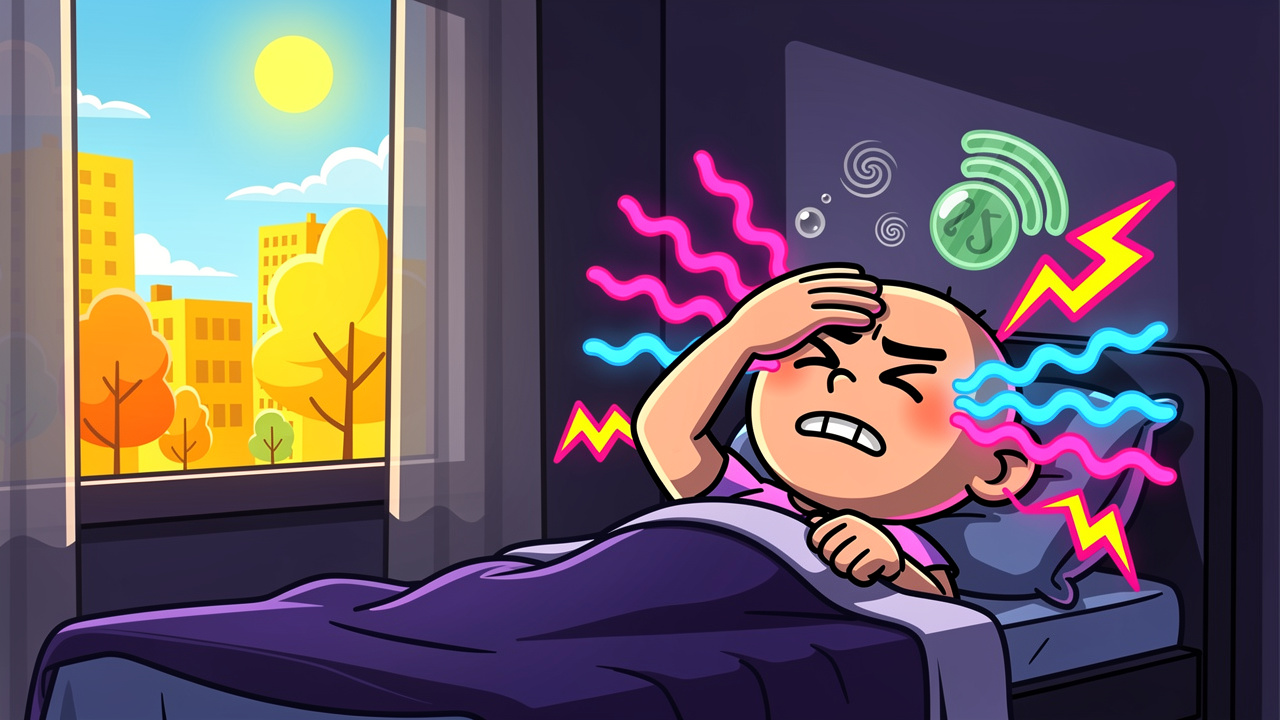
Migraines are a neurological condition that changes how the brain handles pain and sensory input, and standard tablets often leave gaps in relief. They are not just bad headaches but full‑body events that can shut down normal life.
According to The Migraine Trust, around 10 million people in the UK live with migraine, with about 190,000 attacks happening every day — a scale confirmed by What does the UK’s biggest neurology survey on the lived experience of sufferers. Lost productivity costs close to £9 billion each year, and many people miss 5 or 6 workdays annually — a pattern that mirrors broader findings on Australian Workplace Absenteeism and presenteeism that show chronic neurological conditions disproportionately drive workforce losses globally. That is before counting family strain, social anxiety, and the constant worry about the next attack — challenges echoed in research summarised by What 100,000 frontline workers taught us about the enormous hidden costs of undertreated chronic conditions in the workforce.
Common migraine symptoms usually include:
throbbing pain on one side of the head
nausea or vomiting
strong sensitivity to light, sound, or smell
Some people also see flashing lights, zigzag patterns, or patches of lost vision before pain starts. Others feel brain fog, dizziness, or tingling in hands and face for hours.
Migraine shows up in a few main patterns that often overlap.
Migraine without aura often brings sudden one‑sided pain, sickness, and sensitivity that can last from a few hours to several days. There is usually no warning, which makes planning life around work, childcare, or social events very hard. Many people in this group lean heavily on painkillers and then feel stuck when they stop helping.
Migraine with aura includes visual changes, tingling, or slurred speech in the hour before pain. These signs can feel frightening even when you have seen them many times. Because the build‑up is longer, people often take medicine early, which can lead to very frequent tablet use.
Silent migraine gives aura symptoms without head pain, which sounds easier but often still wrecks concentration and confidence. People may feel odd or spaced out for days. It can be harder to get taken seriously when there is no obvious pain to point to.
Hemiplegic migraine is rare but intense, with weakness or temporary paralysis on one side of the body. These attacks often lead to hospital trips because they can look similar to a stroke. Recovery can take days, and fear of another attack hangs over daily life.
Tip From The BudBuddies Team: Keeping a simple migraine diary that tracks triggers, symptoms, and treatments for a few weeks can give you and your clinician a much clearer picture of what you are dealing with.
Conventional options such as paracetamol, ibuprofen, triptans, and preventive drugs like beta blockers or topiramate do help many people, though a population-based study on the Diagnosis and management of migraine in adults in England highlights significant gaps in diagnosis and treatment adequacy across the UK. The problem is that they often work only some of the time, or side effects like weight change, fatigue, or mood shifts feel too heavy. Frequent use of painkillers can also feed into medication overuse headache, where the very tablets meant to help start keeping the pain cycle alive.
How Does Cannabis Interact With Migraines? The Science in Plain English
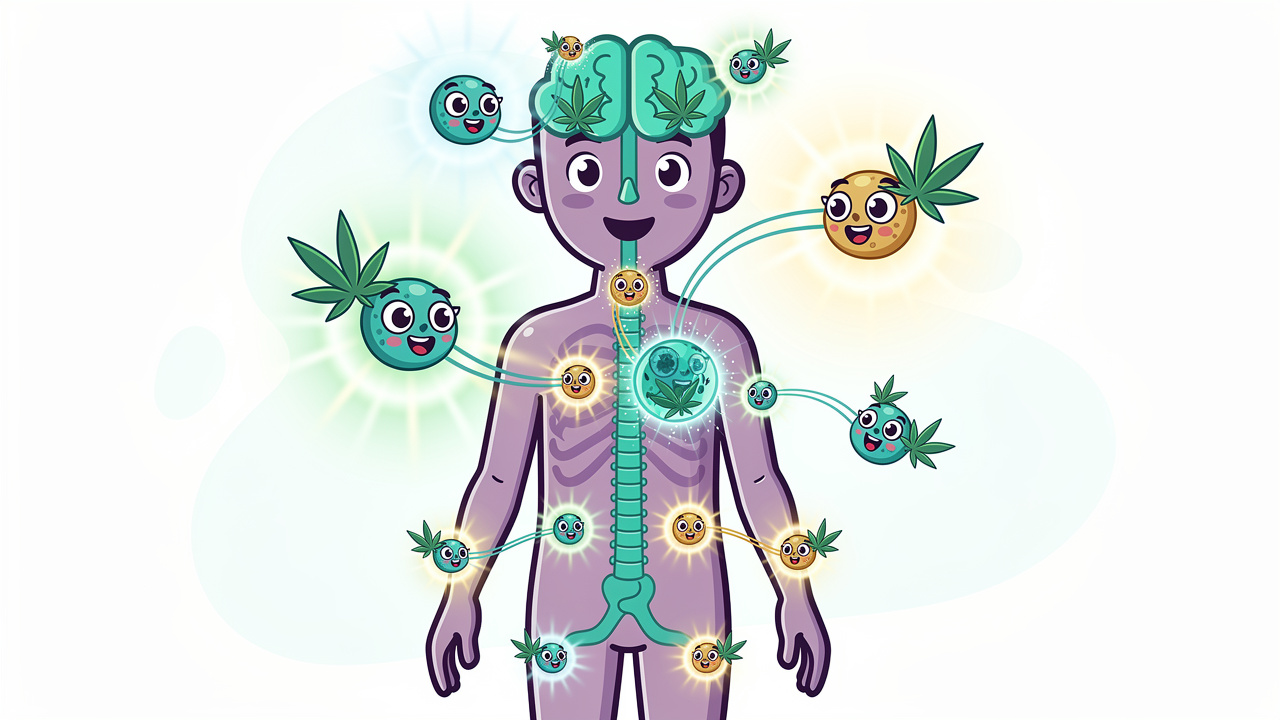
Cannabis interacts with migraines by working on the body’s endocannabinoid system (ECS), which helps balance pain, mood, and inflammation. In simple terms, it nudges the same networks your own internal cannabinoids already use.
The endocannabinoid system is made up of receptors, natural signalling chemicals, and enzymes that clear those signals. CB1 receptors sit mainly in the brain and spinal cord, while CB2 receptors sit more in immune cells and tissues. Together they help the body steady itself across sleep, stress, pain, and immune response.
The two best known plant cannabinoids are THC and CBD. THC binds quite strongly to CB1 receptors in the brain, which changes how pain signals feel and can also reduce nausea. CBD works more indirectly, gently shaping several systems including serotonin and inflammation pathways that matter in migraine.
Research in chronic pain suggests this system is a real target rather than a fad. A review from Harvard Health Publishing reports that cannabinoids can ease certain types of long‑lasting pain for some patients. While migraine studies are smaller, they point in a similar direction, especially for people who have not done well with other options — as shown by Final Analyses Highlight Efficacy of THC-CBD combination therapy for acute migraine published by NeurologyLive.
You can think about the main parts like this:
THC is the cannabinoid most tied to the “high” feeling, but in modest doses it can soften pain and calm sickness. Many people find that inhaled THC takes the sharpest edge off a migraine within minutes and makes resting in a dark room easier. Higher amounts can feel unsettling, so careful dosing matters.
CBD does not feel intoxicating and has a gentler profile that suits many cautious users. It appears to ease inflammation, steadies some serotonin activity, and may reduce anxiety, which is a common migraine trigger. Some people use CBD regularly and add small amounts of THC only during intense attacks.
Terpenes are the aromatic compounds that give strains citrus, pine, or earthy notes, and they also have their own effects. For example, myrcene may add body relaxation, while limonene feels more bright and clear. When cannabinoids and terpenes work together in full‑spectrum products, this combined action is often called the entourage effect and may give smoother results than isolated compounds.
Some scientists talk about clinical endocannabinoid deficiency, the idea that some people may naturally run low on their own cannabinoids. Early work suggests migraine, fibromyalgia, and irritable bowel issues might sit in this group, although this is still under study. If that idea proves right, careful use of plant cannabinoids could help top up what the body is missing.
At the same time, big controlled trials are still limited, and responses vary a lot person to person. A review in the British Journal of Clinical Pharmacology notes promising pain data but calls for larger, better‑designed studies in migraine specifically. So medical cannabis for migraines UK readers are curious about is best seen as a thoughtful option rather than a magic fix.
Which Cannabis Formats Work Best for Migraine Relief?
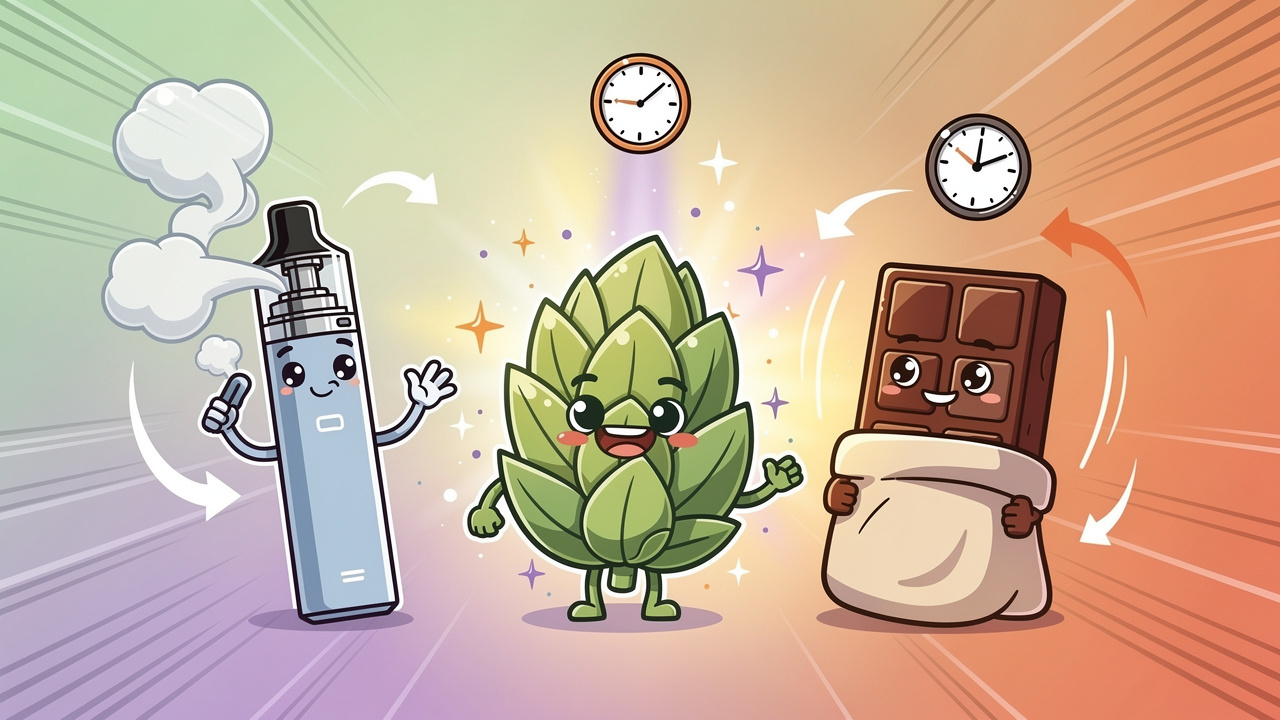
Different cannabis formats for migraine relief affect how quickly you feel something and how long it lasts. Matching the format to the stage of your migraine often matters more than chasing a single perfect product.
Fast onset suits the early spike of pain and nausea, while longer‑lasting options support background tension, sleep, and day‑after soreness. According to The Journal of Pain, inhaled cannabis delivers effects much faster than oral products, which fits well with sudden migraine flares. BudBuddies stocks a range of formats so you can line this up with your own pattern.
The three main styles most migraine‑focused readers compare are vaping, flower, and edibles:
Vaping cannabis distillate or live resin gives the quickest onset, often within a few minutes. That speed helps when a migraine starts to rise and you want to blunt symptoms before they peak. BudBuddies offers THC vape cartridges and discreet disposable pens with clear strength labels, so you can take one or two short puffs and pause rather than guessing.
Dried flower gives more flexibility and a broader flavour and terpene experience. You can take a tiny inhalation for a light effect or a few more for stronger relief, which suits both acute attacks and gentle evening support. BudBuddies curates strains like CBD Lemon Potion Auto for a calmer, CBD‑led effect, Pineapple Express Auto for balanced help across pain and nausea, and GG#4 Original Glue Auto when you need firmer analgesic impact.
Edibles take longer to start working, generally 30 to 90 minutes, but they often last four to eight hours once they settle in. That steady curve makes them better for background symptoms, night‑time sleep problems, or people who dislike inhaling. BudBuddies edibles come with precise milligram amounts per piece, which helps you keep track of your intake across the evening.
Tip From The BudBuddies Team: For many migraine sufferers, having one fast‑acting option (like a vape) and one longer‑acting option (like an edible or oil) covers both sudden spikes and lingering aches.
Whichever format you choose, the general rule of “start low, go slow” protects you from overdoing it. Many people begin with 2.5 to 5 mg THC or a single small inhalation, wait at least two hours, then decide whether they need more. At budbuddies.cc you can also use bundle packs to try several formats and strains side by side without filling a drawer with half‑used products.
BudBuddies product pages list full cannabinoid breakdowns and terpene notes, so you can match format and strain to your own migraine pattern. That level of detail helps both experienced consumers and newcomers pick something that feels thought through rather than random.
How to Choose the Right Product and Where to Start

Choosing medical cannabis for migraines UK readers can rely on is easier when you line it up with your own body, schedule, and comfort with THC. A bit of planning before you buy saves a lot of trial and error later.
Start by thinking about how sensitive you are to feeling altered. If you are new or anxious about psychoactive effects, lean towards CBD‑led flower, oils, or edibles, or balanced THC and CBD products. If you already know small amounts of THC suit you, you may feel ready to keep that in the mix for peak pain.
A simple way to narrow options is to work through three questions:
How fast do you need relief most often, and at what time of day? For sudden attacks that hit mid‑morning or during a commute, vaping or small amounts of flower tend to fit best because they act within minutes. For bedtime tension or next‑day soreness, slower formats like edibles or CBD oils feel more natural.
What symptoms bother you the most beyond pain, such as nausea, light sensitivity, or anxiety? THC can be particularly helpful for sickness, while CBD often shines for worry and background tension. Looking at terpene profiles on BudBuddies, such as limonene‑rich strains for mood or myrcene‑heavy ones for body ease, adds another layer of fine tuning.
How often do you plan to use cannabis for migraine support across a week? If this is an occasional tool for rare severe attacks, you might focus on a single reliable vape and one trusted flower strain. If migraines hit several times a week, bundle packs and ounce specials at BudBuddies can bring costs down while you refine what works.
Tip From The BudBuddies Team: Set one clear goal for your first purchase — for example, “something gentle for night‑time migraines” — rather than trying to fix every problem at once.
BudBuddies makes comparing options easier by publishing detailed cannabinoid percentages, terpene maps, and Certificates of Analysis on product pages. That transparency lets you line up what you feel in your body with clear numbers on the screen. You can keep notes on what helped most, then pick similar profiles next time.
Service details matter too, especially if you value privacy or need products to arrive before a busy week. Orders placed before 3 pm ship the same day, with tracked 48‑hour delivery across the UK and free next‑day shipping on orders over £50. Plain packaging, smell‑proof inner bags, and no external logos keep everything discreet, which surveys from YouGov show many cannabis‑curious adults still care about strongly.
If you plan to explore steadily rather than place one huge order, BudBuddies BudPoints cashback and BudCash referral programmes help stretch your budget. That way you can refine formats, strains, and doses over time while keeping the focus on quality and consistency, not on chasing bargains from random sites.
Final Thoughts on Cannabis and Migraine Relief

Cannabis supports migraine relief by working through the endocannabinoid system to ease pain, nausea, and stress, especially when you match format and dose to your own pattern. For most people that means starting with tiny amounts, waiting patiently, and adjusting only in small steps.
BudBuddies keeps this process simple by pairing clear education with a carefully chosen range of flower, vapes, edibles, and CBD products. When you are ready to explore medical cannabis for migraines UK wide, browse budbuddies.cc, compare cannabinoid and terpene profiles, and pick a calm, low‑risk starting point.
Frequently Asked Questions
Question: Can cannabis help with migraine nausea as well as pain?
Cannabis can help with migraine nausea as well as pain for some people. THC has recognised anti‑sickness properties, which is why many users report relief from nausea during attacks. CBD may also steady serotonin activity, which links to both mood and sickness. Fast‑acting formats like vapes or flower usually work better for sudden nausea than edibles.
Question: Is CBD or THC better for migraines?
Neither CBD nor THC is automatically better for every migraine, because they target slightly different parts of the problem. THC often suits sharp pain and sickness during an active attack, while CBD can help with anxiety, sleep, and background inflammation. Many people land on balanced or full‑spectrum products so they can benefit from the entourage effect.
Question: How long does it take for cannabis to work for a migraine?
Cannabis onset time during a migraine depends mainly on format. Vaping and inhaling flower can start working within a few minutes, which is helpful when pain is rising. Edibles and capsules usually take 30 to 90 minutes but can then last four to eight hours. Planning ahead lets you pair fast and slow options.
Question: What cannabis strains are best for migraines?
The best strain for migraines depends on your symptoms, THC tolerance, and time of day. At BudBuddies, CBD Lemon Potion Auto suits people who prefer a gentler, CBD‑strong profile, Pineapple Express Auto offers balanced support for pain and nausea, and GG#4 Original Glue Auto helps those who need firmer analgesic strength. Full details sit on each strain page at budbuddies.cc.
Question: How do I avoid taking too much cannabis for the first time?
The safest way to avoid taking too much is to follow “start low, go slow” every time. Begin with 2.5 to 5 mg THC or one small puff, then wait at least two hours before more. BudBuddies beginner‑friendly guides and support team can help you choose mild products and sensible first doses at budbuddies.cc.


