


Best Cannabis Packaging Trends for a Greener Future
Introduction
Cannabis users across the UK are witnessing something remarkable happening with their favourite products. The packaging that once arrived at doorsteps wrapped in layers of single-use plastic is giving way to innovative, eco-friendly alternatives that protect both premium flower quality and our planet’s future.
This transformation isn’t just about jumping on an environmental bandwagon. Research shows that approximately 85% of single-use plastics end up clogging landfills or polluting natural spaces, making the shift towards sustainable cannabis packaging trends an urgent necessity rather than a nice-to-have feature. Cannabis consumers are driving this change, with studies revealing that sustainable packaging significantly influences purchasing decisions across all demographics.
What makes this evolution particularly exciting is how brands are successfully balancing product integrity, regulatory compliance, and discretion with genuine environmental responsibility. From hemp-based containers that biodegrade naturally to recycled glass jars that preserve those delicate terpene profiles, the industry is proving that going green doesn’t mean compromising quality.
But how exactly are these sustainable cannabis packaging trends reshaping the way products reach your doorstep?
This comprehensive exploration will take you through the latest materials revolutionising cannabis containers, smart design innovations reducing waste, and how forward-thinking companies like BudBuddies are pioneering eco-friendly solutions without sacrificing the privacy and premium quality you expect from your cannabis experience.
Key Takeaways
The cannabis packaging market is experiencing unprecedented growth, with sustainability emerging as the defining factor shaping consumer choices and industry practices. Innovative materials including hemp-based plastics, recycled paper, and glass containers are dramatically reducing environmental impact while maintaining strict safety standards. Smart design technologies and minimalist approaches are creating more efficient, compliant packaging that appeals to environmentally conscious users. BudBuddies stands at the forefront of this green revolution, seamlessly integrating sustainable practices with guaranteed discreet delivery and premium product protection.
The Rise of Sustainable Cannabis Packaging
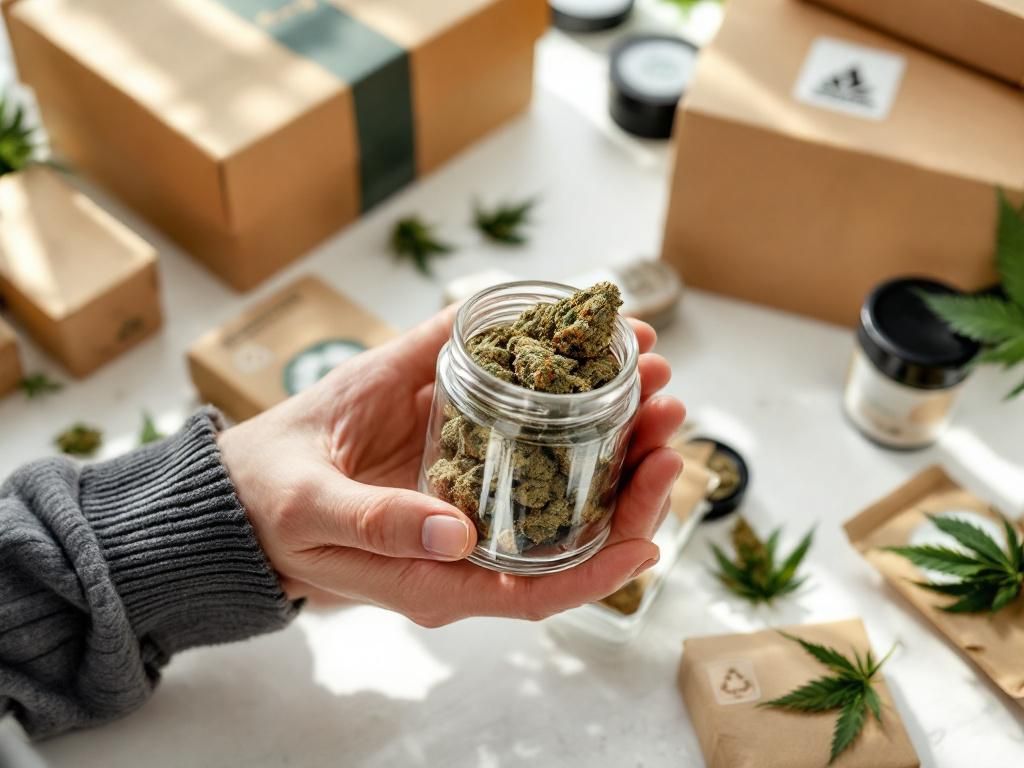
Numbers tell a compelling story about where the cannabis packaging industry is heading. The global market, valued at approximately £2.1 billion in 2023, is projected to reach an impressive £10.5 billion by 2030, representing a compound annual growth rate of around 25.8%. This explosive growth stems from two powerful forces: expanding legalisation across regions and an unstoppable consumer demand for environmentally responsible products.
Here’s what’s particularly striking about this shift: 72% of cannabis consumers actively seek out brands offering eco friendly cannabis packaging. This isn’t just a preference—it’s becoming a deal-breaker for many users who want their cannabis consumption to align with their environmental values. The movement reflects a broader cultural awakening where consumers recognise that every purchase is essentially a vote for the kind of world they want to live in.
Traditional cannabis packaging relied heavily on single-use plastics, contributing significantly to the mounting global waste crisis. But today’s consumers are rejecting this unsustainable approach, forcing brands to innovate or risk losing market share to more environmentally conscious competitors.
What’s driving this remarkable transformation beyond consumer pressure?
The answer lies in the intersection of environmental awareness, regulatory evolution, and technological advancement. Governments worldwide are implementing stricter packaging regulations, while breakthrough materials science is making sustainable alternatives both practical and cost-effective.
“The cannabis industry is uniquely positioned to lead sustainable packaging innovation because consumers are already environmentally conscious about the plant they consume.” – Sarah Thompson, Sustainable Packaging Institute
Why Green Packaging Matters
Sustainable cannabis packaging delivers benefits that extend far beyond simply feeling good about environmental responsibility. Companies adopting biodegradable cannabis containers and recyclable marijuana packaging solutions are discovering tangible business advantages that strengthen their bottom line while building stronger customer relationships.
- Cost savings represent one of the most immediate benefits. While initial investment in sustainable materials might seem higher, long-term disposal costs drop significantly when packaging naturally biodegrades or enters existing recycling streams. Companies report reduced waste management expenses and often qualify for environmental incentives that offset material costs.
- Brand differentiation becomes increasingly powerful in a crowded marketplace where products can seem remarkably similar. Green cannabis packaging solutions create an immediate visual and emotional connection with consumers who want their purchases to reflect their values. This differentiation translates directly into customer loyalty and word-of-mouth recommendations that traditional marketing struggles to achieve.
- Regulatory compliance advantages are becoming more apparent as governments implement stricter environmental packaging laws. Brands investing in sustainable practices now are positioning themselves ahead of inevitable regulatory changes, avoiding costly retrofitting and potential penalties that will impact competitors clinging to outdated packaging approaches.
Sustainable Materials Leading the Charge
The revolution in cannabis packaging materials represents one of the most exciting developments in sustainable consumer goods. Manufacturers are moving beyond simply replacing plastic with paper, instead developing sophisticated materials that maintain product integrity while dramatically reducing environmental impact.
Biodegradable and Plant-Based Plastics

Hemp based packaging cannabis materials are emerging as game-changers in the sustainable cannabis packaging trends landscape. Hemp plastic offers remarkable properties that traditional petroleum-based plastics simply cannot match. This material can biodegrade completely within six months to one year under proper composting conditions, compared to conventional plastics that persist for centuries in landfills.
The cannabis industry’s embrace of hemp based packaging creates a beautiful circular economy where the same plant providing the product also protects it during delivery. Hemp plastics maintain excellent barrier properties, protecting flowers from moisture and UV light while preserving those precious terpene profiles that define premium cannabis experiences.
Other plant-based alternatives are gaining traction across the industry. Cornstarch-derived containers offer excellent biodegradability for short-term storage applications. Sugarcane bagasse, a byproduct of sugar production, creates sturdy containers that compost completely within 90 days. Bamboo fibre composites provide remarkable strength while growing 30 times faster than traditional trees used in paper production.
Rice husk packaging represents an innovative approach to agricultural waste utilisation. This material, typically burned as waste in rice-producing regions, creates durable containers that decompose naturally while sequestering carbon during their lifecycle.
| Material | Biodegradation Time | Key Benefits |
|---|---|---|
| Hemp plastic | 6-12 months | Circular economy, UV protection |
| Cornstarch containers | 3-6 months | Short-term storage |
| Sugarcane bagasse | 90 days | Sugar industry byproduct |
| Bamboo fibre | 2-3 years | Fast-growing, strong |
| Rice husk | 6-12 months | Agricultural waste utilisation |
Recycled Paper, Cardboard, and Glass
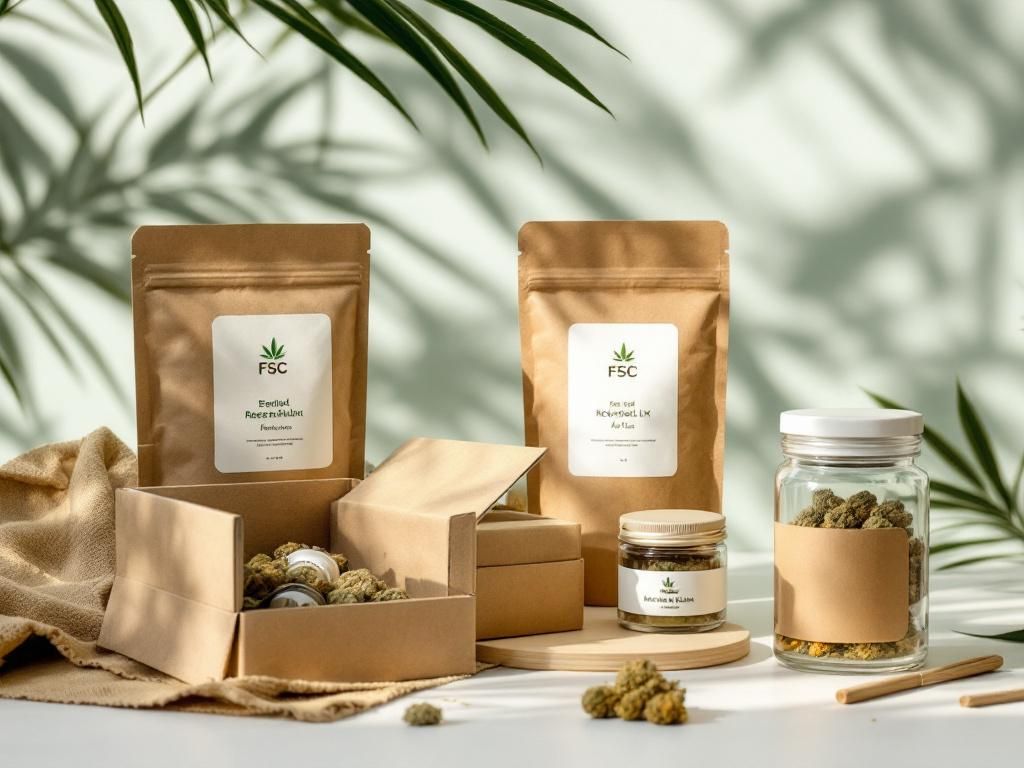
Paper and cardboard packaging made from 100% recycled content with FSC certification represents the gold standard for sustainable cannabis containers. These materials offer complete biodegradability within 2-5 months under home composting conditions, making disposal incredibly simple for consumers.
What makes recycled paper particularly attractive for cannabis packaging is its ability to be customised with water-based, vegetable-derived inks that don’t interfere with the recycling process. Brands can create stunning visual designs while maintaining complete environmental responsibility throughout the packaging lifecycle.
Recycled glass jars are experiencing a renaissance in premium cannabis packaging. Glass offers unmatched product preservation, maintaining airtight seals that protect cannabinoid potency and terpene profiles better than most alternatives. Unlike plastic containers that can leach chemicals over time, glass remains completely inert, ensuring your cannabis maintains its intended flavour and effects.
The UK’s well-established glass recycling infrastructure makes disposal incredibly convenient for consumers. Glass can be recycled indefinitely without losing quality, creating a truly circular packaging solution that reduces raw material demand while maintaining premium product presentation.
Innovative Alternatives
The cutting edge of sustainable packaging innovation is producing materials that sound like science fiction but deliver practical solutions for real-world applications. Mycelium packaging, grown from mushroom roots, creates biodegradable containers that decompose completely within 30-90 days while actually enriching soil during breakdown.
Seaweed-derived packaging offers remarkable properties for short-term cannabis storage. This material dissolves completely in water, leaving no waste behind, while providing excellent barrier properties against moisture and oxygen during storage. Some seaweed plastics are even edible, though this application remains primarily experimental in cannabis packaging.
Cellulose-based materials extracted from wood pulp and agricultural waste create transparent films that rival traditional plastic wrapping. These materials offer excellent printability for branding while composting completely in municipal facilities.
Algae-based packaging represents perhaps the most promising long-term solution for compostable cannabis packaging. Algae grows rapidly, absorbs carbon dioxide during cultivation, and creates materials with properties nearly identical to conventional plastics while biodegrading completely in marine environments.
Smart Design and Technological Advancements
Technology is revolutionising how sustainable materials are implemented in cannabis packaging, creating solutions that are both environmentally responsible and functionally superior to traditional alternatives. These innovations address the unique challenges of cannabis packaging while pushing the boundaries of what’s possible with green materials.
Minimalist Aesthetics and Customisation
The philosophy of “less is more” has found perfect expression in sustainable cannabis packaging design. Minimalist approaches reduce material consumption while creating sophisticated visual presentations that appeal to discerning consumers. Clean lines, thoughtful typography, and strategic use of negative space create premium aesthetics without excess material waste.
Digital printing technology has revolutionised how brands approach packaging customisation. Short-run printing capabilities allow companies to create targeted designs for specific strains or limited releases without the waste associated with large minimum orders. This flexibility enables brands to experiment with seasonal designs or regional preferences while maintaining sustainable practices.
Water-based and soy-derived inks have replaced traditional petroleum-based printing materials, ensuring that even the decoration process aligns with environmental goals. These inks provide vibrant colours while remaining completely biodegradable, preventing contamination during recycling or composting processes.
Substrate optimisation techniques are reducing material usage without compromising structural integrity. Advanced die-cutting and folding patterns create strong, protective containers using significantly less cardboard or paper than traditional box designs. These engineering innovations prove that sustainability and functionality can work hand in hand.
Smart Packaging and Traceability
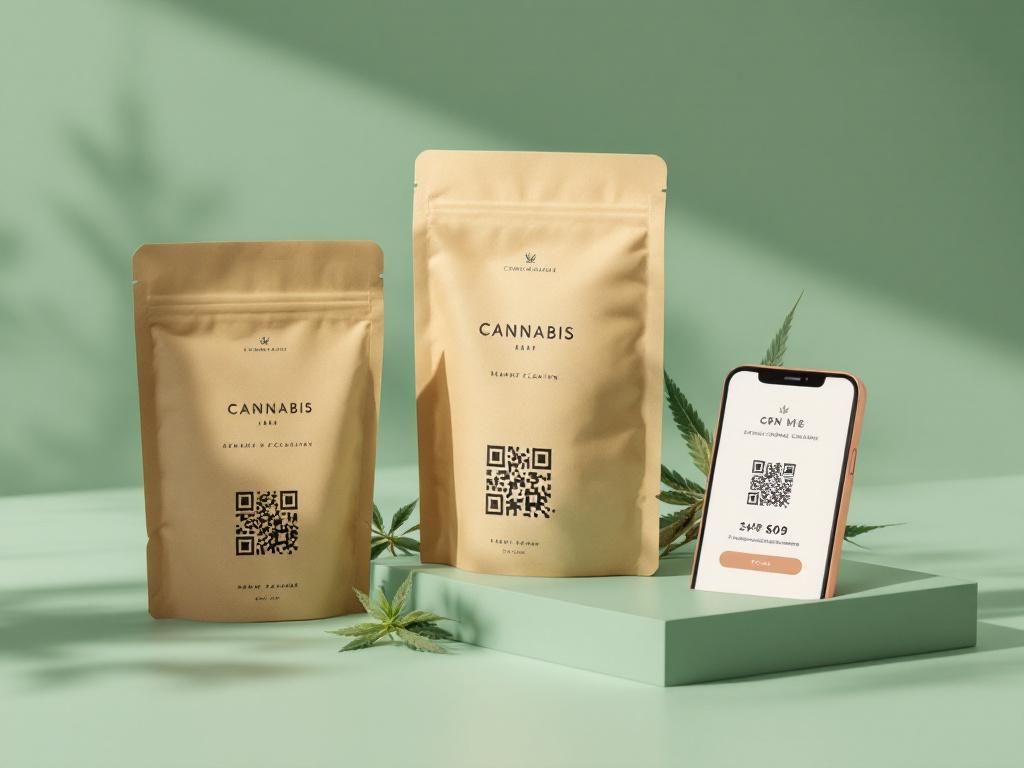
QR codes and RFID technology are transforming cannabis packaging into information gateways that enhance both sustainability and consumer confidence. These digital features eliminate the need for extensive printed materials while providing comprehensive product information including lab results, growing conditions, and proper disposal instructions for packaging materials.
Blockchain integration is enabling complete supply chain transparency, allowing consumers to trace their cannabis from cultivation through packaging to delivery. This technology helps verify sustainability claims while building trust between brands and environmentally conscious consumers who want assurance that their values align with their purchases.
Near Field Communication (NFC) tags embedded in packaging create interactive experiences that educate users about proper cannabis consumption while providing detailed information about packaging disposal. These features transform simple containers into educational tools that promote both responsible use and environmental stewardship.
Smart sensors integrated into premium packaging monitor storage conditions and alert consumers if products have been exposed to damaging temperature or humidity levels. This technology reduces waste by preventing spoilage while ensuring consumers receive products at peak quality and potency.
Regulatory Compliance and Discreet Delivery
Meeting stringent safety regulations while maintaining environmental responsibility presents unique challenges in cannabis packaging. The most successful sustainable solutions seamlessly integrate regulatory compliance with discretion and eco-friendly materials.
Navigating UK Packaging Regulations
UK cannabis packaging regulations demand strict adherence to child-resistant and tamper-evident standards that protect both children and product integrity. The MHRA requires specific information display including product names, strength indicators showing THC and CBD content, batch numbers for traceability, and clear expiry dates for safety.
Cannabis containers must prominently display “Keep out of sight and reach of children” warnings while maintaining opacity to prevent UV degradation of cannabinoids. These requirements initially seemed to conflict with sustainable materials, but innovative manufacturers have developed solutions that meet both regulatory and environmental standards.
CBD products classified under Novel Food regulations by the Food Standards Agency require additional labelling including warnings for individuals under 18 and during pregnancy or breastfeeding. Sustainable packaging must accommodate these extensive labelling requirements while maintaining clean, professional appearance that reflects product quality.
Child-resistant mechanisms traditionally relied on complex plastic components that created recycling challenges. New designs incorporate biodegradable materials into push-and-turn caps and squeeze-and-pull mechanisms that maintain safety standards while ensuring complete compostability after use.
Balancing Discretion with Sustainability
Privacy remains paramount for cannabis consumers who value discretion during delivery and storage. BudBuddies has mastered the art of creating plastic free cannabis containers that maintain complete opacity while using environmentally responsible materials. This balance requires innovative approaches to material selection and design engineering.
Opaque recycled glass containers provide excellent discretion while offering unlimited recyclability. These containers protect light-sensitive cannabinoids while ensuring privacy during transport and storage. Specialized coatings derived from plant-based materials enhance opacity without compromising recyclability.
Unadorned cardboard outer packaging creates the ultimate discretion while utilising 100% recycled content with minimal printing. These containers appear indistinguishable from standard shipping materials, protecting customer privacy while supporting circular economy principles through complete recyclability.
Hemp-based packaging materials naturally provide excellent opacity while biodegrading completely. The irony of using cannabis-derived materials to package cannabis products creates marketing opportunities while delivering practical benefits for discretion and sustainability simultaneously.
Does sustainable packaging compromise the security features that cannabis consumers expect?
Advanced engineering proves that environmental responsibility and security work together effectively. Modern sustainable materials can be formed into complex shapes that provide tamper evidence while maintaining biodegradability. These innovations ensure that choosing green packaging doesn’t mean sacrificing the protection and discretion that define premium cannabis experiences.
BudBuddies: Our Commitment to Green Packaging
BudBuddies stands at the forefront of integrating sustainable cannabis packaging trends with uncompromising standards for product quality, customer privacy, and delivery reliability. Our approach demonstrates that environmental responsibility strengthens rather than compromises the premium cannabis experience our customers expect.
Innovating for a Greener Future
Research and development efforts at BudBuddies focus on materials that preserve the delicate characteristics that define premium cannabis while minimising environmental impact. Our team actively tests biodegradable containers that maintain airtight seals protecting terpene profiles and cannabinoid potency during storage and transport.
Hemp-based packaging materials offer particular promise for our sustainable initiatives. These containers create a circular system where the same plant providing therapeutic benefits also protects products during delivery. Testing shows that hemp plastics maintain barrier properties equivalent to traditional materials while composting completely within six months.
Transit efficiency optimisation reduces our carbon footprint through lightweight, durable packaging that protects products during UK-wide delivery while using minimal materials. Advanced cushioning systems derived from recycled paper and biodegradable starches provide excellent protection using significantly less material than traditional foam alternatives.
Carbon footprint reduction initiatives extend beyond packaging materials to include optimised shipping routes, consolidated deliveries, and partnerships with carbon-neutral logistics providers. These comprehensive approaches ensure that environmental benefits extend throughout the entire customer experience.
“Sustainable packaging isn’t just about the environment—it’s about creating a premium experience that reflects our customers’ values while maintaining the discretion and quality they expect.” – Industry Packaging Expert
Our Promise: Quality, Discretion, and Sustainability
BudBuddies maintains unwavering commitment to discretion while pioneering environmental responsibility in cannabis delivery. Our sustainable packaging solutions provide complete opacity and professional appearance that protects customer privacy throughout the delivery process while supporting environmental goals.
Customer feedback drives continuous improvement in our sustainable packaging initiatives. Regular surveys and direct communication help us understand how environmental features impact customer satisfaction while identifying opportunities for further innovation. This collaborative approach ensures that sustainability improvements enhance rather than compromise the BudBuddies experience.
Investment in cutting-edge green technologies positions BudBuddies as an industry leader in renewable cannabis packaging solutions. Our partnerships with material scientists and packaging engineers ensure access to the latest innovations while maintaining the reliability and discretion that define our brand promise.
Zero waste cannabis packaging represents our long-term vision where every component serves a purpose throughout its lifecycle. This ambitious goal drives innovation in material selection, design optimisation, and end-of-life planning that benefits both customers and the environment.
Quality assurance protocols ensure that sustainable materials meet our stringent standards for product protection and presentation. Rigorous testing verifies that eco-friendly packaging maintains the airtight seals and UV protection necessary to preserve cannabis quality while supporting environmental goals.
Conclusion
The cannabis industry’s embrace of sustainable packaging represents far more than an environmental trend—it’s a fundamental transformation that’s reshaping how premium products reach consumers. From hemp-based containers that biodegrade naturally to recycled glass jars that preserve potency indefinitely, these innovations prove that environmental responsibility and product excellence work together seamlessly.
Smart technologies and minimalist design approaches are creating packaging solutions that reduce waste while enhancing functionality and aesthetic appeal. These developments demonstrate that sustainability often drives innovation rather than limiting it, producing solutions that benefit consumers, businesses, and the environment simultaneously.
BudBuddies exemplifies how cannabis brands can lead environmental change while maintaining the discretion, quality, and reliability that define premium customer experiences. Our commitment to sustainable cannabis packaging trends reflects a deeper understanding that responsible business practices strengthen customer relationships and industry credibility.
The future of cannabis packaging lies in materials and designs that work with natural systems rather than against them. As these sustainable approaches become standard practice, consumers can enjoy premium cannabis products knowing their choices support a healthier planet without compromising the quality and discretion they deserve.
FAQs
Q1: What are the main types of eco-friendly cannabis packaging materials?
The primary sustainable materials include biodegradable plant-based plastics like hemp plastic that compost within six months, recycled paper and cardboard with FSC® certification that biodegrades naturally, and recycled glass containers that can be reused indefinitely. Innovative alternatives such as mycelium-based packaging grown from mushroom roots and seaweed-derived materials are also emerging as promising solutions for short-term storage applications.
Q2: How does sustainable packaging benefit cannabis brands?
Sustainable packaging reduces long-term waste disposal costs while creating powerful brand differentiation in competitive markets. Eco-friendly materials help brands comply with evolving environmental regulations while building stronger customer loyalty among environmentally conscious consumers. These practices also improve supply chain efficiency and often qualify for environmental incentives that offset initial material investments.
Q3: Are sustainable cannabis packaging options child-resistant and discreet?
Modern sustainable packaging solutions successfully meet strict child-resistant and tamper-evident safety standards while maintaining complete discretion for privacy-conscious consumers. Biodegradable materials can be engineered into complex push-and-turn or squeeze-and-pull mechanisms that provide safety while ensuring compostability. Opaque recycled materials and hemp-based containers offer excellent discretion during delivery and storage.
Q4: How can I responsibly dispose of eco-friendly cannabis packaging in the UK?
Disposal methods depend on specific materials and local facilities. Recycled glass and paper products typically enter standard household recycling streams available throughout the UK. Biodegradable and compostable materials often require industrial composting facilities, though some can be home composted. Always check packaging labels for specific disposal instructions and certification symbols that indicate proper disposal methods for your area.

