


THC for Uni Stress UK: Risks, Relief and Alternatives
Introduction
Uni stress in the UK can feel relentless, and some students quietly turn to THC to cope. You might already be searching “THC for uni stress UK” after another long day of lectures, group work and late-night revising. Deadlines, money worries and social pressure stack up fast.
THC is the main psychoactive part of cannabis that changes how your brain processes mood, stress and focus. For some people it takes the edge off; for others it can ramp up anxiety, especially when stress is already high. This guide walks you through what THC actually does, what the research says, how CBD compares, and how BudBuddies fits into the picture.
You will see clear pros, cons and safer-use tips so you can decide calmly rather than on a whim. Nothing here is medical advice, and cannabis is not risk-free, especially for people under 25, but it can help you think more clearly about your choices. Ready to look at how THC, CBD and uni stress really fit together?
Why UK Students Are Turning To THC For Stress Relief

UK students are turning to THC for stress relief because it can feel fast, simple and under your control. When lectures, part-time work and social pressure build, using THC for uni stress in the UK can seem like a quick reset button.
Stress at uni is not just in your head. Coursework, exams, rent, loans and living away from home all pull on you at once. According to the NHS, common signs include:
poor sleep
irritability or feeling on edge
trouble concentrating
Many students recognise at least one of these most days.
When support feels slow, THC can look attractive. Waiting times for talking therapy can stretch for weeks, and it can be hard to open up to tutors or flatmates. A vape, joint or gummy is easy to access, easy to share and, from the outside, looks like it works instantly.
“Mental health problems are common, but help is available.”
— NHS Every Mind Matters
So what is going on in your brain? THC binds to CB1 receptors in your endocannabinoid system, the network that helps regulate mood, appetite, pain and stress responses. This can bring relaxation, laughter and a sense of distance from your worries. For a stressed student, that change can feel like night and day.
Here is how that usually plays out for students:
Many students use THC at the end of a heavy study day to switch off, especially when their mind keeps replaying to-do lists.
Others reach for it before social events, hoping it will mute social anxiety and make conversation easier.
Some use it for sleep because they are tired of lying awake watching the clock.
In each case the appeal is the same: a clear shift in how tense you feel, without having to explain yourself to anyone.
Does THC Actually Help With Stress, Or Does It Make Things Worse?
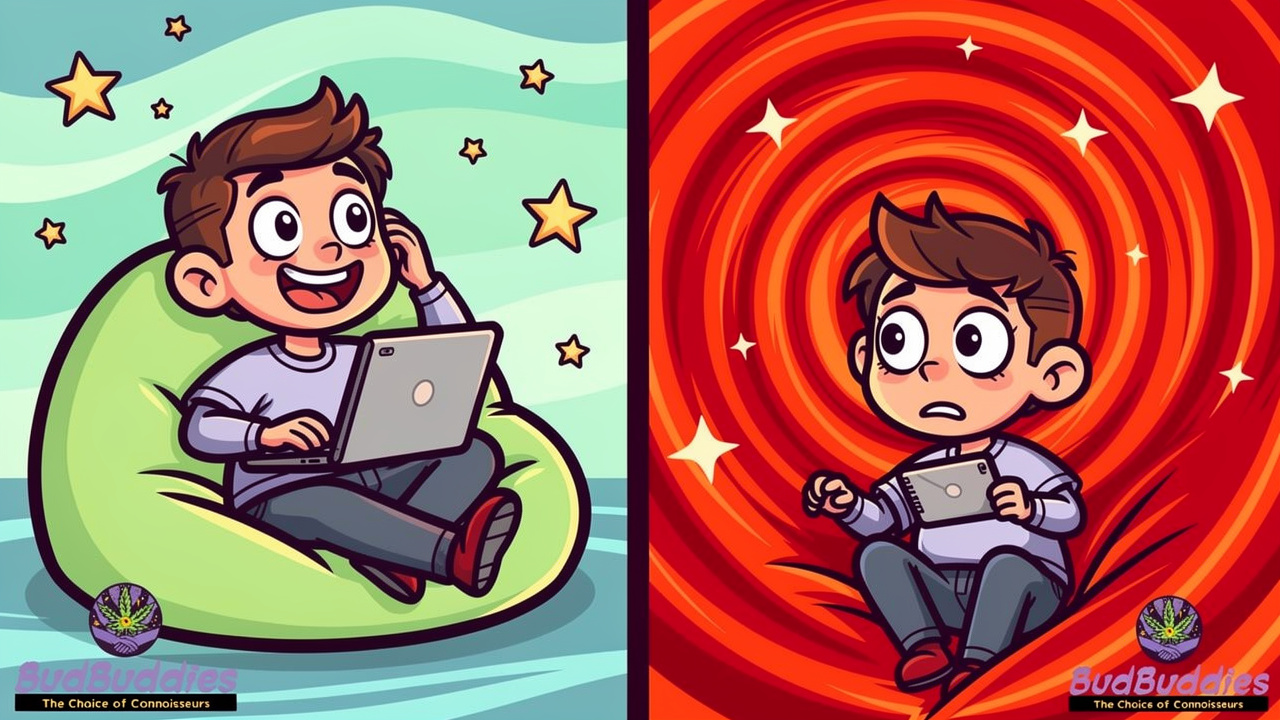
THC can help some students feel calmer in the moment, but it can also worsen anxiety and paranoia, especially at higher doses. The key question is not just what you use, but why, how often and how much you use it for stress.
Recent work from the University of Bath and King’s College London helps here. Their Cannabis & Me project followed 3,389 adults who use cannabis and looked closely at mental health patterns. People who first used cannabis to manage anxiety or low mood reported higher paranoia scores than those who started out of curiosity or for fun.
The same research found that self-medicating users consumed more, averaging about 206 THC units per week, roughly equal to 10 to 17 joints of 20 percent THC flower. Over half of participants, 52 percent, also reported some form of childhood trauma, and cannabis use appeared to amplify the link between that trauma and paranoia — a pattern consistent with broader findings on the prevalence of adverse childhood experiences among people seeking help for substance use. So if you already carry a heavy emotional load, THC can sometimes press on the bruise rather than soothe it.
Other studies have linked frequent use of high-strength cannabis with a higher chance of psychotic symptoms, and Frontiers | A 10-year trend analysis confirms that cannabis potency has increased significantly across different regions, raising the stakes around dose awareness. That does not mean everyone who uses THC will have these problems, but it is a real risk factor to think about.
That does not mean THC always makes stress worse. Occasional, low-dose use in a stable setting, with people you trust and a product you understand, can feel pleasant and manageable. Many experienced users in the BudBuddies community describe using a small amount of THC after exams or on specific evenings, not every single night.
So how do you tell the difference between helpful and unhelpful patterns?
Signs THC Feels Helpful For You
You still feel like yourself, just more relaxed.
You can take regular breaks without feeling desperate or irritable.
Your work, friendships and sleep stay mostly on track.
You do not panic if you run out or cannot use for a while.
Signs THC May Be Making Stress Worse
Growing paranoia or racing thoughts when you are high.
Needing more and more to get the same effect.
Feeling you cannot face a seminar, shift or social event without using first.
Using to escape every difficult feeling instead of sometimes sitting with it.
If the second list sounds familiar, your relationship with THC for uni stress in the UK deserves a closer look, possibly with help from a GP, counsellor or drug service.
THC vs. CBD For Uni Stress: Which One Is Right For You?
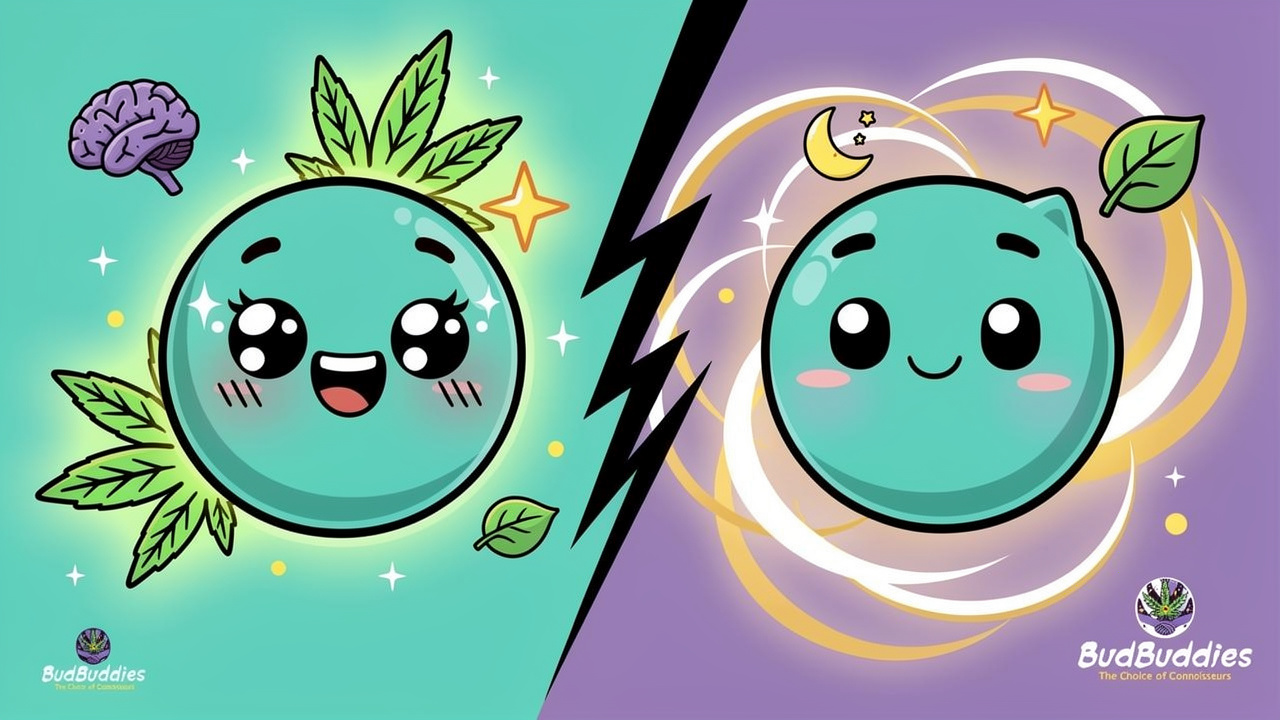
THC and CBD affect stress in different ways, so choosing between them means asking what kind of help you actually want. CBD offers a gentler, non-intoxicating sense of calm, while THC provides a stronger shift in mood and perception that some students enjoy and others find overwhelming.
THC is the part of cannabis that gives you a high. It can relax muscles, sharpen music and food, and soften racing thoughts, but it is also the part most linked with anxiety and paranoia at higher doses.
CBD, short for cannabidiol, does not get you high and seems to interact more lightly with anxiety pathways. The World Health Organization notes that CBD shows no evidence of abuse or dependence in humans, which is one reason many students try it first.
In the UK, CBD products that follow regulations (for example, very low THC levels and correct labelling) are legal to buy. THC-dominant cannabis remains a controlled substance and is usually only available on prescription or in specific medical contexts. It is your responsibility to follow local law and medical advice.
Here is a simple side by side:
| Aspect | THC | CBD |
|---|---|---|
| Psychoactive Effect | Yes, produces a high | No high, clear headed |
| Stress Impact | Strong, can calm or worry you | Mild to moderate calm |
| Best Suited To | Experienced users and specific occasions | Newcomers and daily balance |
If you feel nervous about losing control, CBD is often the better starting point. It can support relaxation, focus and sleep without the mental swirl that sometimes comes with THC for uni stress UK. Many students use CBD oil in the morning or evening while keeping THC for rare, planned moments, if they use it at all.
BudBuddies makes this comparison easier by putting clear lab results, cannabinoid ratios and terpene profiles on every product page. Whether you are looking at CBD oils or, where permitted by law, THC-dominant edibles, vapes or flower, product pages at budbuddies.cc show you exactly what is inside. Third party testing means you are not guessing about strength or content.
Always check local regulations and, if applicable, your prescription status before ordering or using any THC-based product.
Finding Your Format: Flower, Edibles, Or Vapes?
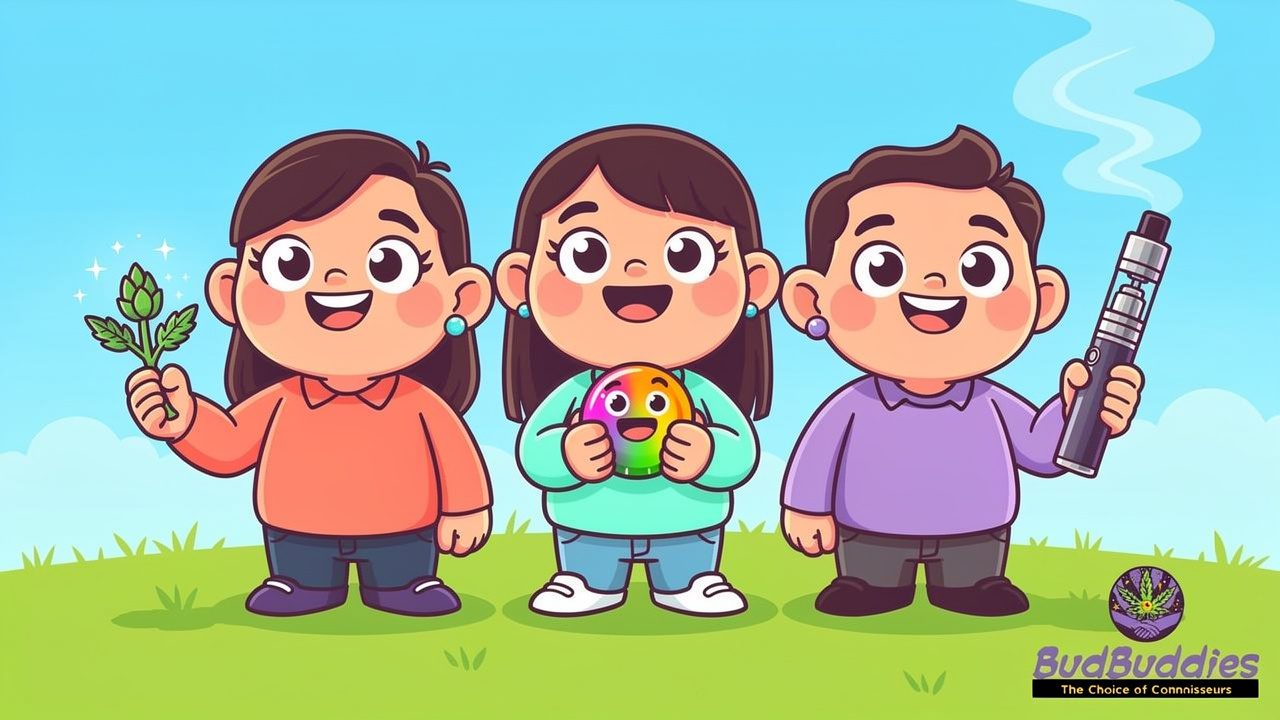
Choosing between flower, edibles and vapes for uni stress is really about how fast you want effects to start, how long you want them to last, and how they fit with your health. Smoking anything, including cannabis, can affect your lungs, and health bodies such as the NHS advise against smoking for this reason.
Each format suits a different type of student routine and tolerance level:
Flower (Herb Or Bud)
Flower suits students who already know how THC affects them and prefer more control over each inhale. On sites such as BudBuddies, strains are grouped as indica, sativa or hybrid, and often tagged by likely effects (evening wind down, daytime focus or a mix of both), which can help you compare options where local law allows.
Effects from inhaled flower arrive within minutes and usually peak within about an hour. That makes it easier to notice your personal sweet spot, but it also means it is simple to overdo it if you keep topping up without pausing.Edibles (Gummies, Brownies, Capsules)
Edibles such as gummies and capsules are popular when you want steadier, longer relief without inhaling. Many regulated products treat around 5 to 10 milligrams of THC as a single portion, but sensitivity varies widely between people.
Because edibles pass through your digestive system and liver, effects can take 60 to 90 minutes to show up. Once they land, the calm can last 2 to 6 hours, which suits revision days or post-exam evenings. Patience is key here, because redosing too early is a common cause of uncomfortable experiences.Vapes
Vapes offer near-instant effects with low odour and no rolling required. A few gentle draws can take the edge off within minutes, which some students like before a presentation or when stress spikes. BudBuddies lists pre-filled cartridges and disposables with clearly stated THC or CBD strength, so you can match the device to your tolerance and stay aware of what you are taking. For many, vapes sit in the middle: faster acting than edibles, more measured than sharing a heavy joint.
Whichever route you consider, it is worth remembering that you should never drive, cycle in traffic or operate machinery after using cannabis, and you may find studying or revising is harder while high.
Practical Harm Reduction Tips Every Student Should Read First
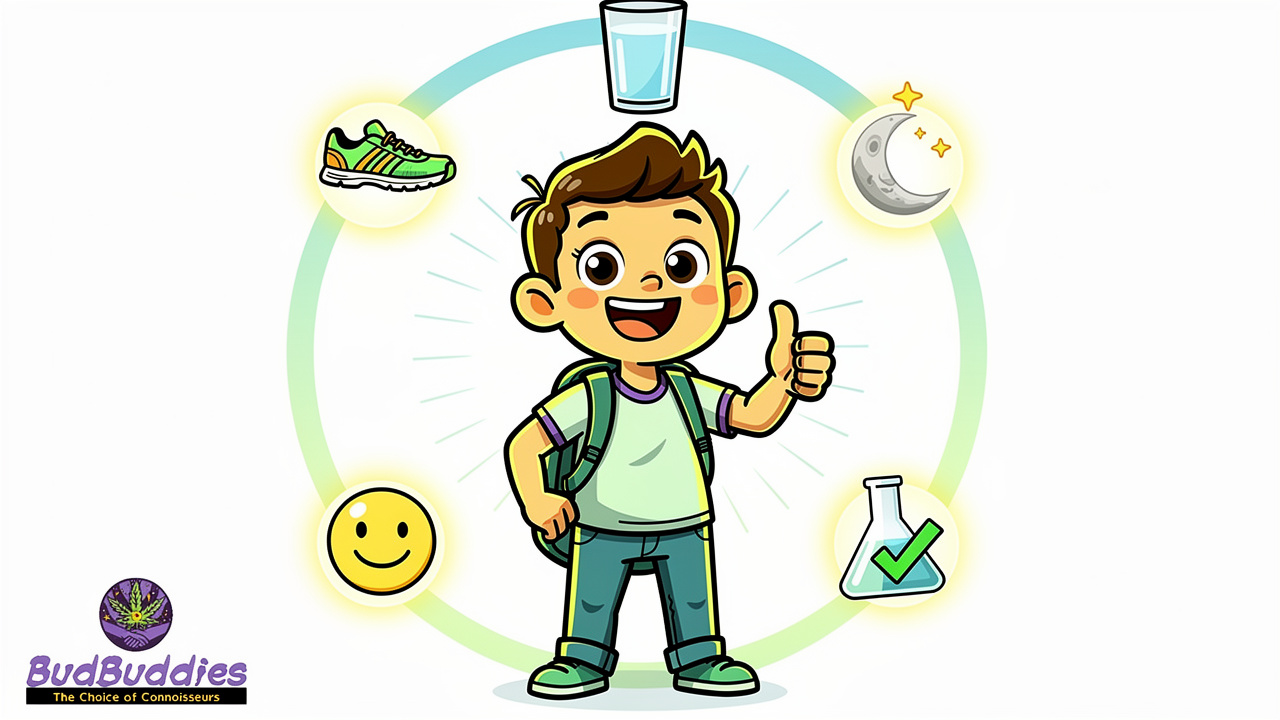
Practical harm reduction around THC and CBD helps you lower the odds of a rough experience while leaving room for the effects you enjoy. If you do choose THC for uni stress UK, a few simple habits can make a big difference.
Knowing your own risk profile comes first. If you already live with anxiety, depression or panic, or you have past trauma that still feels raw, high THC products deserve extra care. Research from King’s College London linked cannabis use with higher paranoia in people with a history of trauma, especially at heavier doses. If you also take medication that acts on the central nervous system, such as some antidepressants, it is wise to speak with a healthcare professional before adding regular THC on top.
“Start low and go slow.”
— common harm reduction advice from drug support services
Then there are the ground rules that protect almost everyone:
Start small and wait.
Begin with the lowest strength or smallest portion suggested on the packaging and give it time to work before taking more. For edibles, that means waiting the full 60 to 90 minutes to see how you feel. With vapes or flower, take a small amount and pause to check in with your body and thoughts. You can always add more later, but you cannot take a dose back once it is in your system.Keep an eye on patterns, not just single nights.
Jot down how much you used, how strong it felt and how your sleep and mood looked the next day. If you notice doses creeping up, or you feel you cannot relax without THC for uni stress in the UK, that is your signal to pause and reset. BudBuddies’ accurate lab testing and clear THC percentages make this tracking far easier than guessing from random bags.Choose quality over mystery mixes.
Third party lab tested products with Certificates of Analysis, like those on BudBuddies, give you known potency and clean ingredients. Mixing cannabis with alcohol or other substances, especially in party settings, makes effects far less predictable and often increases anxiety. A calmer, planned session with just THC or CBD usually feels safer and more satisfying.Protect your wider life.
Do not let THC become your only stress tool. The NHS and Every Mind Matters both highlight sleep, movement and talking to others as solid ways to lower stress. A short walk, basic stretches or a real chat with a friend all support your system in ways no product can fully replace. Think of THC as one option in a wider kit, not the whole kit on its own.Stay safe in the moment.
Avoid using alone if you are trying a stronger product for the first time, and stick with people you trust. If you start to feel panicky, simple grounding tricks can help: sipping water, changing the music, going to a quieter room, or focusing on slow breathing. If your heart is racing, you feel out of control or you have thoughts of harming yourself, seek urgent medical help.
Wrapping Up
Using THC for uni stress UK is not simply good or bad; it depends heavily on your mindset, dose, product, legal situation and overall wellbeing. For some students, small, occasional amounts feel pleasant, while for others, especially those already anxious or vulnerable to psychosis, THC can turn the volume up on worry.
CBD offers a lower-risk option for many, especially when bought from a reliable source and used alongside other coping tools like sleep, exercise and support from friends or professionals, and a qualitative exploration of cannabis and nicotine co-use among UK young adults underlines how social context and mental health interact when students make these choices.
Conclusion
The strongest theme from research and real student stories is that intention and information matter more than marketing or peer pressure, as confirmed by the UK medical cannabis registry outcomes analysis, which highlights how patient context and product clarity shape treatment results. When you choose clear, lab tested products from a trusted source like BudBuddies, keep doses modest, and pair THC or CBD with basic self care, your chances of a steady experience rise sharply. Random strength bags and guesswork do the opposite.
If you are curious, you can browse the BudBuddies range at budbuddies.cc, from gentle CBD oils to carefully graded products that contain other cannabinoids. Any THC-dominant items are only suitable for adults in places or situations where they are legal, such as prescribed medical cannabis. Discreet packaging and transparent lab reports give you space to read, compare and make a considered choice.
Good uni stress decisions start with good information, and you now have a solid base to decide what, if anything, fits you.
Frequently Asked Questions
Question: Does THC help with exam stress specifically?
Answer: THC can take the edge off exam stress for some students, especially at low exposures and in calm settings, but it is not a risk-free coping method. Using THC while revising or during exams can interfere with memory, focus and performance, and may worsen anxiety for some people. If you do use THC around exam periods, keep it infrequent, avoid using before or during study sessions, and pay attention to whether your concentration or motivation is slipping.
Question: Is CBD a better option than THC for anxious students?
Answer: For many anxious students, CBD is usually a gentler starting point than THC. It does not produce a high and carries a lower risk of paranoia. CBD can be taken during the day without the same level of impairment and is legal in the UK when products meet regulatory rules. BudBuddies offers a wide range of CBD oils and gummies with clear lab tests, so you can try calm support before stepping up to any stronger, THC-based products, if that is ever appropriate for you.
Question: How do I know how much THC to take as a beginner?
Answer: There is no single “right” beginner dose because people vary a lot in how sensitive they are to THC. In places with regulated cannabis markets, a low-dose edible is often defined as around 5 milligrams of THC, but some people feel effects from less, and others feel very little at that level. Follow guidance on the product label, listen to any medical advice you have been given, and stick to the harm reduction rule of starting with a small amount, waiting at least 60 to 90 minutes, and only increasing slowly if you feel comfortable and it is legal to do so.
Question: Will my THC or CBD delivery be discreet if I live in student halls?
Answer: BudBuddies focuses strongly on privacy for students and other customers. Orders arrive in plain, unmarked packaging with odour-control inner bags where relevant and no obvious cannabis branding. The sender name is neutral, and you get tracking information, so you can collect your parcel without drawing attention. Remember that any THC products should only be ordered where they comply with local law or medical guidance.
Question: What’s the difference between indica, sativa and hybrid strains for stress?
Answer: Indica strains are usually chosen for evening relaxation and sleep-friendly calm, while sativa varieties lean towards daytime focus and uplift. Hybrids sit somewhere in the middle, mixing both traits. BudBuddies groups strains by effect and shows terpene profiles, such as myrcene for deeper relaxation and limonene for brighter mood, to help you pick with more confidence. Individual responses vary, so treat these labels as rough guides rather than hard rules.

