


THC Vape Coil Lifespan: When to Replace & Warning Signs
Introduction
Cannabis vaping has become the go-to method for many enthusiasts who want a discreet and flavourful way to enjoy their favourite extracts. At the centre of every THC vape device sits a small but critical component: the coil. This heating element transforms your cannabis oil into that smooth, inhalable vapour you love. But here’s the thing – coils don’t last forever, and understanding your thc vape coil lifespan can make or break your vaping experience.
A tired coil can turn your premium BudBuddies extract from a delightful session into something that tastes like burnt rubber. Nobody wants that. The quality of your vape depends heavily on this tiny component, and when it starts wearing out, you’ll notice changes in flavour, vapour production, and overall satisfaction.
How do you know when it’s time for a replacement?
This comprehensive guide covers everything you need to know about coil maintenance, from recognising the telltale signs of wear to understanding what affects how long your coil will last. Whether you’re new to vaping or a seasoned user, these insights will help you get the most from every puff while keeping your device running smoothly.
By the end of this article, you’ll have the knowledge to spot coil issues early, extend their working life, and maintain that perfect vaping experience every time you reach for your device.
“The coil is the heart of any vaping device. When it fails, everything else becomes irrelevant. Regular maintenance and timely replacement are essential for both safety and enjoyment.” – Dr. Marvin Washington, Cannabis Research Institute
The Lifespan of Your THC Vape Coil
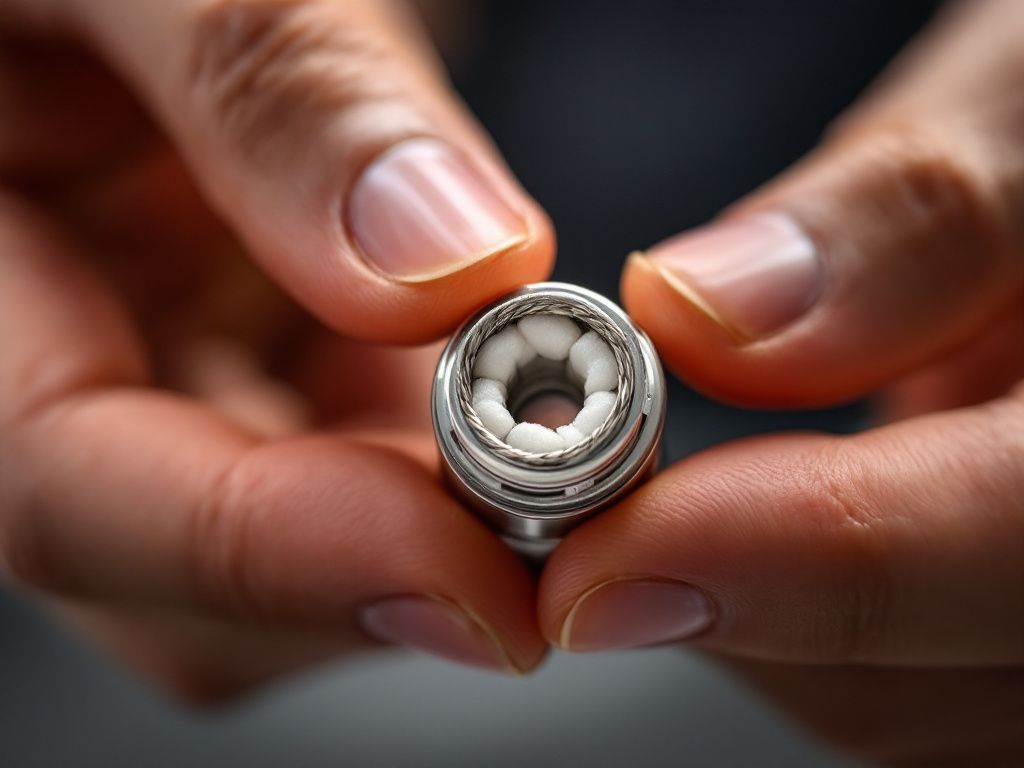
The question “how long should a vape coil last?” doesn’t have a straightforward answer. Your thc vape coil lifespan typically ranges from 5 days to 2 weeks under normal conditions, though some users report getting anywhere from 7 to 21 days of solid performance. For pods with integrated coils, you’re looking at roughly a week before the entire pod needs replacing.
Several variables affect how long your coil will perform optimally. The type of cannabis oil you’re using plays a major role – thicker THC concentrates tend to create more residue buildup compared to lighter formulations. Your device’s wattage settings matter too. Push too much power through your coil, and you’ll burn through it faster than a bonfire through newspaper.
Your personal vaping style has perhaps the biggest impact on coil longevity. Chain vaping – taking multiple puffs one after another without giving the wick time to re-saturate – puts tremendous stress on the heating element. The coil struggles to keep up, leading to dry hits and premature failure.
Temperature also plays a role in determining your thc vape coil lifespan. Higher temperatures break down the wick material faster and accelerate the buildup of burnt residue. When you combine this with the natural viscosity of quality cannabis extracts like those from BudBuddies, you can see why monitoring coil health becomes so important.
Understanding these factors gives you the power to predict when replacement time is approaching and take steps to maximise performance.
Average Lifespan by Vaping Habits
| Usage Pattern | Typical Lifespan | Sessions per Day | Replacement Frequency |
|---|---|---|---|
| Heavy User | 3-7 days | 6+ sessions | Weekly |
| Moderate User | 7-14 days | 2-5 sessions | Bi-weekly |
| Light User | 2-4 weeks | 1-2 sessions | Monthly |
Your personal vaping frequency directly impacts how long each coil will serve you. Heavy vapers who enjoy frequent sessions throughout the day often find their coils lasting only 3 to 7 days. This shorter lifespan results from the constant heating cycles that stress both the coil wire and cotton wick. The repeated expansion and contraction of metal components, combined with continuous exposure to cannabis oils, accelerates wear patterns significantly. Chain vaping compounds this issue by not allowing sufficient time for the wick to re-absorb liquid between puffs.
Moderate users typically see coil life extending to 7 to 14 days. These vapers maintain a steady but measured approach, allowing time between sessions for the coil to cool and the wick to properly saturate. This balanced usage pattern reduces thermal stress and prevents the rapid buildup of carbonised residue that shortens coil life. Regular cleaning of the tank and proper storage also contribute to longer-lasting performance in this category.
Light or occasional users often enjoy coil lifespans of 2 to 4 weeks or sometimes longer. Limited exposure to heat cycles means less wear on internal components, while infrequent use allows any accumulated residue to settle rather than continuously build up. However, extended periods without use can sometimes cause issues with wick saturation, so even light users should check their devices regularly. Many experienced vapers track coil performance by measuring liquid consumption, with most coils handling between 30 to 70ml before replacement becomes necessary.
Warning Signs Your THC Vape Coil Needs Replacing
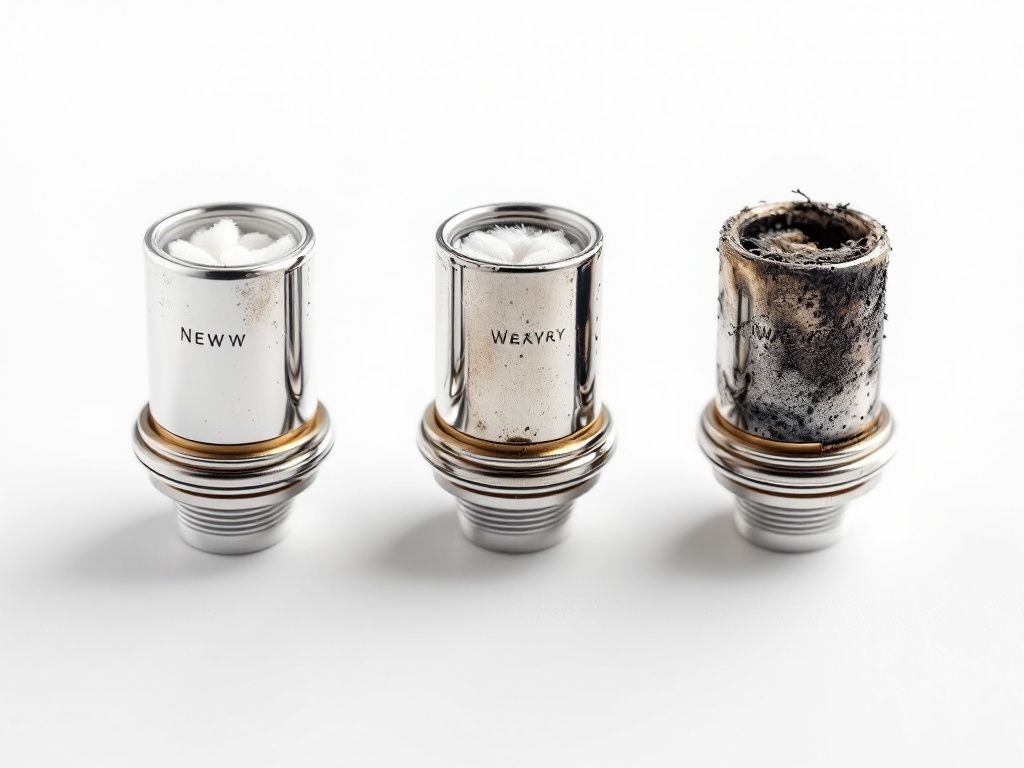
Recognising when your coil is failing can save you from unpleasant vaping sessions and protect your device from potential damage. Your coil will give you several clear signals when it’s approaching the end of its useful life, and learning to spot these early can prevent that dreaded burnt taste from ruining your day.
Key warning signs to watch for:
- Change in flavour quality
- Reduced vapour production
- Strange sounds (gurgling, spitting, bubbling)
- Dark, gunky residue visible on coil or tank
- Harsh, acrid taste notes
Are you hearing strange sounds from your device?
Gurgling, spitting, or unusual bubbling noises often indicate wick problems that affect liquid absorption. These sounds typically mean excess liquid is pooling where it shouldn’t, leading to inconsistent heating and potential leaks.
Visual inspection can reveal issues too. Dark, gunky residue visible on the coil or around the tank suggests buildup that won’t clear with normal use. This contamination affects both flavour and heating efficiency, making replacement the only practical solution.
Burnt or Unpleasant Taste
Nothing kills a good vaping session faster than that unmistakable burnt cotton flavour. This harsh, acrid taste happens when your coil’s wick starts burning instead of just heating the cannabis oil. The problem usually begins when the cotton becomes too dry or overloaded with residue, creating hot spots that char the material. Once this burning process starts, it only gets worse with continued use. Even premium extracts from BudBuddies will taste awful when filtered through burnt cotton, masking all those carefully preserved terpenes and natural flavours. The burnt taste can also occur when there’s insufficient liquid reaching the wick, causing it to overheat and degrade rapidly.
Reduced Vapour Production
A noticeable drop in vapour density signals coil degradation even when your battery shows full charge and settings remain optimal. Healthy coils should produce satisfying, consistent clouds with each draw, but worn coils struggle to heat liquid efficiently. This reduced heating capacity results in thinner, weaker vapour that lacks the satisfying throat hit you expect. The problem stems from residue coating the heating element, reducing its ability to transfer energy effectively to the liquid. You might find yourself taking longer draws or increasing power settings to compensate, but this only accelerates the deterioration process.
Muted or Changed Flavour
When your cannabis extract starts tasting flat, dull, or somehow “off,” your coil is likely the culprit. Residue buildup acts like a flavour filter, blocking the subtle notes that make each strain special. Instead of experiencing the full terpene profile of your chosen BudBuddies product, you get a muted, generic taste that doesn’t reflect the extract’s quality. This flavour dampening happens gradually, so you might not notice it immediately. The buildup essentially creates a barrier between the heating element and the liquid, preventing proper vaporisation of the compounds responsible for distinctive flavours.
Gurgling Sounds or Leaking
Strange noises during vaping sessions indicate internal problems with liquid flow and heating. Gurgling sounds suggest the wick isn’t absorbing liquid properly, allowing excess oil to pool in the coil chamber. This flooding can cause spitting, where hot liquid droplets shoot up through the mouthpiece. In severe cases, oversaturated or damaged wicks allow liquid to leak through airflow holes, creating mess and reducing device performance. These symptoms often appear together and indicate that the coil’s internal structure has degraded beyond normal operation.
Factors Influencing THC Vape Coil Lifespan
Multiple elements work together to determine exactly how long your coil will perform at its best. Understanding these factors helps you make informed decisions about device settings, liquid choices, and usage patterns that can significantly extend coil life.
E-liquid/THC Liquid Composition
The formulation of your vaping liquid has a massive impact on thc vape coil lifespan. Many commercial e-liquids contain sweeteners and flavour additives that caramelise under heat, creating sticky residue that coats the coil and impairs its function. This “coil gunk” builds up over time, insulating the heating element and blocking wick pores. BudBuddies’ 100% cannabis-derived products avoid these problematic additives, helping reduce premature coil fouling and extending operational life.
The VG/PG ratio in your liquid also affects coil longevity. Higher Vegetable Glycerin content produces thicker vapour but increases liquid viscosity, making it harder for wicks to absorb and leading to potential dry spots. Propylene Glycol flows more easily and wicks faster, but can feel harsher on the throat. Finding the right balance for your coil type optimises both performance and lifespan.
THC concentrates often have higher viscosity than standard e-liquids, putting additional strain on coil wicking systems. Thicker oils require more power to vaporise effectively and can leave more residue behind. This increased thickness means coils work harder to heat the liquid evenly, accelerating wear on internal components. The natural compounds in cannabis extracts, while beneficial for effects and flavour, can also contribute to residue formation over time.
Wattage/Power Settings
Every coil comes with a recommended wattage range printed on its side or included in device documentation. Staying within these parameters keeps your coil operating in its sweet spot – hot enough for efficient vaporisation but cool enough to prevent damage. Exceeding the maximum wattage causes excessive heat that burns the wick material and accelerates residue formation. The intense temperatures break down cotton fibres and create carbonised deposits that can’t be removed.
Running below the minimum wattage might seem safer, but it can actually cause problems too. Insufficient power leads to incomplete vaporisation, leaving residue that builds up over time. The liquid doesn’t heat evenly, creating cool spots where oil can accumulate and eventually burn when the coil finally reaches proper temperature.
Temperature control modes, when available, help maintain consistent heating and can extend coil life. These systems monitor coil temperature and adjust power automatically to prevent overheating. While not all devices offer this feature, those that do provide excellent protection against premature coil failure. Low temp dabbing pen settings work particularly well for preserving delicate terpene profiles while extending coil life.
Vaping Frequency and Style
Your personal approach to vaping significantly influences how long each coil will last. Chain vaping – taking multiple puffs in rapid succession – prevents the wick from re-saturating between draws. This leads to dry hits that damage cotton fibres and create burnt spots. Allowing 10 to 20 seconds between puffs gives the wick time to absorb fresh liquid and prevents overheating.
Puff length and intensity also matter. Long, deep draws force the coil to work harder, potentially creating hot spots and accelerating wear. Moderate, measured puffs distribute heat more evenly and reduce stress on coil components. The goal is finding a rhythm that satisfies your needs while being kind to your hardware.
Temperature cycling from repeated heating and cooling affects metal components too. Constant expansion and contraction can cause micro-fractures in coil wire or loosen connections over time. This is why devices that see heavy use tend to need more frequent coil changes than those used occasionally.
Coil Priming and Quality
Proper priming sets the foundation for long coil life and represents one of the most critical steps in coil maintenance. New coils come with dry cotton wicks that must be thoroughly saturated before first use. Applying several drops of liquid directly onto visible wick material starts this process, but it’s not enough on its own. Installing the coil in your filled tank and waiting 5 to 10 minutes allows liquid to penetrate completely through the cotton matrix.
Taking a few “primer puffs” – drawing on the device without pressing the fire button – helps pull liquid into the coil through vacuum action. This technique often reveals whether the wick is properly saturated by the ease of draw. A properly primed coil should show no resistance to airflow and produce no dry or harsh sensations.
Coil quality varies significantly between manufacturers and price points. Higher-end coils often feature better cotton, more precise manufacturing tolerances, and superior wire materials. Mesh coils, for example, offer larger heating surfaces and more even temperature distribution compared to traditional wrapped wire designs. Investing in quality coils from reputable brands typically pays off through longer lifespan and better performance consistency.
Extending the Life of Your THC Vape Coil
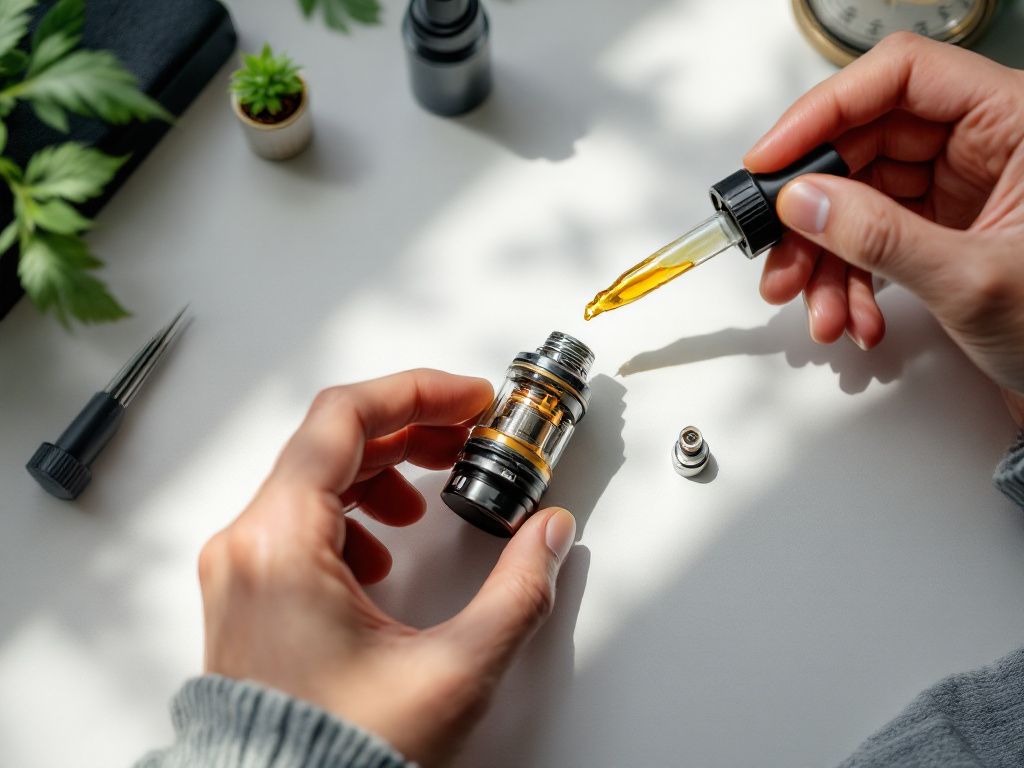
Getting maximum performance from each coil requires attention to several key factors, from initial setup through daily use. Smart vaping habits and proper device maintenance can significantly extend your thc vape coil lifespan while maintaining flavour quality throughout its working life.
Master Proper Priming Techniques
Proper priming steps:
- Apply 3 to 5 drops of THC liquid directly onto visible wick areas
- Install the coil in your filled tank
- Wait 5 to 10 minutes for complete saturation
- Take gentle primer puffs without pressing the fire button
- Start at low wattage for first few puffs
Priming success starts before you even install your new coil. Begin by examining the cotton wick through any visible openings and apply 3 to 5 drops of your chosen THC liquid directly onto these areas. The cotton should appear wet but not oversaturated – you want absorption, not flooding. After installation, fill your tank and resist the temptation to vape immediately. Patience during this initial saturation period prevents the dry burning that can ruin a coil on its first use.
The waiting period allows liquid to work its way through the entire cotton matrix, reaching areas that direct application might miss. During this time, you can gently rotate the device to help liquid distribution, especially with bottom-coil designs where gravity assists the process. Taking light primer puffs without firing helps draw liquid into the coil chamber, creating the proper liquid-to-air ratio for optimal performance. This technique also helps identify any airflow restrictions that might indicate improper installation or defective components.
Temperature plays a role in priming effectiveness too. Room temperature liquids flow more easily than cold ones, while overly warm liquids might be too thin for proper wick saturation. If you’ve stored your device in a cool environment, allowing it to reach room temperature before priming can improve results. Some experienced vapers prefer priming a new coil with a slightly thinner liquid initially, then switching to their preferred consistency once the coil is properly broken in.
“Proper priming isn’t optional – it’s the foundation of coil longevity. We see countless devices damaged by users who skip this critical step.” – James Mitchell, Vape Technology Specialist
Optimise Your Power Settings
Finding the perfect wattage for your setup requires a methodical approach that balances flavour, vapour production, and coil longevity. Start at the lower end of your coil’s recommended range and gradually increase power until you achieve satisfying results. This gradual approach prevents the thermal shock that can damage new coils and helps you identify the minimum power needed for your preferences.
Pay attention to how quickly your coil heats up and how the vapour feels. Properly tuned settings should produce smooth, flavourful vapour without harshness or burning sensations. If you need to exceed the recommended wattage range to achieve satisfactory results, consider whether your liquid is too thick or your coil might be partially clogged.
Temperature control, when available, provides an excellent alternative to straight wattage mode. These systems maintain consistent heating regardless of battery voltage or coil resistance changes, preventing the hot spots that can develop with worn coils. Setting your temperature ceiling around 200-220°C (392-428°F) typically provides good results with most cannabis extracts while protecting coil materials from excessive heat. Ideal voltage 510 battery settings typically range between 3.3V and 4.8V for most coils.
Choose Your THC Liquids Wisely
While BudBuddies products are formulated to be coil-friendly, different consistencies and formulations can still impact coil life differently. Thicker concentrates require more power to vaporise effectively and may leave more residue behind. If you notice rapid coil degradation with a particular product, try reducing your power settings slightly or extending the time between puffs to allow better heat distribution.
Rotating between different products can actually help extend coil life by preventing the buildup of specific residue types. Each formulation has its own characteristics, and varying your routine prevents any single type of residue from dominating your coil. This technique works particularly well if you enjoy sampling different strains or product types.
Storage conditions affect liquid consistency and coil compatibility. Products stored in cool conditions become thicker and may strain coil wicking systems, while overly warm storage can thin liquids beyond optimal viscosity. Maintaining your products at stable room temperature helps ensure consistent coil performance and prevents unexpected changes in heating requirements.
Adopt Mindful Vaping Habits
Developing a rhythm that respects your coil’s limitations significantly extends its working life. The 10-20 second rule between puffs isn’t arbitrary – it represents the time needed for most wick materials to fully re-saturate. Rushing this process leads to dry spots that create burnt flavours and permanent damage to cotton fibres.
Puff length settings matter as much as frequency. Short to medium draws (3-5 seconds) typically provide satisfying results while being gentler on coil components. Longer draws force higher instantaneous power demands that can overwhelm wick saturation rates. If you prefer longer sessions, consider taking multiple shorter puffs rather than extended single draws.
Battery management also affects coil performance. As batteries discharge, some devices compensate by increasing power output to maintain performance, potentially exceeding safe coil limits. Keeping batteries properly charged ensures consistent power delivery within safe parameters. Variable voltage devices allow you to manually adjust output as battery levels drop, maintaining optimal coil conditions throughout the charge cycle.
Regular Maintenance and Storage
While most pre-built coils aren’t designed for extensive cleaning, maintaining the rest of your device helps protect new coils from premature contamination. Regular tank cleaning removes old residue that could affect fresh coils, while proper storage prevents leaks and component degradation. Coil clog prevention starts with keeping your entire device clean and well-maintained.
When cleaning tanks, pay special attention to threads and connection points where residue tends to accumulate. These areas can create electrical resistance that affects coil performance or cause connection issues that lead to misfiring. A clean device foundation helps each new coil perform at its best from installation through end of life.
Storage position affects liquid distribution and prevents leaks that can damage internal components. Upright storage keeps liquid away from airflow paths and prevents flooding that can ruin coils. Temperature stability during storage prevents expansion and contraction cycles that can stress seals and connections. Cool, dry storage locations protect both device components and liquid quality.
Understanding Different Coil Types: Ceramic vs. Quartz
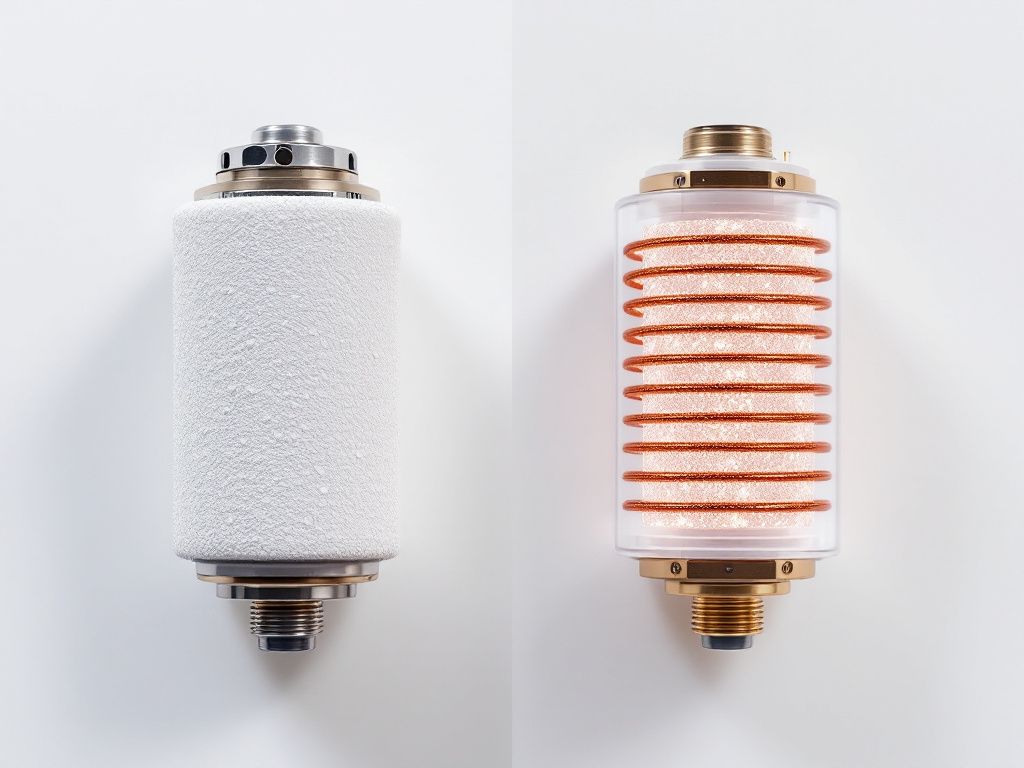
The material composition of your coil affects everything from heat-up time to flavour quality and overall thc vape coil lifespan. Two popular options in cannabis vaping are ceramic and quartz, each offering distinct advantages depending on your priorities and vaping style.
“Material science plays a crucial role in vaping performance. Quartz offers superior flavour preservation, while ceramic provides excellent heat retention. The choice depends entirely on user preference and vaping style.” – Prof. Sarah Chen, Materials Engineering, University of California
Ceramic Coils
Ceramic coils bring a porous, heat-retaining structure that excels at providing consistent, smooth vapour production. These coils take a bit longer to reach optimal temperature, but once heated, they maintain stable temperatures effectively, potentially improving battery efficiency during longer sessions. The porous ceramic material provides excellent liquid absorption and even heat distribution across the entire surface area.
Many users report ceramic coils lasting 2 to 4 weeks under moderate use, thanks to their resistance to thermal degradation and ability to handle residue without immediate performance loss. The material’s high temperature tolerance means it can withstand occasional overheating without immediate failure, providing some forgiveness for users still learning optimal settings.
However, ceramic coils aren’t without drawbacks. Some research suggests they can produce uneven heating patterns as they age, potentially leading to hot spots that affect flavour quality. There’s also concern about silicate particle emission at high temperatures, though this typically requires excessive power levels. The slow heat-up time can frustrate users who prefer immediate vapour production, and temperature control can be more challenging due to the material’s thermal mass.
When properly maintained and used within recommended parameters, ceramic coils can provide a mellow, consistent vaping experience that many find ideal for savouring the subtle flavours in premium extracts like those from BudBuddies.
Quartz Coils
Quartz coils are designed for users who prioritise rapid heat-up and clean, immediate flavour delivery. These coils reach operating temperature almost instantly, making them perfect for quick sessions or users who don’t want to wait between puffs. The material’s excellent thermal conductivity ensures even heating across the entire coil surface, preserving delicate terpene profiles that define strain characteristics.
Research indicates quartz coils emit significantly fewer particles than ceramic alternatives, potentially making them a safer choice for health-conscious users. The rapid heating and cooling cycles also make quartz coils excellent for switching between different products, as they don’t retain residual flavours as readily as other materials.
The clean, pure flavour delivery from quartz coils makes them particularly suitable for premium cannabis extracts where subtle flavour notes matter. BudBuddies’ carefully crafted products benefit from this clean heating, allowing users to experience the full complexity of natural cannabis compounds without interference from coil materials.
While quartz coils may require slightly more power to maintain temperature during extended sessions due to their lower heat retention, this characteristic actually helps prevent overheating and extends coil life. The rapid cooling also reduces thermal stress on internal components, contributing to consistent performance throughout the coil’s lifespan.
Conclusion
Understanding your thc vape coil lifespan and the factors that influence it transforms your vaping experience from guesswork to informed enjoyment. Recognition of key warning signs – from burnt tastes to reduced vapour production – empowers you to replace coils before they compromise your sessions with BudBuddies’ premium extracts.
The knowledge you’ve gained about proper priming, optimal power settings, and mindful vaping habits provides the foundation for significantly extending coil life while maintaining exceptional flavour quality. Whether you choose ceramic coils for their consistency or quartz for their rapid response, understanding these materials helps match your hardware to your preferences.
Remember that coil maintenance isn’t just about saving money on replacements – it’s about preserving the integrity of your cannabis experience. Every properly maintained coil delivers purer flavours, more consistent effects, and greater satisfaction from each session.
The investment in proper coil care pays dividends through better performance, reduced waste, and the confidence that comes from understanding your equipment. Your commitment to these practices ensures that every puff delivers the quality experience that BudBuddies aims to provide.
Key Takeaways
- Typical coil lifespan: 5 days to 2 weeks
- Usage patterns significantly impact longevity
- Warning signs include burnt tastes and reduced vapour
- Proper maintenance techniques extend coil life
- Material choice affects performance characteristics
The typical thc vape coil lifespan spans 5 days to 2 weeks, with heavy users seeing shorter periods and occasional users potentially extending this to 3-4 weeks. Usage patterns significantly impact longevity, making personal vaping habits the primary determining factor in replacement frequency.
Warning signs including burnt tastes, reduced vapour density, muted flavours, and unusual sounds provide clear indicators when replacement time approaches. Responding promptly to these signals prevents poor vaping experiences and protects device components from potential damage.
Factors such as liquid composition, power settings, and individual vaping styles all influence coil performance and durability. Understanding these elements allows users to make informed choices about products, settings, and habits that extend coil life.
Proper priming techniques, optimal wattage selection, and mindful usage patterns can significantly extend operational life while maintaining flavour quality. Regular maintenance and appropriate storage further protect both coils and devices from premature failure.
Ceramic and quartz coils offer different advantages, with ceramic providing consistency and longevity while quartz delivers rapid heating and clean flavour profiles. Choosing the right material depends on individual priorities and usage patterns.
FAQs
Q1: How Often Should I Change My THC Vape Coil?
Most users benefit from changing their THC vape coil every 1-2 weeks under normal usage conditions. Heavy users who vape frequently throughout the day might need replacements every 3-7 days, while occasional users could see their coils lasting 2-4 weeks or longer. The key is monitoring performance rather than following rigid schedules – replace your coil immediately when you notice burnt tastes, reduced vapour, or other performance issues regardless of timing.
Q2: Why Does My New THC Vape Coil Taste Burnt Immediately?
A burnt taste from a fresh coil almost always indicates improper priming during installation. The cotton wick needs complete saturation with liquid before first use, or it will burn when heated. Ensure you apply several drops directly onto visible wick areas, install the coil in your filled tank, and wait 5-10 minutes for full absorption. Taking primer puffs without firing can help verify proper saturation before your first powered draw.
Q3: Can Cleaning Extend the Lifespan of My THC Vape Coil?
Pre-built disposable coils generally can’t be effectively cleaned once the cotton wick becomes contaminated or burnt – replacement is the only practical solution. However, users with rebuildable coils can sometimes extend life through gentle rinsing with warm water and thorough drying, though this only works if the wick hasn’t already suffered heat damage. Prevention through proper usage habits proves more effective than attempting restoration.
Q4: What Wattage Should I Use for My THC Vape Coil?
Always operate within the wattage range printed on your specific coil or specified in your device manual – these ranges ensure optimal performance while preventing damage. Starting at the lower end of the recommended range and gradually increasing allows you to find the perfect balance of flavour and vapour production. Exceeding maximum ratings will burn your coil quickly, while insufficient power can cause incomplete vaporisation and residue buildup.

