


THC vs CBD: Why THC Edibles Have More Positive Effects
Introduction to THC and CBD Edibles
Cannabis edibles have transformed how people experience cannabinoids, offering a discreet and convenient alternative to traditional consumption methods. When you explore the world of edible cannabis products, you encounter two primary compounds that shape your experience: THC (Tetrahydrocannabinol) and CBD (Cannabidiol). Understanding THC vs CBD is crucial as these cannabinoids interact with your body’s endocannabinoid system in remarkably different ways, creating distinct experiences that cater to various preferences and needs.
THC edibles are renowned for producing pronounced psychoactive effects, often described as a “high” that can be both intense and long-lasting. CBD edibles, on the other hand, offer potential wellness benefits without the mind-altering sensations. The difference between these two types of edibles goes far beyond their immediate effects – it lies in the complex biochemical processes that occur when your body metabolises these compounds.
What makes THC edibles particularly fascinating is how your liver transforms the ingested THC into a more potent compound, creating effects that many users find more powerful than other consumption methods. This metabolic transformation explains why THC vs CBD why THC edibles have more positive effects – the first-pass metabolism creates a unique biochemical pathway that delivers enhanced potency and duration compared to CBD alternatives.
Understanding these fundamental differences empowers you to make informed decisions about which type of edible aligns with your goals, whether you’re seeking therapeutic benefits, recreational enjoyment, or simply curious about cannabis consumption methods.
Key Takeaways
- THC produces psychoactive effects that create a noticeable “high,” while CBD remains non-intoxicating
- Your liver converts THC into 11-Hydroxy-THC, a more potent metabolite
- Effects typically onset between 30 minutes to 2 hours but can last 6 to 8 hours or longer
- Individual factors like metabolism, dosage, and tolerance influence your experience
Several factors influence your edible experience, including your metabolism rate, dosage amount, and individual tolerance levels. The delayed onset of edible effects means you’ll typically wait 30 minutes to 2 hours before feeling the full impact, but these effects can persist for 6 to 8 hours or longer. Understanding these differences helps you choose the right edible type for your desired outcomes and ensures a safer, more predictable experience.
Understanding the Science Behind THC Edibles and Their Effects
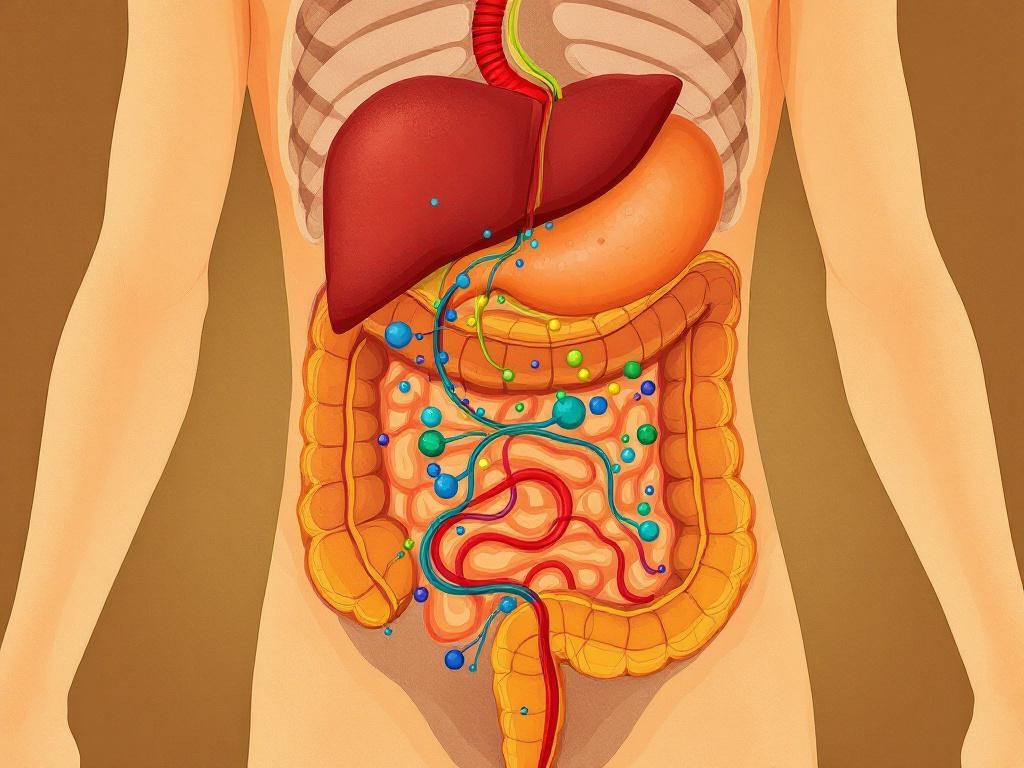
The journey of THC through your body when consumed as an edible differs dramatically from inhaled cannabis. When you eat a THC-infused treat, the compound must navigate through your digestive system before reaching your bloodstream. This process involves your stomach breaking down the edible, followed by absorption in your small intestine, and finally processing through your liver via what scientists call first-pass metabolism.
Your liver plays the starring role in this biochemical transformation. It converts delta-9-THC – the primary psychoactive compound in cannabis – into 11-Hydroxy-THC, a metabolite that possesses significantly different properties than its predecessor. This liver-mediated conversion is precisely why THC edibles can produce such profound and enduring effects compared to other consumption methods.
The first-pass effect means that a portion of the THC gets metabolised before entering systemic circulation, but what emerges from this process is far more potent. Research indicates that 11-Hydroxy-THC crosses the blood-brain barrier more efficiently than delta-9-THC, resulting in enhanced psychoactive effects that many users describe as more intense and body-focused than the cerebral high from smoking or vaping.
This metabolic pathway also explains the considerable individual variation in edible experiences. Factors such as liver function, enzyme activity, body composition, and even what you’ve eaten recently can influence how efficiently your body converts THC and how strongly you feel the effects.
| Method | Onset Time | Duration | Metabolite | Intensity |
|---|---|---|---|---|
| Edibles | 30min-2hrs | 6-8hrs | 11-Hydroxy-THC | High |
| Smoking/Vaping | 2-5mins | 2-4hrs | Delta-9-THC | Moderate |
The Role of 11-Hydroxy-THC
11-Hydroxy-THC represents the key to understanding why edible cannabis can feel so much more powerful than other consumption methods. When your liver processes delta-9-THC from edibles, it creates this metabolite that possesses unique pharmacological properties. Unlike its parent compound, 11-Hydroxy-THC demonstrates enhanced ability to penetrate the blood-brain barrier, the protective membrane that regulates which substances can enter your brain tissue.
“11-Hydroxy-THC is significantly more potent than delta-9-THC and has a much higher binding affinity for cannabinoid receptors in the brain, which explains why edibles can produce such intense and long-lasting effects.” – Dr. Ethan Russo, neurologist and cannabis researcher
This improved brain penetration translates directly into more pronounced psychoactive effects. Users often report that the high from edibles feels different – more sedating, more body-focused, and often more intense than the effects from inhaled cannabis. The molecular structure of 11-Hydroxy-THC allows it to bind more effectively with cannabinoid receptors in your brain, particularly the CB1 receptors responsible for psychoactive effects.
Scientific studies have shown that 11-Hydroxy-THC can be up to five times more potent than delta-9-THC in terms of its psychoactive properties. This potency difference explains why even experienced cannabis users sometimes find themselves overwhelmed by edibles if they haven’t adjusted their dosing expectations accordingly.
Delayed Onset and Extended Duration
The timeline of THC edible effects differs markedly from inhaled cannabis, creating a unique consumption experience that requires patience and understanding. When you smoke or vape cannabis, THC enters your bloodstream directly through your lungs, producing effects within minutes. Edibles, however, must complete their journey through your digestive system before you feel any impact.
“The first-pass effect through the liver creates a completely different pharmacological profile for THC when consumed orally versus inhaled, resulting in what many users describe as a more ‘body-focused’ and sedating experience.” – Dr. Ryan Vandrey, Johns Hopkins School of Medicine
Most users begin experiencing effects between 30 minutes to 2 hours after consumption, though some individuals may wait even longer depending on various factors. Your metabolism speed, stomach contents, and individual physiology all influence this onset time. The peak effects typically occur 2 to 4 hours after consumption, when the concentration of 11-Hydroxy-THC in your bloodstream reaches its highest levels.
What edibles lack in speed, they compensate for in duration. While inhaled cannabis effects might last 2 to 4 hours, edible effects commonly persist for 6 to 8 hours, with some users reporting lingering sensations for up to 12 hours or more. This extended duration makes edibles particularly appealing for those seeking long-term relief or extended recreational experiences.
The delayed onset creates a common pitfall known as “redosing too early.” Many users, not feeling immediate effects, consume additional edibles before the first dose has fully activated, leading to unexpectedly intense experiences once all the THC begins taking effect.
The Non-intoxicating Nature of CBD Edibles

CBD edibles occupy a distinctly different space in the cannabis product spectrum, offering potential therapeutic benefits without the psychoactive effects associated with THC. When you consume CBD edibles, you’re introducing a cannabinoid that interacts with your endocannabinoid system through multiple pathways, but without producing the euphoric sensations that characterise THC consumption.
The appeal of CBD edibles often lies in their ability to potentially support wellness goals while maintaining mental clarity. Users frequently choose CBD when they want to remain functional throughout their day while potentially experiencing benefits such as reduced anxiety, improved sleep quality, or relief from minor discomfort. This makes CBD edibles particularly attractive for daytime use or for individuals who need to maintain focus and productivity.
CBD’s interaction with your body involves a complex network of receptors beyond just the endocannabinoid system. It influences serotonin receptors, vanilloid receptors, and other pathways that may contribute to its potential therapeutic effects. However, unlike THC, CBD doesn’t undergo conversion into a more psychoactive metabolite when processed by your liver.
How CBD Works in the Body
When you consume a CBD edible, the compound follows a similar digestive pathway as THC but produces fundamentally different outcomes. Your liver processes CBD through first-pass metabolism, breaking it down into various metabolites, but none of these byproducts create psychoactive effects. Instead, CBD and its metabolites interact with multiple receptor systems throughout your body in ways that researchers are still working to fully understand.
CBD demonstrates low binding affinity for CB1 and CB2 receptors, the primary targets of THC. Instead, it acts as what scientists call a negative allosteric modulator of CB1 receptors, potentially reducing their activity rather than activating them. This mechanism may explain why some users report that CBD can moderate the effects of THC when both compounds are present.
CBD’s receptor interactions include:
- Low binding affinity for CB1 and CB2 receptors
- Acts as a negative allosteric modulator of CB1 receptors
- Influences serotonin receptors and vanilloid receptors
- Interacts with multiple receptor systems beyond the endocannabinoid system
The bioavailability of CBD from edibles tends to be lower than other consumption methods due to extensive first-pass metabolism. Your liver breaks down a significant portion of ingested CBD before it reaches systemic circulation, which is why CBD edible doses are typically higher than what you might find in oils or vapes designed for sublingual or inhaled use.
Research suggests that consuming CBD edibles with fatty foods may improve absorption, as CBD is lipophilic (fat-soluble) and benefits from the presence of dietary fats during digestion. This food effect can influence both the onset and intensity of potential CBD benefits.
Why CBD Edibles Don’t Produce a ‘High’
The absence of psychoactive effects from CBD edibles stems from the compound’s unique interaction profile with brain receptors. While THC directly activates CB1 receptors in your brain’s reward and pleasure centres, CBD takes a more indirect approach that doesn’t trigger the cascade of neurochemical changes responsible for euphoric feelings.
CBD’s low affinity for CB1 receptors means it doesn’t bind strongly enough to activate the same pathways that produce THC’s characteristic high. In fact, research suggests that CBD might actually counteract some of THC’s psychoactive effects when both compounds are present together, a phenomenon known as the entourage effect.
UK regulations ensure that CBD edibles contain minimal THC content – less than 0.2% in the plant material or no more than 1mg of THC per finished product. These strict limits virtually eliminate any possibility of psychoactive effects from CBD edibles. Even if trace amounts of THC are present, they’re insufficient to produce noticeable intoxication when combined with higher concentrations of CBD.
This regulatory framework provides confidence that when you choose CBD edibles from reputable sources like BudBuddies, you’re selecting products that have been formulated and tested to deliver potential wellness benefits without altering your mental state or ability to function normally throughout your day.
Potential Benefits and Considerations: THC vs CBD Edibles
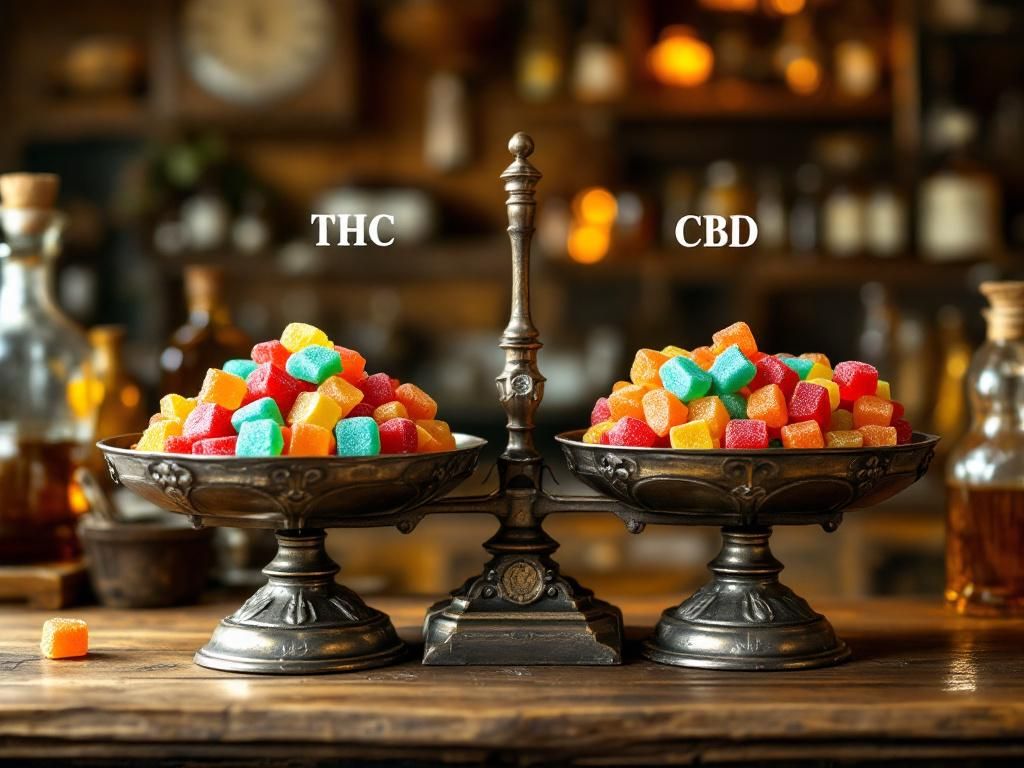
The choice between THC and CBD edibles often comes down to your specific goals and comfort level with psychoactive effects. THC edibles attract users seeking more pronounced sensory experiences, whether for recreational enjoyment or therapeutic applications where the psychoactive component itself may play a beneficial role. The bigger effects of THC edibles aren’t just about intensity – they represent a fundamentally different approach to cannabis consumption that some users find more effective for their needs.
THC’s psychoactive properties can alter perception, mood, and sensory experiences in ways that many find therapeutic. Some users report that the mental shift provided by THC helps them disconnect from chronic pain, anxiety, or stress more effectively than non-intoxicating alternatives. The euphoric effects can also enhance creative activities, social experiences, or simply provide a welcome break from everyday concerns.
CBD edibles appeal to a different set of priorities, offering potential benefits without requiring users to navigate altered mental states. This makes them suitable for people who need to maintain professional responsibilities, operate vehicles, or simply prefer to keep their minds clear while potentially addressing wellness concerns.
Both types of edibles share certain advantages over other consumption methods: discretion, precise dosing, longer-lasting effects, and no need for inhalation. The choice between them often reflects personal preferences about the role of psychoactive effects in achieving desired outcomes.
Why Some Seek the ‘Bigger Effects’ of THC Edibles
The enhanced potency of THC edibles, driven by the conversion to 11-Hydroxy-THC, attracts users for several compelling reasons. Many report that the full-body, longer-lasting effects provide more comprehensive relief from various conditions compared to shorter-acting consumption methods. The sustained nature of edible effects means you can potentially address ongoing discomfort or stress without needing frequent redosing throughout the day.
The unique quality of the edible high often feels more grounding and physically relaxing than inhaled cannabis. Users frequently describe it as more suitable for evening use, meditation, creative pursuits, or situations where they want to fully disconnect from daily stressors. This body-focused experience can be particularly appealing for those dealing with physical discomfort or tension.
For recreational users, the intensity and duration of THC edible effects offer value and convenience that other methods may not match. A single edible can provide hours of effects, making it cost-effective and practical for extended experiences. The delayed onset also allows for more intentional consumption, as users must plan ahead and commit to the experience rather than making impulsive decisions to increase their intake.
Some therapeutic cannabis users find that the psychoactive component itself contributes to their wellness outcomes. The mood elevation, altered perspective, and temporary escape from normal thought patterns can provide psychological benefits beyond the direct physiological effects of THC on pain, appetite, or sleep.
Potential Applications of CBD Edibles
CBD edibles serve users who prioritise functionality while potentially addressing various wellness concerns. The non-intoxicating nature makes them suitable for daytime use, professional environments, or any situation where maintaining clear thinking is essential. Many users incorporate CBD edibles into their wellness routines alongside other health practices like exercise, meditation, or stress management techniques.
The longer duration of CBD edible effects compared to other CBD products can be particularly valuable for addressing ongoing concerns. Rather than needing multiple doses throughout the day, a single CBD edible might provide sustained support for managing daily stress, promoting better sleep patterns, or supporting recovery from physical activity.
CBD edibles also offer precise, consistent dosing that many users find helpful for establishing routines and tracking their responses over time. The discrete nature means you can maintain your CBD regimen in any setting without drawing attention or requiring special equipment.
Navigating the World of Edibles
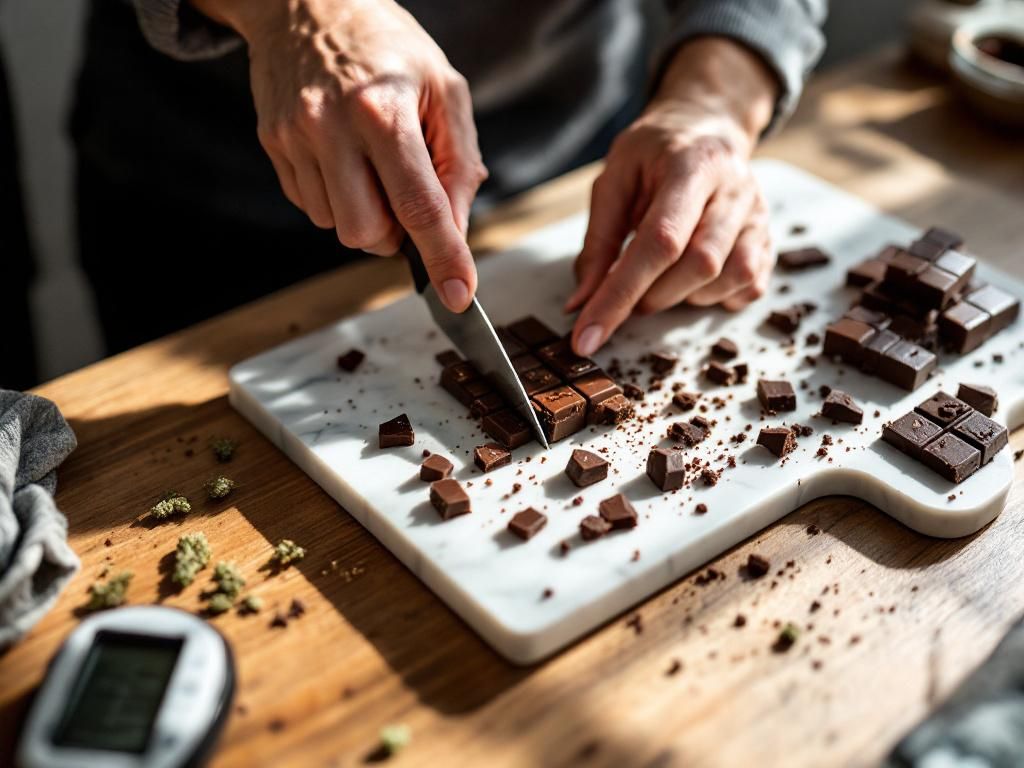
Successfully incorporating edibles into your cannabis experience requires understanding both the products themselves and your individual response patterns. The delayed onset and extended duration of edibles create a consumption model that differs significantly from other cannabis products, requiring patience, planning, and conservative dosing strategies, especially when starting out.
Quality becomes paramount when choosing edibles, as inconsistent potency or contamination can dramatically affect your experience. Reputable producers invest in precise dosing, quality ingredients, and comprehensive testing to ensure each product delivers predictable effects. When selecting edibles, look for clear labelling, third-party laboratory testing results, and transparent information about cannabinoid content.
Your individual response to edibles can vary based on numerous factors including body weight, metabolism, recent food intake, tolerance levels, and even genetic variations in how your liver processes cannabinoids. Starting with conservative doses allows you to understand your personal response pattern without risking uncomfortable experiences.
Consider your schedule and environment when planning edible consumption. The long duration means you’ll want to ensure you have adequate time for the full experience and are in a comfortable, safe setting where you can relax and enjoy the effects without external pressures or responsibilities.
Starting Low and Going Slow
The golden rule of edible consumption – start low and go slow – becomes even more critical when dealing with THC edibles due to their enhanced potency profile. Begin with doses as low as 2.5mg of THC, especially if you’re new to edibles or have limited cannabis experience. Even experienced users often find that their usual smoking or vaping doses don’t translate directly to edible consumption due to the different metabolism pathway.
Wait at least 2 hours, preferably longer, before considering additional doses. Many uncomfortable edible experiences result from impatience during the onset period. The delayed effects mean that what feels like “not working” at the one-hour mark might become overwhelmingly intense by the three-hour mark if you’ve taken additional doses.
Follow these essential guidelines:
- Begin with doses as low as 2.5mg of THC for beginners
- Wait at least 2 hours before considering additional doses
- Keep a consumption journal tracking dose, timing, and effects
- Start on days with no important commitments
Keep a consumption journal to track your responses, noting dose amounts, timing, food intake, and resulting effects. This information helps you identify your optimal dosing range and timing for different situations or desired outcomes. What works for relaxing at home might differ from what’s appropriate for social settings or creative activities.
Consider starting your edible journey on days when you have no important commitments and can fully experience the effects without concern about timing or responsibilities. This allows you to understand how your body processes edibles without external pressure.
| Experience Level | Starting THC Dose | Wait Time | Duration Planning |
|---|---|---|---|
| Beginner | 2.5mg | 2-3 hours | 8+ hours free time |
| Occasional User | 5mg | 2 hours | 6-8 hours free time |
| Regular User | 10mg+ | 1-2 hours | Plan accordingly |
Importance of Product Quality and Sourcing
The unregulated nature of many cannabis markets means that product quality can vary dramatically between sources. Inconsistent dosing, contamination with pesticides or heavy metals, and inaccurate labelling can all compromise your edible experience and potentially create health risks. Choosing products from established, reputable sources like BudBuddies ensures access to properly tested, accurately dosed edibles that deliver consistent results.
Premium edible producers invest in state-of-the-art extraction and infusion techniques that ensure even distribution of cannabinoids throughout their products. This means each piece of an edible contains the same amount of active compounds, eliminating the hot spots that can occur with lower-quality products and lead to unpredictable effects.
Third-party laboratory testing provides independent verification of cannabinoid content, pesticide levels, heavy metal contamination, and microbiological safety. Look for products that provide easy access to current lab results, either through QR codes on packaging or online databases. This transparency indicates a producer’s commitment to quality and safety.
At BudBuddies, we prioritise premium quality and transparency in all our edible offerings. Our products undergo rigorous testing to ensure accurate potency and purity, giving you confidence in your edible experience. We understand that consistent, reliable products are essential for both therapeutic users who depend on predictable effects and recreational users who want to enjoy cannabis without uncertainty about product quality.
Conclusion
THC and CBD edibles offer distinctly different experiences rooted in how these cannabinoids interact with your body’s metabolism. The liver’s conversion of THC into 11-Hydroxy-THC creates the enhanced potency and duration that makes THC treats deliver notably bigger effects than their CBD counterparts. Understanding these biochemical differences empowers you to choose edibles that align with your goals, whether seeking therapeutic benefits, recreational enjoyment, or simply exploring cannabis in a controlled, predictable manner.
FAQs
How Long Do the Effects of THC Edibles Last?
THC edibles typically produce effects lasting 6 to 8 hours, significantly longer than inhaled cannabis. Some users experience residual effects for up to 12 hours or more, depending on dose, individual metabolism, and tolerance levels. The peak effects usually occur 2 to 4 hours after consumption, with gradual tapering over the remaining duration. This extended timeline makes edibles ideal for users seeking sustained effects but requires planning and patience during both onset and resolution phases.
Can You Get “High” From CBD Edibles?
CBD edibles in the UK cannot produce a psychoactive “high” due to strict regulations limiting THC content to less than 0.2% in plant material or maximum 1mg per finished product. CBD itself doesn’t bind strongly to brain receptors responsible for euphoric effects, ensuring that properly formulated CBD edibles provide potential wellness benefits without altering your mental state. Quality products from reputable sources like BudBuddies undergo testing to verify these low THC levels and ensure non-intoxicating experiences.
Why Do Edibles Take Longer to Kick in Than Smoking or Vaping?
Edibles must travel through your entire digestive system before taking effect, unlike inhaled cannabis that enters your bloodstream directly through your lungs. After you swallow an edible, it passes through your stomach, gets absorbed in your small intestine, and then processes through your liver before active compounds reach your brain. This complete metabolic journey typically takes 30 minutes to 2 hours, but results in more potent, longer-lasting effects due to the liver’s conversion of THC into the more powerful 11-Hydroxy-THC metabolite.

