


The Complete History of Landrace Strains Explained
Introduction
CannabisLandrace dope explained: cannabis has travelled an incredible journey across continents and centuries, but at its heart lies something truly special: landrace strains. Think of these as the original blueprint—the pure, unaltered varieties that nature crafted long before modern breeders got their hands on cannabis seeds. These landrace cannabis strains developed naturally over thousands of years, adapting to their specific environments like master craftsmen perfecting their trade.
What makes landrace strains history so fascinating? These varieties tell the story of cannabis in its most authentic form. From the resinous mountains of Afghanistan to the sun-soaked fields of Mexico, each strain carries the DNA of its homeland. Unlike today’s carefully engineered hybrids, landrace strains evolved through natural selection, shaped by climate, soil, and traditional farming wisdom passed down through generations.
Understanding original cannabis genetics isn’t just about appreciating the past—it’s about recognizing the foundation of every strain you might enjoy today. These pure cannabis strains serve as the genetic library that modern breeders still draw from when creating new varieties. Whether you’re exploring premium flowers from BudBuddies or simply curious about cannabis heritage, knowing where it all began adds depth to your appreciation.
Have you ever wondered what cannabis looked like before human intervention shaped its development?
This exploration will take you through the remarkable evolution of these ancestral varieties, from their ancient origins to their continuing influence on modern cultivation. You’ll discover how heritage cannabis strains from different corners of the world developed their unique characteristics and why preserving these genetic treasures remains crucial for cannabis’s future.
Key Takeaways
• Cannabis strains represent the original, naturally evolved varieties that form the genetic foundation for all modern cannabis hybrids, having adapted over millennia to specific geographical regions without human cross-breeding interference.
• These pure cannabis strains developed unique characteristics through natural selection in diverse environments, from the compact, resinous varieties of the Hindu Kush mountains to the tall, energetic sativas of tropical regions like Central America and Southeast Asia.
• Major landrace regions include Afghanistan and Pakistan (indica-dominant strains), Central and South America (sativa varieties), Southern Africa (energising sativas), and Southeast Asia (cerebral Thai varieties), each contributing distinct genetic traits to modern breeding programmes.
• The landrace strains history directly influences today’s premium cannabis market, with many popular modern hybrids tracing their lineage back to these foundational varieties, making them invaluable for maintaining genetic diversity and developing resilient new strains.
• Conservation efforts to preserve original cannabis genetics are essential for maintaining biodiversity and ensuring future cannabis cultivation can adapt to environmental challenges while honouring the traditional knowledge of indigenous cultivators.
What Exactly Are Landrace Strains?

Imagine cannabis as a vast family tree, with landrace strains serving as the ancient ancestors from which all modern varieties descend. Landrace cannabis strains are the original, unmodified varieties that evolved naturally in specific geographic regions over countless generations. These pure cannabis strains represent what happens when nature takes the lead, allowing plants to adapt and thrive in their native environments without human interference through cross-breeding.
The beauty of original cannabis genetics lies in their authenticity. While today’s hybrid strains are carefully engineered for specific traits like higher potency or faster flowering times, landrace varieties developed their characteristics through pure survival instinct. Picture them as the wild relatives of domestic dogs—still carrying the essential traits that helped their species survive and flourish in challenging environments.
What sets these heritage cannabis strains apart from modern varieties? Their genetic stability and unique regional characteristics make them instantly recognizable. Afghan Kush developed its compact, resinous buds to survive harsh mountain conditions. Mexican sativas grew tall and energetic to capture maximum sunlight in their tropical homeland. Each variety tells the story of its environment through its physical traits and chemical composition.
Traditional cultivators played a crucial role in shaping landrace strains history without realizing they were creating genetic treasures. Indigenous farmers selected seeds from the strongest, most aromatic, or most medicinally effective plants, unknowingly preserving traits that had been naturally refined over millennia. This process created stable varieties that could consistently reproduce their parent plants’ characteristics.
The naming conventions of landrace strains reflect their deep connection to place. Durban Poison speaks of South African heritage, while Thai Stick evokes the traditional preparation methods of Southeast Asian cultivators. These names aren’t marketing gimmicks—they’re geographical signatures that tell you exactly where each strain developed its unique personality.
The Ancient Roots of Cannabis: A Landrace Strains History
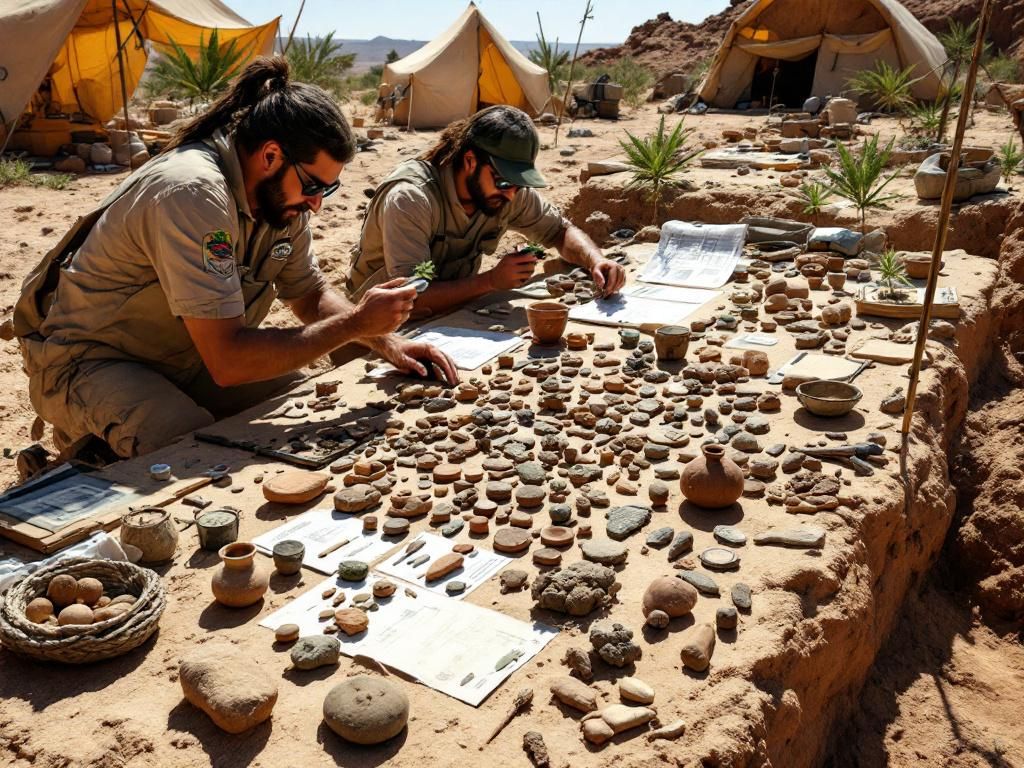
The story of landrace strains history begins approximately 10,000 years ago in the heart of Asia, where humans first recognized cannabis as a valuable crop. Archaeological evidence suggests that our ancestors initially cultivated cannabis for its fibrous stems, nutritious seeds, and medicinal properties. As human civilization expanded and trade routes developed, cannabis seeds travelled alongside merchants, explorers, and migrating communities, spreading to new continents and diverse environments.
This global dispersal created isolated pockets of cannabis cultivation, each developing independently according to local conditions. Think of it like languages evolving in different regions—what started as a common origin gradually developed distinct characteristics based on environmental pressures and cultural preferences. In the towering peaks of the Hindu Kush, cannabis adapted to survive freezing winters and intense UV radiation by becoming compact and producing thick resin coats for protection.
Meanwhile, in the tropical regions of Central America and Southeast Asia, different evolutionary pressures shaped entirely different plant structures. Here, consistent warmth and abundant sunshine encouraged wild cannabis genetics to develop into tall, slender plants with extended flowering periods. These environmental adaptations weren’t random—they represented millions of tiny genetic adjustments that helped each population thrive in its specific homeland.
Indigenous communities unknowingly became the guardians of primitive cannabis varieties through their traditional farming practices. They saved seeds from plants that demonstrated desirable traits: robust growth, pleasant aromas, or effective medicinal properties. This selection process, repeated across generations, gradually refined each region’s cannabis into highly specialized varieties perfectly suited to local conditions and cultural needs.
The isolation of these native cannabis varieties was crucial to their development. Without genetic mixing from distant populations, each region’s cannabis could evolve along its own path, responding to unique combinations of climate, soil, altitude, and human selection pressure. This natural laboratory of evolution created the diverse palette of original cannabis genetics that modern breeders still rely on today.
Key Landrace Cannabis Strains From Around the World

The rich tapestry of landrace cannabis strains reflects the incredible diversity of environments where cannabis has thrived naturally. Each region’s unique combination of climate, soil, and traditional cultivation methods has produced varieties with distinct characteristics that continue to influence modern breeding programmes.
The Hindu Kush mountain region, spanning Afghanistan and Pakistan, gave birth to some of the most famous heritage cannabis strains. Afghan Kush and Afghani varieties developed in harsh, high-altitude conditions where survival meant becoming compact and incredibly resinous. These plants learned to protect themselves from intense mountain sun and freezing temperatures by producing thick coats of sticky resin. The result is cannabis that’s naturally rich in sedative compounds, making it perfect for evening relaxation and traditional hashish production. Hindu Kush strains carry similar traits but often feature slightly different terpene profiles that reflect their specific valleys and growing conditions.
Central and South America contributed vibrant sativa landrace cannabis strains that embody the energy of tropical sunshine. Acapulco Gold from Mexico became legendary among cannabis enthusiasts for its golden appearance and uplifting effects that seemed to capture the warmth of Pacific coastal sunshine. Panama Red developed its distinctive reddish hues and energizing properties in Central American humidity, while Colombian Gold from the Santa Marta mountains combined skunky aromas with euphoric effects that would later influence famous hybrids like Skunk #1.
Southern Africa’s contribution to landrace strains history includes some of the most invigorating sativa varieties ever discovered. Durban Poison from South Africa adapted to high sunshine and dry conditions by developing sweet, piney aromas and effects that enhance creativity and focus. Malawi Gold evolved in similar conditions but with its own unique floral fragrance and uplifting properties that made it prized among traditional users for its clear-headed euphoria.
Southeast Asian varieties like Thai landraces represent the ultimate expression of tropical sativa genetics. These pure cannabis strains grew in consistently warm, humid conditions that encouraged extreme height and extended flowering periods. The famous Thai Stick preparation method involved carefully curing buds on bamboo sticks, sometimes enhanced with hash oil, creating products that gained international recognition in the 1970s for their potent cerebral effects.
| Region | Notable Strains | Key Characteristics | Climate Adaptation |
|---|---|---|---|
| Hindu Kush (Afghanistan/Pakistan) | Afghan Kush, Afghani, Hindu Kush | Compact, resinous, sedative | High altitude, freezing temperatures |
| Central/South America | Acapulco Gold, Panama Red, Colombian Gold | Tall sativas, energizing | Tropical, high sunshine |
| Southern Africa | Durban Poison, Malawi Gold | Sweet aromas, creativity-enhancing | High sunshine, dry conditions |
| Southeast Asia | Thai varieties | Extreme height, cerebral effects | Warm, humid, consistent temperatures |
The Lasting Legacy: Landrace Strains In Modern Cannabis
The influence of landrace strains history extends far beyond historical curiosity—it actively shapes every aspect of today’s cannabis market. Modern breeders constantly return to original cannabis genetics when developing new varieties, using landrace strains as foundational building blocks to introduce specific traits like disease resistance, unique terpene profiles, or environmental adaptability.
Consider how legendary modern strains trace their lineage directly back to heritage cannabis strains. Skunk #1, one of the most influential hybrids ever created, combines Colombian Gold sativa genetics with Afghani indica traits, creating a perfect marriage of tropical energy and mountain resilience. OG Kush, another cornerstone of modern breeding, likely owes its distinctive characteristics to landrace genetics from both Hindu Kush and possibly Chemdawg lineages.
The genetic diversity found in pure cannabis strains provides modern breeders with a vast toolkit for addressing contemporary challenges. Climate change, new pest pressures, and evolving consumer preferences all require genetic solutions that often exist within landrace populations. These ancient marijuana strains carry survival traits honed over millennia—traits that can be invaluable when developing varieties that must thrive in changing environmental conditions.
“The narrow genetic base of modern commercial cannabis is a ticking time bomb. We’ve optimized for THC and yield while potentially sacrificing the complex chemical profiles and natural resilience that took thousands of years to develop in landrace varieties.” – Dr. Ryan Lee, Cannabis Geneticist and author of “The Cannabis Genome”
At BudBuddies, we understand how this genetic heritage translates into quality experiences for our customers. While our premium selection primarily features modern hybrids, these varieties carry the DNA of their landrace ancestors, offering the balanced effects, complex flavour profiles, and reliable potency that make our products stand out. Our carefully curated flowers, edibles, and THC vapes represent the evolution of cannabis from its ancient roots to today’s sophisticated cultivation techniques.
However, the extensive hybridisation of recent decades has also created concerns about genetic bottlenecking. As commercial breeding focuses on narrow sets of traits—particularly high THC content—the broader genetic diversity within cannabis populations can become limited. This makes preserving original cannabis genetics even more critical for maintaining the adaptability and resilience that will be essential for future cultivation.
The therapeutic potential locked within landrace cannabis strains often surpasses what’s found in modern hybrids. These varieties evolved complex cannabinoid and terpene profiles naturally, creating entourage effects that many contemporary strains struggle to replicate through selective breeding alone.
Preserving the Past For a Sustainable Future

The conservation of landrace cannabis strains represents more than preserving historical artifacts—it’s about securing the genetic foundation for cannabis’s future. As climate change introduces new growing challenges and consumer preferences continue evolving, the genetic diversity found in heritage cannabis strains becomes increasingly valuable for developing resilient, adaptable varieties.
Modern commercial breeding often resembles a genetic funnel, narrowing diversity as breeders focus on specific traits like maximum THC production or rapid flowering times. While this approach creates impressive short-term results, it can leave entire populations vulnerable to environmental stresses, diseases, or pests that their ancestors would have naturally resisted. Original cannabis genetics carry survival mechanisms developed over thousands of years—genetic insurance policies that could prove invaluable as growing conditions change.
“Every landrace strain we lose is like burning down a library. These varieties contain genetic solutions to problems we haven’t even discovered yet.” – Phylos Bioscience research team, from their 2019 genetic diversity study
Several organizations worldwide are actively working to document and preserve these primitive cannabis varieties. Initiatives like the Open Cannabis Project and various seed banks collaborate with traditional farmers to collect and store precious genetic material in controlled environments. These efforts involve more than simply freezing seeds; they require understanding traditional cultivation knowledge, documenting regional growing practices, and maintaining living collections that can adapt to changing conditions.
What role can cannabis enthusiasts play in preservation efforts?
Supporting businesses that value genetic diversity and traditional breeding practices makes a real difference. When you choose premium products from retailers like BudBuddies, you’re part of a market that values quality over quantity, encouraging preservation of the genetic foundations that make exceptional cannabis possible. Our commitment to delivering premium products while maintaining discreet, reliable service reflects the same attention to detail that traditional cultivators brought to preserving their regional varieties.
The future of cannabis depends on maintaining access to the full spectrum of genetic traits that landrace strains history has preserved. These native cannabis varieties offer solutions to challenges we haven’t even encountered yet, making their conservation essential for sustainable cultivation practices that can adapt to whatever environmental or market conditions the future might bring.
Conclusion
The journey through landrace strains history reveals a remarkable story of natural evolution and human partnership spanning millennia. These original cannabis genetics represent far more than historical curiosities—they’re the living foundation upon which all modern cannabis varieties are built. From the resinous peaks of Afghanistan to the sunny coastlines of Mexico, each heritage cannabis strain carries genetic wisdom accumulated over countless generations of adaptation and traditional cultivation.
Understanding pure cannabis strains and their origins enriches appreciation for today’s sophisticated hybrids while highlighting the importance of genetic preservation for future generations. The complex cannabinoid profiles, unique terpene combinations, and environmental resilience found in these ancestral varieties continue influencing modern breeding programmes and therapeutic applications. As we move forward, maintaining connections to these genetic roots ensures that cannabis cultivation remains both innovative and sustainable.
FAQs
What is the primary difference between a landrace strain and a hybrid strain?
A landrace strain represents a naturally evolved cannabis variety that developed over generations in a specific geographic region without human cross-breeding intervention. These pure cannabis strains carry stable genetics shaped entirely by environmental adaptation and traditional selection practices. Hybrid strains result from intentional cross-breeding between different varieties, combining specific traits from parent strains to achieve desired characteristics like increased potency, modified flowering times, or particular flavour profiles.
Why are landrace strains important for modern cannabis?
Landrace cannabis strains provide the fundamental genetic blueprint for all contemporary varieties, offering unique combinations of cannabinoids, terpenes, and growth characteristics that serve as essential building blocks for modern breeding programmes. Their natural resilience, developed through millennia of environmental adaptation, provides crucial genetic diversity that helps create varieties capable of thriving in different conditions while maintaining therapeutic and recreational value.
Can I still find and purchase pure landrace strains today?
While true landrace strains have become increasingly rare due to extensive hybridisation over recent decades, some specialized seed banks and cultivators still maintain authentic genetic lines. Many strains marketed as landraces may contain some degree of hybrid influence, but they often retain significant portions of their ancestral genetics. Premium retailers focus on products that honour these genetic foundations while meeting modern quality and consistency standards.


