


The Entourage Effect Feeling: What You Should Know
Picture your favourite football team where each player brings something special to the pitch, but together they create something truly remarkable. This perfectly captures the entourage effect explained simply – the fascinating way that cannabis compounds work better as a team than flying solo. Rather than relying on just one star player, you get the full squad working in harmony to deliver a more balanced and effective experience. The entourage effect feeling is akin to not relying on just one star player; instead, you get the full squad working in harmony to deliver a more balanced and effective experience.
When you explore cannabis products, you might notice that some feel more complete and satisfying than others. This often comes down to whether you’re getting the full team or just individual players. Full-spectrum products keep the natural lineup intact, including cannabidiol (CBD), tetrahydrocannabinol (THC), and aromatic molecules called terpenes. Each compound contributes its own strengths, but together they create something greater than the sum of their parts.
This natural teamwork matters because it can dramatically change your experience. Instead of getting just one note, you receive a full symphony of effects that feel more rounded and consistent. Understanding how these compounds collaborate helps you make better choices about what works for your needs.
Ready to discover how cannabis compounds team up to amplify their effects? We’ll explore this fascinating synergy using simple explanations and real examples, showing you why the whole plant approach often wins over isolated compounds.
What Exactly is the Entourage Effect?
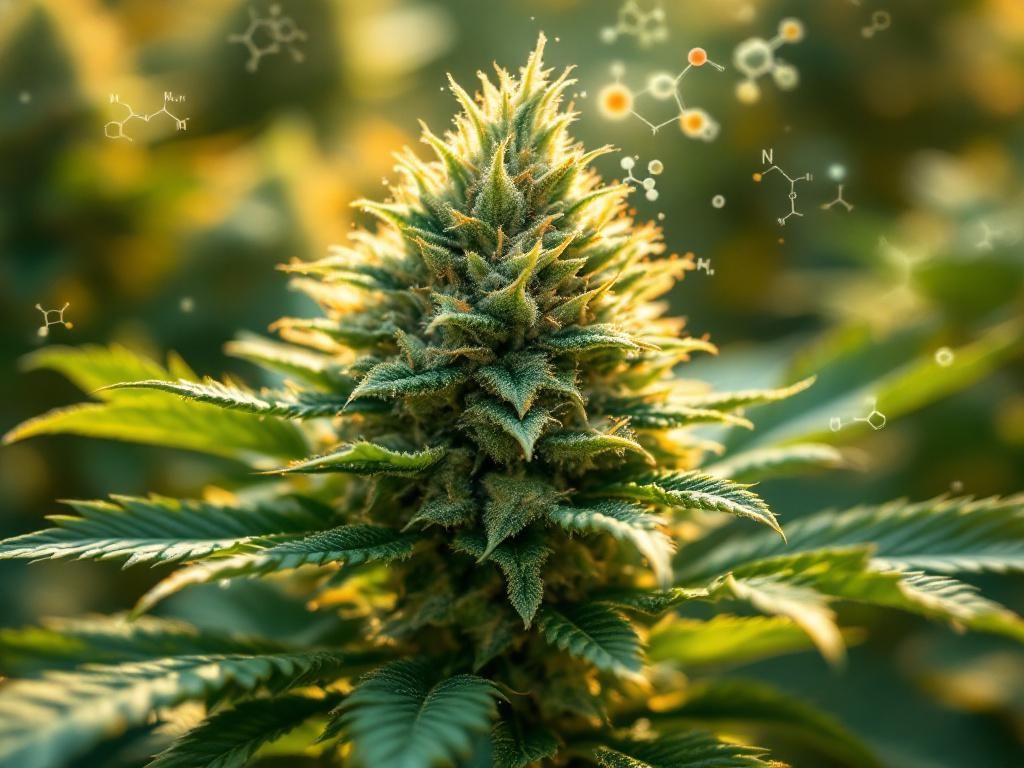
The entourage effect describes how cannabis compounds create stronger, more balanced effects when they work together rather than alone. Think of it like a well-rehearsed orchestra where each instrument plays its part, but the magic happens when they all perform together. This theory suggests that whole plant extracts, containing multiple cannabinoids and terpenes, produce superior results compared to isolated compounds.
The concept emerged in the 1990s when researchers Raphael Mechoulam and Shimon Ben-Shabat noticed something interesting. They observed that isolated compounds didn’t always match the potency of whole plant extracts. Their groundbreaking work laid the foundation for understanding cannabinoid synergy and terpene synergy within cannabis.
“Cannabis is not just about THC and CBD. The minor compounds—the terpenes, flavonoids, and other cannabinoids—they all play a role in the therapeutic effects.” – Dr. Raphael Mechoulam, often called the “Father of Cannabis Research”
Dr. Ethan Russo later brought this concept into the spotlight through his extensive research on how minor compounds contribute to the overall cannabis experience. His work helped explain why many users found full spectrum cannabis products more effective than single-compound alternatives. This research transformed how people think about cannabis consumption and product selection.
“The synergy between compounds in cannabis is far more important than we initially realized. The entourage effect suggests that minor compounds can significantly modify the effects of major ones.” – Dr. Ethan Russo, Neurologist and Cannabis Researcher
The science behind this synergy goes beyond simply mixing compounds together. These molecules interact with your body’s endocannabinoid system in complex ways, with some compounds enhancing absorption while others modify effects. This intricate dance between different cannabis compounds creates what many describe as a more complete and satisfying experience.
Modern research continues to explore these interactions, revealing new insights about how even trace amounts of minor compounds can influence the overall effect. This growing understanding helps explain why cannabis enthusiasts often prefer products that maintain the plant’s natural compound profile.
Meet the Team: Cannabinoids, Terpenes, and Their Roles
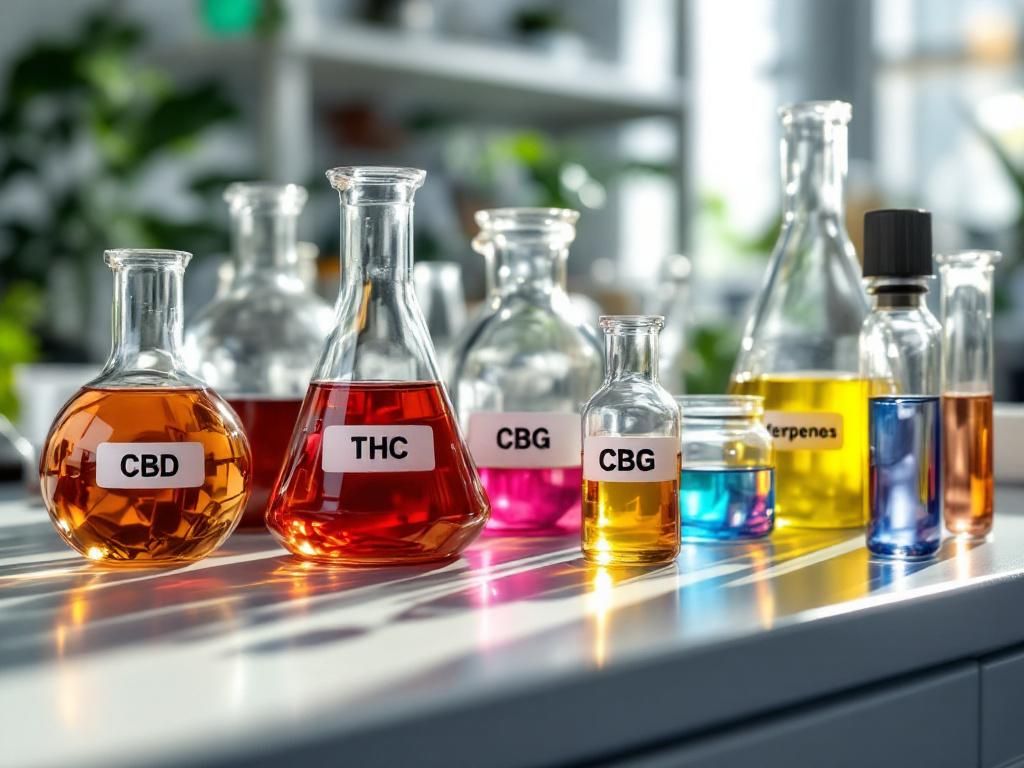
Cannabis contains over 100 different cannabinoids, each with unique properties that contribute to the plant’s effects. The two most famous team members are CBD and THC, but they’re far from the only players making a difference. CBD offers calming benefits without the intoxicating effects, while THC provides the classic cannabis experience along with its own therapeutic properties. Together, they create a balanced partnership that many users find more appealing than either compound alone.
Minor cannabinoids like CBG, CBC, and CBN add their own subtle contributions to the mix:
- CBG: Acts as a precursor to other cannabinoids and may support focus and clarity
- CBC: Might help with mood and comfort
- CBN: Often appears in aged cannabis and may promote relaxation
These supporting players interact with your body’s endocannabinoid system, creating a complex web of effects that isolated compounds simply can’t match.
How do these compounds actually work in your body? They interact with cannabinoid receptors throughout your nervous system, immune system, and other organs. This interaction helps regulate various functions like mood, sleep, appetite, and pain sensation. When multiple cannabinoids work together, they can create what researchers call a “ceiling effect” – meaning the combination may provide benefits while reducing unwanted side effects.
Terpenes bring another layer of complexity to this natural collaboration. These aromatic compounds give cannabis its distinctive smell and flavour, but they do much more than please your senses:
- Myrcene: May promote relaxation and could enhance absorption of other compounds
- Limonene: Adds citrusy notes while potentially lifting mood and reducing stress
- Pinene: Might help with alertness and memory
- Linalool: Could promote calm feelings
- Caryophyllene: May interact directly with cannabinoid receptors
These compounds don’t just sit passively alongside cannabinoids – they actively participate in shaping your experience.
The THC CBD entourage effect demonstrates this teamwork beautifully. CBD can moderate some of THC’s more intense effects while allowing its benefits to shine through. This partnership creates a smoother, more manageable experience that many users prefer over high-THC products alone.
How the Entourage Effect Enhances Your Experience
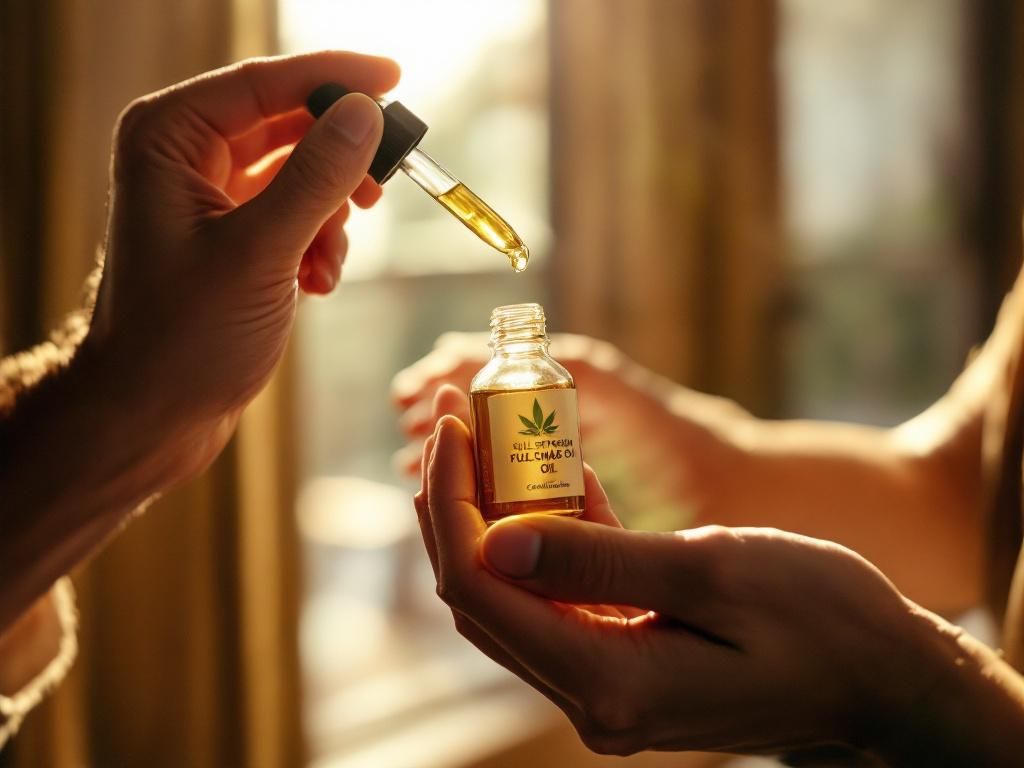
When compounds work together through the entourage effect, you often experience something more nuanced and satisfying than what isolated compounds provide. This synergy means that CBD might help smooth out THC’s edges while still allowing you to enjoy its benefits. Picture two dance partners who know each other’s moves perfectly – they create something beautiful together that neither could achieve alone.
The enhancement goes beyond just balancing effects. Certain terpenes may help your body absorb cannabinoids more effectively, while others might extend how long you feel the benefits. This is why many users report that full spectrum products feel more complete and longer-lasting than products containing only CBD or THC.
Consider how this works in practice. A product containing both CBD and THC, along with terpenes like myrcene and linalool, might provide relaxation without the overwhelming effects that high-THC products sometimes cause. The CBD helps keep things comfortable while the terpenes add their own calming influence. This natural balance often feels more gentle and sustainable than using isolated compounds.
The key benefits of the entourage effect include:
- Enhanced absorption – Terpenes may help your body absorb cannabinoids more effectively
- Extended duration – Effects may last longer than isolated compounds
- Reduced tolerance – Complex interactions might help maintain effectiveness
- Consistent experiences – More reliable results compared to isolated compounds
Some users find that the entourage effect helps them achieve their desired results with smaller amounts of active compounds. When everything works together efficiently, you might need less product to feel satisfied. This efficiency makes the whole plant approach appealing for both occasional and regular users.
Research suggests that this synergy might also help reduce tolerance build-up. When you use isolated compounds repeatedly, your body may adapt and require higher doses over time. The complex interactions in full spectrum products might help maintain effectiveness longer, though more research is needed to fully understand this benefit.
The entourage effect also appears to offer more consistent experiences. Rather than dealing with unpredictable effects from isolated compounds, the natural balance in full spectrum products tends to provide more reliable results. This consistency helps users better understand what to expect and how to adjust their usage accordingly.
Choosing Products for the Entourage Effect: Full Spectrum is Key
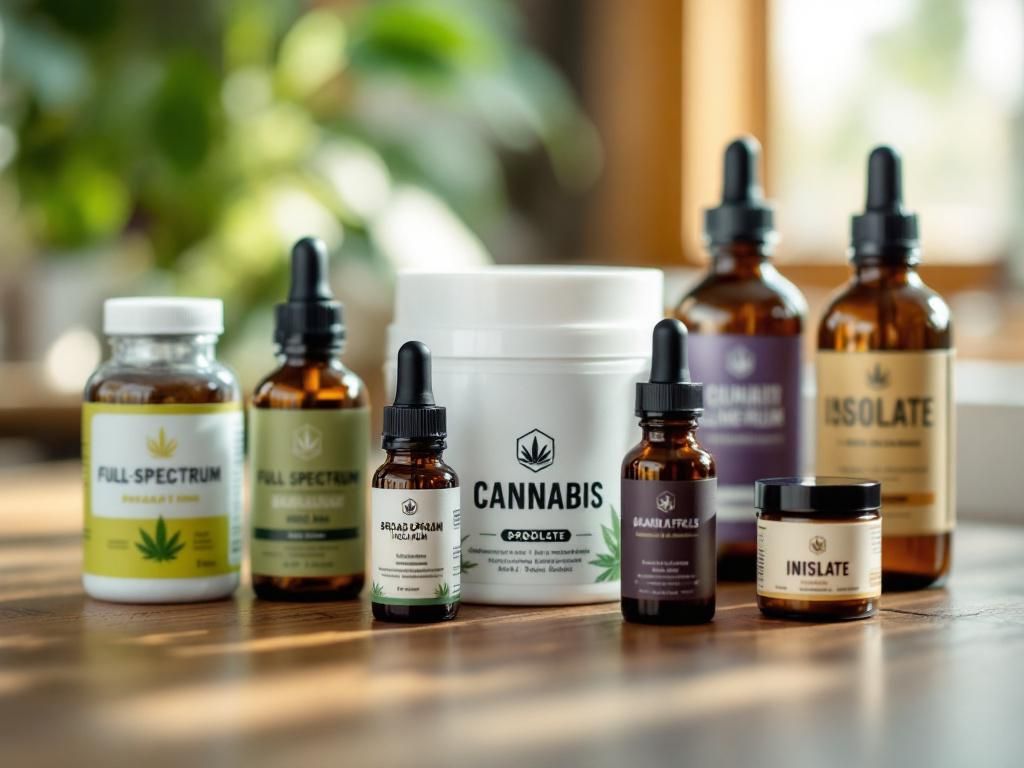
Selecting products that maximise the entourage effect requires understanding the differences between full spectrum, broad spectrum, and isolate products. Full spectrum extracts contain the complete range of cannabinoids and terpenes found in the original plant, giving you access to the full potential of compound synergy. These products represent the most comprehensive approach to experiencing the entourage effect.
| Product Type | THC Content | Other Cannabinoids | Terpenes | Entourage Effect |
|---|---|---|---|---|
| Full Spectrum | Present | Present | Present | Maximum |
| Broad Spectrum | Removed | Present | Present | Moderate |
| Isolate | Absent | Absent | Absent | None |
When shopping for full spectrum products, look for detailed lab reports that show both cannabinoid and terpene profiles. These certificates of analysis reveal exactly what compounds are present and in what quantities. Quality producers provide this information transparently, allowing you to make informed decisions about which products might work best for your needs.
Extraction methods matter significantly when it comes to preserving the delicate balance of compounds. CO2 extraction and other gentle methods help maintain the integrity of both major and minor compounds. Harsh extraction techniques can destroy terpenes and alter the natural ratios that make the entourage effect possible.
Broad spectrum products offer a middle ground by removing THC while keeping other cannabinoids and terpenes intact. While this limits the full entourage effect, it still provides more synergy than isolate products. These options work well for users who want compound interactions without any THC content.
Isolate products contain only a single compound, typically CBD, and don’t provide the benefits of the entourage effect. While isolates have their place and can be effective for specific needs, they don’t offer the comprehensive experience that many users seek from cannabis products.
Storage and handling also affect how well products maintain their entourage effect potential. Proper storage away from light, heat, and air helps preserve delicate terpenes and prevents degradation of cannabinoids. Fresh products with intact compound profiles deliver better results than older products where synergy has been compromised.
What should you look for in a quality full spectrum product? Third-party testing, clear labelling, appropriate storage, and transparent information about extraction methods all indicate a producer who understands the importance of maintaining the natural compound profile. These factors help ensure you’re getting products that can deliver the full potential of the entourage effect.
Conclusion
The entourage effect represents the beautiful synergy between cannabis compounds working together to create enhanced experiences. Full spectrum products offer the best opportunity to benefit from this natural teamwork, providing more balanced and complete effects than isolated compounds. When choosing your next cannabis product, consider how the entourage effect might improve your experience and look for options that preserve the plant’s natural compound profile.


