


Too High Around Friends? What To Do Now
Introduction
If you are typing “too high around friends what to do” into your phone, you are not alone. Feeling overwhelmed by cannabis in a social moment happens to plenty of smart, experienced people.
Your heart races, thoughts feel messy, and suddenly every laugh sounds like it is about you. On top of that, you might feel stuck because you do not want to kill the mood or worry anyone.
This guide shows exactly what to do right now, how to calm your body, how to talk to friends, and how to avoid a repeat next time. Everything comes in clear, simple steps you can use within minutes. Keep reading so the next time your high feels too strong, you already know what to do instead of panicking.
How To Tell If You’ve Had Too Much Cannabis
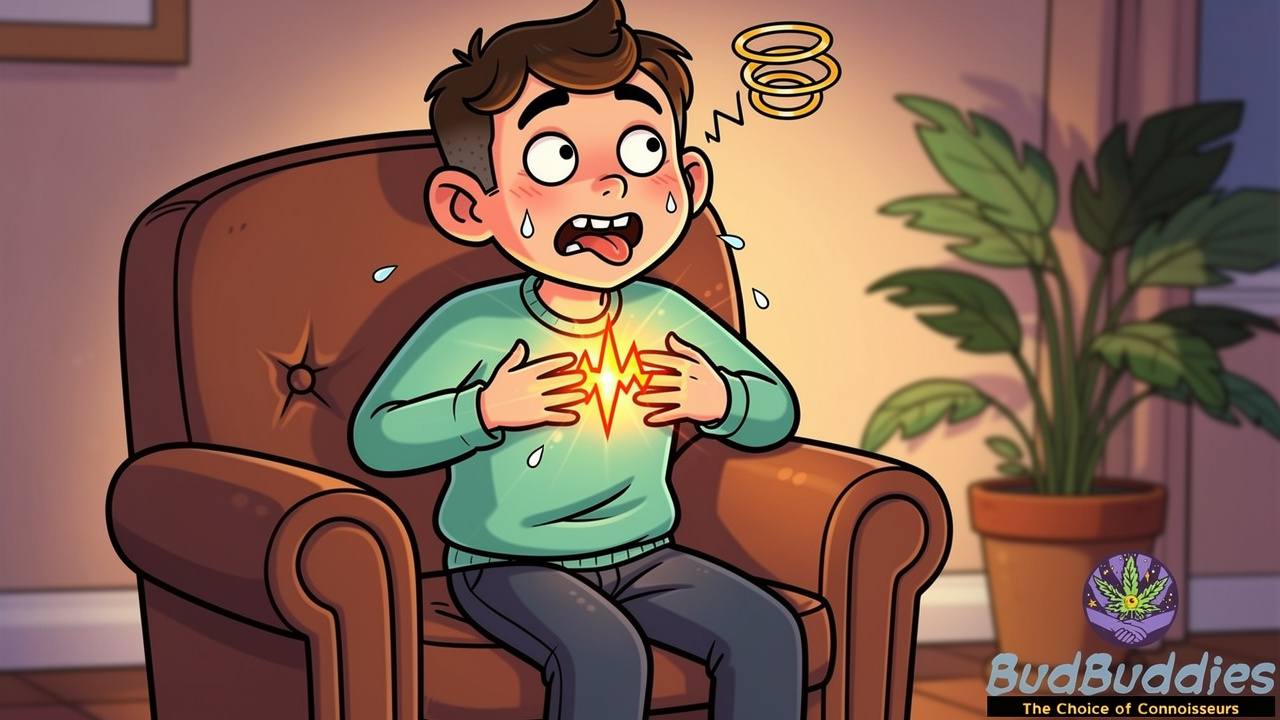
Knowing how to spot when you have had too much cannabis helps you act quickly and stay calm. The moment you start thinking “too high around friends what to do”, check in with your body and mind instead of guessing.
Physical signs often show up first:
A heartbeat that feels fast, heavy, or “loud”
Dry mouth or “cotton mouth”
Sweating, chills, or feeling flushed
Dizziness or lightheadedness, especially when you stand up quickly
Nausea or a slightly upset stomach
According to the National Institute on Drug Abuse, THC can raise heart rate by up to half again for a short time, which feels scary but usually settles on its own.
Mental signs are just as common. You may notice:
Thoughts that loop or race
Difficulty following conversations
Struggling to finish simple sentences
Feeling detached from your body or surroundings, as if the scene is slightly unreal
Some people describe this as a mild “green-out” or cannabis‑induced anxiety. Social anxiety often adds an extra layer. You might:
Become very aware of how you sound
Worry that your friends are judging you
Feel convinced you have said something odd or embarrassing
In reality, most people are too busy with their own experience to track every tiny thing you do.
The key reassurance is this: cannabis on its own does not shut down breathing or the heart in healthy adults, and the uncomfortable peak always passes. Research on panic from NHS shows that strong fear feelings usually crest within minutes, which also fits many intense highs. Once you can name what is happening, the next step is to steady yourself.
What To Do Immediately When You’re Too High Around Friends
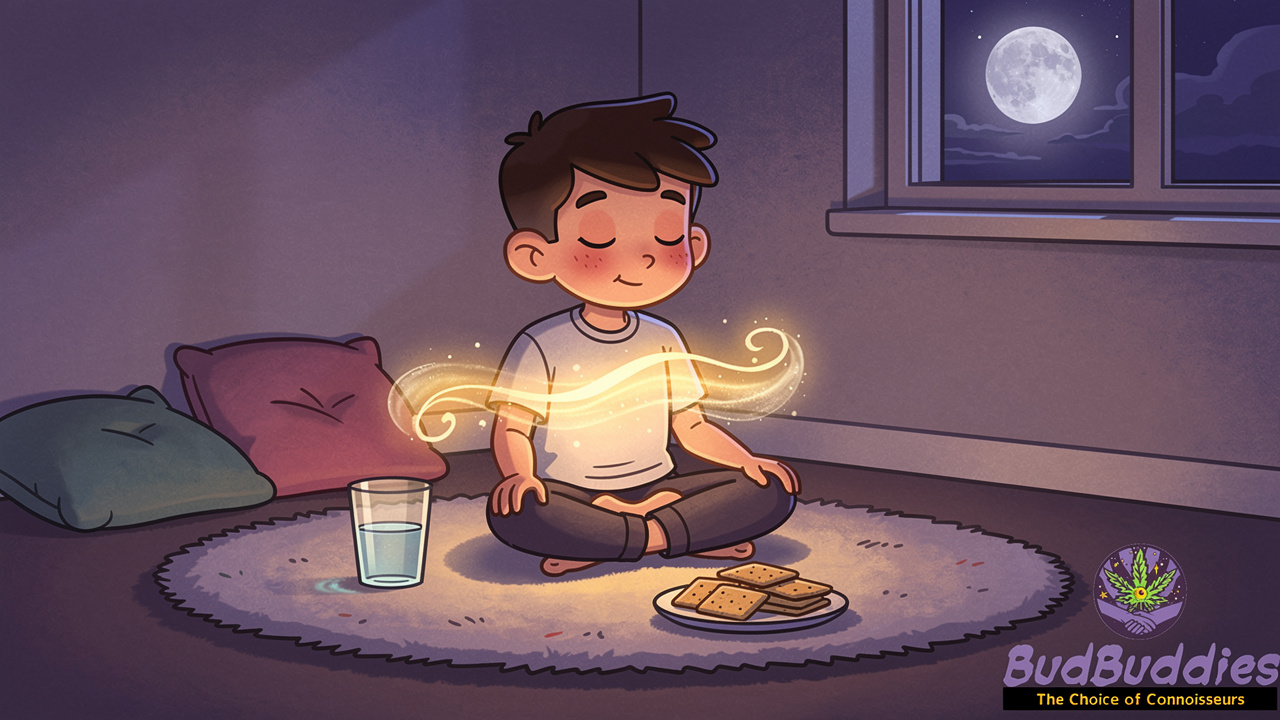
When you catch yourself thinking “too high around friends what to do”, you need a simple plan you can follow even while spaced out. The goal in the first few minutes is to reduce stimulation, remind yourself you are safe, and give your body time to settle.
Remind yourself that this is temporary, even if it feels intense. According to Healthline, the main wave from smoked or vaped cannabis usually eases within a couple of hours, and the most intense peak is often much shorter. You are riding a strong curve, not stuck this way.
“Name it to tame it,” psychiatrist Dr. Dan Siegel often says. Quietly telling yourself “This is just a strong cannabis high and it will pass” can take some of the fear out of the sensations.
Now for clear steps you can use straight away.
Find the calmest spot you reasonably can. A quieter room, hallway, balcony, or even a corner of the sofa already helps because there are fewer sounds and faces to process. Tell your friends you just need a minute rather than sneaking off, which avoids extra worry. A soft chair, sofa, or bed that lets you lean back can bring an immediate sense of physical safety.
Focus on simple breathing patterns. Try breathing in through your nose for four slow counts, hold for four, breathe out for four, then pause for four before the next breath. Research from Harvard Health Publishing shows that steady breathing like this can lower stress signals in the body within minutes. Counting gives your mind a clear, gentle task instead of letting it spin on scary thoughts.
Sip water and have a light snack. Cool water helps with dry mouth and gives you something steady to focus on with each sip. Simple food such as toast, biscuits, crisps, or fruit can help settle your stomach and support blood sugar. According to Healthline, dehydration and low energy can make a heavy high feel worse, so this small step matters.
Use the five‑four‑three‑two‑one grounding method. Look around and quietly name five things you can see, four things you can touch, three sounds you can hear, two things you can smell, and one thing you can taste. This pulls your attention back into your actual surroundings instead of the stories your mind is building. Many people find it comforting because it proves the moment is still ordinary and safe.
Change your sensory input. If possible, lower harsh lighting, put on calm music, or step outside for fresh air. Gentle, steady sounds and softer light give your nervous system fewer “alerts” to react to.
Take CBD if you have it with you. Studies discussed by Frontiers in Pharmacology suggest CBD can soften some of THC’s sharper mental effects for some people. If you keep CBD oil, capsules, or hemp flower from BudBuddies in your bag, this is when they earn their place. BudBuddies clearly labels CBD strength, so you can take a measured amount when a high feels stronger than you expected.
Give these steps at least twenty to thirty minutes to work before judging whether the night is ruined. Avoid alcohol, extra caffeine, or more cannabis while you settle, as these often make the rollercoaster steeper. Treat this as a pause, not a failure.
How To Support a Friend Who Is Too High
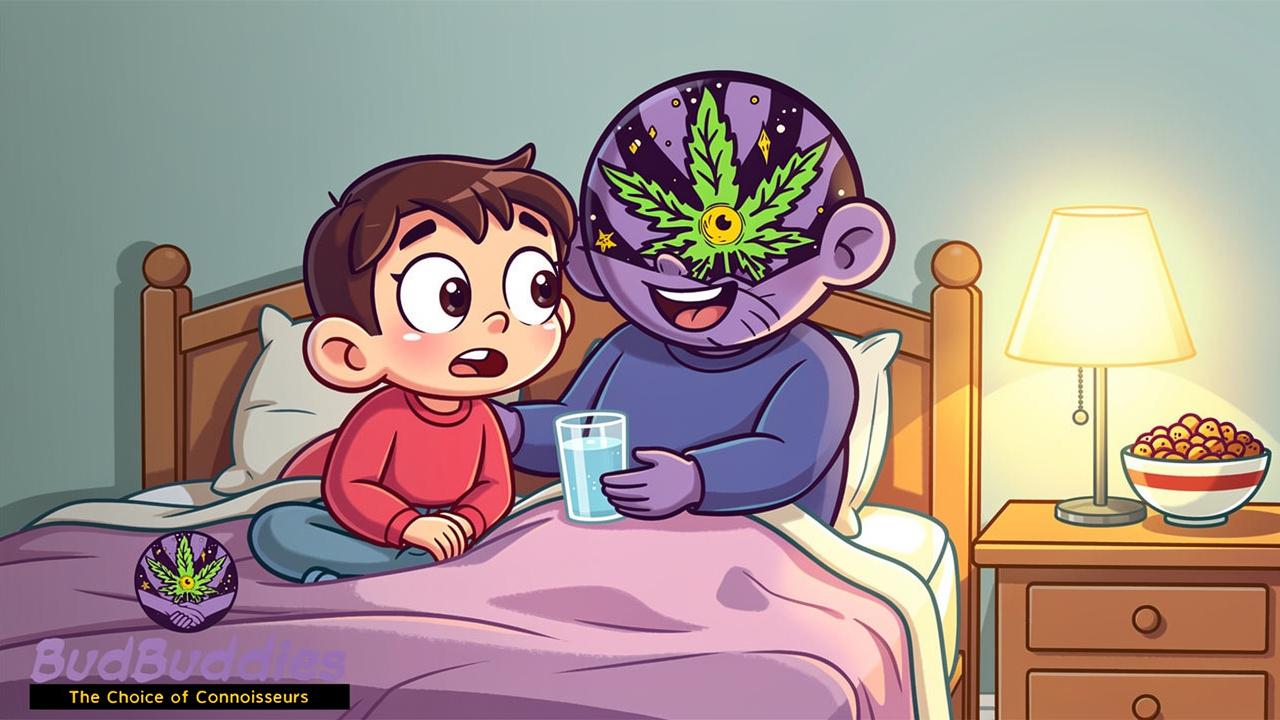
Knowing how to support a friend who is too high means you can turn a rough moment into a manageable one — peer-to-peer intervention approaches explored in programmes like Friends in Focus: Developing a peer intervention for adolescents show that structured, empathetic support from a friend is one of the most effective tools available. Sometimes you will not be the person searching “too high around friends what to do” because you are the one staying steady for someone else.
Your tone is as important as your actions. Speak slowly, keep your voice low and warm, and remind them that nothing strange is happening to their body. Research from Harvard Medical School shows that calm social contact can reduce stress hormones, and studies on friends and popular peers on adolescents’ risky decisions further highlight how much a trusted friend’s presence shapes someone’s experience in a stressful social moment.
Here are simple ways to help without making a fuss:
Stay close and stay relaxed. Sit beside them rather than across the room so they do not feel abandoned. Let them know quietly that you are happy to hang out while they ride it out. You do not need big speeches; a few steady, kind sentences repeated now and then are often enough.
Guide them to a quieter spot if the room feels too busy. Offer options rather than orders, for example suggesting the bedroom, garden, or a quieter corner. Walk with them so they do not feel like they are wandering off alone while feeling strange. Once there, keep conversation light, simple, and free of teasing.
Offer water and an easy snack before they ask. People who feel overwhelmed often forget basic self‑care steps that could help. Bringing a glass of water and something small to eat shows practical care and gives them something simple to focus on. According to NHS, small, practical actions often help more than long talks during anxious spells.
Ask simple questions. Short, yes‑or‑no questions such as “Do you want to sit outside?” or “Would you like some water?” are easier to answer than open‑ended ones. This keeps them involved in choices without adding extra pressure.
You also need to know what not to do:
Do not offer more cannabis in any form. Jokes about having another hit almost never land well when someone already feels out of their depth. Extra THC is likely to push their discomfort further, even if the offer comes with good intentions. Save shared joints or vapes for another night.
Do not push alcohol as a fix. Mixing alcohol with cannabis can make dizziness and nausea much worse and stretch the uncomfortable phase. A drink might sound like a way to loosen them up, but it usually does the opposite here. Stick to water or soft drinks until they feel normal again.
Do not make fun of their state or turn it into a show. Laughing at them or drawing the whole group’s attention to their struggle will often lock in shame and fear. Keep any humour gentle and never about them as a person. The aim is for them to remember feeling cared for, not exposed.
If their symptoms are very intense — chest pain, trouble staying awake, or they cannot speak clearly — stay with them and consider contacting emergency services. Serious complications are rare with cannabis alone, but it is better to be cautious if something feels very wrong.
How To Avoid Getting Too High Around Friends in the Future
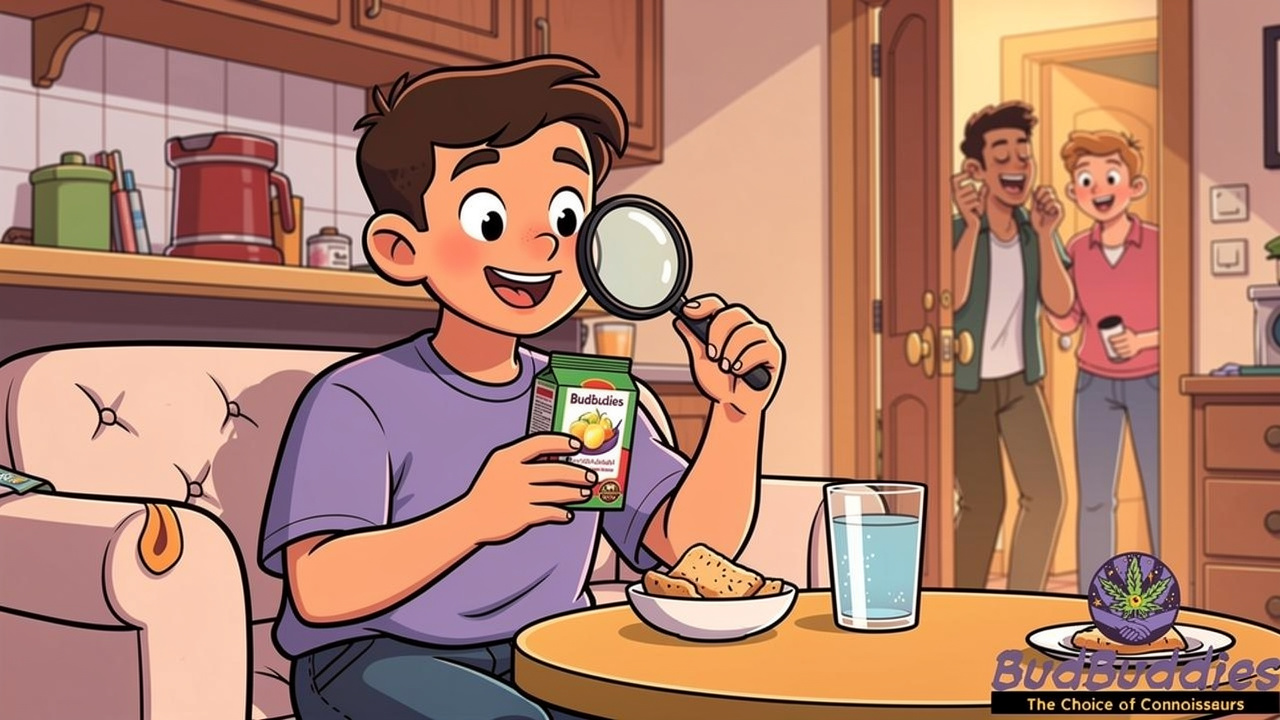
The best answer to “too high around friends what to do” is to avoid reaching that point next time. A few small choices before the session have far more effect than any rescue trick once you already feel flooded.
Think of this as planning your ideal social high instead of leaving it to chance. According to the National Institute on Drug Abuse, THC strength has risen over recent decades, so the same style of session now can feel much heavier than it used to. Planning around that is simply smart.
Practical habits help a lot:
Start low and give each dose time. Take a smaller puff, bowl, or edible than you think you can handle, especially with a new product. With edibles, wait at least ninety minutes before even considering more, because they creep up slowly then hit hard. Many people who later search “too high around friends what to do” simply topped up too early.
Know what you are actually taking. Check THC and CBD levels, read any flavour and effect notes, and match them to your plans. At BudBuddies, every flower, vape, edible, and beverage comes with clear potency labelling and effect guidance, which takes the guesswork out of dose and mood. Balanced or CBD‑rich options are often kinder for mixed groups and longer evenings.
Choose the right format and setting for the night. Vapes and flower give faster feedback so you can stop when you reach a comfortable level, while edibles suit slower, measured evenings where you can stay put. Try new, stronger products at home or in a small group before taking them to a big party. According to Healthline, edibles can take up to two hours to reach full effect, so patience really matters.
Pace yourself around other people. Just because a friend smokes quickly or pops extra gummies does not mean your system wants the same amount. Agree with yourself in advance how much you will have, then stick to it even if the joint comes round again. Sipping a BudBuddies THC beverage or using a lower‑strength vape can help you match the social rhythm without overdoing THC.
Keep CBD as a safety net. Many experienced consumers treat CBD oil, capsules, or hemp flower as a steadying option for nights when THC might run strong. BudBuddies offers CBD products with clear milligram amounts on each bottle or pack, so you can keep a measured backup on hand. Knowing you have that nearby can itself reduce anxiety before you even use it.
Look after your basics. Eat a normal meal beforehand, drink water through the evening, and avoid arriving exhausted. An empty stomach, dehydration, and tiredness all make uncomfortable highs more likely.
When you combine clear product information from BudBuddies with a bit of self‑awareness, uncomfortable highs become much rarer. You move from reacting after problems to steering the whole session from the start.
The Bottom Line

Being too high in front of friends feels intense in the moment, but it is temporary and manageable. With simple steps like finding a quieter spot, breathing slowly, sipping water, grounding your senses, and using CBD, you can guide yourself back to a calmer place.
The smoother path though is prevention. Choosing clearly labelled flower, vapes, edibles, and CBD from BudBuddies, starting low, and matching strains to social plans massively reduces the chances that “too high around friends what to do” ever crosses your mind again.
When you are ready to plan better sessions, explore the curated range, dosage tools, and social‑friendly strains on budbuddies.cc. A bit of thought now means more relaxed laughs later.
Frequently Asked Questions
These quick answers sit in the background for anyone who ever searches “too high around friends what to do”. You can scan them now and remember the bits that matter most to you.
Question 1: How Long Does Being Too High Last?
Being too high usually lasts between one and three hours for smoked or vaped cannabis, with the sharpest peak much shorter. Edibles tend to last longer, often four to eight hours, because the body processes them through the stomach and liver. The intensity always fades with time, even if it feels slow while you are in it.
Question 2: Does Eating Food Help When You’re Too High?
Eating light food can help you feel more grounded and comfortable when you are too high. Simple options such as toast, fruit, or biscuits support blood sugar and give your mind a normal task for a moment. It does not switch the high off, but it often makes the ride gentler and gives you something familiar to focus on.
Question 3: Can CBD Actually Reduce a THC High?
CBD may soften some of THC’s anxious or racing effects for some people, especially when taken early in a difficult high. Research reviewed by Frontiers in Pharmacology suggests CBD can influence the same receptors THC uses. BudBuddies stocks CBD oils, capsules, and hemp flower that many customers keep nearby for this reason.
Question 4: What’s the Best Strain To Use in Social Situations?
Sativa‑leaning and balanced hybrid strains often suit social settings because many people find them lighter and more chatty. At BudBuddies, each strain comes with clear terpene and effect guidance, so you can pick options that match your plan, from mellow film nights to more lively gatherings. Reading those notes before you order helps a lot.
Question 5: Should You Tell Your Friends If You’re Too High?
Yes, telling trusted friends you are too high usually reduces anxiety rather than increasing it. A simple line such as saying you feel a bit off and need a quieter spot is enough. Being honest removes the pressure to act fine when you do not feel fine, which is often the quickest fix when you think “too high around friends what to do”.

