


Best Cannabis Training Methods for UK Growers: Expert Tips
Introduction to Cannabis Plant Training
Growing cannabis requires more than just planting seeds and hoping for the best. Cannabis training methods can transform your cultivation experience, turning a basic grow into something remarkable. These methods involve carefully shaping your plants during their growth stages to create better light penetration, improved airflow, and ultimately higher yields from your growing space.
For UK growers working within legal constraints, understanding these training methods becomes even more valuable. Whether you’re preserving genetics for research purposes or operating under appropriate licensing, space efficiency matters. Many growers face challenges with limited room, inconsistent weather conditions, and the need for discreet cultivation practices.
Cannabis plant training techniques manipulate how your plants grow naturally. Instead of allowing them to stretch upward in their typical Christmas tree formation, you guide them into bushier, more productive shapes. This redirection of growth energy creates multiple flowering sites rather than focusing all development on a single main stem.
Different plant training techniques suit various growing situations. Low-stress methods work well for sensitive autoflowering varieties, while high-stress techniques can push photoperiod strains to reach their maximum potential. The key lies in understanding when and how to apply each method.
BudBuddies has demonstrated through their cultivation practices how proper training techniques, combined with sustainable growing methods, can produce exceptional results. Their commitment to 100% cannabis-derived products with full ingredient transparency reflects the precision and care that effective plant training demands.
As cannabis cultivation expert Jorge Cervantes notes, “Plant training is the difference between mediocre and exceptional harvests. The key is understanding your plants’ stress responses and working with them, not against them.”
Modern training methods have evolved from traditional horticulture principles. By breaking apical dominance – the plant’s natural tendency to grow one dominant central stem – you encourage lateral growth and multiple cola development. This results in more even canopies that capture light efficiently and produce uniform bud development across the entire plant.
Key Takeaways
- Low-Stress Training represents the gentlest approach to shaping cannabis plants. This method involves carefully bending and securing branches to create horizontal growth patterns. The technique works exceptionally well for autoflowering strains because it minimises recovery time while maximising light exposure across all potential bud sites. Most growers find LST ideal for beginners since it carries minimal risk of plant damage.
- High-Stress Training encompasses more aggressive techniques like topping, FIMing, and super cropping. These methods involve controlled damage that triggers the plant’s natural response systems, encouraging bushier growth and multiple main colas. HST works best with photoperiod strains that have longer vegetative periods for recovery. The techniques require more experience but can dramatically increase final yields.
- Screen of Green training uses horizontal netting to guide branch growth into an even canopy. This method ensures uniform light distribution to all flowering sites while controlling plant height – perfect for indoor grows with limited vertical space. SCROG works particularly well in UK indoor setups where space optimisation remains crucial for successful cultivation.
- Timing and execution determine training success more than the specific techniques chosen. Starting too early can stunt young plants, while waiting too long reduces effectiveness. Each method requires careful observation and gradual implementation to avoid shocking your plants during critical growth phases.
- Legal considerations remain paramount for UK growers. While plant training knowledge applies universally, cannabis cultivation without proper licensing remains prohibited under current UK regulations. These techniques serve educational purposes and apply to legal cultivation scenarios worldwide.
Understanding Low-Stress Training (LST)
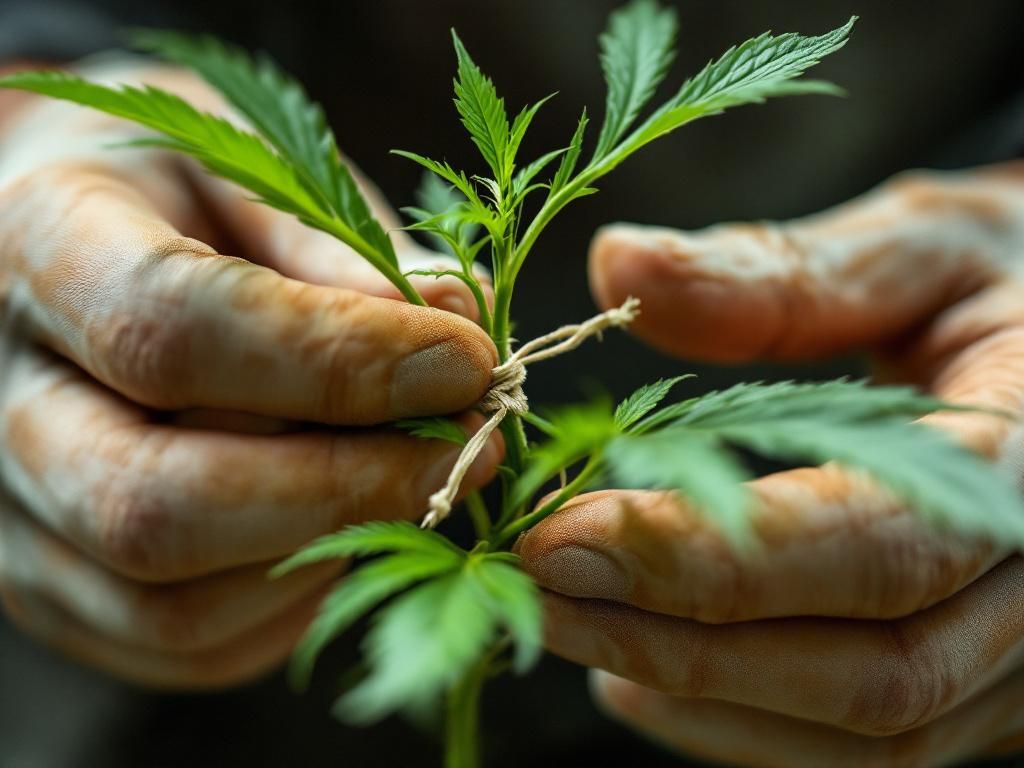
LST training offers cannabis growers a gentle yet highly effective method for increasing yields without risking plant health. This approach focuses on redirecting growth rather than removing plant material, making it perfect for growers who want impressive results with minimal risk of complications.
The fundamental principle behind LST involves breaking apical dominance through physical manipulation rather than cutting. When you gently bend the main stem and side branches, you trick the plant into thinking it has lost its primary growing tip. This triggers hormonal changes that redirect energy toward lateral growth, creating multiple dominant stems instead of one central cola.
Starting LST early in the vegetative stage produces the best results. Begin when your plants have developed their third or fourth set of leaves, ensuring the stems remain flexible enough for manipulation without breaking. Young branches bend easily and adapt quickly to their new positions, establishing the foundation for your desired canopy shape.
The technique requires simple materials that most growers already have available. Soft plant ties, garden wire, or even household items like twist ties work perfectly for securing branches. The key involves using materials that won’t cut into delicate plant tissue as branches thicken during growth.
Implementing LST starts with identifying your main stem and primary side branches. Gently bend the main stem to create a horizontal angle, then secure it using ties attached to your pot rim or stakes placed in the growing medium. Continue this process with side branches, creating an even canopy where all growing tips receive equal light exposure.
Regular adjustments become necessary as your plants continue developing. Check your ties every few days, loosening them if they appear tight or repositioning branches that try to grow vertically again. This ongoing maintenance ensures your canopy remains level and prevents any single branch from dominating light capture.
LST proves particularly valuable for autoflowering strains with their compressed life cycles. These varieties don’t have time to recover from high-stress techniques, making gentle manipulation their optimal training method. The minimal recovery time means autoflowers can dedicate maximum energy to flowering rather than healing from training stress.
Indoor UK growers benefit significantly from LST because it addresses common space limitations. The technique keeps plant height manageable while increasing the horizontal footprint of your canopy. This creates more flowering sites within your available growing area without requiring additional vertical space.
Environmental factors play crucial roles in LST success. Proper airflow becomes even more important with trained plants because the denser canopy can trap moisture. UK’s naturally humid conditions make adequate ventilation essential for preventing mould issues in your carefully crafted canopy.
BudBuddies’ approach to sustainable cultivation aligns perfectly with LST principles. The technique maximises plant potential without waste, creating efficient use of resources while maintaining plant health throughout the growing cycle.
Exploring High-Stress Training (HST) Methods
High-Stress Training techniques push cannabis plants beyond their comfort zones to unlock greater yields and more complex growth patterns. These methods involve intentionally damaging or removing plant parts to trigger defensive responses that ultimately benefit production. While more challenging than LST, HST can produce remarkable results when applied correctly to healthy, vigorous plants.
The science behind HST relies on plant stress responses that have evolved over millions of years. When plants experience controlled damage, they activate defensive mechanisms that strengthen remaining structures and promote new growth points. This biological response, when harnessed through proper training, transforms ordinary plants into bushier, more productive specimens.
Timing becomes critical with high-stress methods. Plants need sufficient vegetative time to recover from training stress before entering flowering phase. Photoperiod strains work best for HST because growers control their vegetative duration. Autoflowering varieties, with their predetermined life cycles, rarely have adequate time for full recovery from aggressive training.
Topping and FIMing
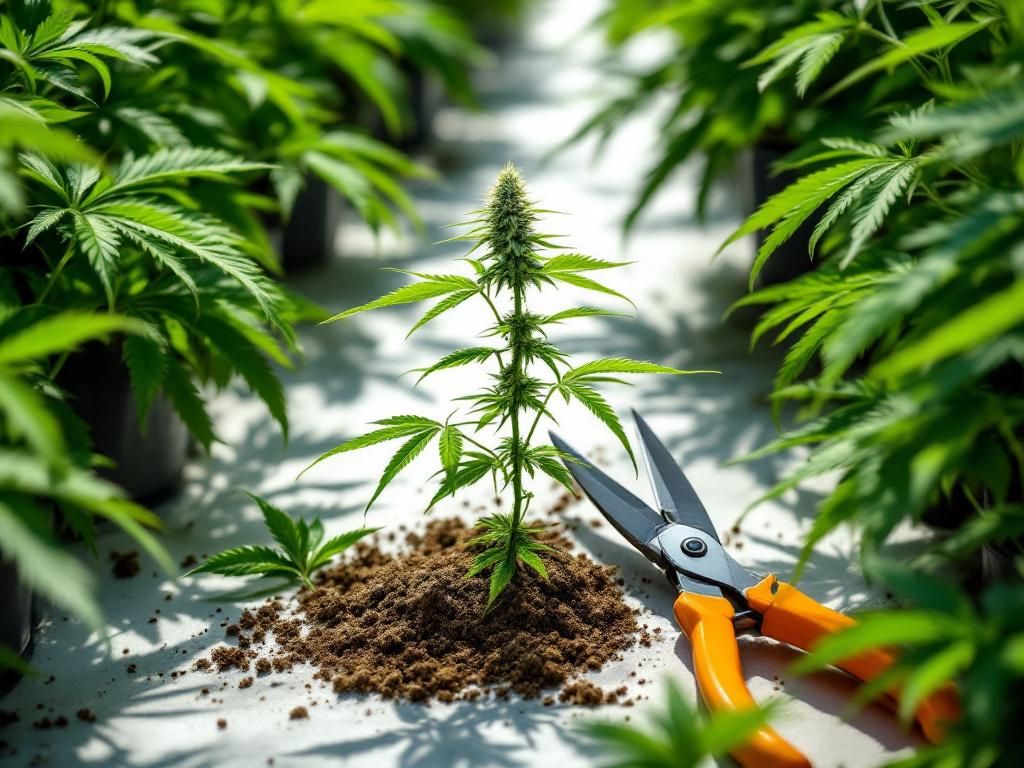
Topping represents one of the most straightforward yet effective HST techniques available to cannabis growers. The method involves completely removing the main growing tip of your plant, effectively decapitating the primary stem above a selected node. This removal forces the plant to redirect growth hormones toward the two branches below the cut, creating twin main stems where previously only one existed.
Proper topping cannabis plants requires the following process:
- Use clean, sterile tools to prevent introducing pathogens
- Make clean cuts just above your chosen node
- Top above the fourth or fifth node for optimal results
- Allow 3-7 days recovery time
- Monitor for new growth at the cut site
Recovery from topping typically takes three to seven days, during which new growth appears at the cut site. The plant’s energy redirects toward developing the two remaining branches into dominant stems, effectively doubling your main colas. This technique proves especially valuable for indoor growers wanting to maximise their canopy without excessive height.
FIMing, an acronym for a colourful phrase expressing frustration, involves partially removing the growing tip rather than complete removal. This technique pinches or cuts away approximately 75% of the new growth, leaving enough material to confuse the plant’s hormonal systems. The result often produces four to six new growing tips instead of the two created by topping.
The less precise nature of FIMing can actually work in your favour, creating more growing points than traditional topping while causing less shock to the plant. Some growers prefer FIMing because it maintains more leaf material for photosynthesis during recovery periods. However, the technique requires more skill to execute consistently across multiple plants.
Both topping and FIMing work excellently when combined with other training methods. Many growers top their plants early, then apply LST to the resulting branches for even better canopy development. This combination approach leverages the benefits of both techniques while creating highly productive plant structures.
Super Cropping
Super cropping represents an advanced HST technique that involves deliberately damaging the internal structure of branches while keeping the outer skin intact. This method creates controlled injury that strengthens affected branches while redirecting growth patterns in beneficial directions.
The technique requires identifying mature but still pliable branches that can withstand manipulation. Avoid woody stems or very young shoots that might not respond well to the stress. Look for branches with slight flexibility that feel firm but not brittle when gently squeezed.
Executing super cropping involves firmly pinching a section of branch between your thumb and forefinger while applying steady pressure. Roll the branch gently while maintaining pressure until you feel the internal fibres give way, creating a soft spot in the previously rigid stem. This damage forms what growers call a “knuckle” – a swollen area that eventually becomes stronger than the original branch.
After creating the knuckle, carefully bend the branch in your desired direction, often at 90-degree angles to encourage horizontal growth. The damaged area will heal over the following days, forming a stronger connection that can support heavy flower development later in the cycle. Some growers secure super cropped branches with ties to maintain their new positions during healing.
Recovery from super cropping typically takes longer than simple LST but less time than topping or FIMing. Most plants show new growth patterns within a week, with the damaged areas visibly strengthening over the following weeks. The technique stimulates increased nutrient uptake and can improve overall plant vigour when applied correctly.
Super cropping works particularly well for managing overly tall branches in mixed-height canopies. When certain branches stretch beyond others, super cropping can bring them back down to canopy level while strengthening their structure for better bud support. This selective application allows fine-tuning of individual plant architecture.
Advanced growers often combine super cropping with SCROG techniques, using the method to guide branches through screen openings while strengthening them for the flowering phase. The enhanced branch strength proves valuable when supporting heavy flower clusters later in development.
Screen of Green (SCROG) and Sea of Green (SOG) Methods
Advanced training methods like Screen of Green and Sea of Green offer cannabis growers sophisticated approaches to canopy management and yield optimisation. These techniques represent different philosophies in plant training – one focusing on maximising individual plant potential, the other emphasising collective productivity through plant density.
Screen of Green (SCROG)
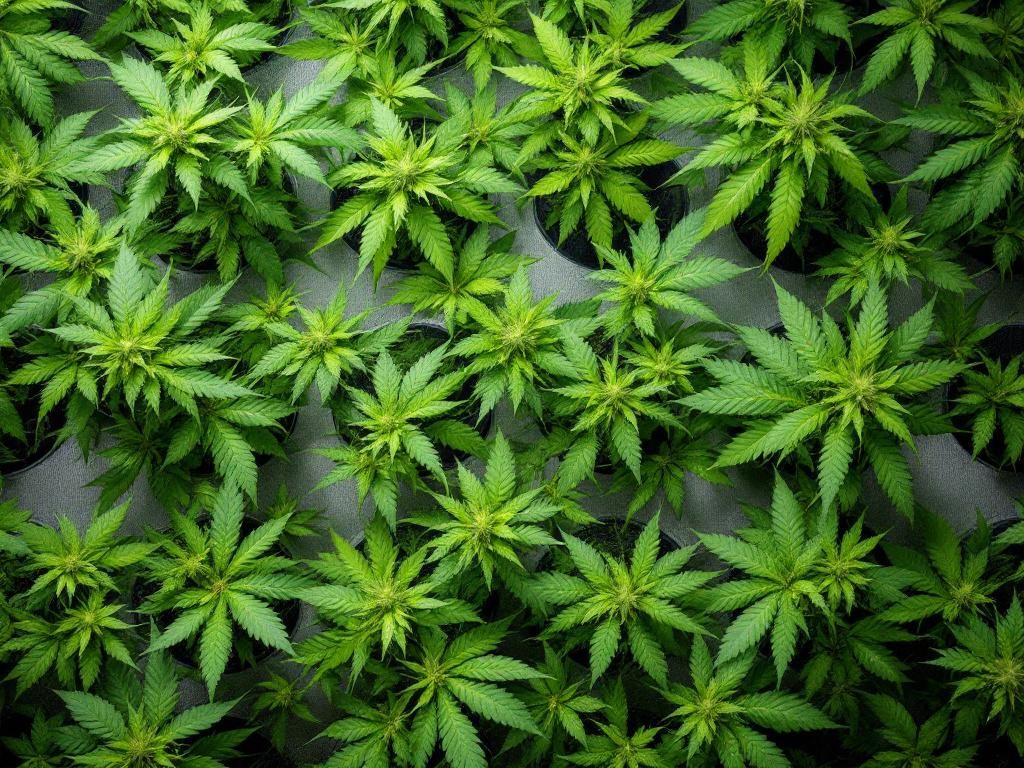
SCROG method cannabis transforms individual cannabis plants into highly productive canopy systems through careful branch management and light optimisation. This method uses horizontal screens or netting placed above developing plants to guide and support branch growth, creating uniform flowering surfaces that capture light efficiently across entire growing areas.
SCROG implementation begins during early vegetative growth when plants develop sufficient branch structure for training. Install your screen approximately 20-30 centimetres above your plants, using materials like chicken wire, purpose-built SCROG netting, or even home-made solutions from string and frame materials. The screen openings should measure roughly 5-10 centimetres to accommodate branch manipulation while providing adequate support.
As branches grow through screen openings, gently weave them back underneath adjacent squares, creating horizontal growth patterns across the screen surface. This tucking process continues throughout vegetative development, gradually filling screen spaces with evenly distributed branches. The technique requires regular attention, typically every few days, to maintain proper branch positioning.
Plant selection plays crucial roles in SCROG success. Photoperiod strains work best because their extended vegetative periods allow complete screen filling before flowering begins. Indica-dominant varieties often suit SCROG better than tall-stretching sativas, though both can work with proper management. Some autoflowering strains can be scrogged, but their compressed timelines limit screen-filling potential.
Light distribution becomes critical in SCROG setups. The technique aims to create uniform light penetration across the entire canopy, eliminating traditional hotspots and shaded areas found in untrained plants. This even distribution maximises photosynthetic efficiency and promotes uniform bud development across all flowering sites.
Pruning plays supporting roles in effective SCROG management. Remove lower branches that won’t reach screen level, redirecting plant energy toward main canopy development. This technique, called lollipopping, ensures maximum productivity from limited plant resources while maintaining clean growing areas beneath screens.
Indoor cannabis training particularly benefits UK growers because the technique maximises production from limited vertical space. Many UK growing areas have height restrictions that make SCROG ideal for optimising available room while maintaining manageable plant sizes.
Sea of Green (SOG)
SOG growing method approaches cannabis cultivation from a completely different angle, focusing on plant density and rapid turnover rather than individual plant maximisation. This method involves growing numerous small plants closely together, creating a “sea” of flowering tops that collectively produce impressive yields from limited space.
| Aspect | SCROG | SOG |
|---|---|---|
| Plant Count | Few plants (1-4) | Many plants (4-16 per m²) |
| Vegetative Time | Extended (4-8 weeks) | Short (1-2 weeks) |
| Training Complexity | High | Low |
| Space Efficiency | Horizontal optimization | Vertical optimization |
| Best for | Photoperiod strains | Fast-finishing varieties |
SOG implementation requires significantly more individual plants than traditional growing methods. Growers typically use anywhere from 4 to 16 plants per square metre, depending on strain characteristics and available space. This density demands careful planning for plant acquisition, container sizing, and resource allocation across multiple specimens.
The technique works by minimising vegetative periods to as little as one to two weeks before switching plants to flowering phase. This rapid transition encourages plants to focus energy on single main cola development rather than extensive branching. The result creates uniform plant heights with prominent central flowering sites.
Strain selection becomes crucial for SOG success. Compact, fast-finishing varieties work best, particularly those with minimal stretch during flowering transition. Many indica-dominant strains suit SOG perfectly, while some autoflowering varieties excel in these dense plantings due to their predetermined short stature.
Container management requires special attention in SOG setups. Smaller pots work well because individual plants need less root space, but they require more frequent watering and feeding schedules. Many growers use specialised SOG containers or modify standard pots to optimise spacing and resource efficiency.
Airflow becomes critical in dense SOG plantings. The close plant spacing can create stagnant air pockets that promote mould and pest issues, particularly in UK’s naturally humid conditions. Adequate ventilation systems with multiple fans help maintain proper air circulation throughout dense canopies.
Harvest timing can vary slightly between individual plants in SOG setups, requiring careful monitoring and potentially staggered harvesting of ready specimens. This flexibility allows optimising individual plant maturity while maintaining overall harvest efficiency.
Both SCROG and SOG offer UK growers effective methods for maximising production within space constraints common to indoor growing situations. BudBuddies’ emphasis on sustainable cultivation practices aligns well with both techniques, as they optimise resource usage while maintaining plant health and quality throughout the growing process.
Combining Training Techniques
Advanced cannabis cultivation often involves integrating multiple training techniques to create synergistic effects that surpass what individual methods can achieve alone. This technique combinations approach allows growers to leverage the strengths of different techniques while minimising their individual limitations, resulting in highly optimised plant structures and maximum yield potential.
Successful technique combinations require careful timing and gradual implementation to avoid overwhelming plants with excessive stress. The most effective approach involves staging different methods throughout the vegetative period, allowing adequate recovery time between major interventions. This phased strategy maintains plant health while building complex, highly productive canopy structures.
Common combination examples include:
- Topping combined with LST for wider canopies
- FIMing followed by selective super cropping
- SCROG methods integrated with preliminary HST
- Multiple technique sequences throughout growing cycles
Advanced growers might incorporate multiple techniques in sequence throughout the growing cycle. A typical progression might involve early topping, followed by LST during initial recovery, then super cropping any dominant branches, and finally SCROG installation for flowering phase management. Each technique builds upon previous modifications, creating highly sophisticated plant architectures.
Recovery periods between techniques become crucial for plant health and training effectiveness. Allow at least three to five days between major stress events, watching for signs of healthy new growth before proceeding to additional modifications. Stressed or struggling plants need longer recovery periods and might not tolerate aggressive combination approaches.
Environmental factors play enhanced roles when combining multiple techniques. Trained plants with complex structures require more attention to airflow, light distribution, and nutrient delivery. The increased surface area and modified growth patterns can create unique challenges that require adjusted growing protocols.
BudBuddies’ commitment to sustainable cultivation practices emphasises the importance of plant health throughout complex training regimens. Their approach demonstrates how careful technique integration can enhance yields while maintaining the plant vigour necessary for producing high-quality, transparent cannabis products.
Essential Growing Environment Factors for UK Growers
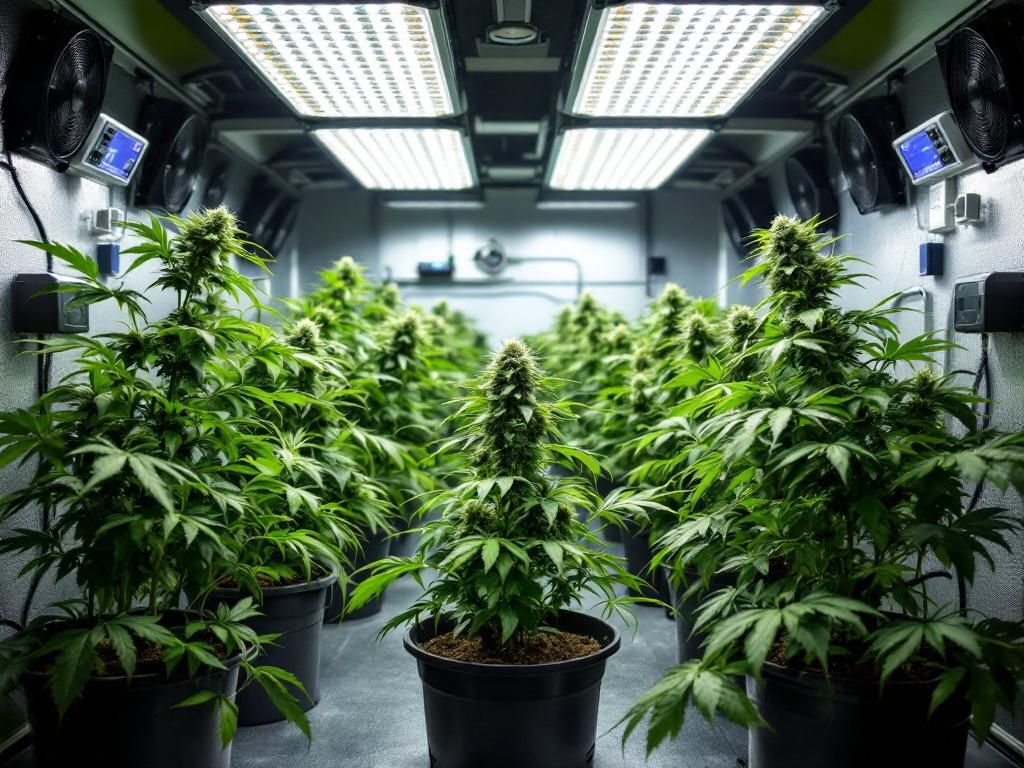
Creating optimal growing conditions becomes even more critical when implementing plant training techniques, as modified plant structures place additional demands on environmental systems. UK growers face unique challenges including variable weather patterns, limited daylight hours during winter months, and naturally high humidity levels that require careful management for training success.
Cannabis plant training techniques UK applications require specific environmental considerations:
- Light quality and intensity requirements
- Temperature management (20-25°C vegetative, cooler flowering)
- Humidity control (50-60% vegetative, 40-50% flowering)
- Airflow systems and circulation
- Nutrient management adjustments
- Growing medium selection
Light quality and intensity form the foundation of successful cannabis training programs. Indoor grows require high-quality lighting systems capable of penetrating trained canopies effectively. LED lights work particularly well for training applications because their full spectrum output and lower heat generation suit the increased leaf surface areas created by training techniques. Position lights to eliminate shadows in trained canopies, often requiring multiple light sources or adjustable mounting systems.
Photoperiod control becomes crucial for maximising training effectiveness. Most training techniques work best during extended vegetative periods that allow complete canopy development before flowering begins. UK growers benefit from indoor environments where precise light timing ensures optimal training windows regardless of natural daylight variations.
Temperature management requires special attention in trained plant setups. Dense canopies can create temperature variations within growing areas, potentially causing uneven growth or stress responses. Maintain temperatures between 20-25°C during vegetative growth and slightly cooler conditions during flowering to prevent issues in dense, trained canopies.
Humidity control presents ongoing challenges for UK growers, particularly with training methods that create denser plant structures. Trained plants often have increased leaf surface areas and reduced airflow within canopies, creating conditions favourable for mould development. Maintain humidity levels around 50-60% during vegetative growth, reducing to 40-50% during flowering phases.
Airflow systems become critical for trained plant health and productivity. Dense, trained canopies require active air circulation to prevent stagnant conditions that promote pest and disease issues. Install multiple fans to create gentle air movement throughout growing areas, paying special attention to areas within trained canopies where natural air circulation might be limited.
Nutrient management often requires adjustments for trained plants due to their modified growth patterns and increased flowering sites. Plants subjected to training techniques frequently develop more extensive root systems and increased nutrient demands. Monitor feeding schedules carefully and adjust nutrient concentrations based on plant response to training stress.
Growing medium selection influences training success significantly. Well-draining soils or hydroponic systems work best for trained plants because they support the increased root development often associated with training techniques. Ensure adequate drainage to prevent root problems that could compromise training effectiveness.
Container sizing affects training outcomes considerably. Trained plants typically develop more extensive root systems than untrained specimens, requiring larger containers for optimal development. UK growers working in limited spaces need to balance container size with available room while ensuring adequate root space for trained plant development.
pH monitoring becomes more critical with trained plants due to their potentially increased nutrient uptake and modified root development patterns. Maintain soil pH between 6.0-7.0 or hydroponic pH between 5.5-6.5, checking levels more frequently during training periods when plants experience additional stress.
Climate control systems help UK growers maintain consistent conditions despite variable outdoor weather. Trained plants benefit from stable environmental conditions throughout their extended vegetative periods, making climate control investments worthwhile for serious cultivation operations.
Common Training Mistakes and Troubleshooting
Even experienced growers encounter challenges when implementing cannabis training techniques, and understanding common pitfalls helps prevent costly mistakes that can compromise entire growing cycles. Recognition and quick correction of training mistakes often determines the difference between successful harvests and disappointing results.
Common training mistakes include:
- Overstressing plants with multiple simultaneous techniques
- Poor timing (too early or too late application)
- Inadequate support systems for heavy flower loads
- Using improper tie materials that damage stems
- Environmental neglect in trained canopies
- Inadequate light penetration planning
- Rushing recovery periods between techniques
Overstressing plants represents the most frequent training mistake, particularly among eager beginners who attempt multiple techniques simultaneously or apply methods too aggressively. Plants subjected to excessive stress may exhibit stunted growth, yellowing leaves, or complete growth stoppage that can take weeks to recover from. Always allow adequate recovery time between training sessions and monitor plants carefully for stress indicators.
Poor timing often undermines otherwise sound training techniques. Starting training too early can damage young, delicate plants that haven’t developed sufficient structure to withstand manipulation. Conversely, waiting too long reduces training effectiveness and may prevent proper canopy development before flowering begins. Most techniques work best when plants have developed at least four to six nodes but remain in active vegetative growth.
Inadequate support systems frequently cause problems as trained plants develop heavy flower loads later in their cycles. Branches that seemed secure during vegetative growth may droop or snap under the weight of mature buds. Install proper support structures early in training programs, using stakes, trellis netting, or other systems appropriate for your specific techniques.
Improper tie materials or securing methods can damage plant tissues or fail to maintain desired branch positions. Avoid wire ties or other materials that can cut into growing stems as they thicken. Use soft materials like plant velcro, cloth strips, or purpose-made plant ties that adjust as branches grow. Check and adjust ties regularly to prevent binding or cutting damage.
Environmental neglect becomes more problematic with trained plants due to their modified structures and increased surface areas. Dense, trained canopies require enhanced airflow, adjusted lighting angles, and modified watering patterns compared to natural plant structures. Failure to adapt environmental systems for trained plants often leads to pest problems, mould issues, or uneven development across canopies.
Inadequate light penetration frequently limits training effectiveness, particularly with SCROG or dense LST applications. Trained canopies may require additional lighting sources or adjusted light positioning to ensure uniform illumination across all flowering sites. Monitor your canopy regularly for shaded areas that might reduce overall productivity.
Recovery time miscalculations cause numerous training failures when growers rush between techniques or transition to flowering too quickly after major training events. Most HST techniques require at least one week for initial recovery, with full adaptation taking several weeks. Observe new growth patterns and plant vigour before proceeding with additional training or flowering transitions.
Strain selection errors can undermine training efforts when growers attempt techniques unsuited to specific varieties. Autoflowering strains may not tolerate aggressive HST methods, while some sativa-dominant varieties might respond unpredictably to containment techniques like SCROG. Research strain characteristics and choose training methods appropriate for your specific genetics.
Tool cleanliness issues can introduce pathogens when using HST techniques that create open wounds on plant tissues. Always sterilise cutting tools with rubbing alcohol or bleach solutions between plants to prevent disease transmission. Keep wounds clean and monitor for signs of infection during recovery periods.
Documentation failures make it difficult to replicate successful training programs or identify causes of problems when they occur. Keep detailed records of training techniques applied, timing, plant responses, and environmental conditions throughout growing cycles. This information proves invaluable for refining techniques and troubleshooting future grows.
When problems do occur, quick identification and correction often prevent minor issues from becoming major setbacks. Remove damaged plant material promptly, adjust environmental conditions as needed, and provide supportive care to help plants recover from training stress. BudBuddies’ approach to quality cultivation emphasises careful monitoring and prompt response to plant needs, principles that apply directly to successful training programs.
Conclusion
Mastering cannabis plant training techniques empowers UK growers to maximise their cultivation potential while working within space constraints and legal considerations. These methods represent fundamental skills that transform ordinary plants into highly productive specimens capable of exceptional yields and quality.
The journey from basic LST applications to advanced technique combinations demonstrates how proper plant training evolves with growing experience and confidence. Each method offers unique advantages, whether you’re working with sensitive autoflowering varieties that respond well to gentle LST or robust photoperiod strains that can handle aggressive HST approaches.
Environmental mastery remains equally important as technique selection. UK growing conditions present specific challenges that trained plants can help address through improved space utilisation and enhanced canopy management. Proper climate control, lighting systems, and airflow management become even more critical when working with modified plant structures.
Avoiding common mistakes and understanding proper timing can prevent the frustrating setbacks that often discourage beginning growers. Success with plant training requires patience, observation skills, and willingness to adapt techniques based on individual plant responses and growing conditions.
The combination approach offers advanced growers opportunities to create sophisticated plant architectures that maximise every aspect of their growing setup. By integrating multiple techniques thoughtfully throughout the growing cycle, experienced cultivators can achieve results that surpass what individual methods accomplish independently.
BudBuddies exemplifies the professional standards achievable through dedicated application of proper growing techniques. Their commitment to 100% cannabis-derived products with full ingredient transparency reflects the precision and care that effective plant training demands. This approach demonstrates how sustainable cultivation practices align with advanced growing techniques to produce exceptional results.
According to Ed Rosenthal, renowned cannabis cultivation authority, “Training your plants is like conducting an orchestra – every branch needs to play its part in harmony to create the perfect canopy symphony.”
Looking forward, plant training skills provide foundation knowledge applicable to various cultivation scenarios. Whether working within current UK legal frameworks or preparing for potential regulatory changes, understanding these techniques positions growers for success across different cultivation contexts.
Plant training represents both art and science, requiring technical knowledge combined with intuitive understanding of plant responses. The most successful growers develop sensitivity to their plants’ needs while maintaining consistent application of proven techniques throughout their growing cycles.
Continued learning and experimentation help refine training skills over time. Each growing cycle provides opportunities to test new combinations, adjust timing, or modify techniques based on previous results. This iterative approach leads to increasingly sophisticated growing operations and consistently improving results.
The investment in learning proper training techniques pays dividends across multiple growing cycles through increased yields, improved quality, and more efficient use of growing resources. These skills form essential components of serious cannabis cultivation knowledge that benefit growers regardless of their specific goals or circumstances.
FAQs
What are the primary benefits of training cannabis plants?
Training cannabis plants creates multiple advantages that significantly improve growing outcomes. Even light distribution across all bud sites increases overall yield by ensuring every potential flowering location receives adequate illumination. Improved airflow within trained canopies reduces risks of mould and pest issues, particularly important in UK’s naturally humid climate. Height control helps growers manage plants within limited vertical spaces common in indoor setups. Multiple cola development replaces single main stem dominance, creating more uniform harvests with consistent bud quality throughout the plant.
Can you use training methods on autoflowering plants?
Autoflowering cannabis plants can benefit from training techniques, but method selection requires careful consideration of their compressed life cycles. Cannabis training methods work excellently with autoflowers when using Low-Stress Training because it minimises recovery time while maximising light exposure across developing canopies. Gentle LST applications help create even canopies without causing growth delays that could impact final yields. High-Stress Training techniques like topping or super cropping generally prove unsuitable for autoflowers due to their predetermined flowering schedules that don’t allow adequate recovery time from major stress events.
When should you start training your cannabis plant?
Optimal training timing depends on plant development rather than specific age, as growth rates vary considerably between strains and growing conditions. Begin training when plants develop their third to sixth set of true leaves, ensuring stems remain flexible for manipulation without breaking. Early vegetative stage timing allows maximum training periods before flowering begins, particularly important for photoperiod strains. Avoid training very young seedlings that haven’t established proper root systems or older plants with woody stems that resist bending without damage.
How does topping differ from FIMing?
Topping and FIMing represent different approaches to breaking apical dominance, each producing distinct results. Topping involves completely removing the main growing tip above a selected node, forcing the plant to redirect growth hormones toward the two branches below the cut. This creates precisely two new main stems where one previously existed. FIMing removes only partial growing tip material, typically about 75% of new growth, which often results in four to six new growing points instead of two. FIMing proves less invasive and maintains more leaf material during recovery, while topping provides more predictable results with cleaner branch development.
What equipment is essential for effective training?
Successful cannabis training requires relatively simple but specific equipment suited to plant manipulation without causing damage. Soft ties, plant velcro, or cloth strips work best for LST applications because they won’t cut into growing stems as branches thicken. Sterilised scissors or razor blades prove essential for topping and FIMing, with rubbing alcohol needed for tool cleaning between plants. SCROG applications require horizontal screens or netting with appropriate opening sizes for branch manipulation. Stakes, bamboo poles, or other support structures help maintain trained branch positions throughout the growing cycle. Quality materials prevent many common training problems while ensuring plant health during manipulation periods.


