


Weed and Morning Lectures: What It Really Does
Introduction
Plenty of people swear weed and morning lectures are a perfect way to make dull content bearable.
But how it feels and what it does often differ.
In short, cannabis rarely improves learning in serious morning lectures and often makes memory, note taking, and later revision weaker. THC can make a talk seem more interesting, yet it tends to disturb the brain systems that store new information. This guide explains the science in plain language and shows how strain choice, format, dose, and BudBuddies products can fit into a morning routine that still respects your concentration.
So first, look at what cannabis does to your brain during a lecture.
What Does Cannabis Actually Do to Your Brain During a Lecture?
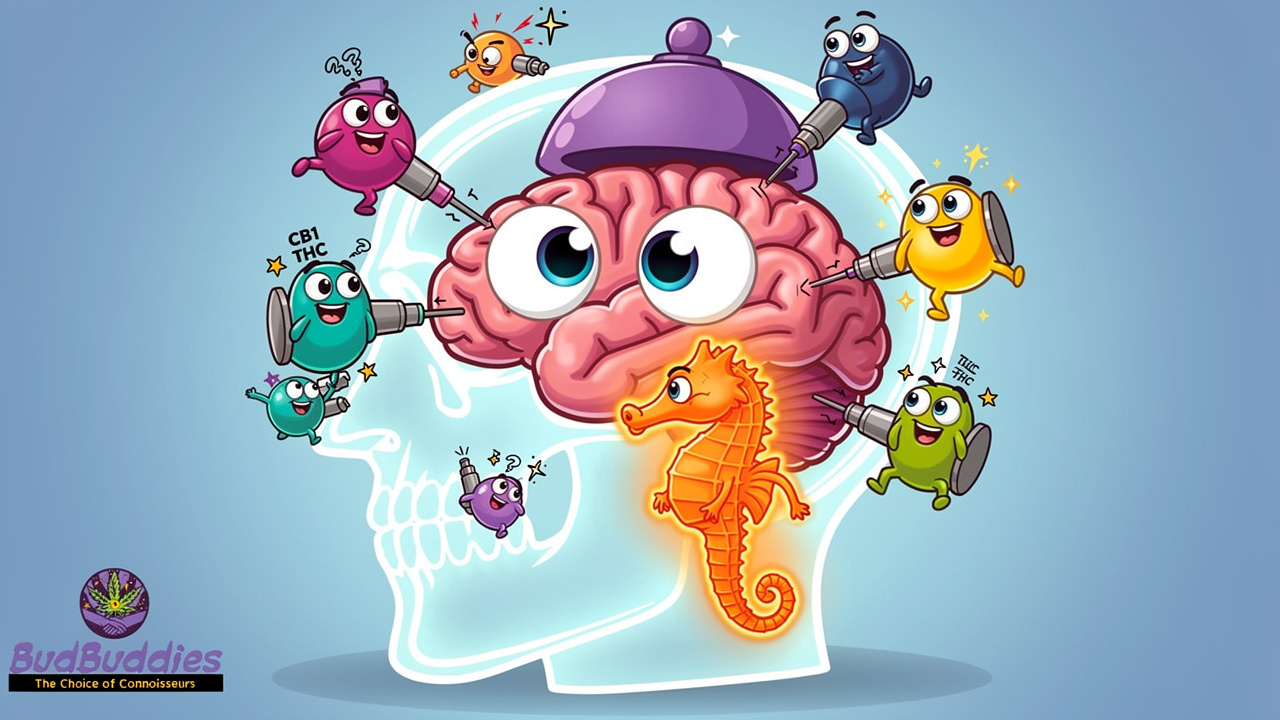
Cannabis affects your brain during a lecture by changing the systems that handle focus, memory, and mental speed. For most people, this means weed and morning lectures feel smoother yet quietly drain how much actually sticks later. The main driver is THC, the psychoactive cannabinoid that locks onto CB1 receptors across key thinking regions.
Those receptors sit in high numbers in the hippocampus, which builds new memories, and the prefrontal cortex, which manages planning and decision making. When THC activates them, normal signalling between neurons becomes noisier and less precise. Research from the National Institute on Drug Abuse explains that this short‑circuits working memory and makes it harder to move new facts into long‑term storage.
That is why following a complex explanation on synapses, case law, or equations can suddenly feel like swimming through treacle. Your attention jumps more, you process words and slides more slowly, and time feels distorted. According to a review in The Lancet Psychiatry, people who use THC shortly before cognitive tests show clear drops in attention, learning, and decision making compared with sober performance.
A simple rule many cognitive scientists repeat is that anything that interferes with short‑term memory also interferes with learning new material. Cannabis is a textbook example of that during lectures.
Two factors influence how strongly you feel these effects:
Dose: At very low doses some experienced consumers feel slightly more curious or less anxious, which can make a dry topic feel more bearable. As the dose climbs, especially with potent modern flower, short‑term memory, coordination, and reaction time fall away quite sharply.
Tolerance: Regular use can make weed and morning lectures feel fine even when your performance is a little dulled. A daily consumer may feel almost normal in a lecture after a few pulls on a vape, while a newcomer might feel overwhelmed. Yet experimental work linked by NHS still finds measurable memory and attention problems in both groups when THC is active in the system.
Does Strain Type Make a Difference for Morning Use?
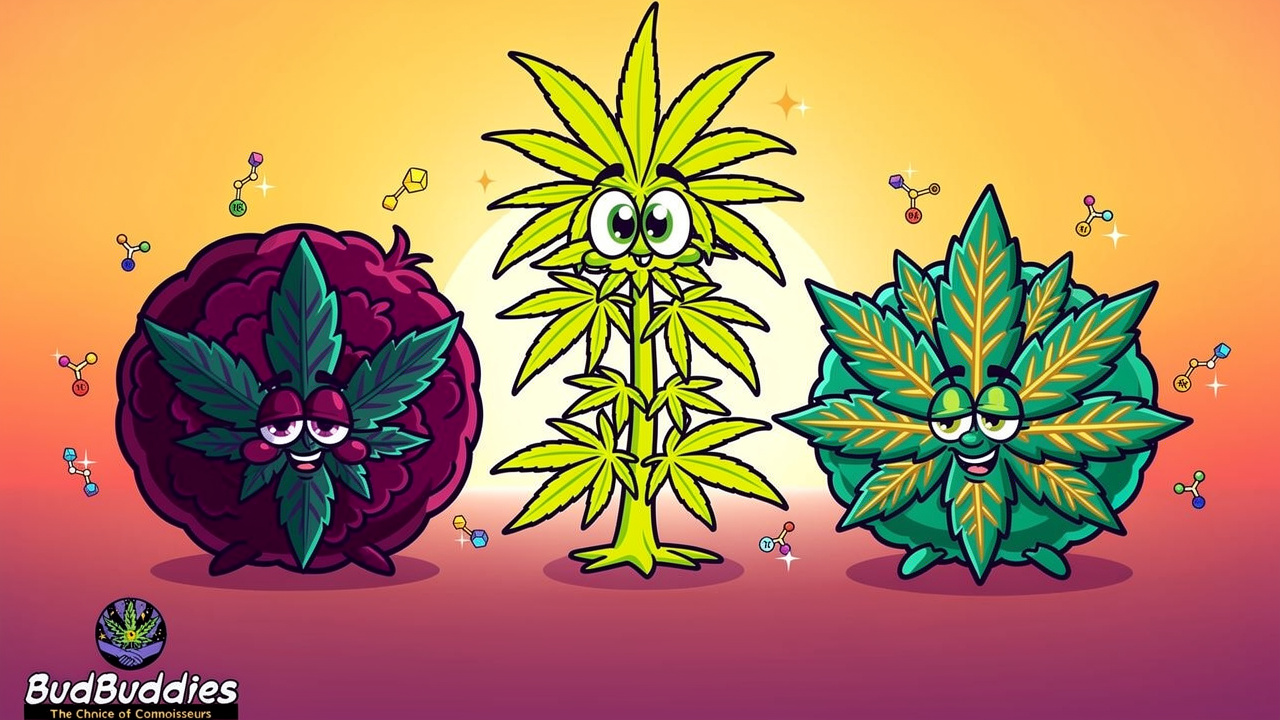
Strain type makes a big difference to how cannabis feels in the morning because each plant has its own mix of cannabinoids and terpenes. When people say weed and morning lectures work for them, they are usually talking about bright, uplifting strains. Heavy, sleepy varieties rarely belong anywhere near a first lecture of the day.
Indica‑dominant strains tend to bring more body heaviness and relaxation. Many are rich in the terpene myrcene, which is linked with stronger couch‑lock style effects. That can feel wonderful at night with a film, yet it often turns a 9am seminar into a fight to stay awake.
Sativa‑leaning genetics are often higher in terpenes like limonene and pinene, which many people associate with an energised, chatty, clear‑headed mood. These are the types that sometimes feel compatible with note taking or group work at low doses. The catch is that high‑THC sativas can easily tip into racing thoughts or jitters, especially if you already feel nervous about the subject. According to data from the European Monitoring Centre for Drugs and Drug Addiction, average THC levels in herbal cannabis more than doubled between the early 2000s and recent years, making accidental overdoing it far easier.
CBD‑dominant or balanced CBD:THC products behave very differently. CBD itself is non‑intoxicating and may smooth out some of THC’s edgier effects on anxiety and heart rate. A review from the World Health Organization notes that pure CBD shows no typical signs of abuse or dependence, which is one reason many people choose it for calm focus.
If you insist on pairing weed and morning lectures, a gentle sativa or hybrid with moderate THC and CBD is usually safer than a high‑strength indica. Matching the strain to the task helps you avoid turning a learning session into background noise. A simple strain journal noting dose, timing, and how alert you felt, combined with careful product descriptions and lab data, makes those choices more deliberate over time.
How BudBuddies Helps You Choose the Right Strain
BudBuddies makes picking a morning‑friendly strain feel calm rather than confusing. On budbuddies.cc you can browse by effect, with clear tags for daytime uplift, social energy, or evening relaxation. That means you spend less time guessing and more time choosing what fits your actual plans.
Each flower, vape, or edible listing shows lab‑tested THC and CBD levels plus flavour notes and likely effects. Double‑checked Certificates of Analysis sit behind every batch, so the number on the label matches what is in your grinder or vape cart. Daytime‑leaning options such as Amnesia Haze, Blue Dream, or Strawberry Cough are easy to spot when you want something compatible with focus.
Tip from regular students: keep notes on which BudBuddies strains you use before classes, including dose and timing, so you can repeat what works and skip what does not.
Does the Format You Use Change Everything?

The format you use to take cannabis can completely change how it feels during a morning lecture and how long it lasts. Inhaled flower or vapes behave very differently from edibles, tinctures, or drinks, which matters a lot if weed and morning lectures are part of your routine.
Smoked or vaped cannabis hits quickly. According to the Centers for Disease Control and Prevention, inhaled THC reaches the bloodstream within minutes, with noticeable effects that typically last two to three hours. That shorter, more predictable arc lets experienced consumers judge quite well whether they still feel clear enough for note taking.
Edibles and THC drinks sit at the other end of the scale. Guidance from Health Canada notes that oral THC can take 30 minutes to two hours to kick in and may last up to eight hours. That delay tricks many people into redosing, only for both servings to erupt at once in the middle of a tutorial.
Sublingual tinctures sit somewhere in between. Drops held under the tongue usually start working within 15 to 45 minutes and last several hours, according to information from NHS Inform. That can suit long study days when you want a gentle, steady background effect rather than sharp peaks.
Flower gives a familiar, fast experience. You feel the first wave quickly, so it is easier to tell whether you overshot your comfort zone. The downside is smell and smoke, which can cling to clothes. If discretion matters on campus or at work, this can cause awkwardness.
Vapes are usually the most practical option when you pair weed and morning lectures. They work as fast as smoking, but the vapour smell fades more quickly and dosing small puffs is simple. BudBuddies offers daytime‑focused vape carts so you can take a couple of pulls, wait, and then decide whether you need more.
Edibles are slower but longer‑lasting. For some people that steady curve fits long days of seminars, while for others it makes timing much harder. If your schedule is packed, it is easy to still be high hours after you planned to stop.
How to Use Cannabis Responsibly If You Have Morning Commitments

Using cannabis responsibly when you have morning commitments means treating it more like a tool than a treat. That applies whether you are thinking about weed and morning lectures, an early driving lesson, or a meeting with your manager.
Health agencies repeatedly advise starting with small amounts. Guidance from Health Canada suggests new edible users begin with no more than 2.5mg THC and wait at least two hours before taking more. That advice fits mornings with weed and morning lectures, where a heavy dose is more likely to spoil your plans than help.
Health Canada sums this up with a simple phrase: “Start low and go slow.”
— Health Canada, cannabis consumer guidance
Knowing exactly what you are taking is just as important as the number itself. BudBuddies labels show clear THC and CBD figures, typical effects, and suggested serving sizes, backed by independent lab reports on each batch. That precision lets you microdose with far more confidence than if you were guessing from appearance alone.
Tolerance can make you feel fine even when your performance is a little dulled. A review in the Journal of the American Medical Association reports that regular cannabis users still show smaller yet measurable dips in learning and attention soon after consuming. So feeling normal is not a guarantee that you are working at your best.
Decide what you want from the session before you use anything. If the goal is to learn, keep that in mind when you pick a product and dose. Many people find that this pause stops heavy dosing. It also makes it easier to notice when cannabis is starting to get in the way.
Keep doses much smaller on study mornings than on relaxed evenings. A microdose might be a single short vape pull or a small fraction of your usual edible. If you feel noticeably high, that is already more than you need for focus.
Plan your timing. Aim to finish consuming at least an hour before important lectures so you have time to assess how you feel and decide whether you should take detailed notes, just listen, or stay sober next time.
The Bottom Line

The bottom line on weed and morning lectures is that learning usually suffers, even when the class feels more enjoyable. Weed and morning lectures can work in a limited way for some experienced, careful users, but only when dose, strain, and format are chosen very precisely.
If your priority is to actually remember material, sober or near‑sober is still the safest position. When you do want cannabis in your routine, BudBuddies helps you pick lab‑tested daytime strains, gentle CBD options, and microdose‑friendly formats at budbuddies.cc so your mornings stay sharp rather than hazy. Discreet, tracked delivery keeps that exploration private and simple.
Frequently Asked Questions
This section answers common questions about weed and morning lectures in a quick, skimmable way.
Question: Can sativa strains actually improve focus before a lecture?
Some sativa‑dominant strains can feel more focusing at low doses, but they do not guarantee better learning. High THC still interferes with working memory, so careful dosing and choosing a suitable product remain important.
Question: Is microdosing cannabis a realistic option for students?
Microdosing can be realistic when you use products with tested THC levels. Small amounts, such as 2.5mg to 5mg, may ease anxiety without strong intoxication. BudBuddies’ lab‑verified gummies and vapes fit well with this approach.
Question: How long does cannabis impairment last after smoking or vaping?
After smoking or vaping, most people feel peak effects for one to three hours. Subtle changes in reaction time and memory can linger, so you might still be slightly dulled in later lectures.
Question: Are CBD products a better option than THC for morning use?
CBD products are a gentler option for mornings because they do not cause a high. Oils, capsules, and CBD flower can reduce tension and support focus without the same impact on memory that THC has.
Question: Why does BudBuddies recommend certain strains for daytime use?
BudBuddies highlights daytime strains to make morning planning simpler. Options such as Amnesia Haze, Blue Dream, and Strawberry Cough are selected for clear‑headed effects, backed by lab data so you can build a consistent routine.

